Are Ex-Fleet Cars a Good Buy? Pros, Cons and the Checks That Matter
Thousands of former company, lease and rental cars hit the used market every month, and many are genuine bargains. Here’s how to tell a well-cared-for example from a worn-out one, and why its history matters far more than its ex-fleet label.
The Cazoo editorial team
Published on 17 November 2026 | 7 mins read
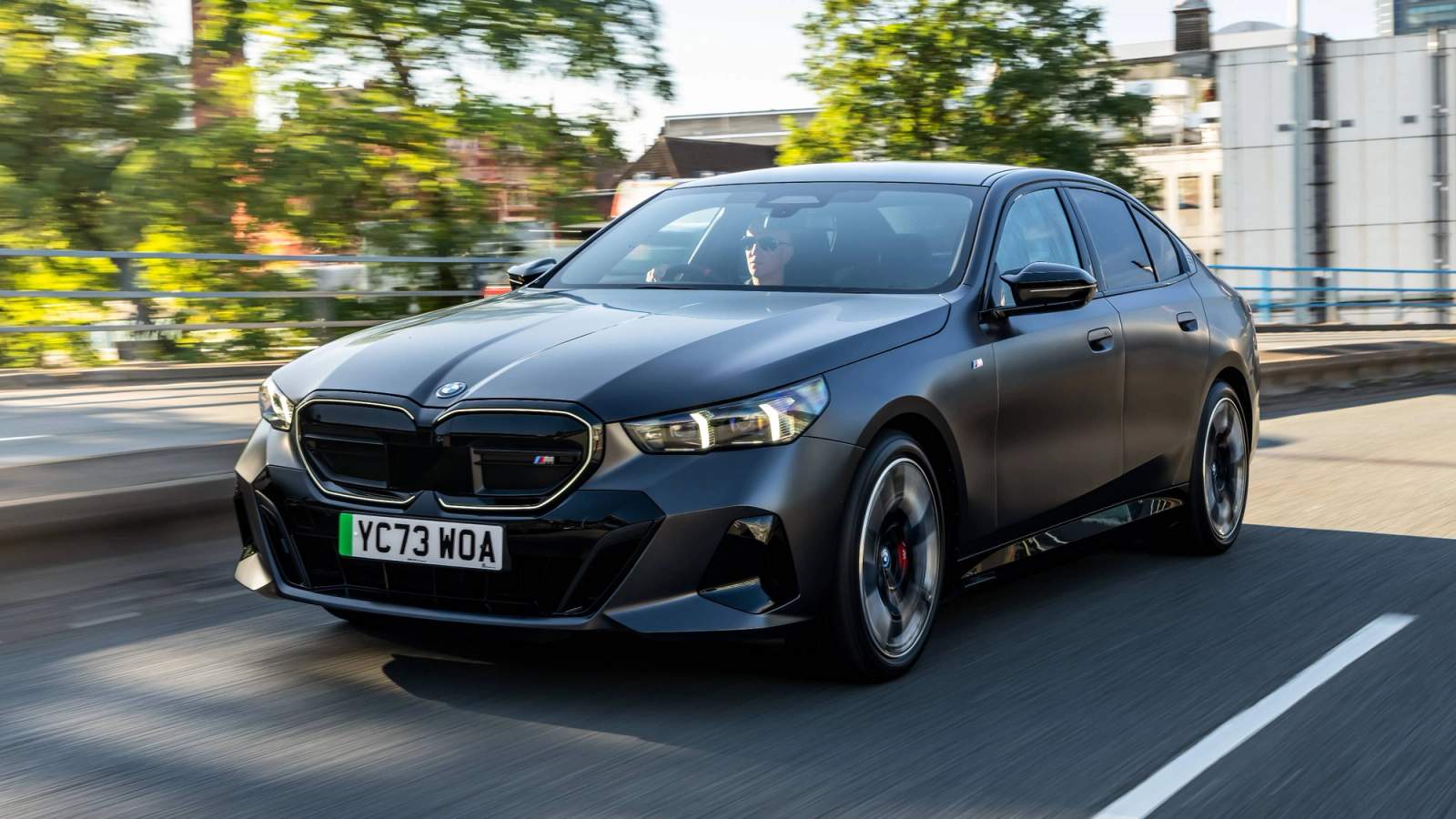
Browse used car listings and you’ll find plenty of vehicles that started life on a fleet. Fleets account for almost six in every 10 new cars registered in the UK, according to industry body the SMMT, and every one of them eventually leaves its company, leasing firm or rental desk and ends up on the used market.
Some buyers avoid ex-fleet cars because they picture huge mileages and a hard life, while others seek them out for their service records and keen prices. The truth sits in between, and the label “ex-fleet” tells you surprisingly little on its own. Here’s what you need to know before you buy.
What counts as an ex-fleet car?
“Ex-fleet” is a catch-all term for any car first registered to a business rather than a private buyer, and it covers a few different types. Company cars are provided to employees, such as a sales rep’s Skoda Octavia or a manager’s BMW 3 Series. Many are leased, so the leasing company is the registered keeper and takes the car back at the end of a contract that typically runs for two to four years.
Pool cars are shared between staff and booked out as needed, so several people may have driven them. Ex-rental cars come from hire companies and are usually sold young. Then there are public sector cars from local councils, NHS trusts and similar organisations, which tend to be replaced on a fixed schedule.
Why are ex-fleet cars often cheaper?
It mostly comes down to numbers. When lease contracts end, large batches of near-identical cars come back at once, and that steady supply keeps prices competitive, especially for popular models in common colours. Fleet cars also tend to cover more miles than privately owned ones, which pulls the price down further, even when the car is in good health.
The pros of buying an ex-fleet car
The biggest plus is maintenance. Lease and company cars are usually serviced bang on schedule, often at franchised dealers, so you may find a complete digital service record that’s easy to check. Drivers also have a reason to look after them, as leasing companies charge for damage beyond fair wear and tear when the car goes back, using industry standards set by the British Vehicle Rental and Leasing Association (BVRLA).
Ex-fleet cars are usually young too, so you get modern safety kit and efficient engines. Some will still have manufacturer warranty left, but check the mileage limit as well as the age. Many warranties last three years or 60,000 miles, whichever comes first, so a car that’s covered 25,000 miles a year can lose its cover before it reaches its third birthday.
The cons to watch out for
High mileage is the obvious one. A three-year-old company car with 75,000 miles isn’t unusual, and wear items such as brakes, clutches, suspension and tyres wear in proportion to use, so find out what’s due to be replaced soon and factor it into the price.
Everyday wear can be more noticeable too, such as a scuffed driver’s seat bolster, a shiny steering wheel and stone chips on the bonnet. Some fleets order basic “business” trims with the essentials and little else, and a car with several drivers may have had less sympathetic treatment, since nobody felt it was really theirs. Some fleet cars also run on variable or “long-life” servicing, which can mean up to two years between oil changes. That’s still within the maker’s schedule, but worth knowing if you plan to keep the car for years.
Motorway miles vs city miles
Before you dismiss a big mileage, ask how those miles were covered or where the car spent the majority of its life. A car that’s spent its life cruising the motorway has had a relatively easy time, with steady speeds, few gear changes and not many cold starts, so its engine, clutch and brakes are often in better shape than the mileage suggests.
Short urban trips are tougher. Cold starts, stop-start urban traffic and constant gear changes all add wear, and diesels can struggle in particular, as their particulate filters need regular longer runs to clean themselves. So a low-mileage town car isn’t automatically a better buy than a higher-mileage motorway car. Stone chips across the nose tend to suggest motorway use, while kerbed alloys point to town driving, and the service and MOT records will help fill in the picture.

What about ex-rental cars?
Ex-rental cars are a little different. They’re usually sold young with low mileage, so most have plenty of warranty left, and rental firms keep them well maintained because they don’t want a car to be off the road in the garage, not earning its keep. The catch is that dozens of people may have driven them, some unfamiliar with the car and some in a hurry. Check for kerbed wheels, scraped bumpers, worn trim and signs of rushed repairs. And because the rental company is the registered keeper, the V5C may show just one previous keeper, even though many drivers have been behind the wheel.
Popular ex-fleet models to look at
A handful of models dominate the ex-fleet market. Company car tax breaks have also made electric cars a fleet favourite, so more ex-fleet EVs are reaching the used market, and our electric vehicles hub has advice on buying one.
Volkswagen Golf
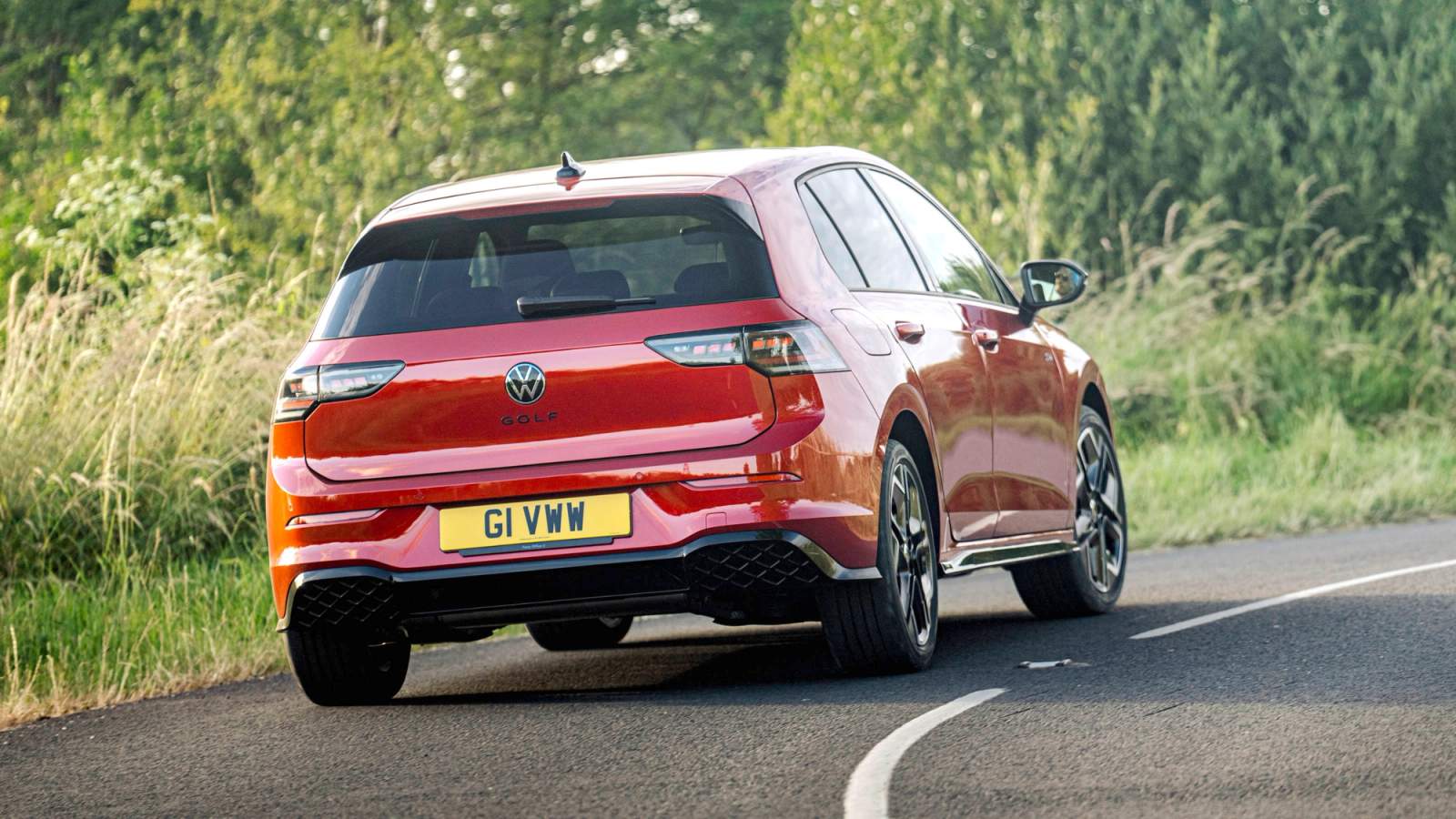
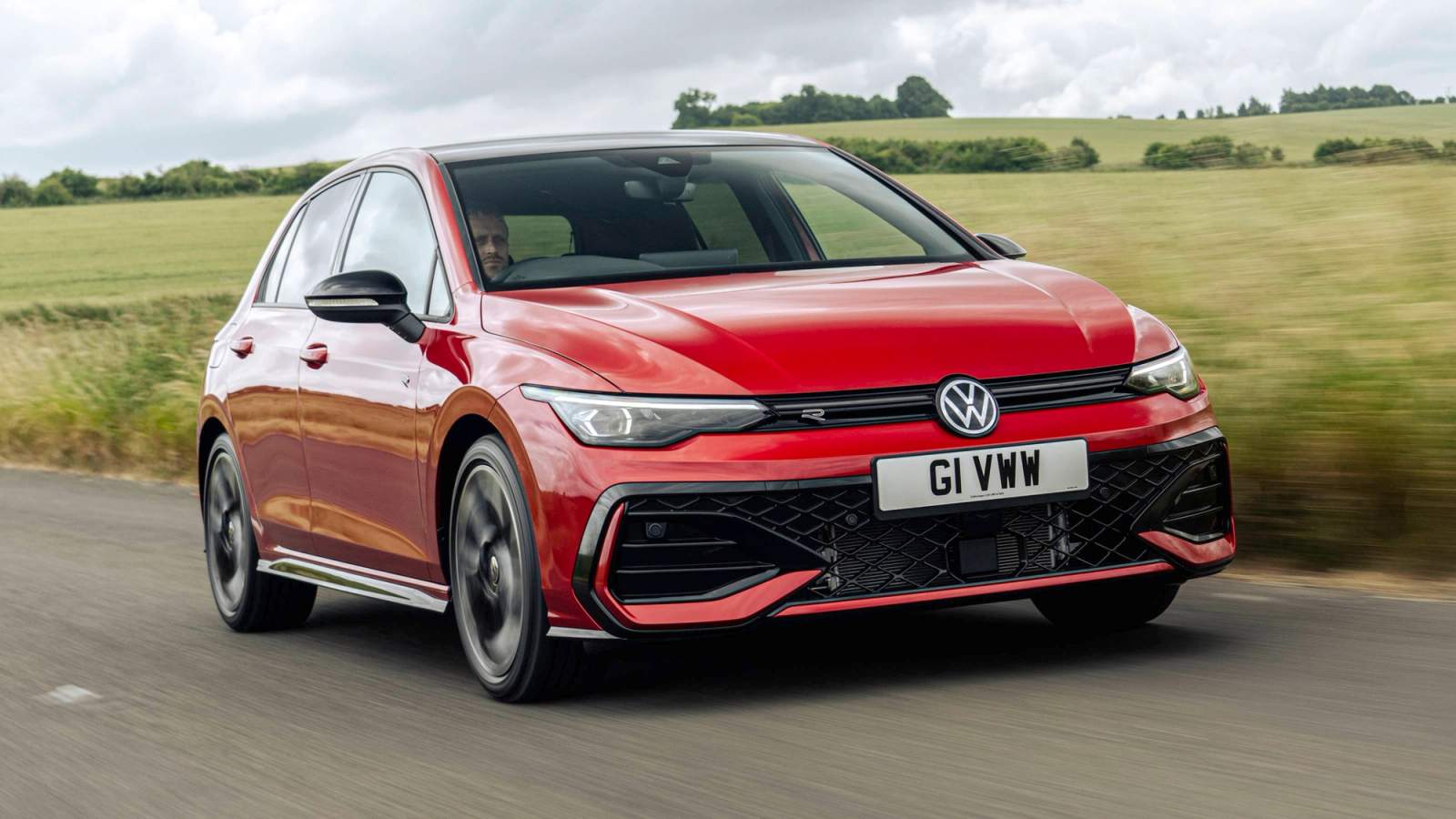
The Golf has been a fleet staple for decades. The Mk7 (2013 to 2020) and the Mk8 that followed are comfortable and well built, and 2.0-litre TDI diesels with around 113bhp or 148bhp suit big-mileage drivers. Cars from the 2024 update have a much-improved touchscreen. There are always plenty of examples of Volkswagen Golf to choose from.
Ford Focus
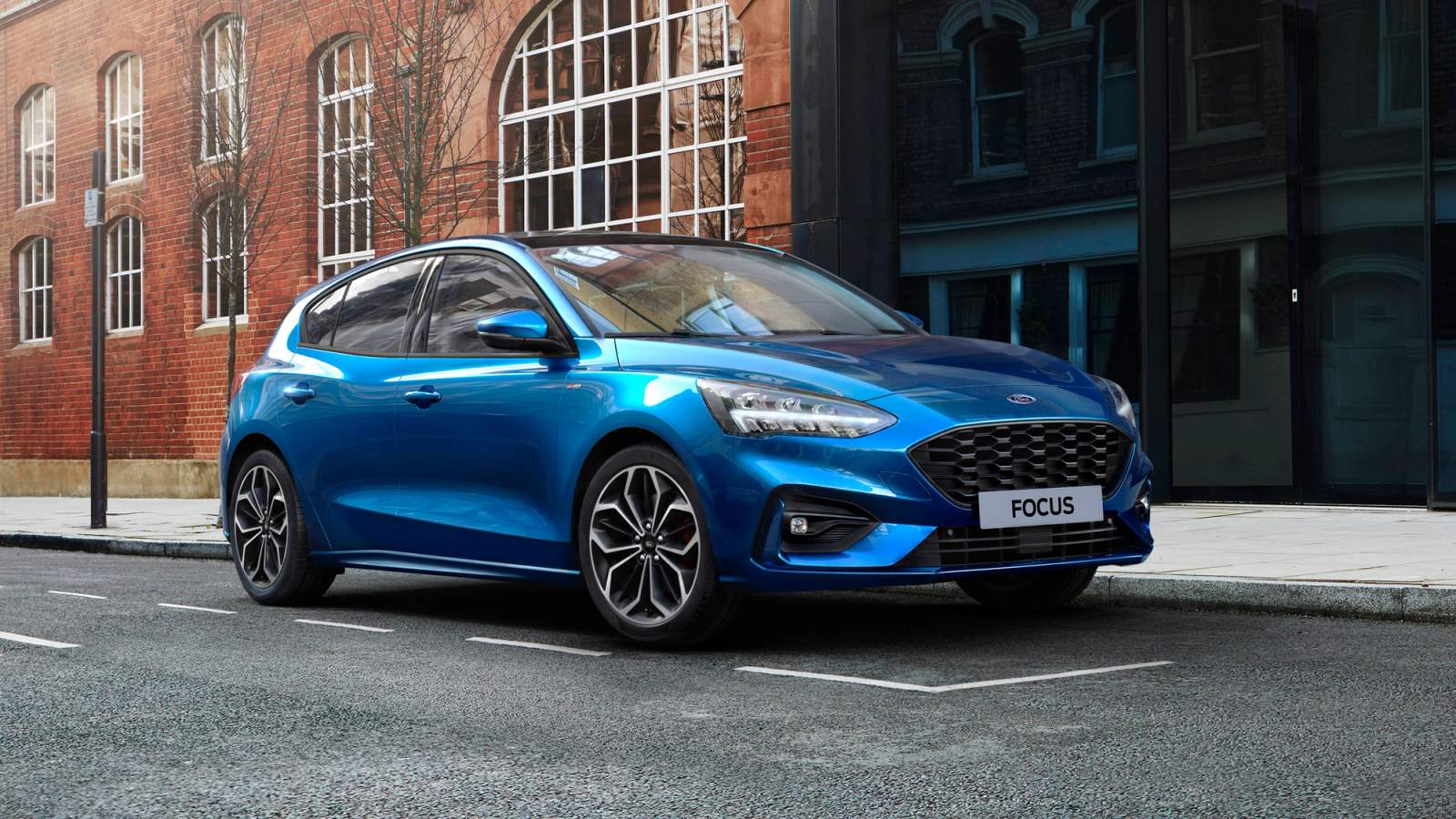
Ford ended Focus production in late 2025 after 27 years, so every one is now a used buy. The fourth-generation car, launched in 2018, handles brilliantly, with a 1.0-litre EcoBoost petrol of around 123bhp or a frugal 118bhp 1.5-litre diesel. The 1.0 EcoBoost’s timing belt runs in oil, so read our guide to wet timing belts before browsing Cazoo’s Ford Focus listings.
Vauxhall Astra
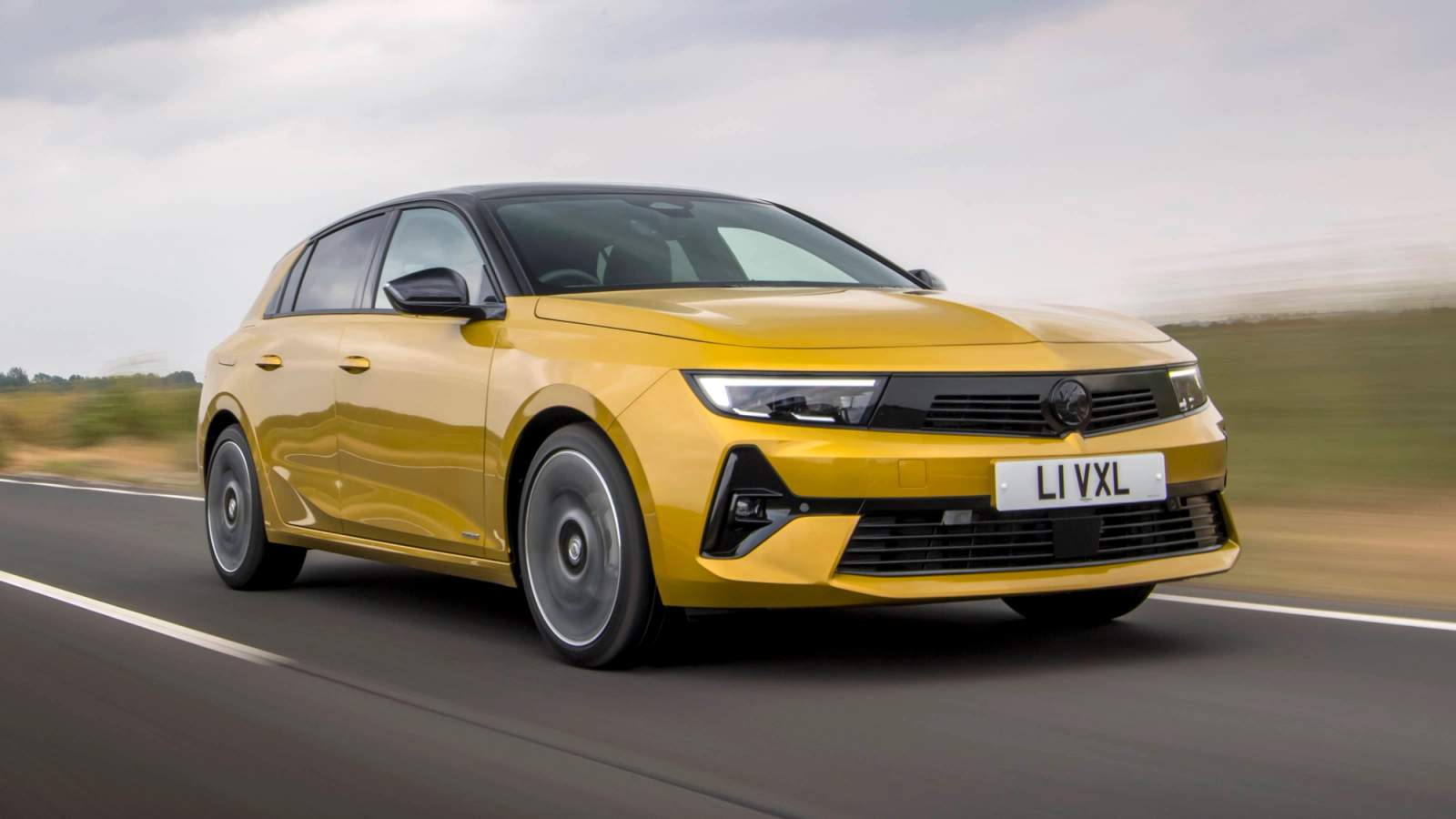
The Vauxhall Astra sold from 2015 to 2021, was a common company car thanks to its comfy ride and economical diesels. The current Astra, on sale since 2022, added a 178bhp plug-in hybrid that’s popular with company car drivers for its low tax bills. You’ll find both among the listings for Vauxhall Astra cars for sale.
Skoda Octavia
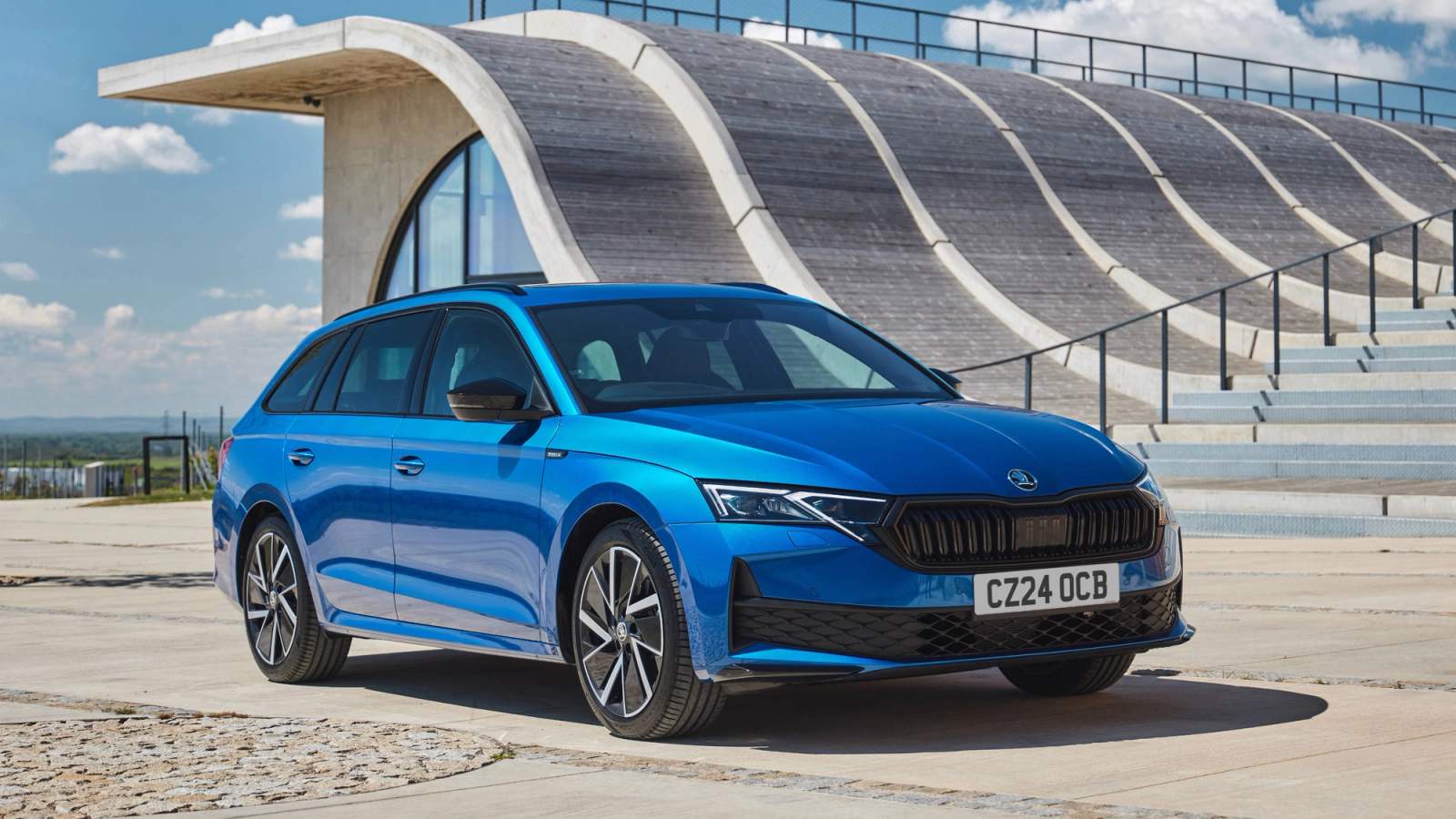
Space is the Octavia’s big selling point, and the current estate, launched in 2020, has a huge 640-litre boot. Its 2.0-litre TDI diesels, with around 113bhp or 148bhp, are smooth and economical. It’s also a favourite with private hire drivers, so ask whether the car was used as a taxi before choosing from the Skoda Octavia listings.
BMW 3 Series
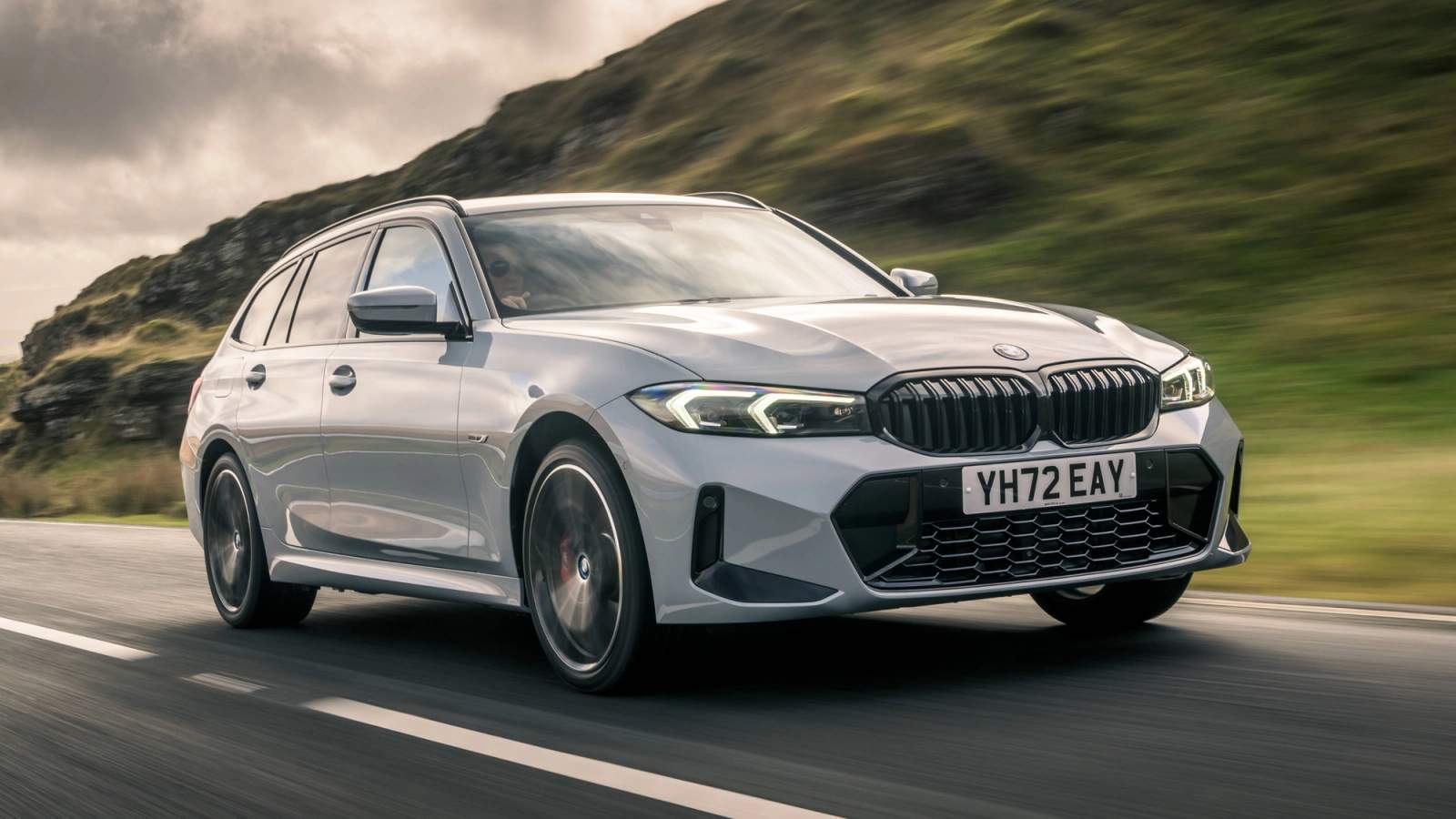
The 3 Series has long been the executive company car of choice. The 188bhp 320d diesel is quick and frugal on long runs, while the 330e plug-in hybrid, with around 288bhp and roughly 35 miles of electric range, won fleets over with its low tax rates. Many are well-equipped M Sport models, so browse used BMW 3 Series models on Cazoo.
Ex-fleet car checklist: what to check before you buy
Start with the V5C logbook, which shows the number of previous keepers and the name of the most recent one. A leasing company, rental firm or business name there confirms its fleet past. As our guide to how many previous owners is too many explains, the number of keepers matters far less than how well the car was looked after.
Next, compare the service history with the GOV.UK MOT history service, which records the mileage and any advisories at each test. A car’s first MOT is due at three years old, so younger cars rely more on service records. High-mileage cars can be targets for mileage fraud, and our guide on how to spot a clocked car shows what to look for.
A vehicle check will confirm the car isn’t recorded as stolen, written off or carrying outstanding finance, which is worth confirming even for a car fresh off a lease. When you view it, work through our used car viewing checklist, paying close attention to the tyres, brakes, clutch and driver’s seat, and include some faster roads on your test drive. For higher-mileage cars, a pre-purchase inspection adds peace of mind, and our how to buy a used car safely guide covers the rest of the process.
FAQs
Are ex-fleet cars reliable?
An ex-fleet car is as reliable as the model in question and how well it’s been maintained. Many have stronger service records than privately owned cars, which is a good sign, but judge each car on its own history and condition.
Is a high-mileage ex-fleet car worth buying?
It can be, if the miles were mostly motorway miles, the service history is complete and the price reflects the mileage. Budget for parts that wear with use, such as tyres, brakes and the clutch.
Find your next used car on Cazoo
An ex-fleet car can be a smart buy or a tired one, and the label won’t tell you which. Judge the car and its history, not where it came from, and you could land a well-maintained car for considerably less. Browse thousands of quality used cars on Cazoo, and find out more about history check to see what we check before you buy.