What Should You Check When Viewing a Used Car? A 10-Minute Inspection
You don’t need to be a mechanic to give a used car a useful first inspection. Our 10-minute checklist shows you where to look and what to check - before taking it for a test drive.

Michael Golson
Published on 24 September 2026 | 6 mins read

You’ve found a used car that looks great online and now you’re standing in front of it. So, what exactly are you supposed to look at?
Thankfully, you don’t need a ramp, diagnostic equipment or even years of mechanical experience to carry out some useful basic checks.
In fact, you can give yourself just 10 minutes before a test drive to learn a surprising amount about a car’s condition.
Here’s our quick used car viewing checklist.

Minute 1: Walk around the car
Before getting into the details, take a slow walk around the entire car.
Have a look for dents, scratches and differences in paint colour between panels.
Check that the gaps around the doors, bonnet and boot look reasonably consistent.
Previous repairs aren’t automatically a problem, but anything you notice gives you something to ask the seller about.
It’s worth noting that it’s easier to inspect bodywork in daylight and when the car is dry.
Minute 2: Check the tyres
Look at all four rather than checking whichever tyre happens to be closest.
The legal minimum tread depth for cars in the UK is 1.6mm across the central three-quarters of the tyre, around its entire circumference.
Also look for cracks, bulges or other visible damage and check whether the tyres appear to be wearing evenly.
Uneven wear can have several causes and is definitely worth investigating rather than ignoring.
Minute 3: Look at the wheels and brakes
Check the wheels for obvious damage and look through them at the brake discs if they’re visible.
Some surface rust can appear when a car has been sitting around. Thin surface rust on brake discs is completely normal and harmless, but heavily worn, scored or damaged components deserve closer attention.
Minute 4: Look underneath
You don’t need to crawl underneath the car - simply look at the ground beneath the engine and around the car for obvious signs of fresh fluid leaks.
And while you’re down there, look at the visible underside and wheel arches for significant corrosion or damage.
Minute 5: Look under the bonnet
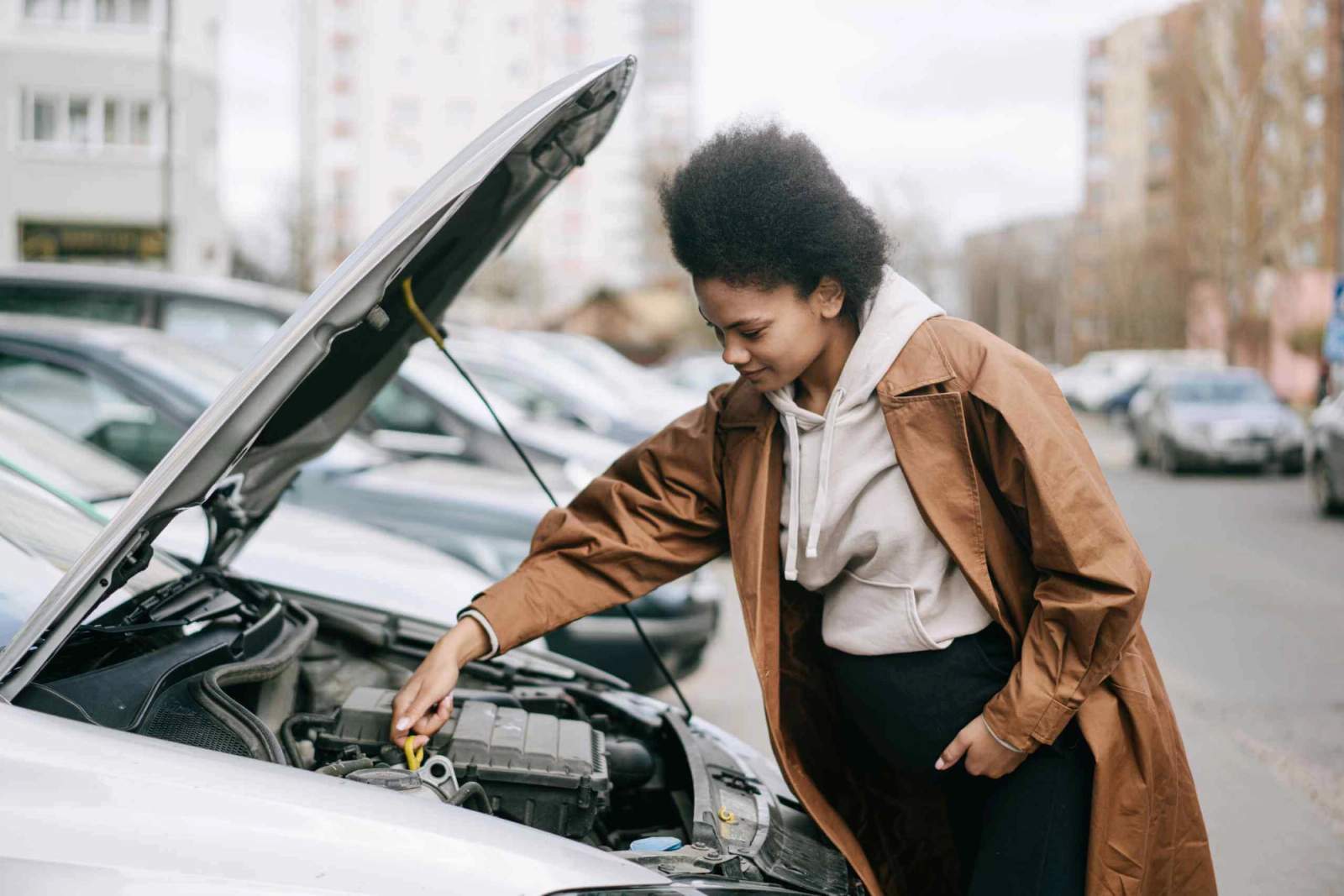
Don’t worry, you don’t need to diagnose the engine yourself, but you are looking for anything obviously unusual - such as leaks, damaged components or poorly secured wiring.
You can also check the fluid levels where they’re easily accessible, although exactly what you can inspect will depend on the car.
Minute 6: Check the interior
Now it’s time to open the door and look inside, as the condition of a car’s interior can tell you quite a lot about how it has been treated.
First, check the driver’s seat, steering wheel and pedals for wear, then look around at the rest of the cabin for damage, damp or unpleasant smells.
Make sure the condition seems plausible given the car’s claimed age and mileage.
Minute 7: Press every button
Seriously. Press them.
Try the windows, central locking, lights, indicators, air conditioning, infotainment system, heated seats and any other equipment fitted to the car.
Electrical problems can be easy to overlook during the excitement of viewing a potential new car.
Minute 8: Check the dashboard
Switch on the ignition and look at the dashboard warning lights.
Many warning lights illuminate when the ignition is first switched on and then disappear once the engine starts, so pay attention to anything that remains illuminated.
Also, check that the displayed mileage matches the advert and paperwork.
Minute 9: Start the engine
If possible, ask to start the engine from cold.
Listen to how easily it starts and whether you can hear any unusual knocking, rattling or squealing.
Keep a keen eye out for any warning lights once the engine is running and pay attention to unusual smells or excessive exhaust smoke.
Don’t attempt to diagnose a mechanical problem yourself. If something doesn’t seem right, ask about it and consider having the car professionally inspected.
Minute 10: Check the paperwork
Finally, make sure the physical car matches the car you’ve been researching.
Check its registration and VIN against the relevant documentation and review its service and MOT history.
Ask about missing paperwork, outstanding maintenance and anything you’ve spotted during your inspection.
A vehicle history check can provide additional information including whether a car has previously been written off, reported stolen, recorded with outstanding finance or has mileage discrepancies.
Then take it for a test drive
Your ten-minute check isn’t a replacement for a proper test drive.
Once you’re on the road, you can properly assess things you simply can’t judge while stationary, including the steering, brakes, suspension, clutch or gearbox and generally how comfortable you feel behind the wheel.
Cazoo already has a dedicated used-car test drive guide covering those checks in more detail.
And if you’re spending a significant amount of money or have concerns about the car, consider arranging an independent pre-purchase inspection - a professional inspection goes considerably further than the basic checks you can perform on a driveway or dealer forecourt.
10-minute used car checklist
Before you leave, ask yourself:
- Have I checked all four tyres?
- Have I looked carefully at the bodywork?
- Are there any obvious leaks?
- Does the interior condition match the mileage?
- Have I tested the electrics?
- Are there any warning lights?
- Does the engine start and sound normal?
- Does the paperwork match the car?
- Have I checked its MOT and service history?
- Is there anything I want inspected professionally?
If something doesn’t feel right, don’t allow the excitement of buying a car to rush the decision.