What Is a Wet Belt and Should You Buy a Used Car With One?
Wet belts are found in the engines of many popular cars, but they’ve developed a reputation for causing expensive problems. Here’s what a wet belt does, why maintenance matters and what to check when buying a used car with one.

Michael Golson
Published on 24 September 2026 | 6 mins read
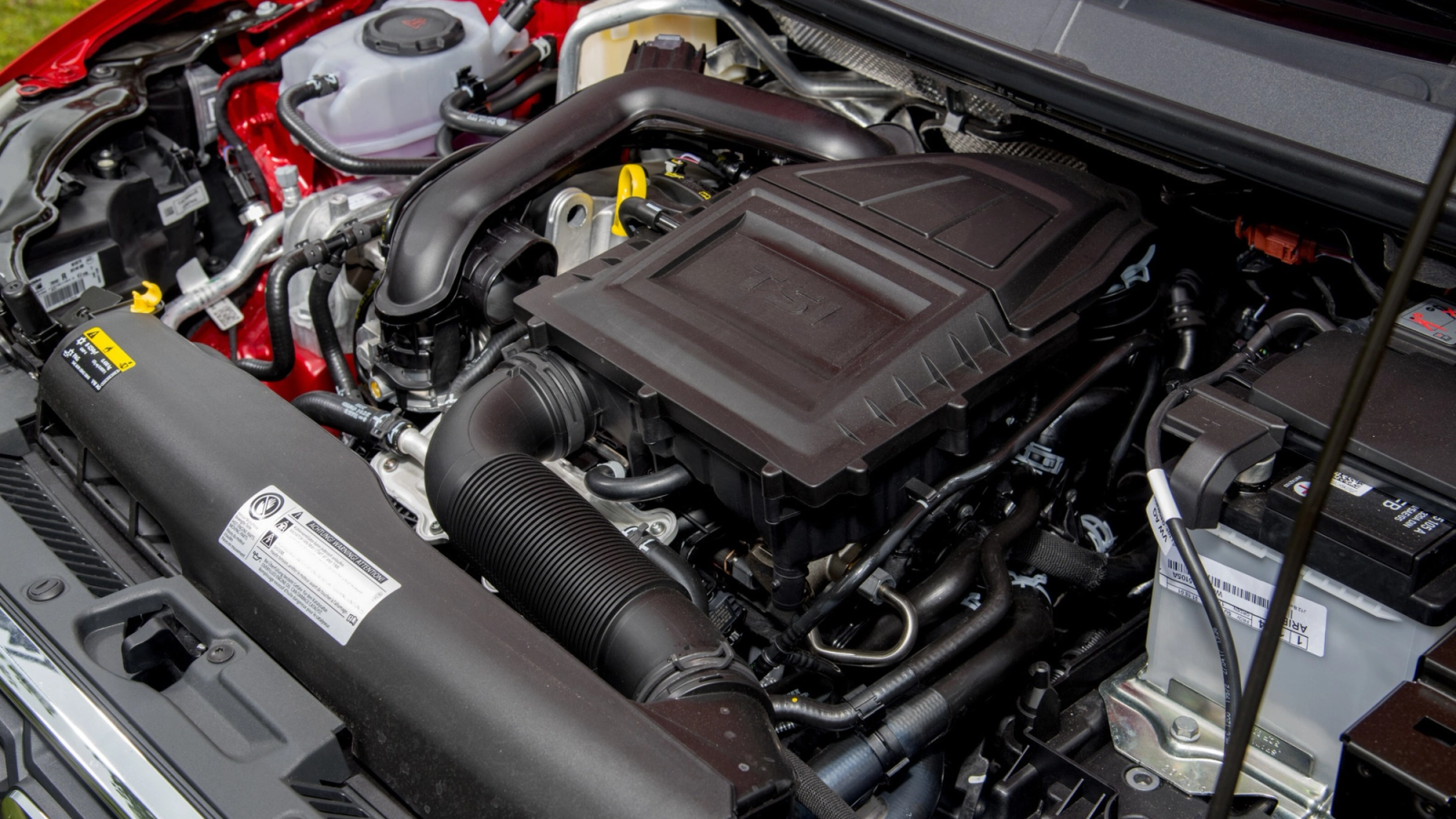
If you’ve been researching a used car, particularly online, you might have come across warnings about something called a ‘wet belt’.
It sounds fairly technical, but the basic idea is simple. A wet belt is a type of timing belt that runs inside the engine and is lubricated by engine oil. Like a conventional timing belt, its job is to keep important parts of the engine moving in sync.
Wet belts can work perfectly well when they’re maintained correctly but problems can become pretty expensive if the belt begins to deteriorate. And that makes service history particularly important if you’re considering a used car fitted with one.
Here’s what you need to know.
What is a wet belt?
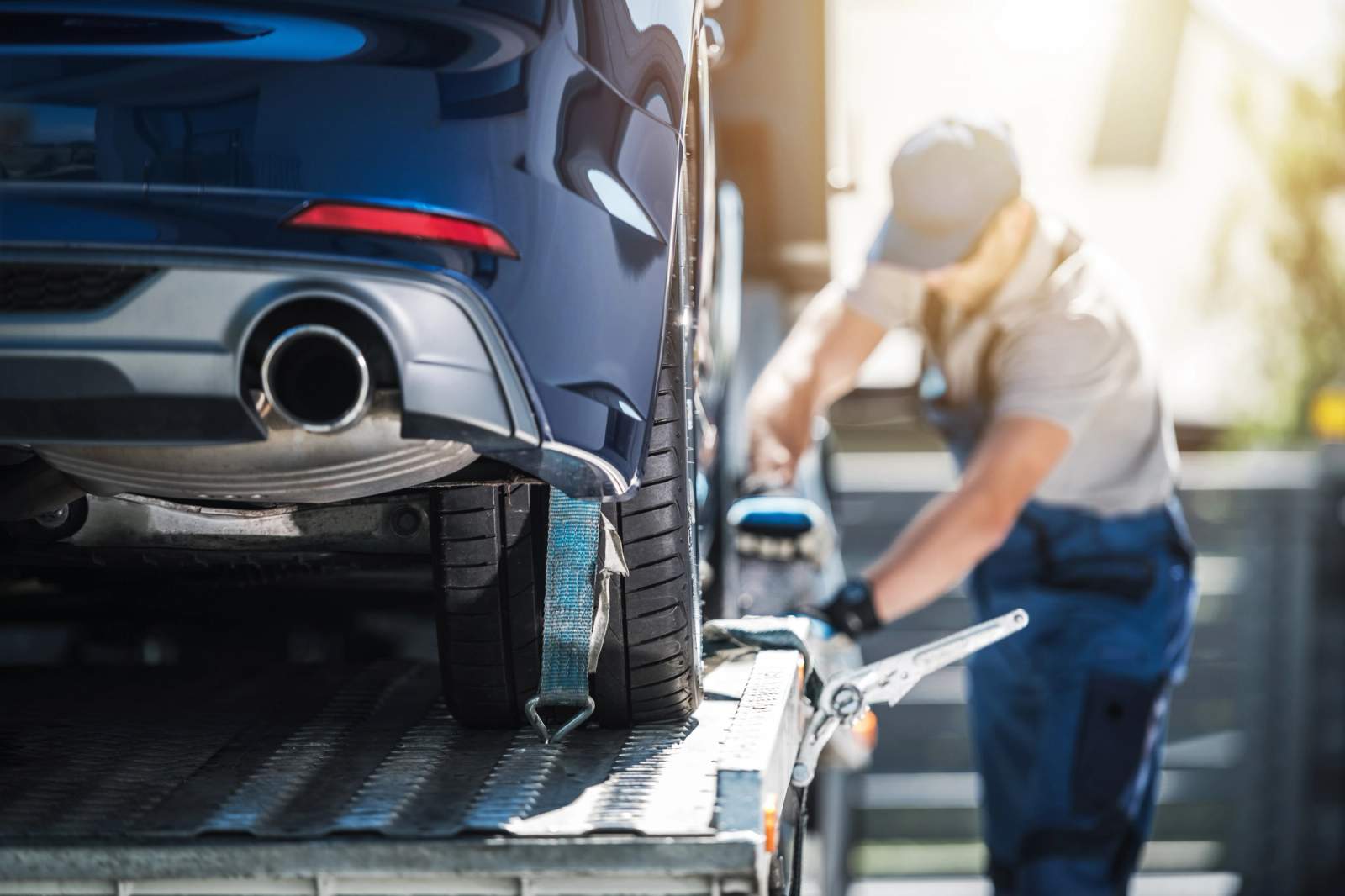
A wet belt - sometimes called a wet timing belt or wet cambelt - performs much the same job as a conventional timing belt.
It synchronises the crankshaft and camshaft, helping the engine’s valves and pistons operate at precisely the right time.
The big difference is where you’ll find it, as a a conventional timing belt usually operates outside the oil-lubricated parts of the engine, while a wet belt runs inside the engine and comes into direct contact with the engine oil. The design can help reduce friction and noise.
Why do wet belts have a bad reputation?
The belt is designed to operate in oil, but that means using the correct oil and following the manufacturer’s servicing requirements is especially important.
Over time, a wet belt can deteriorate and material from a deteriorating belt can contaminate the engine oil - potentially interfering with the engine’s lubrication system.
And because the timing belt is such an important part of an engine, a failure can potentially result in very serious engine damage.
That doesn’t mean every wet belt will fail, but it does mean you should pay particular attention to maintenance when looking at a used car fitted with one.
Which cars have wet belts?
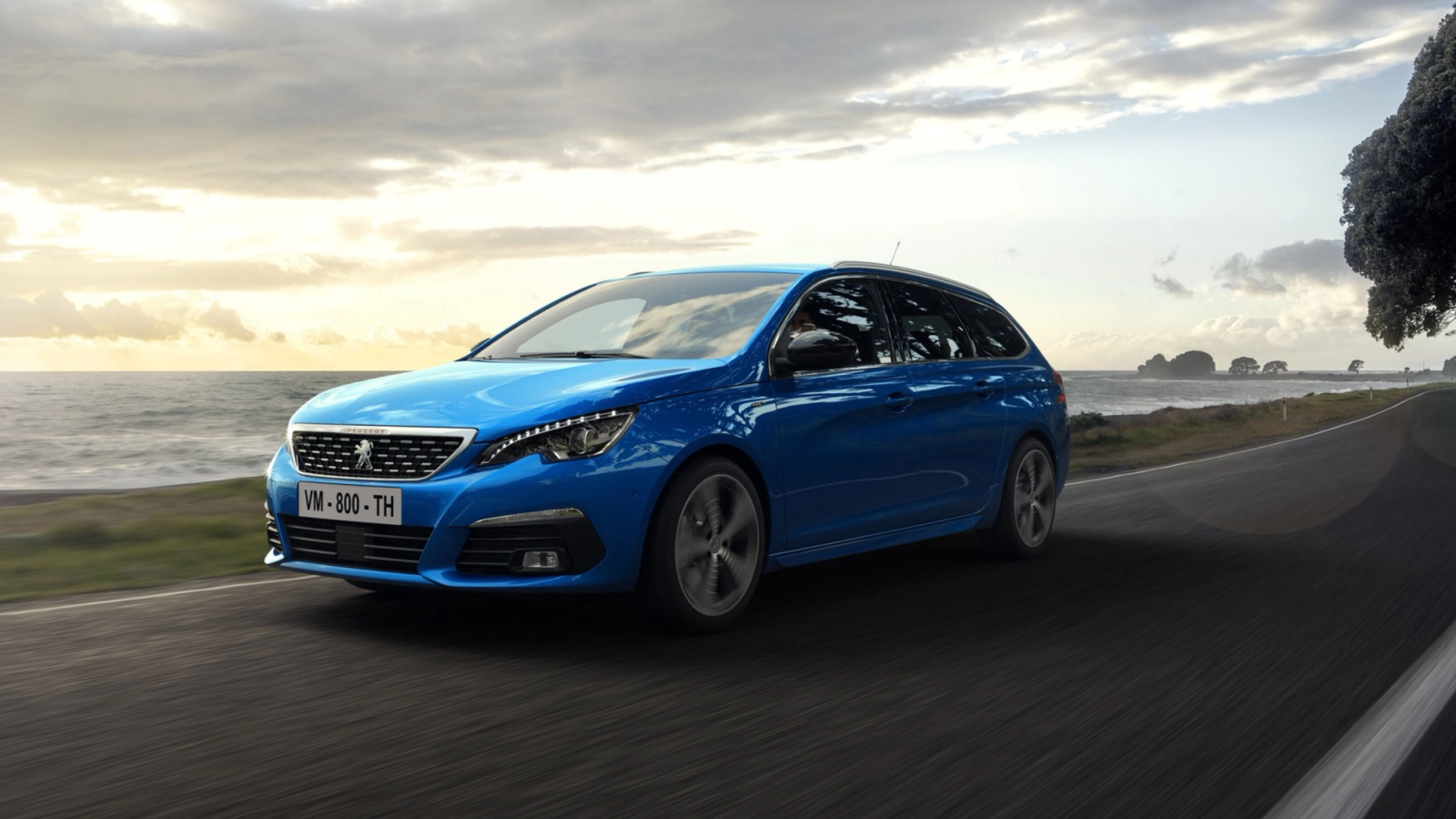
Wet belts have been fitted to a number of engines from different manufacturers and you shouldn’t assume a particular model has one based on its badge or registration year alone. Different engines offered in the same model can use different timing systems.
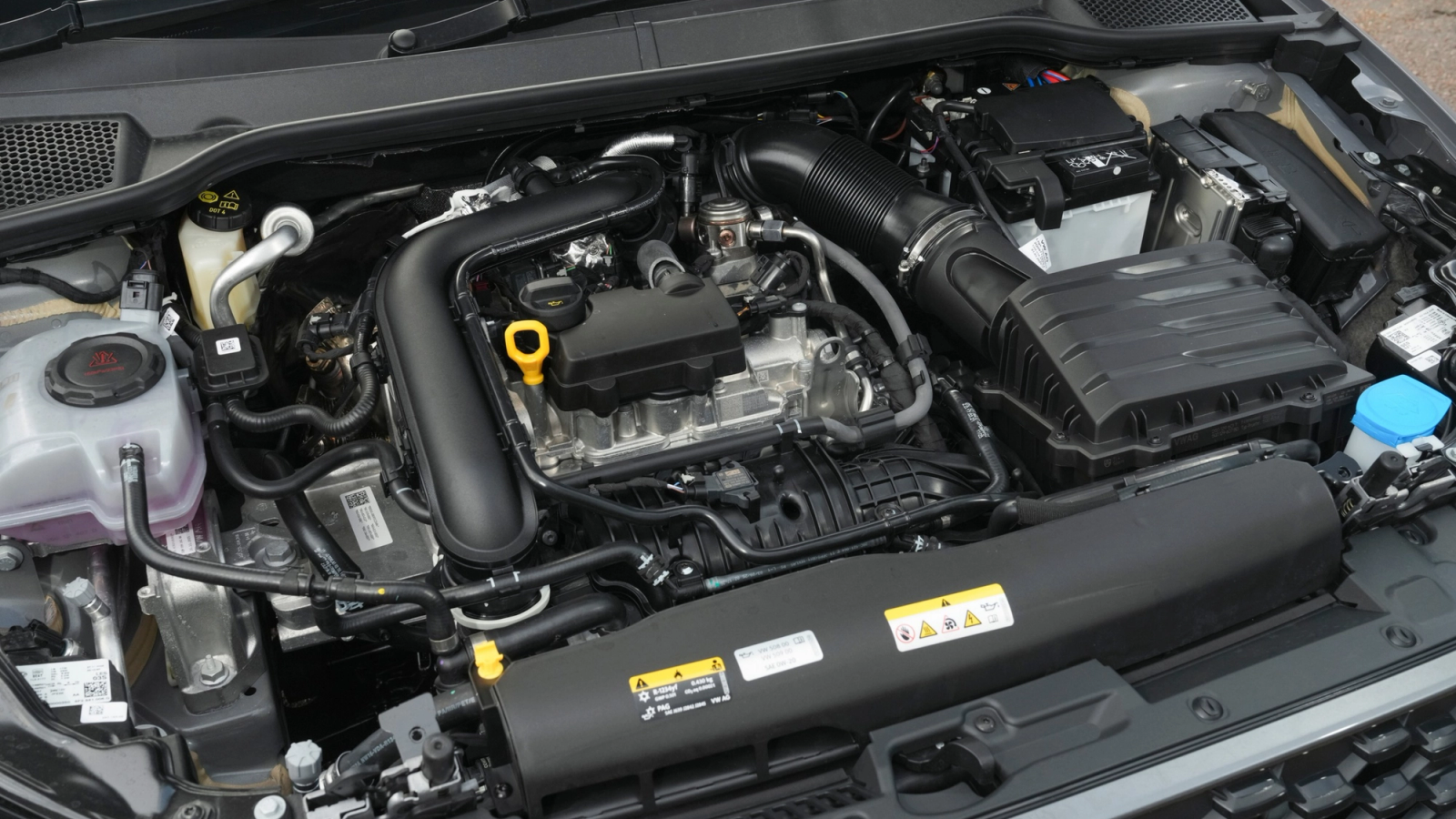
If you’re looking at a used car, it’s important to check the exact engine fitted and its manufacturer’s maintenance schedule.
What should you check when buying a used car with a wet belt?
Check the service history
This is particularly important. Look for evidence that the car has been serviced at the correct intervals rather than simply taking the seller’s word for it.
Check the correct oil has been used
Wet belts are designed to work with oil meeting particular manufacturer specifications - so using unsuitable oil can affect the belt.
That’s why invoices showing what was used can be valuable.
Find out when the belt needs inspecting or replacing
Don’t assume every wet belt follows the same schedule. Check the manufacturer’s requirements for the specific engine.
Ask whether it’s already been replaced
If it has, ask for an invoice showing when the work was carried out and who did it.
Consider a pre-purchase inspection
If you’re unsure about the condition of a used car, an independent inspection can provide extra reassurance before you commit to buying.
Should you avoid buying a car with a wet belt?
No, not necessarily.
A wet belt isn’t automatically a reason to walk away from an otherwise good used car. The important thing is understanding what you’re buying and checking that it’s been properly maintained.
A car with a comprehensive service history and evidence of the correct maintenance can be a very different proposition from one with gaps in its history and no record of what oil has been used.
If the history doesn’t add up, the seller can’t answer basic maintenance questions or you’re simply not comfortable with the condition of the car, there are plenty of other used cars to choose from.
Wet belt FAQs
Is a wet belt the same as a timing belt?
A wet belt is a type of timing belt, but the key difference is that it operates in engine oil.
How long does a wet belt last?
There’s no universal replacement interval. It varies between engines and manufacturers, so check the maintenance schedule for the specific car.
Can you inspect a wet belt yourself?
Accessibility varies considerably between engines. If you’re concerned about its condition, having the car inspected by a qualified mechanic is the safer option.
Is a wet belt expensive to replace?
Costs vary significantly depending on the car and engine because access and labour requirements differ.
Should I buy a used car with a wet belt?
A wet belt alone shouldn’t necessarily rule a car out. Pay particular attention to its service history, correct oil use and whether any required belt inspection or replacement has been completed.
Ready to see what's out there? Search our range of used cars on Cazoo and find the motor that's just right for you.