How to Spot a Clocked Car Before You Buy
Clocking can add thousands to a used car’s price and hide costly wear. Here’s how to check a car’s mileage is genuine before you hand over your hard-earned cash.

Michael Golson
Published on 09 October 2026 | 4 mins read
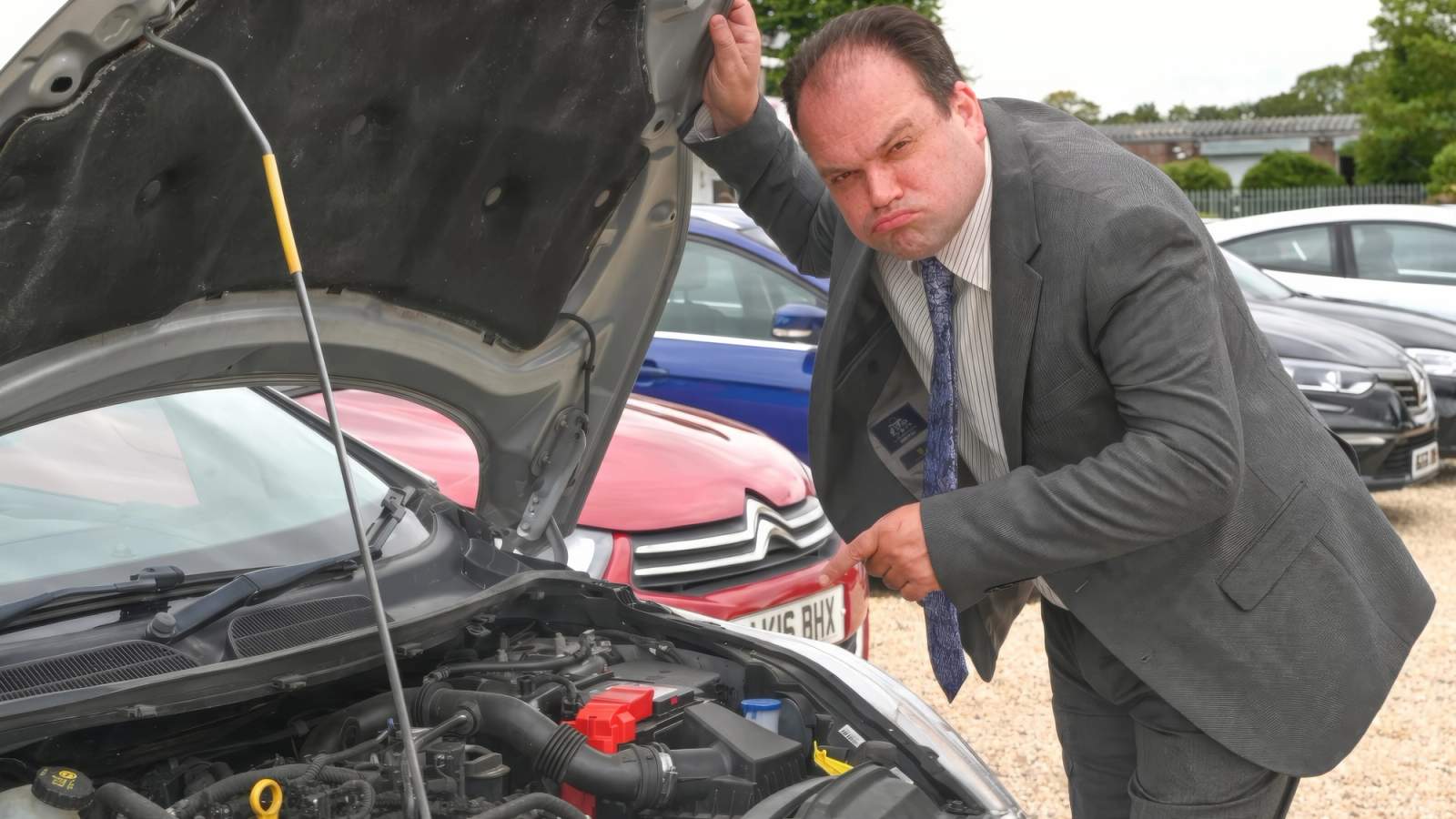
Low mileage can make a used car look like a great find, but before you pay extra for those reassuringly small numbers, check that the car’s history backs them up.
Clocking means altering a car’s mileage reading so it appears to have travelled fewer miles than it really has. It can make a car seem more valuable and hide how much use it has had.
Thankfully, you don’t need to become a hardened detective to carry out a few useful checks. That’s why, as part of Honestly, Finally, Cazoo is campaigning to tackle car clocking and give buyers a clearer picture of a car’s past. We believe you deserve honest information about what you’re buying - starting with its mileage.
Check the MOT mileage history
Look beyond the mileage in the advert. Check the readings recorded at previous MOT tests and compare them with the number on the dashboard.
You can check MOT history for free on GOV.UK using the car’s registration - this includes the mileage recorded at each test.
On Cazoo website listings where MOT history is available, you can also view a mileage-over-time chart alongside previous test results, defects and advisories.
The recorded mileage should generally rise as the car gets older. So, if an earlier test shows 80,000 miles but a later one shows 50,000 - that needs an explanation.
However, a drop doesn’t automatically mean the car has been clocked. Recording mistakes can happen, so ask the dealer to investigate and provide supporting evidence.
Equally, a steadily rising mileage history isn’t a guarantee that the reading is accurate. Treat it as one part of your checks.
Compare it with the service records
Ask to see the service history, including invoices or digital records where available. Compare the dates and mileage readings with the MOT history and current odometer.
For example, an invoice showing 70,000 miles two years ago wouldn’t fit with a car now advertised at 45,000 miles. So, ask about any conflicting readings before committing to the purchase.
Gaps in the paperwork don’t prove clocking, either. But they do mean you have less information to work with.
Look at the car, not just the numbers
Check the driver’s seat, the steering wheel, pedals and other areas that get regular use. Does the condition broadly fit with the advertised mileage?
A heavily worn interior in a supposedly low-mileage car is a reason to ask questions. But wear varies with how a car has been used and looked after. A tidy cabin cannot verify its mileage and a scruffy one cannot prove it has been altered.
Use condition to help assess the whole car, rather than as a verdict on its history.

Ask what checks the dealer has carried out
Useful questions include:
- Have you checked the mileage against the MOT and service history?
- Are there any mileage discrepancies I should know about?
- Has the instrument cluster been replaced, or is there paperwork explaining the readings?
- Can you provide the records supporting the advertised mileage?
If there’s a discrepancy, ask for the explanation and supporting documents in writing. Ultimately, you need enough information to make your own decision.
Consider a mileage check and an independent inspection
A paid vehicle history check that includes mileage information can provide another comparison with the seller’s records. Check what the service actually covers before buying it - not every history check includes the same information.
An independent inspection can also help you understand the car’s condition and potential maintenance needs. Neither should be treated as a guarantee of genuine mileage.
Don’t rush past an unanswered question
If the figures don’t add up, pause the purchase until you have a clear, evidenced explanation. If you’re still uncomfortable, keep looking. There’s plenty of other cars out there for you to buy!
A high-mileage car with a clear history may be a better choice than a supposedly low-mileage one with unanswered questions. The aim is to understand what you’re buying.
Want to know more? Read about Cazoo’s clocking campaign and use the MOT history information available on listings to help you ask the right questions.