Can You Have an Electric Car Without a Driveway? How to Charge and What It Costs
No driveway doesn't have to mean no electric car. Here's how charging at work, at the supermarket and on your own street really works, what it costs, and how to tell whether an EV will fit your week.
The Cazoo editorial team
Published on 26 October 2026 | 7 mins read
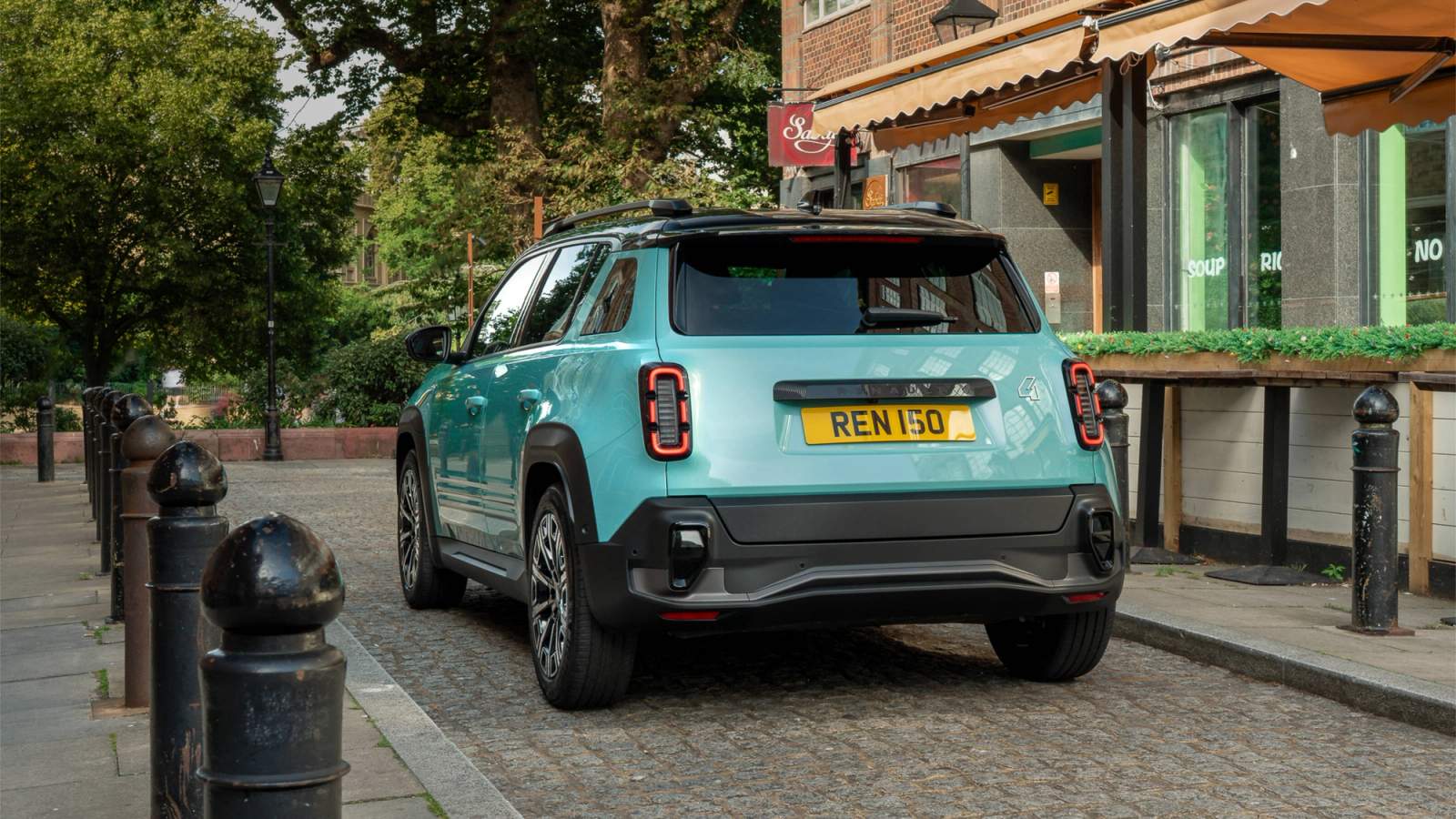
Ask most electric car owners how they charge and you'll hear the same answer: plugged in on the driveway overnight. It's the cheapest and easiest way to run an EV, so plenty of people who park on the street assume electric isn't for them. Research by drivers' group EVA England found that 60% of petrol and diesel drivers without off-street parking would never consider an EV.
Living with an electric car without a driveway is more doable than many think, though, as long as your routine and local chargers line up. If you're still weighing up the bigger picture, our guide to considering an electric car covers the pros and cons.
How often would you need to charge an electric car?
Start with your weekly mileage rather than the car's range. Most EVs cover roughly three to four miles for every kilowatt-hour (kWh) of electricity, a little less in cold weather or at motorway speeds. So a 100-mile week uses around 30kWh, which is about half the usable battery in a typical family-sized used EV.
In practice, that means one decent top-up a week, or a bigger charge every fortnight if your car has a longer range. Most drivers try to keep the battery between about 20% and 80%. Rapid chargers slow down noticeably above 80%, and staying above 20% leaves a sensible buffer for unplanned trips.
What would your week look like using a supermarket charger?
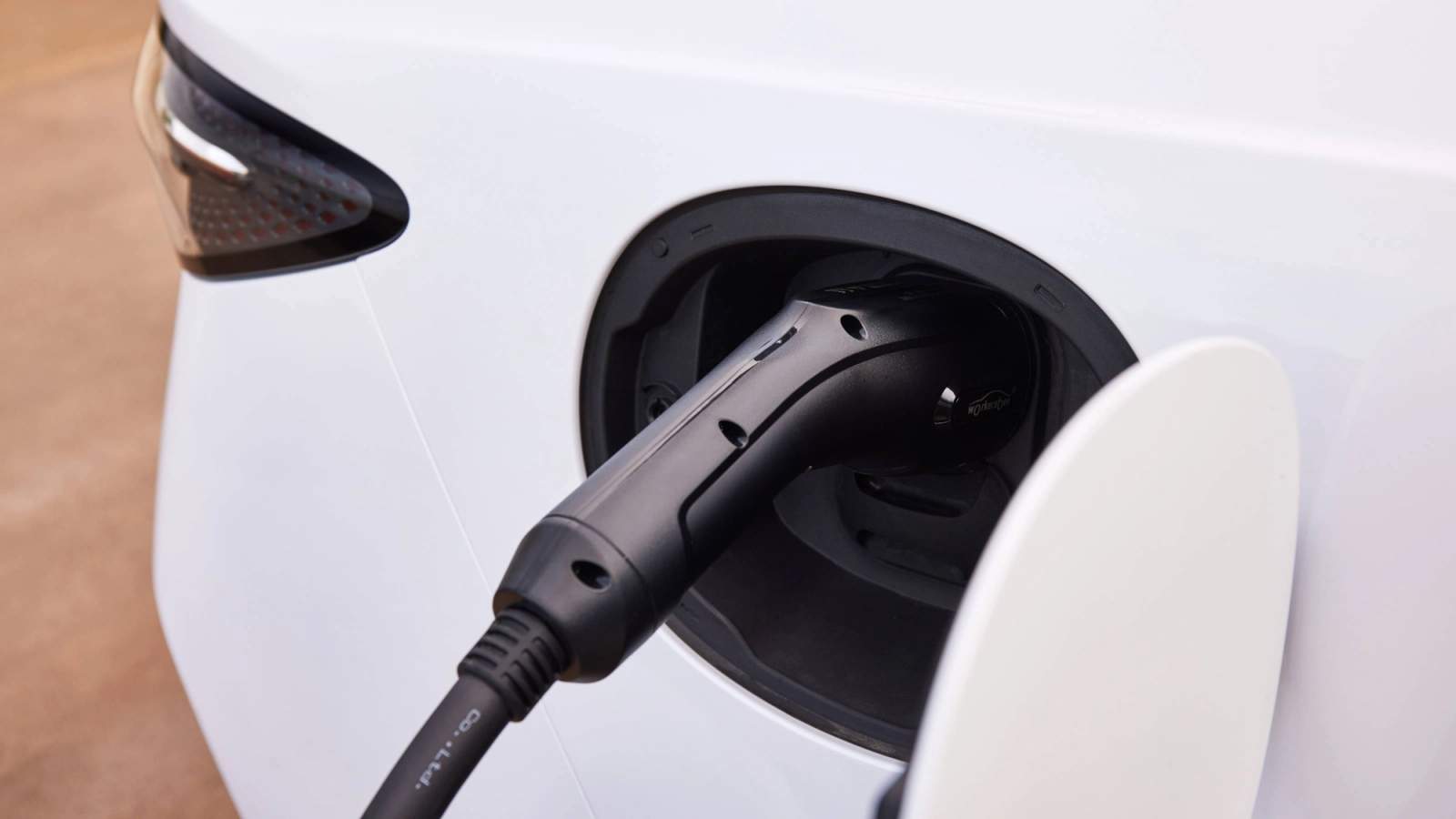
Say you drive 100 miles a week and plan to rely on the rapid charger at your local supermarket. You plug in when you arrive for the weekly shop and, on a 50kW charger, you'd typically add those 30kWh in around 40 to 45 minutes, which is about the time it takes to get round the aisles and through the tills. That's your week sorted.
The catch is the charger's speed. Many supermarkets also have slower 7kW chargers, and these add only around 20 to 25 miles for each hour you're plugged in, so a quick shop won't cover a week's driving. Check what's installed using a charging app such as Zapmap, see how busy it gets when you'd shop, and find a backup charger nearby in case yours is broken or occupied when you arrive.
How much does it cost to charge without a driveway?
Charging at home is cheap, and the government says it can cost as little as 2p a mile on a suitable tariff. Public charging costs considerably more. According to the Zapmap Price Index, the average pay-as-you-go price in September 2026 was 54p per kWh on slower public chargers and 79p per kWh on rapid and ultra-rapid chargers.
For our 100-mile week, that works out at about £16 on a slower public charger and about £24 on a rapid one. At home, the same charge would cost around £8 on the standard capped electricity rate, or roughly £2 to £2.50 on an overnight EV tariff. A petrol car averaging 45mpg would use about 10 litres to cover the same distance, so relying entirely on rapid chargers can cost as much as petrol, or more. Our electric car charging guide explains the different charger types and speeds.
Can you charge your electric car at work?
For many drivers without a driveway, workplace charging is the answer. Your car sits there for hours, so even a 7kW charger can add well over 150 miles in a working day, and one or two days a week easily covers 100 miles. If your employer provides chargers at work that are open to all staff, the electricity isn't treated as a taxable benefit. It's also worth asking whether your employer runs a salary sacrifice scheme, which can make an EV more affordable, and our guide to EV salary sacrifice explains how they work.
Are public chargers reliable enough to depend on?
Reliability used to be a real worry, but the rules have tightened. Under the Public Charge Point Regulations 2023, operators must keep their rapid chargers working 99% of the time on average across their network, run a free 24/7 staffed helpline, and offer contactless payment on rapid chargers and on new public chargers of 8kW and above. The network keeps growing too, with Zapmap counting 124,738 public chargers across the UK by the end of September 2026, including 29,722 rapid or ultra-rapid chargers.
That 99% is an average, though, and one broken or busy charger can still upset your plans if it's the only one nearby. Use apps that show live availability, and never let the battery run so low that you can't reach a second option.
Yes, and there are three main ways to do it.
On-street public chargers
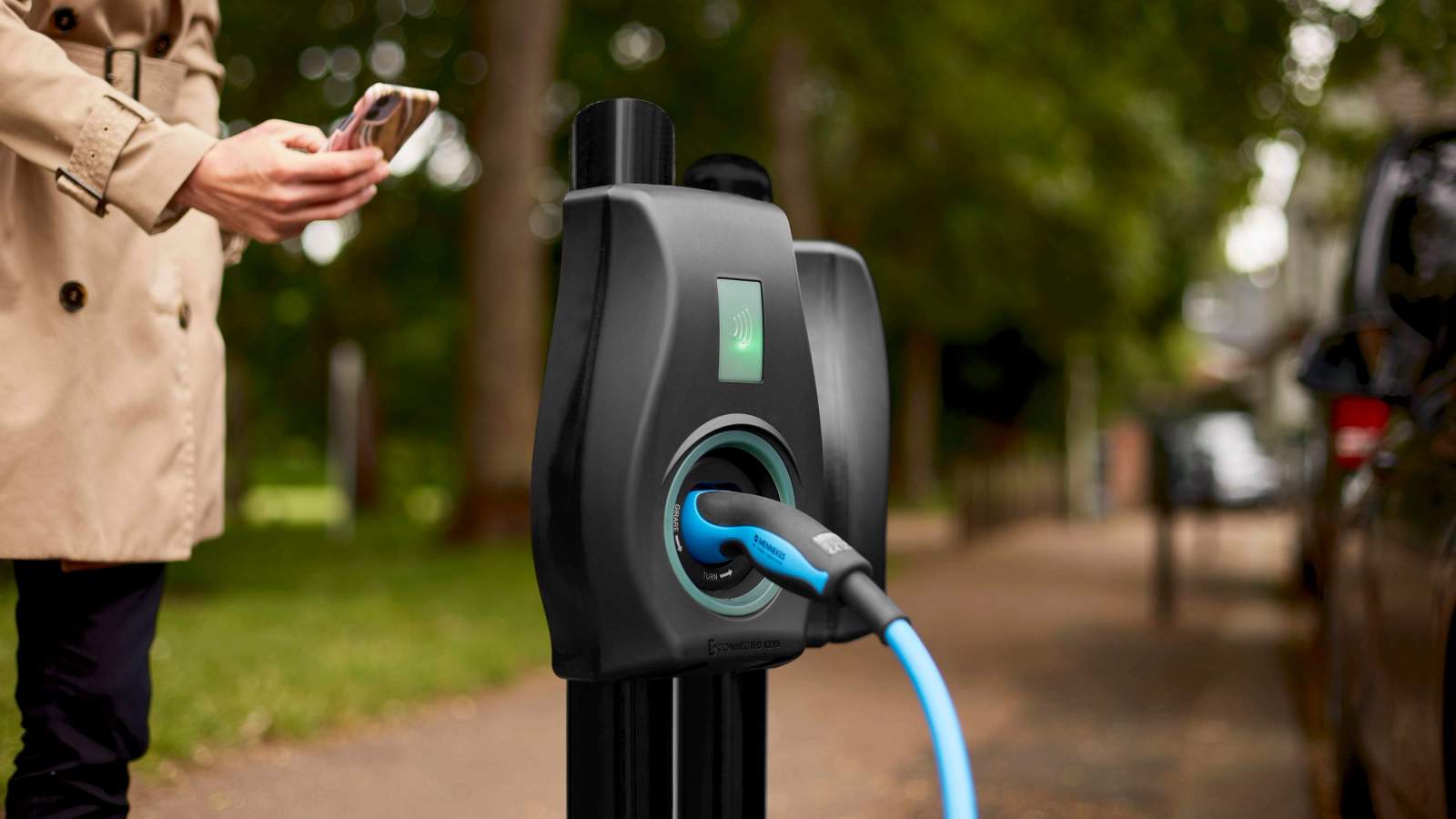
Many councils now fit chargers into lamp posts or kerbside posts, so you can plug in overnight close to home. There were 41,374 on-street chargers in the UK by the end of September 2026, according to Zapmap. They're usually slower, which suits overnight charging, and tend to be priced like other slower public chargers. If there isn't one on your road, ask your council, as many have a form for requesting one.
Trailing a cable across the pavement
It's tempting to run a lead from your house to your car under a cable cover, but tread carefully. Under section 162 of the Highways Act 1980, it's an offence to place a cable across a highway in a way that's likely to cause danger, and councils can make you remove it. Council approaches vary widely. Some publish guidance on using a low, non-slip cover across the full width of the pavement, while others don't allow trailing cables at all, even with a cover. If someone trips, you're likely to be liable, so check with your council and your home insurer first, never run a cable across the road, and never use a household extension lead.
Pavement channels
The safer, longer-term option is a cross-pavement channel, sometimes called a gully. It's a narrow slot set flush into the pavement, so the cable sits below the surface between a charger on your house and your car. In England, you no longer need planning permission to install one, which the government says could save up to £300. You'll still need permission from your council as the highway authority, and not every council allows them yet. There's financial help too, as the government's chargepoint grant for households with on-street parking is worth up to £500 when you install an approved cross-pavement solution. Bear in mind that a channel doesn't reserve the space outside your house, so it works best on streets where you can usually park right outside.
Choosing the right EV if you don't have a driveway
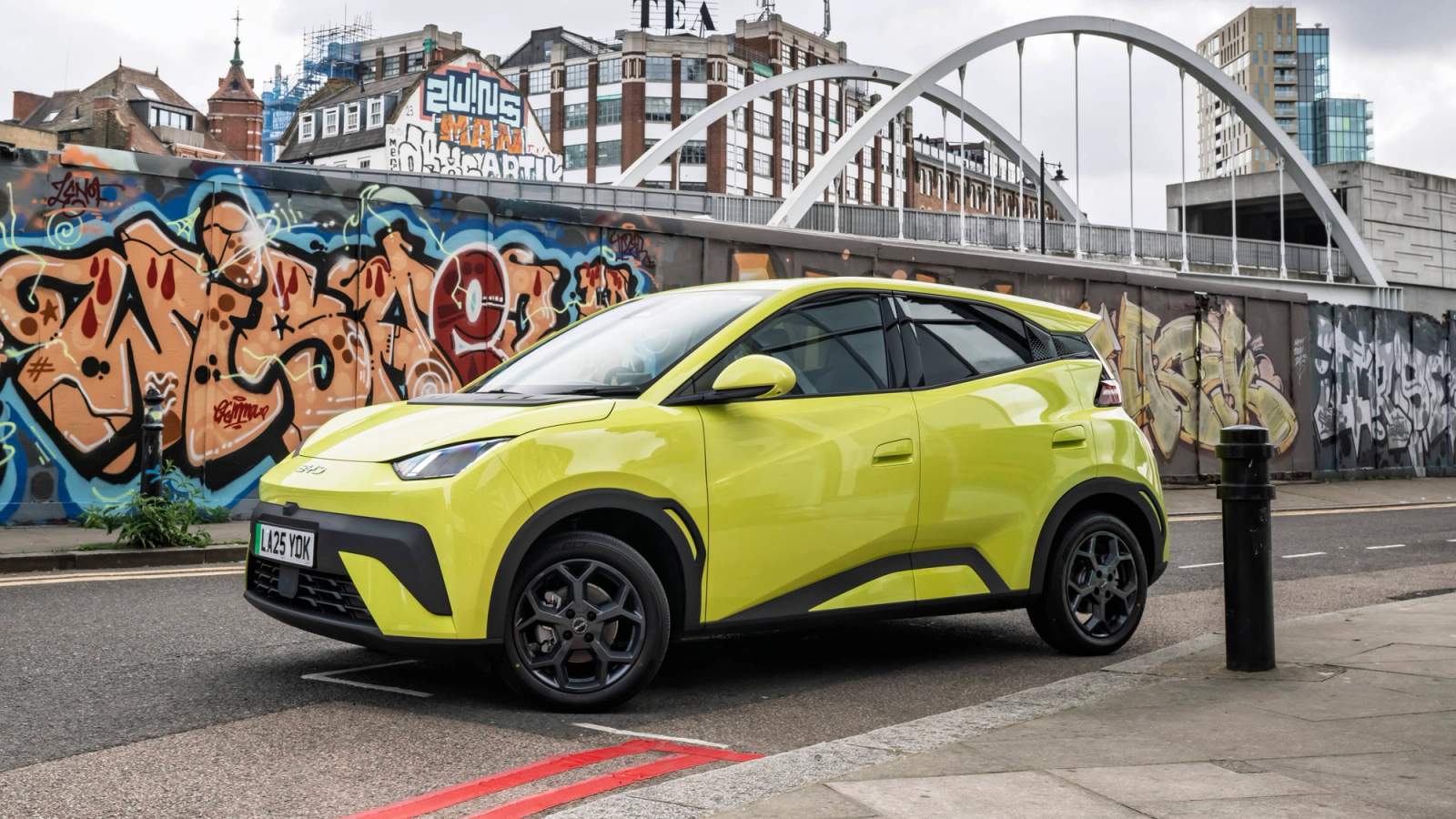
An efficient model that covers more miles per kWh will need charging less often and cost less each time, while a faster maximum charging speed shortens your rapid stops. If you'll mostly use slower public or workplace chargers, check the car's onboard charging speed, as some can take 11kW while others are limited to 7kW. Our pick of the best electric cars is a good place to start, and if you're buying used, our guide to checking a used EV’s battery health explains how to check the battery's condition.
So, can you live with an electric car without a driveway?
For many people, yes. It works best if you have reliable charging at work, a rapid charger somewhere you already go each week, or an on-street charger or pavement channel close to home, and if your mileage is fairly predictable. It's harder if you cover long distances, have few chargers nearby or would rely entirely on rapid charging, where costs creep closer to petrol. If it doesn't quite yet, a hybrid could be a sensible stepping stone while local charging catches up.
FAQs
Is it illegal to run an EV charging cable across the pavement?
Not automatically, but it's an offence under the Highways Act 1980 if the cable is likely to cause danger, and council policies vary, so check yours first.
How much does it cost to charge an electric car without a driveway?
It depends where you charge. At September 2026 average prices, 100 miles costs around £16 on slower public chargers and £24 on rapid chargers, compared with as little as 2p a mile at home on a cheap overnight tariff.
How long does it take to charge at a supermarket?
On a 50kW rapid charger, adding enough for around 100 miles typically takes 40 to 45 minutes. On a 7kW charger, expect around 20 to 25 miles for each hour you're plugged in.
Find your next electric car on Cazoo
If you've decided an EV could work for you, browse our electric car listings to find one that suits your budget and the way you drive. Our guide to buying an EV covers the key things to check before you buy, and our electric vehicles hub has plenty more advice on owning and running an EV.
Information correct as of October 2026. Charging prices change frequently. The planning change for cross-pavement channels applies in England only, and your local council's policy will always apply, so check the rules where you live.