Buying a Used EV: How to Check the Battery Health Before You Buy
Worried about buying a used electric car with a tired battery? Here's how to check its health yourself, what to ask the seller for, and where even the best checks still leave a little guesswork.
The Cazoo editorial team
Published on 12 October 2026 | 7 mins read
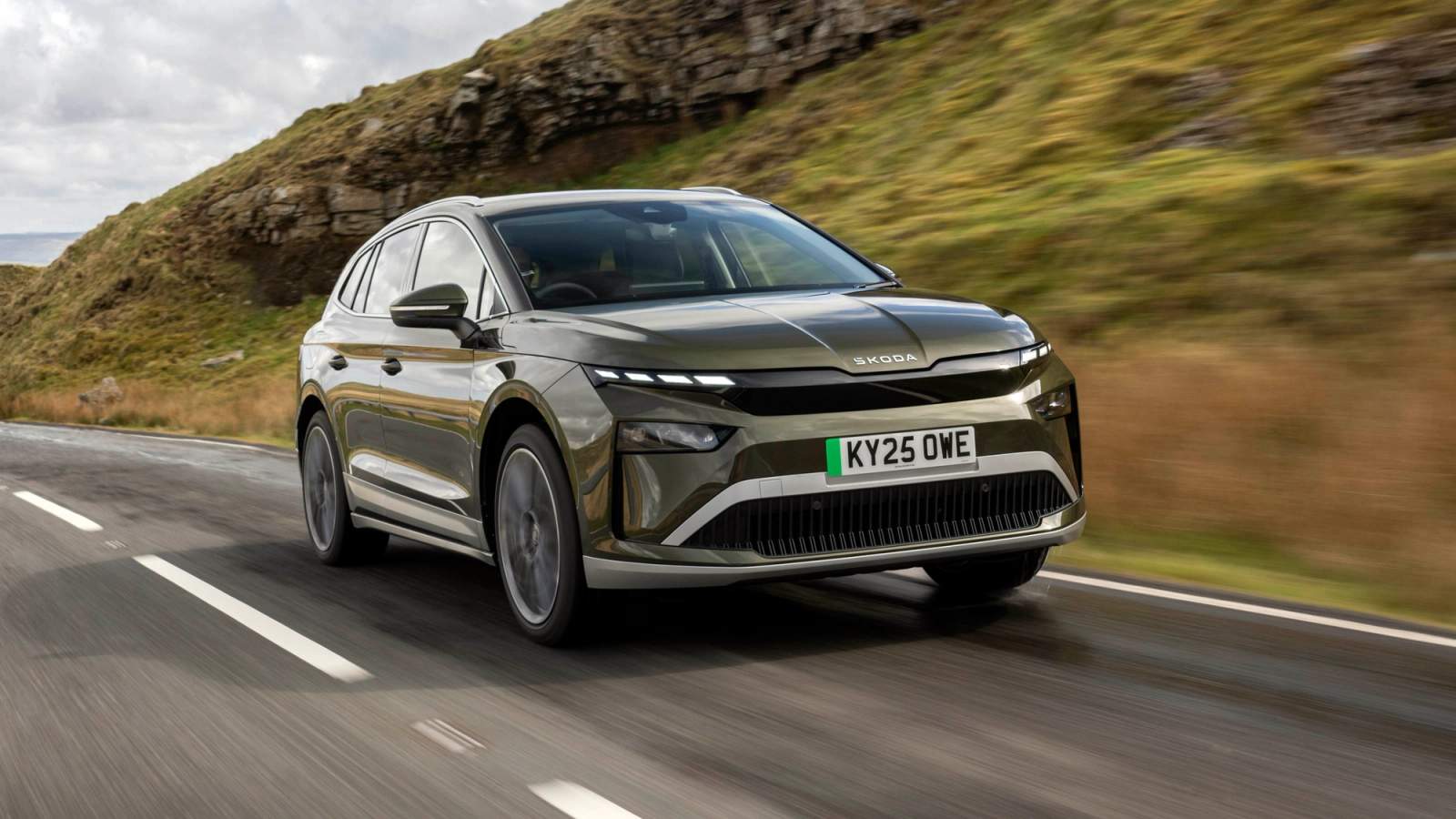
A used electric car can be a brilliant buy, with prices well below new and low running costs if you can charge at home. But one question puts plenty of people off: what if the battery's worn out?
It's a fair worry, since the battery is the most expensive single part of an EV, but the reality is usually more reassuring than the rumours. Fleet telematics firm Geotab tracked more than 22,700 electric vehicles for its 2025 battery health study and found batteries lost an average of 2.3% of their capacity each year, with only 1.5% of vehicles suffering severe degradation. Averages tell you nothing about the specific car in front of you, though, so here's how to check it over. If you're still deciding whether electric suits you, our guide to buying an electric car is a good place to start.
What is battery state of health?
Battery state of health, usually shortened to SoH, is how much energy the battery can hold now compared with when it was new, shown as a percentage. A car with 90% SoH can store roughly nine-tenths of its original energy, so in the same conditions it'll go roughly nine-tenths as far on a full charge.
Here we mean the big high-voltage battery under the floor that drives the wheels, not the small, relatively cheap 12-volt battery that every EV also has for running essential items like the central locking.
Some capacity loss is completely normal. Most batteries lose a little more in their first year or two, then settle into a slower, steadier decline. What you're really trying to spot is a car that's lost noticeably more than others of the same model, age and mileage.
Can you get a battery health report?
The best evidence is a proper battery health report, so always ask for one. Some dealers have independent battery tests carried out on the EVs they sell, franchised dealers can often run the manufacturer's own diagnostic check, and some independent testing services can measure it either through the car's diagnostic port or by analysing data from a few short drives.
Some cars show a health figure themselves, on the touchscreen or in the manufacturer's app, but plenty don't, and the way it's calculated varies from brand to brand. If a seller can't provide a report, it isn't automatically a red flag, especially in a private sale, but you'll need to lean more heavily on the checks below. It's perfectly reasonable to ask whether you can arrange one before you commit.
Predicted range isn't the same as battery health
It's tempting to treat the range figure on the dashboard as a battery test, but that number is a prediction, not a measurement. The car works it out largely from how it's been driven recently, which is why many owners call it the “guess-o-meter”.
So two cars with identical batteries can show very different figures. If the last driver did lots of 70mph motorway miles or ran the heater constantly, the estimate will be lower. If it's been pottering around town in mild weather, it'll be higher. Cold weather has a big effect too, because a chilly battery can't release its energy as efficiently and heating the cabin uses extra power, so the same car can easily show fewer miles in winter without anything being wrong.
A better guide is the battery percentage. If you know how many miles you've covered and how many percentage points you've used, you can estimate what a full charge would give you and compare that with what owners of the same model report. Real-world range always sits a fair way below the official WLTP figure, but if the numbers look dramatically low on a mild day, ask questions.
Check how much battery warranty is left
Battery warranties are one of the best safety nets when buying used. Most manufacturers cover the high-voltage battery for around eight years or 100,000 miles, whichever comes first, and many guarantee a minimum capacity over that period, often 70%. Kia, for example, will repair or replace the battery if it falls below 70% capacity within eight years, and the cover passes to later owners.
Check when the car was first registered and how many miles it's done, then look up the manufacturer's terms for that model. Confirm the warranty transfers to you and whether any conditions apply, as some brands require servicing on schedule or periodic battery checks, and ask for the service history to prove it. Our guide to vehicle checks explains how to make sure the car's history and mileage add up, too.
What a test drive can tell you
A test drive won't give you an exact health figure, but it can reveal plenty. Note the battery percentage and mileage before you set off and when you get back. On a mixed drive of 20 minutes or so, the percentage should fall steadily in proportion to the distance covered, rather than in sudden jumps.
Watch for warning lights or messages about the battery, charging system or reduced power, and be wary if the car feels sluggish when you accelerate firmly at a lower charge level, since some cars limit power to protect a struggling battery. Fans and pumps whirring after a drive are normal, as they're keeping the battery at the right temperature, but a range figure that leaps around erratically is worth querying. Our used car viewing checklist covers everything else to look at while you're there.
Don't skip the charging checks
Charging is the other half of the battery story, so test it if you can. Plug the car in, at the seller's home charger or a nearby public one, and check it starts charging promptly without error messages. If it charges much more slowly than you'd expect for that model, investigate further, as the car may be limiting itself to protect the battery.
Look over the charging port for damage, scorching or corrosion, and make sure any cables that should come with the car are there. It's also worth asking how the car has usually been charged. Geotab found that cars using rapid DC chargers for less than 12% of their charging lost around 1.5% of their capacity a year, while those relying heavily on high-power chargers degraded faster. A history of rapid charging isn't a reason to walk away, but it's useful context. Our electric car charging guide explains the different charger types.
When a specialist inspection is worth it
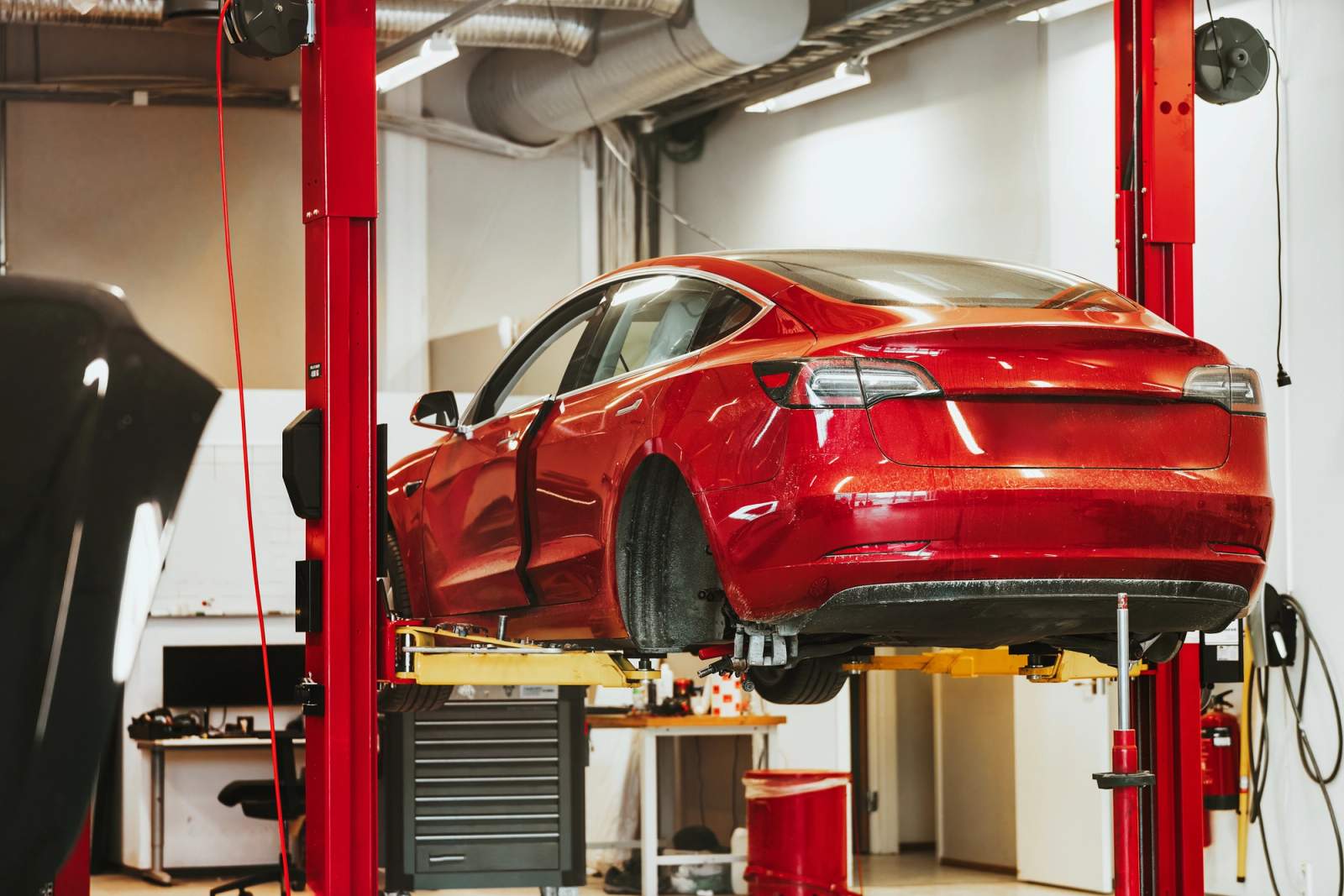
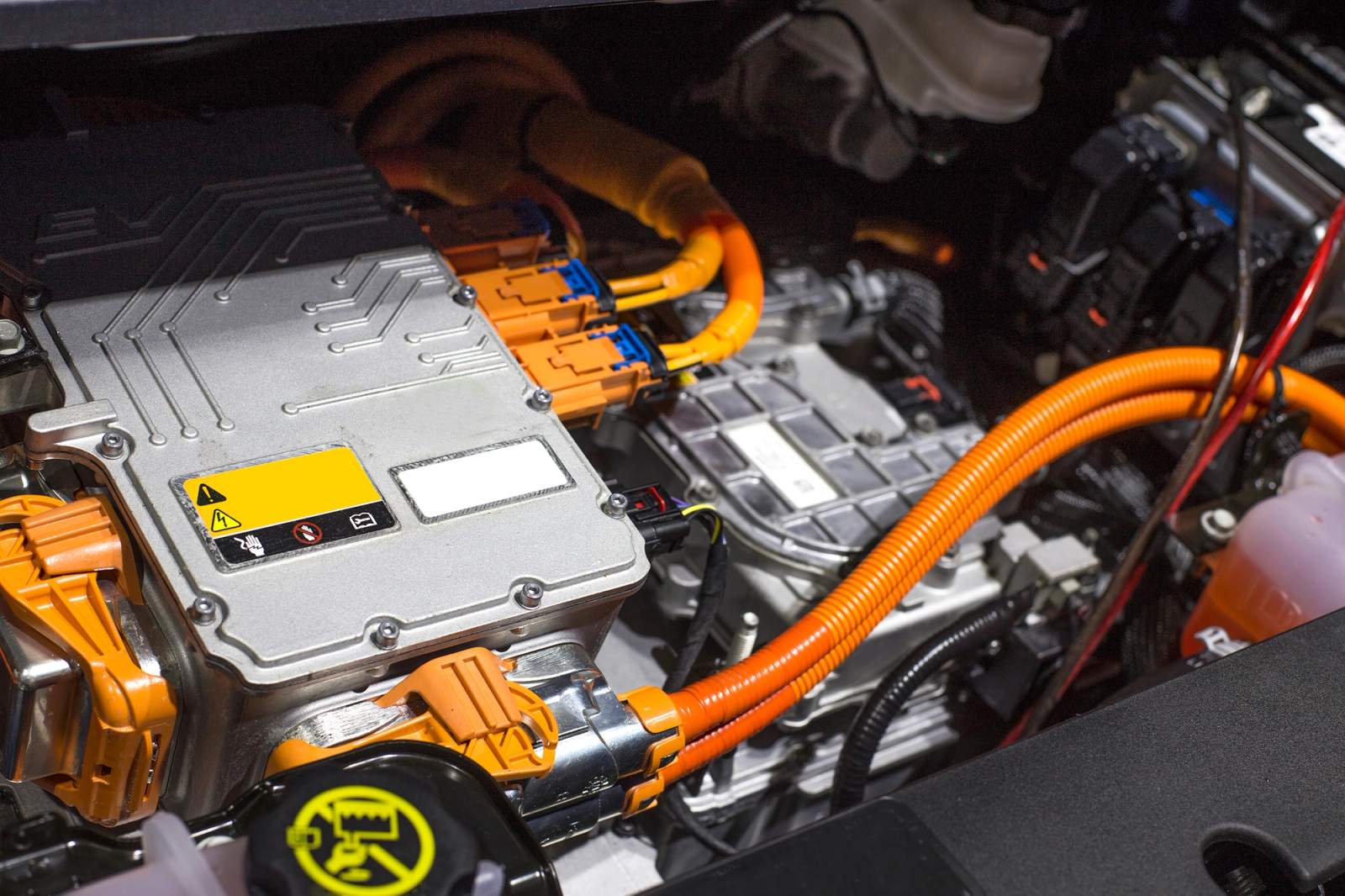
If you can't get a battery health report, the car is close to the end of its battery warranty, or something didn't feel right, a professional inspection is money well spent. A specialist with the right diagnostic equipment can read data from the car's battery management system that you can't see from the driver's seat, including stored fault codes and, on many cars, a health reading for the battery as a whole and its individual sections. Our guide to a pre-purchase inspection explains how inspections work and what they cost. Don't rely on the MOT here, as it doesn't measure how much capacity the battery has left.

Where uncertainty remains
Even with every check ticked off, it pays to be realistic. A health figure is itself an estimate, and different testing methods can give slightly different results for the same battery. It also tells you how the battery is now, not exactly how it'll age, which depends partly on how you drive and charge it. And no report can rule out an unexpected fault, which is exactly why remaining warranty cover matters so much.
The good news is that for most used EVs, the battery is likely to outlast your time with the car, and a health report, careful test drive, charging check and solid warranty cover together will give you a clear picture.
FAQs
What is a good battery health percentage for a used EV?
There's no single pass mark, since it depends on age and mileage. Based on Geotab's 2.3% annual average, a three-year-old car would typically sit in the low 90s and a five-year-old car around 88%. More important is how it compares with similar cars, and whether it still gives you enough range for your driving habits.
Does rapid charging damage an EV battery?
Occasional rapid charging is fine, and EVs are designed for it. Relying heavily on high-power rapid chargers can speed up battery wear a little over time, so a car that's mostly been charged at home is a slight bonus.
Find your next electric car on Cazoo
Now you know what to look for, you can shop with confidence. Browse our range of electric cars to find one that suits the way you drive, or head to our electric vehicles hub for more guides on owning and running an EV.
Information correct as of October 2026. Battery warranty terms vary between manufacturers and models, so always check the details for the specific car you're buying.