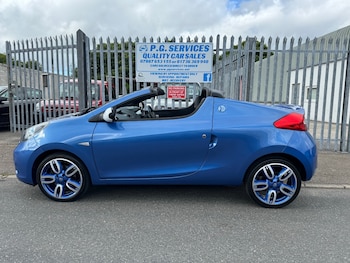
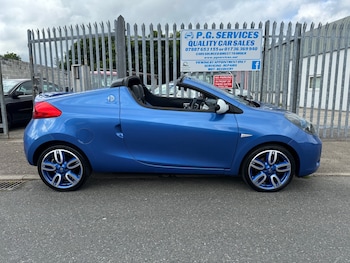
Renault Wind buyer’s guide
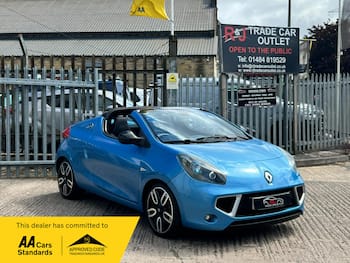
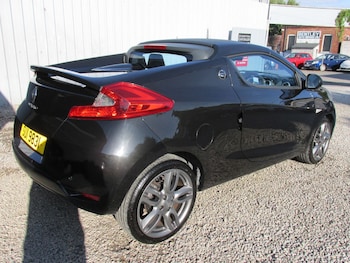
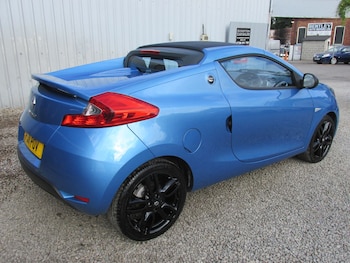
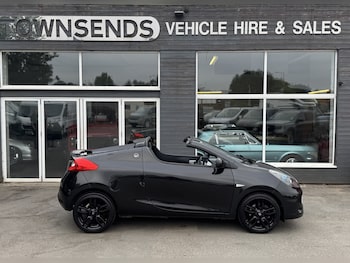
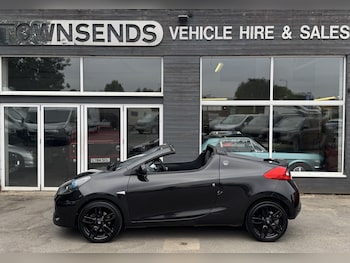
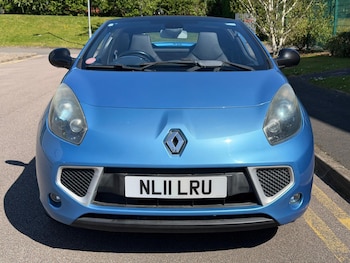
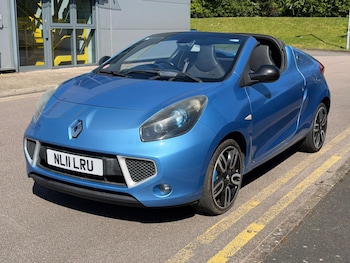
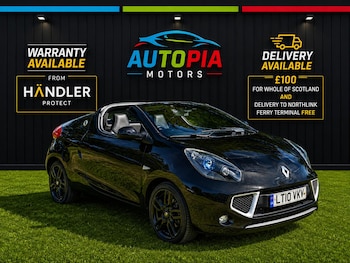
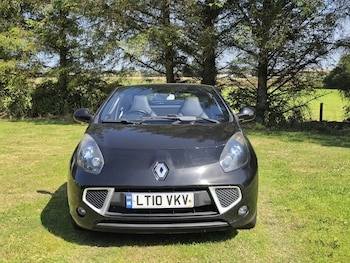
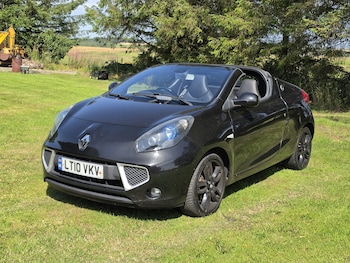
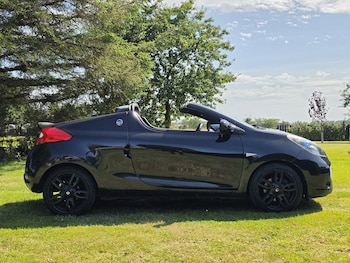
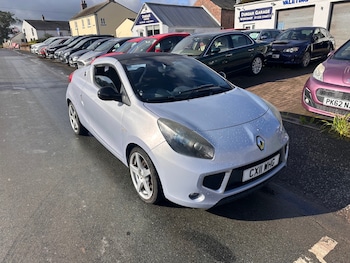
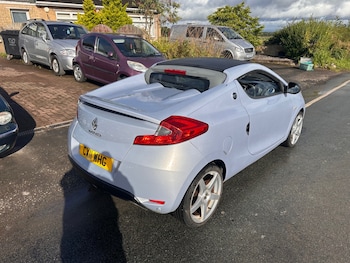
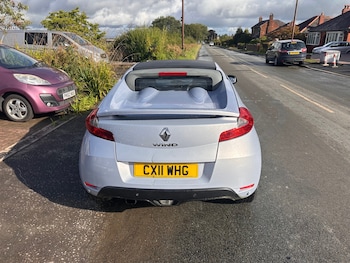
The Renault Wind isn't your average city car. It's a two-seat roadster with a twist-literally. Its clever rotating hardtop roof folds away in just 12 seconds, giving you that open-air rush without the faff of a traditional soft top. If you're after a used convertible that turns heads without draining your wallet, the Wind might just be your perfect match.
Launched in 2010 and discontinued in 2012, the Renault Wind was never produced in huge numbers, which actually makes finding a good one feel a little like discovering a hidden gem. It was designed to slot between the Twingo and Clio in Renault's lineup — compact, fun, and unapologetically sporty in its looks.
This guide covers everything you need to know before buying: performance, maintenance, common issues, and what to look for on the used market. Whether you're new to convertibles or simply curious about the Wind, you're in the right place.
Is the Renault Wind a Good Car?
Introduction to the Renault Wind Model
Short answer? Yes — for the right buyer.
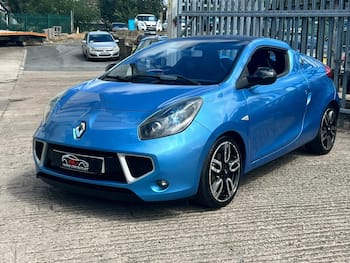
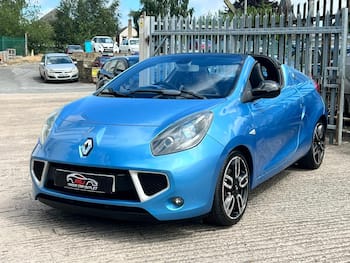
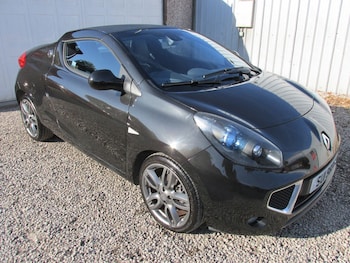
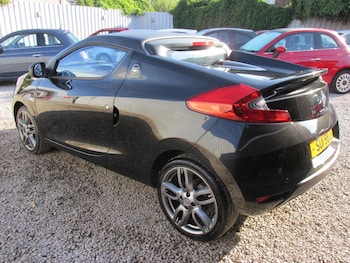
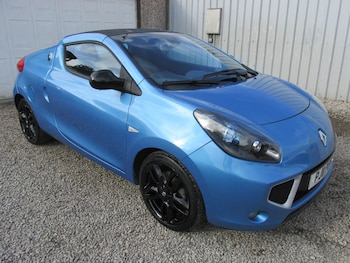
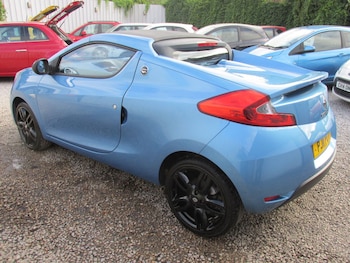
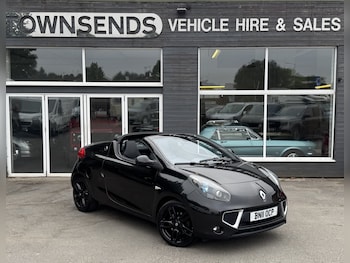
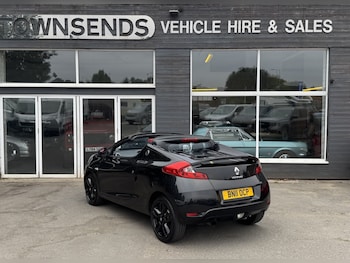
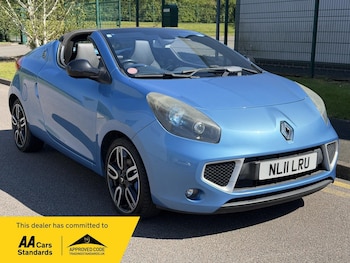
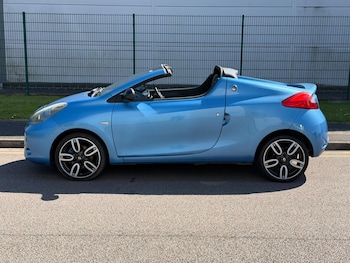
The Renault Wind was built as a fun, affordable roadster aimed at younger drivers and those who wanted something a little different. It seats two, sits low to the ground, and has a sporty, coupe-like profile that still looks fresh today.
It won the 2011 European Car of the Year award in the open car category, which tells you something. Critics praised its unique styling and innovative roof mechanism. It wasn't perfect, but it had character in spades.
Key Features and Design
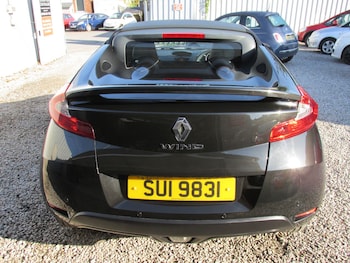
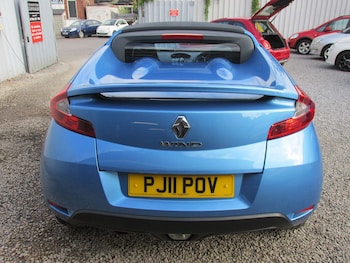
The standout feature is undoubtedly the Oreca hardtop roof — a rotating clamshell mechanism that stores neatly behind the seats. It's clever, quick, and surprisingly reliable when properly maintained.
Inside, the cabin is snug but well-finished. Expect a driver-focused layout, decent quality materials for its class, and just enough storage to get by on a weekend trip. Boot space is a modest 270 litres with the roof up, dropping to 165 litres when it's down.
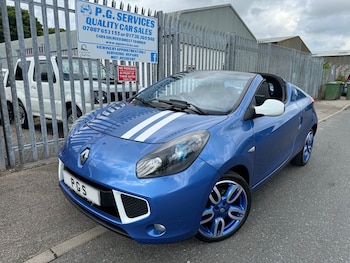
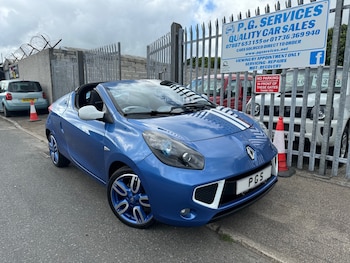
Two trim levels were available: Gordini and Dynamique S. The Gordini is the enthusiast's pick, with its blue racing stripes and firmer suspension setup. The Dynamique S is the everyday choice — slightly softer, a touch more practical.
Performance and Handling
Engine Options Explained
The Renault Wind came with two petrol engine options:
- 1.2-litre TCe turbocharged (100bhp) – The more popular choice. Punchy for its size, with a 0–62mph time of around 10.9 seconds and a top speed of 115mph.
- 1.6-litre naturally aspirated (133bhp) – Found in Gordini models. Quicker off the mark, hitting 62mph in 9.4 seconds, with a top speed of 124mph.
Neither engine is a rocket ship, but both suit the Wind's character well. This is a car about enjoyment, not outright speed.
Driving Experience and Handling Characteristics
Get behind the wheel and the Wind feels light, nimble, and genuinely fun. Steering feedback is sharp, body roll is well-controlled, and the low centre of gravity gives it a go-kart-like confidence through corners.
The ride can feel firm — particularly on the Gordini — so potholed city streets aren't its happiest habitat. But out on an open B-road with the roof down? It's hard not to grin.
Wind noise at motorway speeds is well-managed for an open-top car, which is a bonus for longer trips.
Maintenance Tips for the Renault Wind
Common Issues and Their Solutions
Every car has its quirks, and the Wind is no different. Here's what to keep an eye on:
- Roof mechanism faults – The rotating hardtop is the Wind's party trick, but it can develop gremlins. Sluggish operation or unusual noises may point to worn motor brushes or hydraulic issues. Always test it multiple times before buying.
- Cambelt wear – This is arguably the most critical maintenance point. The 1.6-litre engine is cambelt-driven and must be replaced every 6 years or 72,000 miles. A snapped cambelt means engine damage. Always ask for proof of replacement.
- Rust around the roof seals – Water can pool around the roof seals if not cleaned regularly. Check for rust or water ingress around the windscreen frame and door seals.
- Electrical gremlins – Some owners report minor electrical faults, particularly with the central locking and dashboard warning lights. A diagnostic check before purchase is worthwhile.
Recommended Maintenance Schedule
Staying on top of servicing will keep your Wind running sweetly for years. Here's a basic guide:
- Oil and filter change: Every 12 months or 12,000 miles
- Brake fluid: Every 2 years
- Coolant refresh: Every 4–5 years
- Cambelt replacement: Every 6 years or 72,000 miles (1.6-litre engine — critical)
- Roof mechanism check: Annually — lubricate guide rails and inspect motor operation
Service history is everything with the Wind. Given that production stopped in 2012, all examples on the market are over a decade old. A full, stamped service history significantly reduces your risk.
Market Insights and Buying Guide
Current Market Trends for Used Renault Wind
Because the Wind was only produced for two years, supply on the used market is naturally limited. That said, prices remain accessible — typically ranging from around £3,000 for high-mileage examples up to £8,000 or more for low-mileage, well-documented cars in strong condition.
Gordini models command a small premium due to their performance spec and collector appeal. If you're looking for a fun weekend car that won't depreciate heavily, the Wind is a strong contender.
Demand has remained steady among enthusiasts, which means well-maintained examples hold their value reasonably well. Don't rush into the first one you find — patience pays off here.
How to Choose the Right Used Renault Wind
When shopping for a used Renault Wind, keep this checklist handy:
- Check the roof thoroughly – Operate it several times. Listen for hesitation, grinding, or incomplete closure.
- Ask for cambelt receipts – Non-negotiable on the 1.6-litre. If there's no proof, budget for immediate replacement.
- Inspect the body carefully – Check door sills, wheel arches, and the roof frame area for rust or filler.
- Review the service history – A complete history from a Renault specialist is a very good sign.
- Take it on a mixed test drive – Include some twisty roads, a dual carriageway, and a few bumps to assess ride comfort and handling.
- Run a vehicle history check – Confirm the car is free from outstanding finance and has no hidden past.
You can browse available Renault models on Cazoo to compare specifications and find a car that suits your budget and requirements.
Frequently Asked Questions
How does the Renault Wind compare with similar compact convertibles?
The Wind sits in an interesting niche. Its closest rivals are the Mazda MX-5 and the Fiat 500C, though none share quite the same format. The MX-5 offers more power and a more polished driving experience, but costs significantly more on the used market. The Fiat 500C is softer and more city-focused. The Wind's unique hardtop mechanism and two-seat layout make it genuinely distinctive in its class — it's sportier than the Fiat but more affordable than the Mazda. For those prioritising style and fun on a budget, the Wind holds its own comfortably.
How many Renault Winds were made?
The Renault Wind was produced from 2010 to 2012, and production numbers were relatively modest. Exact global figures are not widely published, but the limited production run — combined with the short sales window — means the Wind is genuinely uncommon on UK roads today. This scarcity adds a degree of exclusivity and means well-preserved examples are particularly desirable among enthusiasts. It also means that finding one with full service history takes more effort, but is well worth pursuing.
What should buyers look for when purchasing a used Renault Wind?
The three most important things to verify are the roof mechanism, cambelt service history (on 1.6-litre models), and the overall body condition. Request a full service history and ideally seek out cars that have been maintained by a Renault specialist. A pre-purchase inspection by an independent mechanic is strongly recommended, particularly given the age of available stock. Pay close attention to any signs of water ingress around the roof seals and door frames. Cazoo's used car listings include detailed vehicle information to help you make a confident, informed choice.