|
Beta
15
Are these results helpful?
Help us improve
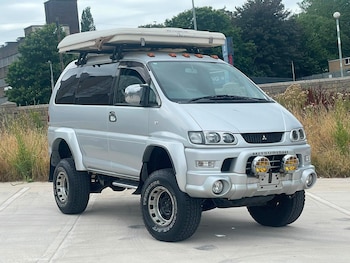
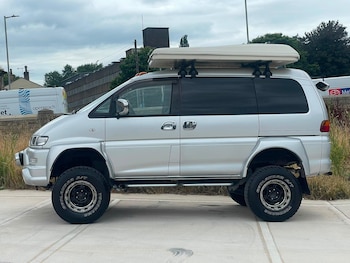
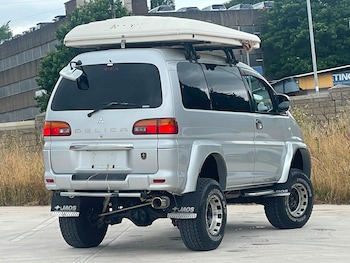
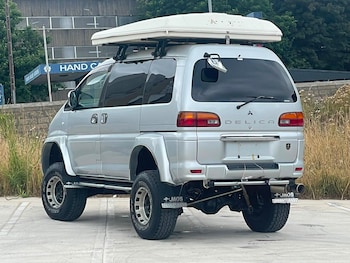
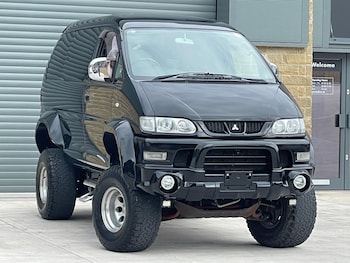
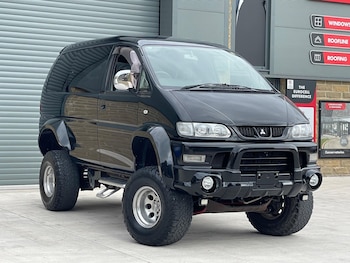
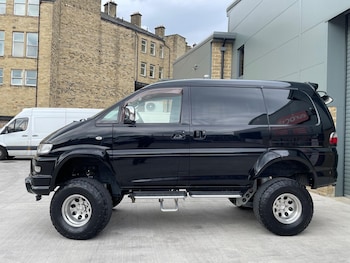
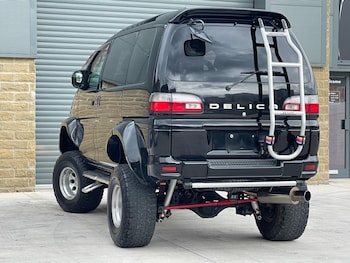
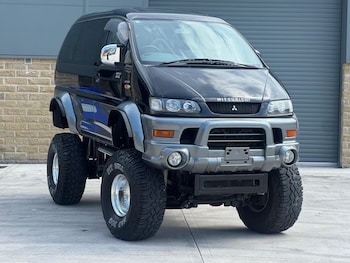
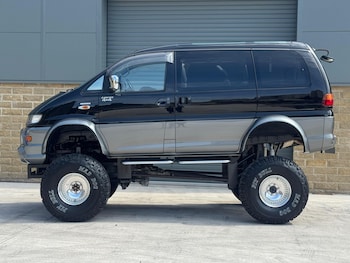
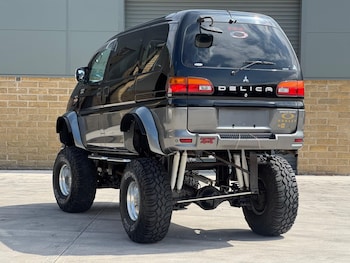
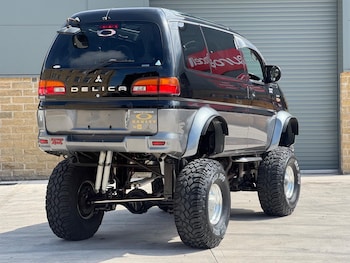
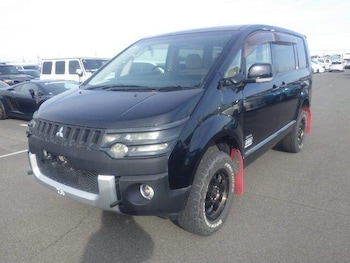
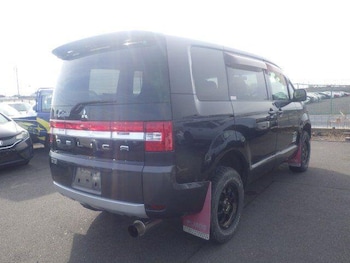
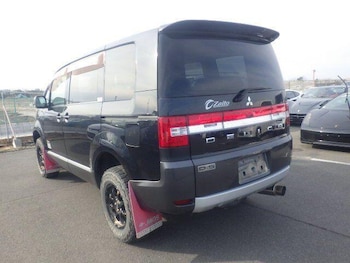
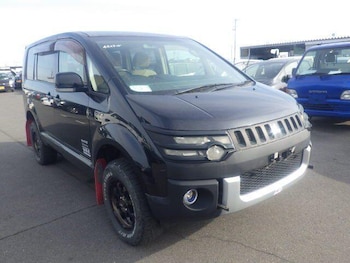
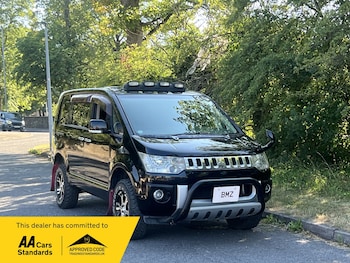
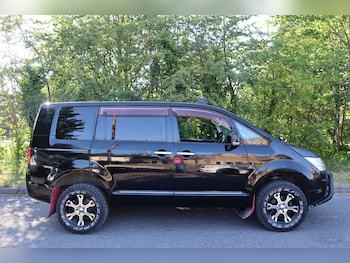
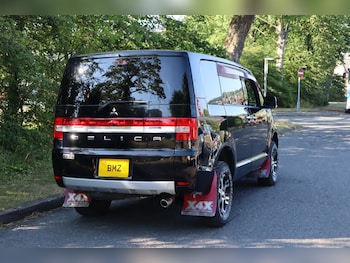
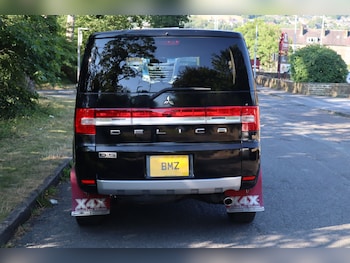
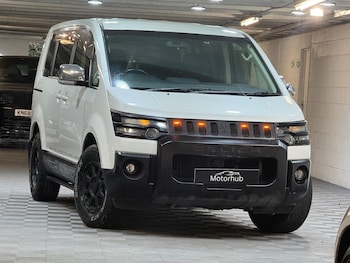
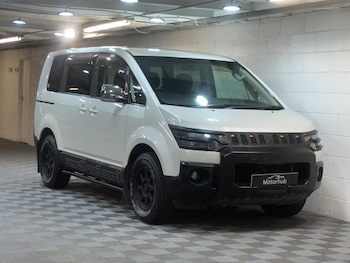
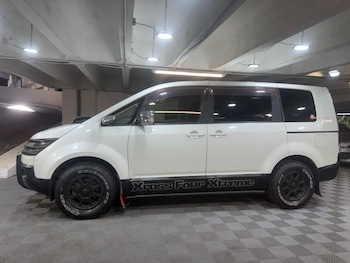
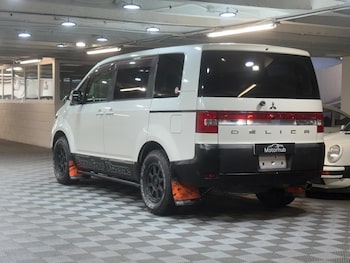
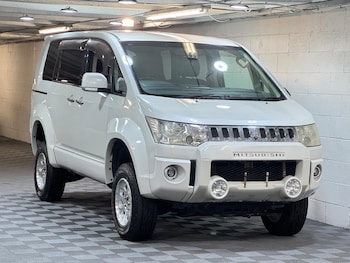
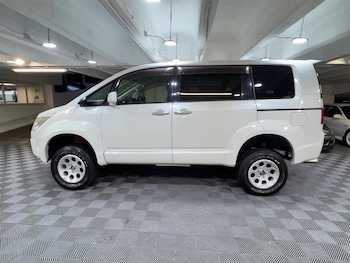
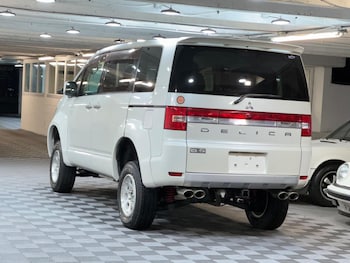
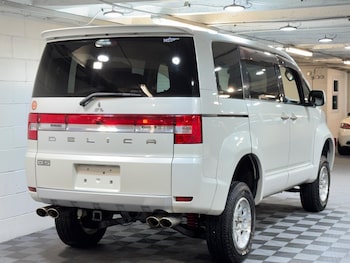
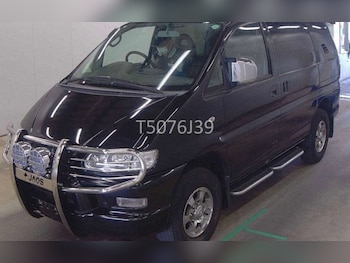
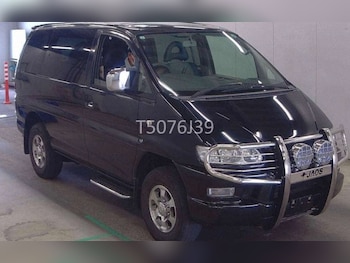
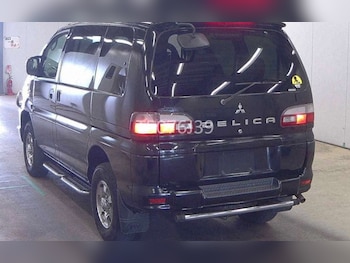
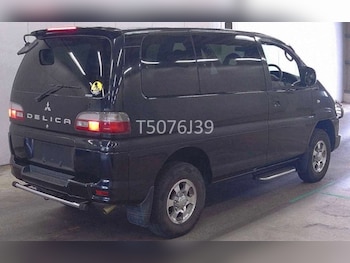
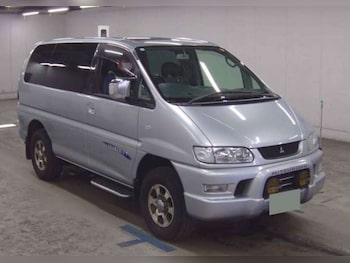
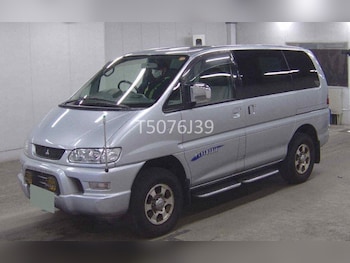
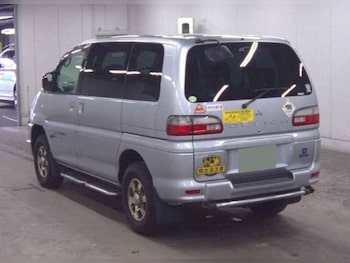
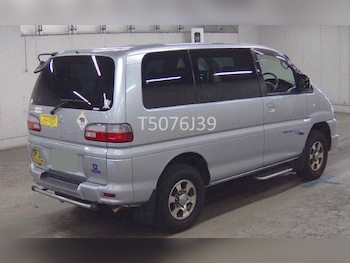
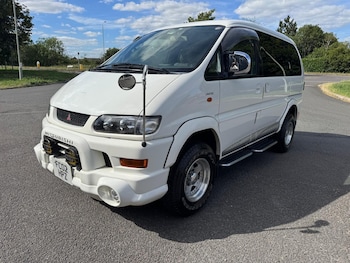
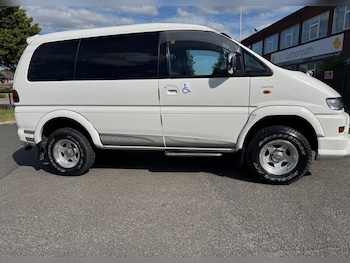
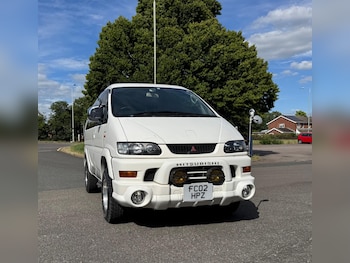
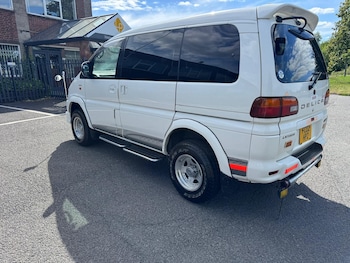
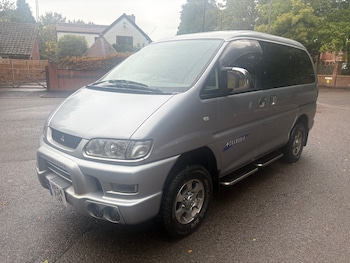
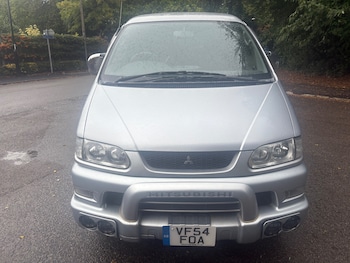
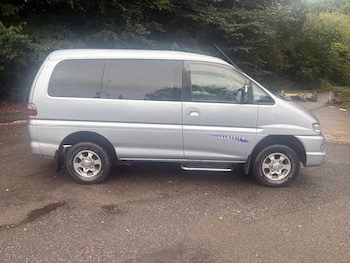
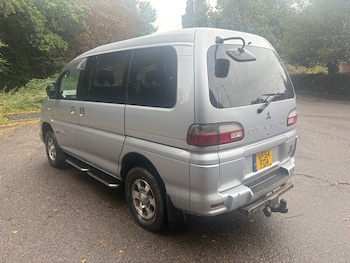
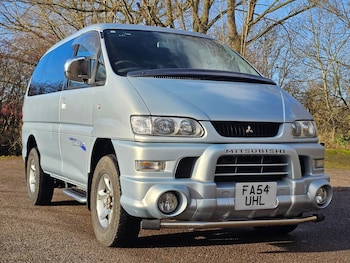
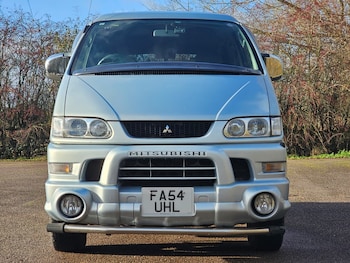
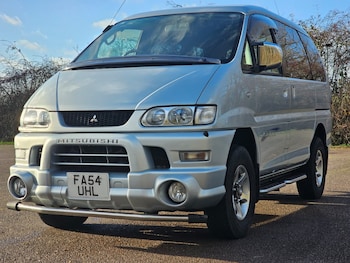
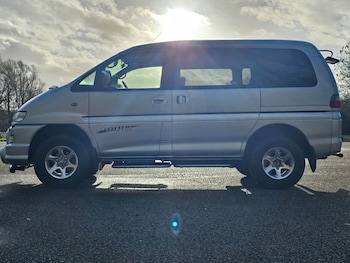
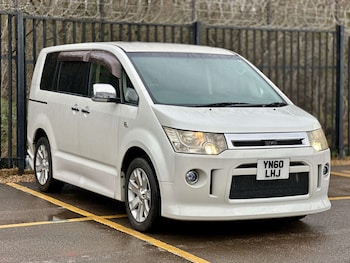
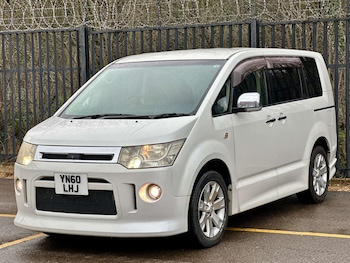
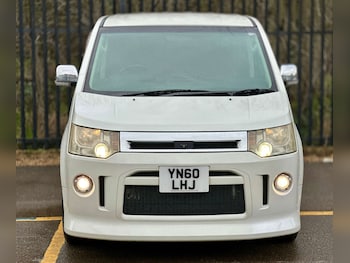
Mitsubishi Delica
2025 Roadest 4Door
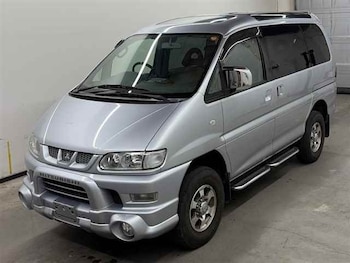
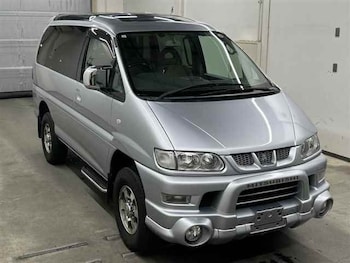
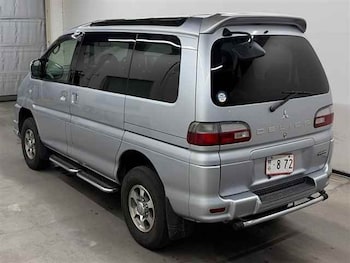
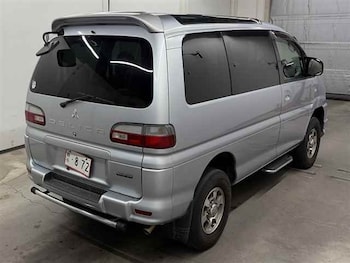
Few vehicles carry the same cult status as the Mitsubishi Delica. Part camper van, part off-roader, and entirely its own thing — this Japanese icon has been quietly winning over adventure lovers for decades. If you're weighing up a used Mitsubishi Delica purchase, you're in good company. Demand is growing, and for good reason.
This guide covers everything you need to know: key features, engine options, model generations, and what to look out for before you buy.
The short answer? Yes — if it's the right fit for your lifestyle.
The Delica started life as a commercial vehicle in 1968, but it wasn't long before drivers realised it was built for far more than deliveries. Its elevated ride height, strong 4x4 capabilities, and spacious interior made it a natural choice for anyone who wanted to go off the beaten track without sacrificing comfort.
Appeal Among Adventure Seekers
What makes the Delica special is how it blurs the line between practicality and adventure. It seats up to eight passengers, handles rough terrain with ease, and still feels comfortable on a motorway cruise. That combination is surprisingly rare. For overlanders, weekend campers, and families who refuse to be tied to tarmac, it ticks just about every box.
Petrol vs. Diesel Options
Depending on the generation, you'll find both petrol and diesel engine options. Diesel variants are generally favoured for their torque and fuel efficiency on long journeys, making them well-suited to towing and off-road use. Petrol engines tend to be smoother and quieter, though less economical over distance. Your choice will depend on how and where you plan to drive.
4x4 Capabilities and Performance
The Mitsubishi Delica 4x4 system is one of its standout selling points. Most models come with a part-time or full-time four-wheel-drive setup, giving you genuine traction on mud, gravel, and snow. Ground clearance is generous across the range, and the suspension is tuned to absorb rough surfaces without drama. It's not a sports car — but it was never meant to be.
From Commercial Vehicle to Adventure Icon
The Delica's transformation from workhorse to weekend warrior happened gradually. As later generations introduced higher-spec 4x4 systems, raised suspension, and more refined interiors, the van started attracting a very different kind of buyer. By the time the Space Gear (L400) arrived in the mid-1990s, the Delica had firmly established itself as a lifestyle vehicle.
Cultural Significance in Japan and Beyond
In Japan, the Delica is a genuine icon — the kind of vehicle that inspires owner clubs, dedicated forums, and long-distance rally teams. Its popularity has spread steadily to the UK, Australia, and North America, where right-hand-drive imports have built a loyal following. Buying a used Mitsubishi Delica often comes with a ready-made community of enthusiasts who are happy to share knowledge and advice.
L300 vs. L400 vs. D:5 Models
Understanding Engine Choices
The L300 typically ran a 2.5-litre diesel or 2.0-litre petrol. The L400 introduced a more powerful 2.8-litre diesel alongside petrol alternatives. The D:5 predominantly uses a 2.4-litre petrol engine. Whichever generation you choose, always check for signs of head gasket wear, timing belt condition, and any history of overheating — common points of concern across older Japanese imports.
Generally, yes. The Delica has a strong reputation for durability, particularly the L400 and D:5 generations. Like most older Japanese vehicles, reliability comes down to how well the car has been maintained. Regular servicing, timely cambelt changes, and a clean bill of health on the cooling system go a long way. Buying from a reputable source — such as browsing used Mitsubishi Delica listings on Cazoo — gives you added confidence, as vehicles are inspected before sale.
The Delica offers something few vehicles can match: genuine off-road capability in a practical, people-friendly package. Its 4x4 drivetrain, raised ride height, and spacious interior make it ideal for overlanding, camping trips, and tackling terrain that would stop a conventional MPV in its tracks. Add in a loyal enthusiast community and a distinctive look that stands out on any road, and it's easy to see why interest in the Delica for sale market keeps growing.