Same car, different badge, different price: welcome to the used-car cheat code
Some cars that look like rivals are practically identical underneath. Here’s how badge engineering could help you find a better deal on your next used car.

Michael Golson
Published on 11 November 2026 | 6 mins read
What if the car you’ve always wanted was available for less money, with a different badge stuck on the bonnet?
It sounds suspiciously like a nutty conspiracy theory, but it’s actually a surprisingly common trick of the motor industry.
Some cars that appear to be rivals are, underneath their slightly different bodywork, practically identical. Same engines, same platforms, same major mechanical components. Sometimes they’re even built in the same factory, side by side.
It’s called badge engineering, and understanding how it works could help you find a better deal on your next used car.
Because while manufacturers might spend millions convincing you their cars are special, the engineering department occasionally has other ideas.
Why do different manufacturers sell the same car?
Developing a completely new car is enormously expensive.
Manufacturers need to design everything from the chassis and suspension to the engines, safety systems and electronics.
So, sharing that work makes financial sense.
Sometimes it’s because several brands belong to the same parent company. Other times, manufacturers collaborate to develop a car that each can sell under its own name.
And the results can be remarkably similar vehicles with different styling, equipment, badges and prices.
Of course, sharing a platform doesn’t automatically make two cars identical.
The Volkswagen Golf, Skoda Octavia and SEAT Leon, for example, share significant engineering but have their own dimensions, interiors and driving characteristics.
For the real money-saving opportunities, we’re interested in cars that are much more closely related.
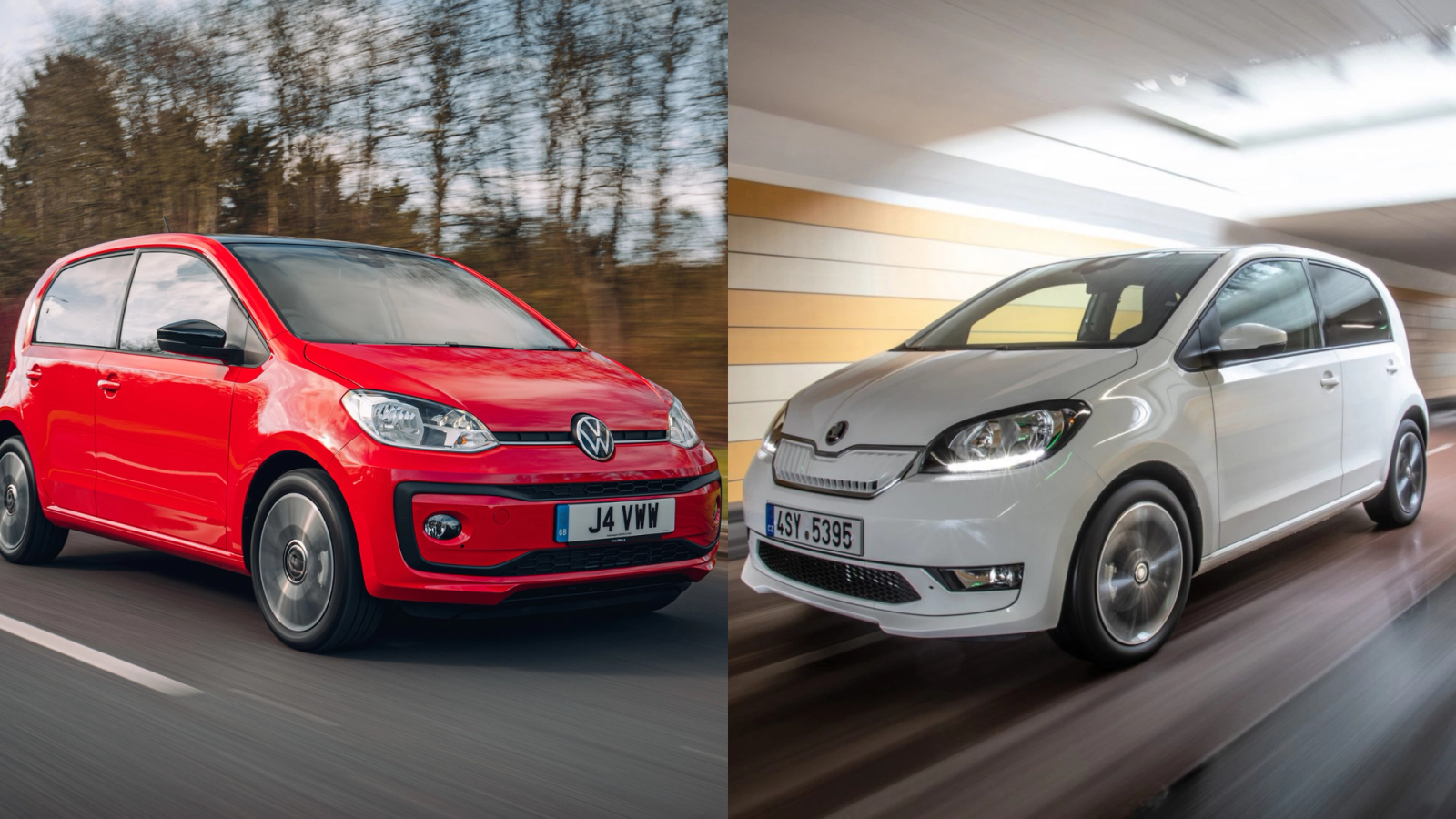
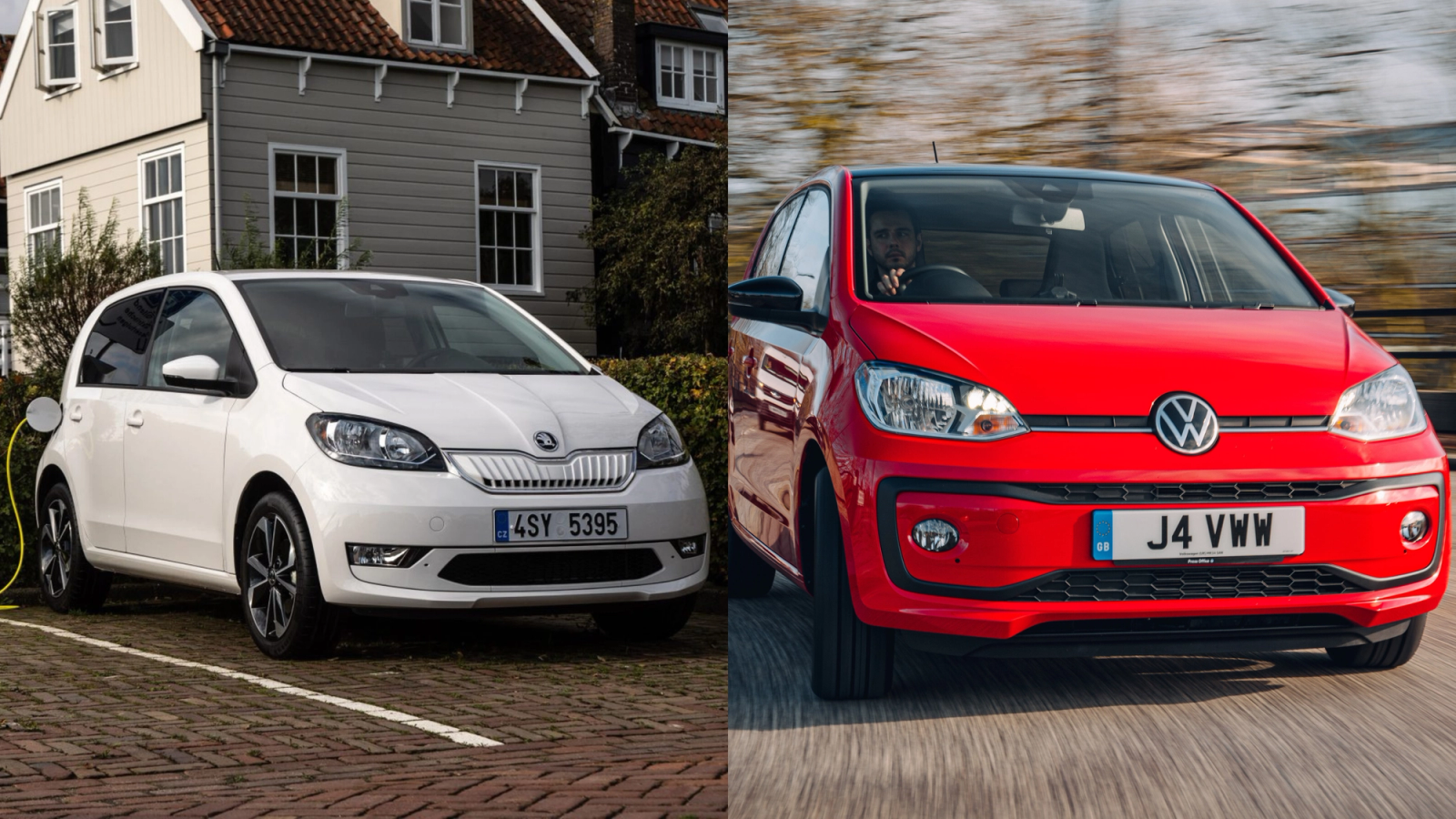
Volkswagen Up!, Skoda Citigo and SEAT Mii: three cars, one secret
Perhaps the most obvious example is the trio of the Volkswagen Up!, Skoda Citigo and SEAT Mii - all of which arrived in the UK in 2012 and shared so much of their engineering that you could reasonably call them triplets.
All three used the same basic platform with closely related engines, gearboxes and suspension. Even their compact dimensions and use of interior space were remarkably similar.
The differences largely came down to exterior styling, trim levels and available equipment, with Volkswagen positioning the Up! as the more premium choice, while Skoda and SEAT offered their own interpretations.
And that’s where things become interesting for used-car buyers, because if you’re shopping for a Volkswagen Up!, it’s worth checking how much a similarly aged Citigo or Mii costs - depending on specification, mileage and condition, one of its siblings might offer better value.
There are differences worth knowing about, though. The Up! range included more powerful versions, including the very cool Up! GTI, that don’t have direct equivalents in the other two ranges.
The trick is to compare like for like, rather than assuming every version is exactly the same.
Toyota Aygo, Peugeot 108 and Citroen C1: the unlikely friendship
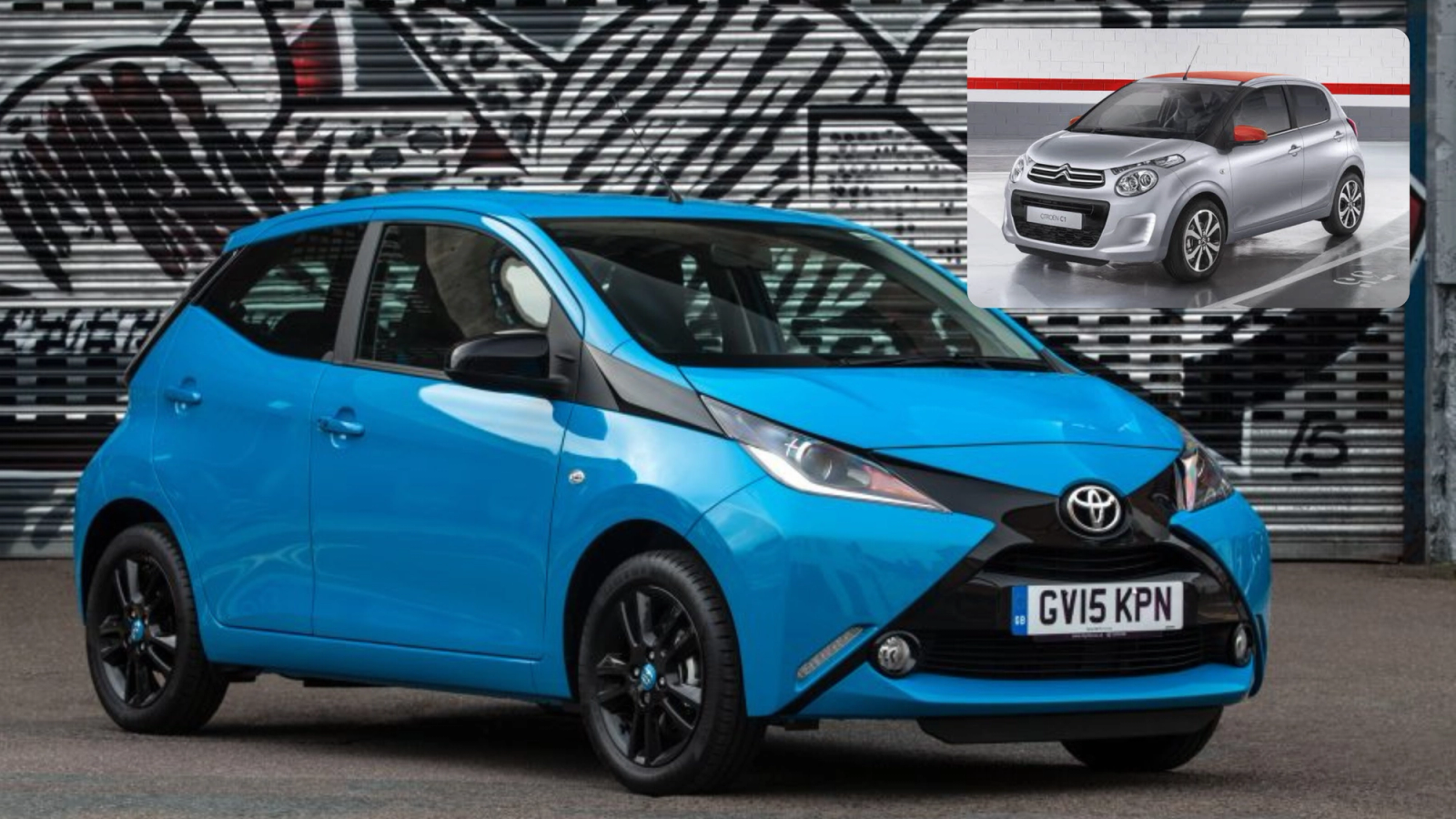
Toyota and French manufacturers Peugeot and Citroen might seem like an unusual trio, but their small-car collaboration was a huge success.
The original Toyota Aygo, Peugeot 107 and Citroen C1 were developed together and launched in 2005 and when the next generation arrived in 2014, the Peugeot became the 108, while the Aygo and C1 retained their names.
Again, all three shared major components, including their basic structure and much of their mechanical engineering.
The second-generation cars received more distinctive styling, particularly the Aygo with its dramatic X-shaped front end - but the family resemblance remained obvious.
For buyers, this creates another opportunity to widen the search because if you fancy an Aygo, why not have a look at the Peugeot 108 and Citroen C1 as well?
One important detail is the engine. While the three cars shared a 1.0-litre petrol option, some Peugeot 108 and Citroen C1 models also came with a different 1.2-litre petrol engine.
That means the badge isn’t the only thing to compare as engine choice, maintenance requirements, specifications and service history still matter.
Toyota Corolla Touring Sports and Suzuki Swace: spot the difference
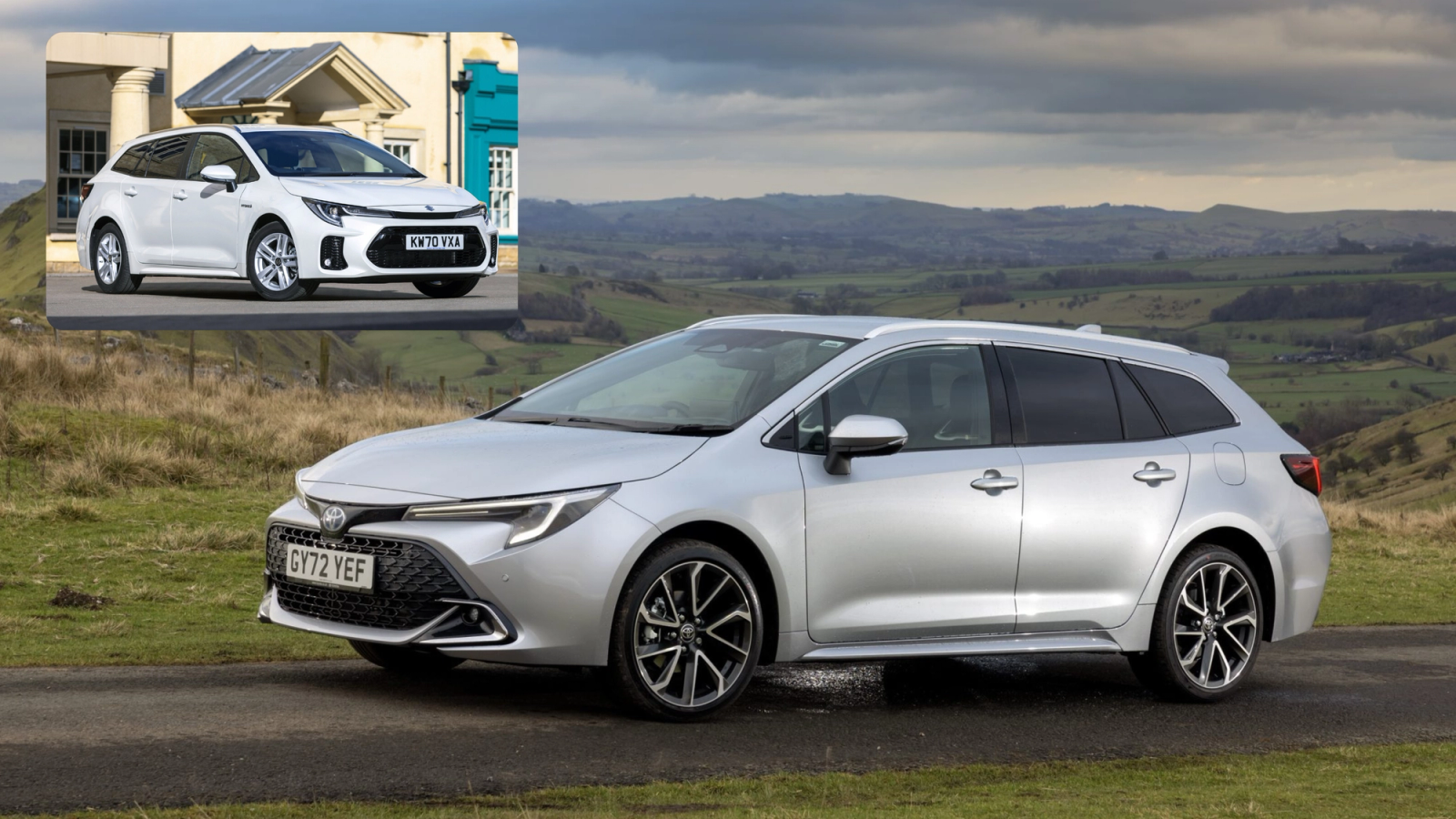
The Suzuki Swace is effectively a Toyota Corolla Touring Sports estate wearing different clothes. And by different clothes, we mostly mean a different badge and a slightly redesigned nose.
Launched in 2020, the Swace uses Toyota’s 1.8-litre self-charging hybrid tech and shares its basic design and engineering with the Corolla estate.
Indeed, both were built at Toyota’s factory in Derbyshire, and the Swace offers the same practical estate-car body, automatic gearbox and hybrid powertrain.
But because the Suzuki is less familiar to many buyers, it’s worth checking whether comparable used examples offer better value.
Although, don’t forget to investigate the differences in equipment, model-year updates and warranty arrangements. Toyota and Suzuki have different manufacturer support schemes, which could affect the overall ownership proposition.
Still, if you’re shopping for a used Corolla estate and haven’t considered a Swace, you might be unnecessarily limiting your options.
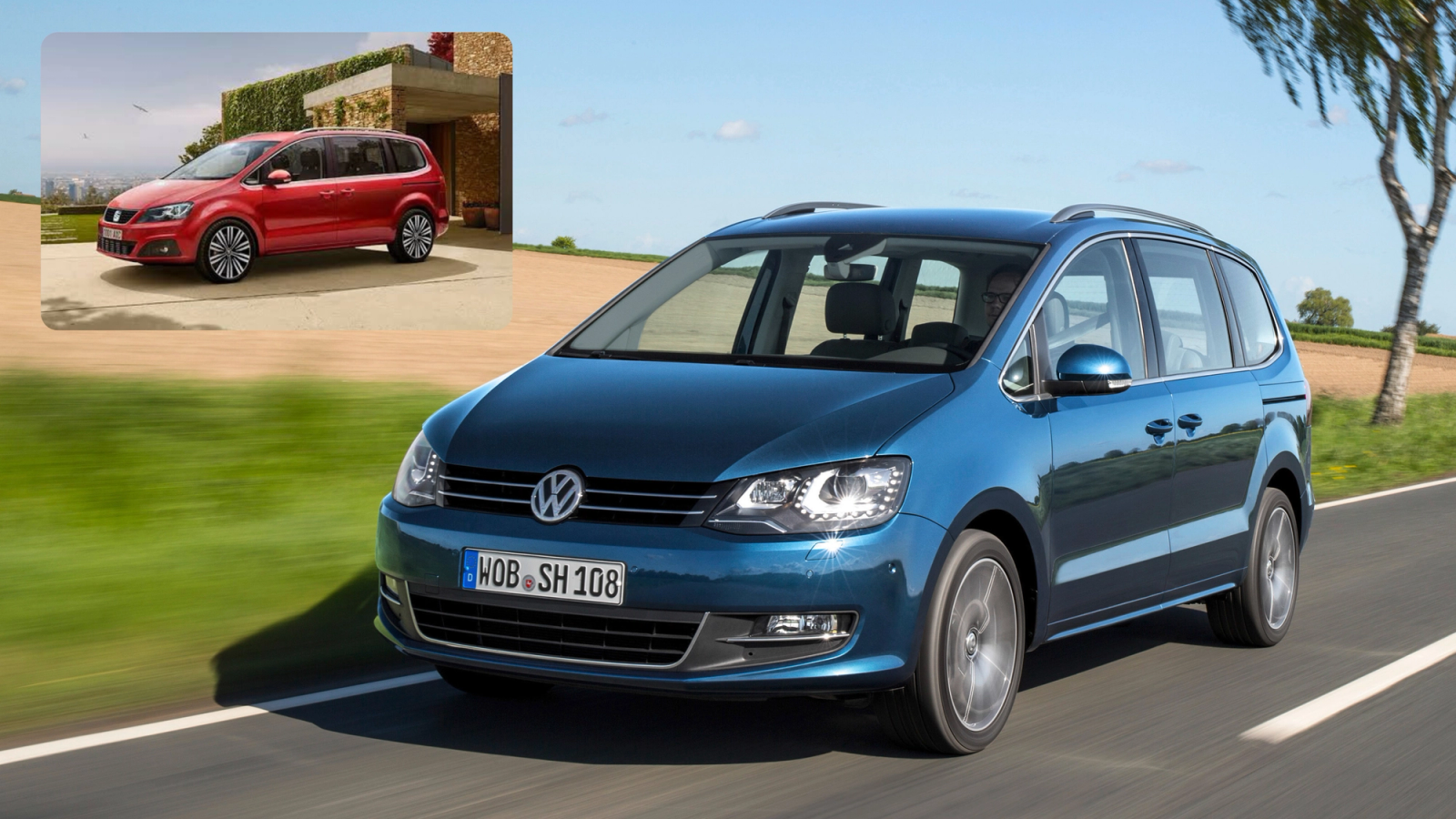
Volkswagen Sharan and SEAT Alhambra: family-sized badge engineering
The second-generation Volkswagen Sharan and SEAT Alhambra are another excellent example.
These large MPVs share their basic body, those sliding rear doors, seating layout and much of their mechanical engineering.
Both are great buys if you’re looking for the kind of space and flexibility only offered by large, family motors - particularly if you regularly carry seven people.
Yet buyers might favour one over the other simply because they’re more familiar with the badge.
If you’re hunting for a used Sharan, searching for an Alhambra as well could reveal additional cars worth considering.
With vehicles of this age, however, condition is especially important and close attention should be made to maintenance history, gearbox servicing where applicable, electrical equipment and the operation of the sliding doors.
Does the less fashionable badge actually save you money?
Sometimes. But not automatically.
Brand image can influence used-car prices, just as it affects what people are willing to pay for a new car.
However, asking prices also depend on age, mileage, condition, specification, service history, location and availability.
A well-maintained Volkswagen Up! could easily be a better purchase than a neglected Skoda Citigo, even if the Skoda costs less.
Similarly, a higher-specification model from one brand might justify its price with equipment that’s missing from its sibling.
The sensible approach is to compare equivalent versions rather than simply choosing whichever badge has the lowest advertised price.
How to make badge engineering work in your favour
There’s nothing wrong with wanting a particular manufacturer. If you’ve always fancied a Volkswagen, Toyota or BMW, that’s a perfectly good reason to put one on your shortlist.
But if you’re buying a used car and value for money is your priority, it pays to keep an open mind.
The car with the less fashionable badge might offer the same engine, similar equipment and almost exactly the same driving experience.
Start by identifying the car you actually want, then research whether there’s a closely related model from another manufacturer.
Once you’ve found its siblings, compare the same essentials: model year, engine, gearbox, mileage, service history and equipment.
Check insurance quotes too. Mechanically similar cars don’t necessarily attract identical premiums.
It’s also worth considering warranties, parts availability and any model-specific maintenance requirements.
Most importantly, don’t assume shared mechanical components mean every version drives or feels exactly the same. Try the cars you’re considering and decide which you prefer.
And if it happens to cost less?
That’s not settling for second best. That’s shopping smarter.
Explore the used cars available on Cazoo and see whether a different badge could lead you to a better deal.
Ready to find something a little more entertaining? Explore the range of used cars on Cazoo and see what catches your eye.