Used Volkswagen Caravelle buying guide
Engines and transmissions
Petrol
- Fourth-generation Caravelle included a 2.0-litre that generated either 147 or 201bhp, depending on the trim level.
- Third-generation models included a 3.2-litre V6 engine that produced 231bhp.
Diesel
- 2.0-litre models create 147, 196 or 201bhp, with 0-60mph times of 12.5, 9.6 and 9.5 seconds respectively, depending on the trim.
- The 201bhp model is the most efficient at around 41mpg.
- Earlier generations include 2.0-litre engines that could produce 138 or 177bhp, along with 2.5-litre engines that could generate 128 or 171bhp.
Practicality
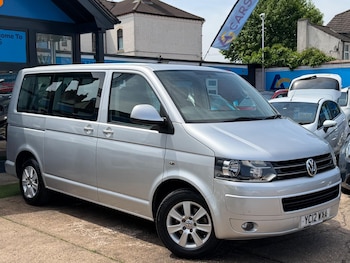
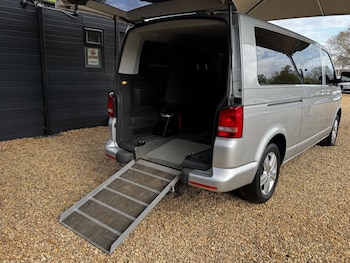
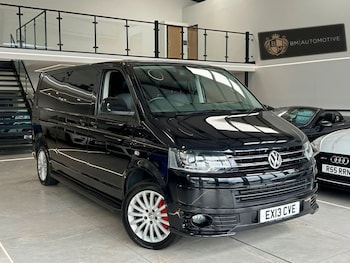
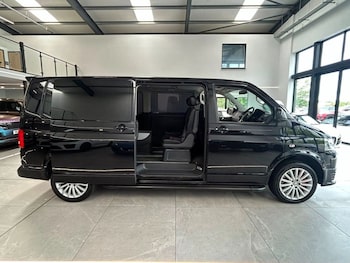
By using the underpinnings of the Transporter, the Caravelle offers a practical space that holds seven adults with additional room for gear and cargo.
Interior space
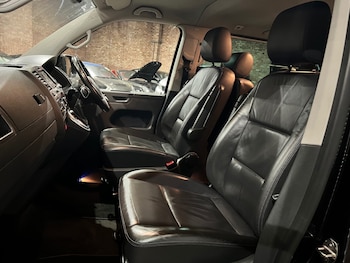
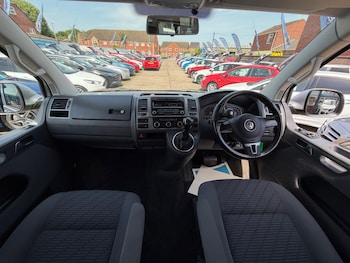
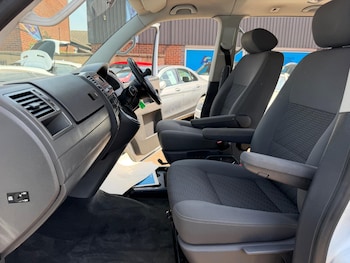
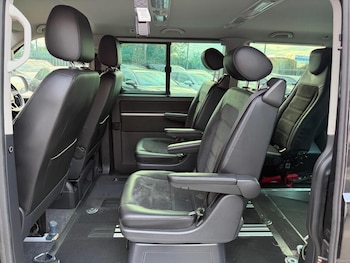
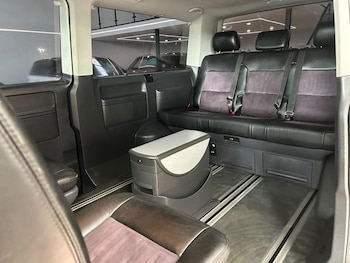
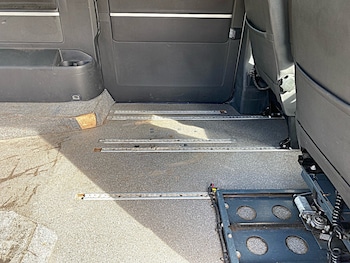
- Three rows of seats easily accommodate seven adults, even if they are tall.
- Models can be found with a fourth row of seats, increasing capacity to nine, but the back seat isn't as roomy for adults.
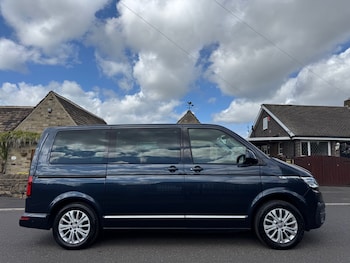
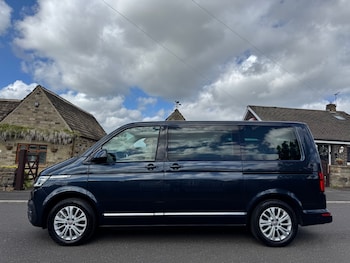
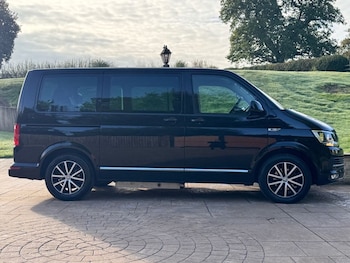
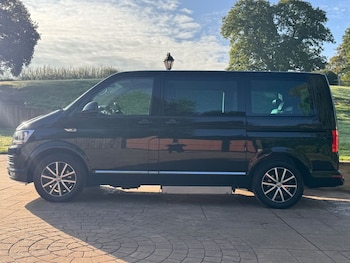
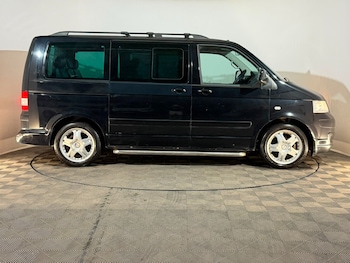
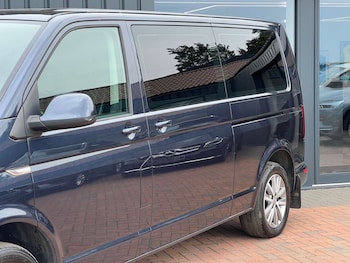
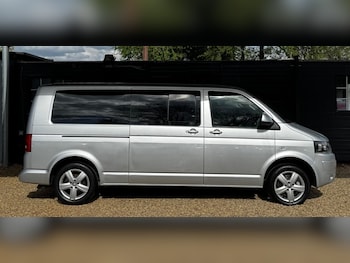
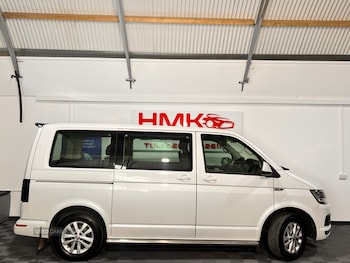
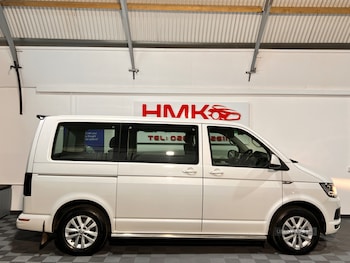
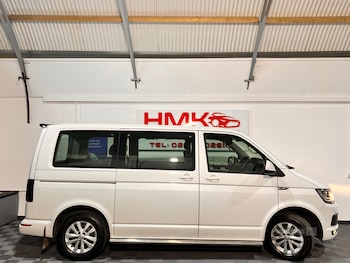
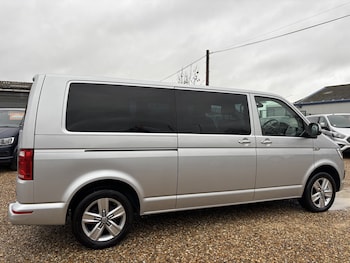
- Two sliding doors give instant access to the cabin.
- All rear seats have ISOFIX mounting points for securing child seats.
Boot space
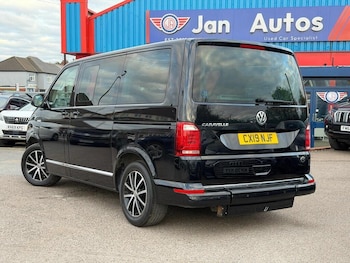
- 775-litre boot is larger than most seven-seaters.
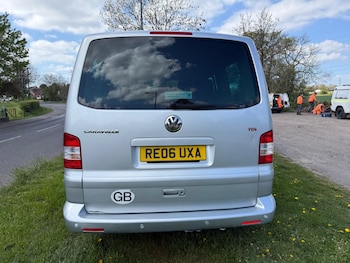
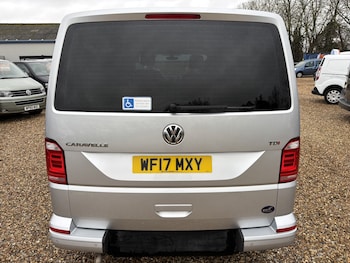
- Large tailgate allows for bigger items to be carried.
- Clever storage bins are available throughout the cabin to hold smaller items.
Safety
- Caravelle doesn't have a safety rating, but the Transporter earned four stars from Euro NCAP.
- Available safety kit includes front assist with city emergency braking, lane assist and adaptive cruise control.
Technology
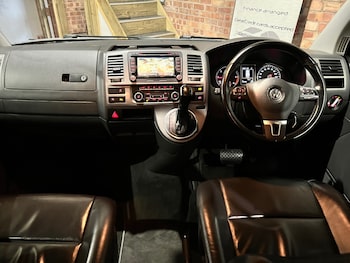
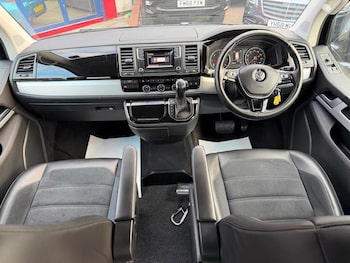
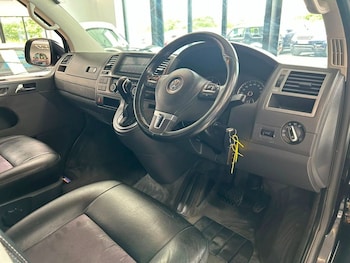
- 2D/2.5D sat-nav offers speed limits and points of interest.
- 8-inch colour touchscreen includes proximity sensor.
- Mobile online services include App-Connect, eSIM and Volkswagen We Connect.
- Available wireless phone charging includes Comfort telephone interface.
Different generations of used Volkswagen Caravelle
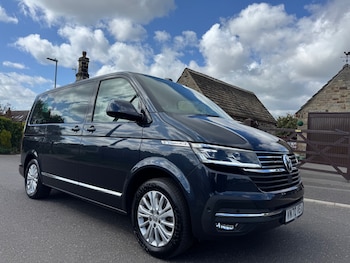
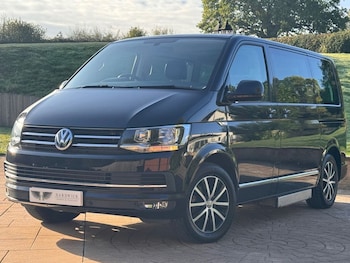
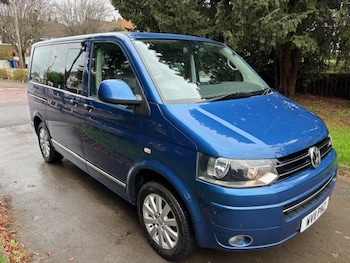
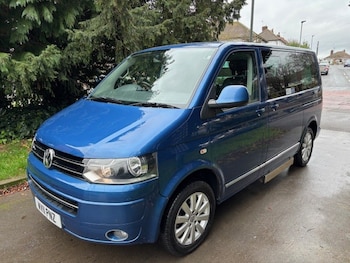
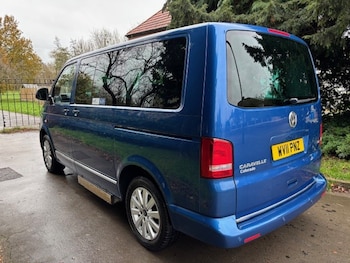
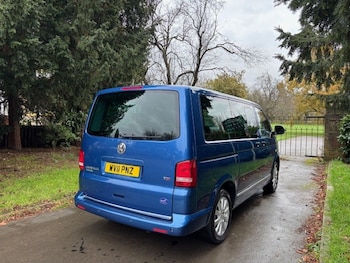
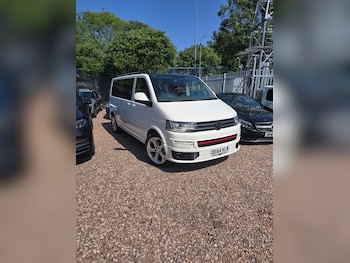
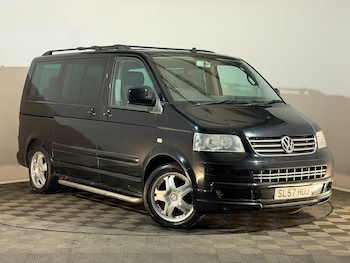
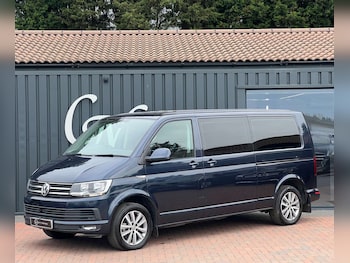
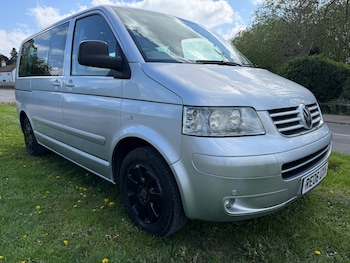
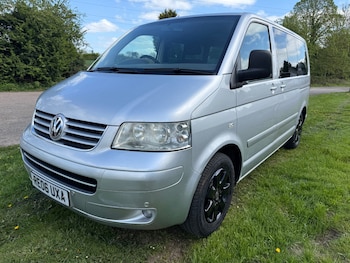
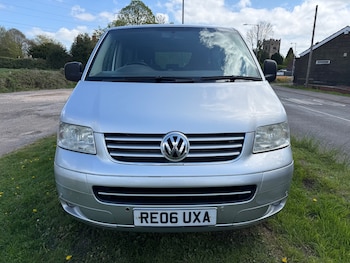
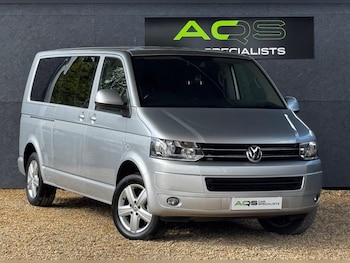
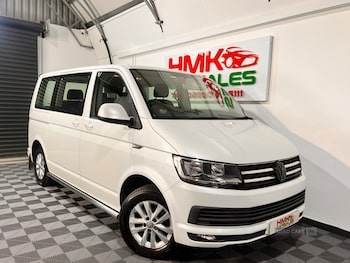
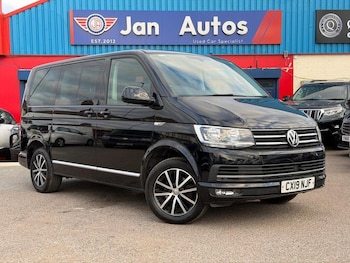
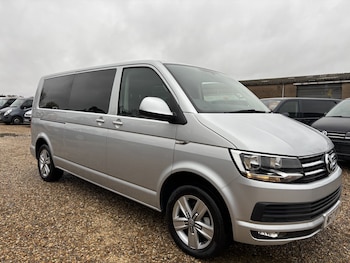
The Volkswagen Caravelle first arrived in 1980 as a 9-seater minivan built on the same platform as the Transporter commercial van. The Caravelle arrived during the Transporter's third generation and spanned four generations. With each new generation, the Caravelle became more premium and comfortable, but the model was replaced in 2021 with the Multivan.
Fourth Generation (1990-2003)
In 1990, Volkswagen switched the layout of the Caravelle to include a front-mounted water-cooled engine and front-wheel drive. Before this, the commercial van featured a rear-engine with rear-wheel drive. This upgrade improved the handling of the vehicle and increased fuel efficiency.
Styling was also updated to make the van more modern. In the process, it became more aerodynamic, which only further increased its efficiency.
Fifth Generation (2003-2015)
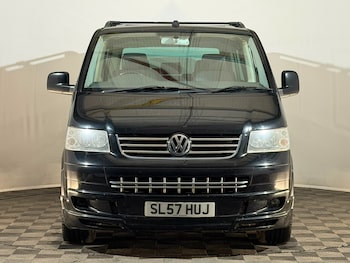
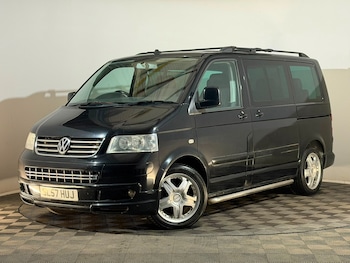
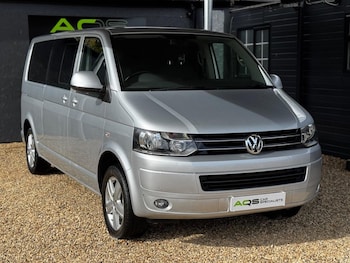
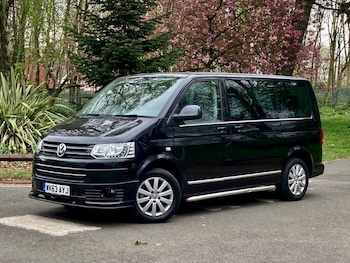
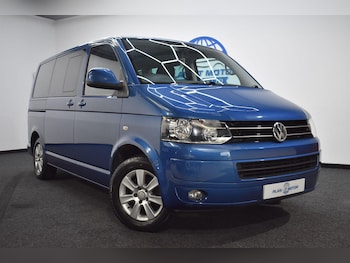
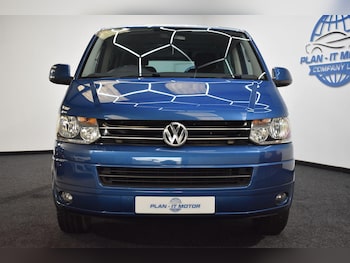
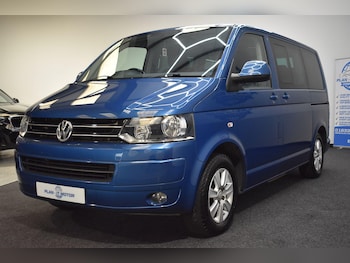
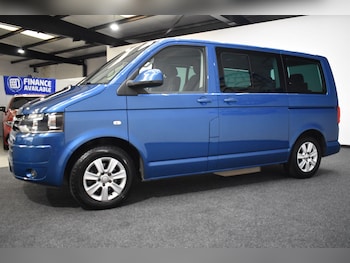
When the T5 generation arrived, the Caravelle had a wide range of customisation options, ranging from how the seating was configured to how tall the top of the van was. These options allowed owners to choose how the van would work best for them.
In 2009, Volkswagen released a small update to the T5 van, giving it a dual-clutch automatic transmission for smoother gear changes and updated safety features for more protection. The engine line-up also became more efficient, especially the diesel variants.
Sixth Generation (2015 to 2022)
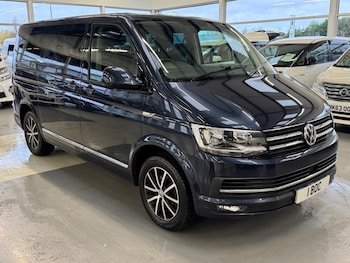
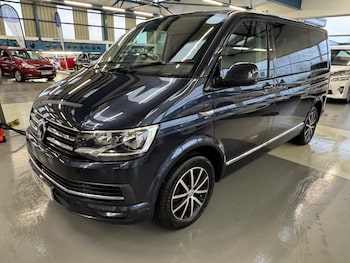
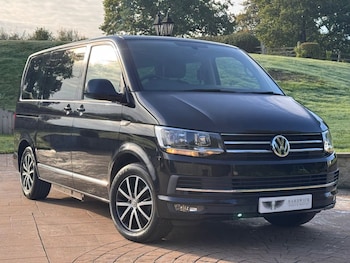
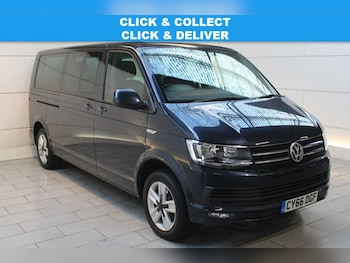
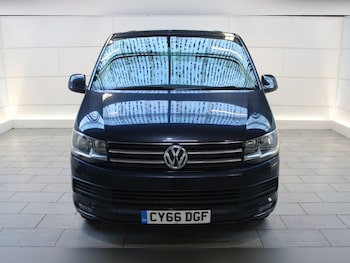
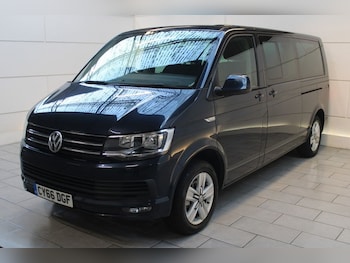
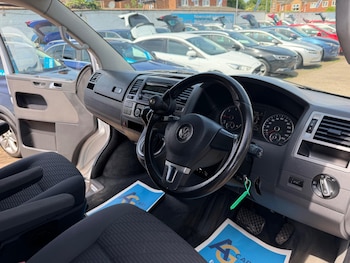
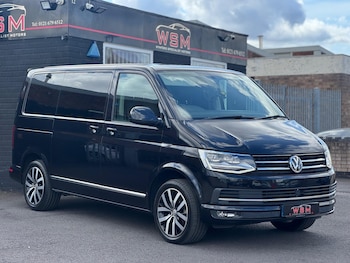
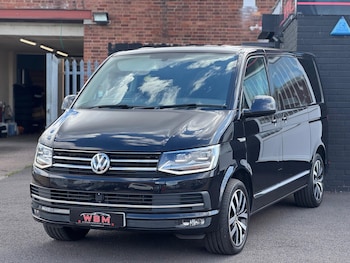
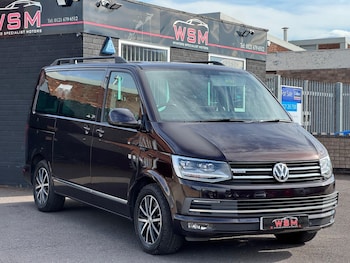
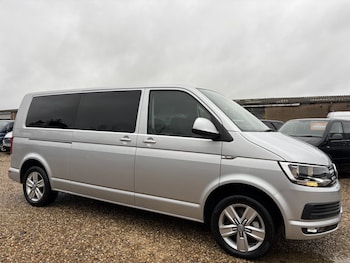
The T6 generation was launched in 2015 with an updated style and added premium materials. The exterior received a facelift and Volkswagen released a complete overhaul to the dashboard in the cabin. Added safety and technology features were also included to keep the Caravelle modern.
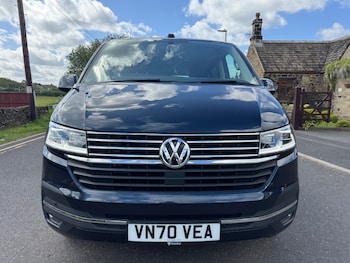
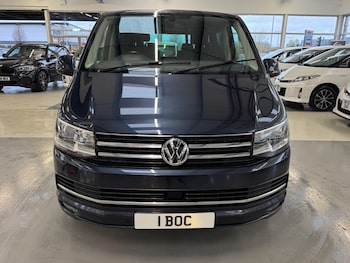
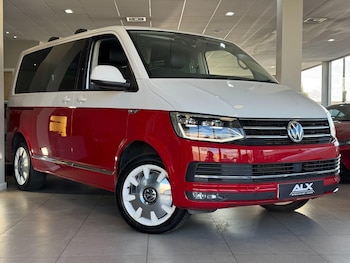
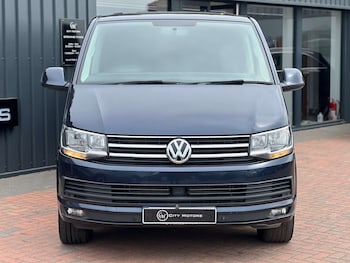
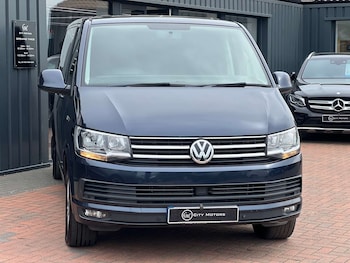
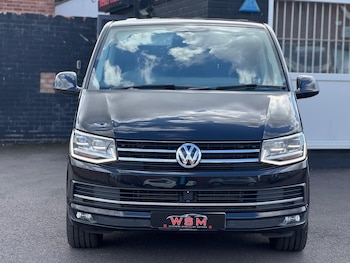
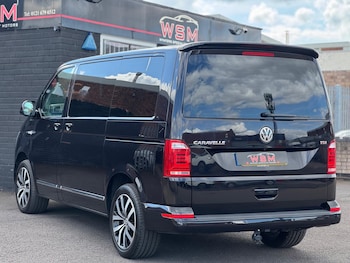
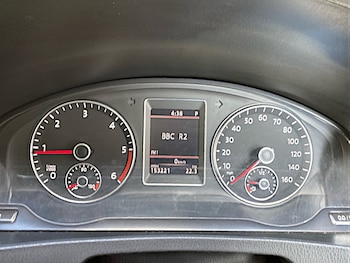
A 2019 facelift made the van more sophisticated with updated LED headlights and refreshed taillights. Volkswagen also offered a two-tone look that added appeal, along with a bigger 10.25-inch digital instrument cluster for easier visibility.