Hit a Parked Car? What to Do Next, and Why a Note Isn't Always Enough
Scraped a parked car and the owner's nowhere to be seen? Don't panic, and don't drive off. Here's exactly what UK law says you must do, what happens if you don't, and how to handle insurance, whether you hit a parked car or someone hit yours.
The Cazoo editorial team
Published on 20 October 2026 | 6 mins read
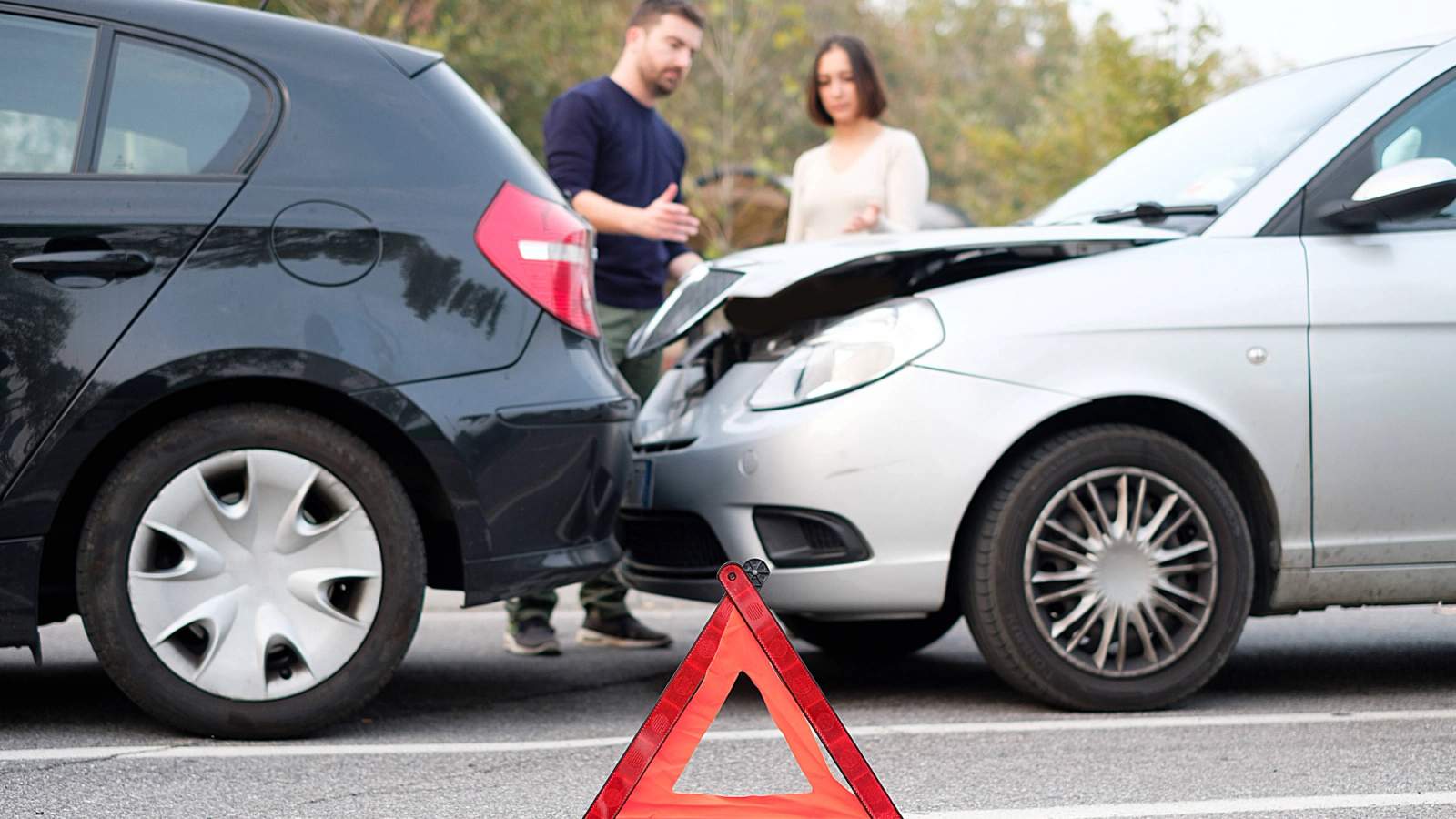
Most of us have accidentally hit a parked car at some stage in our lives. Hitting another person's parked car can be a stressful experience for all parties. Equally, it's just as likely you may have experienced it in reverse.
Whether the incident has resulted in a scratch, dent or bump, you'll likely be asking yourself what to do if you hit a parked car, or what to do when someone hits your parked car? Luckily, here at Cazoo, we've got the answers you need.
Plenty of drivers are tempted to simply drive away. In a 2023 survey by Hippo Leasing, 46% of people said they would hit another car and not tell the owner, while research by Custom Accessories Europe found that 55% of UK motorists have had their car damaged by a driver who didn't own up. Accidents happen, but if you're the one who hit a parked car (and the owner is not in sight), taking responsibility is the right thing to do. In fact, it's not only the right thing to do but the legal thing to do.
The quick answer
If you hit a parked car, stop as soon as it's safe and check for damage. If the owner is there, swap names, addresses and registration numbers. If they're not, leave a note with your details, then report the collision to the police as soon as you reasonably can, and within 24 hours at the latest. Finally, tell your insurer, even if you're planning to pay for the repair yourself.
What does the law say?
Under section 170 of the Road Traffic Act 1988, if your car causes damage to another vehicle on a road or in another public place, such as a supermarket car park, you must stop. If anyone with reasonable grounds asks, you must give them your name and address, the name and address of the car's owner if it isn't you, and your registration number.
Here's the bit many drivers don't know. If you don't give your details to someone at the scene for any reason, including because the owner simply isn't there, the law says you must report the collision to the police as soon as reasonably practicable, and in any case within 24 hours. So while leaving a note is the decent thing to do, it isn't a substitute for telling the police.
If you drive off, you may well be contacted by the police – after all, there may be witnesses, or you may have been caught on CCTV or another driver's dashcam. The best thing to do is keep calm, follow our instructions, and be as honest as possible.
If, on the other hand, you've noticed that someone has bumped into your parked car, what you need to do will differ; however, you should still act swiftly and calmly. Read on to find out what to do in both scenarios.
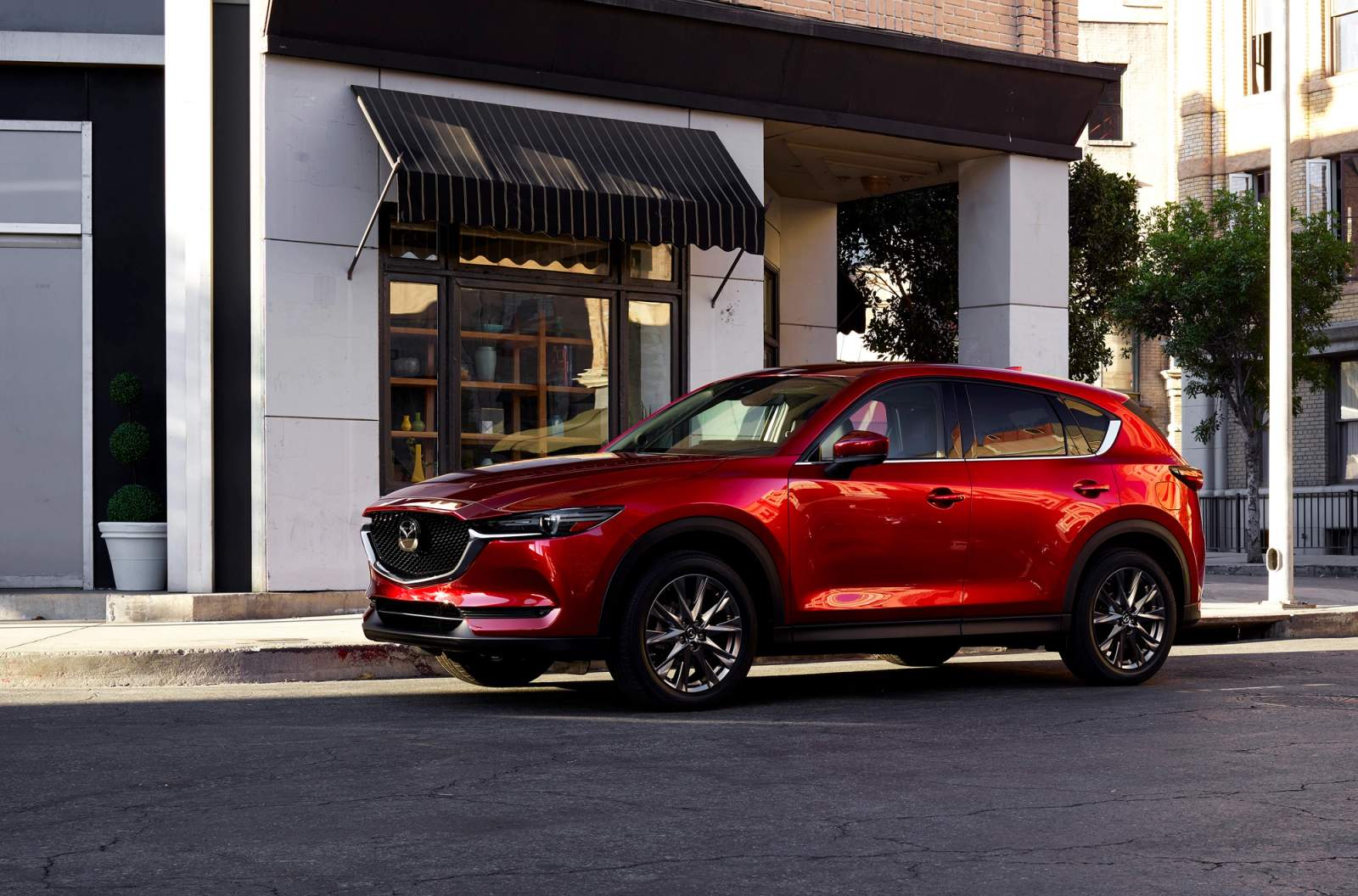
What to do if you've hit a parked car and caused damage
Here are our six steps to follow if you've accidentally bumped someone's car and caused damage.
1. Stop safely and don't panic
Whilst it can be a scary situation, try to treat this as you would any other accident. Even if the accident is only minor and all you did was scratch a parked car, you should stop and park safely nearby, using your hazard lights if your car is causing a temporary obstruction. Then take photos of any damage to the other car and yours, from a few different angles, along with a wider shot that shows where both cars were.
2. Leave a note with your details
Leave a note under the car's windscreen wiper with your name, address, phone number and registration number, plus a brief explanation of what happened. Stick to the facts rather than admitting fault, as your insurer may want to deal with that side of things, and take a photo of the note in place as proof you left it. If you have the time, a better option would be to wait for the owner to return so you can talk to them about what happened and decide between you the best course of action to take.
3. Record the details and the scene
Take a note of information about the vehicle – make, model and licence plate. Also, note down any special circumstances that contributed to the accident (for example slippery roads, no light, vehicle sticking out). Write down the date, time and exact location too, and get contact details from anyone who saw what happened. If your car has a dashcam, save the footage before it's recorded over.
4. Report it to the police within 24 hours
If you weren't able to give your details to the owner in person, you must report the collision to the police within 24 hours. You can do this at a police station, or call 101 to ask how your local force handles it – many forces also let you report a damage-only collision online through their website. Make a note of the reference number you're given, as your insurer will ask for it.
5. Don't leave without giving your information
If you do get caught and haven't owned up, you could end up being prosecuted for failing to stop and failing to report an accident, and possibly for careless driving as well.
6. Tell your insurer
Decide with the third party whether you want to contact your insurance company or pay the repair bill yourself – but bear in mind that your insurer may require you to notify them of any accidents, even if it's only minor and you don't want to make a claim. It's good to avoid making a claim if you can avoid it, as this may result in a raised premium for the next year and the loss of your no-claims bonus.
Is it against the law to drive away after hitting a parked car?
The short answer is yes, it is against the law to drive off after hitting a parked car. Failing to stop and failing to report an accident are both offences under section 170 of the Road Traffic Act, and the penalties are significant, even if the damage is only minor. According to GOV.UK, each carries 5 to 10 penalty points. In England and Wales, you could also face an unlimited fine, a driving ban and, in the most serious cases, up to six months in prison. Ten points could also cost a newly qualified driver their licence, as anyone who gets six or more points within two years of passing their test has their licence revoked. It's therefore really important to let the owner of the car know, and report the accident.
What to do if you accidentally hit a parked car and cause no damage
Technically speaking, if you're sure you haven't caused any damage, section 170 doesn't apply, so there's no legal duty to leave a note or report it to the police.
However, just because you can't see any damage doesn't mean there isn't any. A knock can crack bumper brackets or upset parking sensors behind an unmarked bumper, and it's hard to spot a small dent in the dark or the rain. If someone saw you hit a parked car, they can still report you, and you could still end up getting prosecuted. For this reason, if you're in any doubt, it's still a good idea to leave a note and report it.
What to do if someone hits your parked car and leaves a note
If someone hits or scratches your parked car, try not to panic. Take photos of the damage and of the note itself, and look around for any witnesses who saw what happened. Then call the number on the note to check the details are genuine and swap insurance information.
Next, let your own insurer know about the incident. If the other driver accepts the blame and is insured, the repair can be claimed from their insurer, which shouldn't affect your no-claims bonus. Alternatively, they may offer to pay you directly, in which case it's sensible to get a written repair quote first and agree everything in writing.
Even a light knock can affect parts you can't see, so it's worth having the car looked over, and our car maintenance tips guide covers the basics to check.
What to do if someone hits your parked car and doesn't leave a note
If somebody hits your parked car and doesn't leave a note, the accident can be considered a hit-and-run. This is a crime, so contact the police as soon as possible to file a report, either by calling 101 or online, and make a note of the crime reference number. They might be able to help you identify who hit your car if there were witnesses or any CCTV in the area. Ask nearby shops or the car park operator about CCTV quickly, as footage may only be kept for a limited time.
If the driver can't be traced, your options depend on your cover. A comprehensive policy will pay for repairs to your own car, but it's likely to be treated as a fault claim, which could affect your no-claims bonus unless it's protected. Third-party-only and third-party, fire and theft policies won't cover damage to your own car in this situation.
You might have heard of the Motor Insurers' Bureau (MIB), which compensates victims of uninsured and untraced drivers in the UK. However, under its rules for untraced drivers, it only pays for vehicle damage when someone also suffered a significant personal injury in the same incident, so it won't usually help with a dent in your parked car. It's a different story if the driver is traced but turns out to be uninsured, as you can claim through the MIB, and many comprehensive policies include an 'uninsured driver promise' that protects your no-claims bonus and refunds your excess.
Should you report someone hitting your parked car?
It depends on whether the driver left their details or not. If they did, you can simply contact your insurance company to inform them of the incident and decide whether you want to make a claim or ask that the driver responsible cover repair costs. If you've noticed damage to your car but the driver didn't leave any details, you can and should report the situation as a hit-and-run.
There's a chance that the police may be able to find out who did it by looking at nearby CCTV or appealing for witnesses. Not to mention it is illegal to drive off after bumping a car and causing damage, so in this case, it should always be reported.
Should you inform your insurance if you hit a parked car?
If you hit a parked car and are at fault, the owner of the car you hit may insist on going through your respective insurance companies. If this is the case, there is little you can do to stop it, and you should contact your insurers to give them a heads-up and provide information on the accident.
Sometimes though, both drivers may be happy to settle the issue without contacting insurers. The owner of the car you hit may just want you to cover the damages. If you can do this, it's often the better option, as there's a high chance your insurance rates will increase if you claim. This is because insurers view hitting a parked car as the same as a road collision. You'll most likely be found at fault and therefore your premiums will increase and you may lose your no-claims bonus.
Even if you do settle privately, most policies still require you to tell your insurer about any incident, and not doing so could invalidate your cover. Telling your insurer isn't the same as making a claim, so ask them to log it as 'notification only'. It's also worth getting a proper repair quote before agreeing a figure, as modern bumpers often hide parking sensors and radar that can make a small-looking repair surprisingly expensive.
When it comes to insurance, if you have a car with dashcams, it's worth checking whether your provider offers a discount. Dashcams can be useful in not only helping you park more safely, but in settling disputes, and with some insurance providers, it'll drop your premiums too.
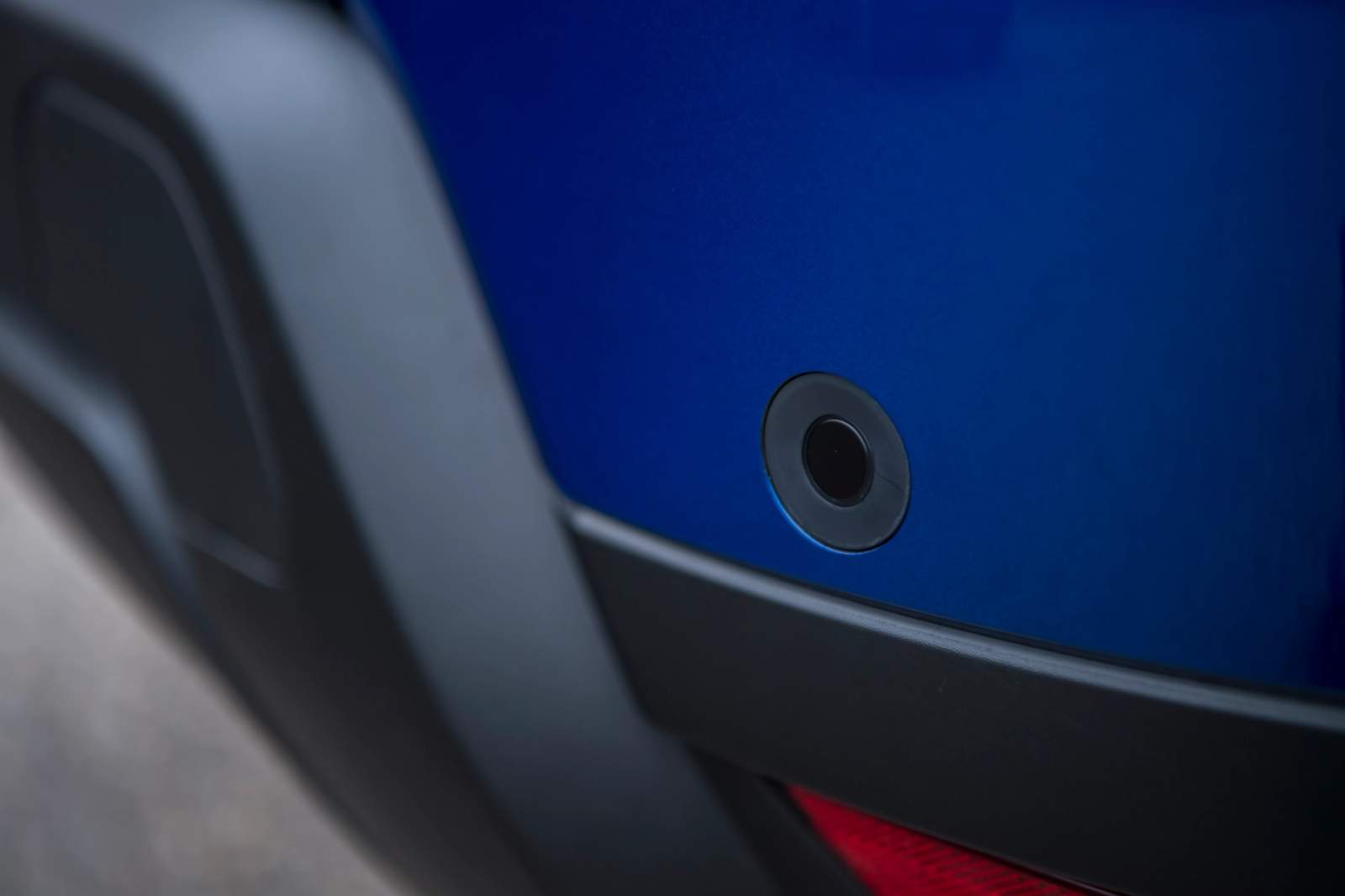
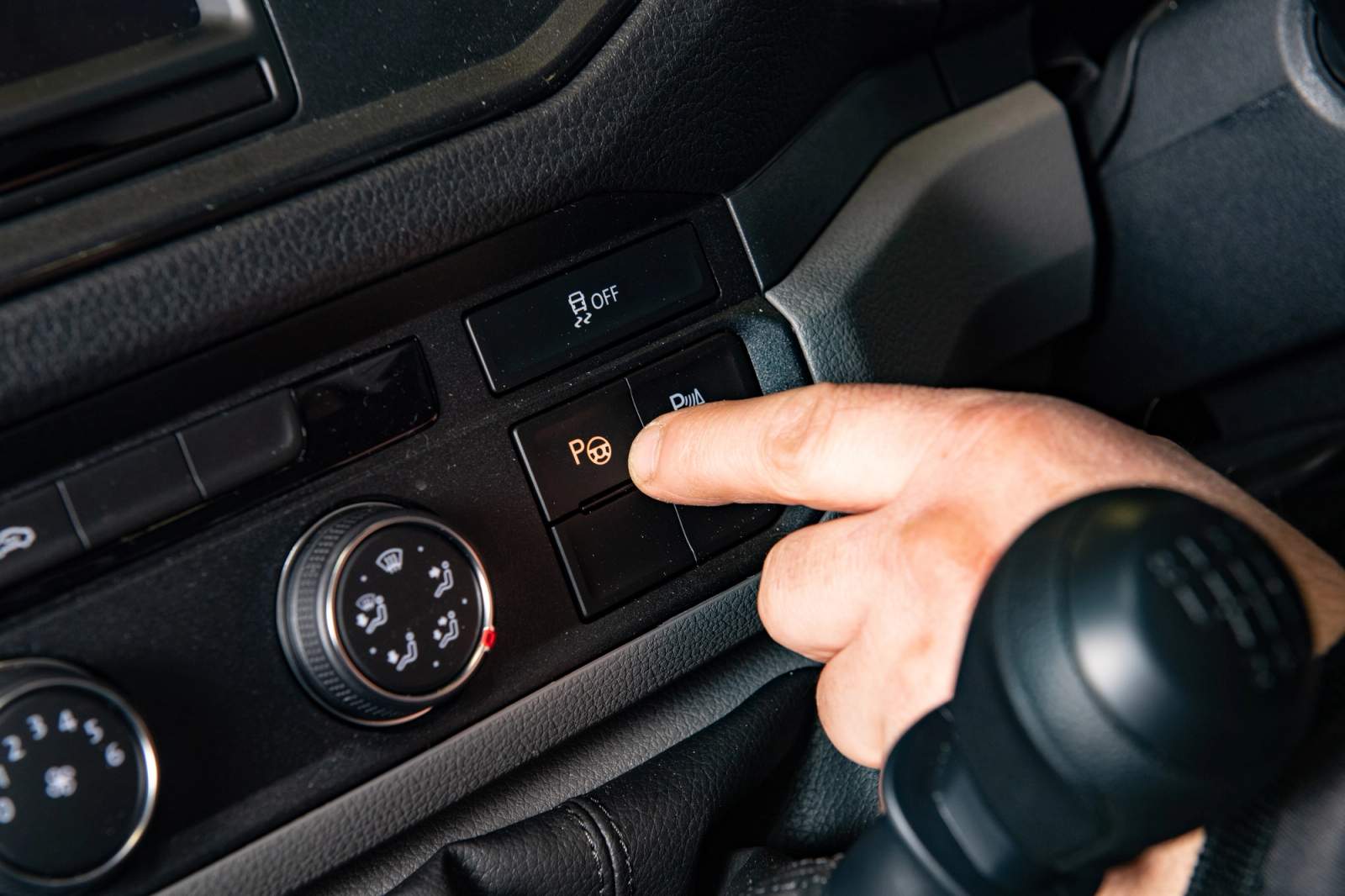
Most parking knocks happen at low speed, so a little extra care goes a long way. Reversing into a space usually makes it easier to pull out safely later, and taking your time in busy car parks gives you more chance to spot cars, posts and pedestrians. Parking sensors and a reversing camera make a huge difference too, and they're common on used cars, so they're worth adding to your wish list next time you change cars. Your wheels will thank you as well, although if you do catch a kerb, our guide on how to fix a kerbed alloy wheel explains your repair options.
Frequently asked questions
Is leaving a note enough if I hit a parked car?
Not always. If you can't give your details to the owner or someone else with reasonable grounds to ask for them at the scene, the law says you must report the collision to the police within 24 hours. Leave a note and report it.
How many points do you get for hitting a parked car and driving off?
Failing to stop after an accident and failing to report an accident each carry 5 to 10 penalty points, along with a possible unlimited fine and driving ban in England and Wales.
Does hitting a parked car in a car park count?
Yes. Section 170 covers accidents on roads and in other public places, so a supermarket or multi-storey car park is included.
Will hitting a parked car affect my no-claims bonus?
If you claim on your insurance, it will usually be recorded as a fault claim, which can reduce your no-claims bonus unless it's protected. Paying for the repair yourself avoids this, but you should still tell your insurer about the incident.
Can I claim if a hit-and-run driver damaged my parked car?
You can claim on a comprehensive policy, although it's likely to affect your no-claims bonus. The Motor Insurers' Bureau only covers vehicle damage caused by untraced drivers if someone was also seriously injured.
Find a used car with Cazoo
We hope that this article has been informative and provided some advice that could help should you be involved in an accident.
At Cazoo, we work with a range of trusted dealers to help you find the most suitable car for your needs. There are thousands of cars available, too, and many of them are available to purchase online. Browse our listings to find your next car, and if you're buying used, our guide to vehicle checks explains how to check whether a car has previous accident damage.
Information correct as of October 2026. This guide is based on the law in England, Scotland and Wales and is for general information only, not legal advice. Northern Ireland has similar rules set out in separate legislation.