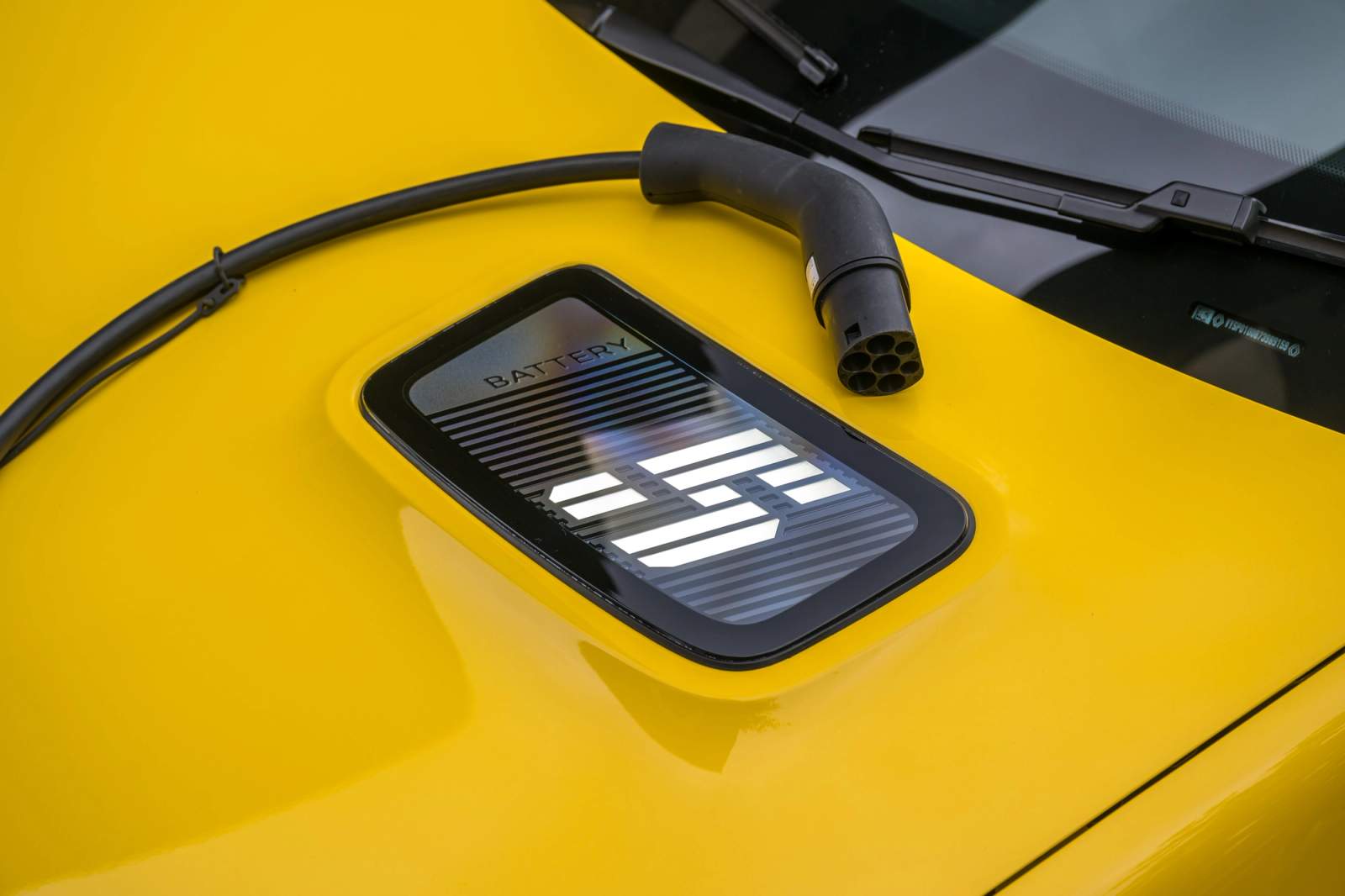
What is the UK’s 2030 petrol and diesel ban?
In four years, the British government has a target to ban the sale of new petrol and diesel vehicles in a bid to reach its net-zero emission target by 2050.
The Cazoo editorial team
Published on 30 July 2026 | 5 mins read

One of the biggest changes in British automotive history comes with the arrival of the government’s 2030 petrol and diesel vehicle ban.
The government has set a target for car makers to stop selling combustion-powered vehicles as part of a 10-point plan to lower the UK’s carbon emissions to net zero by 2050.
Car makers are investing in alternatives with hybrid, electric and hydrogen-fuelled vehicles to make sure that there is still plenty of choice for the consumer when the ban comes into effect.
So, what is the 2030 ban? Can you still buy a used car with a petrol or diesel engine? We’ve compiled a list of all the main facts about the UK’s 2030 petrol and diesel ban.
What is the 2030 petrol and diesel ban?
The UK’s 2030 petrol and diesel ban was first announced in 2017, when the then Conservative government set a target to end the sale of new purely petrol and diesel cars by 2040, in line with the UK’s wider climate commitments following the 2015 Paris Agreement.
That target has since been changed several times. In 2020, the Boris Johnson government brought it forward first to 2035 and then, later the same year, to 2030. In September 2023, Rishi Sunak’s government pushed the deadline back out to 2035, citing cost and infrastructure concerns. The incoming Labour government then reinstated the 2030 target in 2024, which remains the current policy.
The ban means that car manufacturers will no longer be able to sell new conventional petrol and diesel vehicles after 2030. To hit that target, the government’s ‘ZEV Mandate’ has been put in place to push car manufacturers to sell a certain percentage of zero-emission models across their fleet of vehicle sales. This year’s target is set at 33 per cent, and will increase year-on-year until 80 per cent in 2030. If car makers fail to hit these targets, manufacturers can currently be fined up to £12,000 for every non-compliant car sold, reduced from the original £15,000 figure following the government’s April 2025 changes to the mandate.
But low-volume car makers such as McLaren and Aston Martin benefit from tailored exemptions: manufacturers producing fewer than 1,000 vehicles a year are fully exempt from the mandate, while those producing between 1,000 and 2,499 a year only need to meet nominal, individually agreed targets rather than the full ZEV percentages.
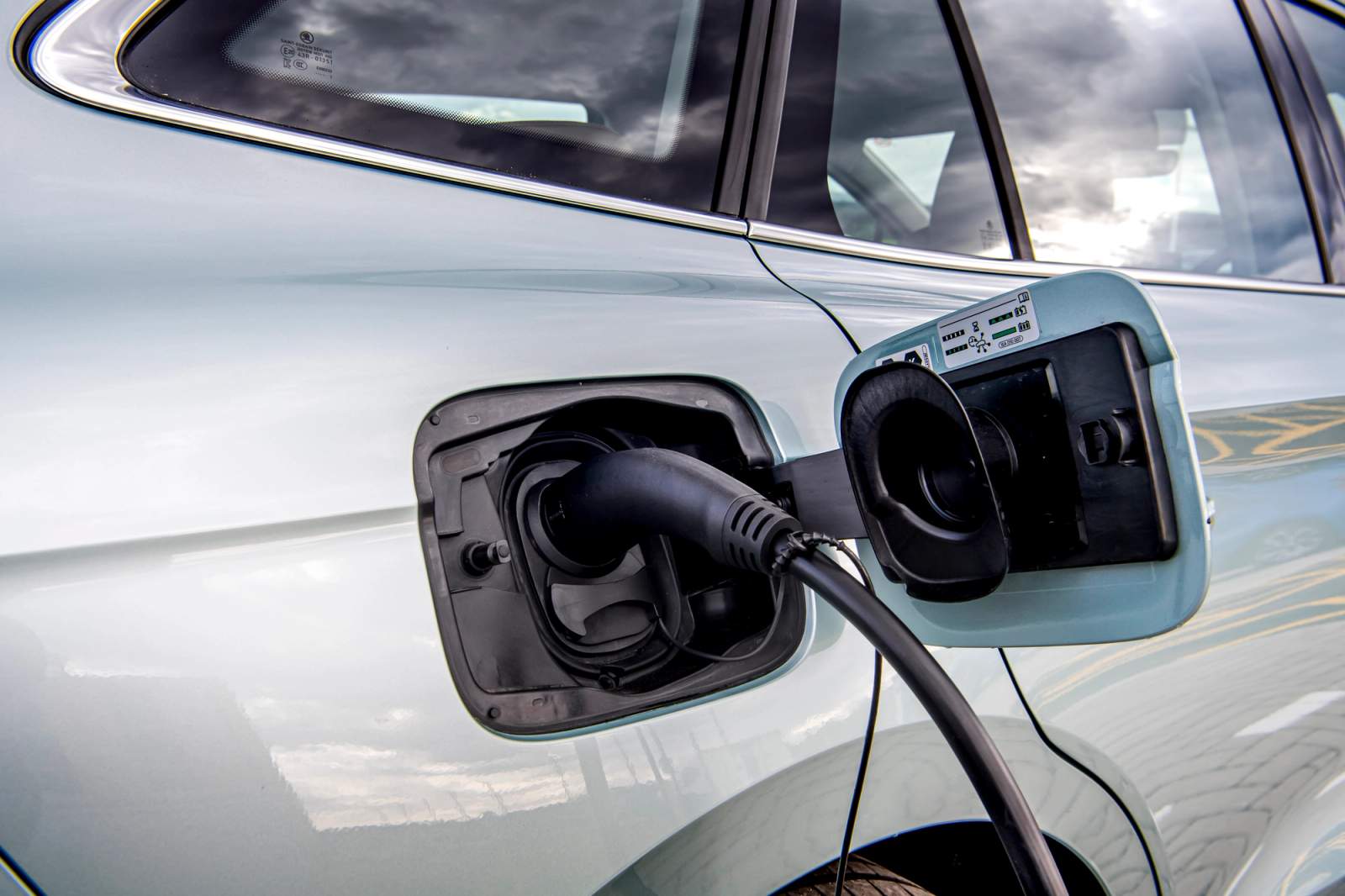
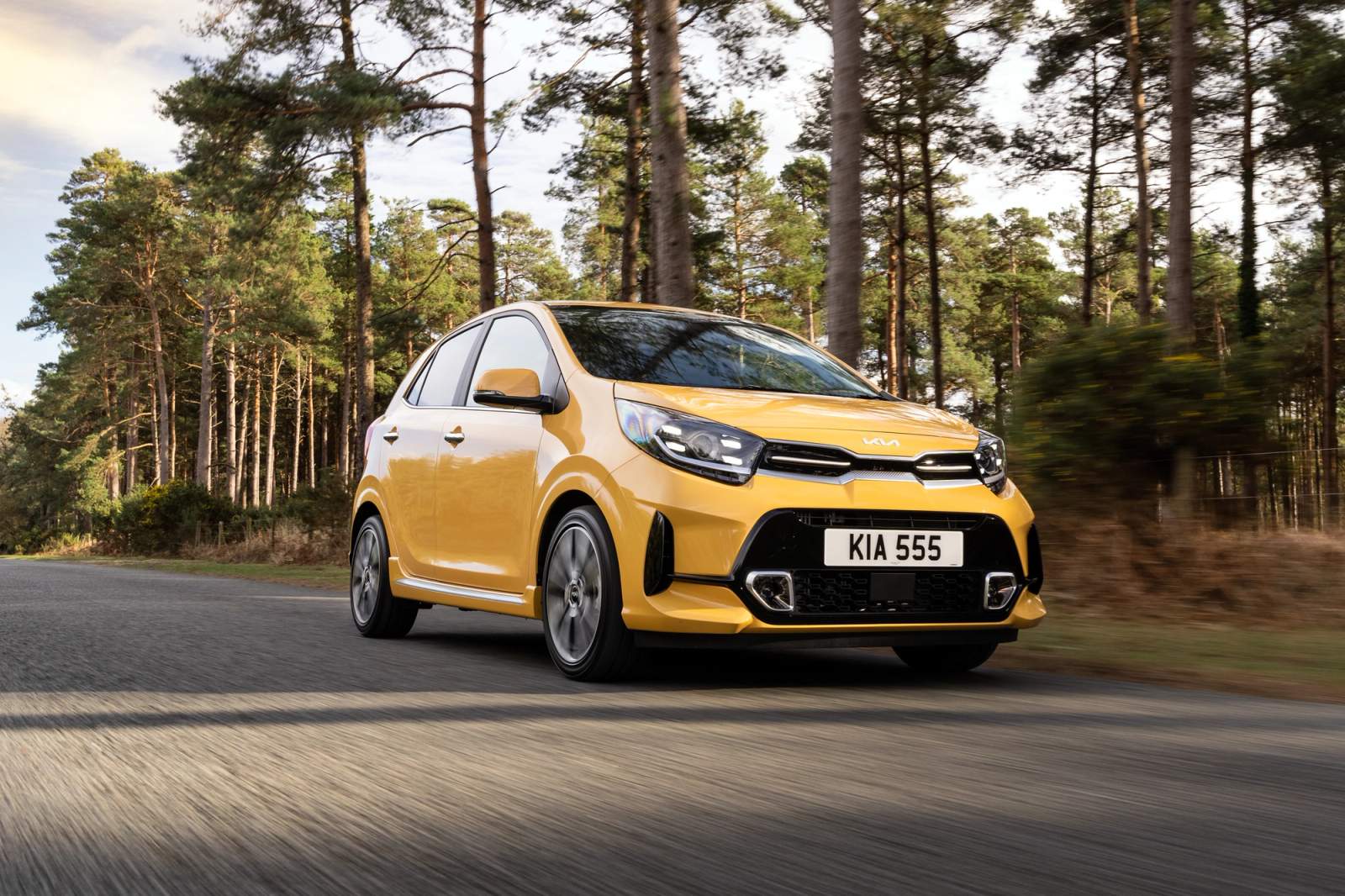
Can I still buy a used car after the ban?
Yes, you can. Currently, there is no plan to ban the sale of used petrol and diesel cars; it will just affect new car sales when the ban comes into place in 2030.
Used petrol and diesel cars will be available to buy on the second-hand market for many years to come; however, as EVs become more popular, the demand for combustion-powered vehicles may begin to decline.
Which new cars can be sold after 2030?
The current plan is for hybrids, plug-in hybrids, EVs and hydrogen fuel-cell vehicles to be sold in showrooms after 2030.
However, the government has set a target to phase out new hybrid and plug-in hybrid models by 2035, only allowing for electric vehicles and hydrogen-powered models to be sold beyond that date.
Hybrids and plug-in hybrids are being given a five-year extension because they can travel certain distances running on electric power, which makes them a lot more efficient when driving around town.
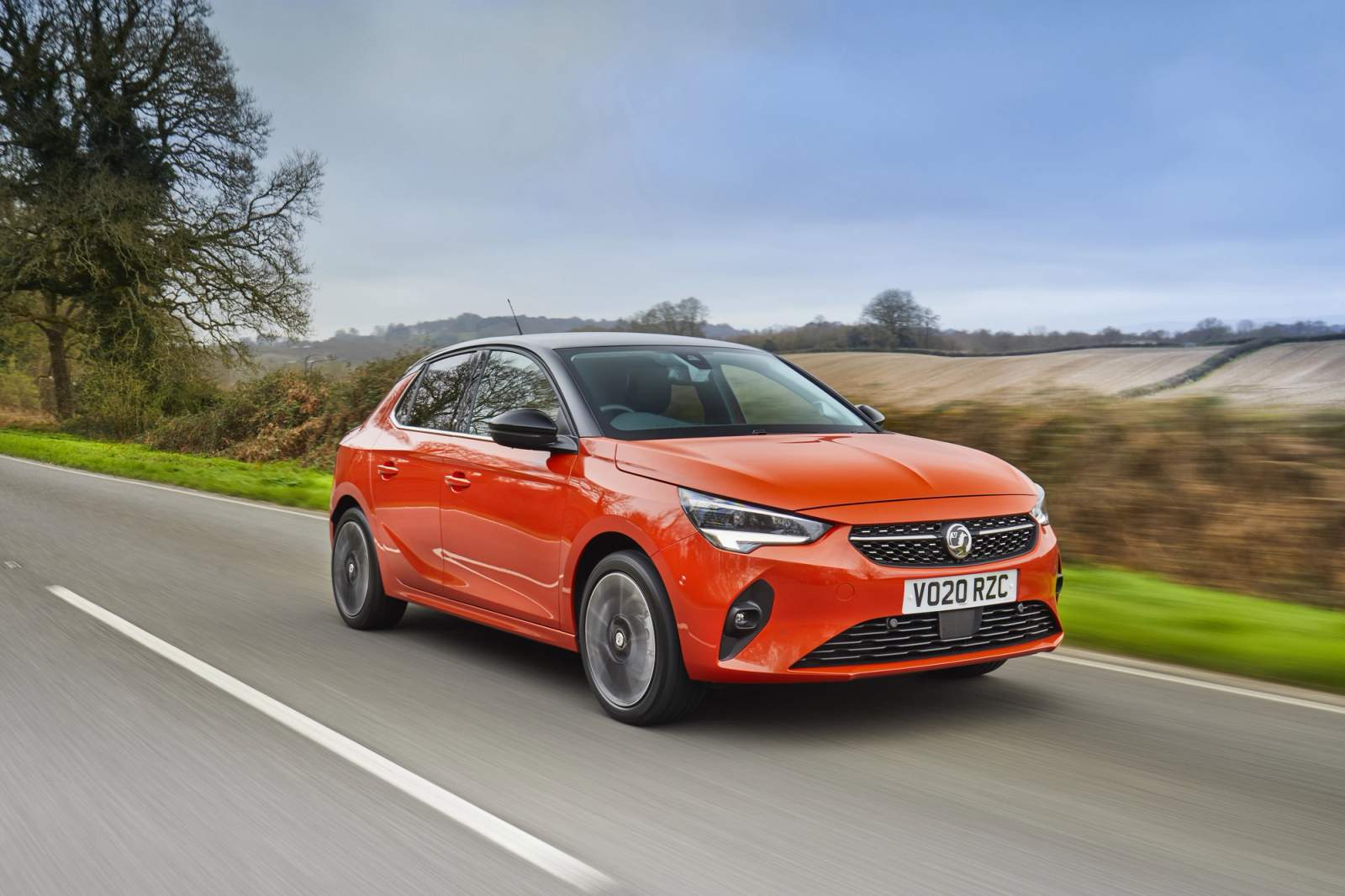
Can I still drive my petrol or diesel car after the ban?
There is no plan to ban existing petrol and diesel cars from the road - it will only affect new cars.
Fuel stations will still be readily available for drivers to buy fuel, while garages will operate as normal for servicing, MOTs and repairs.
Although it’s not been announced at this stage, ‘Clean Air Zones’ like London’s ‘ULEZ’ scheme might become stricter for non-EVs, making it more expensive for petrol and diesel-powered vehicles to drive around the capital.
Is Europe following the same strategy as the UK, banning petrol and diesel vehicles?
Recently, the European Union made a U-turn in its decision to ban the sale of new petrol and diesel vehicles.
Its original plan was for all new cars and vans to produce zero CO2 emissions from 2035, effectively ending sales of new combustion-engine vehicles. However, in December 2025 the European Commission proposed easing this to a 90 per cent CO2 reduction target instead of 100 per cent. The proposal still needs approval from the European Parliament and EU member states before it becomes law.
Manufacturers would be able to offset that remaining 10 per cent through measures such as using low-carbon steel or sustainable fuels like e-fuels and biofuels, rather than needing to sell zero-emission vehicles exclusively. In practice, this would still allow petrol, diesel, hybrid and plug-in hybrid models to remain on sale after 2035, provided a manufacturer’s overall fleet meets the reduced target.
However, at this stage, the UK has no plans to relax its 2030 petrol and diesel ban