What is road tax and how is it calculated?
If you own a car, road tax is a legal requirement in order for you to drive it on the roads. So, how is it calculated and how much do you pay if you own an older vehicle?
The Cazoo editorial team
Published on 27 July 2026 | 6 mins read
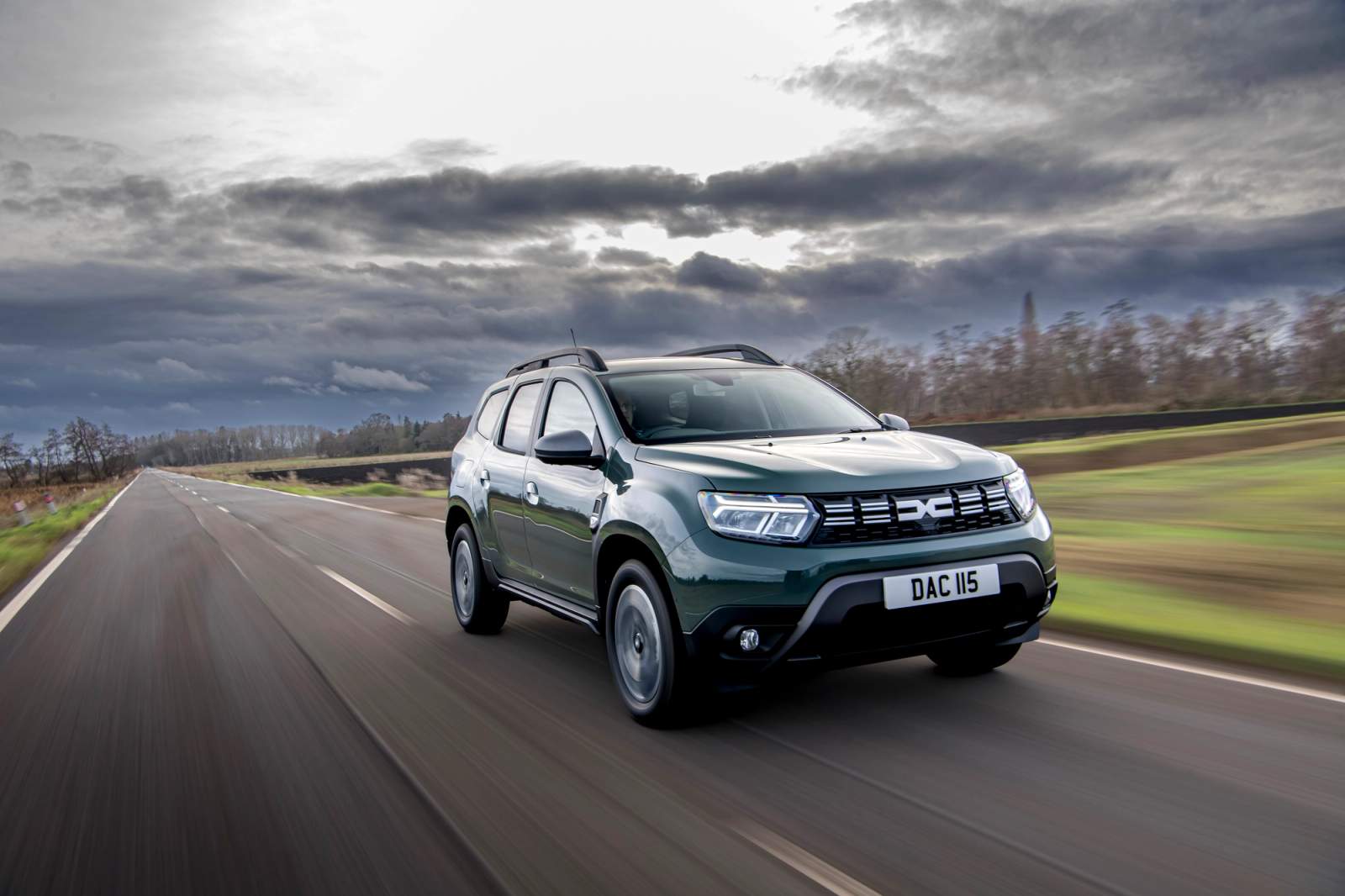
Road tax, also known as ‘Vehicle Excise Duty’, is a legal requirement in the UK in order for you to drive a vehicle on the public roads.
The revenue raised by drivers is paid into the government’s central fund, which is then used to help maintain the road network.
Without Vehicle Excise Duty, the government would not have income to improve the roads, fix potholes and make the public highways a safer place.
So, if you’re a car owner and want to know more about road tax, how is it calculated? Which cars are exempt? And, how much are you paying?
We’ve compiled a list of all of the most important things you need to know about vehicle road tax.
How is road tax calculated?
Road tax is calculated according to how much CO2 a vehicle emits – and it can vary according to the age of the car and the year in which it was registered.
For example, the owner of an EV registered today, that produces no CO2 at all, pays £10 in VED for the first year. The owner of a vehicle that emits one to 50g/km of CO2 has to pay £115; the owner of a vehicle that produces 51 to 75g/km pays £135; 76 to 90g/km £280; and 91 to 100g/km £365 respectively.
Vehicles that emit more than 100g/km of CO2 are charged at a rate starting from £405; and the owners of higher-polluting models that emit more than 255g/km of CO2 must pay an eye-watering £5,690 in the first year after registration.
After the first annual payment, petrol, diesel, hybrid and plug-in hybrid models priced below £40,000 when new are capped at £200 a year. Fully electric vehicles registered on or after 1 April 2025 get a higher threshold of £50,000 before the expensive car supplement applies, but are also capped at £200 a year below that price.
You can check out the latest Vehicle Excise Duty rates on the government’s website, and we’ve also got it here:
| CO2 emissions | Annual rate |
| 0g/km CO2 | £10 |
| 1 to 50g/km CO2 | £115 |
| 51 to 75g/km CO2 | £135 |
| 76 to 90g/km CO2 | £280 |
| 91 to 100g/km CO2 | £365 |
| 101 to 110g/km CO2 | £405 |
| 111 to 130g/km CO2 | £455 |
| 131 to 150g/km CO2 | £560 |
| 151 to 170g/km CO2 | £1,410 |
| 171 to 190g/km CO2 | £2,270 |
| 191 to 225g/km CO2 | £3,420 |
| 226 to 255g/km CO2 | £4,850 |
| More than 255g/km CO2 | £5,690 |
If you’re buying a used car and want to keep running costs down, it’s worth checking a vehicle’s CO2 figure before you commit – many efficient petrol, hybrid and electric models sit in the cheapest tax bands. Browse our range of low-tax used cars to find one that suits your budget.
What is the expensive car supplement scheme?
Luxury car tax affects vehicles that cost more than £40,000 to buy when new.
For fully electric vehicles registered on or after 1 April 2025, this threshold is higher, at £50,000.
That means owners of vehicles that exceed the £40,000 threshold will be paying £440 a year in VED for the five years following the first tax payment. That’s on top of the second-year onwards fixed rate of £200, which means owners will be paying £640 a year in road tax until the vehicle is six years old.
How did the 2001-2017 system work?
The Vehicle Excise Duty regime was changed in April 2017 after 16 years in existence. It still applies to vehicles registered within this period. Therefore, it’s still relevant for the owners of those cars.
That system comprises 13 different tax bands, again dependent on the CO2 emissions of the vehicle – the less pollution the vehicle emitted, the lower its annual tax rate.
Before April 2025, vehicles that produced less than 100g/km of CO2 were exempt from road tax; however, from that date, vehicles that sit in Tax Band A now pay £20 a year VED.
The owners of vehicles that sit in Tax Band B and emit 101 to 110g/km also pay £20 for 12 months; while those sitting in Tax Band C producing 111 to 120g/km pay just £35.
Higher-polluting vehicles that are positioned between Tax Bands D and J cost from £170 to £410 to tax annually, while vehicles that are in the highest Tax Band M and produce more than 255g/km cost £790 for 12 months to tax.
You can check out the previous vehicle Tax Band system on the government’s website or you can view it here:
| Tax Band | CO2 emissions | Annual rate |
| A | Up to 100g/km CO2 | £20 |
| B | 101 to 110g/km CO2 | £20 |
| C | 111 to 120g/km CO2 | £35 |
| D | 121 to 130g/km CO2 | £170 |
| E | 131 to 140g/km CO2 | £200 |
| F | 141 to 150g/km CO2 | £225 |
| G | 151 to 165g/km CO2 | £275 |
| H | 166 to 175g/km CO2 | £325 |
| I | 176 to 185g/km CO2 | £360 |
| J | 186 to 200g/km CO2 | £410 |
| K | 201 to 225g/km CO2 | £445 |
| L | 226 to 255g/km CO2 | £760 |
| M | More than 255g/km CO2 | £790 |
It’s also worth noting that Tax Band K includes any car with a CO2 figure over 225g/km that was first registered before 23 March 2006 – so it isn’t only vehicles in the 201 to 225g/km range shown above.

How much do vehicles registered before March 2001 have to pay?
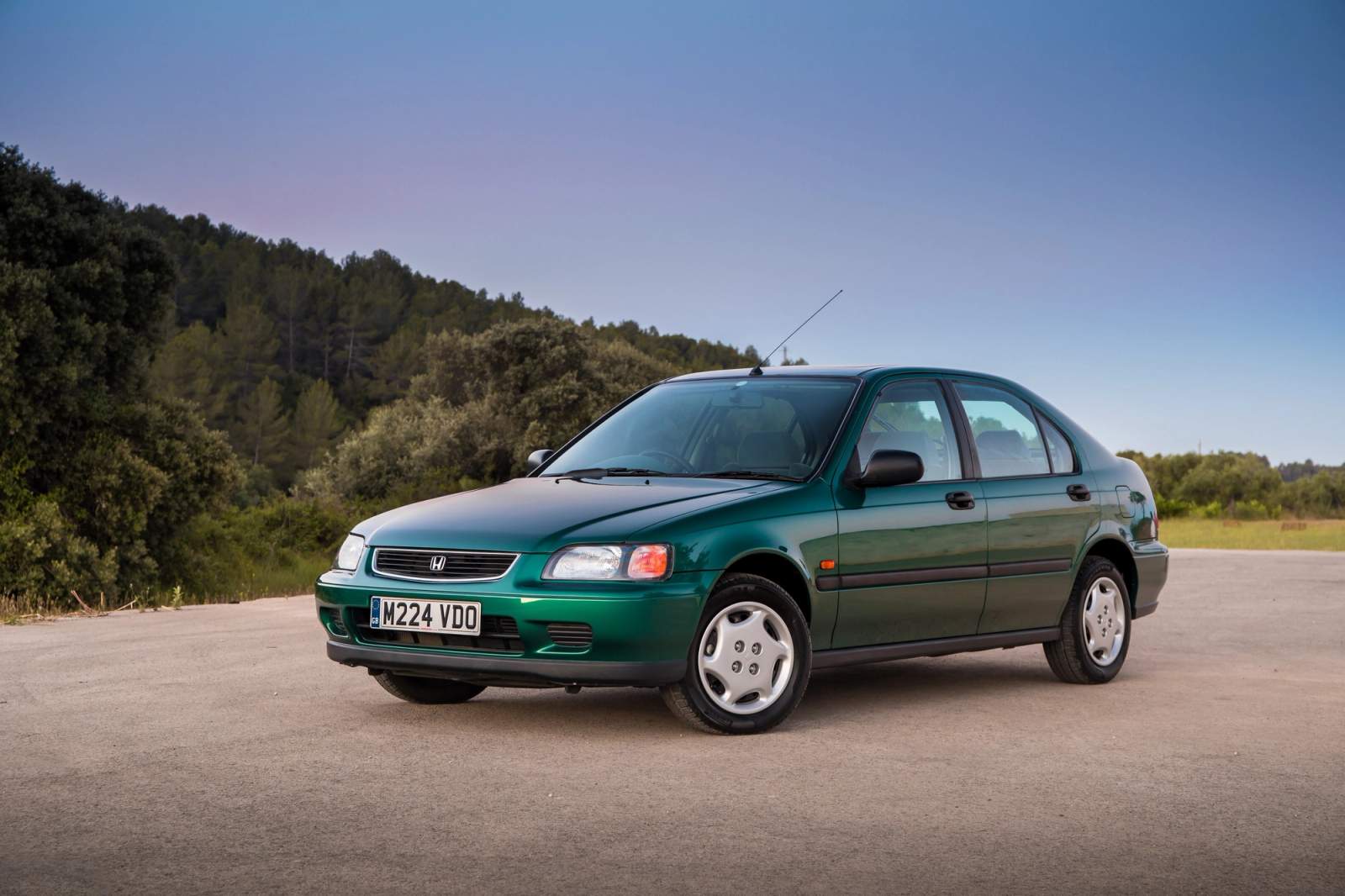
Owners of vehicles registered before March 2001 were taxed using a system comprising two categories: vehicles with engine capacities smaller than 1,549cc and those with engine capacities larger than 1,549cc.
That meant owners of vehicles equipped with engines smaller than 1.6 litres would pay a fixed 12-month fee of £230, or £126.50 for six months.
Drivers with vehicles powered by engines larger than 1.6 litres would pay £375 a year, and £206.25 for six months.
Search for used cars on Cazoo
Which cars are exempt from paying road tax?
If you own a vehicle that is more than 40 years old, it becomes exempt from road tax.
This is because it falls under ‘historic vehicle tax exemption’, and forms part of the government’s support to keep classic cars on the road as they are rarely used for daily commutes.
Furthermore, a vehicle that is more than 40 years old is also exempt from having an MOT, as their lack of use means that they tend to be well-maintained by enthusiasts, and therefore, usually in good condition.

Why are EVs no longer exempt from paying road tax?
Up until April 2025, all EVs were exempt from road tax due to their zero tailpipe emissions, helping to improve air quality. This made them cheaper to run than petrol and diesel vehicles and improved take-up.
But, due to their rise in popularity and the government’s loss of revenue from fuel duty, EVs are now subject to VED.
That means owners of EVs registered after April 1 2025 will pay £10 for the first year of tax, which is then capped at a fixed rate of £200 for the second year and beyond, as long as the car costs less than £50,000 to buy when new.
EVs registered between April 1 2017 and March 31 2025 are capped at just £20 a year to tax.
However, last year, the Chancellor of the Exchequer announced in the government’s 2025 Autumn Budget the introduction of a ‘pay-per-mile’ scheme – officially named ‘eVED’ – which will come into force on April 1 2028 as a way to charge EV drivers three pence per mile and 1.5p per mile for plug-in hybrid drivers.
For example, if an EV covers 8,000 miles a year, it will cost the owner £240 a year in VED, while a plug-in hybrid driver will have to pay an annual bill of £120.
At this stage, it’s unclear how drivers will pay for their road fund licence, with more details expected to follow in due course.
Crucially, eVED will apply on top of the standard VED rate rather than replacing it, so electric car drivers will still pay their usual annual road tax as well. The pence-per-mile rates are also expected to rise in line with inflation from 2029/30 onwards.
Search for used cars on Cazoo