What is luxury car tax?
If you're buying a used car that cost more than £40,000 when it was new (or £50,000 for an electric car), it could still come with an extra annual tax bill, even though you didn't pay anywhere near that for it. Here's what luxury car tax actually is, how long it lasts, and what to check before you commit to a used car that might be affected.
The Cazoo editorial team
Published on 21 July 2026 | 5 mins read
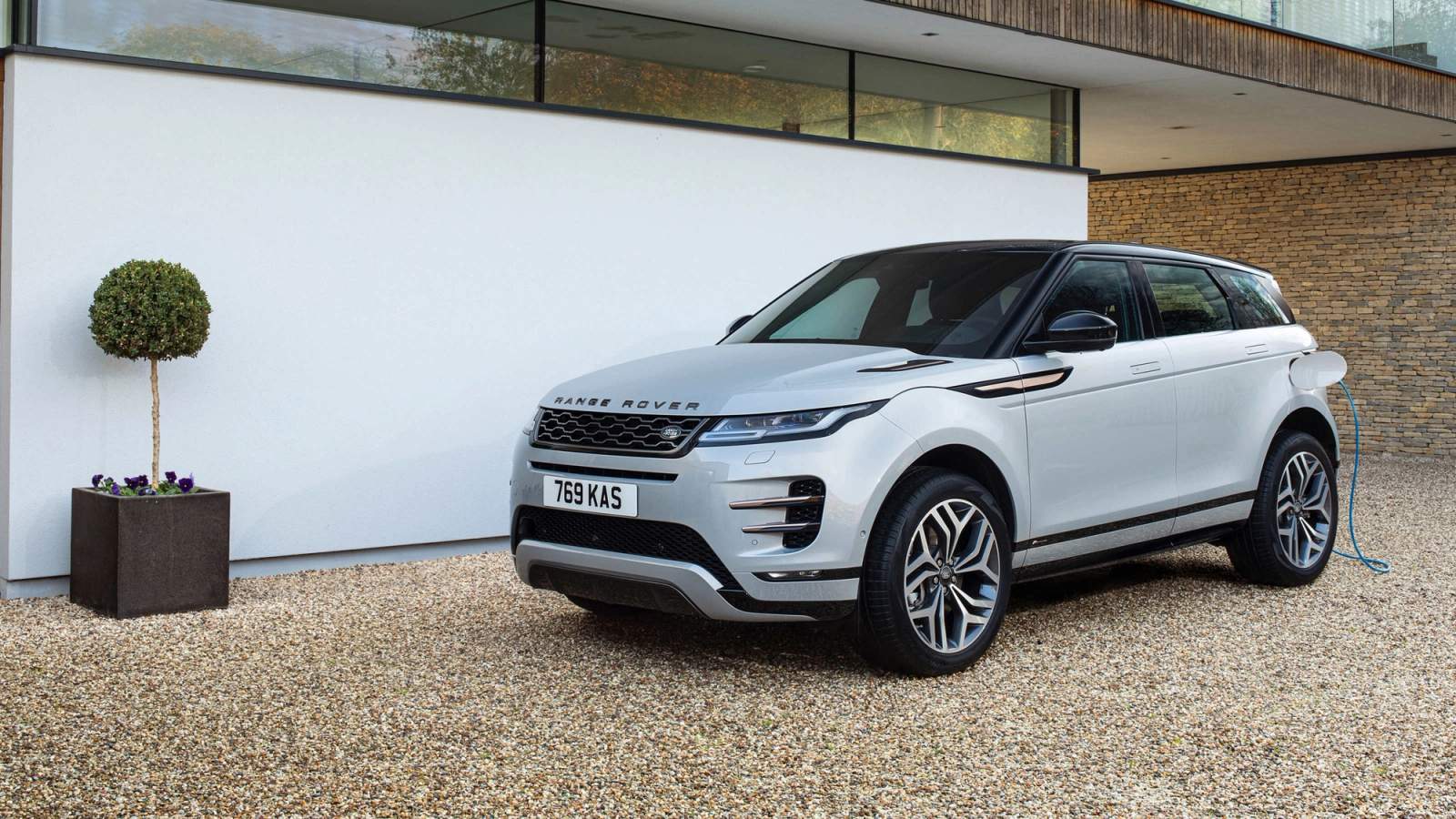
When you're weighing up a used car, the asking price only tells part of the story. Insurance, servicing and fuel all factor into the true cost of ownership, and so does Vehicle Excise Duty (VED), most commonly referred to as ‘road tax’. Most used buyers assume that because they're getting a car for a fraction of its original price, they'll also pay a fraction of the running costs. When it comes to what's known as 'luxury car tax', that's not quite how it works.
The good news is that once you know what to look for, it only takes a couple of minutes to check whether a used car you’re thinking of buying still has this surcharge attached, and for how much longer.
What is luxury car tax?
Luxury car tax is the common name for the Expensive Car Supplement (ECS), an extra charge added on top of standard Vehicle Excise Duty (VED, or 'road tax'). It was introduced in April 2017 for any petrol, diesel or hybrid car with a list price of more than £40,000 when new.
Electric cars were originally exempt, but that changed for EVs registered on or after 1 April 2025. As a concession, the threshold for fully electric cars has since been raised to £50,000. Petrol, diesel and hybrid cars still use the £40,000 threshold.
The supplement currently costs £425 a year, on top of the standard rate, and it applies for five years, from the start of a car's second year of registration to the end of its sixth. After that, only the standard VED rate applies. You can double check the exact figures for a specific car using the gov.uk vehicle tax checker.
Does it apply to used cars?
Yes, and this is the part that catches a lot of used car buyers out. The supplement is tied to the car itself, specifically its original list price and registration date, not to what you pay for it or who currently owns it.
So if you buy a three-year-old car that cost £45,000 when new, you'll still be liable for the remaining three years of luxury car tax, even though you might have paid £20,000 less than the original buyer did. The saving you've made on the purchase price doesn't carry over to your annual tax bill.
How to check if a used car is affected
- Check the registration date. If the car is more than six years old, the supplement no longer applies, however expensive it was when new.
- Find the original list price. This is the price when the car left the factory, including any optional extras, not the current asking price or what a first owner might have paid after a discount.
- Use the gov.uk tax checker. Enter the registration number and it'll tell you the car's current tax status, including whether the expensive car supplement applies and until when.
- Ask the seller directly. A reputable seller, including on Cazoo, should be able to tell you the car's original list price and how many years of the supplement, if any, are left to run.
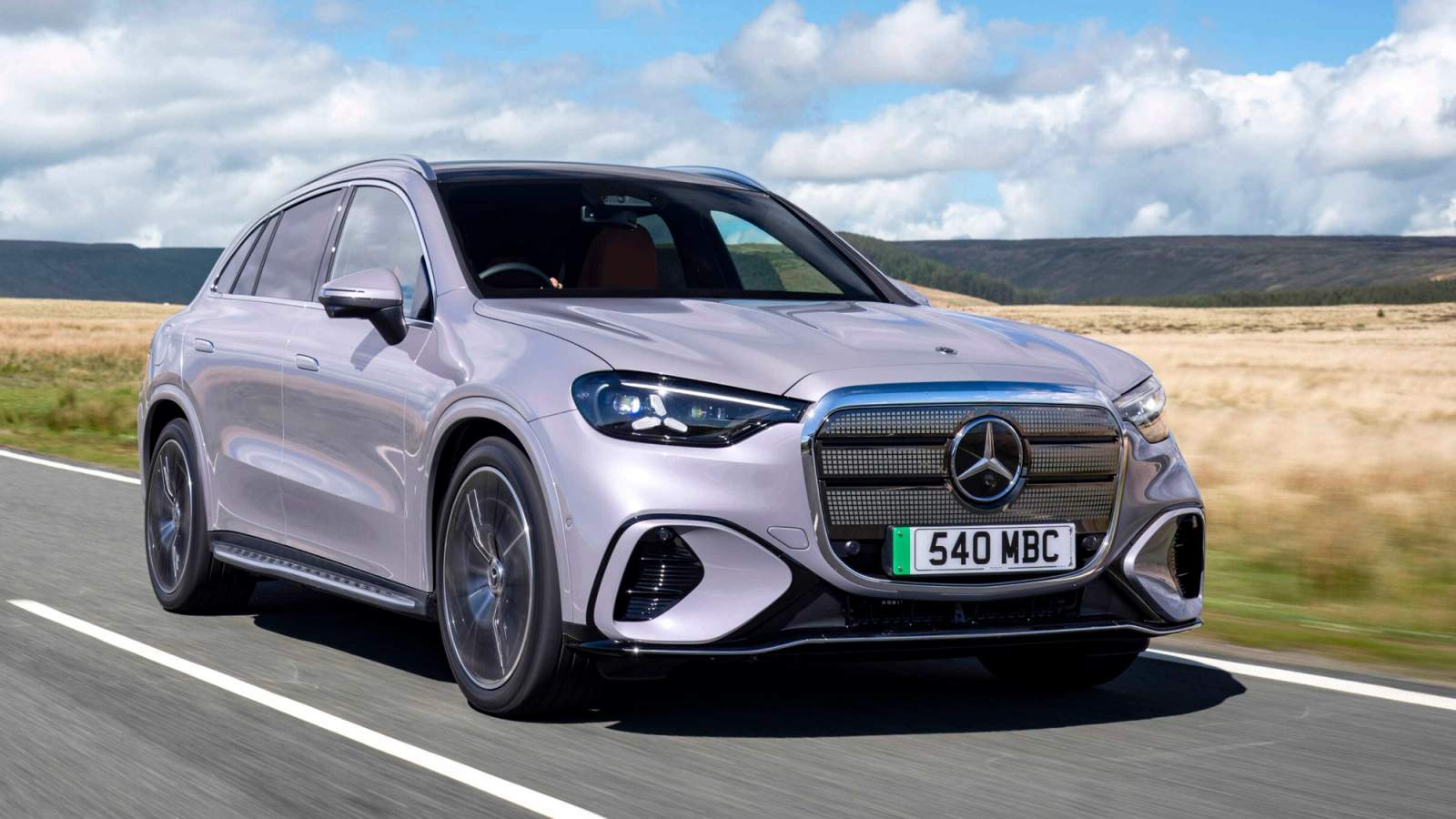
Is it worth paying, or should you buy a cheaper trim?
Once you know how many years of luxury car tax are left on a car, it's worth doing the maths before you fall in love with the top-spec model. At £425 a year, a car with three years left to run will cost you an extra £1,275 in tax alone, on top of whatever you pay to buy it.
If you're choosing between two versions of the same model, say, a fully-loaded trim that crept just over the £40,000 threshold when new, versus a mid-spec version that came in just under it, that extra kit might not be worth over a thousand pounds in additional tax over the years you own the car. It's a similar story with electric cars edging past the £50,000 mark.
On the other hand, a used car that's approaching the end of its sixth year has very little, or none, of the supplement left to pay. In that case, buying a higher-spec model that originally tipped over the threshold can work out as good value, since you get the extra equipment without much, or any, of the tax penalty that came with it when new.
Weigh it up before you commit
Luxury car tax isn't a reason to avoid a more expensive used car altogether, but it is a cost worth factoring in alongside the asking price, insurance and fuel. Check the registration date, find out the original list price, and use the gov.uk checker to see exactly what you'd be signing up for.
Ready to start looking? Browse Cazoo's range of used cars, or explore our electric cars if you're weighing up the higher EV threshold, to find one that suits your budget as well as your tax bill.