What Is an SUV? Meaning, Types and Why They're So Popular
SUVs and crossovers are now the biggest-selling type of car in Britain, making up over a third of the new car market. Here's what actually makes a car an SUV, how it differs from a crossover or 4x4, and what's worth knowing before you buy one.
The Cazoo editorial team
Published on 25 August 2026 | 7 mins read

If you've been looking at used cars, you've almost certainly come across the term ‘SUV’. It's now the single biggest-selling type of car in the UK, but it covers such a wide range of vehicles that it can be hard to pin down exactly what makes a car an SUV in the first place. Here's a plain-English guide to what SUV means, how it compares to a crossover or 4x4, and what's worth knowing before you buy one.
What does ‘SUV’ mean?
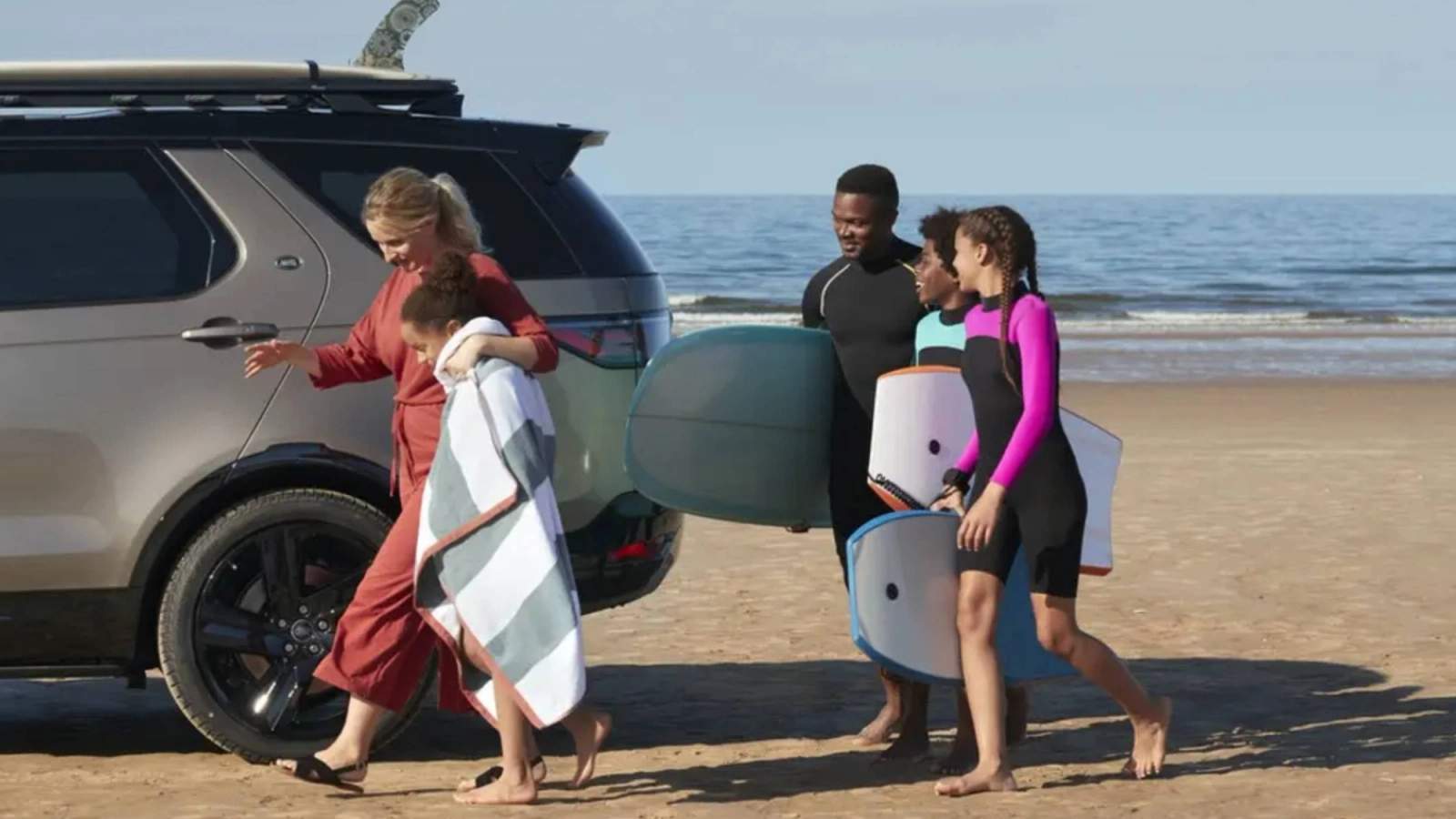
SUV stands for Sport Utility Vehicle. It's an American term that traces back to rugged, off-road-capable vehicles like the Jeep and the original Chevrolet Suburban, both from the 1930s and 40s, though the term ‘SUV’ itself only came into common use decades later. It was originally applied to cars with lots of passenger and boot space that were capable of driving off-road over rough terrain, aimed at the kind of people who spend their weekends doing outdoor sports like canoeing and mountain biking.
The term is now applied to a much broader range of cars. Some are very small, such as the Ford Puma or Vauxhall Mokka. Some are large luxury cars, such as the Range Rover. Some even drive like sports cars — the Porsche Cayenne, for example.
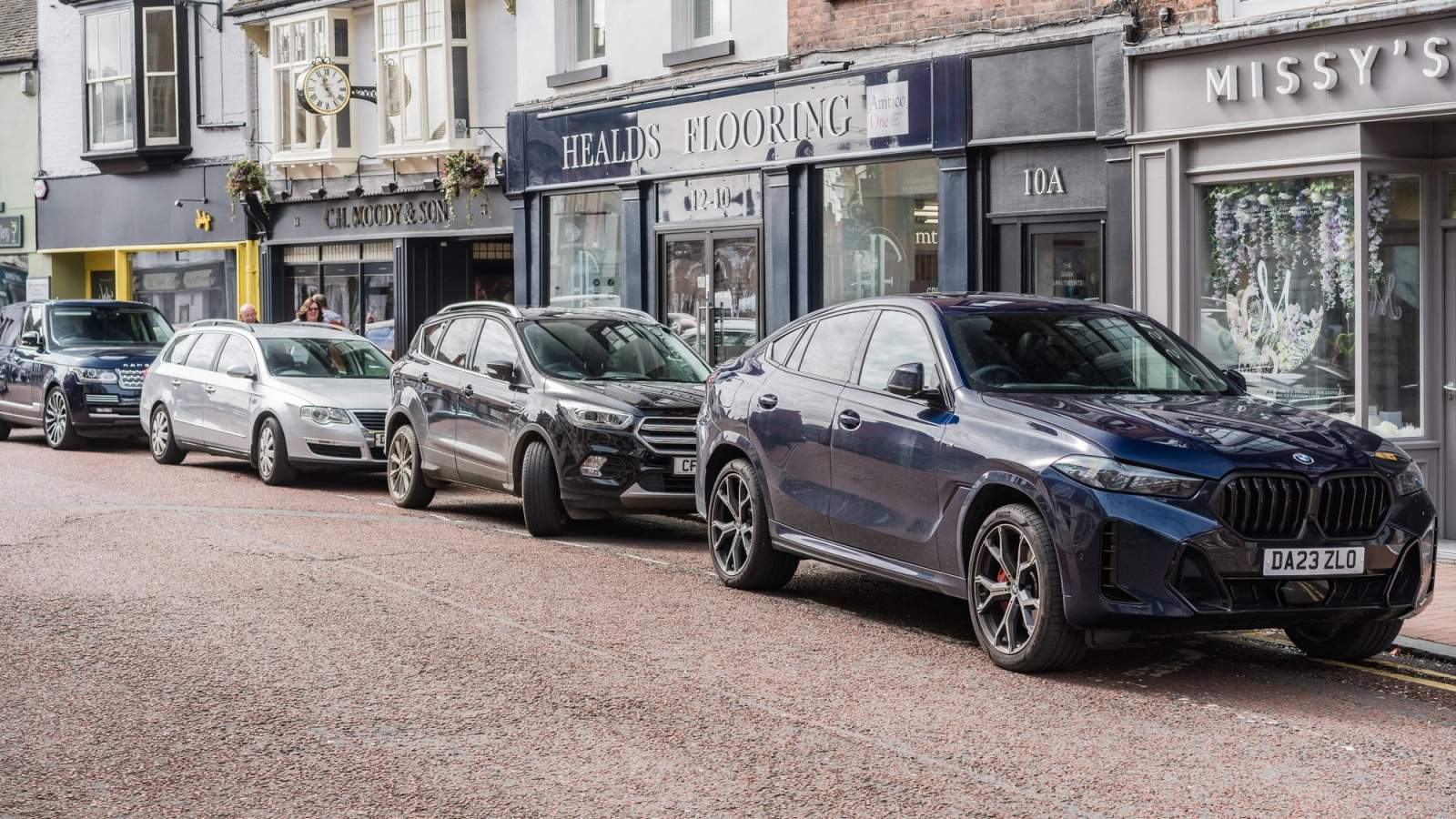
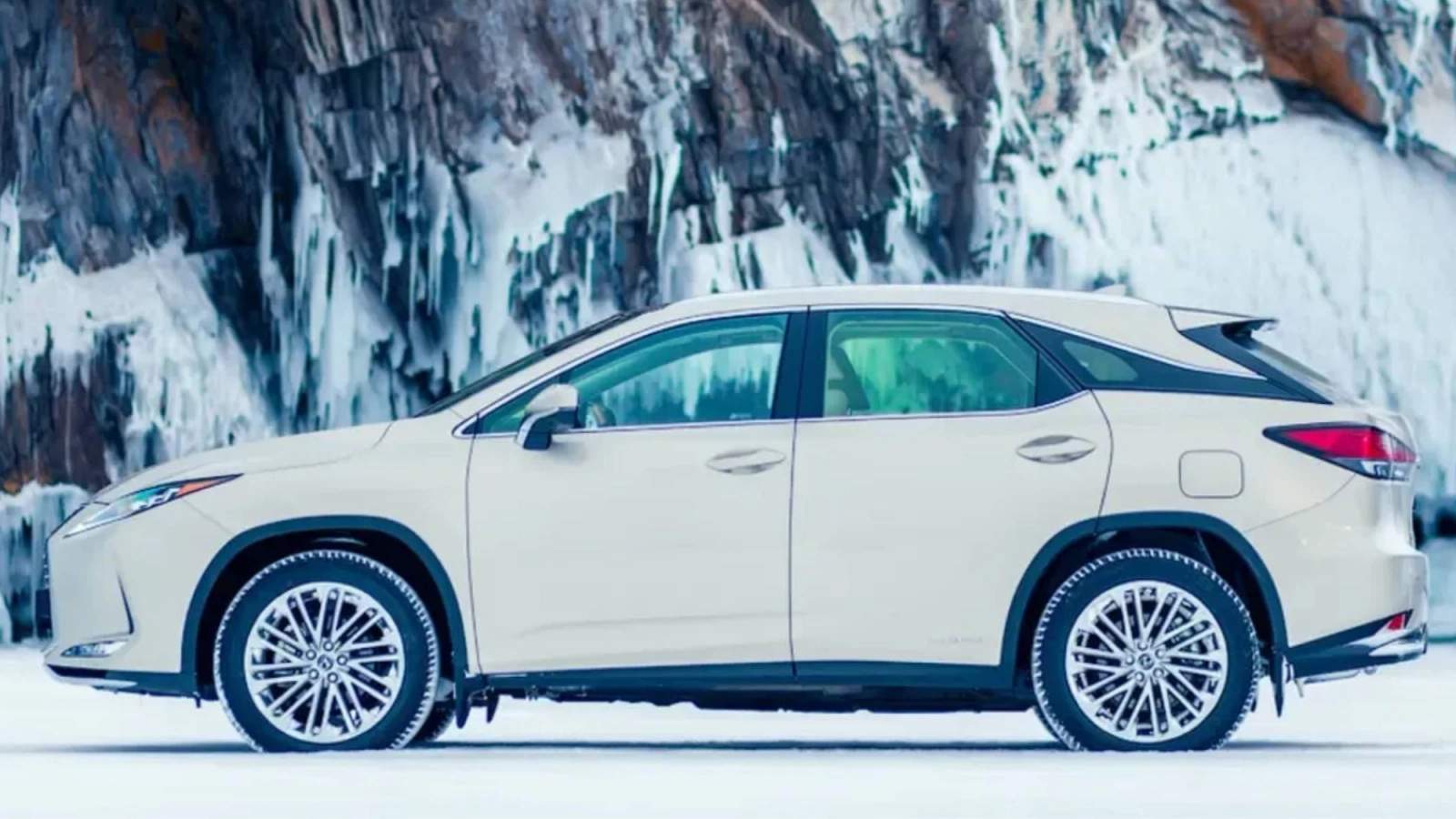
Within that wide spectrum, there are a few things that link SUVs and mark them out from other types of car. They all have suspension that puts them higher off the ground than a saloon or hatchback, most have comparatively tall bodies and many are available with four-wheel drive.
If you're still getting to grips with how an SUV compares to other shapes of car, our car body types guide runs through every category, from hatchbacks and saloons to MPVs and pick-ups.
What’s the difference between an SUV and a hatchback?
An SUV has raised suspension that means it sits higher off the ground than a hatchback. You might hear it described as ‘higher ride height’ or ‘extra ground clearance’. This extra height gives the space needed to drive over rough terrain. It also means that you sit higher, which generally gives you a better view of the road than you get in a hatchback or saloon. It can also make getting in and out easier and some people like how it feels to sit high up, too.
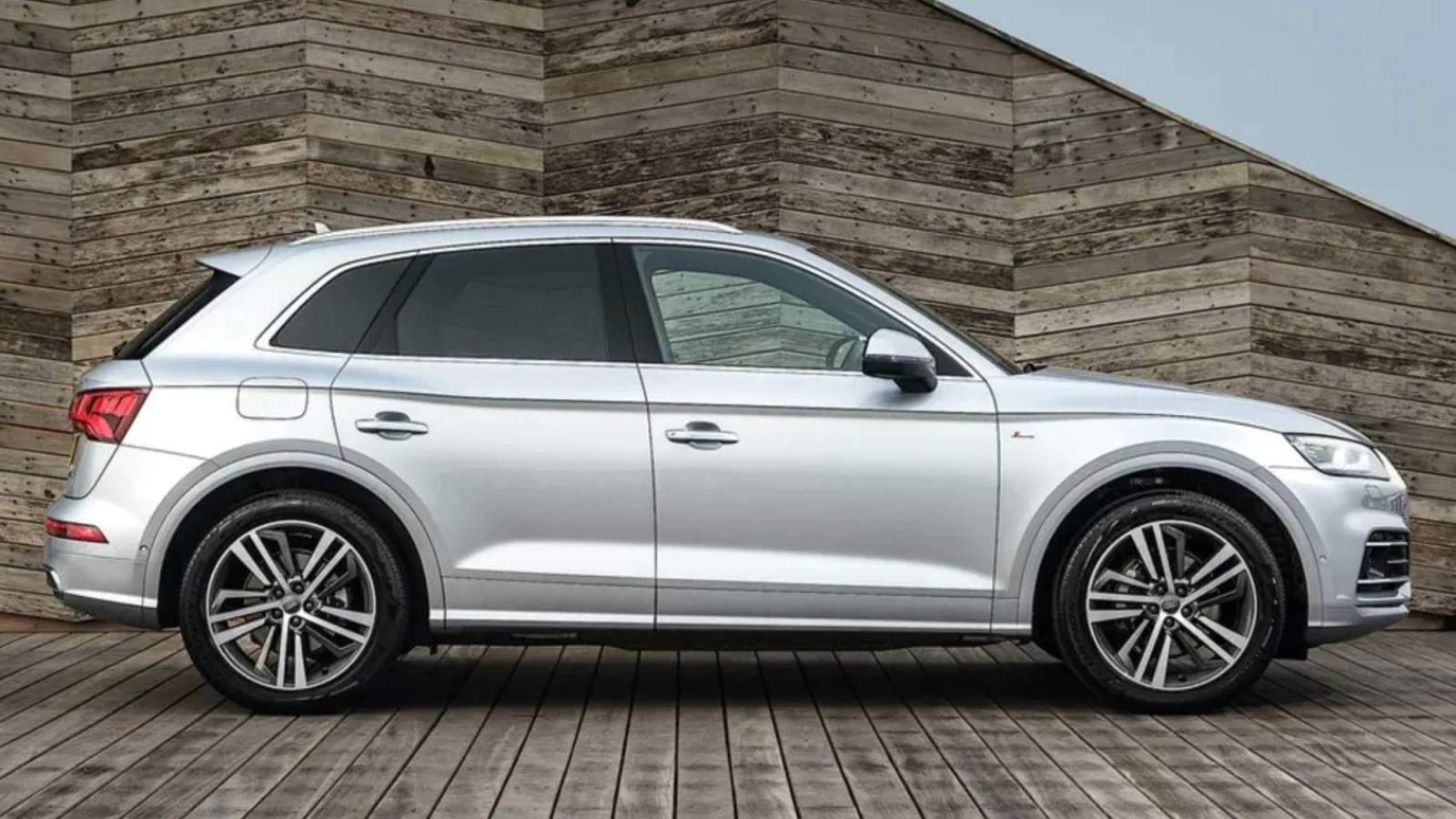
SUVs also tend to have more upright, box-like bodies than a hatchback or saloon, which means they often give you more passenger and boot space. Many larger SUVs are also available with seven seats, whereas most larger hatchbacks or estates have only five.
What's the difference between an SUV and a crossover?
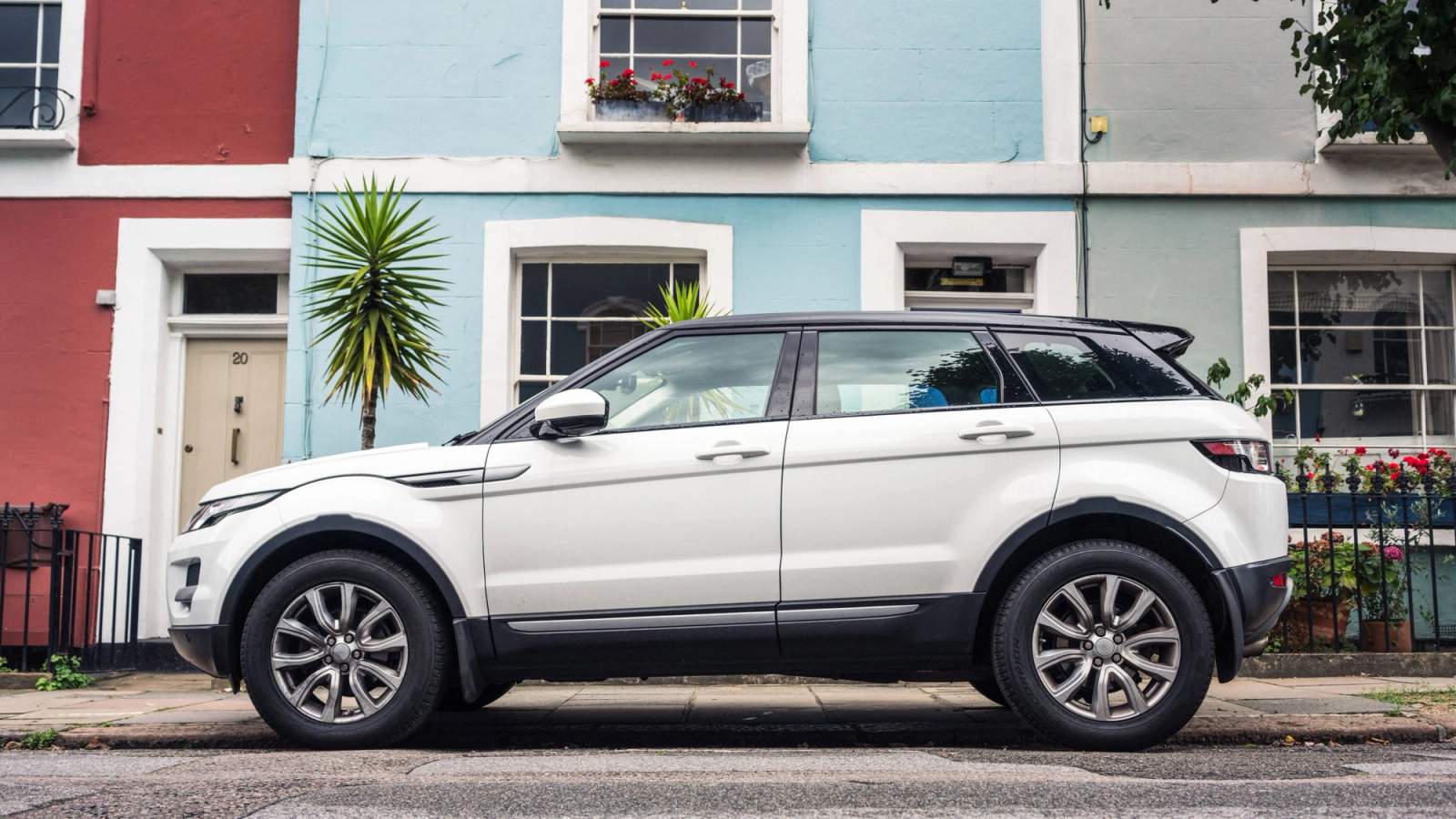
The terms ‘crossover’ and ‘SUV’ are pretty much interchangeable. Some car brands, and some people, simply prefer the word ‘crossover’.
If anything sets crossovers apart from SUVs, it's that crossovers are usually built on a car-like platform shared with a hatchback, so they tend to be smaller, lighter and lower to the ground, and are less likely to come with four-wheel drive. Many crossovers, such as the Ford Puma or Skoda Kamiq, aren't available with four-wheel drive at all, whereas larger, more traditional SUVs like the Land Rover Discovery are likely to offer it as standard or as an option. Our best crossovers round-up covers some of the most popular models if you're weighing up the two.
Why are SUVs so popular?
SUVs and crossovers have become hugely popular in the UK. According to the SMMT, the UK motor industry's trade body, ‘Dual Purpose’ vehicles — the official term covering SUVs and crossovers — made up 38.3% of all new cars registered in Britain in 2025, more than any other type of car, and registrations in this segment have more than doubled since 2015. They're particularly popular as family cars, with many people now preferring them to more traditional choices like estate cars and MPVs.
There are several reasons for the popularity of SUVs. They are often more spacious and practical than an estate car or hatchback of similar size. Their raised suspension and higher seating position can make access easier for people with mobility problems and mean that you don't have to bend down to put your kids in child seats. A lot of people just like the view you get when sitting higher up, while many like the tough image of an SUV or the feeling of safety that a bigger, bulkier car can give you.
Do all SUVs have four-wheel drive?
Some SUVs have four-wheel drive and others don't. Many smaller SUVs have front-wheel drive only, with four-wheel drive only available on higher-priced versions. Most larger SUVs come with four-wheel drive as standard.
Four-wheel drive means the engine sends power to all four wheels – they ‘drive’ the car. It's useful when driving off-road, and it gives extra safety and reassurance when driving on-road in slippery or wet conditions. Because the engine's power is spread among four wheels rather than two, the tyres are less likely to lose their grip and spin. The trade-off is that four-wheel-drive SUVs are usually heavier and less fuel-efficient than their front-wheel-drive equivalents, so it's worth weighing up how often you'll actually need it.
What’s the difference between a 4x4 and an SUV?
The term ‘4x4’ is simply another way of referring to four-wheel drive. It used to be applied to the kind of car that's now generally called an SUV, and ‘off-roader’ was another term used for the same kind of vehicle.
‘4x4’ and ‘SUV’ mean much the same thing in everyday conversation. Both refer to a car with a higher ride height and a bulkier shape than a conventional saloon or hatchback. ‘SUV’ is the more modern, more inclusive term, though, and while every genuine 4x4 has four-wheel drive, only some modern SUVs do.
What about hybrid and electric SUVs?
SUVs used to have a reputation for being thirsty and expensive to run, but that's changed a lot in recent years. Nearly every SUV range now includes a hybrid or plug-in hybrid option, and there's a fast-growing choice of fully electric SUVs too, from family-friendly models like the Skoda Enyaq and Hyundai Ioniq 5 to more affordable options like the Volvo EX30. Electric SUVs tend to be heavier than their petrol equivalents because of the battery, but the extra weight sits low down in the floor, which can actually make them feel more planted on the road, and day-to-day running costs can be some of the lowest of any SUV, as our best electric SUVs guide explains in more detail if you're weighing up going electric.
Do SUVs have any disadvantages?
SUVs generally cost more to buy than an equivalent hatchback or estate car. Being taller and often heavier, most SUVs use more fuel and emit more carbon dioxide than a similarly sized hatchback, which can mean higher fuel bills and, in some cases, more road tax. Petrol, diesel and hybrid cars with a list price over £40,000 when new attract an ‘expensive car supplement’ on top of the standard rate of road tax, currently an extra £440 a year for the first five years, and plenty of larger, well-equipped SUVs cross that threshold. Bigger SUVs can also be trickier to park and manoeuvre in town, and their higher bonnet line can mean bigger blind spots than you'd get in a lower car.
That said, it's worth noting that some SUVs return very good fuel economy, and there's now a huge range of hybrid and electric SUVs to choose from that can bring your running costs right down, as we've covered above.
Frequently Asked Questions
What does SUV stand for?
SUV stands for Sport Utility Vehicle. It's used to describe a wide range of cars with a raised ride height, a tall body and often the option of four-wheel drive, from small crossovers to large seven-seat family cars.
Is an SUV the same as a 4x4?
Not quite. Every genuine 4x4 has four-wheel drive, but not every SUV does — many smaller SUVs and crossovers are front-wheel drive only. ‘SUV’ is the broader, more modern term.
Are SUVs more expensive to insure and tax?
Generally, yes, though it depends on the model. SUVs tend to sit in higher insurance groups than an equivalent hatchback because of their size, weight and repair costs, and larger, pricier SUVs are more likely to attract the expensive car supplement on road tax. Smaller crossovers and hybrid or electric SUVs can be much cheaper to run.
Find your next SUV with Cazoo
Whether you're after a compact family crossover, a seven-seat SUV for the school run, or something plusher like a Range Rover, you'll find hundreds of checked, ready-to-drive options in our SUV listings.