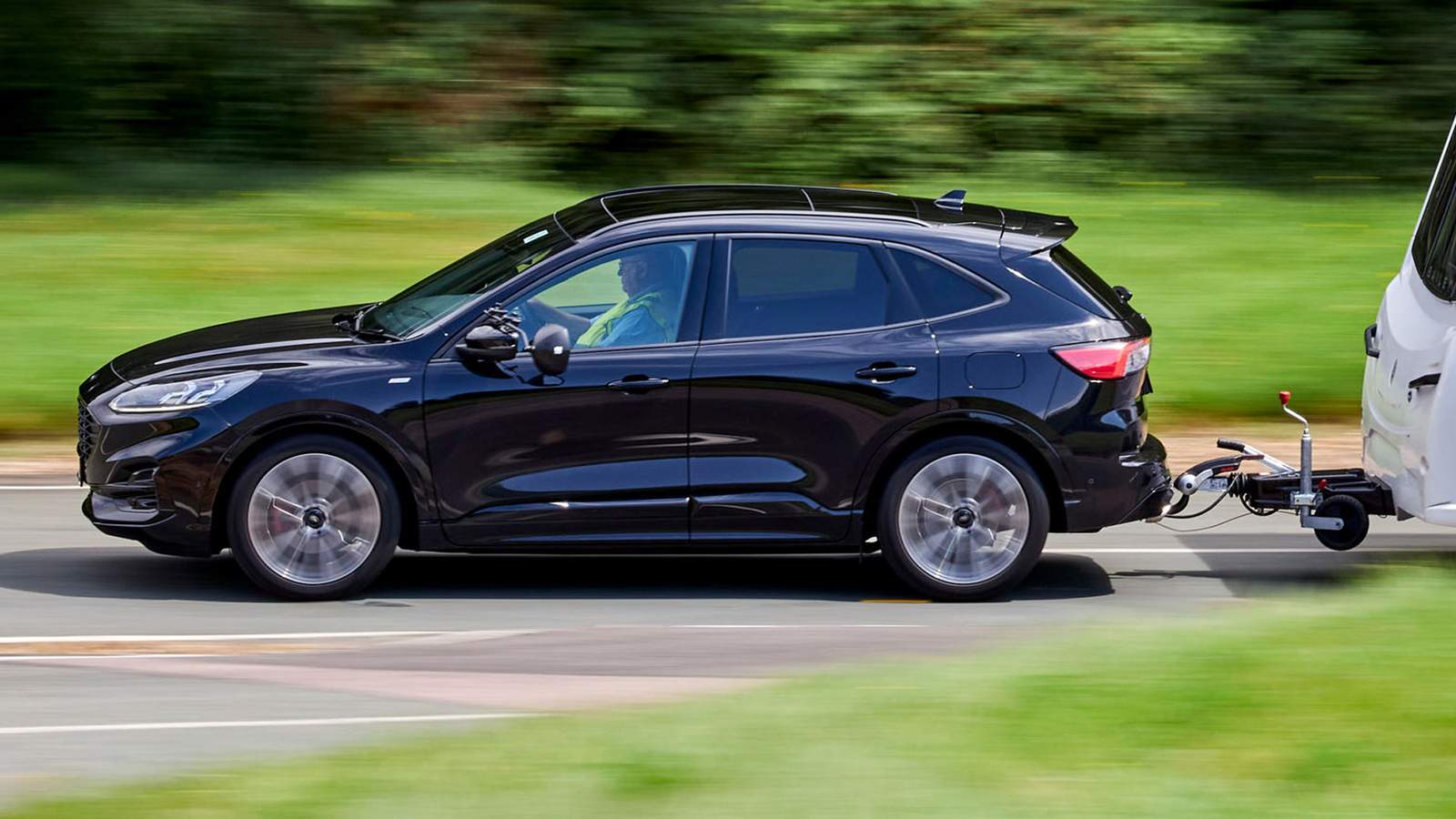
UK Towing Laws Explained: Licence Rules, Weight Limits and Safety Tips
Since the rules changed in 2021, towing a caravan or trailer is simpler than ever – here's what your licence covers, what the law requires, and which cars do it best.
The Cazoo editorial team
Published on 19 September 2026 | 7 mins read

Planning a caravan holiday or need to haul a trailer for a big weekend project? Getting to grips with UK towing laws is a must. The rules can feel a bit confusing, especially after some recent changes, but don't worry. We're here to break it all down for you.
This guide will walk you through the current towing regulations, offer some handy safety tips, and help you tow with confidence, whether you're a seasoned pro or a first-timer.
We've checked the rules, weight limits, and figures below against GOV.UK, the Road Traffic Act 1988, and current manufacturer specifications, and we revisit this guide as the rules or model line-ups change, so what follows reflects the picture as of September 2026.
What are the current UK towing laws?
The good news is that things have become much simpler. Since a rule change in late 2021, the game has changed for drivers who passed their test more recently.
If you passed your driving test on or after 1st January 1997:
You can now tow a trailer or caravan with a Maximum Authorised Mass (MAM) of up to 3,500kg. MAM is the total weight of the trailer plus the maximum load it can carry. Before this change, you would have needed to pass an extra test (the B+E test) for this. This entitlement, known as category BE, was added to your licence automatically – if it isn't printed on your physical licence card yet, GOV.UK confirms it'll be added the next time you renew, but you don't need to do anything before then.
If you passed your driving test before 1st January 1997:
Your entitlements haven't changed. You were already allowed to drive a vehicle and trailer combination up to a total weight of 8,250kg MAM. You can continue to do this as before.
The B+E car and trailer test was scrapped to free up more test slots for HGV drivers. While this makes life easier, it does mean that many people might be towing for the first time without any formal training.
What if I need to tow more than 3,500kg?
If your combination is heavier than the standard BE limit, category BE alone won't cover you. GOV.UK's guidance is that you'll need a provisional C1+E licence, which means passing both a theory and practical test, and possibly a Driver Certificate of Professional Competence if towing becomes part of your job. That route covers combinations up to 12,000kg MAM. It's a rare requirement for most caravan or trailer owners, but worth knowing if you're eyeing up a horsebox or a larger trailer.
Do I need towing training?
While you no longer need to pass a specific test to tow up to 3,500kg, it's a really good idea to get some training. Towing significantly changes how your car handles, from braking distances to cornering and reversing. It's a different skill, and a little practice can go a long way.
The Driver and Vehicle Standards Agency (DVSA) strongly recommends that new towers take a course. These are offered by accredited instructors all over the UK, including through organisations like the Caravan and Motorhome Club, and give you practical, hands-on experience. They typically cover:
- Safely coupling and uncoupling your trailer.
- Reversing and manoeuvring in tight spaces.
- On-road safety and best practices.
Investing in a bit of training not only boosts your confidence but also helps you avoid potential fines, penalty points, or even a driving ban for unsafe towing. Towing with an unsafely loaded or dangerously maintained trailer falls under Section 40A of the Road Traffic Act 1988 (using a vehicle in a dangerous condition), which carries a fine of up to £2,500, 3 penalty points, and a possible discretionary disqualification for a car and trailer combination.
Top towing safety tips for beginners
Getting ready for your first trip with a trailer in tow? Following these tips will help keep you, your cargo, and other road users safe.
Know your car's towing capacity
This is rule number one. Not every car can tow a heavy load. Your car's handbook will tell you its maximum towing capacity – the heaviest weight it can legally and safely pull. Exceeding this limit is dangerous and illegal. It puts a huge strain on your car's engine, brakes, and chassis. It's also worth checking the exact powertrain, not just the model: plug-in hybrid and some four-cylinder versions of a car are often rated to tow considerably less than their diesel or larger-engined equivalents, so the figure for one version of a model doesn't always apply to another.
Load your trailer correctly
An unbalanced load can make your trailer unstable, causing it to "snake" or sway from side to side at speed. It’s a scary experience and can easily lead to losing control. To avoid this, always:
- Place the heaviest items over the trailer's axle.
- Keep the load balanced on both sides.
- Ensure everything is securely strapped down.
- Check your noseweight – the downward force on your car's towball. This should be around 5-7% of the trailer's total weight.
It's worth knowing, too, that any trailer over 750kg MAM must be fitted with its own working brakes, and there are legal limits on trailer size – a caravan can be up to 2.55 metres wide, with a maximum combined vehicle-and-trailer length of 18.75 metres.
Carry out pre-journey checks
Before you set off, take a few minutes to run through some basic safety checks. It's a simple habit that can prevent a lot of problems.
- Towball and coupling: Is the trailer securely hitched to the towball? Is the breakaway cable or secondary coupling chain attached correctly?
- Lights: Connect the trailer's electrics and have someone help you check that the indicators, brake lights, and tail lights are all working.
- Tyres: Check the pressure and condition of the tyres on both your car and the trailer. Don't forget the spare!
- Mirrors: If your trailer or caravan is wider than your car, you must fit suitable towing mirrors to get a clear view of the road behind you.
Drive with extra care
Driving with a trailer feels completely different. You need to adjust your driving style to account for the extra weight and length.
- Go slower: The speed limit for towing is 60mph on motorways and dual carriageways, and 50mph on single carriageways, all lower than the limits that apply when you're not towing.
- Give yourself space: Your stopping distances will be much longer, so leave a bigger gap to the car in front.
- Take wider turns: Your trailer will cut corners more sharply than your car, so swing wider to avoid hitting kerbs or other objects.
- Practice reversing: Reversing with a trailer is tricky and takes some getting used to. Find a large, empty car park to practice in before you have to do it for real.
The best cars for towing
If your current car isn't quite up to the job, it might be time for an upgrade. Many SUVs and larger estate cars are brilliant for towing, thanks to their powerful engines, stable handling, and built-in towing assistance technology. For a longer list of options, our full guide to the best used cars for towing caravans is worth a browse. In the meantime, here are four we'd happily recommend.
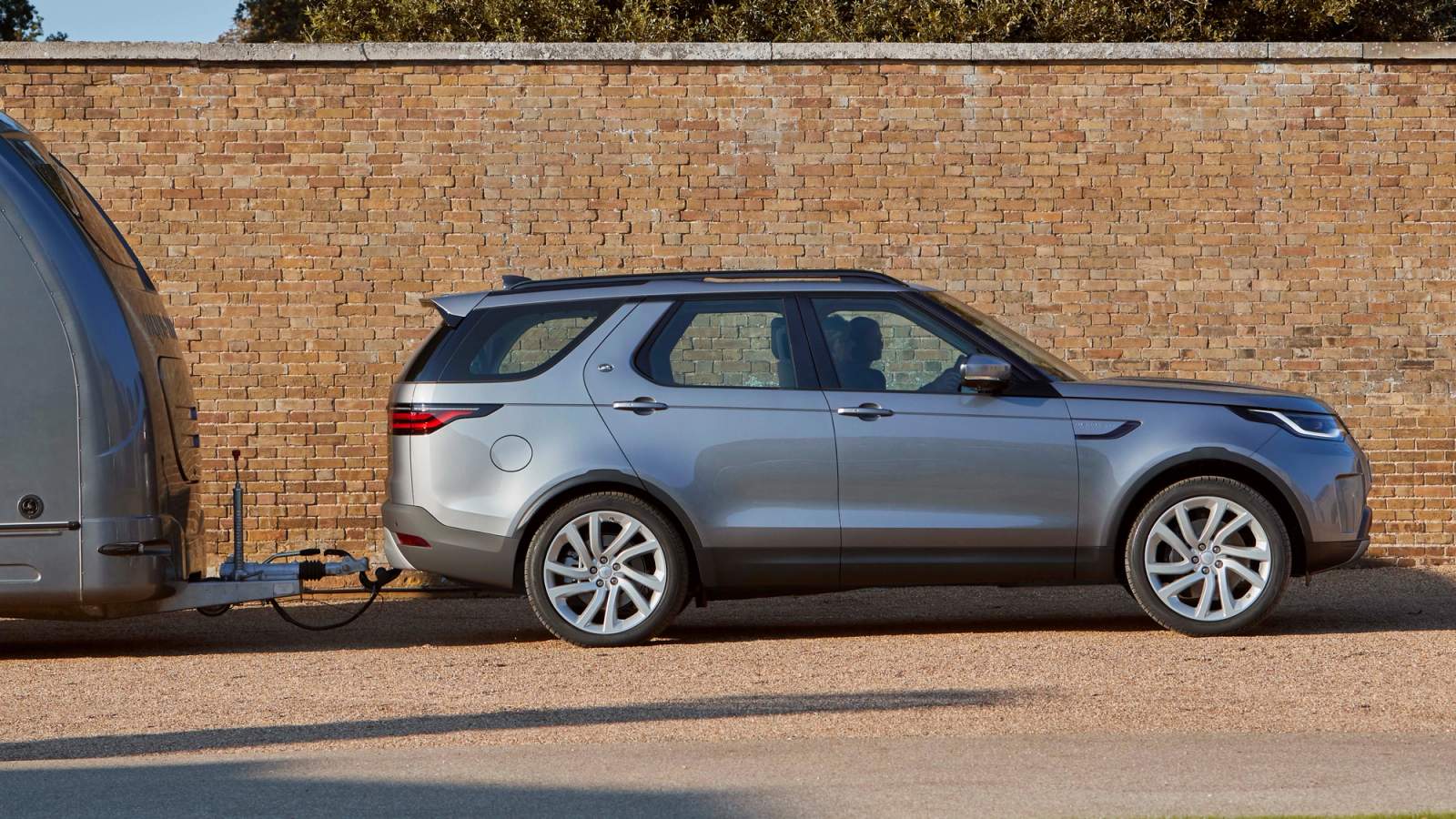
- Land Rover Discovery: A towing titan, known for its huge capacity and incredibly stable ride. It makes pulling even the heaviest caravans feel effortless. Six-cylinder diesel models can be specced up to the full 3,500kg braked limit, so it genuinely is capable of towing the largest twin-axle caravans on the road.
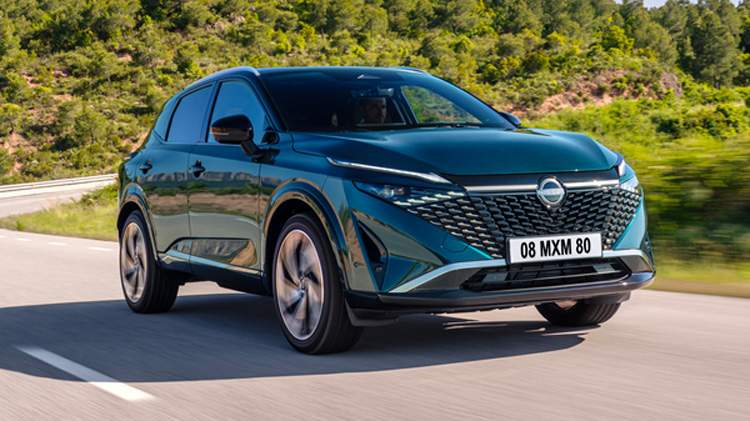
- Nissan Qashqai: A fantastic family SUV that's more than capable of handling smaller trailers and caravans. It's a great choice if you only tow occasionally. Braked towing capacity sits at a more modest level than a true off-roader like the Discovery, so it suits a small caravan or box trailer rather than anything large or heavy – check the figure for your specific engine and trim before you buy one to tow with.
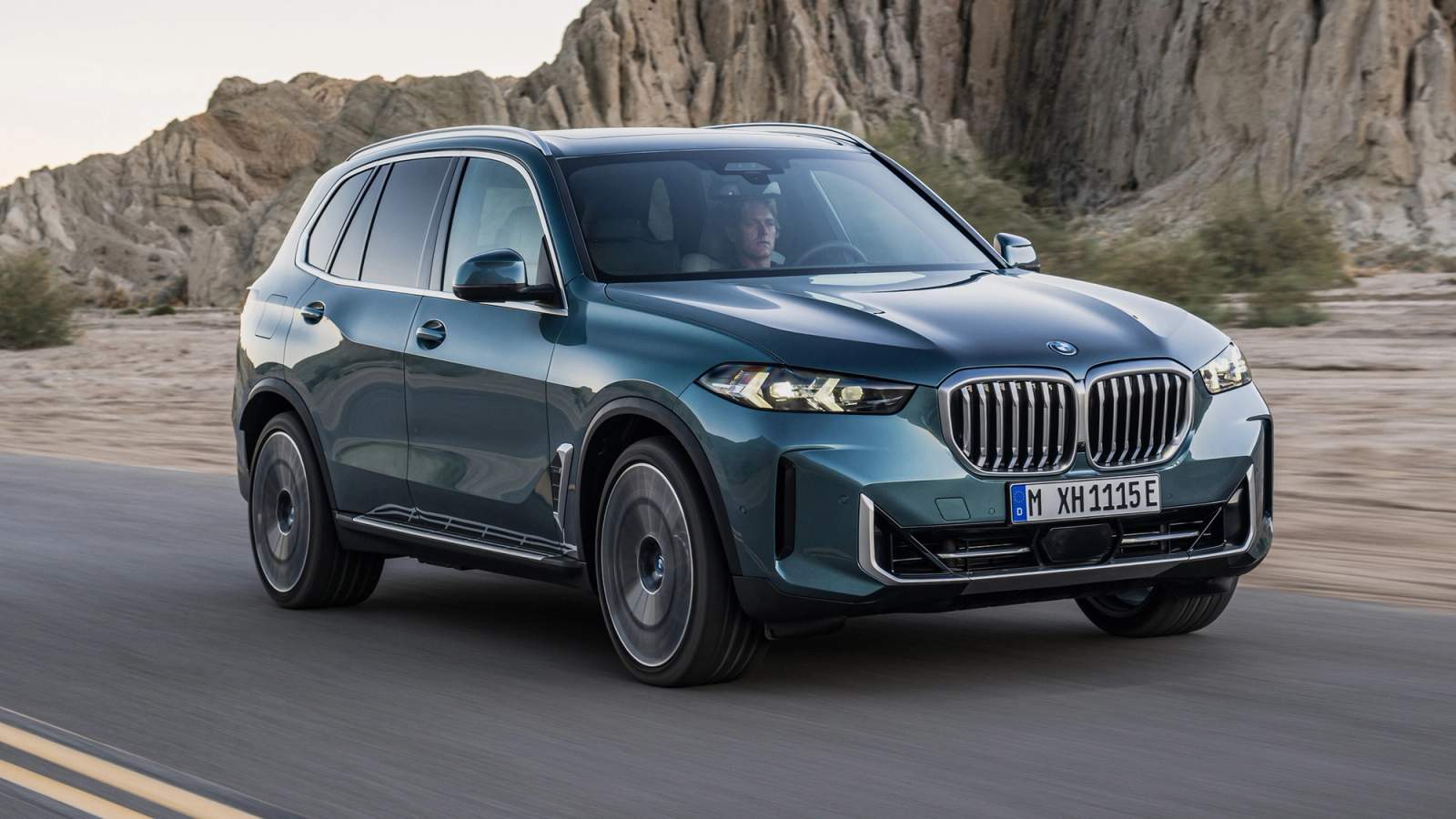
- BMW X5: Blends luxury with serious pulling power. Its strong engines and advanced stability systems provide a secure and comfortable towing experience. Most six-cylinder petrol and diesel versions can be specced with a factory tow package rated up to 3,500kg, though entry-level four-cylinder and plug-in hybrid variants are usually rated lower, so it's worth checking the towing capacity of the exact car you're viewing rather than assuming the top figure applies.
- Ford Kuga: A versatile and popular choice that offers a good balance of everyday usability and towing capability, often with helpful tech features. It's worth knowing that the plug-in hybrid Kuga is rated to tow considerably less than the petrol, diesel and mild-hybrid versions, at around 1,200kg braked, so if towing is a priority, a non-PHEV Kuga is likely to serve you better.