Track Day Guide: How to Prepare Your Car and Drive Safely
Thinking about your first track day? Here's what actually happens on the day, how to get your car and yourself ready, and three brilliant and affordable amateur-friendly track cars you can buy on Cazoo.
The Cazoo editorial team
Published on 24 August 2026 | 7 mins read
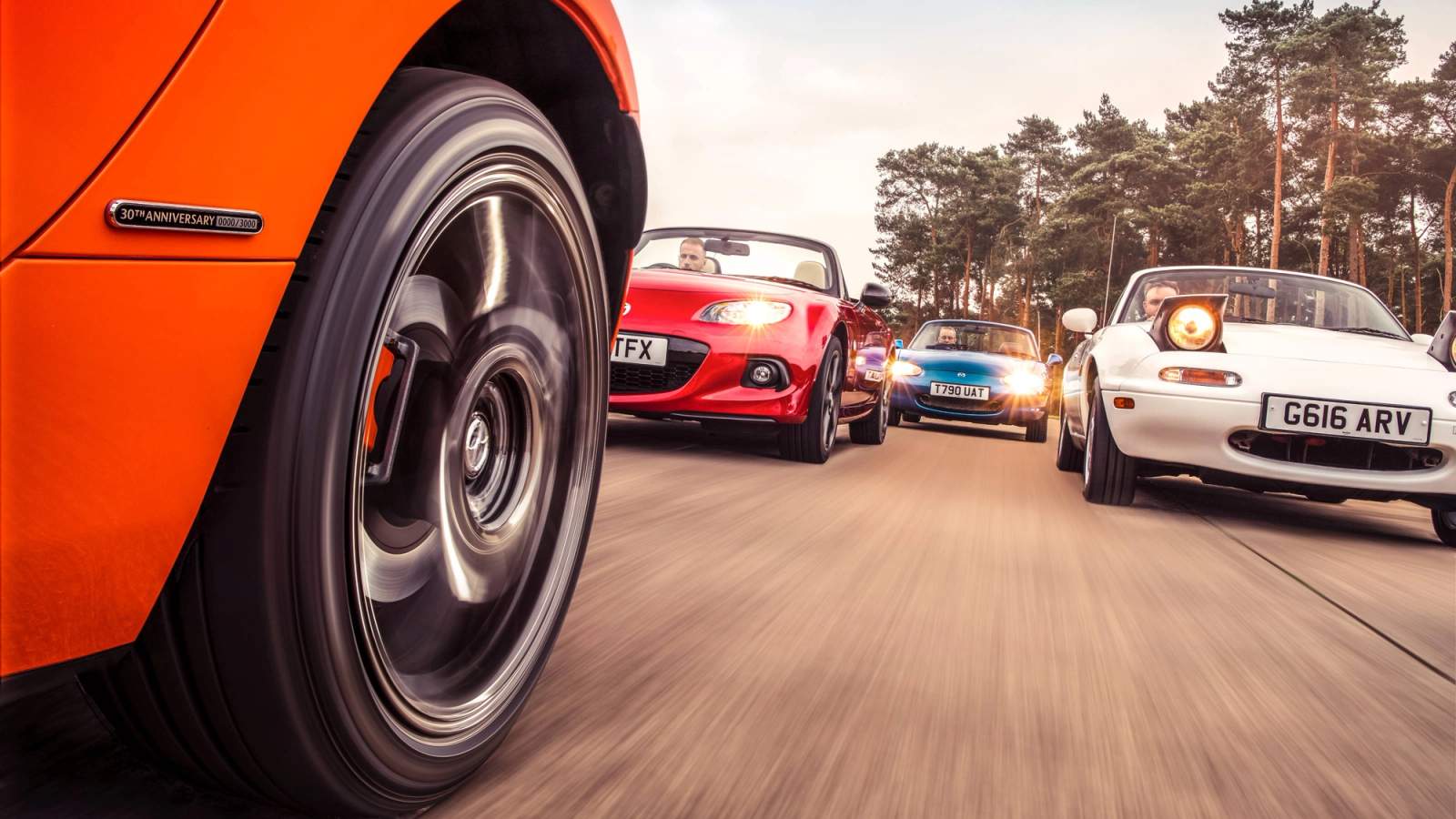
A track day is one of the best ways to find out what your car, and you, are actually capable of, without any of the risks that come with testing the limits on a public road. It's worth saying upfront that a track day isn't a race. Nobody's timed against anyone else, there's no trophy at the end, and overtaking only happens with the other driver's permission on the straights. It's simply track time in a controlled, marshalled environment, and it's a lot more accessible than most people think. Here's how to prepare your car and yourself properly, what actually happens once you arrive, and three amateur-friendly cars you can find on Cazoo that are perfect for track days if you fancy giving it a go.
What actually happens on a track day
Most track days follow a similar pattern wherever you go. You'll usually need to arrive early, often by 7:30 or 8am, to sign on and get your car noise tested before the track opens. Once you're registered, you'll be given an ability group, typically novice, intermediate or advanced, based on your experience, and everyone in that group takes part in a compulsory briefing covering the layout of the circuit, the flag system and general track etiquette before a single lap is driven.
From there, the day usually runs in one of two formats. Some events run in "sessions", where each ability group gets a set slot on track, often around 20 minutes at a time, on a rotation through the day. Others run an "open pitlane" format, where you can head out and come back in as you please across all groups, which generally means more track time overall. Either way, your first outing will usually be a sighting lap behind a pace car or instructor, so you can learn the circuit at a sensible speed before you're let loose properly.
Learning the flag system
Every UK track day uses a system of coloured flags to communicate with drivers, and it's covered in detail during the briefing, but it's worth knowing the basics beforehand. A yellow flag means there's a hazard ahead and overtaking is banned until you're past it, while a red flag means the session has been stopped completely, so you should slow down and return to the pits. A blue flag tells you a faster car wants to come past, and it's polite, and expected, to let them through at the next safe opportunity, usually on a straight. And if you see a black flag, or a black-and-white "driving standards" flag, aimed at you, it means you need to come into the pits, either because of a mechanical issue or because a marshal wants a word about how you're driving.
Preparing your car
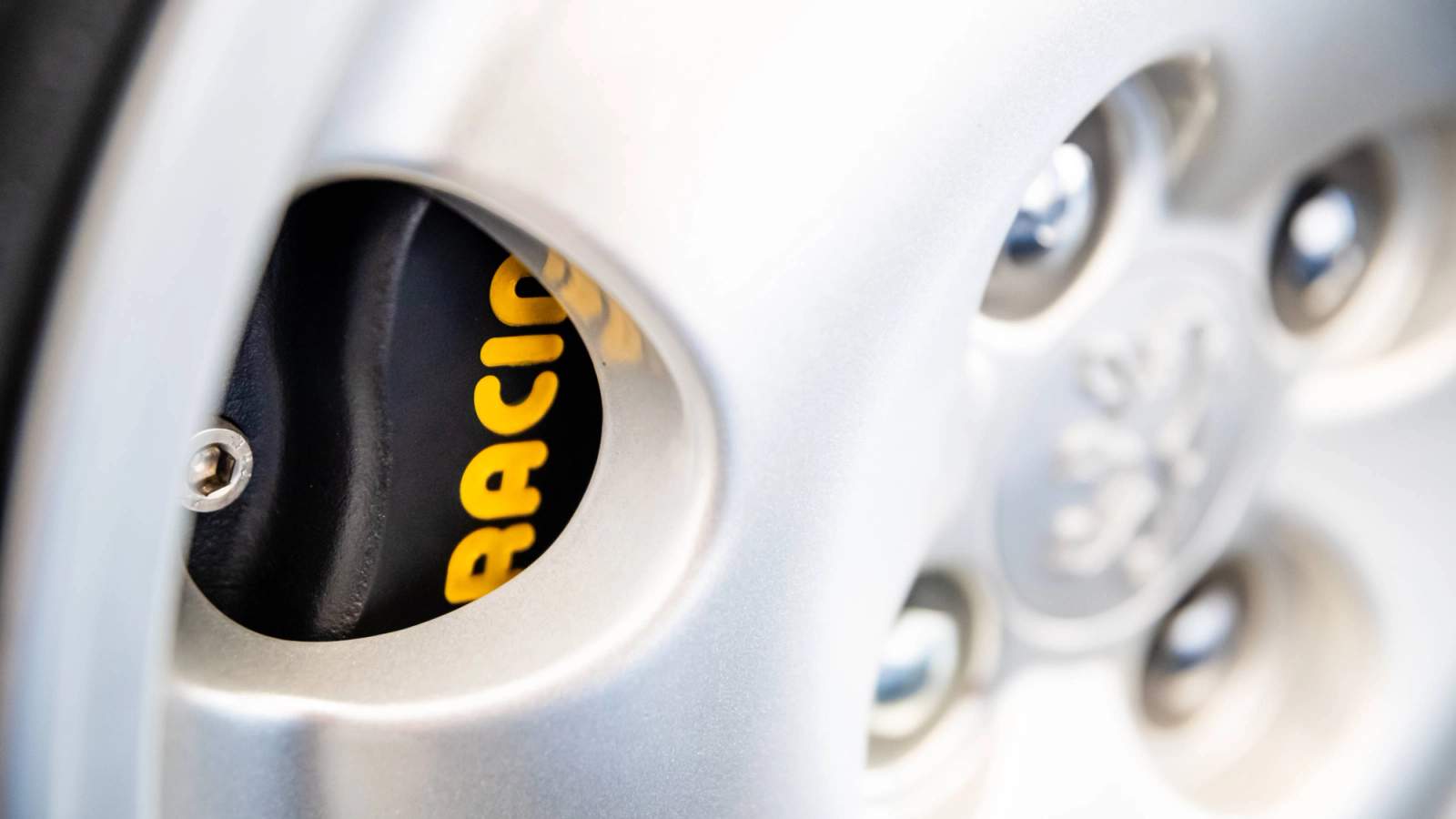
Your car doesn't need to be a racing car to go on a track day, but it does need to be in good mechanical health, since you'll be asking a lot more of it than a typical commute. Check your tyres have plenty of tread and are inflated to the right pressure, bearing in mind they'll heat up and expand once you're out on circuit, and make sure your brake pads, discs and fluid are all in good condition, since braking hard and often is exactly what a track day involves. Top up your oil and coolant to the recommended levels, and give the car a general once-over. Our car maintenance tips guide is a good place to start if you're not sure what to check.
It's also worth clearing out anything loose from the cabin and boot, since anything that can roll around, or fly forward under heavy braking, is a genuine hazard. Most organisers will also noise test your car before you're allowed out, typically with a meter held around half a metre from the exhaust at a 45-degree angle while the engine's revved to about three-quarters of its maximum. Limits vary from circuit to circuit; Silverstone, for example, runs to a fairly generous 105dB, but plenty of circuits are stricter, so it's worth checking with the organiser in advance if your car's on the loud side.
What to bring and wear
You'll need a full-face helmet to drive on almost any UK track day, and most organisers will ask that it meets a recognised motorsport or motorcycle safety standard, so check the specifics with them before you book if you don't already own one, since some venues hire helmets out on the day if you don't have your own. Beyond that, wear comfortable, close-fitting clothes and proper shoes, rather than anything loose or open-toed, and bring plenty of water, since a day spent concentrating hard in a hot car is more tiring than it sounds. Rules will vary, but you’ll often need to wear long-sleeved tops and full-length trousers rather than shorts and a t-shirt, along with flat-soled and relatively narrow shoes. It’s best to avoid any open-toe shoes, trainers with a thick sole, boots or any footwear with a pronounced heel.
Sorting your insurance
This is the bit that catches a lot of first-timers out: your normal car insurance almost certainly won't cover you on track. Standard road policies are written for driving on the public highway, and track use is one of the most common exclusions in the small print. If you want cover for your own car in the event of a shunt, you'll need a specialist track day insurance policy, bought either for the individual event or for a whole season. Even then, it's worth knowing that most track day policies only cover your own vehicle, not damage to anyone else's, since the accepted rule on track is that each driver is responsible for their own car regardless of who was at fault. It's worth budgeting for this alongside the cost of the day itself, which typically starts from somewhere around £100 to £150 for a novice-friendly event and rises from there depending on the circuit and how exclusive the day is.
Staying safe on track
The biggest thing to remember is that a track day is not the place to prove anything. Build up your pace gradually, stick to your ability group, and don't try to keep up with a faster car that's clearly out of your comfort zone; let it past and focus on your own lines instead. Only overtake on the straights, and only when the driver in front has clearly acknowledged you, usually with an indicator or a wave.
Keep an eye on your tyre pressures and brake temperatures as the day goes on, since both change a lot once they're properly warmed up, and take regular breaks between sessions to let everything cool down rather than nursing a hot car straight into the next one. And if anything about the car starts to feel wrong, a smell, a noise, a pull to one side, come into the pits and get it checked rather than hoping it sorts itself out. Most incidents on track days happen when someone pushes past what they, or the car, are actually ready for, so the driver who has the most fun is usually the one who builds up steadily rather than the one going for a personal best on lap two.
Three amateur-friendly track cars on Cazoo
You don't need a supercar for your first track day; in fact, it's often better if you don't. A cheaper, lighter, less powerful car lets you learn car control at a pace where mistakes are cheap rather than expensive, and it puts less strain on tyres and brakes over a long day. Here are three that consistently turn up on trackday car parks for exactly that reason, and all three are the kind of thing you'll find in Cazoo's own stock.
Mazda MX-5
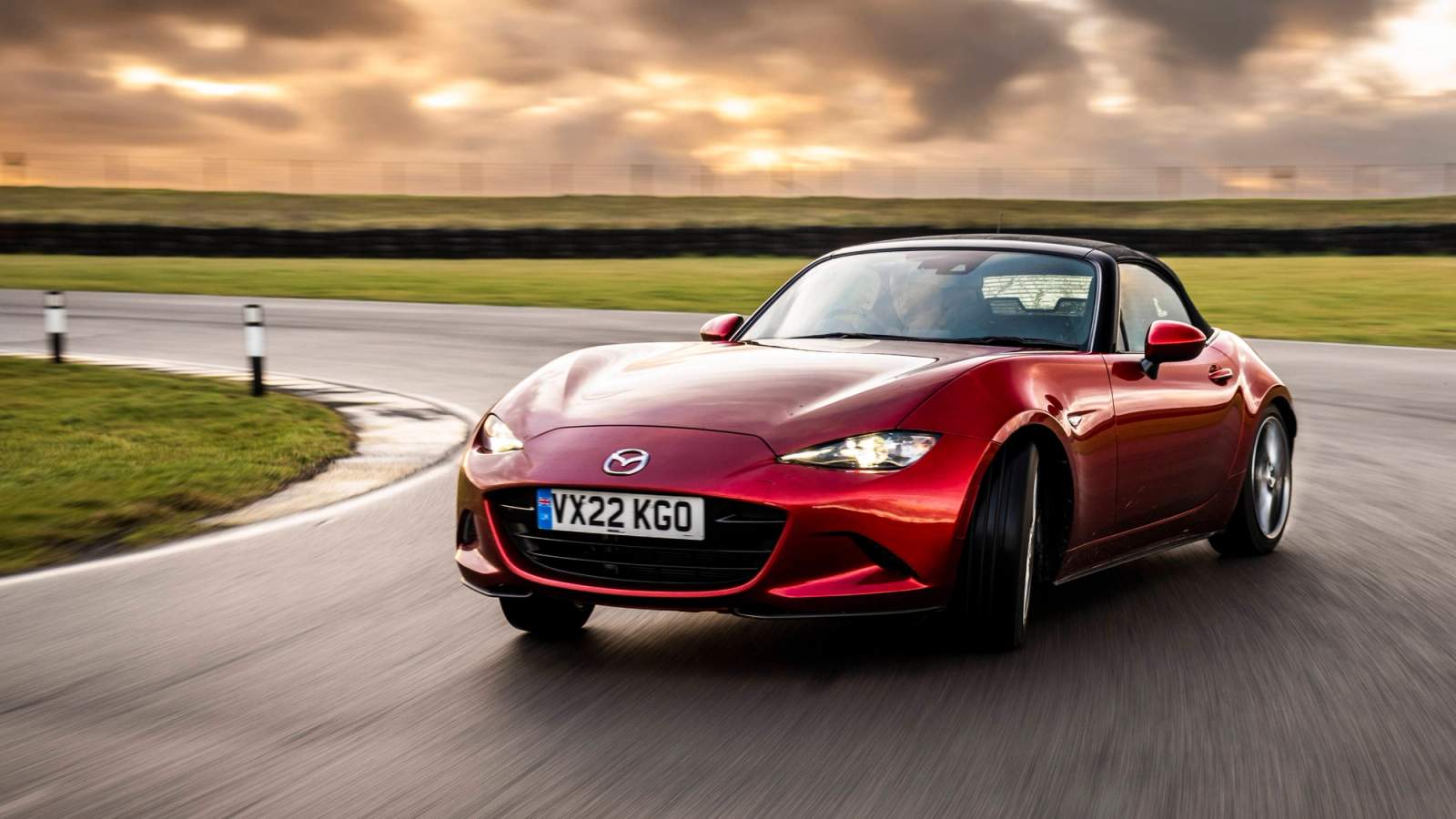
The MX-5 is about as close to a universal recommendation as track day cars get. It's light, rear-wheel drive, and not remotely intimidating on the straights, which makes it brilliant for learning how a car actually behaves as you approach its limits, rather than just how quickly it can get you into trouble. Being light on its tyres and brakes also means it's kinder to your running costs over a long day than something heavier or more powerful. There were over 300 used examples listed on Cazoo at the time of writing, ranging from around £4,000 for an early model up to £25,000 for something newer, so there's a wide spread to suit different budgets. Take a look at our full range of used Mazda MX-5s to see what's currently available.
Toyota GT86
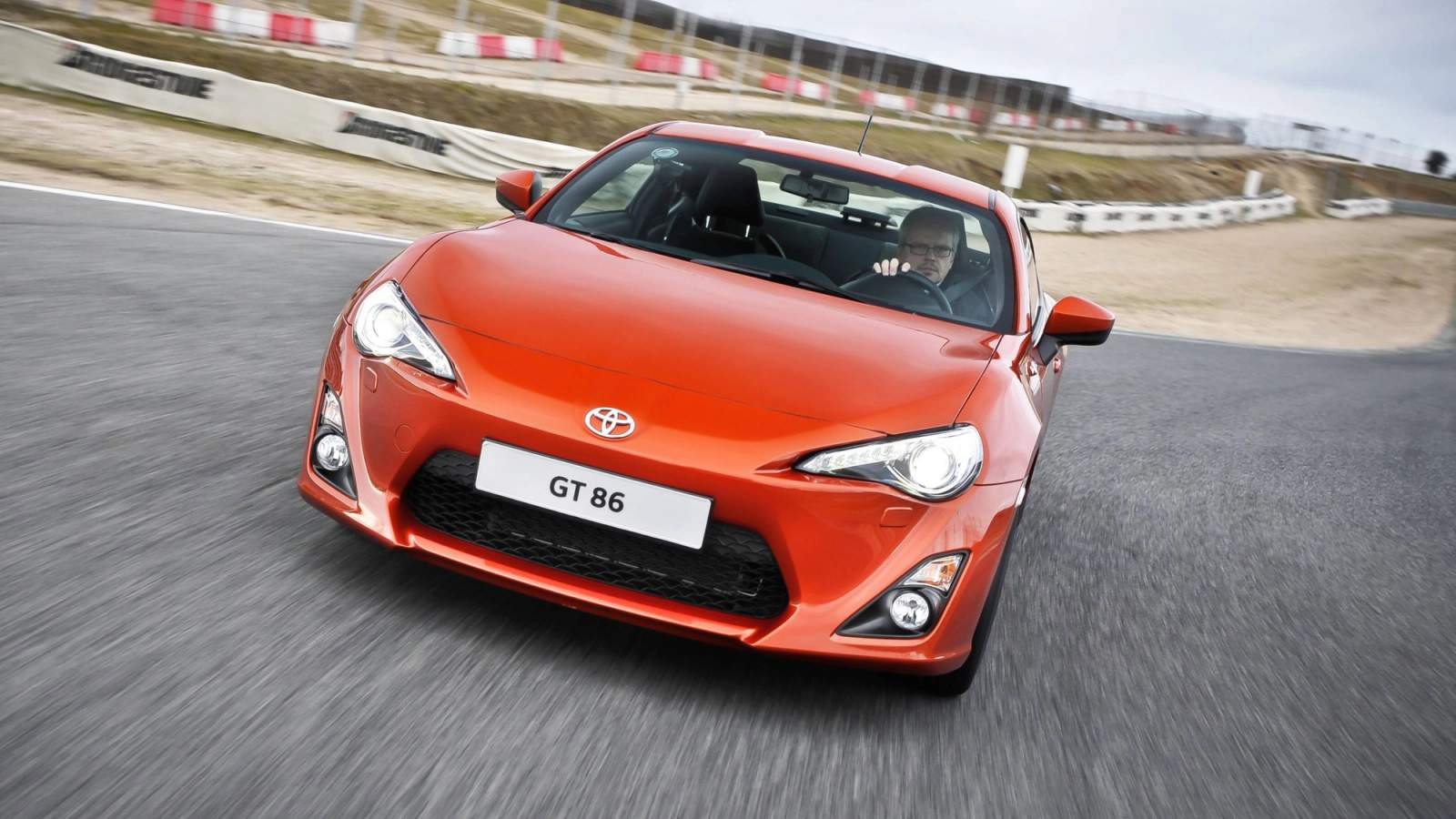
The GT86, and its Subaru BRZ twin, was designed from the outset with driver enjoyment rather than outright speed in mind, and that makes it a genuinely excellent track day companion. Rear-wheel drive and beautifully balanced, it rewards a smooth driving style rather than punishing a clumsy one, and its modest power output and tyres means you can explore its limits without needing a licence's worth of self-restraint. Cazoo had over 50 used GT86s listed at the time of writing, priced from around £4,700 to £20,000. Browse our current used Toyota GT86 stock if it sounds like your kind of car.
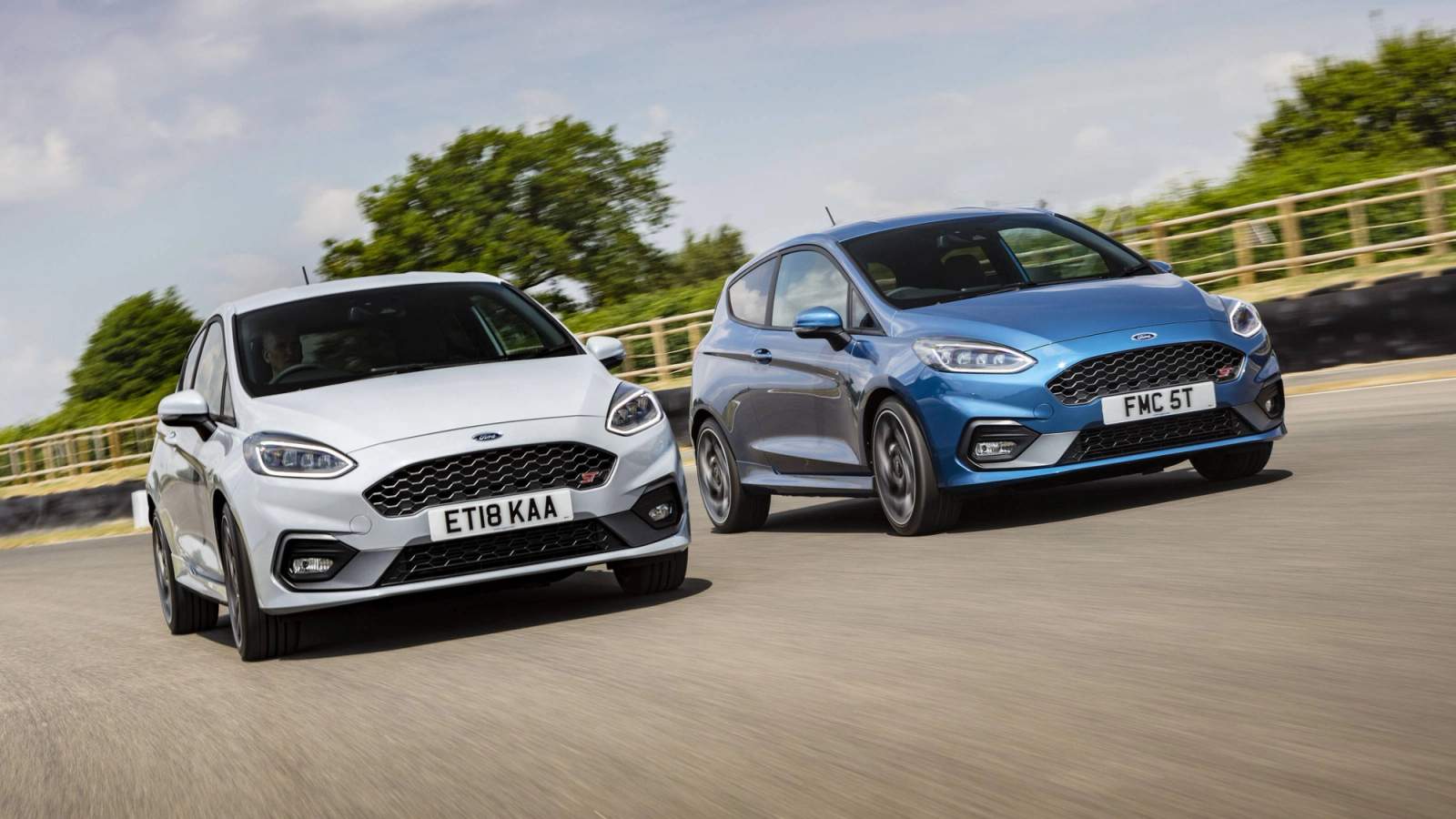
Ford Fiesta ST
If you'd rather stick with something more usable day-to-day, the Fiesta ST is hard to beat. It's front-wheel drive rather than rear, which makes it a slightly different, and arguably more forgiving, car to learn on, but it's still hugely entertaining, with sharp steering and a chassis that loves being driven hard. It's also small, light and cheap to run, and doubles up as a perfectly sensible car for the rest of the week. Cazoo currently lists over 170 used Fiesta ST-3 models, with prices ranging from around £4,000 to £20,000. Have a look at our used Ford Fiesta ST stock to find one.
If none of those quite fit the bill, our guide to the best cheap sports cars has plenty more suggestions worth considering.
Find your track day car with Cazoo
Whichever car you take, a track day is one of the most rewarding ways to spend a day behind the wheel, as long as you turn up prepared. Sort your car, sort your insurance, and pace yourself, and you'll come away having learned more about driving than months of ordinary commuting could teach you. Ready to find your track day car? Search all used cars on Cazoo, or take a look at our essential checks before a long car journey guide for more on keeping any car in good shape before a big day out.