Riding A Motorbike Off-Road: What You Need To Know
From knowing which lanes you can legally ride to picking the right bike and gear, here's everything you need to get started with off-road motorcycling safely and within the law.
The Cazoo editorial team
Published on 29 August 2026 | 7 mins read
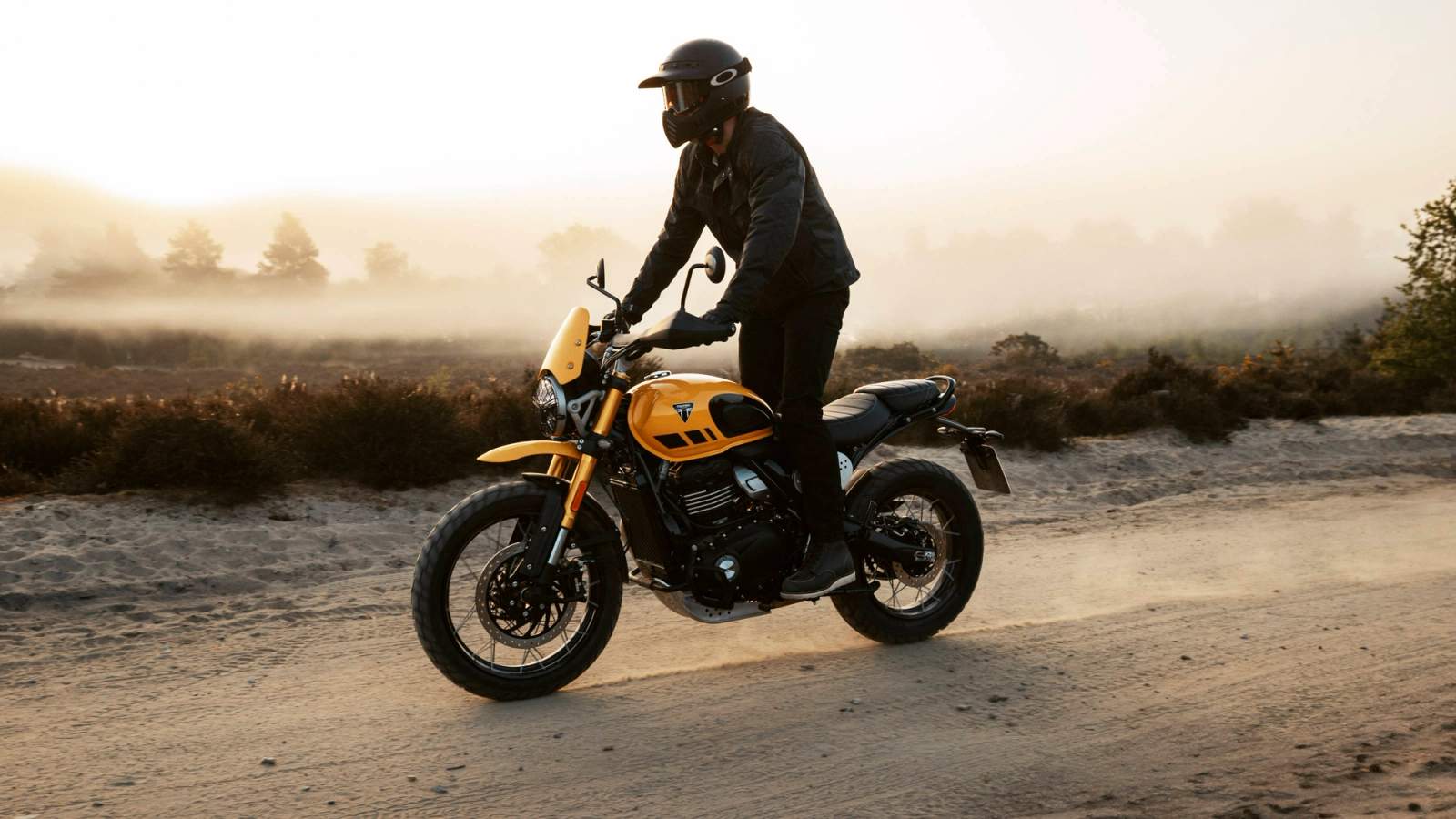
There's a particular kind of freedom that comes with pointing a motorbike away from tarmac and onto a muddy trail, a rocky track or an open field. It's one of the reasons off-road riding, whether that's green laning on a road-legal trail bike or riding a dedicated dirt bike on private land, has such a dedicated following in the UK. But it's also an area of motorcycling where it's surprisingly easy to get the basics wrong, from where you're actually allowed to ride to what your insurance will and won't cover once you're off the beaten track.
Get it right, though, and off-road riding opens up a completely different side of motorcycling to explore. Here's what you need to know before you head off-road for the first time.
Know the difference between green laning and riding a dirt bike
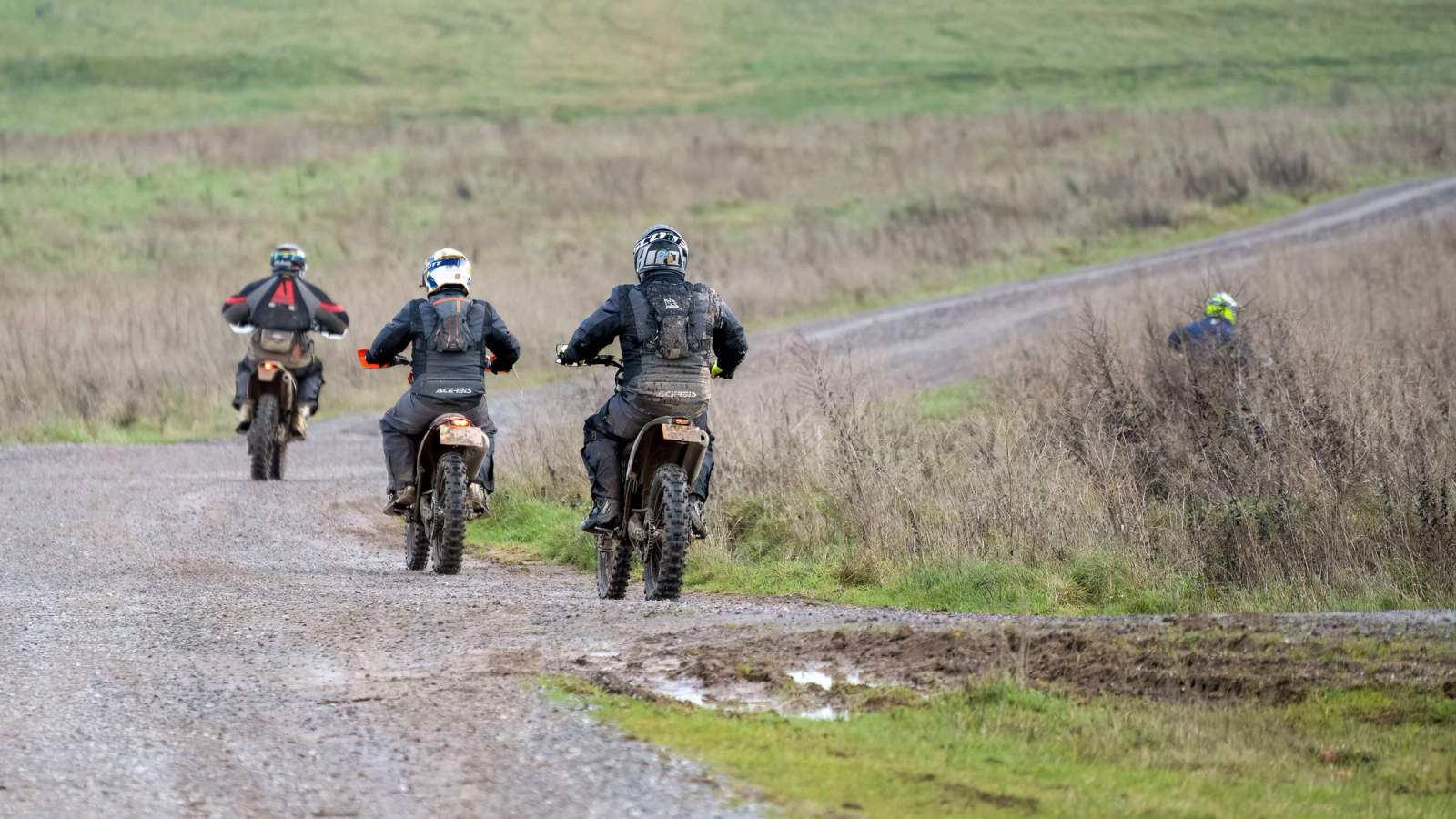
"Off-road riding" actually covers two quite different pursuits, and it's worth understanding the difference before you go any further. Green laning means riding a road-legal motorcycle, usually a trail, enduro or adventure bike, along genuine public rights of way that happen to be unsurfaced rather than sealed. Because these routes are legally part of the public highway network, your bike needs to be fully road legal to use them, and so do you.
Riding a dedicated dirt bike or motocross machine is a different matter. These bikes typically aren't built to be road legal at all, no lights, no mirrors, no number plate, so they can only be ridden on private land with the landowner's permission, or at a licensed off-road park or motocross track. Mixing the two up, riding an unregistered dirt bike on a genuine byway or a green lane, is one of the most common ways riders end up on the wrong side of the law.
Check the lane is actually legal before you ride it
Not every unsurfaced track you come across is fair game, and getting this wrong can be an expensive mistake. Rights of way in England and Wales are recorded on a local authority's definitive map, and only certain categories permit motor vehicles.
A Byway Open to All Traffic, usually shortened to BOAT, is the one you're looking for; these are legally open to motorised traffic as well as walkers, cyclists and horse riders. Restricted byways, bridleways and footpaths are a different story entirely, and motor vehicles aren't allowed on any of them, whatever the surface looks like. Riding a motorbike on a bridleway or footpath is an offence under Section 34 of the Road Traffic Act 1988, and it can carry a fine of up to £1,000. It's not just a fine at stake, either: police also have powers under Section 59 of the Police Reform Act 2002 to seize, and ultimately destroy, any vehicle being ridden in a way that causes alarm, harassment or distress, off-road bikes included.
Even a genuine BOAT can be temporarily or permanently closed to motor vehicles by a Traffic Regulation Order, often to protect the surface after wet weather, so status can change from one month to the next. The Trail Riders Fellowship is the best place to start, since it publishes an up-to-date map of legal green lanes and any current restrictions, and membership also brings a level of local knowledge that's hard to replicate on your own. Riding somewhere you shouldn't isn't just a legal risk, either; persistent complaints about illegal off-roading are exactly what leads to lanes being closed to everyone, including riders doing everything by the book.
Sort your licence and make sure your bike is road legal
Because a BOAT counts as public highway, all the usual rules of the road apply the moment you turn onto one. You'll need a valid motorcycle licence for whatever size bike you're riding, proper insurance, and if the bike's over three years old, a valid MOT. Our guide to passing your motorcycle test runs through exactly which licence category you'll need, from a CBT that limits you to a 125cc machine right up to a full A licence, and if you haven't started the process yet, our guide to applying for a provisional licence covers that first step.
Your bike needs to be built to road-legal specification too, with working lights, mirrors, a horn and a number plate, and taxed accordingly. None of this applies if you're sticking to private land with the owner's permission or a licensed off-road site, since you're not on the public highway at any point, but the moment you want to ride a genuine byway, road-legal status isn't optional.
Choosing the right bike for the job
The bike you need depends entirely on where you're planning to ride. For green laning, a dual-sport or adventure bike, comfortable enough for the road but capable when the surface turns rough, is usually the better starting point, since it needs to cope with both. A dedicated dirt bike or motocross machine, by contrast, is built purely for performance off-road, with long-travel suspension and knobbly tyres, but sacrifices the road-legal equipment and comfort that make dual-sport bikes so versatile.
If you're not sure where to start, our guide to the best off-road motorbikes runs through some of the best options across both categories, from lightweight enduro machines to genuinely road-legal dual-sport bikes. And if you're buying second-hand, which is a sensible way into off-road riding given how hard these bikes can be worked, our guide on what to look out for when buying a motorbike covers what to check before you hand over any money, and it's even more relevant for a bike that's likely spent time off-road already.
Get some proper off-road training
Passing your CBT or full motorcycle test proves you can ride safely on the road, but it doesn't teach you how to handle a bike on mud, loose gravel or standing water, and those are genuinely different skills. Plenty of riders head straight out onto their first green lane or field having never actually ridden on a loose surface before, and it shows.
A dedicated off-road training day is one of the best investments you can make before you start. Several manufacturers, including BMW, Honda, KTM and Triumph, run their own adventure riding schools in the UK, and there are independent off-road schools up and down the country too, usually held on private land specifically set up for the purpose. A few hours with an instructor covering standing up on the pegs, weighting the footpegs correctly and controlling a rear-wheel slide will make a bigger difference to your confidence than any amount of solo practice.
Wear the right gear, even on private land
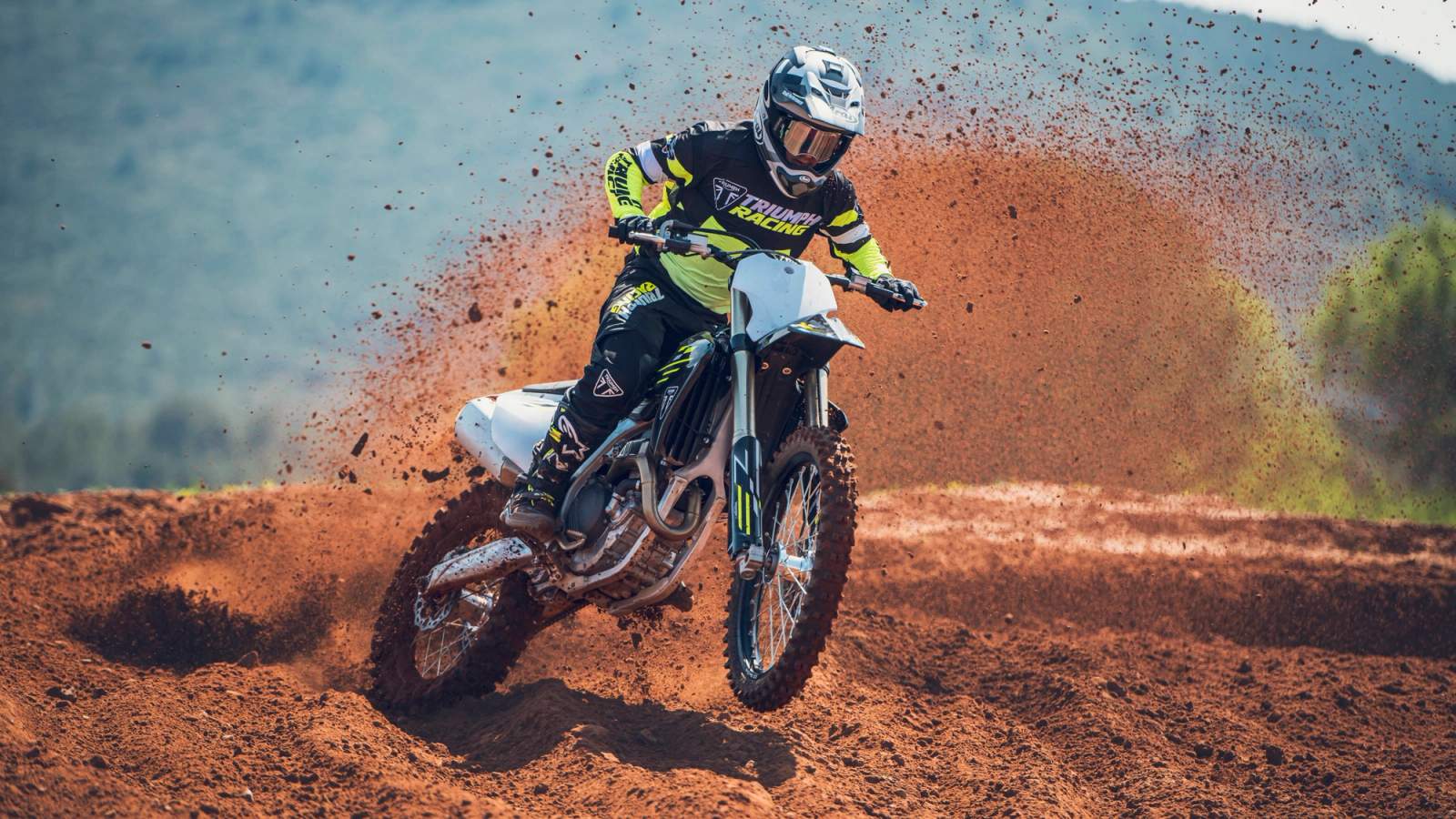
Off-road riding is harder on both bike and rider than a typical road ride, so it's worth kitting yourself out properly rather than making do with your usual road gear. Every helmet sold in the UK must meet a standard set out by SHARP, the Department for Transport's helmet safety scheme, and the current benchmark is ECE 22.06, which replaced the older 22.05 standard for all newly approved helmet designs from January 2024. It's worth looking for a dedicated motocross or adventure-specific helmet with a peak and removable goggles, since visibility and airflow needs are different off-road.
Beyond the helmet, a good set of goggles, off-road-specific boots that offer more ankle and shin protection than road boots, and gloves designed for grip and impact protection are all worth having. Body armour is also worth serious consideration, look for chest, back and limb protectors certified to the EN 1621 standard, since a low-speed off-road tumble can do just as much damage as a road crash if you're not properly protected.
Sort your insurance before you go anywhere
This is where a lot of riders come unstuck. If you're green laning on a road-legal bike, your standard motorcycle insurance will typically extend to genuine rights of way, since a BOAT counts as an unsurfaced public highway rather than "off-road" in the sense insurers usually mean. It's still worth confirming this with your insurer directly, though, since policy wording varies, and what they're usually asking about when they mention off-road use is competitive riding, such as motocross, enduro or trials, which is almost always excluded from a standard road policy.
If you're riding a dedicated dirt bike on private land or at an organised event, you'll need a specialist policy instead, since standard motorcycle insurance won't cover a bike that isn't road registered at all. Several insurers offer dedicated trail and enduro cover, and it's worth checking exactly what's included, since some policies only cover third-party liability rather than damage to your own bike.
Ride sensibly and look after the lanes
However tempting it is to head out alone, riding with at least one other person is a good habit to get into, particularly on remote green lanes where phone signal can be patchy and help can be a long way off if something goes wrong. Tell someone your planned route and roughly when you expect to be back, and if you're regularly riding somewhere remote, a GPS tracker that works without phone signal is a worthwhile investment.
It's also worth remembering that every legal green lane stays legal only because riders treat it, and the people who use it, with respect. Leave gates as you find them, slow right down for walkers and horse riders (even stopping and switching off your engine can be a good idea), avoid riding when a lane is clearly waterlogged, since that's exactly when the surface gets churned up and TROs follow, and stick to lanes that are open. Responsible riding is what keeps these routes available for everyone, and it's a far bigger factor in whether green lanes stay open than most riders realise.
FAQs
Do you need a licence to ride a dirt bike?
Not if you're riding on private land with the owner's permission, since you're not using the public highway. The moment you want to ride a genuine right of way, such as a BOAT, you'll need a valid motorcycle licence for the size of bike you're on, just as you would on any other public road.
Is green laning legal in the UK?
Yes, as long as you stick to routes classed as Byways Open to All Traffic and ride a road-legal, taxed and insured motorcycle. Bridleways, footpaths and restricted byways are all off-limits to motor vehicles, and riding on them is an offence.
Does my normal motorcycle insurance cover off-road riding?
It depends what you mean by off-road. Riding a road-legal bike on a genuine BOAT typically falls within a standard policy, since it's still classed as a public highway. Competitive off-road riding, like motocross or enduro, generally isn't covered and needs a specialist policy.
Off-road motorcycling rewards a bit of preparation more than most branches of the sport. Get your licence, your bike and your legal position sorted, invest in some proper training and the right gear, and you'll get a lot more out of it, and a lot less trouble, than heading out and hoping for the best.
Information correct as of August 2026. Rules around rights of way, insurance and off-road riding can change, so always check the latest guidance at GOV.UK and with the Trail Riders Fellowship before you ride.