Potholes: how to report them and get compensation for damage
Potholes aren't going anywhere. Here's how to protect your car, and your wallet, when you hit one.
The Cazoo editorial team
Published on 10 August 2026 | 5 mins read
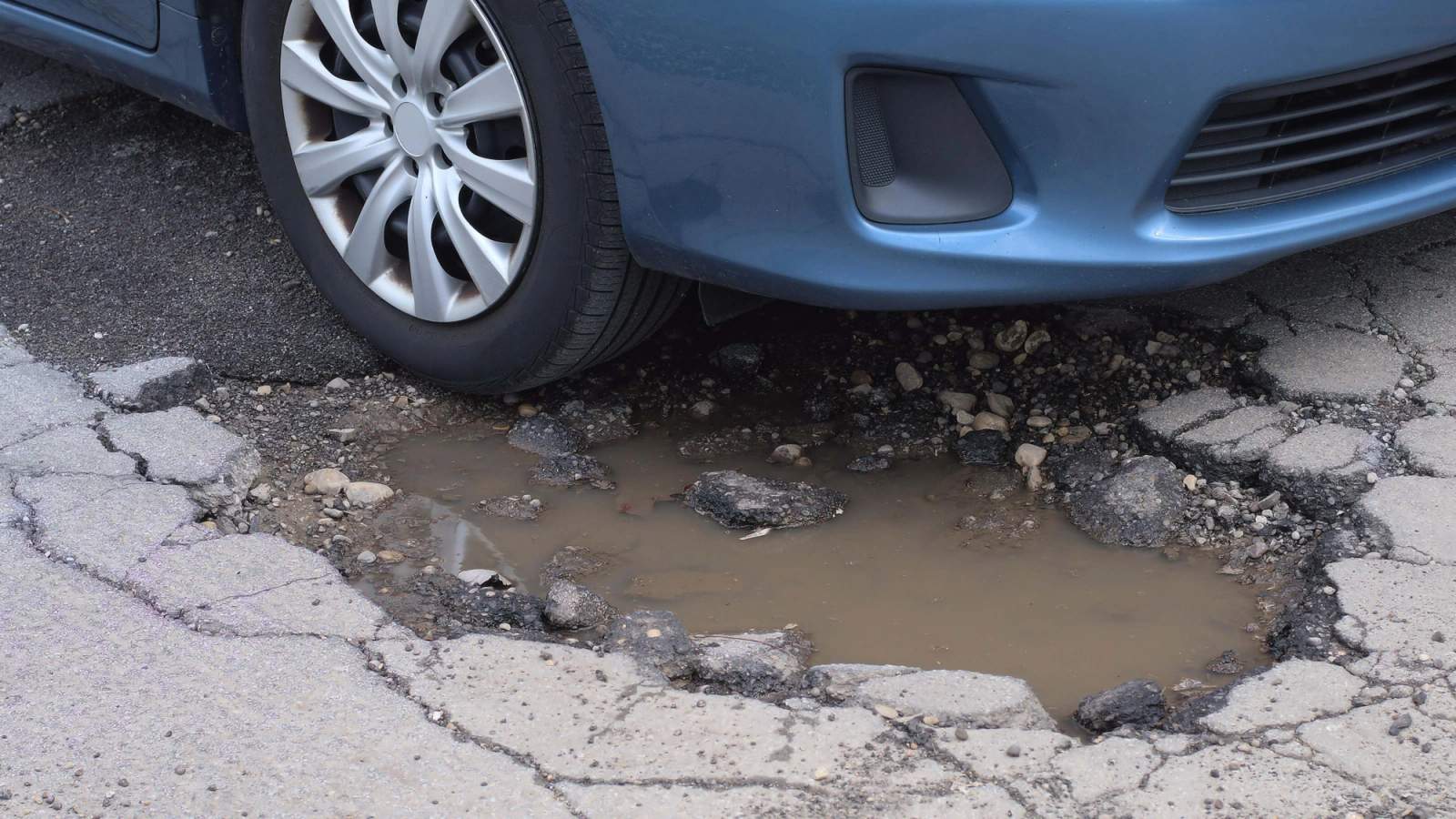
If you've driven anywhere around the UK recently, there's a good chance you've felt a jolt from a pothole you didn't spot in time. They're one of the most common, and most expensive, hazards on Britain's roads, and with council budgets stretched, they're not going away any time soon.
The good news is that reporting a pothole takes a couple of minutes, and if one damages your car, you may well be able to claim the cost of repairs back. Here's everything you need to know, from reporting a hole in the road to making a compensation claim.
How to report a pothole
Reporting a pothole is quick, free, and one of the most useful things you can do as a driver, even if it hasn't damaged your car. In England and Wales, head to GOV.UK's report a pothole page and enter the postcode of the road in question. The site will point your report straight to the right local council.
If the pothole is on a motorway or a major A-road managed by National Highways, report it directly to National Highways instead, either online or by calling 0300 123 5000, which is staffed 24 hours a day. Drivers in Scotland can report potholes via mygov.scot, while those in Northern Ireland should use the NI Direct website. You can also report defects through FixMyStreet or the cycling charity's Fill That Hole tool, both of which forward reports to the relevant authority and are handy if you're not sure who looks after a particular stretch of road.
Why it's worth reporting, even if your car's fine
It might feel like a bit of extra admin for a hole in the road that hasn't cost you anything, but reporting a pothole matters. Highway authorities have a legal duty under Section 41 of the Highways Act 1980 to keep the roads they're responsible for in a reasonable state of repair. If a pothole has already been reported and the council fails to fix it within a reasonable time, that makes it much harder for them to argue they didn't know about the hazard, which matters both for road safety and for anyone, including you, who ends up claiming compensation later.
Councils are also under growing pressure to keep on top of repairs. The government has committed £1.6 billion a year to local road maintenance in England, part of a record £7.3 billion package, with councils now rated red, amber or green depending on how well they spend it and maintain their roads.
How potholes damage your car
A hard hit from a pothole can cause more damage than you might expect, and it's not always obvious straight away. Tyres are usually first to suffer, with impacts causing bulges, sidewall damage or a puncture. Alloy wheels can crack or buckle, especially on cars with low-profile tyres that offer less cushioning. Suspension components, such as springs, shock absorbers and bushes, can also take a battering, leading to a bumpier ride or uneven handling. And a hard enough knock can throw your wheel alignment out, which shows up as your car pulling to one side or tyres wearing unevenly. If in doubt, it's worth working through our car maintenance tips to give your car a proper once-over.
What to do if you hit a pothole
If you hit a pothole, pull over somewhere safe as soon as you reasonably can. Don't stop in a live lane of traffic. Once you're safely stopped, check for obvious signs of damage, such as a bulging or flat tyre, fluid leaking underneath the car, or a warning light on the dashboard. If anything looks seriously wrong, it's best not to keep driving; call for recovery instead.
If the car seems fine to drive, take a moment to photograph the pothole itself, ideally with something for scale like a shoe or a drink can next to it, along with any visible damage to your car. Note down the exact location, such as the road name, the nearest junction or postcode, or a what3words location if you have the app, along with the date and time. If anyone saw what happened, ask for their contact details too, in case you need a witness later.

How to claim compensation for pothole damage
If a pothole has damaged your car, you can claim the cost of repairs from whichever authority is responsible for that stretch of road, usually the local council, or National Highways for motorways and major A-roads. Report the pothole first if you haven't already, since this creates an official record and strengthens your case.
Then gather your evidence: photos of the pothole and the damage, the exact location and date, any witness details, and one or two repair quotes. Get these before any repair work goes ahead, and keep hold of receipts if you've had to pay for an urgent fix. Submit your claim to the responsible authority's claims team, setting out what happened, where and when, and how much it's cost you to fix.
The authority will investigate and may accept the claim, reject it, or offer a partial settlement, so it's worth checking any offer carefully since it may not cover everything you're owed. Councils often defend claims using the ‘section 58 defence’ under the Highways Act, which lets them off the hook if they can show they had a reasonable inspection and repair system in place. If your claim is rejected and you believe you have a strong case, you can take it to the small claims court, which handles claims up to £10,000 in England and Wales, though it's worth getting some professional advice first, since you could still lose and be liable for costs.
As a rule of thumb, you generally have six years to claim for damage to your car alone, or three years if you've been injured, under the Limitation Act 1980. But don't sit on it. The pothole itself is likely to be repaired at some point, which makes your evidence much harder to gather the longer you wait.
Tips to avoid pothole damage
You can't dodge every pothole, but a few habits can reduce your chances of damage. Leave a good gap to the car in front so you have time to spot and react to a pothole rather than swerving suddenly, which can be more dangerous than driving straight through one. Slow down on roads you know are rough, particularly after heavy rain or a cold snap, when potholes tend to appear and worsen.
Keeping your tyres at the correct pressure also helps, since underinflated tyres are more prone to damage on impact. And if you do pick up a knock, it's worth keeping an eye out for warning signs at your next service, since a lot of pothole damage, such as worn tyres, misaligned tracking or a knocking suspension, is exactly the sort of thing that shows up as an MOT advisory or failure.
Potholes are an unfortunate fact of life on UK roads, but a little know-how goes a long way. Report what you see, know what to check after a hard knock, and don't be afraid to put in a claim if a pothole costs you money. The process is more straightforward than it looks, and it's your money to claim back.