How to Clean Your Car Properly: A Complete Step-by-Step Guide
There's something deeply satisfying about driving a clean car. The way the sunlight catches a freshly waxed bonnet. The smell of a spotless interior as you buckle up. It just feels good – and it's not just about looks, either.

Charlie Harvey
Published on 11 August 2026 | 6 mins read

Regular cleaning protects your paintwork, preserves your interior, and can even boost your car's resale value. Whether you've just bought one of our cars or you've had yours for years, keeping it clean is one of the easiest ways to show it a bit of love.
In this guide, we'll walk you through exactly how to clean your car properly inside and out so you can get that showroom shine at home.
What You'll Need
Before you get started, gather your supplies. Using the right tools makes a real difference and saves you from accidentally scratching your paintwork with the wrong cloth.
For the exterior:
- Two buckets (one for soapy water, one for rinsing)
- Car shampoo (not washing-up liquid — it strips wax)
- Microfibre wash mitt
- Microfibre drying towels
- Wheel brush and alloy cleaner
- Glass cleaner
- Car wax or detailing spray
For the interior:
- Vacuum cleaner with attachments
- Interior cleaner or multi-surface spray
- Soft microfibre cloths
- Upholstery cleaner (for fabric seats)
- Leather conditioner (for leather seats)
Having everything ready before you start means you won't be hunting for a cloth mid-wash. Trust us, it makes the whole process much smoother.
Exterior Cleaning
Step 1: Rinse First
Always start with a thorough rinse. Use a hose or pressure washer to remove loose dirt, mud, and debris from the entire car.
Pay special attention to the wheel arches and lower panels — these collect the most grime. A good rinse first means you're not dragging dirt across your paintwork when you wash.
Step 2: The Two-Bucket Wash
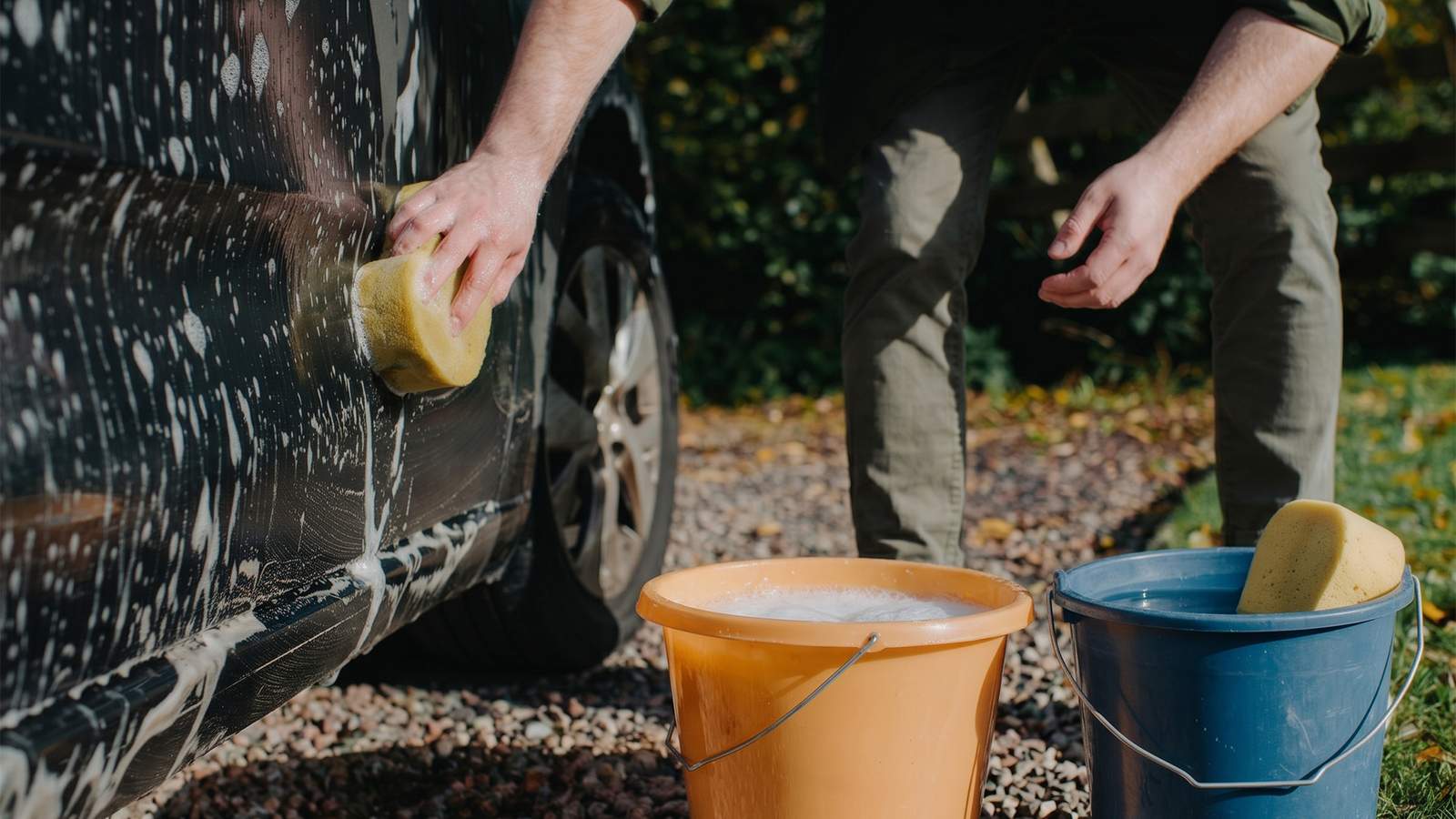
Fill one bucket with warm water and car shampoo. Fill the second with clean water for rinsing your mitt. This two-bucket method is a game-changer — it stops you from reapplying dirt to the car.
Work from the top down, washing the roof first and finishing at the lower panels. Use gentle, straight strokes rather than circular motions to reduce the risk of swirl marks.
Step 3: Rinse and Dry
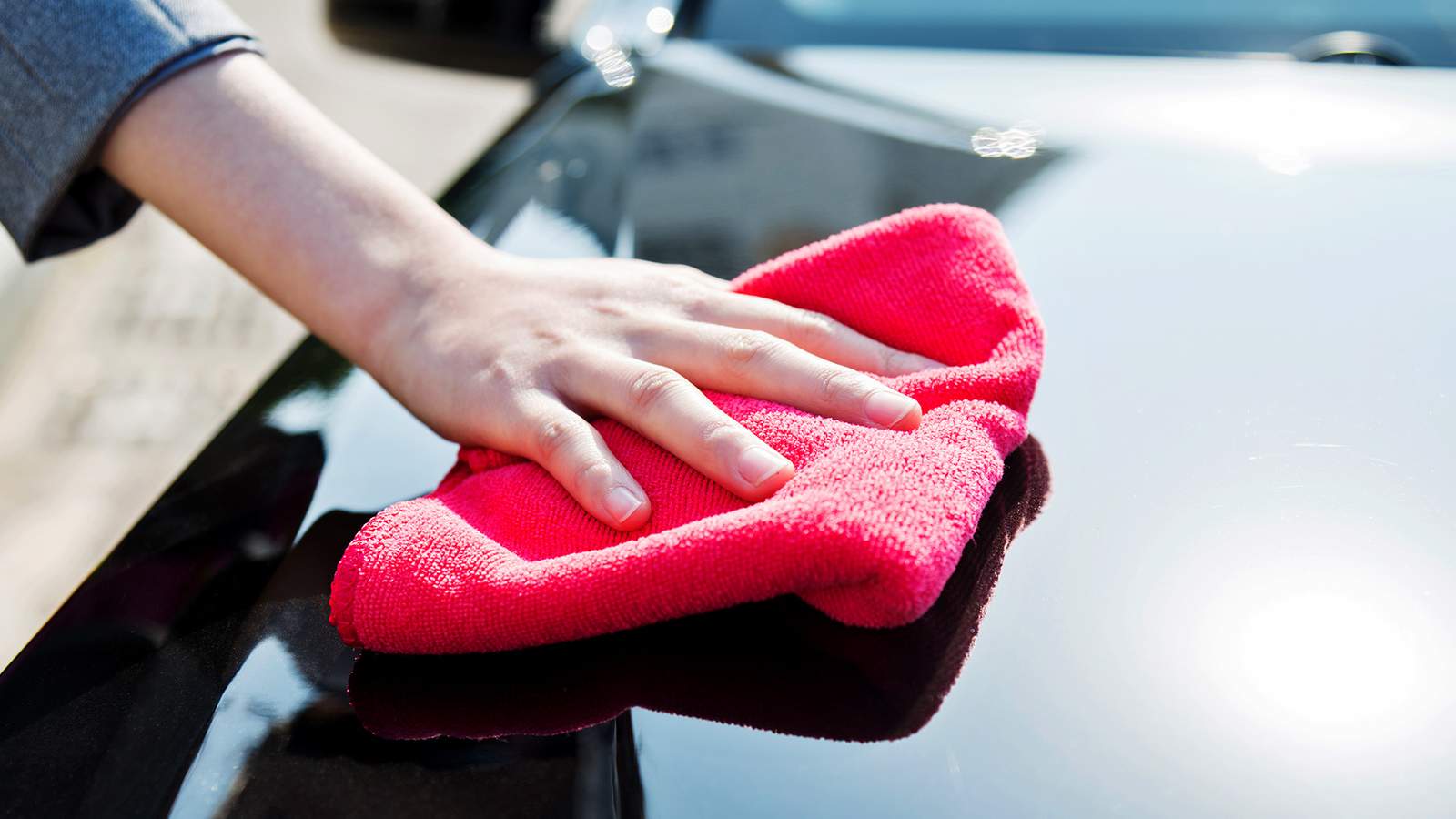
Once you've washed the whole car, rinse it thoroughly from top to bottom. Don't let the shampoo dry on the paintwork — especially on a warm day.
Dry the car straight away using a clean microfibre towel. Air-drying leaves water spots, which can be a nightmare to remove later. Pat rather than rub for the best results.
Wheels and Tyres
Your wheels deserve their own dedicated clean — and they should be done separately, before you wash the bodywork.
Brake dust and road grime build up quickly on alloys and can be tough to shift. Apply an alloy cleaner and let it dwell for a minute before scrubbing with a dedicated wheel brush.
Tips for Tyres
Don't forget the tyres themselves. A stiff brush and some soapy water will remove built-up grime. Once clean, a tyre dressing gives them a neat, dark finish that really sets off the whole car.
If you drive a larger vehicle like an SUV, you'll have more surface area to cover — so factor in extra time for the wheels and arches.
Windows and Mirrors
Clean windows make a huge difference — not just for aesthetics, but for visibility and safety, too.
Use a dedicated glass cleaner and a clean microfibre cloth. Avoid paper towels, which can leave lint and streaks. Spray the cleaner directly onto the cloth rather than the glass to avoid overspray on your paintwork.
Inside and Out
Don't forget the inside of the windows. They often build up a hazy film from outgassing plastics and interior products — especially in newer cars.
Clean the interior glass in a circular motion first, then finish with straight strokes to eliminate streaks. For mirrors, a small folded cloth helps you get into the edges cleanly.
Interior Cleaning
Vacuuming
Start by removing the floor mats and giving them a good shake. Then vacuum the entire interior — seats, footwells, boot, and the gaps between seats and centre console.
Use the crevice attachment to get into tight spots. You'd be amazed what lurks down the sides of the seats.
Dashboard and Hard Surfaces
Wipe down the dashboard, door panels, and centre console with an interior cleaner and a microfibre cloth. Be gentle around screens and instrument clusters.
Avoid using anything too oily or greasy on the dashboard — it can cause reflections on the windscreen when driving in sunlight, which is genuinely dangerous.
Seats
For fabric seats, a dedicated upholstery cleaner works well for stains. Spray, agitate gently with a soft brush, then blot — don't rub — with a clean cloth.
For leather seats, use a leather cleaner followed by a conditioner. This keeps the leather supple and prevents cracking over time. It's worth doing every couple of months to keep things looking their best.
Final Touches and Finishing Tips
Once the cleaning is done, the finishing touches are what take your car from clean to genuinely impressive.
Wax or sealant: Apply a car wax or detailing spray to the paintwork to protect it and give it a deep, lasting shine. It also makes the next clean much easier.
Tyre dressing: As mentioned above, a quick coat of tyre dressing gives the tyres a smart, dark finish.
Deodoriser: If the interior has any lingering odours, a car-specific deodoriser (not an air freshener that just masks smells) will help keep things fresh.
Check the details: Step back and take a look at the whole car. Missed a spot? Now's the time to fix it — before you pack everything away.
A well-maintained, clean car isn't just a pleasure to drive — it holds its value better, too. If you ever decide to sell your car down the line, a good cleaning routine can genuinely make a difference to what you get for it.
Frequently Asked Question
How often should I clean my car?
A good rule of thumb is to wash the exterior every two weeks and give the interior a thorough clean once a month. If you drive regularly in muddy or wet conditions, you may want to wash more frequently to protect the paintwork.
Can I use washing-up liquid to clean my car?
It's best to avoid it. Washing-up liquid is designed to cut through grease and can strip the protective wax from your paintwork. Always use a dedicated car shampoo — it's gentler and much safer for the finish.
Is it better to wash my car by hand or use a drive-through car wash?
Hand washing is generally better for your car's paintwork. Automated car washes — particularly brush-based ones — can cause fine scratches and swirl marks over time. If you're short on time, a touchless car wash is a safer alternative.
What's the best way to remove bird droppings?
Act quickly — bird droppings are acidic and can damage paintwork if left too long. Soak the area with water or a specific bird dropping remover, then gently wipe away with a soft microfibre cloth. Never scrub dry.
Do electric cars need to be cleaned differently?
Not significantly, no. Electric cars can be washed in the same way as petrol or diesel vehicles. Just take extra care around charging ports — avoid directing a pressure washer directly at them and ensure they're closed before you start.
How do I remove stubborn stains from car seats?
For fabric seats, use a dedicated upholstery cleaner and a soft brush. Apply, agitate gently, and blot with a clean cloth. Repeat if necessary. For leather, use a leather-specific cleaner rather than a general surface spray, which can dry out the material.
How can I keep my car smelling fresh?
Regular vacuuming and wiping down surfaces goes a long way. Avoid eating in the car where possible, and deal with any spills immediately. A car-specific deodoriser — rather than a standard air freshener — will tackle odours at the source rather than just masking them.