How Does Part Exchange Work? How to Get the Best Price for Your Old Car
Trading in your old car is the quickest, easiest way to change cars, but the figure a dealer offers is only half the story. Here's how part exchange really works, how dealers arrive at their offer, and how to make sure you get the best deal overall.
The Cazoo editorial team
Published on 27 November 2026 | 7 mins read
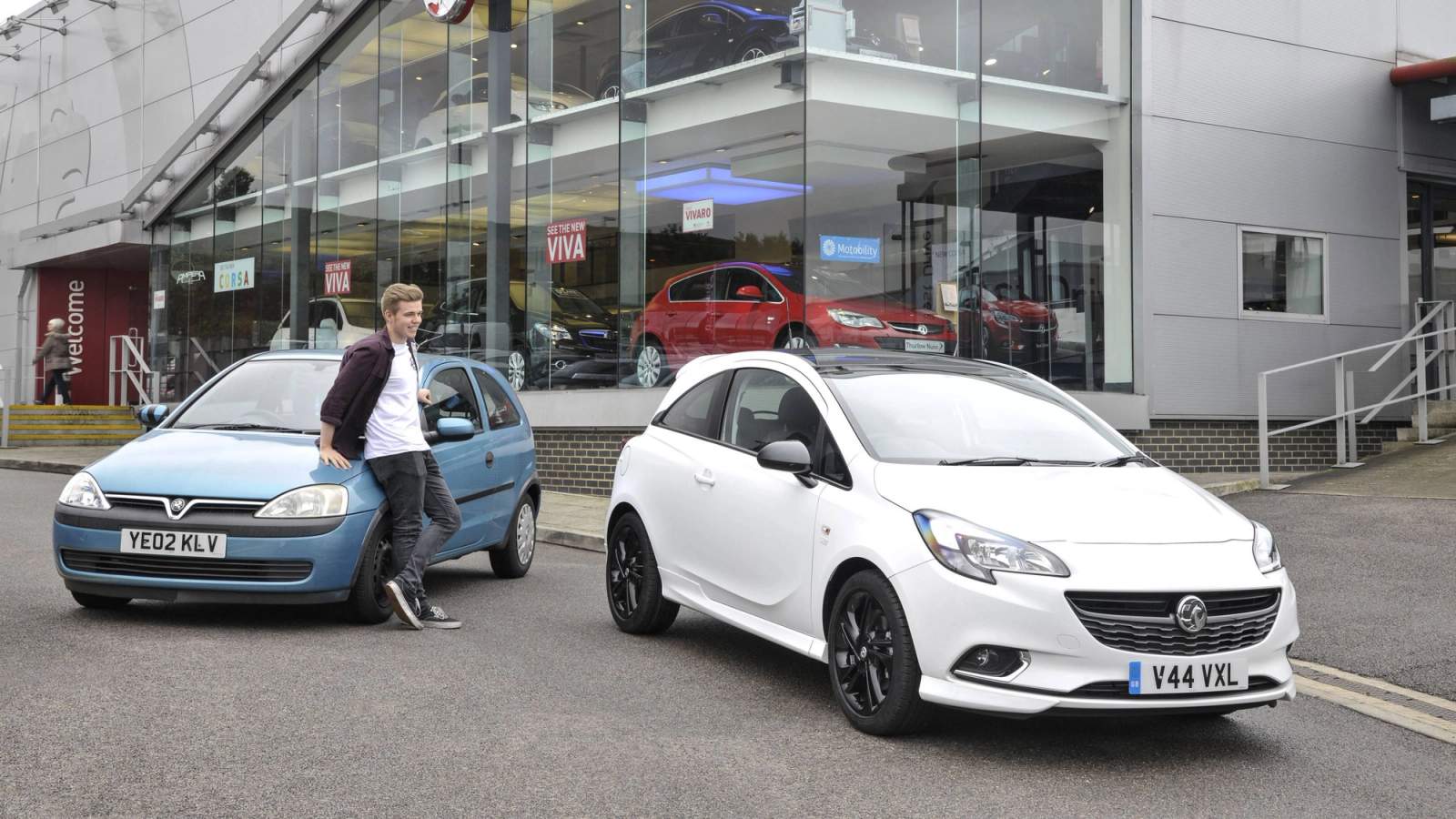
Part exchange, often called trading in, is the simplest way to swap one car for another. You hand your old car to the dealer selling your next one, its value comes off the price, and you drive away without having to advertise, field calls from strangers or haggle on your driveway.
That convenience comes at a cost, because a dealer will almost always offer less than you'd get selling privately. Here's how the process works, why the offer is what it is, and how to get the best deal, even if you still owe money on your current car.
How does part exchange work?
Most part exchange deals start with a valuation. Many dealers will give you an initial figure online or over the phone based on your car's registration, mileage and condition, and it pays to know roughly what it's worth before you speak to anyone. You can get a free online valuation in 30 seconds.
Because that first figure relies on what you've told them remotely, the dealer will want to inspect the car. Expect them to check the bodywork, wheels, tyres, interior and service history, and run a vehicle check to confirm it isn't stolen, written off or carrying outstanding finance.
If the car matches your description, the figure should stand. If they find something you didn't mention, such as a dashboard warning light or a gap in the service history, expect the offer to drop. Once you've agreed the final figure, it's deducted from the price of your next car and should be shown clearly on the invoice. You hand over the V5C logbook, the keys and the service book, the dealer can tell the DVLA the car has gone into the motor trade, and any full months of vehicle tax left are refunded to you.
How do dealers calculate a part exchange offer?
A dealer starts with the figure your car would sell for on their forecourt, or fetch at auction if it isn't something they'd sell themselves, then works backwards. They take off the cost of preparing it for sale, such as a valet, cosmetic repairs, new tyres or a service, plus a warranty, advertising and the cost of having money tied up in stock. They also allow for the risk it takes a while to sell, and they need to make a small profit.
If your car doesn't suit their stock, it will probably go straight to auction and the offer will reflect that. So an offer that looks low next to similar cars on forecourts isn't necessarily a rip-off. It's simply a trade price rather than a retail one.
Trade-in, private sale and retail value: what's the difference?
Every used car has three values, and mixing them up causes a lot of disappointment. Trade-in value is the lowest, and it's what a dealer will pay you. Retail value is the highest, and it's what a dealer charges once the car has been prepared, checked and covered by a warranty, with the extra legal protection that comes with buying from a business.
Private sale value sits between the two, because private buyers take on more risk and get far less comeback if something goes wrong. So compare a part exchange offer with trade and private values, not with forecourt prices.

Part exchange vs selling privately
Selling privately usually gets you more money, but you will need to work for it. You'll need to clean and photograph the car, write an advert and deal with buyers, some of whom won't turn up or will try to haggle the price down. You'll also have to accompany test drives and make sure payment has cleared before handing over the keys, as fraudsters target sellers too, so read our guide on avoiding car scams first. You'll need to put the sale in writing, as our guide to buyer and seller contracts explains, and tell the DVLA through the GOV.UK sold or transferred vehicle service. Timing can be awkward too, as you may have to sell your car before you buy another.
Part exchange swaps all that for a single transaction. There are no adverts, viewings or payment risk, the dealer handles the paperwork and any finance settlement, and you can collect your next car the same day. For many drivers, the time and hassle saved are worth the difference.
Why the best deal isn't always the highest trade-in figure
This is a key point. A dealer can easily offer more for your old car while holding firm on the price of the one you're buying, or knock money off the new car and quietly trim your trade-in.
Say Dealer A offers £8,000 for your car against a replacement priced at £18,000, so you pay £10,000. Dealer B offers a more tempting £9,000, but on an otherwise identical car priced at £19,500, so you pay £10,500. The bigger trade-in has actually cost you £500 more.
What matters is the cost of changing cars, which is the difference between what you pay for your next car and what you get for your old one. If you're buying on finance, look beyond the monthly payment and compare the deposit, APR and total amount payable. Our car finance guide explains how the main types work.
How to get the best part exchange price
Start by getting a few online valuations, being honest about condition and mileage, so you have a realistic benchmark. It also helps to agree the price of your next car first and then bring up the part exchange, so both figures are clear.
A thorough clean inside and out costs little and makes a car look cared for, as does fixing cheap things such as a blown bulb or worn wiper blades. Don't spend big on bodywork or new tyres just before trading in, though, as you'll rarely get that money back. Have the service history, V5C, spare key and locking wheel nut adapter ready, because missing items give a dealer an easy reason to lower the offer.
Timing helps too. Trading in before an expensive service, MOT or set of tyres falls due means the dealer picks up that cost, and convertibles tend to be in more demand in spring, while 4x4s are popular in autumn and winter. Finally, be upfront about any faults. The dealer will find them anyway, and honesty avoids a last-minute renegotiation.

Can you part exchange a car with outstanding finance?
Yes. With a personal contract purchase (PCP) or hire purchase (HP) agreement, the finance company owns the car until you've paid it off, so the debt must be cleared before it changes hands. Ask your lender for a settlement figure, which is usually valid for a set period, often around 28 days, and the dealer will normally pay your lender directly as part of the deal.
Positive equity
You're in positive equity when your car is worth more than you owe. If your car is valued at £12,000 and your settlement figure is £9,000, the dealer pays off the £9,000 and the remaining £3,000 goes towards your next car, often as a deposit.
Negative equity
If your car is worth £12,000 but you still owe £14,000, you're in negative equity, with a £2,000 shortfall to cover. You can pay it in cash, or some lenders will add it to your new finance agreement. That's convenient, but you'll borrow more, pay interest on a car you no longer own and may start your next agreement in negative equity too.
Negative equity is common early on, as cars lose value fastest when young, so waiting often helps. Once you've paid at least half of the total amount payable on a PCP or HP deal, you also have the legal right to hand the car back and end the agreement, known as voluntary termination, though you may be charged if the car isn't in reasonable condition. Our guide to car finance options is worth reading before you sign up for anything new.
Part exchange FAQs
Can I part exchange my car for a cheaper one?
Yes. Many dealers will pay you the difference if your car is worth more than the one you're buying, though not all are keen, so ask first.
Will a dealer take a car with no MOT, or one that doesn't run?
Many will, but expect a much lower offer, as the dealer has to fix it or send it straight to auction.
Find your next car on Cazoo
Part exchange can be a great deal, as long as you focus on the total cost of changing cars rather than the headline trade-in figure. Check your car's value, then browse thousands of used listings from dealers across the UK, many of whom accept part exchange. Our guide on how to buy a car online explains how to bring it all together.
Information correct as of November 2026. This article is general guidance, not financial advice. Finance terms vary between lenders, so always check your own agreement and ask your lender for an exact settlement figure.