Essential Checks Before A Long Car Journey
From tyre pressures to emergency triangles, here are the 13 checks worth doing before any long car journey, so you can relax and enjoy the drive.
The Cazoo editorial team
Published on 28 August 2026 | 8 mins read

With the right preparation, long car journeys can be something everyone enjoys. Here's our guide to making them as fun and stress-free as possible.
Whether it's to visit relatives, go on holiday or travel for work, a long car journey is something many of us do regularly. As with most things, preparation is the key to making sure everything goes smoothly.
Here are our top pre-journey checks to help you drive more safely, avoid unnecessary breakdowns and make your long trip a little bit easier and a lot more enjoyable. If you'd like to run through checks like these more regularly, our car maintenance tips guide covers the full year-round maintenance checklist too.
1. Tyre pressures
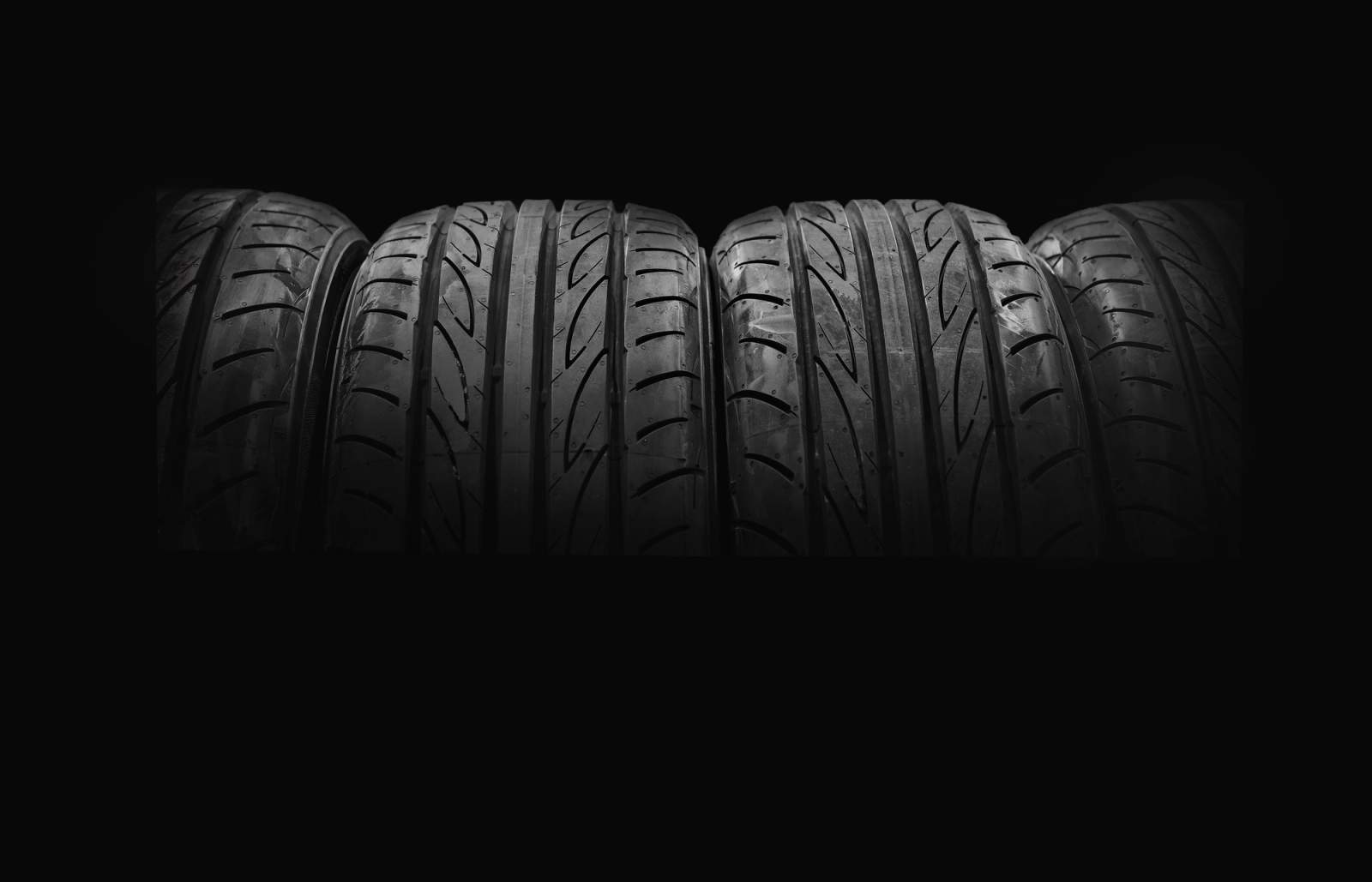
The correct tyre pressures are essential to making sure that your car can brake, grip and steer properly. Even just one over- or under-inflated tyre can have a big impact on how your car drives.
Many modern cars feature a tyre pressure monitoring system that alerts you if the pressure is incorrect. If your car doesn’t have this, use a tyre pressure gauge (these are inexpensive and widely available) to check the level in each tyre before you set off on a long journey. You can find the right tyre pressure for your car in your handbook and usually on a panel just inside the driver’s door. Topping up with more air at your local garage is easy, with most pumps allowing you to set the required pressure first.
2. Windscreen wipers and screenwash
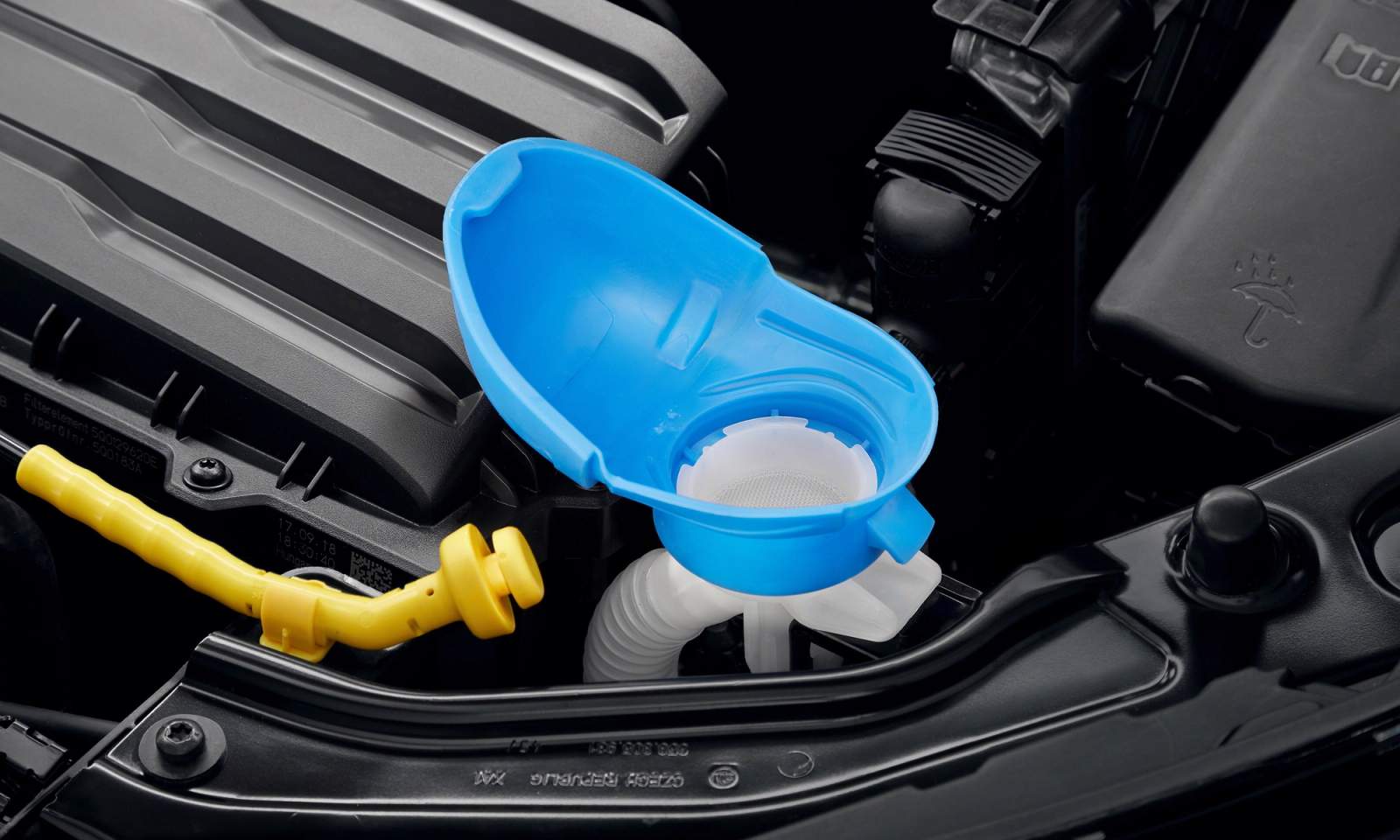
Driving with a dirty or smeared windscreen is frustrating, but it can also be dangerous. Check your windscreen wipers for wear and replace them if needed. Don’t forget to make sure your screenwash is topped up sufficiently so you can keep your windscreen clean throughout your journey. Don’t forget that this can be as much of a problem in summer as in winter because squashed bugs and pollen can make a real mess of your view.
Also, look out for any chips or cracks in your windscreen. If you find one, you should get it fixed as soon as possible. If ignored, small, easily repaired flaws can grow rapidly into big problems.
3. Lights
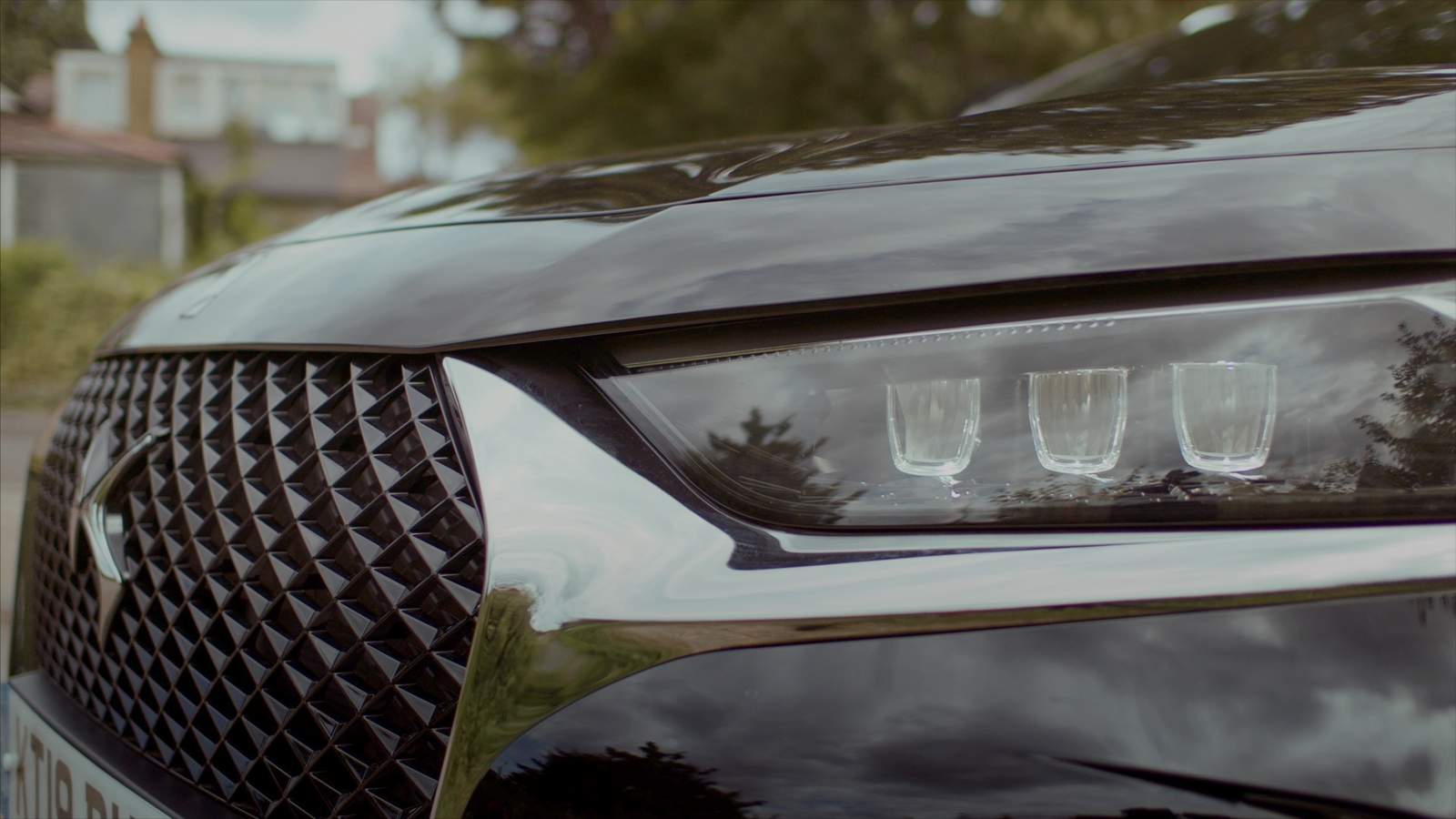
Fully functioning lights are essential for safe travel, not just so you can see clearly but also so that other road users can see you and know your intentions. Before a long journey is a good time to check your headlights, indicators and brake lights.
You’ll need a helper for this since you can’t see any problems from inside your car. Have the helper stand at the front of the car while you turn on each of the lights in succession – main beam headlights, dipped beam and indicators. Then have the helper stand behind the car while you apply the brakes and select reverse gear (with your foot on the clutch if it’s a manual) to check the brake lights and reversing light. You might be able to replace any faulty bulbs yourself but it’s more likely to be a quick, low-cost job at a garage.
4. Air conditioning
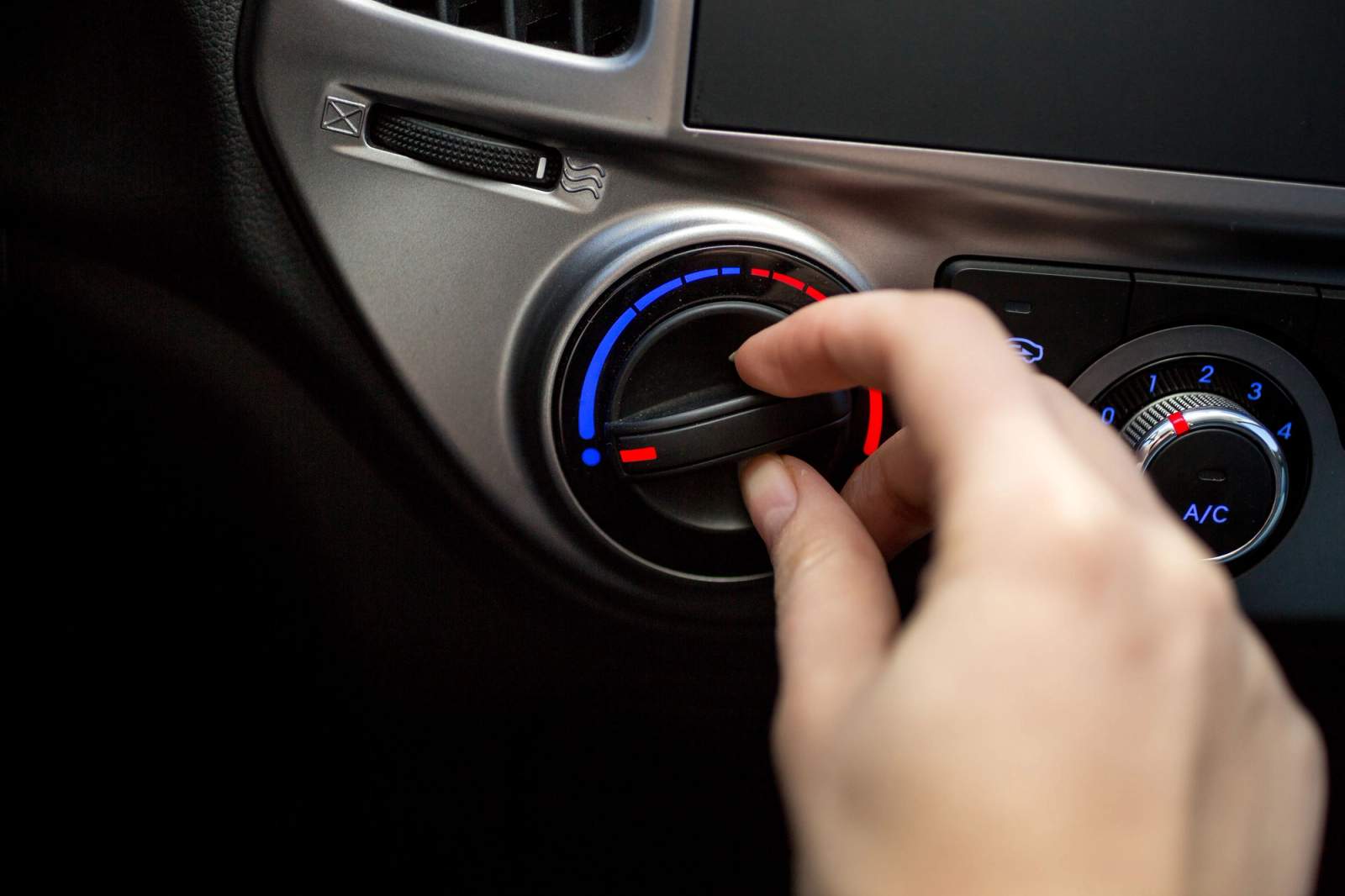
With British summers getting hotter, it’s a great idea to make sure your air con is in tip-top shape before spending hours at a time in the car. The last thing you want is to get stuck in traffic with no way to cool down.
If your air con isn’t blowing as cold as it once did, its refrigerant gas may need to be changed, which is known as ‘regassing’. This isn’t really something you can easily do yourself, so pop along to a garage or a dealer and ask to have the system checked to see whether it needs regassing.
5. Oil level
Oil is absolutely vital in keeping your car’s engine running smoothly. Running low on oil could cause costly damage or leave you stranded – which is the last thing you want when you’re a long way from home.
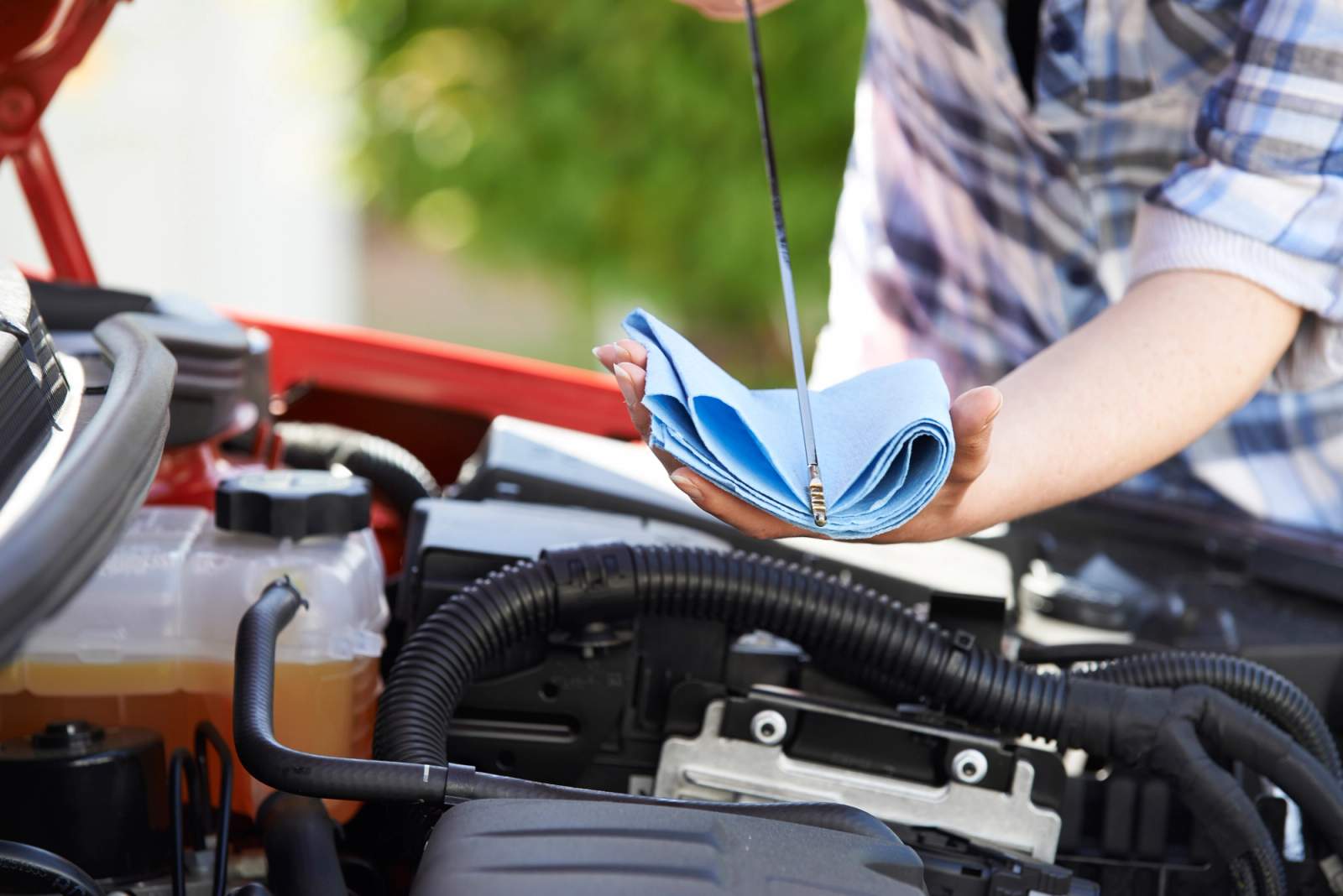
Traditionally, every car came with a dipstick to allow you to check the oil level yourself. Many modern cars no longer have dipsticks and instead, use the car’s computer to monitor the oil level and display it on the dashboard. You should check your car’s handbook to see if this is the case for you. If your car doesn’t automatically alert you when your oil is low, use a dipstick to check that it hasn’t gone below the minimum level and top it up before your drive. Be careful not to put in too much oil, since that’s also not good for the engine.
6. Engine coolant
Coolant keeps your car’s engine healthy by regulating the temperature of the cooling system. Many newer cars have a closed cooling system which means they don’t need topping up.
With older cars, you may need to check the level of coolant yourself and top it up if necessary. You can see the fluid level in a reservoir in the engine bay. If it’s close to, or below, the marker for the minimum level, you’ll need a refill.
7. Brake fluid
While you’re under the bonnet, check the fluid level in your car’s braking system. This fluid is essential for making sure your brakes work, so don’t take any chances with it.
Your car’s manual will tell you where to look in the engine bay. Much like the coolant, you’re looking for a reservoir with markers showing you the lowest recommended level of fluid. If the brake fluid level is below that marker, top it up by unscrewing the lid and adding the recommended type of fluid. Again, your car’s manual will tell you what kind to use.
Make sure you’re parked on a flat surface while checking the level so that the measurement is accurate. Also, check to see if the fluid is clean – if it’s dark, it could be contaminated, which could affect your braking performance. In that case, visit a mechanic to have the fluid changed.
It's also worth knowing that brake fluid absorbs moisture over time, even if the level stays topped up, which gradually lowers its boiling point and can affect braking performance under heavy use. Most manufacturers recommend changing it every two years regardless of level, so it's worth checking your service history if you're not sure when it was last done.
8. Tyre tread depth
Worn tyres can seriously affect your car's handling, braking and safety as a whole. Before a long journey, check that your tyre treads have a minimum depth of 1.6mm across the central three quarters where it hits the road using a measuring gauge. If your tread has worn down to between 1.6mm and 3mm in depth, consider replacing your tyres before your trip.
If you don't have a measuring gauge, you can get a rough idea using a 20p coin instead. Insert the coin into the main grooves at a few points around each tyre; if you can see any part of the coin's outer, milled band, your tread is worn towards or below the legal limit, and it's worth getting checked properly with a gauge.
9. Fuel level
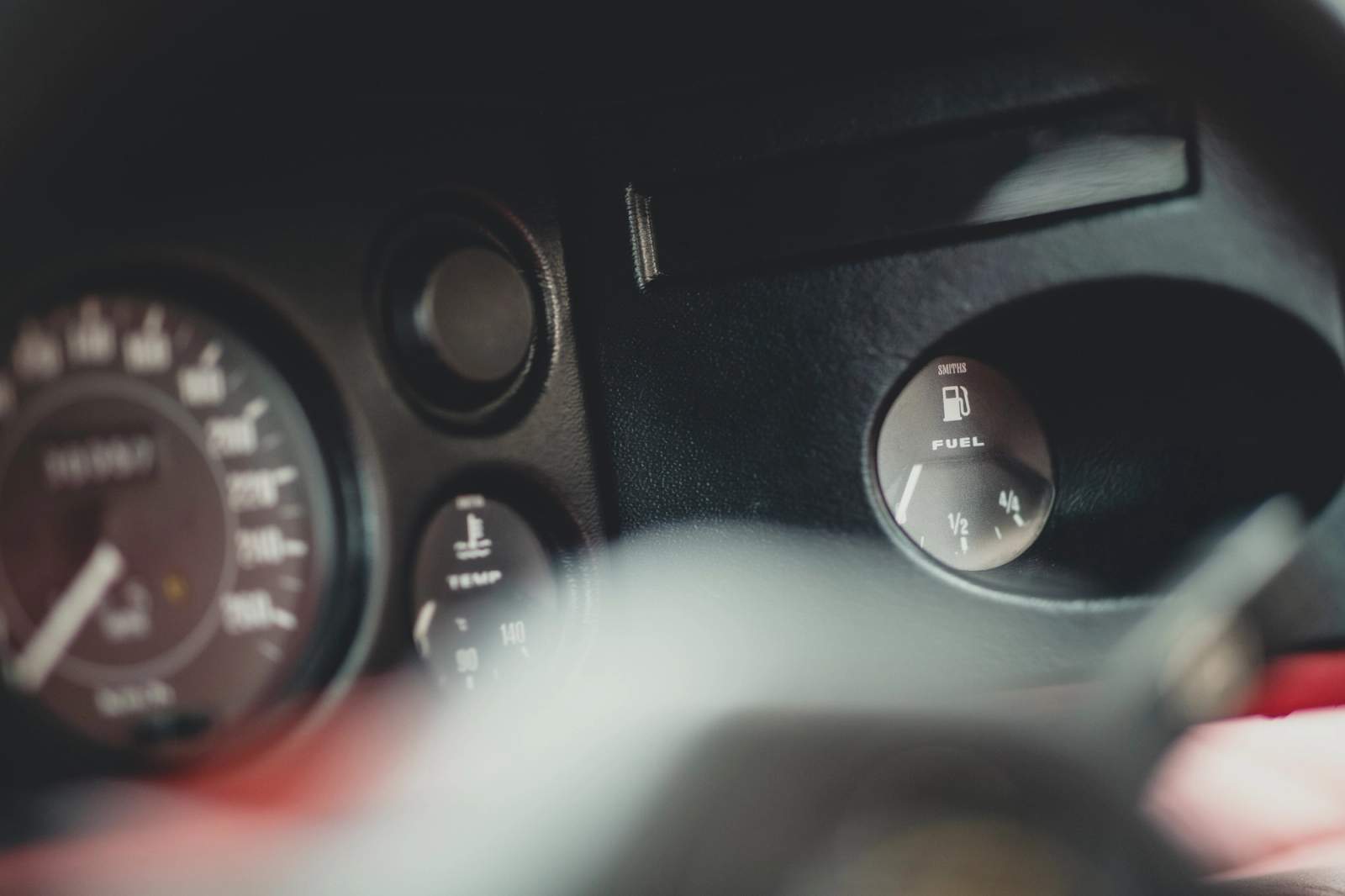
Most people are keen to get on the road and make good progress, but filling up with a tank of fuel at or near the start of your journey could save you time (and reduce stress) later on. Knowing that you've got a full tank gives you peace of mind and could stop you having to drive around an unfamiliar location towards the end of your journey, desperately hunting for a fuel station.
If you have a plug-in hybrid or electric car, make sure it's fully charged before setting off, and it's worth planning your charging stops in advance on a longer trip rather than hoping to find a free charger when you need one. Some cars also let you set a timer to pre-cool or pre-heat the car while it's still charging, which is worth doing since it reduces the amount of battery power you use once you start moving. Our electric car charging guide has more on how public charging works if you're new to EV ownership.
10. Emergency supplies
Pack anything that may be useful in an emergency if you were to break down. A warning triangle and a hi-vis vest are both sensible to keep in the car regardless of where you're driving, and it's always worth keeping some spare clothes and snacks in case you get stuck somewhere for a while.
If you're driving in Europe, check the specific legal requirements for each country you'll pass through, since these vary and change from time to time. In France, for example, you're currently required to carry one warning triangle and one reflective jacket, kept somewhere accessible rather than in the boot, along with a UK sticker on the back of your car unless your number plate already shows the UK identifier with a Union flag. A first-aid kit isn't a legal requirement in France, despite sometimes being reported as one, though it's still sensible to carry one. If you're driving into a French city with a population over 150,000, you'll also need a Crit'Air emissions sticker, which can take several weeks to arrive, so it's worth sorting well before you travel. The RAC's guide to driving in France is a good source to check current requirements before any European trip.
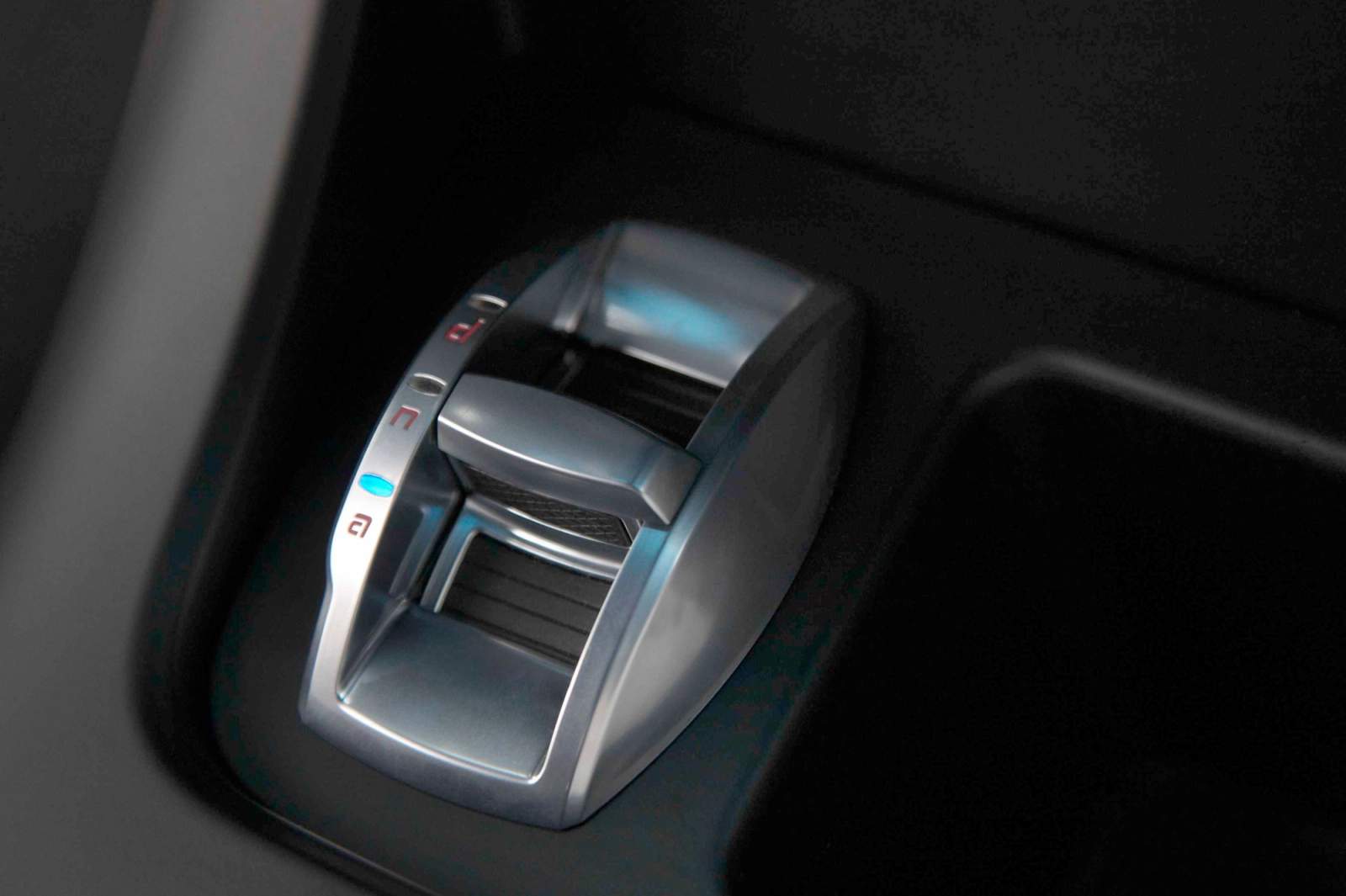
11. Driving mode
Many newer cars offer a range of driving modes that allow you to change settings for the engine, brakes and sometimes even the suspension to suit different needs. For a long journey, you might want to select an ‘eco’ driving mode to help you get more miles from each gallon (or each charge), for example, or a ‘comfort’ mode to make the trip as relaxing as possible.
12. Battery
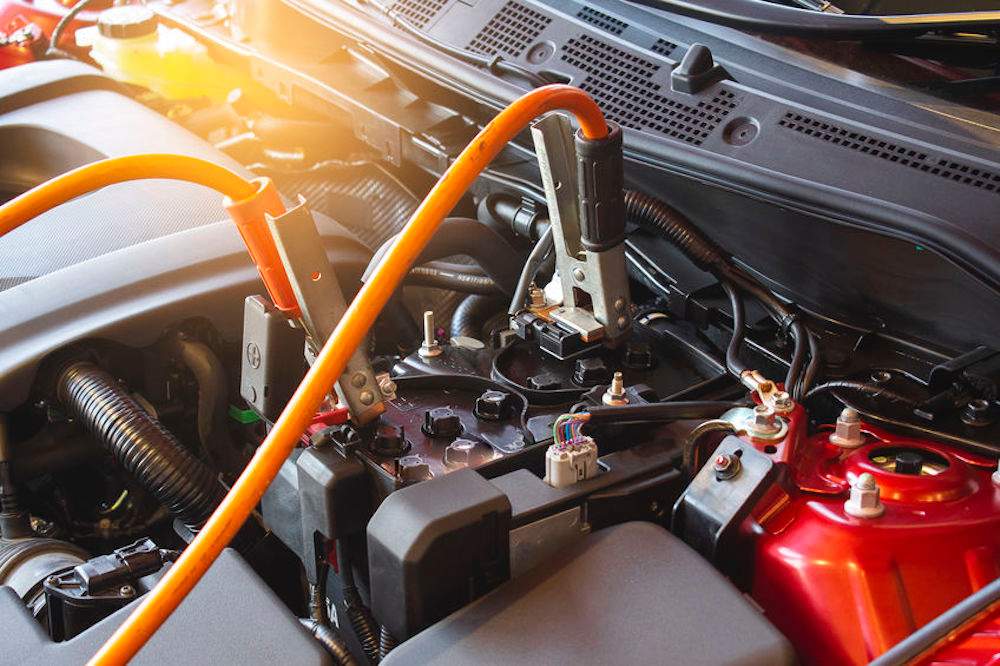
A petrol or diesel car’s battery will degrade over time and will need to be replaced. Usually, this happens every few years, but it’s important to keep an eye on how it’s performing – if it drops below a certain operating level, your car won’t start, leaving you stranded.
Obvious signs of battery issues include your car being slow to start or being reluctant to unlock using the key fob. If either happens, you can easily get the battery checked at a garage or dealer. You can also check its performance using equipment like a multimeter or a dedicated car battery voltage tester. You’ll need to find the battery within the car and attach the equipment to the battery terminals.
As with all electrical systems, if you’re not confident doing this, it’s probably better to leave it to a professional, who’ll be able to tell you whether you need to replace your battery.
13. Have your car serviced regularly
The best way to make sure your car is ready for a long journey is by having it regularly serviced. That way you know you’ve done everything you can to keep it running efficiently and safely. Many cars will remind you with a message on the dashboard when a service is due. If in doubt, check your car’s handbook or service record to see when its next check-up is due.
If your trip is likely to involve wintry weather, it's also worth reading our winter driving tips guide for a few extra precautions on top of the checks above.
FAQs
How long before a long journey should I check my car?
A few days beforehand is ideal, so you have time to get anything sorted at a garage if you find a problem, rather than discovering an issue the morning you're due to leave.
What's legally required to drive in Europe?
Requirements vary by country and change over time, so it's worth checking the specific rules for each country you'll pass through before you travel. In France, for example, you currently need a warning triangle, a reflective jacket and, for some cities, a Crit'Air sticker.
Is it worth getting a car serviced just before a long trip?
If a service is close to due anyway, it makes sense to bring it forward so everything is checked professionally. If your car was serviced recently and is running well, the checks in this guide should be enough to cover you.
An easier way to find or sell a car
You'll find lots of used cars for sale on Cazoo, all available to buy through our trusted independent dealers. Browse our full range in our listings to find your next car before your next big trip.
Cazoo makes selling a car just as easy — just enter a few details for an instant online valuation. If you accept the offer, our partners will get in touch to arrange payment and collection of your car at a time that suits you. You can get started with a free valuation whenever you're ready.