The Biggest Car Buying Scams and How to Spot Them
The most common car scams include clocking (tampering with mileage), misrepresented write-offs, cloned vehicles, and fake private sellers posing as dealers. Spotting them requires a vehicle history check, a physical inspection, and knowing the red flags before you hand over a penny.

Charlie Harvey
Published on 20 August 2026 | 7 mins read
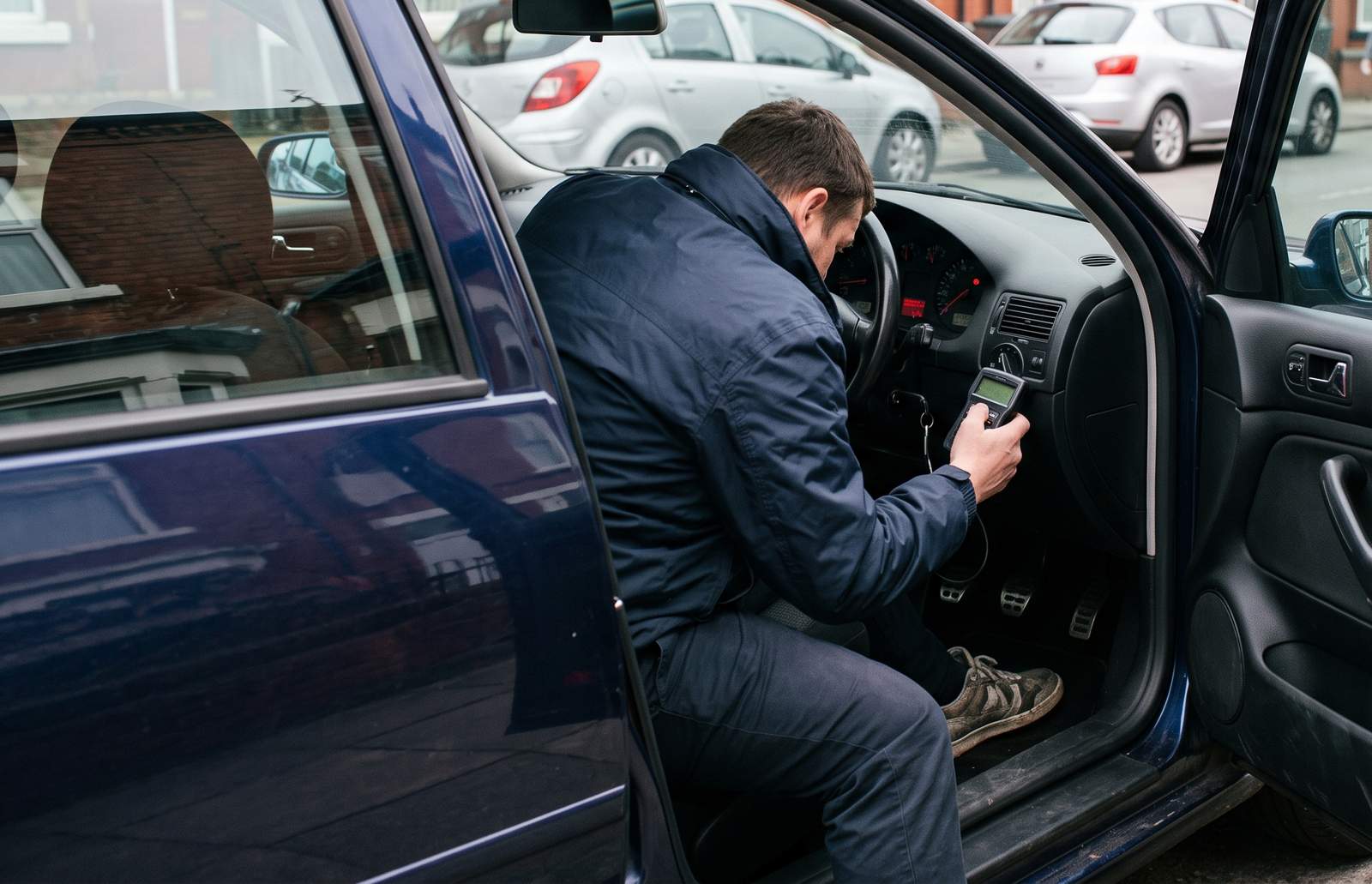
Buying a car should feel exciting. But for thousands of buyers every year, that excitement turns into a headache or worse: a significant financial loss, because someone, somewhere, wasn't being honest.
Car fraud is more common than most people realise. According to the AA, vehicle mileage fraud alone costs UK buyers an estimated £800 million per year. That's a staggering figure, and it doesn't even account for the full range of scams circulating on forecourts and private listings alike.
The good news? Most scams leave a trail. Once you know what to look for, they're surprisingly easy to spot. This guide walks you through the most common car buying and selling scams and gives you the practical tools to protect yourself.
What is "Clocking" and How Can You Tell if a Car's Mileage Has Been Tampered With?
Clocking is one of the oldest tricks in the book. It involves winding back a car's odometer to make it appear lower-mileage than it actually is. A car with 30,000 miles on the clock feels very different to one with 130,000 and it commands a very different price.
Digital odometers have made clocking slightly harder, but not impossible. Unscrupulous sellers use specialist equipment to roll back digital displays just as easily as the old mechanical ones.
How to spot it:
- Check the service history. Stamps should show increasing mileage at each interval. If the numbers jump around or don't add up, that's a red flag.
- Look at the wear on the steering wheel, pedals, and seat bolsters. High mileage leaves physical evidence that the odometer can't hide.
- Run a vehicle history check through a service like HPI or the DVLA's free MOT history tool. Past MOT records include mileage readings, and inconsistencies are easy to spot.
What Are "Cat S" and "Cat N" Cars and Should You Buy One?
After a significant accident, an insurer may write off a vehicle. In the UK, written-off cars are categorised by the severity of the damage:
- Category A & B: Should never return to the road.
- Category S (structural): Repairable, but with structural damage.
- Category N (non-structural): Repairable, with cosmetic or mechanical damage only.
The scam? Some sellers repair and resell Cat S or Cat N vehicles without fully disclosing their history, or they present repairs as more thorough than they actually were. A car that looks perfect on the outside can still have hidden structural issues that make it dangerous.
How to spot it:
- Always run an HPI check before buying. It will flag any write-off history. If you haven’t run an HPI check, take a look at the up-to-date V5C document, because the first page should say whether the car has ever been written off.
- Look for inconsistencies in panel gaps, mismatched paint, or fresh underseal that might indicate repairs.
- If a price seems unusually low for a car in otherwise good condition, ask why and be sceptical of vague answers.
How Does the "Fake Private Seller" Scam Work?
Scroll through any classified ad site and you'll find listings from people selling their car privately. Most are genuine. Some aren't.
A growing number of rogue dealers pose as private sellers to avoid the consumer protections that apply to trade sales; protections like the right to reject a faulty vehicle within 30 days. They'll use a residential address, write the ad in first-person, and claim the car is their own. It isn't.
How to spot it:
- Check whether the same phone number appears across multiple listings on different platforms. Multiple cars listed from the same seller is a significant warning sign.
- Ask direct questions: "Is this your personal vehicle?" Misrepresenting yourself as a private seller is illegal.
- Trust your instincts. If a seller seems vague about the car's history, or avoids questions about where it's been serviced, something's likely off.
What is a "Cloned" Car and How Do You Avoid Buying One?
Vehicle cloning involves stealing a car's identity. A fraudster takes a legitimate vehicle's registration plates and applies them to a stolen car of the same make, model, and colour. The cloned car is then sold, often at a price low enough to attract quick interest, but not so low that it raises obvious alarm bells.
The buyer pays, drives away, and later discovers the car is stolen. At that point, it gets seized by the police. The money is gone.
How to spot it:
- Run an HPI check and compare the VIN (Vehicle Identification Number) on the car with the one recorded on the V5C logbook. They should match exactly.
- Check the VIN plates. These are usually found on the dashboard and door frame, but it depends on the model. Signs of tampering or damage are a serious warning sign.
- Be wary of any private sale where the seller is pushing for a quick handover or refuses to let you inspect the car thoroughly.
What is the "Too Good to Be True" Online Deposit Scam?
This one has surged in recent years, particularly since more car buying moved online. A listing appears, usually at a tempting price, and the seller asks for a deposit to "hold" the vehicle. Once the money is transferred, the seller disappears, along with the car (which often never existed at all).
How to spot it:
- Never transfer money to a private seller before physically inspecting the car and verifying it exists.
- Avoid sellers who push for bank transfers over safer payment methods.
- If a seller claims they can't meet in person (often with a compelling story about being abroad or working away), treat the listing with extreme caution.
- Use platforms that offer buyer protection or escrow services wherever possible.
General Red Flags to Watch Out For When Buying Any Car
Beyond the specific scams above, a few universal warning signs should give any buyer pause:
- No V5C logbook: A seller without a logbook might be hiding something. Always insist on seeing the original document.
- Pressure to buy quickly: Urgency is a sales tactic. Legitimate sellers don't mind giving you time to think.
- Cash only requests: Not always a scam, but worth noting. Cash is untraceable, which suits dishonest sellers.
- Unwillingness to allow an independent inspection: A seller with nothing to hide won't object to a mechanic taking a look.
How to Protect Yourself Before You Buy
A little preparation goes a long way. Before committing to any used car purchase:
- Run a vehicle history check (HPI, Experian AutoCheck, or the DVLA's free MOT history tool).
- Inspect the car in daylight – artificial light hides a lot.
- Take it for a proper test drive – not just around the block.
- Ask for a full service history and follow up with the garages listed if anything seems off.
- Consider a pre-purchase inspection from the AA or RAC for added peace of mind.
Your Best Defence Is Knowing What to Look For
Car scams rely on buyers being rushed, uninformed, or just a little too trusting. The majority of used car sellers are perfectly honest, but the minority who aren't can cause real damage.
Armed with the right knowledge and a bit of patience, you're far better placed to spot the warning signs, ask the right questions, and walk away when something doesn't feel right. And sometimes, walking away is the best decision you can make.
Browse verified listings on our platform today, where transparency isn't an afterthought, it's the whole point.
Frequently Asked Questions
What is the most common car buying scam in the UK?
Mileage fraud (clocking) is one of the most prevalent, costing UK buyers an estimated £800 million per year according to the AA. Vehicle cloning and fake private seller scams are also increasingly common.
How do I check if a car has been clocked?
Use the DVLA's free MOT history tool to cross-reference mileage readings from past MOT tests. You can also compare physical wear on the pedals, seat, and steering wheel against the displayed mileage.
Is it safe to buy a Category S or Category N car?
It can be, provided repairs have been carried out properly and the history is fully disclosed. Always run an HPI check, get an independent inspection, and factor the write-off status into the price.
What should I do if I think I've been scammed when buying a car?
Report it to Action Fraud (the UK's national fraud reporting centre) and contact your bank immediately if money has been transferred. If you bought from a dealer, you may also have recourse through the Consumer Rights Act 2015.
How do I verify a car's identity before buying?
Check that the VIN on the car matches the V5C logbook exactly. Look for signs of plate or VIN tampering, and run a history check through a reputable provider like HPI or Experian AutoCheck.