Big wheels, bigger bills: the expensive secret hiding in your used car’s alloys
Larger alloys can make a used car look far more tempting, but they can also bring pricier tyres, a firmer ride and more pothole worries. Here’s what to weigh up before you buy.

Michael Golson
Published on 12 November 2026 | 5 mins read
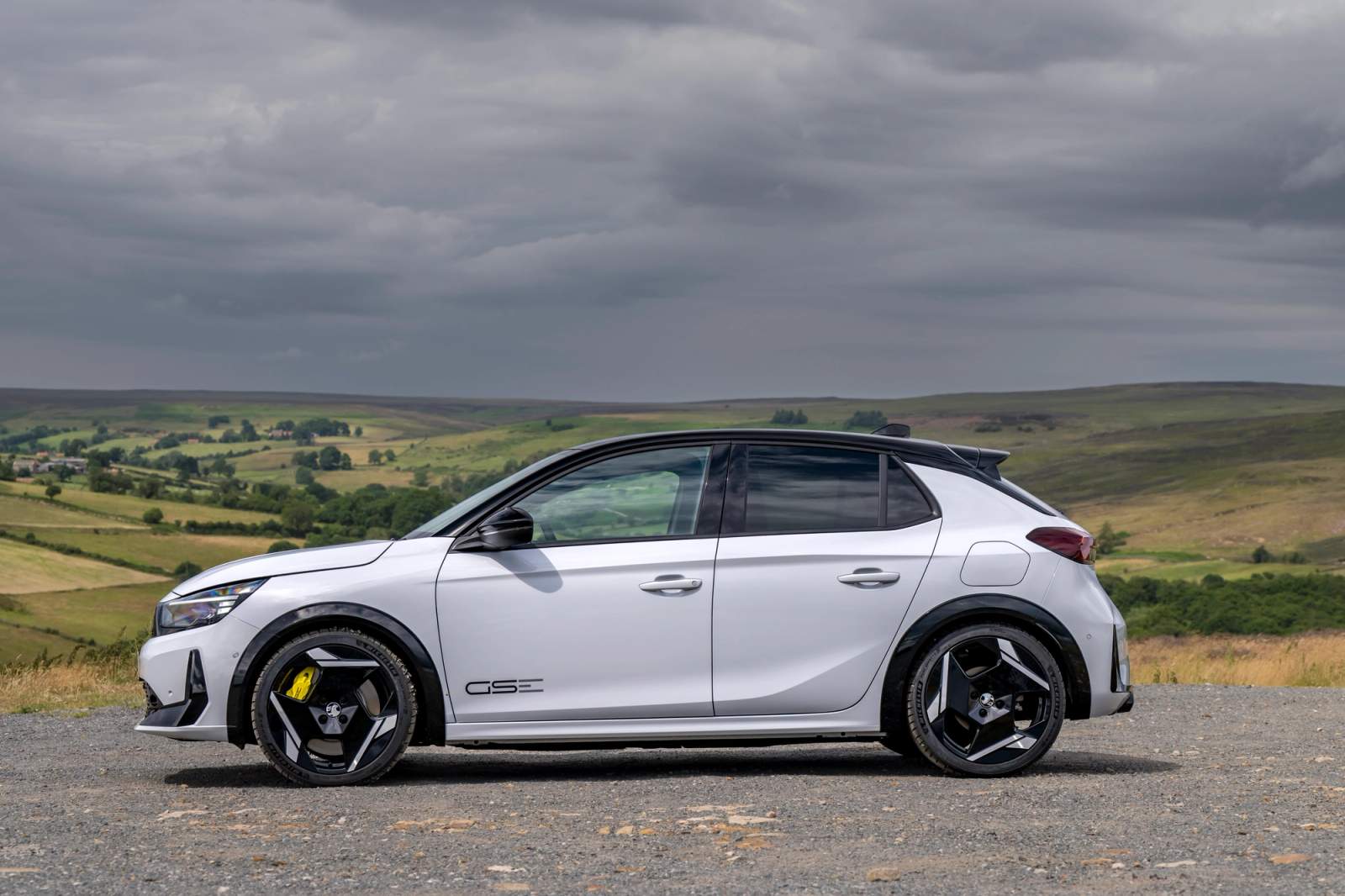
There’s something about a car sitting on a massive set of alloys that makes it instantly more cool.
An ordinary family hatchback suddenly looks sporty, a sensible SUV becomes a little more imposing and a used car that might otherwise have escaped your attention starts looking like something you might consider buying.
Manufacturers know this of course, and it’s why larger alloys are frequently included on higher-spec models and styling packages.
But what looks brilliant on the forecourt or in photos doesn’t always feel quite so brilliant when it’s time to replace four tyres.
Before you fall in love with those shiny 19-inch wheels, here’s what you might be letting yourself in for.
When did ordinary cars get such enormous wheels?
There was a time when 15- and 16-inch wheels were perfectly normal on family cars.
But today, 18- and 19-inch alloys are common across plenty of mainstream models, while some SUVs and performance cars wear wheels measuring 20 inches or more.
There’s a reason for this, as larger wheels can fill the arches more convincingly, complement sporty styling and make an otherwise ordinary car look considerably more plush.
They can also influence handling - particularly when combined with wider tyres and a lower-profile design.
But there’s a trade-off hiding in plain sight - and it starts with the tyres.
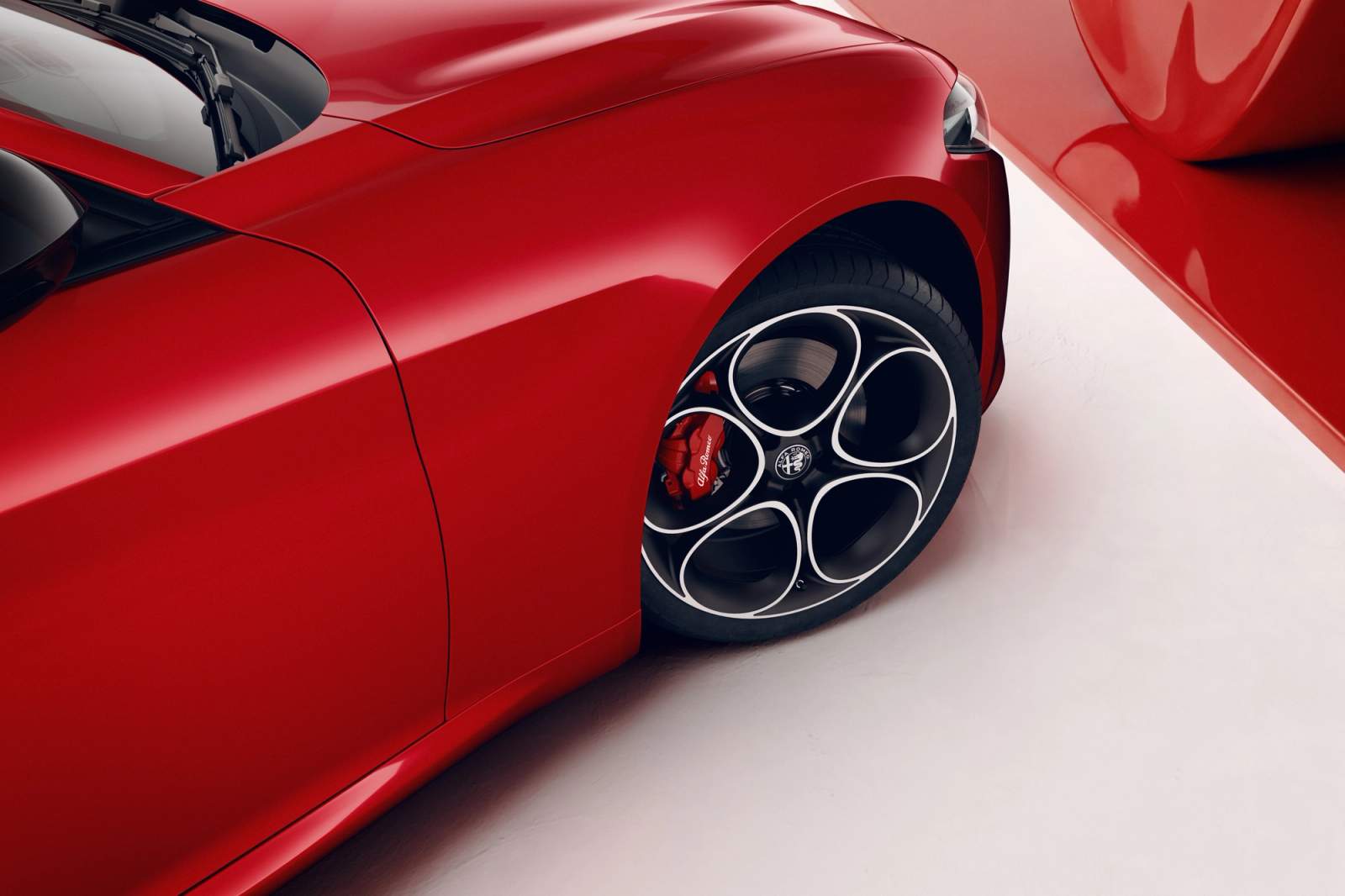
Bigger wheels can mean more expensive tyres
Imagine you’re choosing between two versions of the same used family car.
One has relatively modest 16-inch wheels, while the other comes with beautiful 18-inch alloys.
Both cars are similarly priced… but the sportier one looks considerably more tempting.
Now imagine that six months later, you need to replace the tyres. Larger wheels frequently use wider, lower-profile tyres, and certain sizes can be noticeably more expensive to replace.
The price difference depends on the exact tyre dimensions, brand, performance rating and availability, so a larger wheel doesn’t automatically mean a bigger bill.
Nevertheless, it’s worth checking before buying.
The simplest way to investigate is to look at the tyre-size markings on each car and compare prices for the same tyre brand and range.
That gives you a realistic idea of the difference rather than relying on assumptions.
Remember, too, that this isn’t necessarily a one-off expense. Tyres are consumable parts, so the difference could matter throughout your ownership.
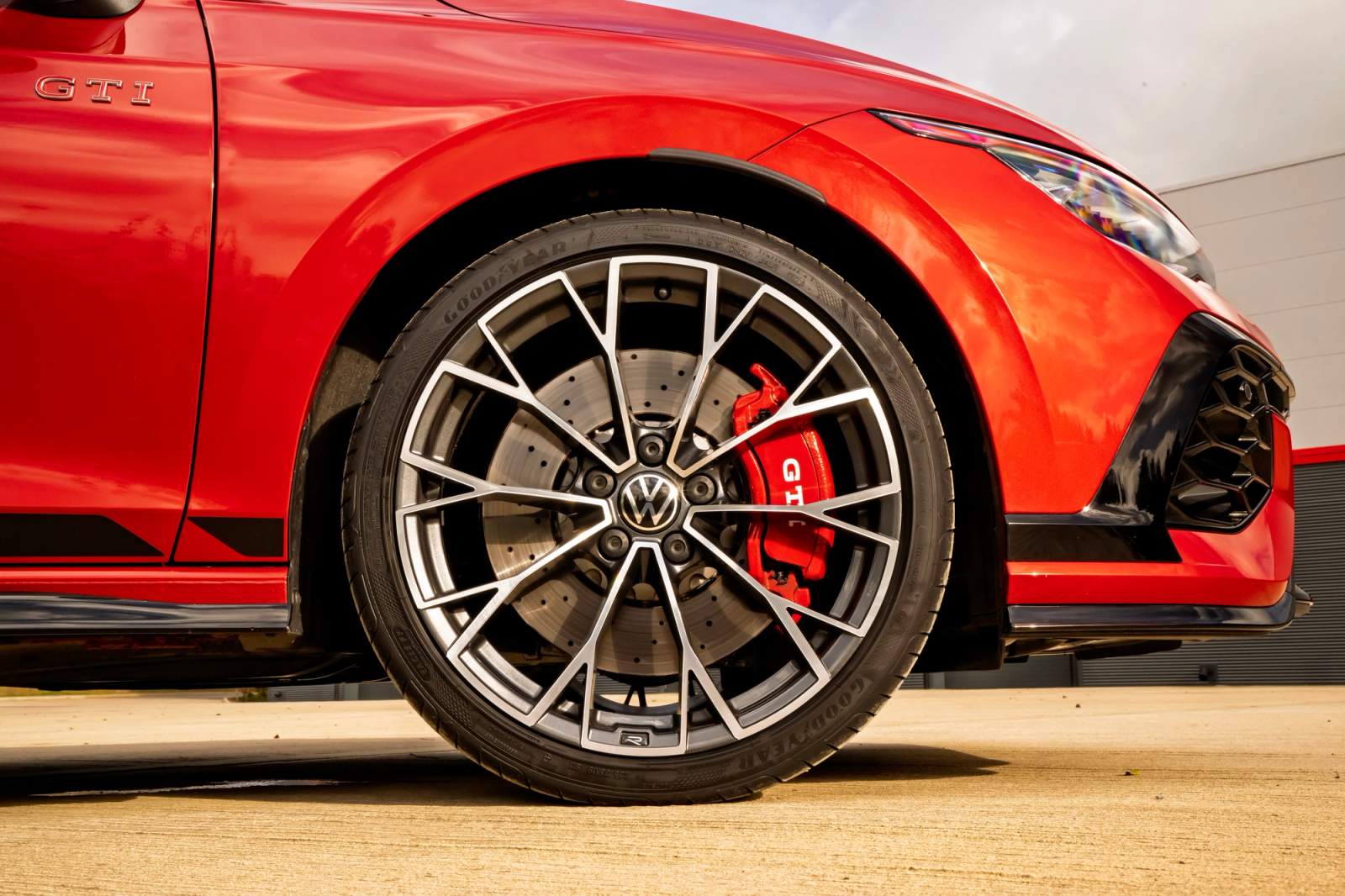
Low-profile tyres - great looks but less cushioning
Here’s where the problem extends beyond price.
When a manufacturer fits larger wheels to a car, the tyres often have shorter sidewalls to keep the overall rolling diameter within the intended range.
That sidewall is the section of rubber between the wheel rim and the road. It doesn’t just look after the air inside the tyre. It also flexes to help absorb imperfections in the road surface.
Reduce the amount of sidewall and there’s generally less cushioning available and the result can be a noticeably firmer ride, particularly over potholes, broken tarmac and speed bumps.
Of course, tyre design, pressure and suspension tuning all influence comfort, so wheel size isn’t the only consideration.
A well-engineered car with 18-inch wheels might still ride more comfortably than a poorly set-up car with smaller ones.
But if comfort matters to you, it’s worth driving the exact specification you’re considering.
Those gorgeous alloys won’t seem quite so gorgeous if every pothole sends a thump through your seat.
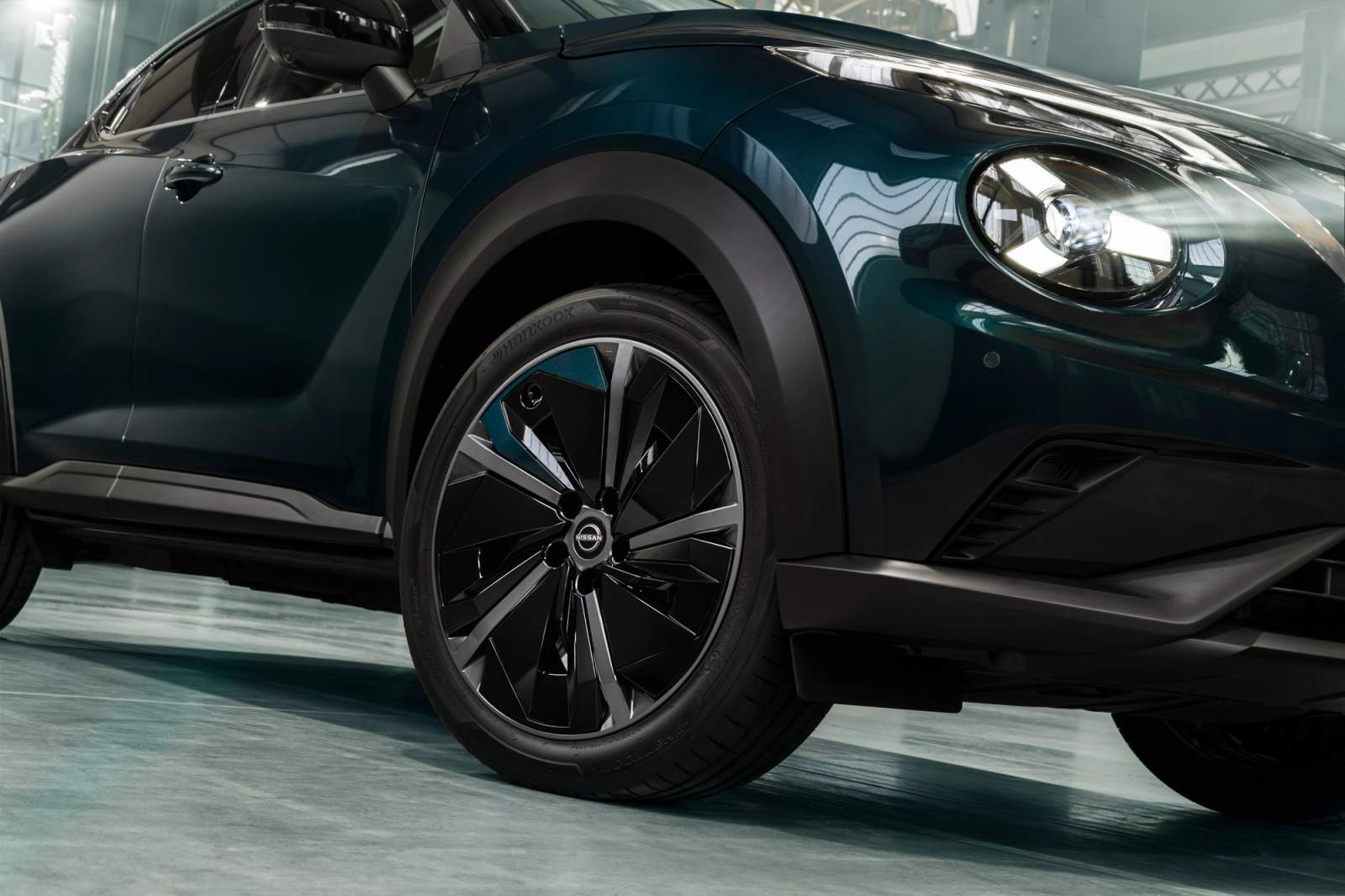
The pothole problem
Britain’s roads aren’t exactly famous for their flawless surfaces and while potholes can damage almost any wheel and tyre combination, low-profile tyres have less sidewall available to absorb an impact.
A particularly nasty encounter can result in damaged tyres, buckled or cracked wheels, or problems with the suspension and wheel alignment.
That’s potentially frustrating on any car but it’s especially annoying when you’ve bought a motor with large, expensive alloys.
Some wheels can be repaired professionally, depending on the nature and location of the damage. Others may need replacing altogether.
And a damaged tyre sidewall shouldn’t be dismissed as a cosmetic problem.
If you spot a bulge, cut or other suspicious damage, have it inspected by a tyre specialist before driving further.

Could smaller wheels actually make your car better?
In some circumstances, absolutely.
A car fitted with smaller wheels and taller tyre sidewalls may offer a more comfortable ride, cheaper replacement tyres and a little more protection against minor road impacts.
That makes smaller wheels worth considering if you regularly drive on poor roads or simply want to keep ownership costs under control.
Larger wheels aren’t without advantages, though.
Depending on the car and tyre combination, they can contribute to sharper steering responses and improved handling. And there’s no denying that plenty of cars look better with them.
It’s also worth noting that different trim levels can have different suspension settings, so you can’t attribute every change in ride quality to the wheels alone.
The best choice depends on how you use your car.
If you spend most of your time negotiating potholes, speed bumps and urban roads, comfort might matter more than appearance.
If you’re buying something sporty and enjoy a more responsive driving experience, you might be perfectly happy with the compromise.
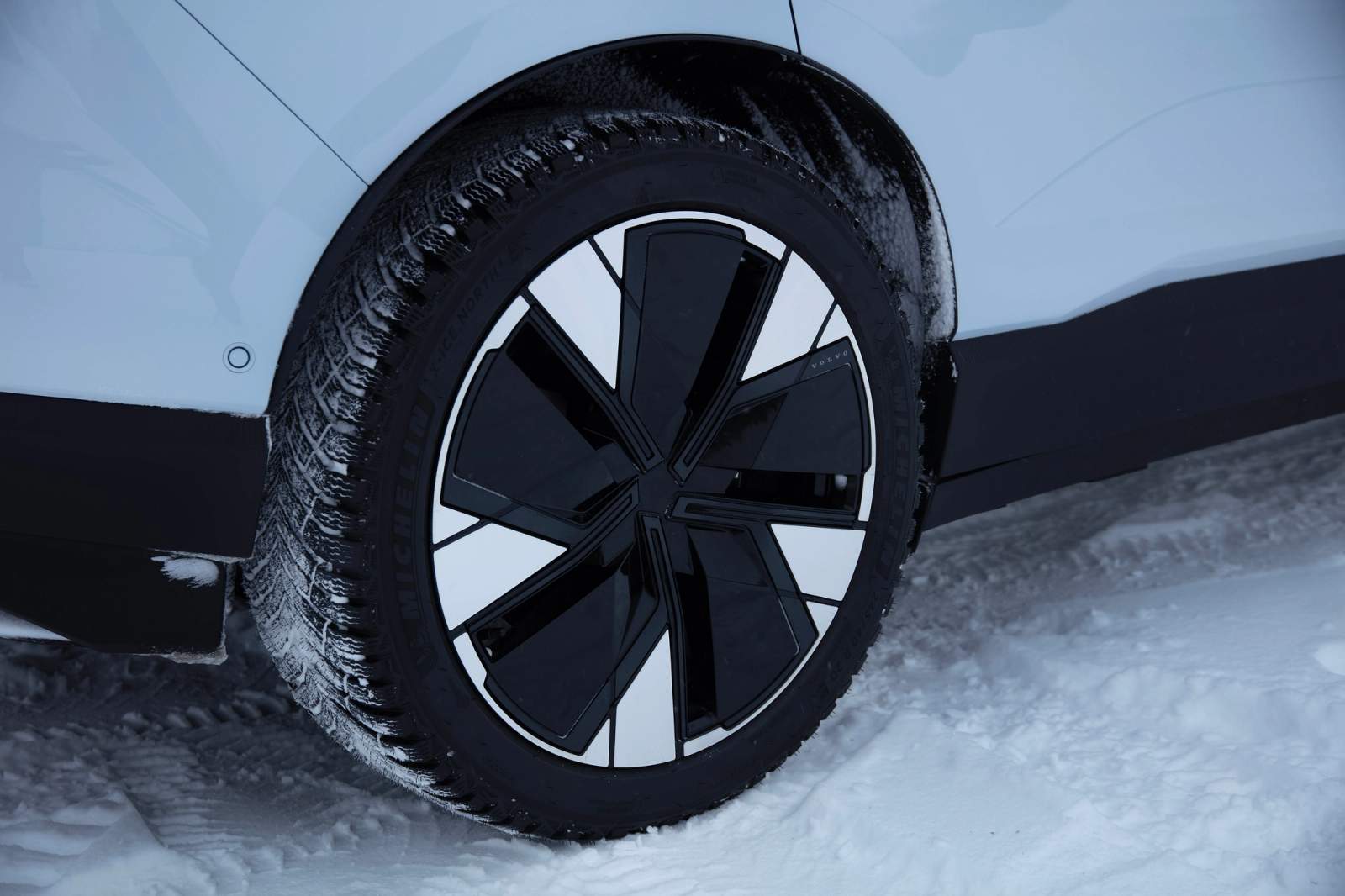
What should you check when buying a used car with large alloys?
First, inspect the wheels themselves.
Kerb marks and scuffs are common, but pay particular attention to anything that looks like cracking, bending or previous poor-quality repairs.
Check the tyres carefully too.
Look for uneven wear, cuts, bulges and damage around the sidewalls. Uneven wear can sometimes suggest alignment or suspension problems.
It’s worth checking that the tyres are the correct size and specification for the vehicle, and that they’re appropriately matched.
If the car has aftermarket wheels, make sure the sizes are approved for the vehicle and that there are no clearance or safety concerns.
During a test drive, listen for unusual noises and pay attention to vibration through the steering wheel.
Most importantly, don’t forget the simplest check of all: find out how much replacement tyres cost.
A five-minute search could tell you more about future ownership expenses than another ten minutes admiring the wheels.
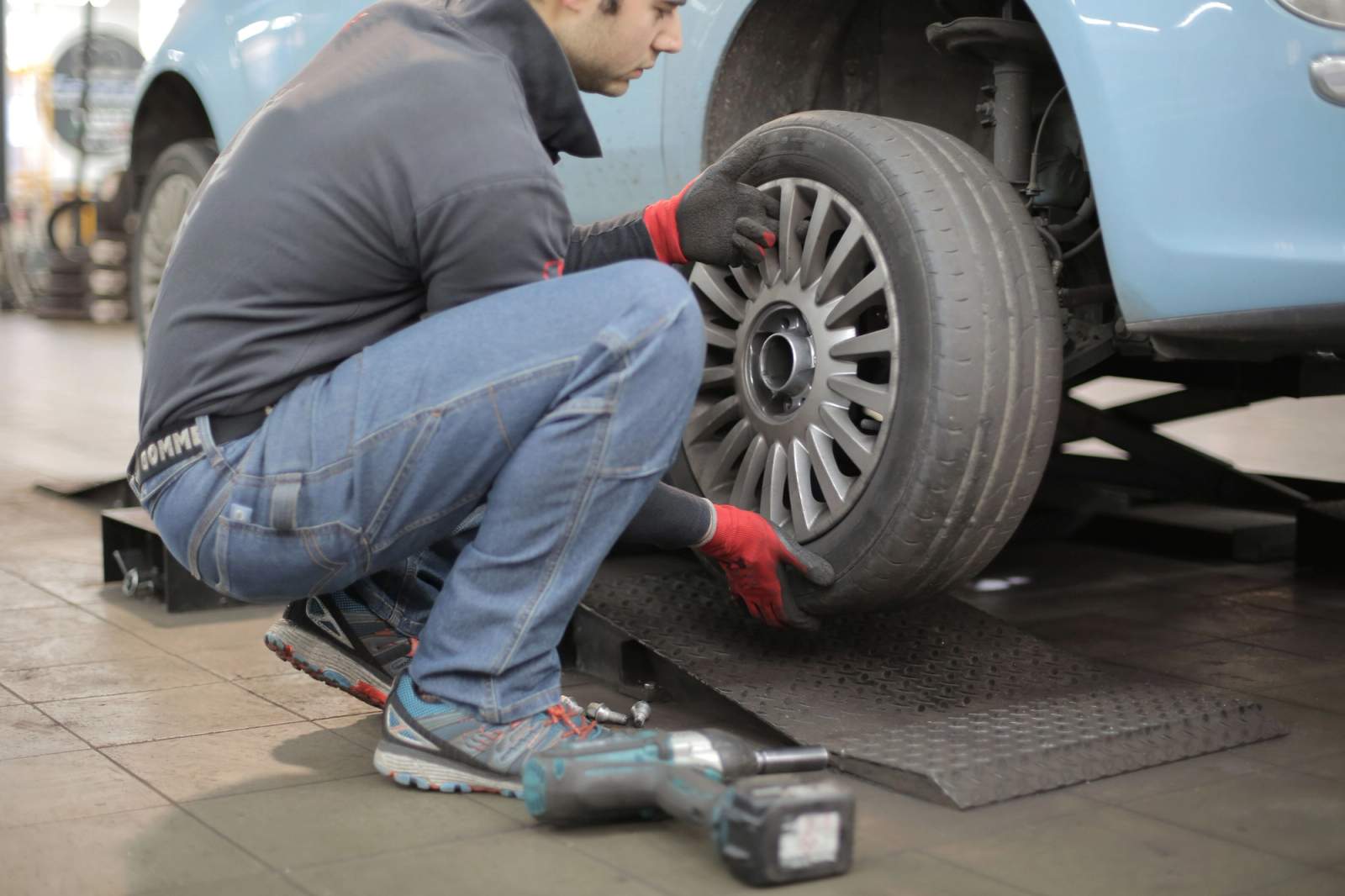
Should you avoid large alloy wheels?
Not at all.
There’s absolutely nothing wrong with choosing a car because it looks fantastic.
Cars are supposed to make us happy, and sometimes a particularly good set of alloys is part of the appeal.
But it’s worth understanding the compromises before committing.
Two otherwise similar used cars can offer different levels of comfort and potentially different running costs simply because of their wheel and tyre specifications.
So don’t assume the biggest wheels are automatically the best.
Sometimes the slightly less glamorous version is actually the one you’ll enjoy living with more.
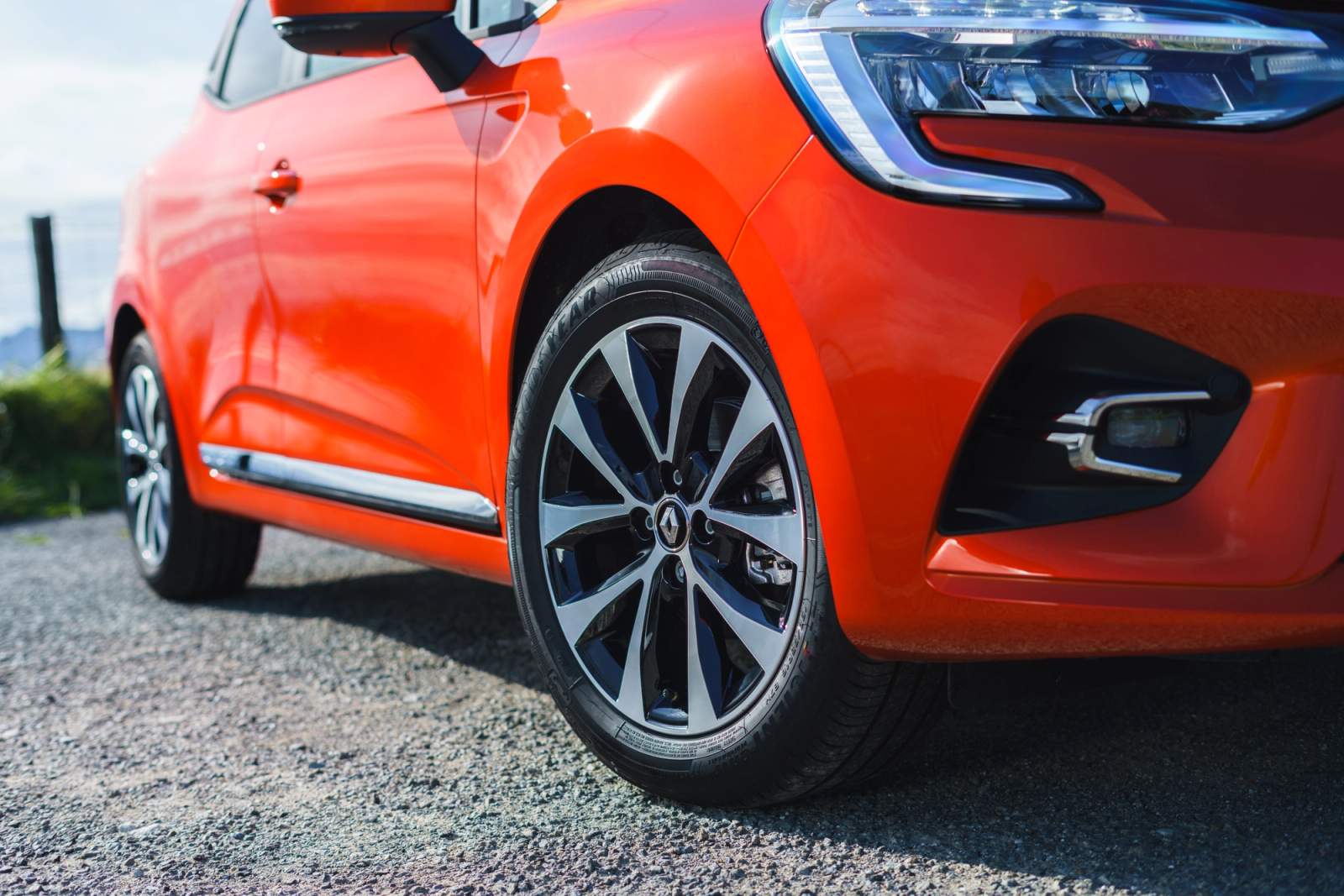
Looking for your next used car? Browse the models available on Cazoo, compare their specifications and remember to give those alloys a second look.