EV drivers: here's what the new pay-per-mile tax means for you
TL;DR: From April 2025, electric vehicles in the UK pay standard Vehicle Excise Duty (VED) for the first time. From April 2028, a new mileage-based charge, known as eVED, will add 3p per mile for battery electric vehicles and hydrogen fuel cell vehicles, and 1.5p per mile for plug-in hybrids. The government published its consultation response in July 2026, confirming these plans.

Charlie Harvey
Published on 27 July 2026 | 9 mins read
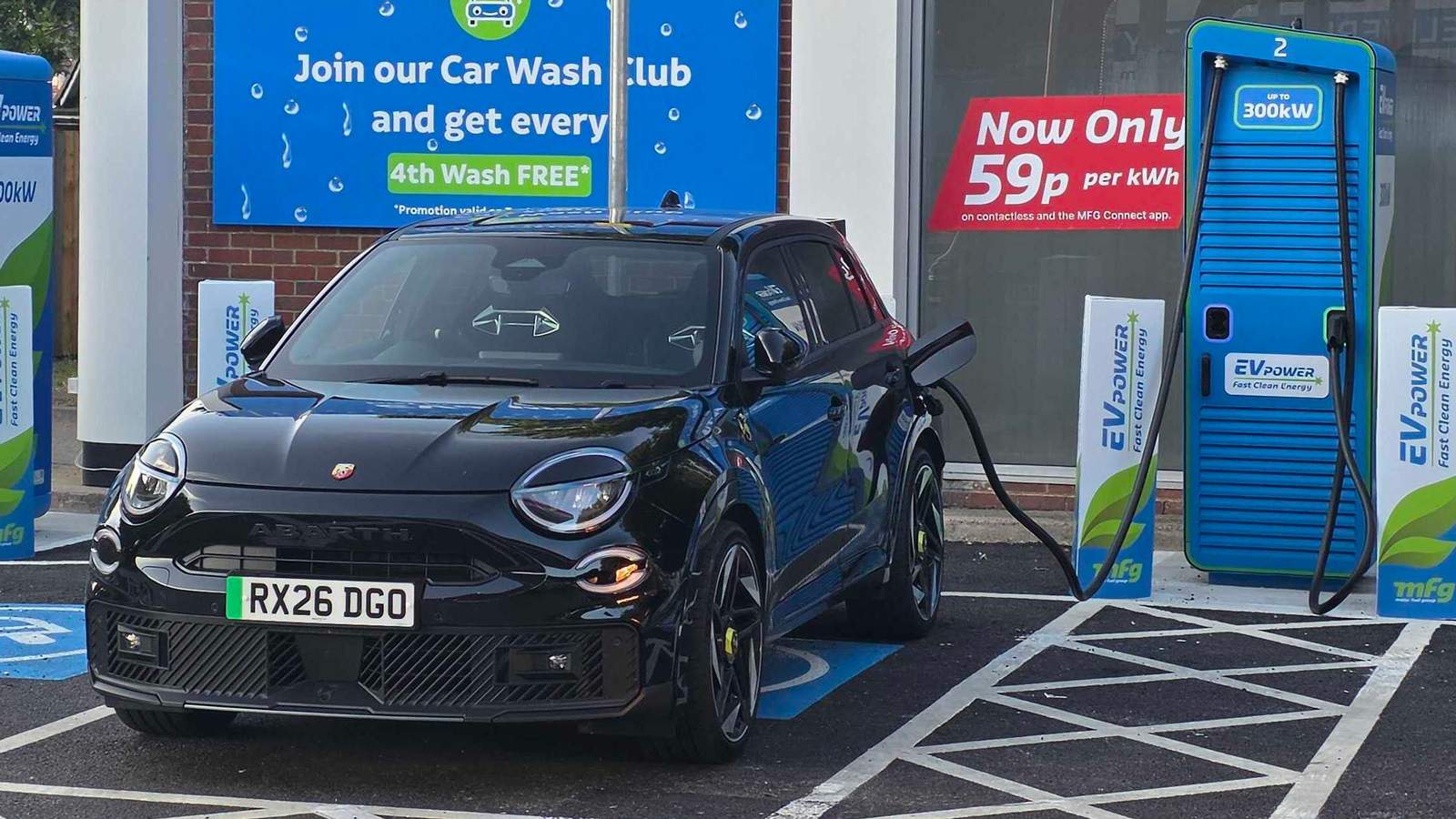
The days of tax-free EV ownership in the UK are officially over. For years, driving electric came with a financial sweetener: no Vehicle Excise Duty, lower running costs, and government grants to soften the upfront price. That era has ended and a new, more complex tax landscape is taking shape.
This article breaks down exactly what's changing, what you'll pay, and what it means for your decision to go (or stay) electric.
What is pay-per-mile tax for electric vehicles (eVED)?
eVED stands for electric Vehicle Excise Duty, which is a mileage-based road tax designed specifically for zero and low-emission vehicles. Rather than paying a flat annual fee, EV drivers will be charged based on how many miles they actually drive.
The logic behind it is straightforward: as EVs become mainstream, the government needs to replace the fuel duty revenue it's losing. Petrol and diesel drivers currently contribute billions to the public purse through fuel duty. As those cars disappear from UK roads, that income shrinks. eVED is the government's answer.
Does the pay-per-mile tax affect petrol cars?
As it stands, the pay-per-mile tax is intended only for electric cars, hydrogen-fuelled cars and plug-in hybrids. That’s because petrol, diesel and standard hybrid cars already pay fuel duty, so the new pay-per-mile tax system is aimed at recouping those costs in another way. It’s unclear whether a charge will later be extended to petrol, diesel and hybrids later down the line, but we wouldn’t rule it out.
What are the current VED rates for EVs since April 2025?
Before eVED arrives, there's already a significant change in place. From April 2025, electric vehicles are no longer exempt from standard VED. Here's what that looks like now:
- Most EVs: £200 per year (the standard rate for new vehicles)
- First-year rate: £10 for zero-emission vehicles registered from April 2025
- Expensive car supplement: If your EV (or any car) had a list price above £50,000, you'll pay an additional £425 per year for years two to six, on top of the standard rate
That last point catches a lot of drivers off guard. Given that many popular EVs, including various Tesla, BMW, and Mercedes models, exceed the £50,000 threshold, a meaningful chunk of EV owners will be paying over £600 a year in VED before eVED even launches.
How will the eVED pay-per-mile charge work?
The government's consultation response, published in July 2026, confirmed that eVED will launch in April 2028. The charge will be based on recorded mileage, though the precise mechanism for tracking miles is still being worked through – options under consideration include MOT odometer readings, insurer data, and dedicated telematics devices.
What we do know is the rate structure:
- Battery electric vehicles (BEVs) and hydrogen fuel cell vehicles (HFCEVs): 3p per mile
- Plug-in hybrid vehicles (PHEVs): 1.5p per mile
These charges will sit alongside, but not replace, the flat annual VED that came into effect from April 2025 for all vehicles built from 2017.
What if I drive abroad – will I still pay for the miles I didn’t use UK roads?
This is currently one of the biggest conundrums facing the scheme. If odometer readings will be taken at each MOT, for example, it will be impossible to prove where these miles were racked up. If you took your EV to mainland Europe and put on a significant amount of miles, you’d still be charged for them, despite not having driven them in the UK. Many consumers think this would be unfair.
How much will EV drivers pay under eVED?
Let's put some real numbers on this. The average UK driver covers around 7,400 miles per year, according to the Department for Transport.
At 3p per mile, that works out to roughly £222 per year in eVED for a BEV driver. Add the £200 standard VED rate, and you're looking at approximately £422 annually before the expensive car supplement, which would push that figure above £800 for higher-value vehicles.
For PHEV drivers, the mileage charge halves to 1.5p per mile, which is around £111 at average mileage reflecting their partial reliance on fossil fuels, on which drivers already pay fuel duty.
Heavy EV users, including delivery drivers, long-distance commuters, business fleets, will feel the impact most compared to before. Someone driving 20,000 miles a year in a BEV would pay £600 in eVED alone.
Who is affected by eVED?
If you own or lease a battery electric vehicle or plug-in hybrid registered in the UK, eVED will apply to you from April 2028. That includes:
- Private EV owners
- Company car drivers with EVs
- Business fleets operating electric vehicles
- PHEV drivers (at the lower rate)
Notably, conventional hybrid vehicles (non-plug-in) won't fall under the eVED framework; they'll continue under the existing VED structure for low-emission vehicles.
What have industry bodies and drivers said?
Reactions have been mixed — and in some corners, pretty heated.
The Society of Motor Manufacturers and Traders (SMMT) has raised concerns that the new charges risk undermining EV uptake at a critical moment for the industry. The SMMT has consistently called for tax incentives to remain competitive with other European markets.
Ford has echoed those worries, warning that additional costs could slow fleet electrification, particularly for small businesses that are already navigating tight margins.
The AA and RAC have both acknowledged the need for EV drivers to contribute to road maintenance, but stressed that the transition must be fair and transparent, particularly for lower-income drivers who may have chosen an EV primarily for the lower running costs.
InstaVolt, one of the UK's largest public charging networks, has cautioned that perception matters. If EV drivers feel they're being penalised rather than supported, confidence in the technology could dip.
The Renewable Energy Association has argued that any road pricing system should still reflect the environmental benefits of zero-emission driving, and that a blanket mileage charge risks treating EVs the same as petrol cars, which undermines the policy rationale for going electric in the first place.
What does eVED mean for EV adoption and the environment?
This is where things get complicated. The Office for Budget Responsibility (OBR) has forecast that eVED will generate significant revenue for the Treasury, but has also flagged that it may slow the pace of EV adoption if the cost gap between electric and petrol vehicles narrows too quickly.
The UK government's own zero emission vehicle mandate requires that 80% of new car sales be electric by 2030. Critics argue that layering new taxes onto EV ownership works against that target, particularly for first-time buyers considering the switch.
That said, there's a counter-argument: if the UK road network is to remain funded as fuel duty revenues decline, some form of replacement is inevitable. The question isn't really whether EV drivers should contribute, but how much, and when.
Key dates and what to do next
Here's a quick summary of the timeline:
- April 2025 (already in effect): Standard VED now applies to all EVs. Expensive car supplement kicks in for EVs over £50,000, as of April 2026.
- July 2026: Government published a consultation response, confirming eVED structure and rates.
- April 2028: eVED mileage-based charge launches. BEVs and HFCEVs pay 3p/mile; PHEVs pay 1.5p/mile.
What you can do now:
- Check whether your EV is subject to the expensive car supplement, your V5C or dealer paperwork will list the original list price.
- Factor the new VED costs into your running cost calculations if you're considering buying or leasing an EV.
- Keep an eye on the government's eVED consultation updates, as the mileage tracking method is still to be confirmed.
- If you're a fleet manager, speak to your leasing provider about how eVED will affect your total cost of ownership from 2028.
The bigger picture: EVs still make sense for some
None of this changes the fundamental case for electric vehicles. Charging at home remains cheaper than filling a tank. Servicing costs are lower, and tailpipe emissions are zero. But the tax-free honeymoon is over, and that's worth knowing before you sign on the dotted line. If you can’t charge at home, though, it might make even less sense if it’s expensive to use your local public chargers.
The shift to eVED is about road funding, not a reversal of EV policy. Understanding exactly what you'll pay and when means you can make a genuinely informed decision, rather than a nasty-surprise one.
Frequently Asked Questions
When does the EV pay-per-mile tax start?
The eVED mileage-based charge is scheduled to launch in April 2028, following the government's consultation response published in July 2026. Standard VED for EVs has already been in place from April 2025.
How much is the EV pay-per-mile charge in the UK?
Battery electric vehicles (BEVs) and hydrogen fuel cell vehicles (HFCEVs) will be charged 3p per mile. Plug-in hybrid vehicles (PHEVs) will pay 1.5p per mile. At average UK mileage of around 7,400 miles per year, that's roughly £222 annually for a full EV driver, or £111 for a plug-in hybrid driver.
Do I have to pay VED on my electric car now?
Yes. From April 2025, EVs are no longer exempt from Vehicle Excise Duty. Most EV owners pay £200 per year. If your EV had a list price over £50,000, you'll also pay an expensive car supplement of £425 per year for years two to six.
How will mileage be tracked for eVED?
The government is still consulting on the tracking method. Options being considered include MOT odometer readings, data from insurers, and telematics devices. A final decision has not yet been confirmed. There are issues with this though – if you drive your car abroad, those miles will still be included, despite not having used UK roads.
Does eVED replace the flat annual VED charge?
No. eVED is an additional mileage-based charge, not a replacement for standard VED. From April 2028, most EV drivers will pay both the flat annual rate and the per-mile charge.
Will the new EV tax affect the UK's 2030 zero emission vehicle target?
It could. The OBR has forecast that eVED may slow EV adoption if the cost gap between electric and petrol vehicles narrows. Industry bodies including the SMMT and Ford have raised similar concerns, though the government maintains that road funding reform is necessary as fuel duty revenues decline.