What is AdBlue and Does Every Diesel Car Need It?
Many modern diesel cars need a fluid called AdBlue to keep their emissions legal – here's what it is, how it works, and whether your car needs it.
The Cazoo editorial team
Published on 24 August 2026 | 8 mins read

Many modern diesel cars that meet the latest Euro 6 emissions standards use a fluid called AdBlue to help remove toxic substances from the exhaust before they reach the air outside. It's what keeps a diesel legal to drive in the UK's clean air zones without a daily charge, and if you run out, your car will let you know in no uncertain terms. Here's what AdBlue actually is, whether your car needs it, and everything else you might want to know.
What is AdBlue?
AdBlue is a liquid primarily used in diesel cars to reduce harmful emissions. It's technically known as diesel exhaust fluid (DEF) and consists of a solution of distilled water and urea, a substance found in fertilisers. AdBlue is non-toxic, colourless, and has a slightly sweet smell. It may feel a bit sticky if you get any on your hands, but it washes off easily. It's a standardised product too – every bottle sold in the UK has to meet the ISO 22241 specification, a 32.5% urea solution known as AUS 32, so it's chemically the same whichever brand or fuel station you buy it from.
Why does a diesel car need AdBlue?
AdBlue helps to reduce emissions of nitrogen oxides (NOx) from a car's exhaust. Euro 6 emissions standards, which apply to all cars built since September 2015, place strict limits on the amount of NOx that can be emitted legally. For diesel cars, that limit is just 0.08 grams of NOx per kilometre, well under half the previous Euro 5 limit of 0.18g/km – our Euro emissions standards guide breaks down how the different tiers compare. These emissions are a byproduct of the combustion process inside an engine that produces the power to drive a car.
Such emissions have been linked to respiratory conditions that can seriously affect people's health, which is why NOx is one of the key measures used to decide which cars have to pay to drive into a clean air zone. In London, non-compliant vehicles face a £12.50 daily charge under the Ultra Low Emission Zone (ULEZ), which now covers every London borough, and several other UK cities run their own clean air zones with similar rules. Diesel cars that meet the Euro 6 standard, generally anything registered from September 2015 onwards, are treated as compliant and won't be charged.
How does AdBlue work?
AdBlue is used as part of a car's selective catalytic reduction (SCR) system. It is automatically injected into the car's exhaust system where it mixes with the exhaust gases, including NOx. The AdBlue reacts with the NOx and breaks it down into harmless substances like oxygen and nitrogen, which then disperse into the atmosphere.
While AdBlue doesn't eliminate all of your car's NOx emissions, it significantly reduces them, helping the vehicle stay within legal limits and contributing to cleaner air.
How much AdBlue will my car use?
There's no fixed rate at which cars consume AdBlue. In most cases, it takes several thousand miles to empty the car's AdBlue tank. Some vehicles can do at least 10,000 miles before needing a refill. Contrary to some misconceptions, using AdBlue doesn't mean you'll burn more fuel. Consumption also depends on how you drive, since AdBlue use rises with engine load, so a car doing lots of motorway miles or towing regularly will typically get through it faster than one used mainly for gentle town driving.
How do I know how much AdBlue is left in my car?
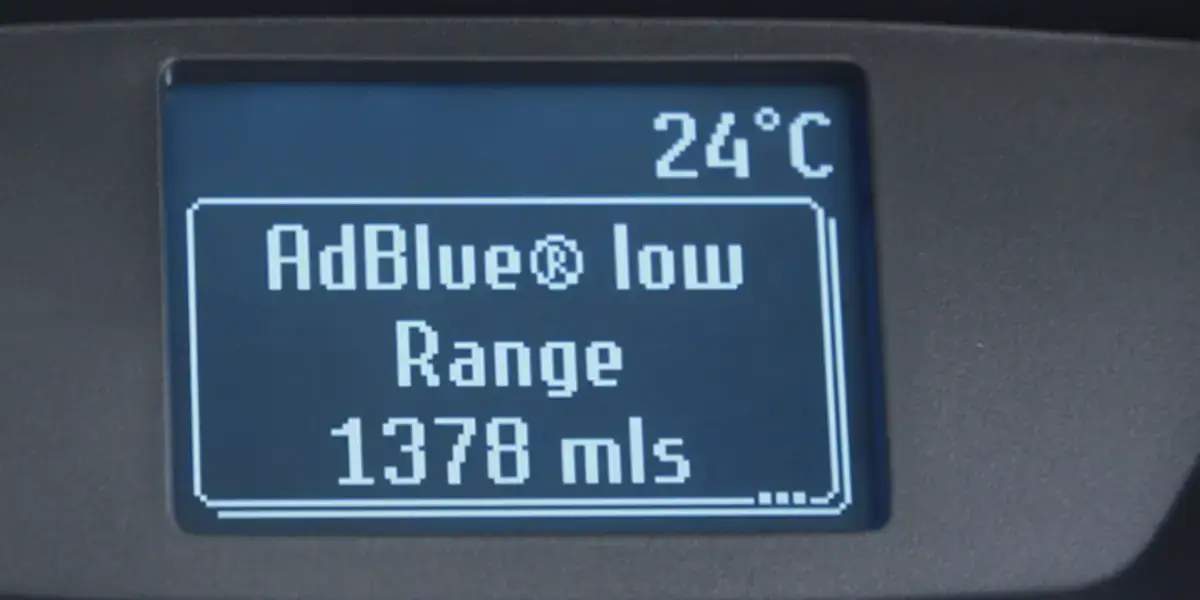
All cars that use AdBlue have a gauge or display somewhere on the dashboard or in the trip computer showing how much is left. Consult your owner's manual to find out how to view it. A warning light will show on the driver's display long before the AdBlue tank becomes empty. It's worth checking this alongside your other regular checks, such as tyre pressures and fluid levels, so a top-up never catches you by surprise – our car maintenance tips guide covers the other checks worth doing regularly.
Can I refill the AdBlue myself?
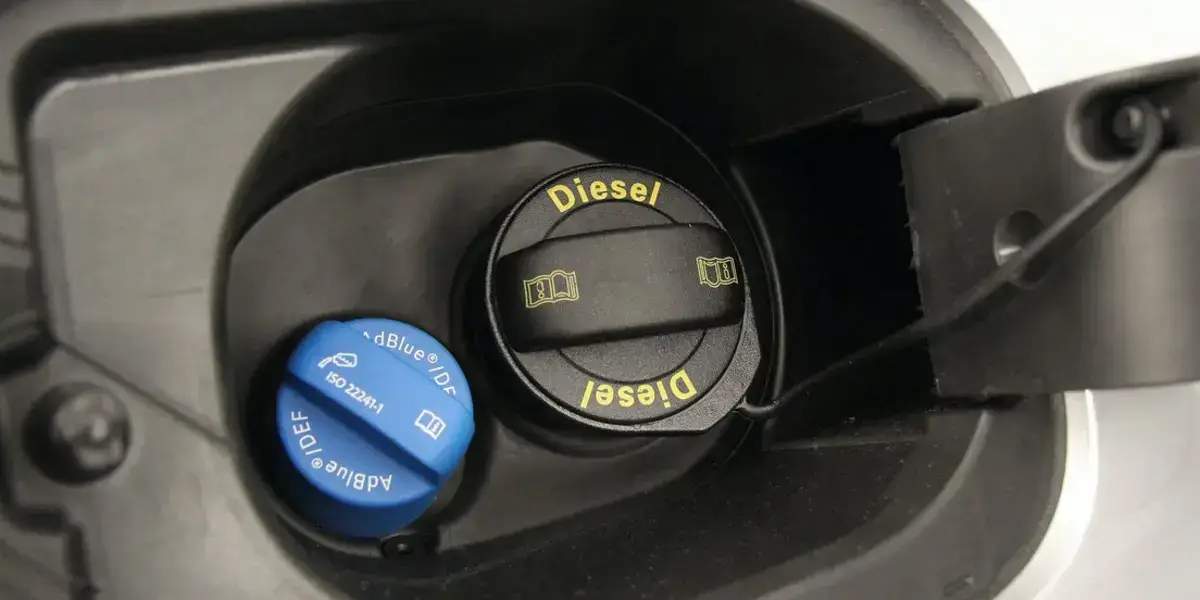
Not every car allows you to refill the AdBlue tank yourself, but it's easy to find out if yours does. Look for an extra filler with a blue cap for the AdBlue next to the regular diesel filler behind the fuel filler flap. The AdBlue tank is typically underneath the car, next to the fuel tank.
AdBlue is available from most fuel stations and car parts shops. It comes in containers of up to 10 litres, which usually cost between £15 and £20. The container typically includes a nozzle to make pouring the AdBlue into the filler much easier. Alternatively, fuel station HGV lanes have AdBlue pumps that you can use if your car has a suitable nozzle.
What happens if I put AdBlue in a diesel tank?
It's crucial that you don't accidentally pour AdBlue into your car's fuel tank. Doing so will require the tank to be drained and flushed clean. Fortunately, you can't put diesel in the AdBlue tank by accident because the pump nozzle is far too big.
What happens if my car runs out of AdBlue?
You should never allow your car to run out of AdBlue. If it does, the engine will go into 'limp' mode, drastically reducing power to keep NOx emissions within legal limits. A warning will appear on the driver's display, and you should refill the AdBlue tank as soon as possible. Avoid turning off the engine until you have access to more AdBlue, as the engine is unlikely to restart without it.
Running out of AdBlue is just one of many reasons that an engine might go into limp mode. Severe problems with the engine or gearbox can also activate limp mode, designed to prevent further damage and keep the car moving to a safe place or a garage.
How do I reset an AdBlue warning?
If your AdBlue runs low and needs refilling, your car will flash up an alert either on the driver's display or the infotainment system's screen. Once you've filled the AdBlue tank to the recommended level, the warning should disappear. If it doesn't, try driving for a few miles to allow the system to reset.
If the warning persists after driving, there could be a problem with the system or sensors. Check your car's manual for guidance specific to your make and model. If the manual is unclear or the recommended steps have no effect, take your car to a mechanic.
Which cars use AdBlue in 2026?
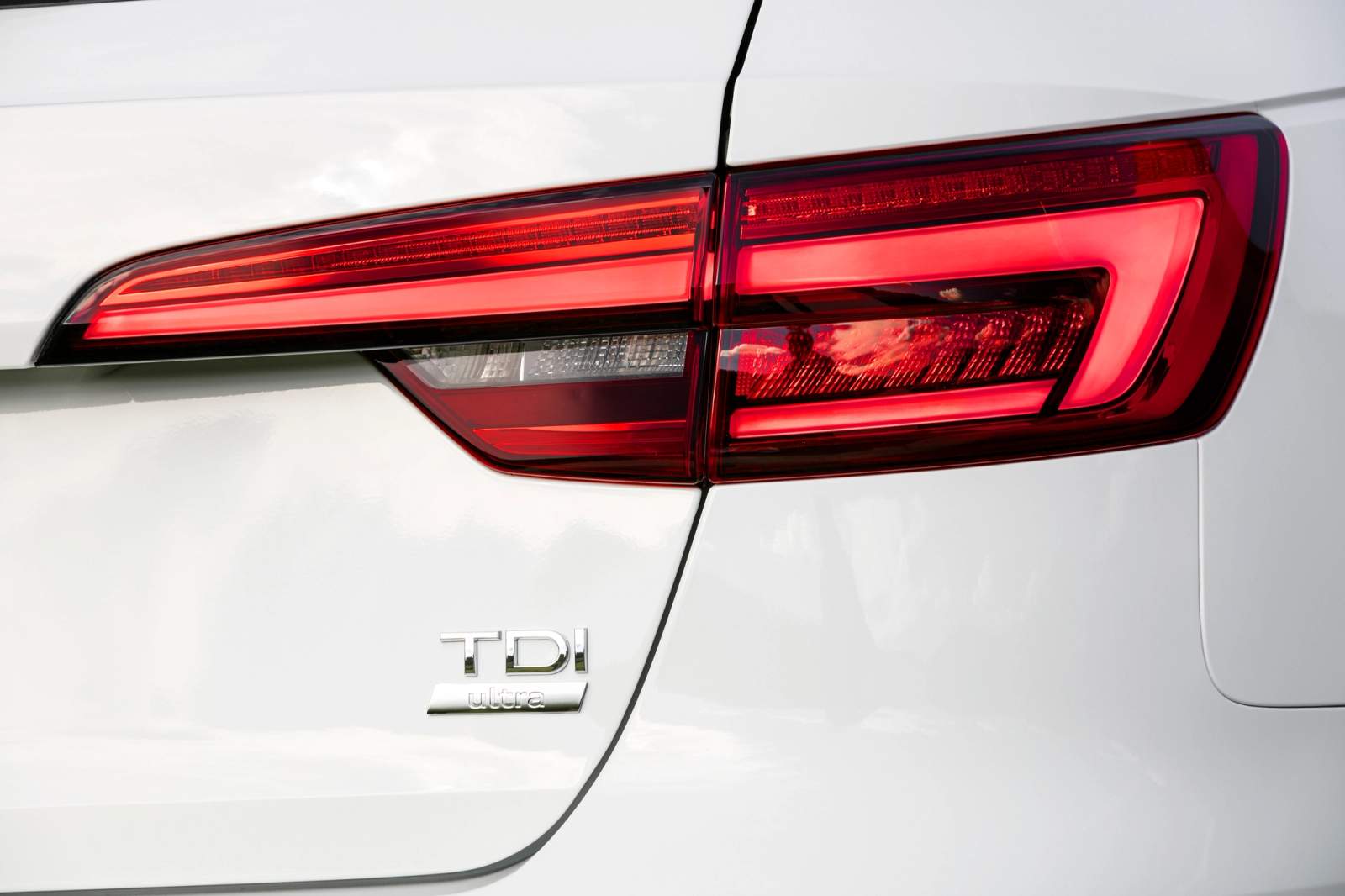
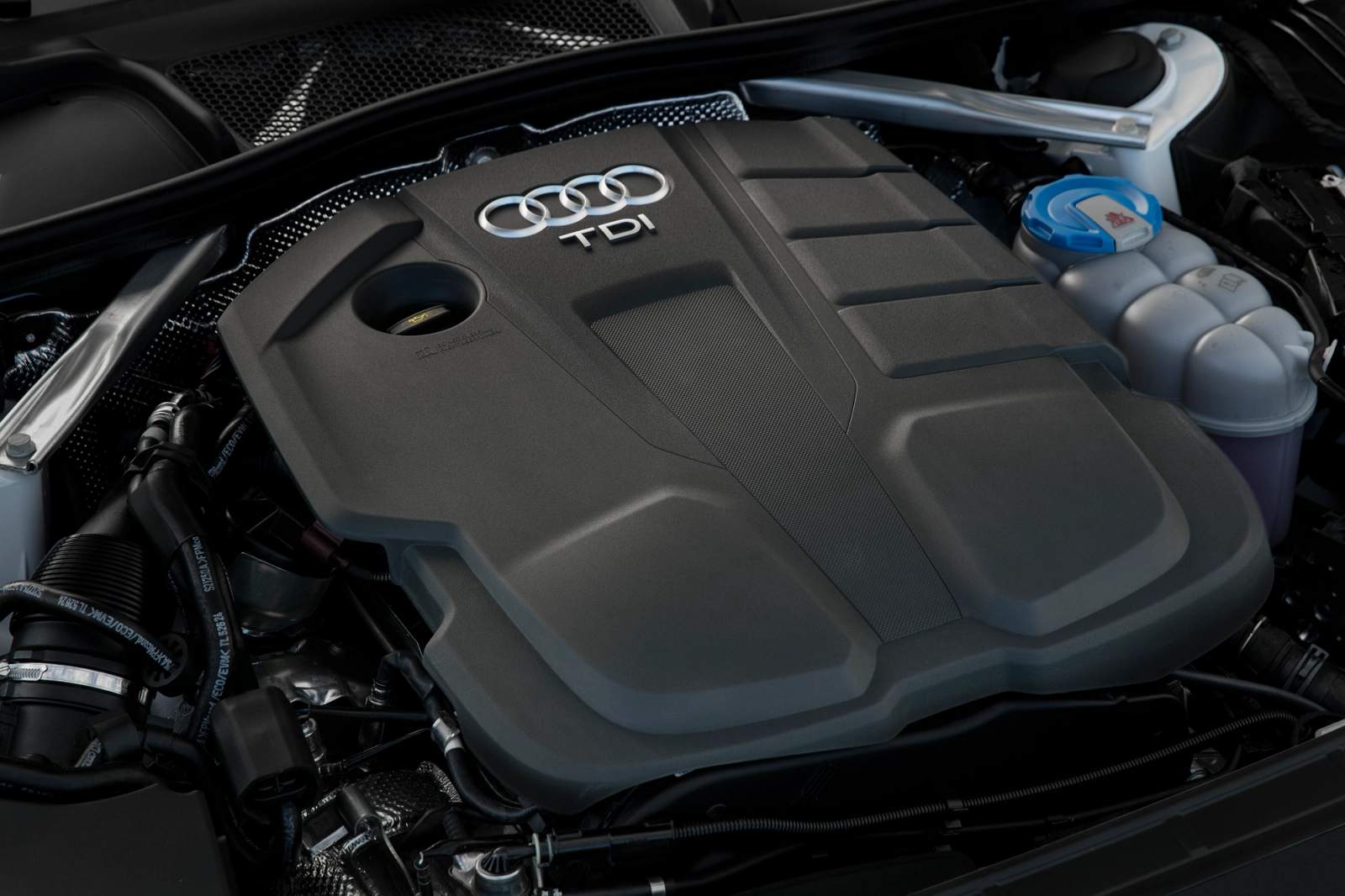
Most diesel cars that meet the Euro 6 standard use AdBlue, though not every one of them does, since manufacturers can use other methods to bring NOx emissions down instead. If you're not sure whether a car you're looking at uses it, there are a couple of easy ways to check. Look at the badge on the back of the car: the word 'Blue' or the letters 'SCR' are usually a strong clue, so Peugeot and Citroën diesels that use AdBlue are badged BlueHDi, Fords are badged EcoBlue, Volkswagens are badged TDI SCR, and many Mercedes-Benz diesels are badged BlueTEC. Failing that, open the fuel filler flap and look for a second, blue-capped filler next to the main diesel one, or simply ask the dealer or check the car's specification before you buy. If you're weighing up diesel against the alternatives, our guides to should I buy a diesel car and petrol vs diesel cars go into more of the pros and cons, and you can browse our range of used diesel cars if you've decided it's the right fit.
Do petrol cars use AdBlue?
No, petrol cars don't need to use AdBlue. The NOx emissions that AdBlue neutralises are specific to diesel engines. That said, petrol engines have their own emissions controls, such as three-way catalytic converters and, on newer models, particulate filters, which do a similar job of cleaning up what comes out of the exhaust in a different way.
Is AdBlue harmful to the environment?
No, AdBlue isn't harmful to the environment. It's not toxic and isn't flammable. If you spill it, you can just wipe it up or dilute it with water and mop it up.
However, avoid touching it as it can irritate your skin. It can also stain clothing and be mildly corrosive on some materials, including certain metals, plastics, and your car's paintwork. If you spill any on your car, wipe it up quickly.
Common AdBlue FAQs
Can I put AdBlue in any diesel car?
No – only cars designed to use AdBlue have a dedicated tank and filler for it, and your owner's manual or the area around the fuel filler cap will confirm it if yours does. Look for the same clues as above, such as 'Blue', 'SCR', or badges like BlueHDi and EcoBlue, and never top up AdBlue in a car that doesn't call for it.
Is AdBlue the same as diesel exhaust fluid (DEF)?
Yes. AdBlue is simply the most widely used trade name for diesel exhaust fluid, or DEF, in the UK and Europe. You'll sometimes see the generic term DEF used instead, particularly on products aimed at the US or on HGV and van ranges, but it's the same 32.5% urea solution whichever name is on the bottle.
How long can you drive after the AdBlue warning comes on?
Most cars give you around 1,000 miles of grace after the warning light first appears. However, the range varies, so don't take unnecessary risks — top up as soon as possible to avoid being caught out.
What does the AdBlue warning light look like?
It varies by manufacturer, but most cars show a small fuel pump or 'AdBlue' icon on the dashboard, often in amber to begin with and then red once the level gets critically low. Some manufacturers pair it with a text message on the driver's display, such as 'AdBlue low' or a mileage countdown, so check your owner's manual if you're ever unsure what a particular symbol means.
Can you overfill AdBlue?
AdBlue tanks are designed with overflow prevention systems, so it's unlikely you'll overfill. Still, don't force it – stop filling as soon as you feel resistance to avoid spills.
Find a used car with Cazoo
Hopefully that's cleared up any burning questions about AdBlue, and given you a clearer idea of whether the diesel you're looking at needs it. If you're still weighing up your options, our guides to petrol vs diesel cars and should I buy a diesel car are worth a read before you commit.
At Cazoo, we work with a range of trusted dealers to help you find the most suitable car for your needs. There are thousands of cars available, too, and many of them are available to purchase online. If you want the reassurance of a diesel that's exempt from clean air zone charges, take a look at our range of used diesel cars, or search all used cars to see everything currently in stock.