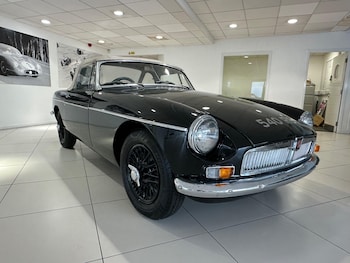
MGB buyer’s guide
Few cars carry as much charm as the MGB. Produced between 1962 and 1980, this iconic British roadster became one of the best-selling sports cars of its era — and it's not hard to see why. With its sleek lines, spirited performance, and an ownership community that's still thriving today, the MGB remains one of the most accessible classic cars on the market.
Whether you're a seasoned collector or a first-time classic car buyer, this guide covers everything you need to know before purchasing a used MGB — from its fascinating history to the key things to look for before signing on the dotted line.
Is the MGB a Good Car?
The short answer? Absolutely. The MGB was a game-changer when it launched in 1962. Here was a proper sports car — with genuine performance credentials — at a price that ordinary people could actually afford. By the time production wrapped up in 1980, over 500,000 MGBs had been sold worldwide, with the US market accounting for the lion's share.
What made the MGB so enduring wasn't just its looks, though those certainly helped. It was a genuinely well-engineered car for its time, featuring a monocoque body structure (a first for MG), a lively 1.8-litre engine, and handling that rewarded enthusiastic drivers. Even by modern standards, getting behind the wheel of a well-maintained MGB delivers a sense of joy that few modern cars can replicate.
Today, the MGB sits in a sweet spot in the classic car world — affordable enough for everyday enthusiasts, yet significant enough to attract serious collectors. That makes it a brilliant entry point into classic car ownership.
The Design and Development of the MGB
From the MGA to the MGB
The MGB was designed as a replacement for the earlier MGA, and the brief was clear: improve on everything. MG's design team, led by Don Hayter, produced a cleaner, more modern shape that looked both purposeful and elegant. Gone was the separate-chassis construction of the MGA, replaced by a more rigid monocoque body that improved both safety and handling.
The new car was longer and wider than its predecessor, which gave drivers noticeably more interior space — a welcome upgrade for anyone who'd spent a long journey cramped into an MGA. A revised front suspension setup further sharpened the driving experience.
Key Design Features
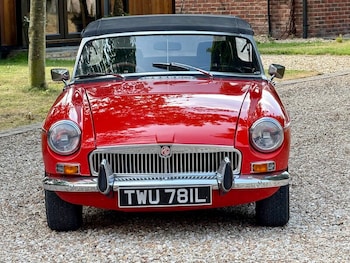
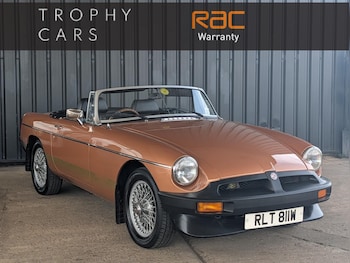
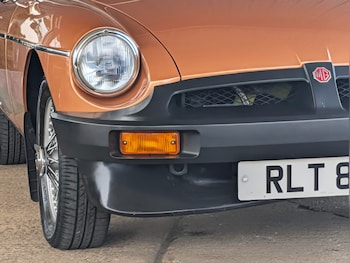
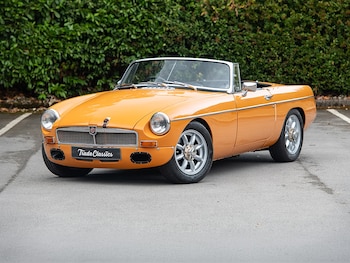
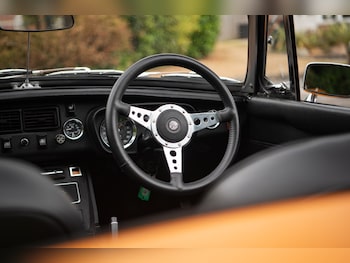
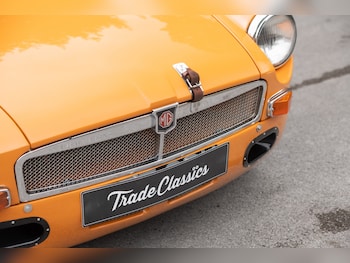
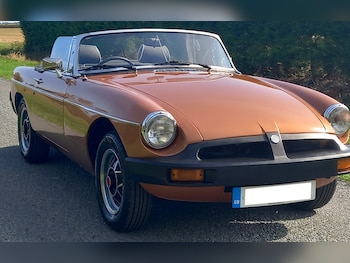
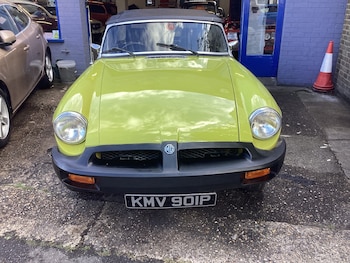
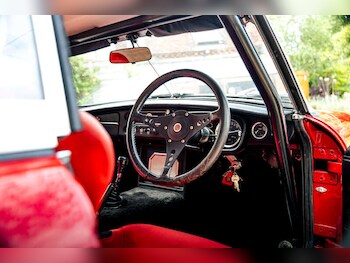
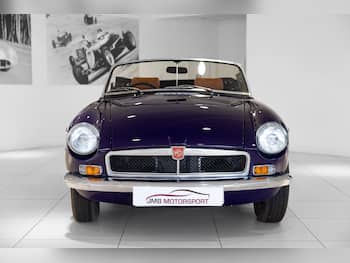
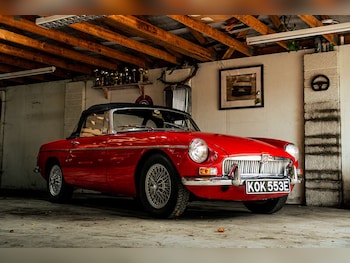
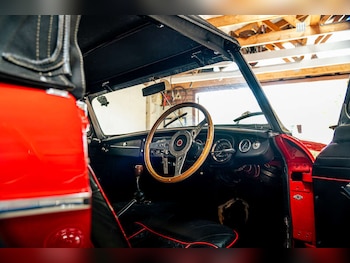
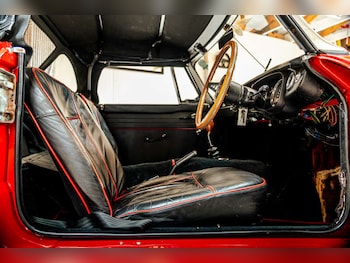
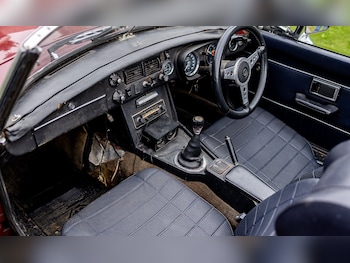
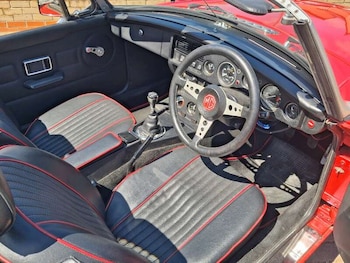
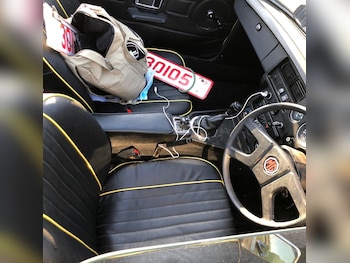
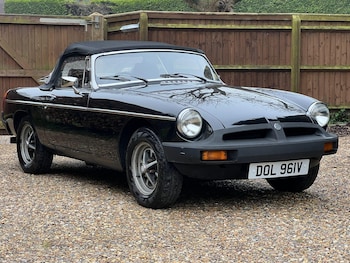
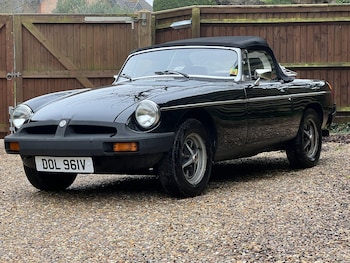
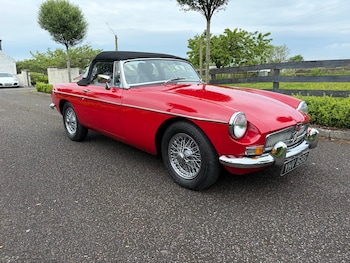
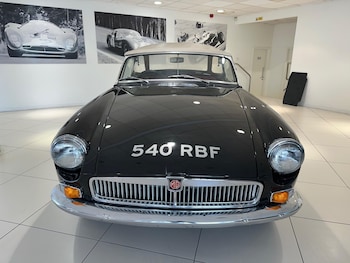
The MGB's styling struck a balance between classic British sportiness and something more contemporary. The long bonnet, recessed grille, and clean flanks gave it a timeless look that still turns heads today. Inside, the driver-focused cockpit placed all key controls within easy reach — functional, but with enough character to feel special.
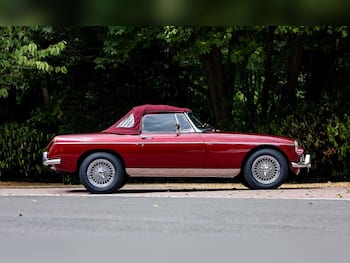
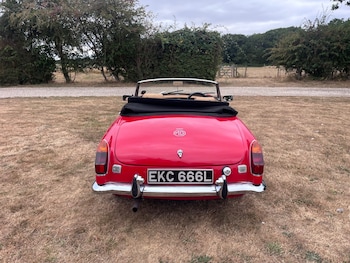
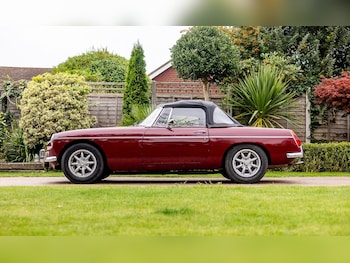
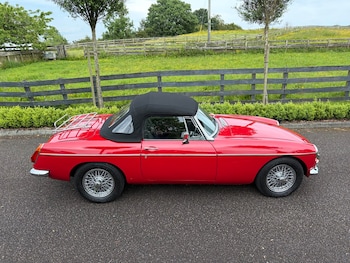
The hood (soft top) was designed to be genuinely user-friendly, folding away quickly and stowing neatly behind the seats. It's a small detail, but one that made a big difference to the car's everyday usability.
Market Performance and Sales Success
Why the MGB Sold So Well
The MGB's commercial success came down to a combination of factors. It was affordable, reliable (by the standards of the day), and genuinely fun to drive — a formula that resonated with buyers on both sides of the Atlantic. In the US particularly, the MGB arrived at just the right moment, filling a gap in the market for an affordable, stylish import that felt genuinely different from domestic offerings.
At its peak, the MGB was one of the most popular sports cars in the world. That success funded ongoing development, including the introduction of the MGB GT in 1965 — a fastback coupé variant that broadened the car's appeal further still.
Strong sales also meant strong parts supply, which remains one of the MGB's biggest advantages for today's buyers. The global community of MGB owners is well-served by specialist suppliers, making it significantly easier to maintain and restore compared to rarer classics.
Buying Guides for MGB Variants
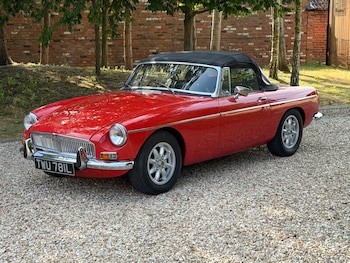
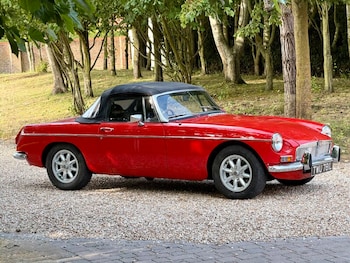
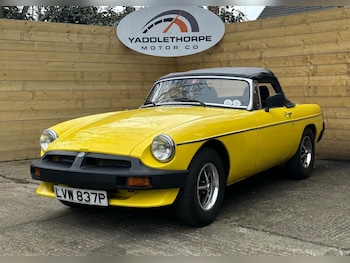
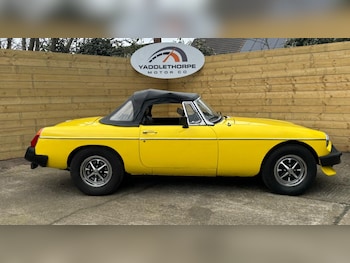
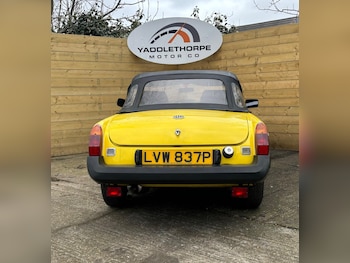
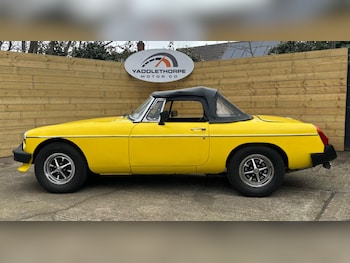
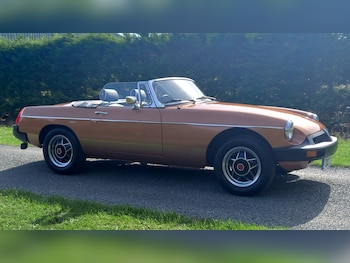
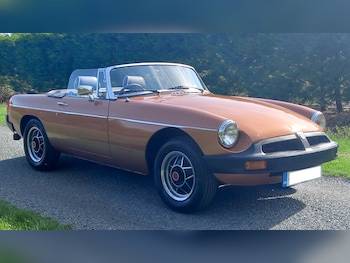
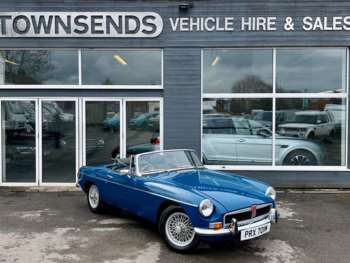
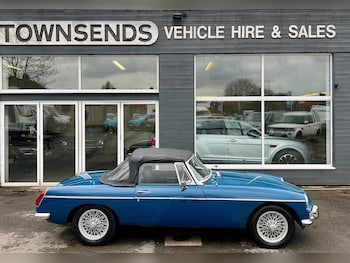
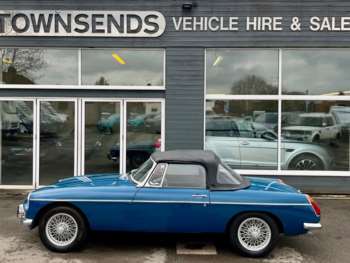
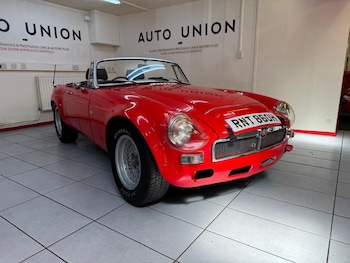
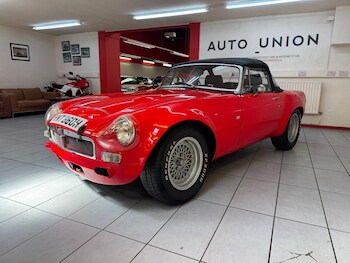
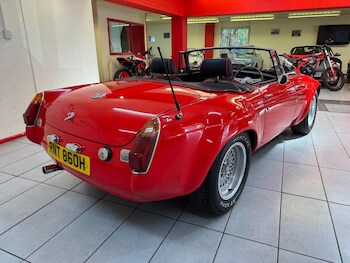
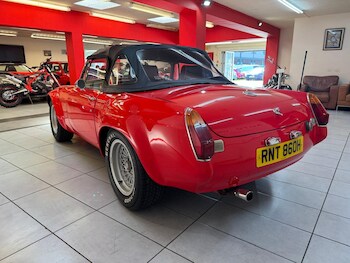
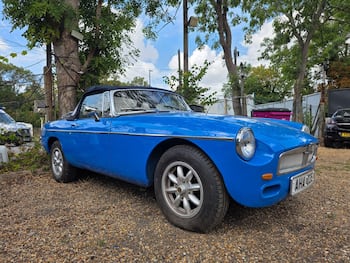
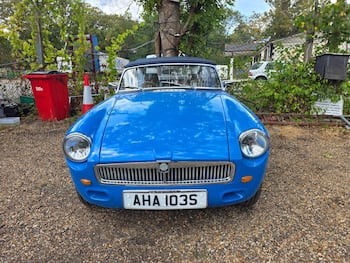
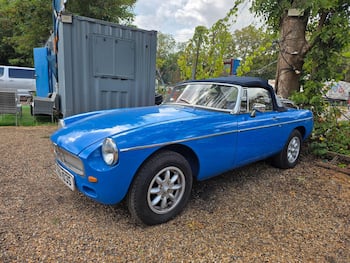
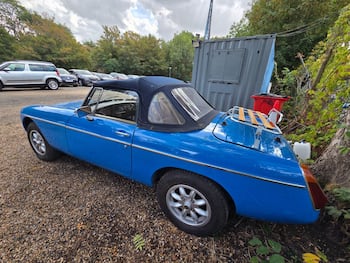
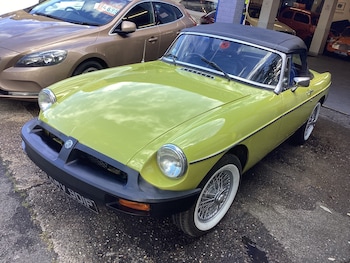
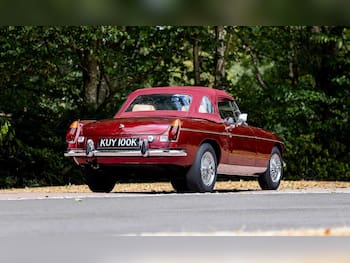
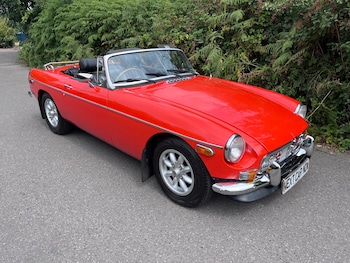
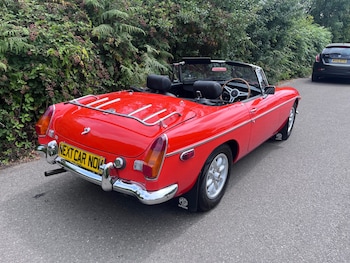
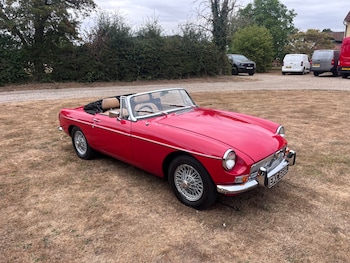
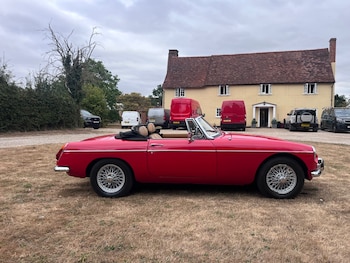
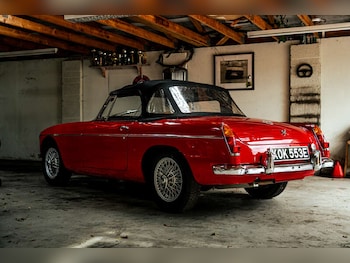
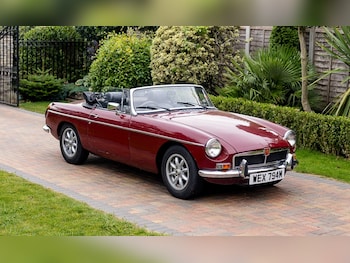
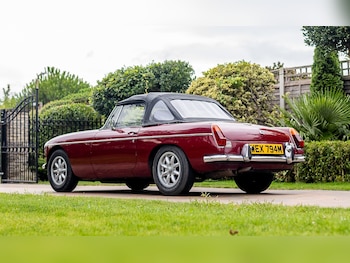
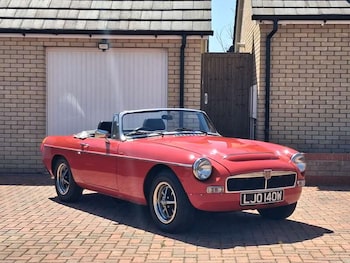
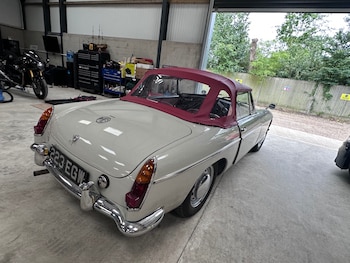
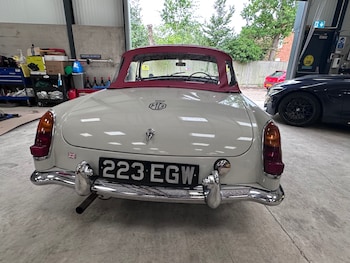
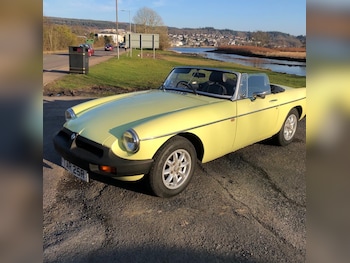
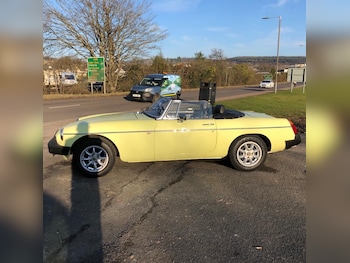
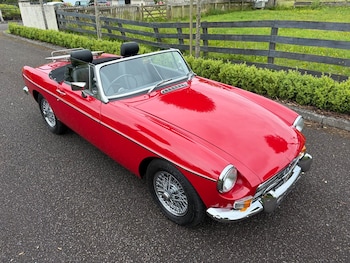
MGB Roadster
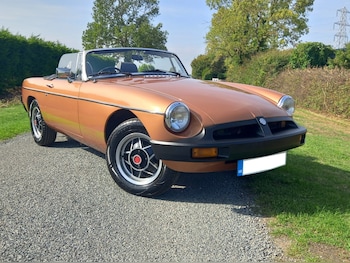
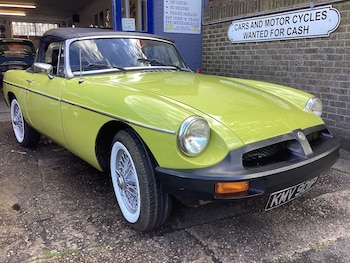
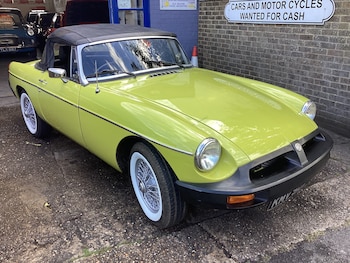
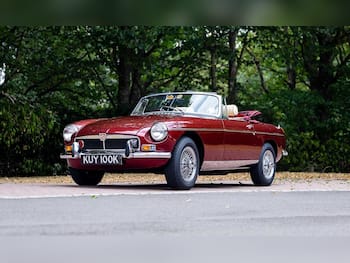
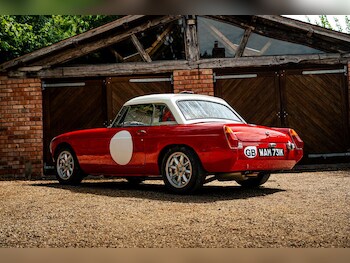
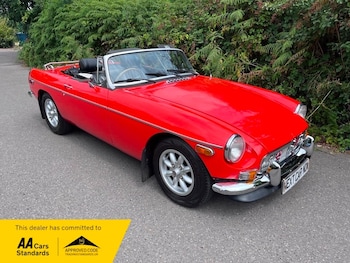
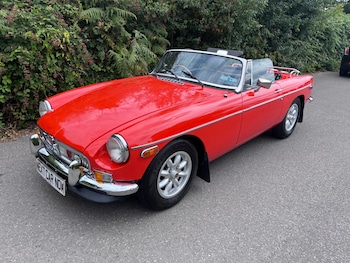
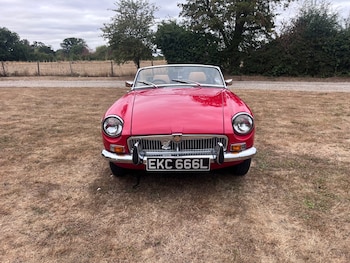
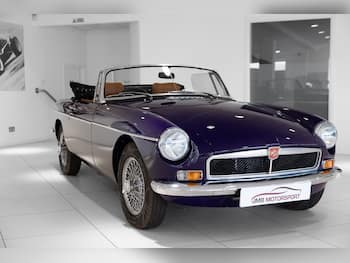
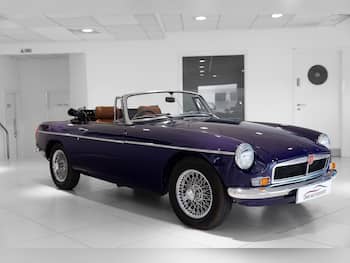
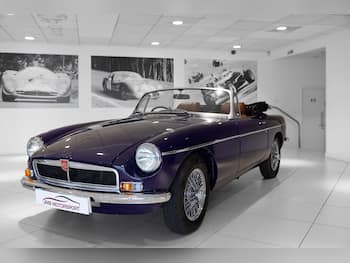
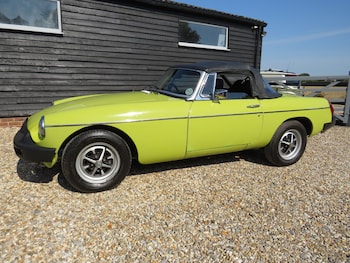
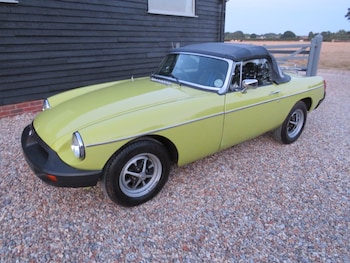
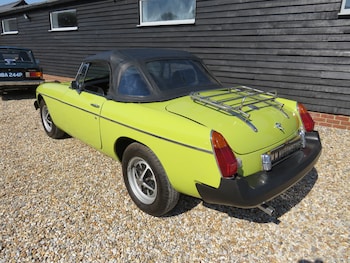
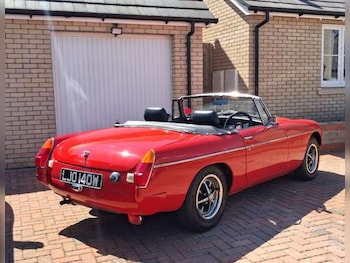
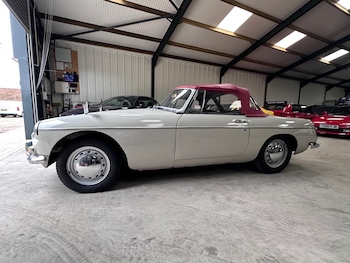
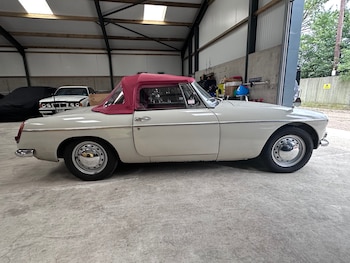
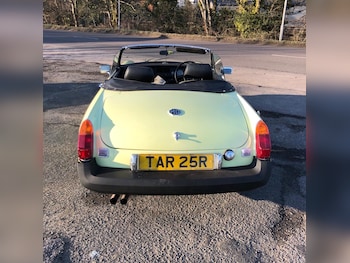
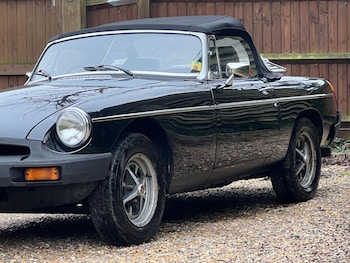
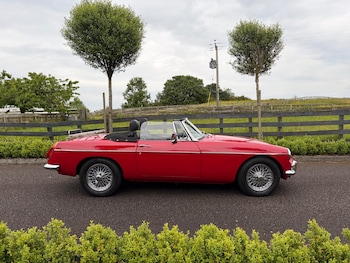
The original and, for many, still the best. The MGB Roadster is a proper open-top sports car experience — wind in your hair, exhaust note crackling, and a direct connection to the road that modern convertibles simply can't replicate. Early cars (pre-1968) are often considered the purest driving experience, while later models benefit from refinements made over the production run.
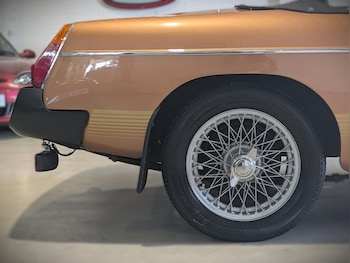
The Roadster's biggest enemy is rust. Check the sills, floor, and rear wheel arches carefully. A good history of maintenance and repairs is essential — ideally with receipts to back it up.
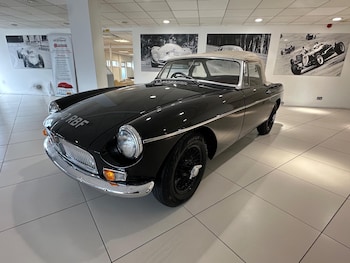
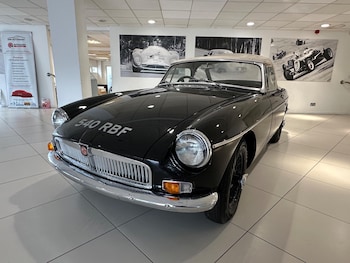
MGB GT
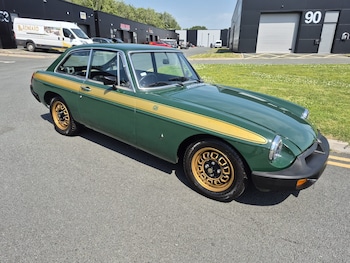
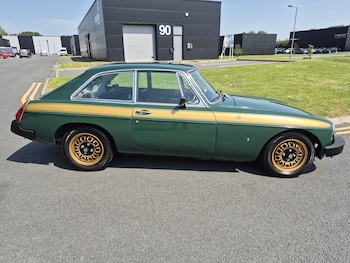
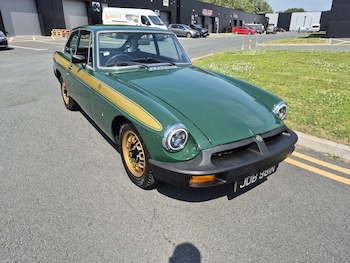
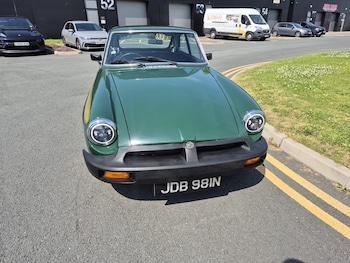
Introduced in 1965, the MGB GT added a sleek fastback roofline to the roadster's underpinnings. The result was a more practical, year-round car that could genuinely serve as everyday transport. It was styled by Pininfarina and received widespread praise for its clean, elegant lines.
The MGB GT tends to be slightly more affordable than equivalent Roadsters, making it an attractive option for buyers prioritising value. Structurally, the closed body can be stiffer than the Roadster, though it shares many of the same rust-prone areas — sills, floors, and the boot floor in particular.
What to Look for When Buying an MGB
Here's a practical checklist to work through before any purchase:
- Rust: The MGB's biggest weakness. Check sills, floor panels, rear wheel arches, and the area around the headlamps. Surface rust is manageable; structural rust is expensive.
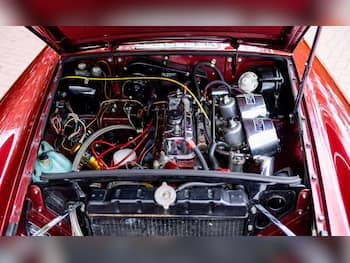
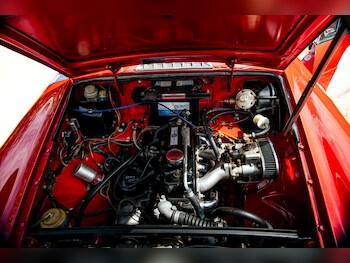
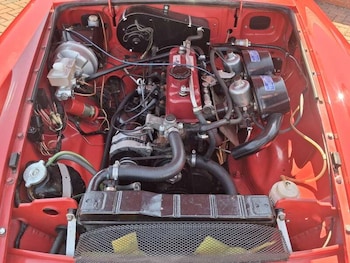
- Engine: The 1.8-litre B-Series engine is robust but listen for excessive tappet noise, which can indicate worn components. Blue smoke from the exhaust suggests oil burning.
- Gearbox: Late MGBs came with a manual four-speed gearbox. Check for smooth, precise shifts — crunching into gear can indicate synchromesh wear.
- Overdrive (if fitted): MGBs fitted with an overdrive unit should engage and disengage smoothly. Hesitation or slipping may indicate electrical or mechanical issues with the unit.
- Service History: A full and documented service history adds significant value and confidence. The MGB has a strong specialist support network, so stamped books from recognised marque specialists are a good sign.
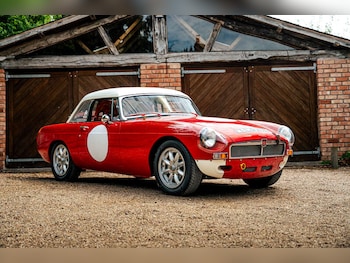
- Modifications: Many MGBs have been modified over the decades. Check whether any changes have been made to the engine, suspension, or bodywork — some modifications add value, others detract from it.
- Test Drive: Take it on a proper road. Listen for knocks, vibrations, or pulling under braking. The steering should feel direct and responsive.
Legacy and Collectability of the MGB
MGB's Impact on Car Culture
The MGB's cultural footprint is hard to overstate. It democratised sports car ownership at a time when such cars were largely the preserve of the wealthy. Thousands of young drivers across Britain and America had their first taste of genuine motoring excitement behind the wheel of an MGB — an experience many still talk about today.
The car also played a significant role in establishing MG as a global brand. Its success in export markets helped fund the broader BMC product range and kept MG competitive throughout the 1960s and 70s.
Classic MGB Values
MGB values have remained broadly stable in recent years, reflecting strong demand and a loyal enthusiast base. Condition is the primary driver of price — a concours-quality example can command several times the price of a project car. The MGB GT for sale tends to attract a slightly lower premium than comparable Roadsters, largely due to the Roadster's greater desirability among collectors.
Provenance matters too. Cars with well-documented histories, period-correct specifications, and minimal modifications typically sell for more. That said, sympathetically modified examples — particularly those with uprated brakes or improved electrics — are increasingly valued for their enhanced usability.
Frequently Asked Questions
How does the MGB GT compare against other classic sports cars?
The MGB GT sits comfortably alongside its classic contemporaries, offering a blend of style, performance, and affordability that few rivals can match at the same price point. Compared to the Triumph TR6 or the Lotus Elan, it's generally more affordable to buy and cheaper to maintain, thanks to its wider parts availability. It lacks the outright performance of some rivals, but for relaxed, characterful driving, the GT holds its own admirably. Its Pininfarina-styled bodywork also gives it a visual edge over some of the more workmanlike sports cars of the same era.
What is the historical significance of the MGB in British automotive history?
The MGB is one of the most important British cars ever made. It brought genuine sports car ownership within reach of ordinary buyers and became a cultural touchstone for a generation of drivers. Its monocoque construction was technically progressive for its class, and its long production run — 18 years — speaks to just how well the underlying design held up. The MGB also became one of Britain's most successful automotive exports, helping to shape perceptions of British engineering on a global stage.
What does MGB stand for?
MGB stands for Morris Garages B — the "B" distinguishing it from its predecessor, the MGA. Morris Garages was the Oxford-based company from which the MG brand originated, founded by Cecil Kimber in the 1920s. The naming convention was simple but effective, and the MGB name has since become one of the most recognised in classic car circles.
How does MGB overdrive work?
The overdrive unit fitted to many MGBs is a Laycock de Normanville system, typically activated by a dashboard-mounted toggle switch. When engaged, it reduces engine revs at a given road speed by effectively adding an extra ratio above fourth gear. This lowers fuel consumption and reduces engine wear on long motorway runs. It engages and disengages via an electromagnetic clutch within the gearbox, which means electrical faults can sometimes cause problems — worth checking carefully on any car you're considering buying.
How many MGBs are left?
It's estimated that around 30,000 to 40,000 MGBs remain on UK roads and in collections today, though the exact figure is difficult to pin down. Given that over 500,000 were produced, attrition through rust, accidents, and neglect has taken a significant toll over the decades. That said, the survival rate is healthier than many comparable classics, thanks to the strength of the owner community and the long-standing availability of quality replacement parts. The MGB is not under threat of disappearing any time soon.