|
Beta
103
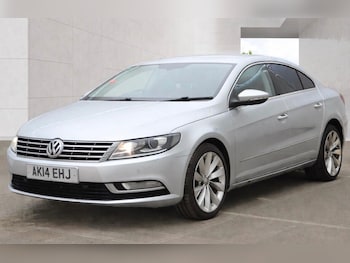
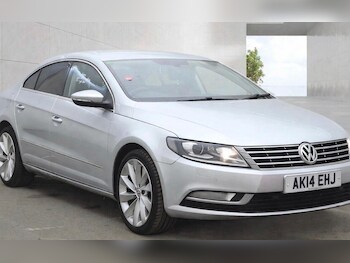
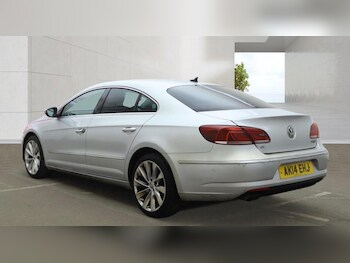
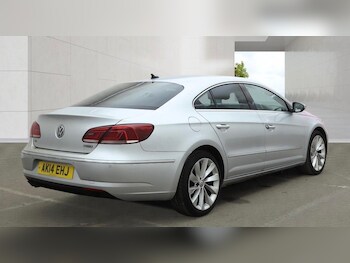
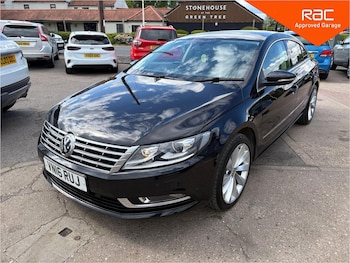
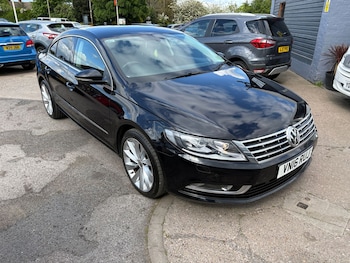
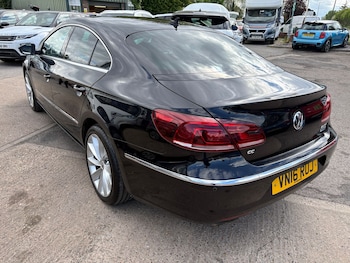
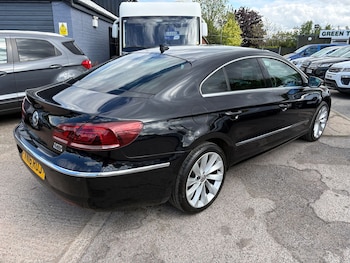
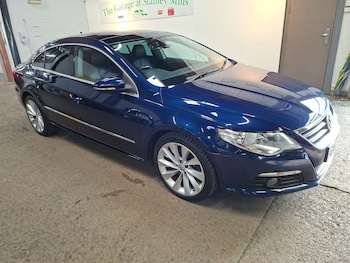
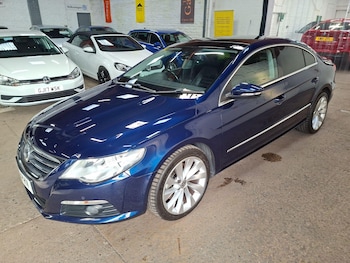
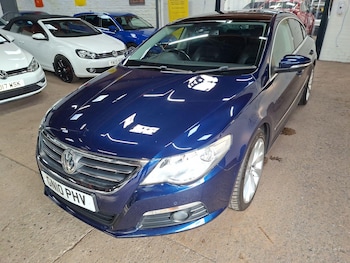
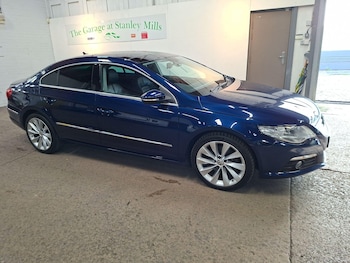
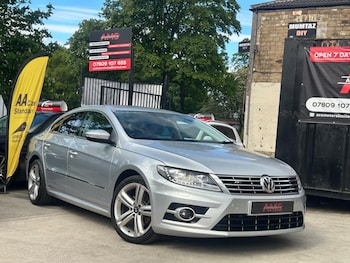
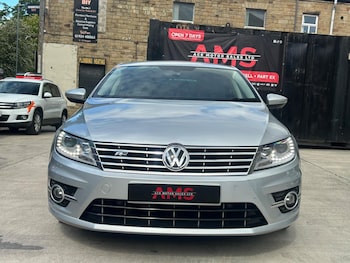
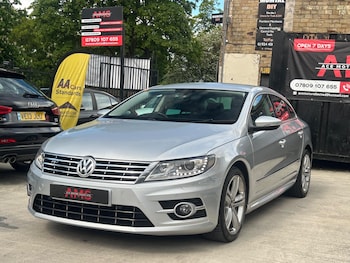
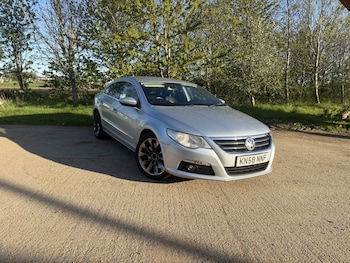
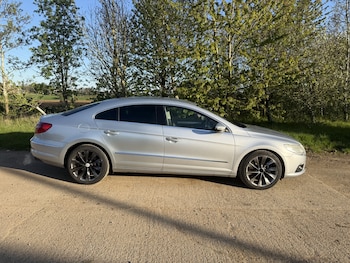
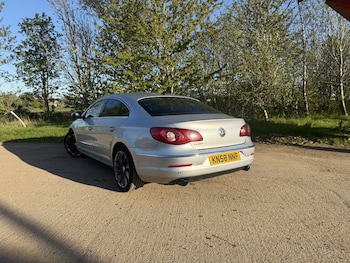
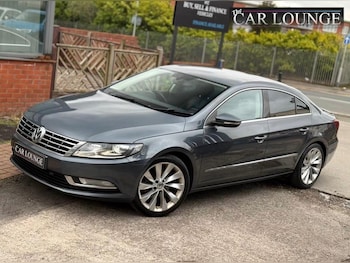
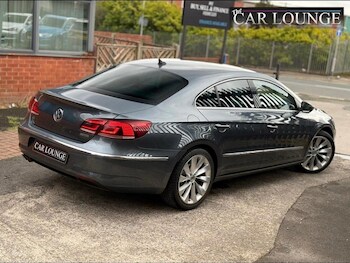
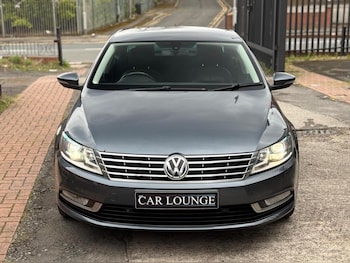
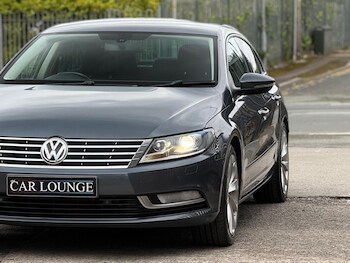
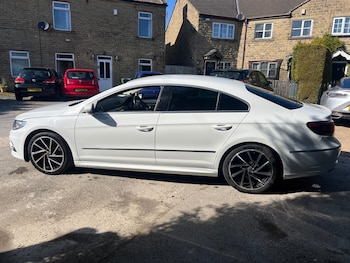
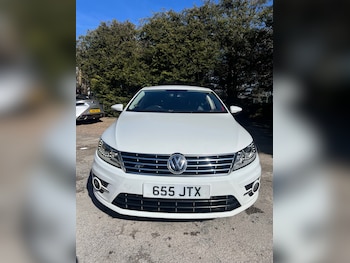
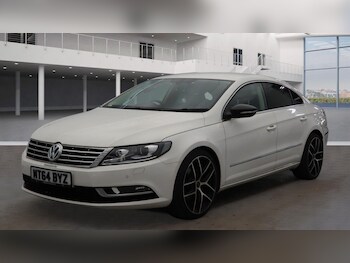
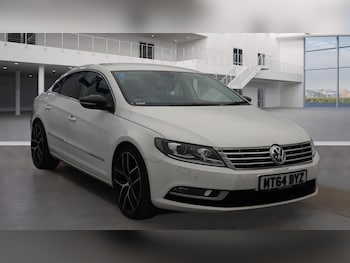
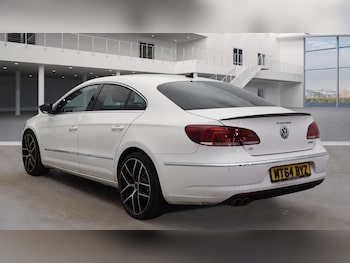
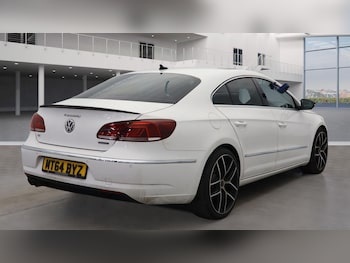
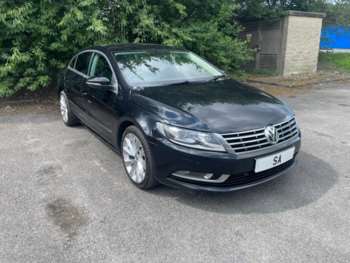
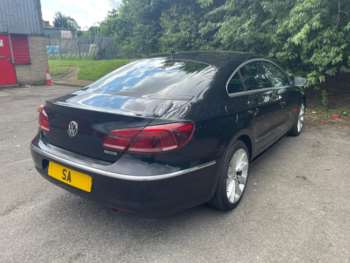
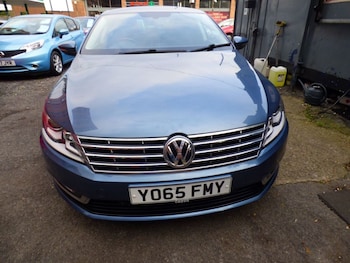
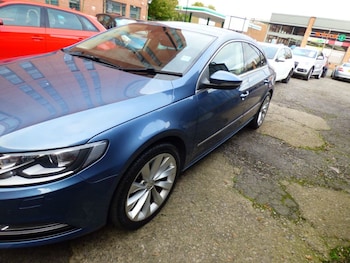
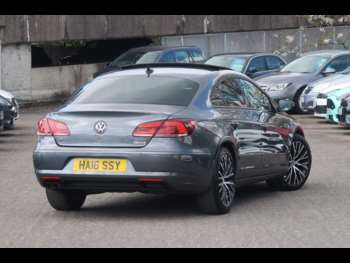
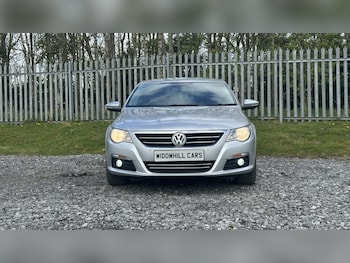
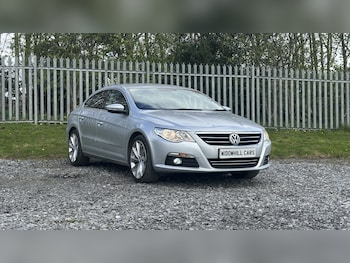
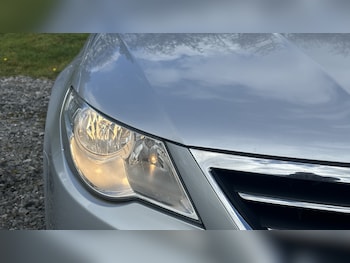
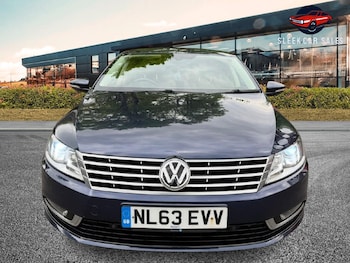
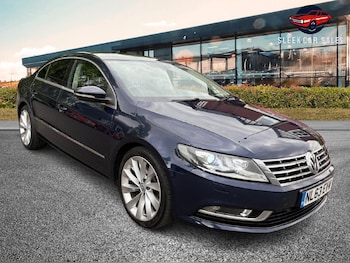
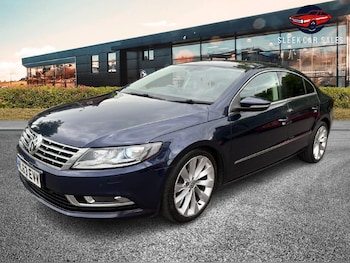
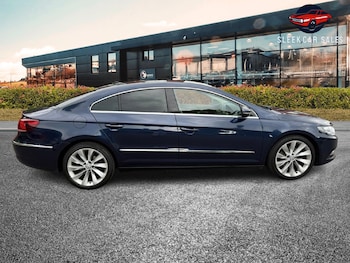
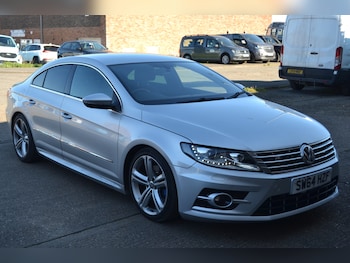
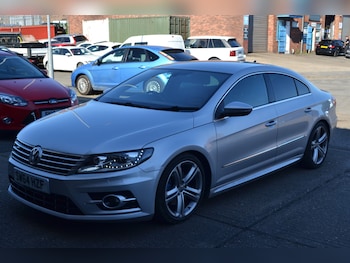
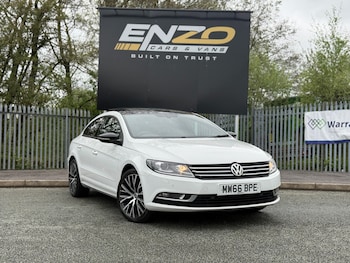
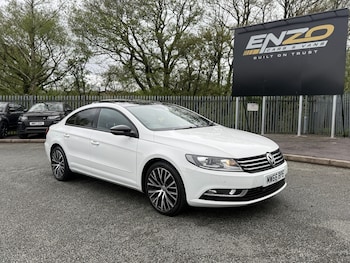
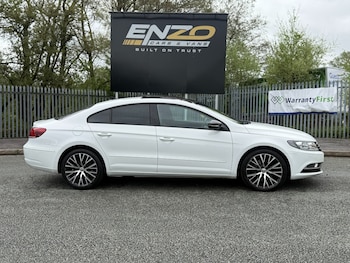
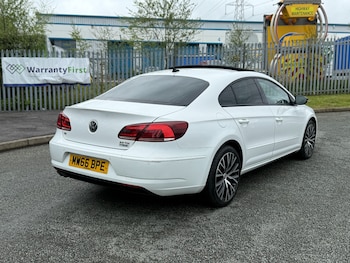
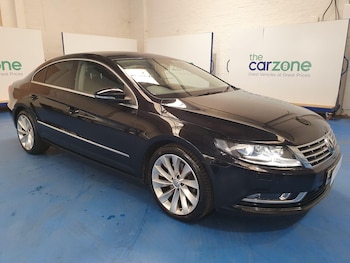
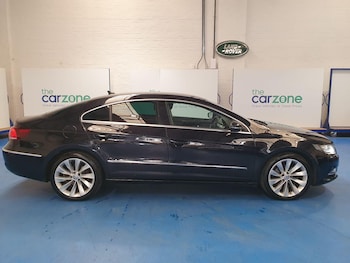
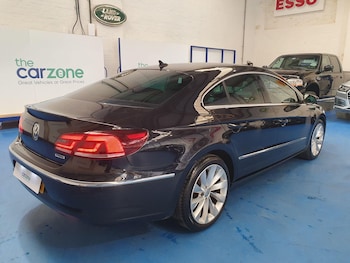
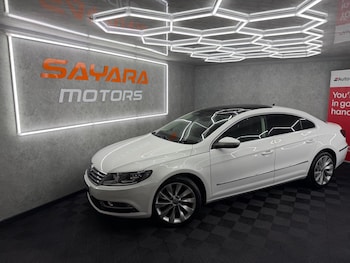
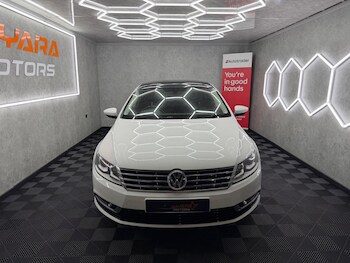
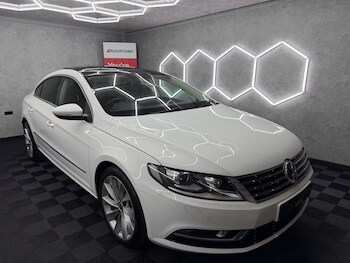
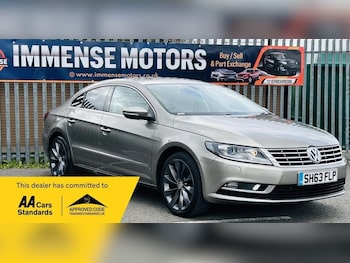
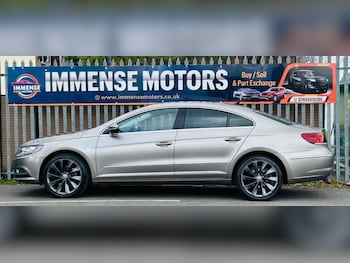
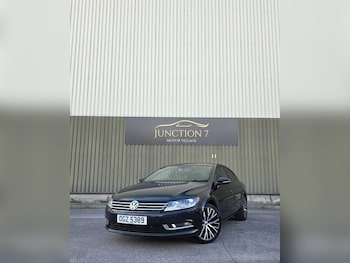
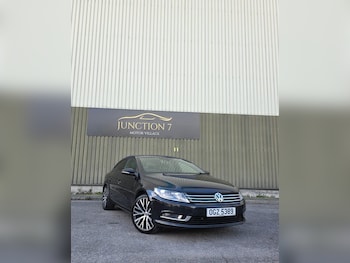
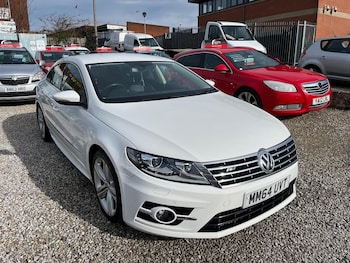
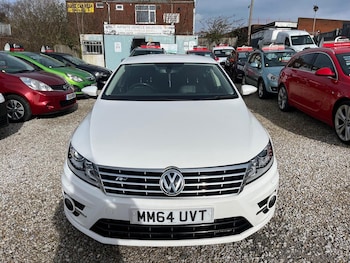
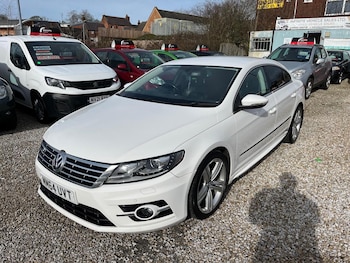
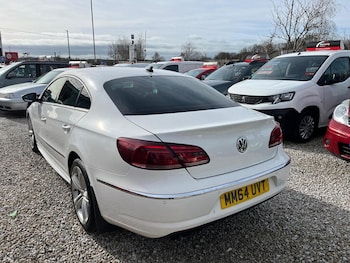
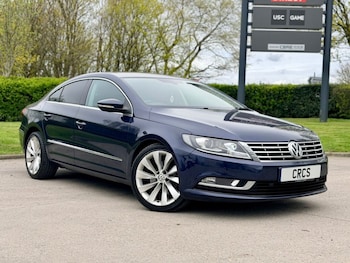
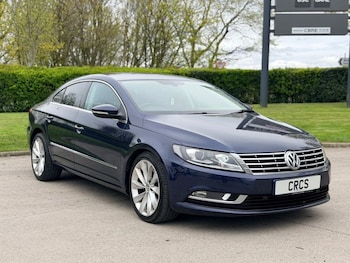
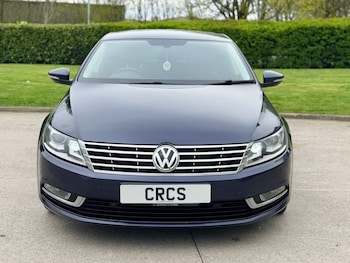
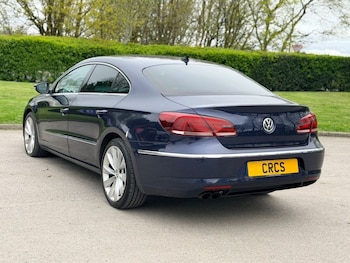
In 2008, Volkswagen introduced the Volkswagen CC as a saloon-cum-coupe spin-off of the Passat to compete with rival executive saloons. After a 2012 facelift brought in a restyled grille, nose, headlights and an improved differential, the carmaker finally dropped the Passat badge from the CC's name. With frameless rear windows and a curved roofline, the VW CC looked a lot like a smaller version of the Audi A7. It was also surprisingly quick, achieving a 0-62 mph sprint time between 7.3£9.1 seconds and reaching a maximum speed of 150 mph.
The first-generation Volkswagen CC only released with 2 trim levels: the standard CC and the CC GT. Features in the entry-level CC-badged trim include:
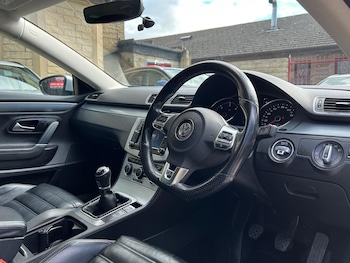
Among other features that earned the base-trim CC plenty of buyer appeal include Xenon headlights, automatic wipers and a multifunction steering wheel. The GT trim added more extras, like:
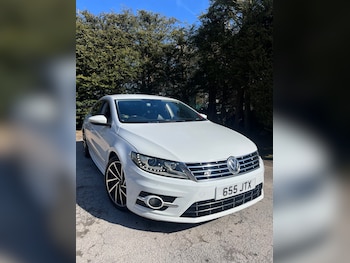
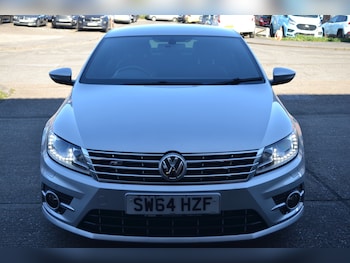
In November 2013, Volkswagen added the R-Line trim to the CC range. It came with the same standard equipment as the GT, but it had a sportier exterior, a newly designed interior and LED daytime running lights.
The initial 2008 engine line-up included a 158 bhp 1.8-litre TSI petrol and a 138 bhp 2.0-litre TDI diesel engine. Near the end of that same year, a 197 bhp 2.0-litre TSI petrol engine joined the range. VW introduced more units over the years, but by 2017, they trimmed down the engine choices to a 1.4 TSI petrol and a pair of 2.0-litre diesel units tuned to 148 bhp and 181 bhp. The engines were made available with both manual and automatic transmissions and a front-wheel drivetrain. There is also a rare 3.6-litre V6 engine option that came with VW's 4MOTION 4-wheel-drive system.
The Volkswagen CC offers good performance, with a smooth gearbox and excellent refinement. However, it doesn't deliver the sports sedan driving experience as its exterior suggests. Its sports suspension system, which comes standard in all trims, makes the ride comfortable and agile on motorways. The CC's handling is even better with GT trims and above, as they get multi-mode adaptive dampers. This equipment kit allows you to switch between VW's Normal, Comfort and Sport driving modes.
Although the VW CC shares the same underpinnings as the Passat, there are many significant differences between these 2 models. The Passat aimed to challenge mid-size family saloons, such as the Camry or Accord. To detach the premium styled coupe from its mainstream cousin, Volkswagen deliberately dropped the Passat badge from the CC's name. Besides sportier styling, the VW CC also came with XDS differential, sports suspension, electronic traction control and more sports features.
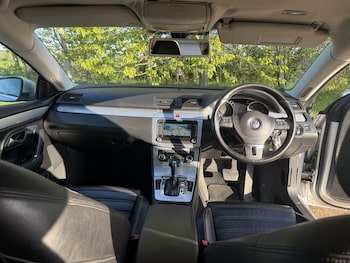
The Volkswagen CC was available as a 4-seater until April 2010, when VW finally introduced a 3-seat folding rear bench seat, turning the CC into a 5-seater. With the upgraded 5-seater, there's ample rear legroom for passenger comfort. Taller passengers might find the headroom a little tight in the back, but front passengers have plenty of space. Not many people will enjoy sitting in the middle seat on longer journeys, but this is true with pretty much every car anyway.
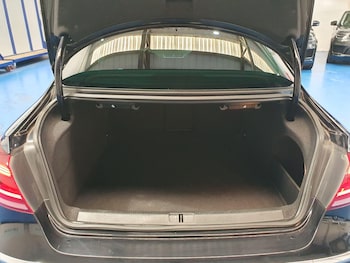
The VW CC has a 532-litre boot capacity when the rear seats are all upright and measured to the ceiling level. Folding down the back seats increases the cargo room to 802 litres, which is relatively sufficient but still far from being the best in class. You can opt for an automatic powered tailgate that makes loading easier simply by waving your foot under the rear bumper.
There has never been another car model that directly rivalled the Volkswagen CC. However, the CC intended to penetrate the compact luxury saloon segment and rival leaders, like the Audi A4. While the class-leading Mercedes CLS has a similar luxury appearance as the VW CC, it's much larger and more expensive. The Audi A5 Sportback is another close rival, but it also costs more and is less practical.
The Euro NCAP never tested the VW CC, but it has crash-tested the Passat, its platform-sharing cousin. The Passat was awarded a maximum 5-star rating on every safety test. The VW CC would likely achieve the same rating as the Passat given its wide range of safety tech features, such as driver fatigue detection, active head restraints, lane-keeping assist and a blind-spot warning system. You can also find VW CC's fit with optional safety kits, like a traffic-sign recognition system.
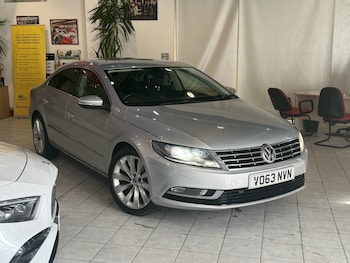
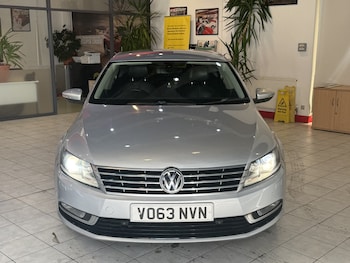
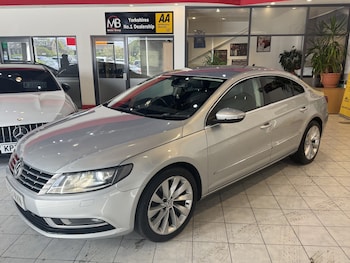
Volkswagen CC
2013 2.0 TDI BlueMotion Tech GT 4dr
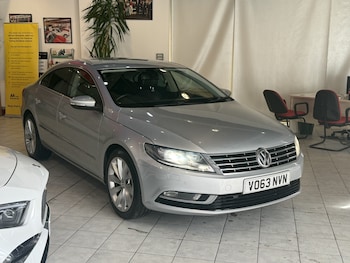
Volkswagen CC
2013 2.0 TDI BlueMotion Tech GT 4dr
DECEMBER 2026 MOT
Volkswagen CC
2010 2.0 TDI GT DSG Euro 5 4dr (4 Seat)
Stunning car Great Spec
Are these results helpful?
Help us improve
Volkswagen CC
2016 (66) 2.0 TDI 150 BlueMotion Tech RLine 4dr
Volkswagen CC
2008 3.6 FSI V6 GT 4Door
Volkswagen CC
2014 (64) 2.0 TDI BlueMotion Tech GT DSG Euro 5 (s/s) 4dr
WARRANTY+AUTO+2KEYS+AACOVER
Volkswagen CC
2015 2.0 TDI 150 BlueMotion Tech GT 4dr DSG
Volkswagen CC
2014 (63) 2.0 TDI BlueMotion Tech GT 4dr DSG
SH*WARRANTY*HTD SEATS*AUTO*
Volkswagen CC
2016 (66) 2.0 TDI GT Black Edition 4dr
LongMOT + 6m Warranty + 12m AA