|
Beta
85
Are these results helpful?
Help us improve
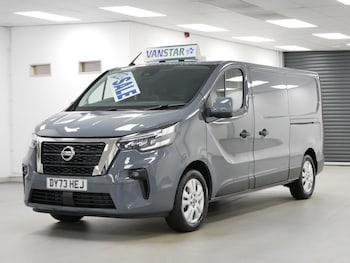
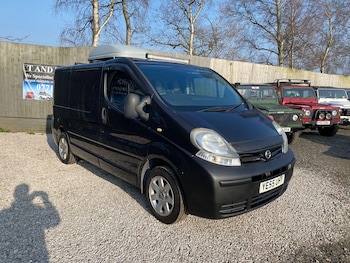
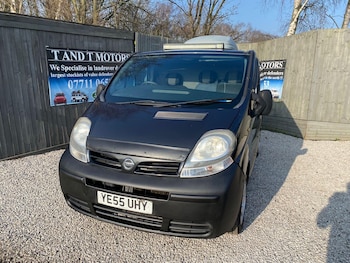
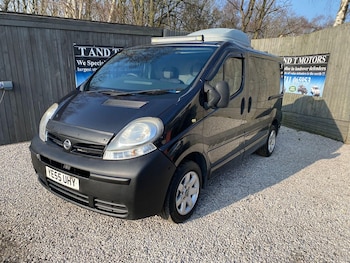
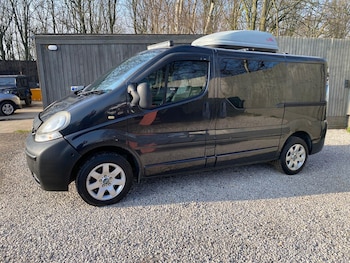
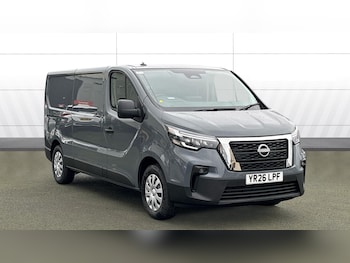
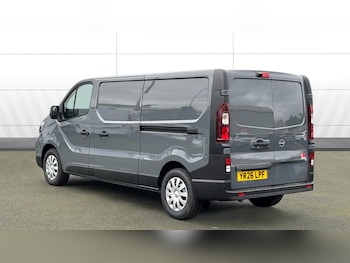
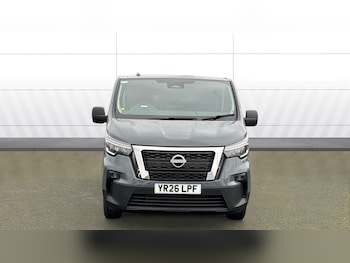
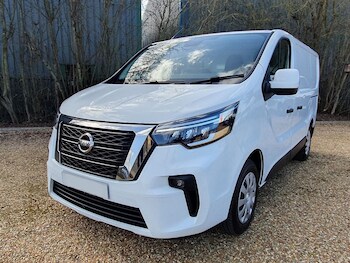
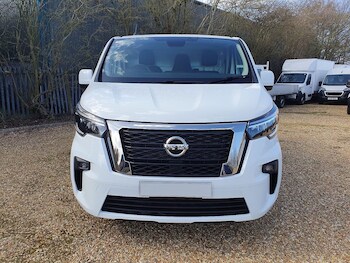
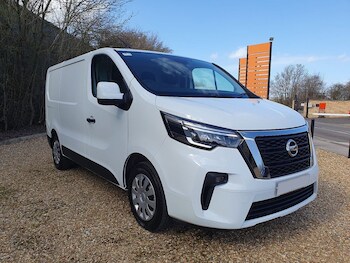
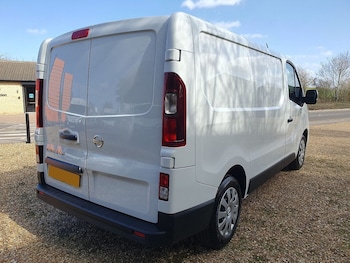
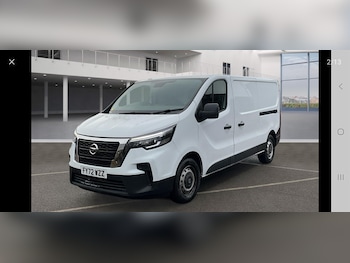
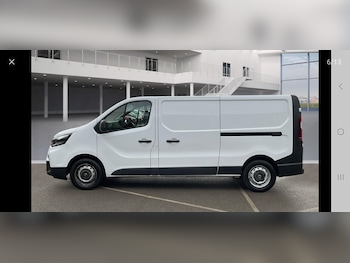
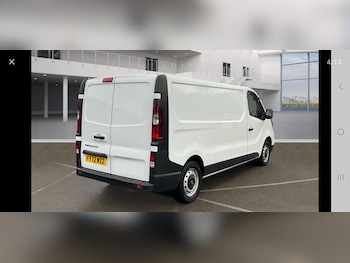
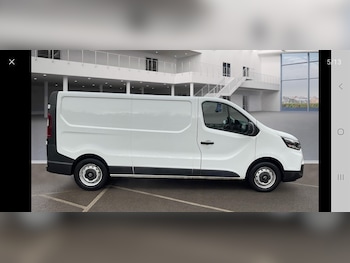
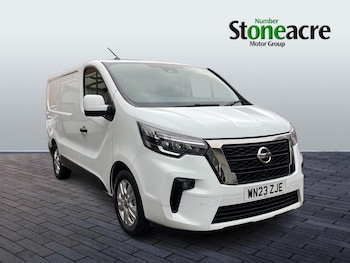
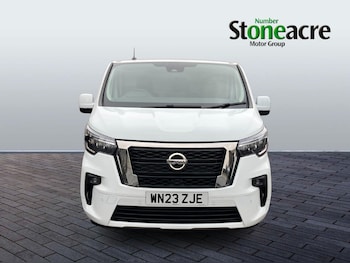
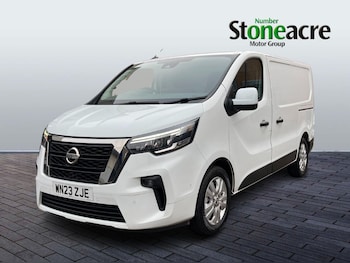
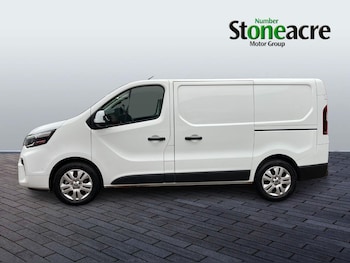
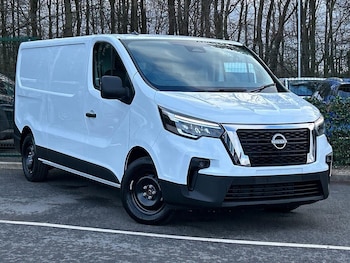
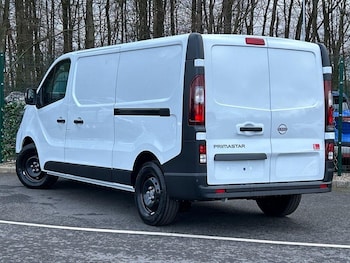
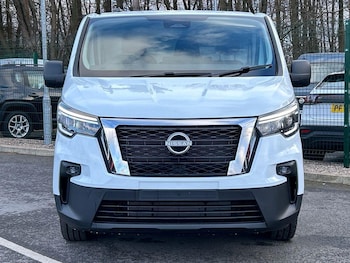
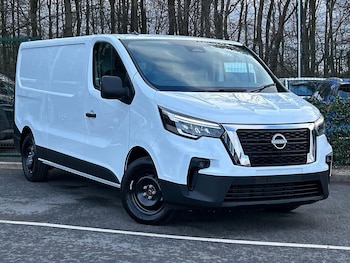
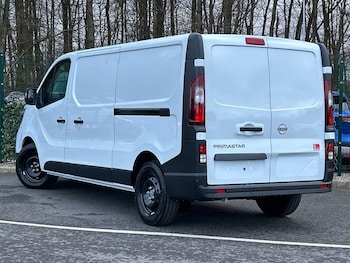
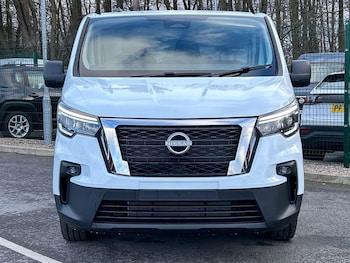
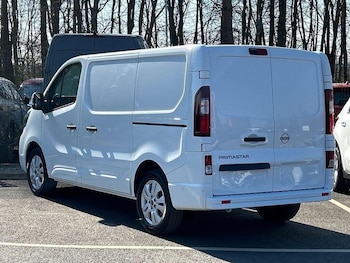
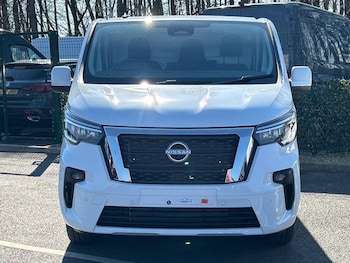
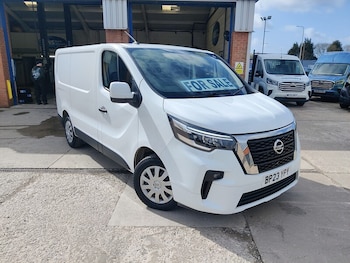
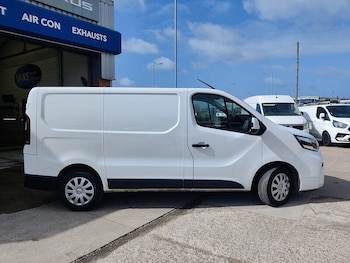
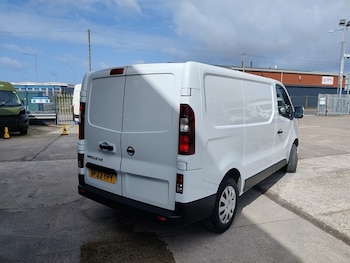
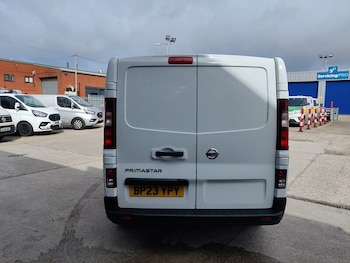
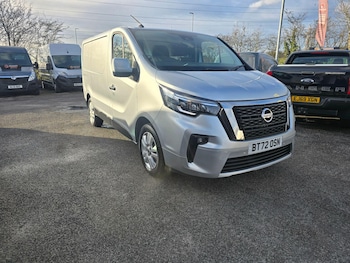
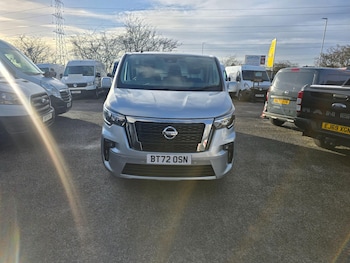
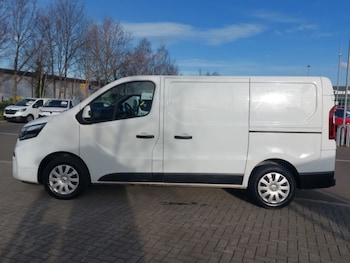
Nissan Primastar
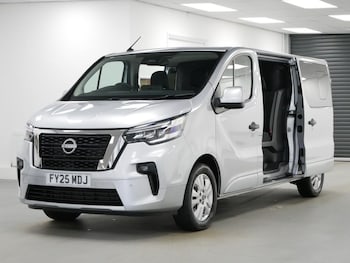
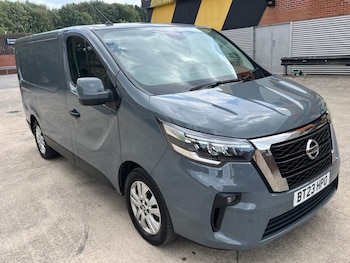
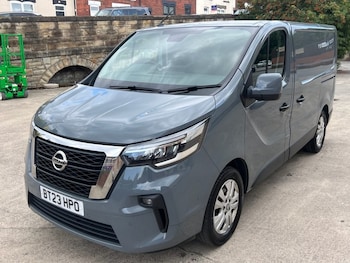
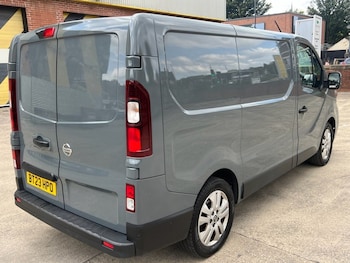
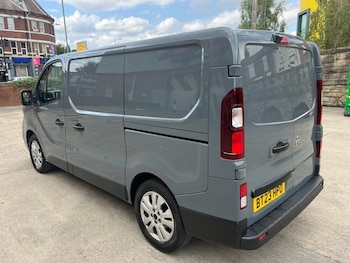
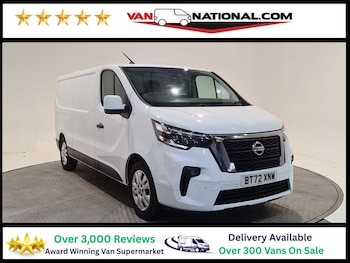
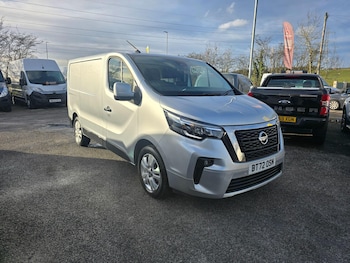
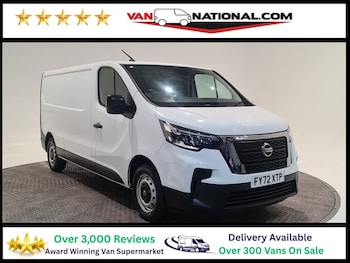
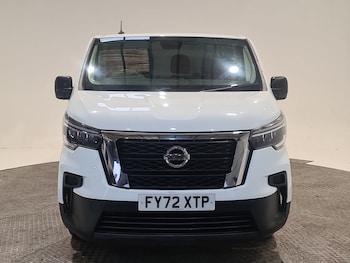
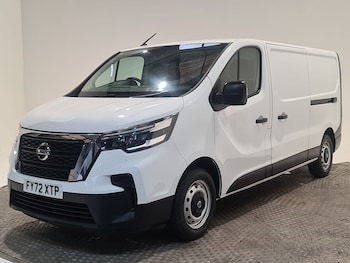
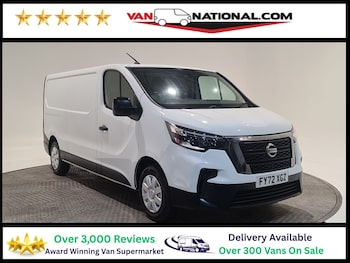
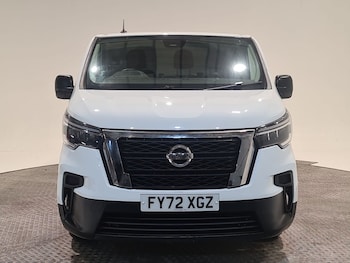
2.0 dCi 130ps H1 Tekna Van
BUY or LEASE call for personalised quotation
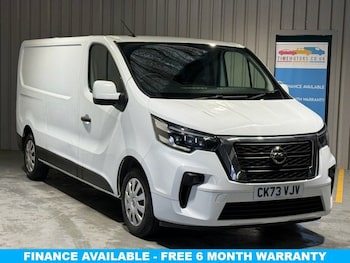
Nissan Primastar
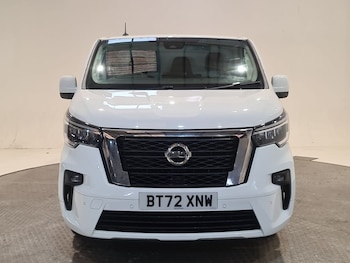
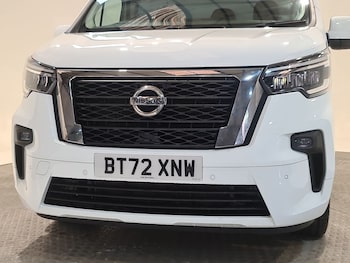
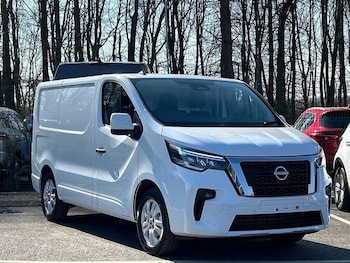
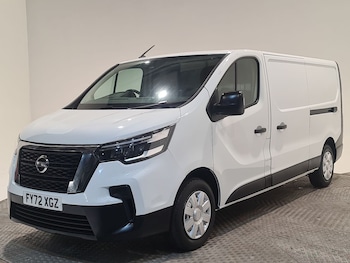
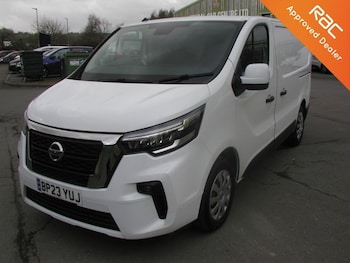
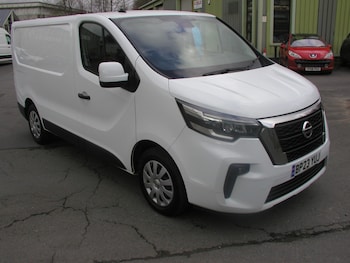
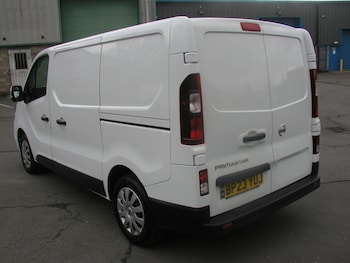
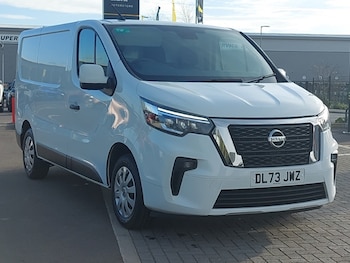
2022 (72) - 2.0 dCi 30 Tekna L1 H1 Euro 6 (s/s) 5dr
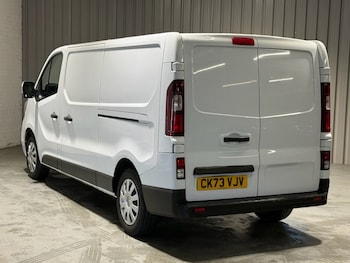
Nissan Primastar
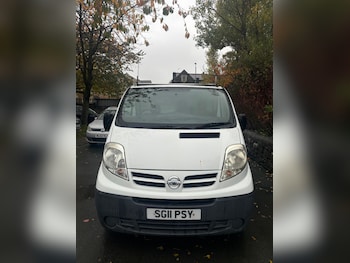
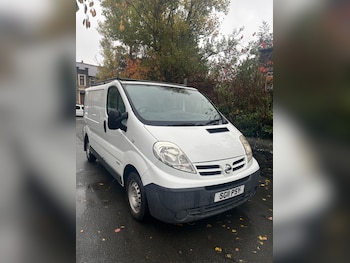
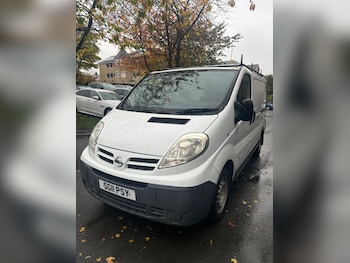
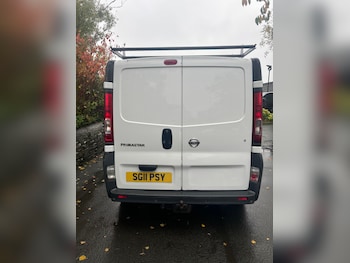
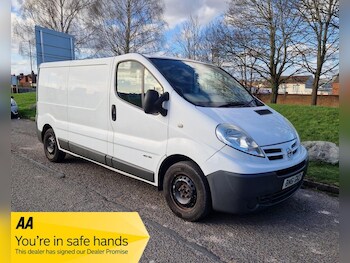
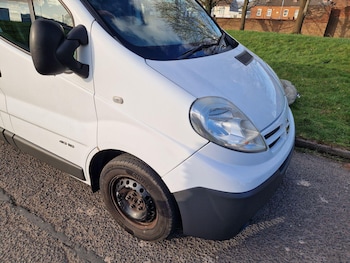
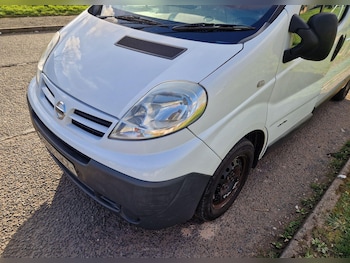
2011 (61) - 2.0 dCi 2900 SE L2 H1 4dr
Finding the right van for your business is a bit like hiring a new employee. You need something reliable, hardworking, and capable of pulling its weight without complaining. If you’ve been scrolling through listings looking for a partner that ticks those boxes, the Nissan Primastar deserves a spot on your shortlist.
Whether you are a sole trader needing a trusty workhorse for tools or a growing fleet manager looking for value, this medium-sized van has a lot to offer. It sits in a competitive class, rubbing shoulders with some big names, but it holds its own with a blend of practicality and car-like comfort.
In this guide, we’ll walk you through everything you need to know about the Nissan Primastar. We’ll strip away the jargon and give you the honest lowdown on performance, safety, and why it might just be the smartest investment you make this year.
The short answer? Yes, absolutely. The Primastar has a reputation for being a solid, no-nonsense commercial vehicle. If the shape looks familiar, that’s because it shares a platform with the Renault Trafic. This is good news because it means you get a tried-and-tested design that has been refined over years of development.
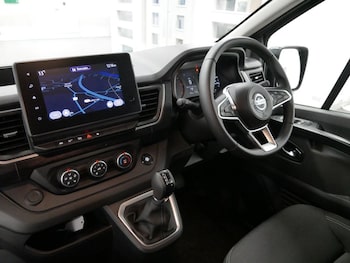
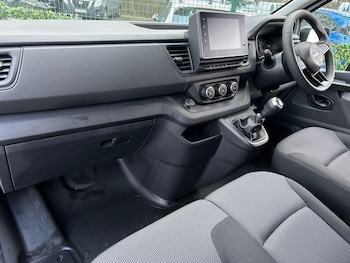
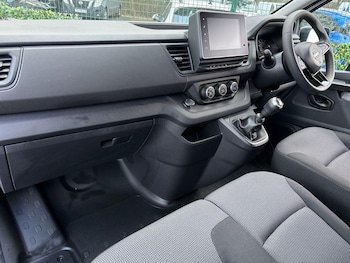
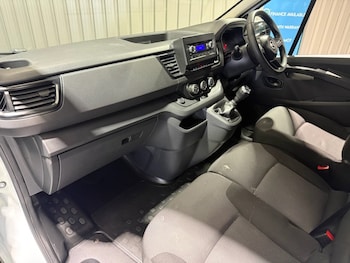
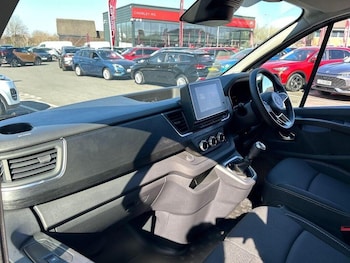
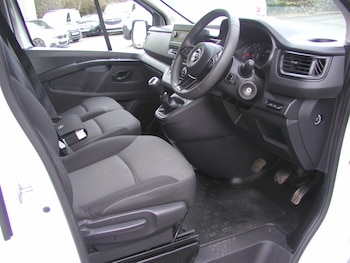
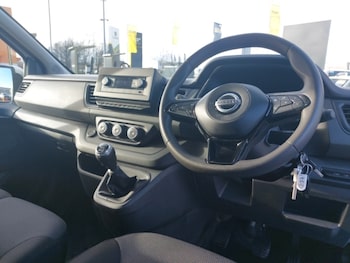
The Primastar fits neatly into the medium van segment. It isn’t as cumbersome as a large transporter, making it manageable for city driving, yet it offers significantly more room than a compact van. It’s the Goldilocks option for many tradespeople—just right. Inside, the cabin is designed with the driver in mind, offering a mobile office environment with smart storage solutions for your clipboard, coffee, and lunch.
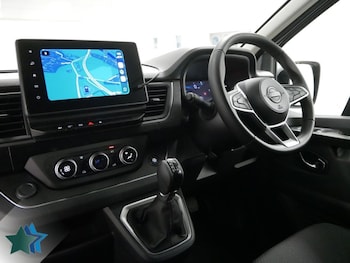
One of the standout aspects of looking for a Nissan primastar for sale is the level of kit you often get for the price. Nissan is generous with standard equipment. Depending on the trim, you can expect features like LED headlights, air conditioning, and an infotainment system that syncs seamlessly with your smartphone. It’s those little touches that make the 6 a.m. start a bit more bearable.
Who is this van for? It’s ideal for plumbers, electricians, and builders who need to carry lengths of pipe or timber. It’s also a favourite for delivery drivers who need easy access and decent fuel economy. If you value a vehicle that feels less like a truck and more like a large car, the Primastar will suit you down to the ground.
When money is on the line, you need to know your van can handle the heavy lifting. The Primastar is designed to be tough, but it doesn't punish the driver for it.
Under the bonnet, you’ll typically find a robust 2.0-litre diesel engine. These units are punchy and responsive, designed to haul a full load without feeling breathless on the motorway. For those of you who spend half your life in stop-start city traffic, tracking down a Nissan primastar automatic is a wise move. It takes the strain out of urban driving, saving your left leg a serious workout during rush hour.
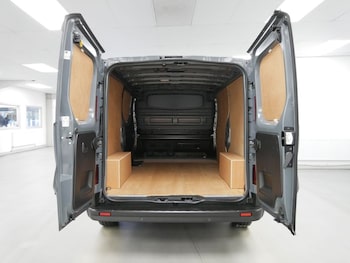
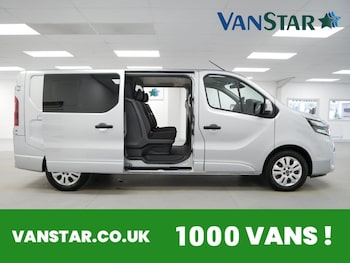
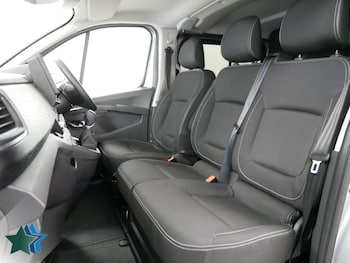
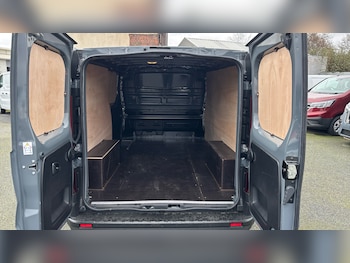
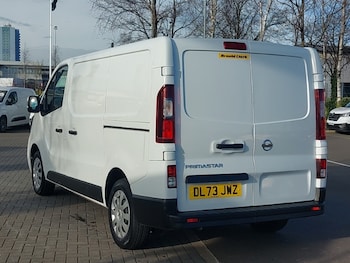
Let’s talk space. The load area is square and accessible, with wheel arches that don't intrude too much. This makes sliding in a Euro pallet effortless. For businesses that need to move people as well as gear, the Nissan primastar crew van configuration is a lifesaver. It sacrifices a bit of rear load length but gives you a second row of seats, perfect for getting the whole team to the site in one vehicle.
Behind the wheel, the Primastar surprises many first-time drivers. The steering is light, the visibility is excellent thanks to large mirrors, and the suspension does a decent job of soaking up bumps—even when the van is empty. It’s composed on winding roads and settles down quietly on the dual carriageway.
We know that keeping you and your staff safe is priority number one. Modern vans have come a long way from the basic tin boxes of the past, and Nissan has kept pace with safety technology.
The Primastar generally performs well in safety assessments, benefiting from a stiff chassis and modern crumple zones. While commercial vehicle ratings differ slightly from passenger cars, the underlying structure is built to protect.
Depending on the model year and spec, you’ll find reassuring tech on board. Look out for features like blind-spot intervention, which is invaluable when changing lanes in a panel van. Emergency braking assist and lane departure warnings are also commonly available, acting as an extra pair of eyes when you’re tired at the end of a long shift.
One of the biggest selling points for a Nissan is the brand's confidence in its reliability. Manufacturer warranties are often generous (typically 5 years or 100,000 miles from new), so if you are buying a newer used model, you might still benefit from that peace of mind.
Ready to take the plunge? Buying a van is a business expense, so the numbers have to stack up.
Because the Primastar has been around for a while (under various names), there is a healthy supply of used models on the market. This means you can often find competitive pricing compared to some of the premium German rivals. Keep an eye out for ex-fleet vehicles; they often have higher mileage but usually come with full service history records.
We always recommend getting behind the wheel. When testing a Primastar, check the sliding doors open smoothly and that the loading bay hasn't been battered too hard by the previous owner. Listen for smooth gear changes, especially if you are testing an automatic version.
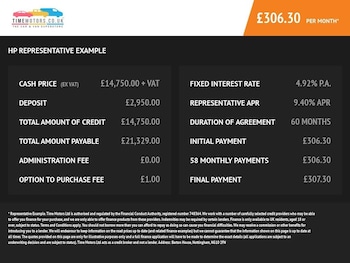
Most buyers don't drop cash upfront for a commercial vehicle. Whether you look at Hire Purchase (HP) or Personal Contract Purchase (PCP), spreading the cost can help manage cash flow. Exploring your finance options early allows you to budget for monthly outgoings rather than a large lump sum.
It’s a crowded market out there. How does the Primastar stack up against the competition?
The Primastar sits comfortably in the middle of the pack. It’s often cheaper to buy than a Volkswagen Transporter or a Ford Transit Custom. While the Transit might arguably drive slightly better, the Primastar offers a compelling balance of value and utility. It’s arguably more stylish than some budget options, giving your business a professional image on the driveway.
This is where the Primastar shines. Running costs are reasonable thanks to efficient diesel engines, and parts are widely available because of the platform sharing with Renault. Depreciation is relatively steady, meaning it holds its value reasonably well if you look after it. For the price, you get a lot of metal and a lot of capability.
The Primastar typically features a 2.0-litre dCi diesel engine with varying power outputs (usually 110hp to 170hp). It comes in two lengths (L1, L2) and two heights (H1, H2), offering flexibility for different needs. Fuel economy generally ranges between 35-40 mpg combined.
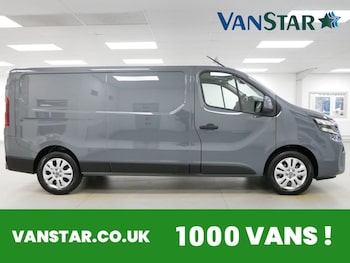
The standard L1 version is roughly 5 meters long, while the L2 adds an extra 40cm. The load volume ranges from 5.8 to 8.9 cubic meters depending on the height and length configuration. It fits standard parking spaces better than large vans.
It holds its own, often featuring advanced driver assistance systems (ADAS) on newer models, such as blind-spot warning and traffic sign recognition. While some newer rivals might edge it out on the very latest tech, the Primastar is a safe and robust choice.
You can typically access standard automotive finance products. Hire Purchase is popular for businesses wanting to own the asset eventually, while leasing or PCP deals suit those who want lower monthly payments and the option to upgrade later.
You can choose a standard Panel Van for maximum cargo, or a Crew Van which adds a second row of seats for carrying a team. There are also Platform Cabs available for specialised conversions if your business requires a specific rear body.
Owners often praise the comfortable driving position and the "office-like" cabin practicality. Reliability scores are generally good, with many users citing the strong engine performance and fuel efficiency as key highlights of ownership.