Used Renault 5 Cars For Sale: An Icon Reborn
Do you remember your first crush? For many car lovers, it was the Renault 5. With its cheeky headlights and compact shape, it wasn’t just a car; it was a character. Whether you remember seeing them zip around European streets in the 80s or you’re just discovering the buzz around the reboot, there is no denying this car has a special place in history.
But nostalgia isn’t the only thing fueling the excitement. The automotive world is buzzing because the legend is back, and this time, it’s plugging into the future. It’s a rare thing when a car manages to capture the hearts of vintage enthusiasts and tech-savvy drivers alike, but the Renault 5 seems to have cracked the code.
Whether you are looking for a practical city runaround or a piece of rally history, this hatchback has a story to tell. We’re here to help you navigate the old, the new, and the electric, so you can decide if this French icon is the right fit for your driveway.
Is the Renault 5 a good car?
Let’s be honest, "good" is subjective. But if you value personality, practicality, and a bit of French flair, the Renault 5 ticks a lot of boxes. Originally launched in 1972, it revolutionised the small car market. It was chic, affordable, and surprisingly spacious—a formula that works just as well today as it did fifty years ago.
The brilliance of the Renault 5 lies in its versatility. It has served as a sensible grocery getter, a student’s first car, and even a ferocious rally champion. Today, the nameplate represents a bridge between eras. You have the classic models, which offer a raw, analogue driving experience that modern cars struggle to replicate.
Then, you have the modern reincarnation. It promises to bring that same fun-loving spirit into the electric age, offering agility and style without the emissions. Whether you opt for a vintage model or the upcoming EV, you’re buying into a legacy of innovation and charm that few other cars can match.
Electric Renault 5 E-Tech
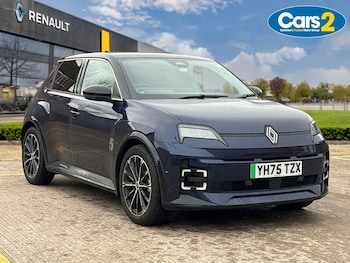
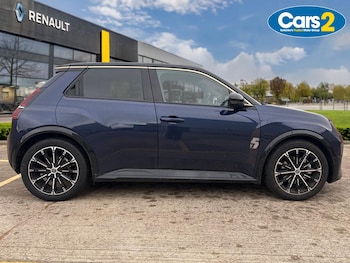
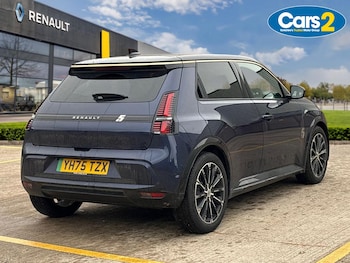
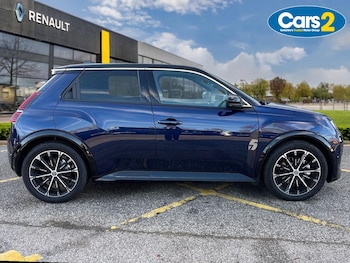
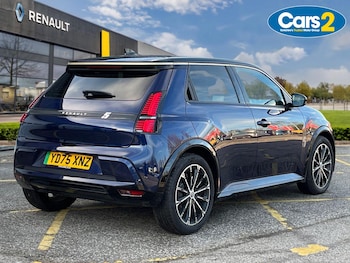
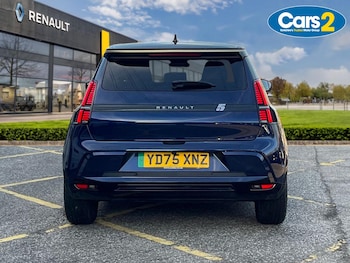
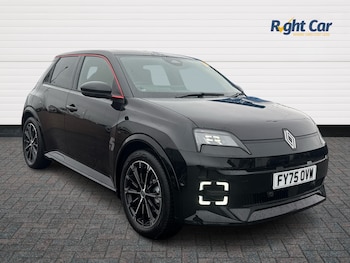
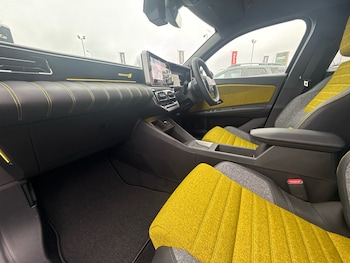
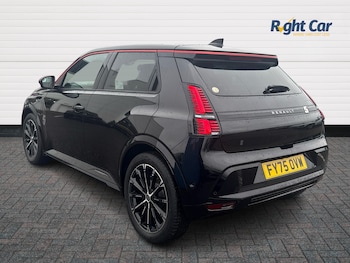
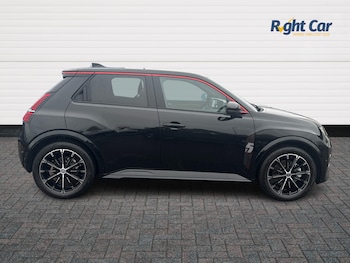
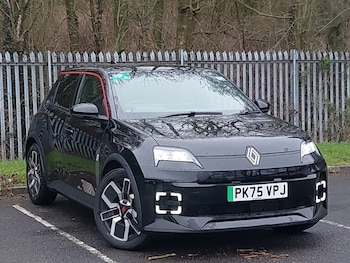
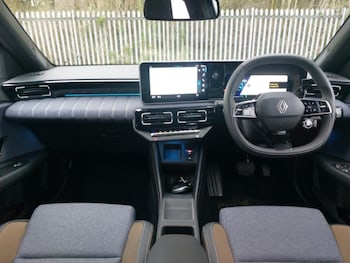
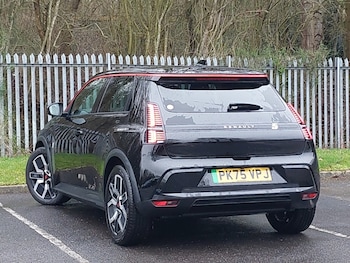
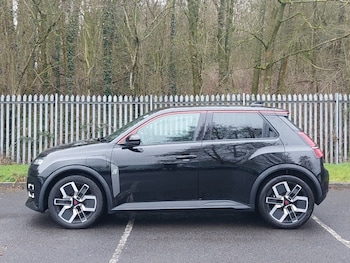
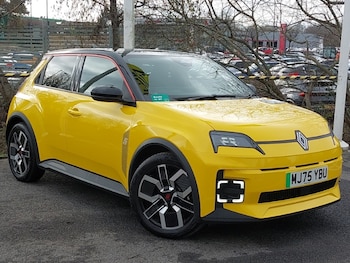
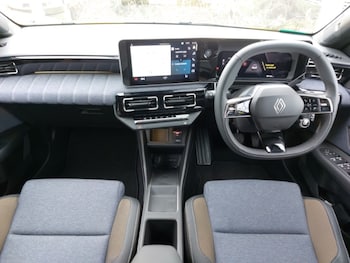
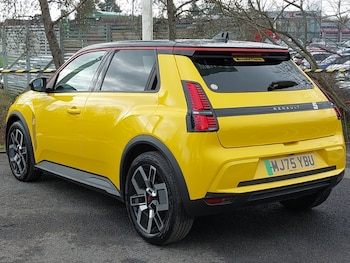
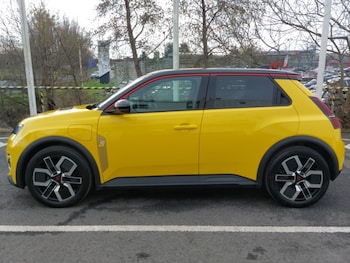
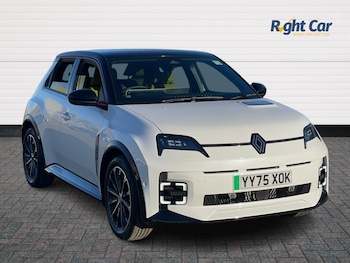
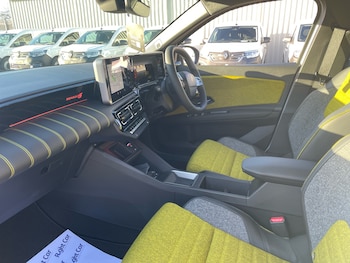
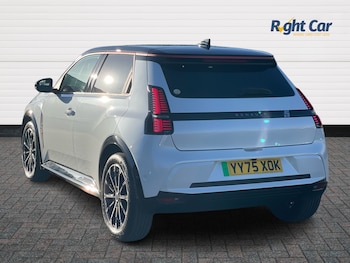
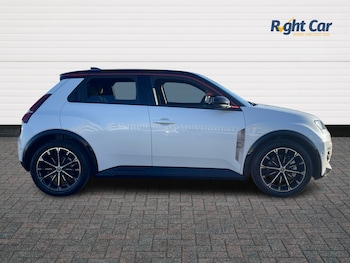
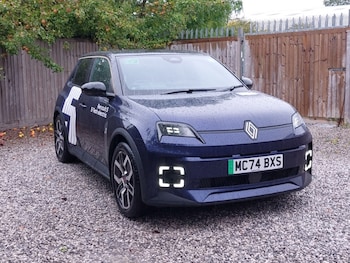
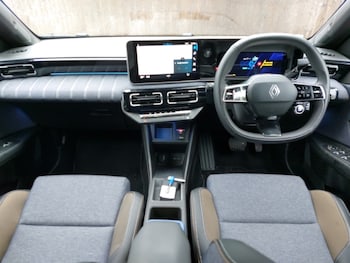
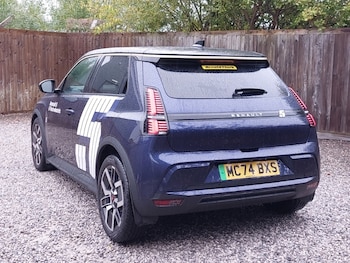
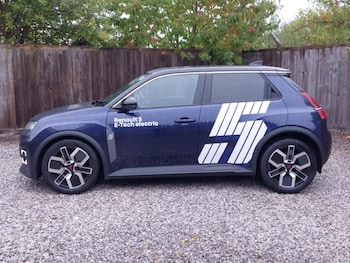
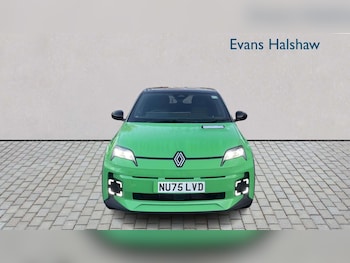
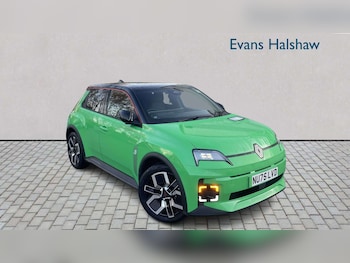
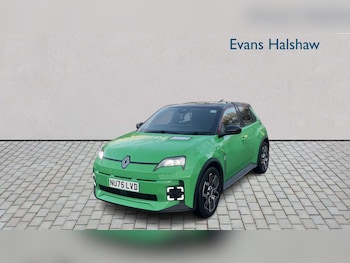
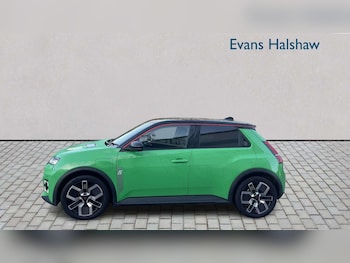
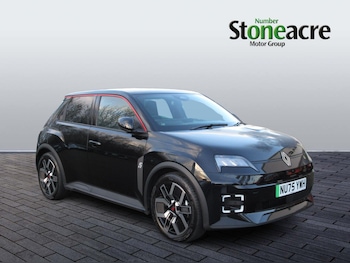
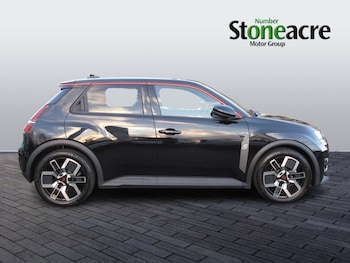
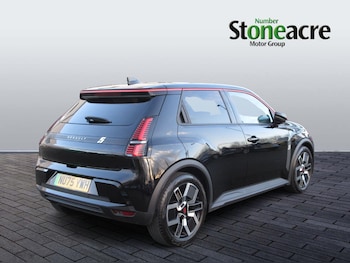
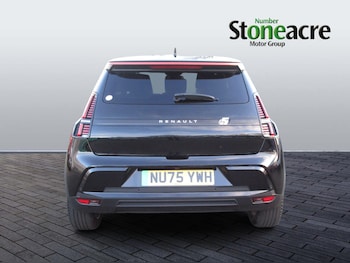
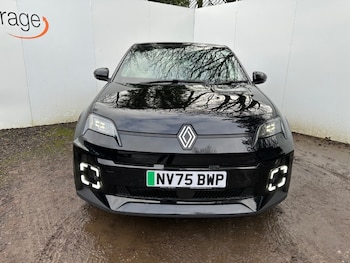
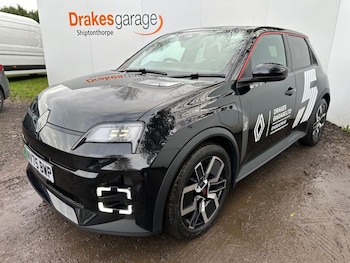
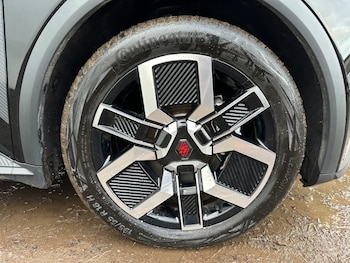
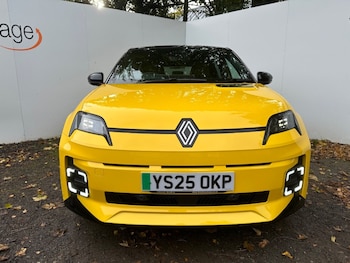
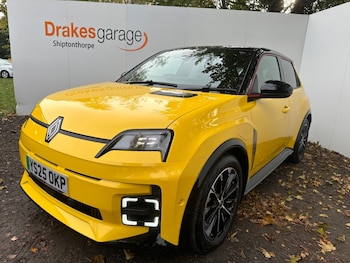
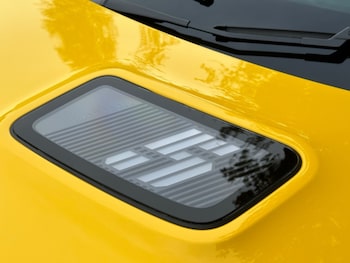
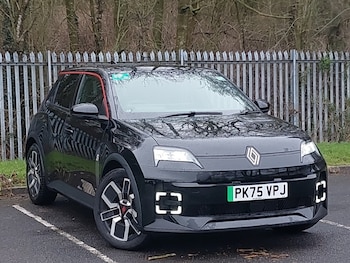
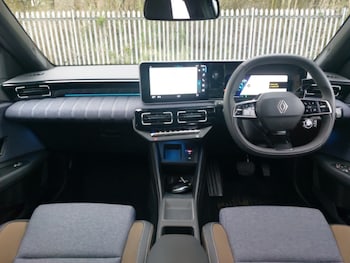
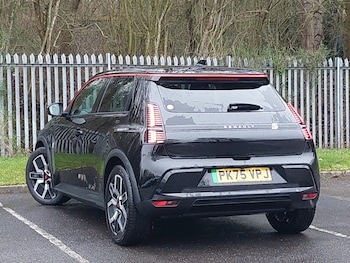
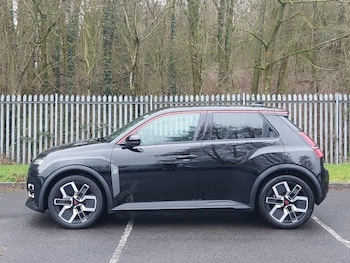
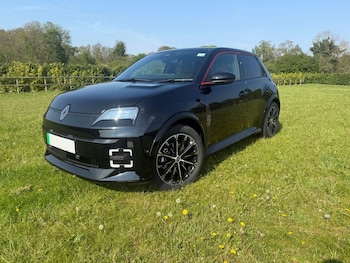
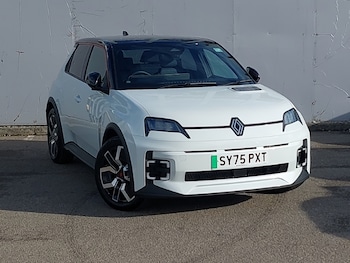
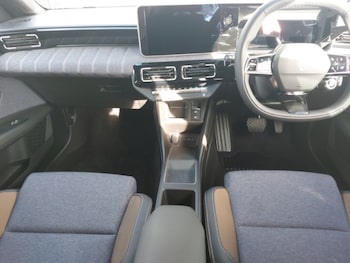
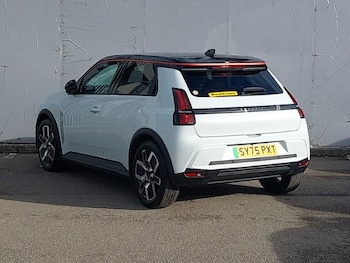
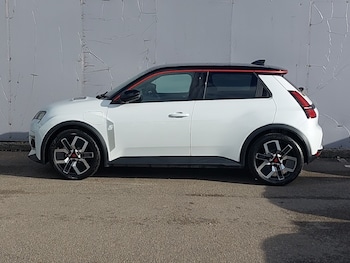
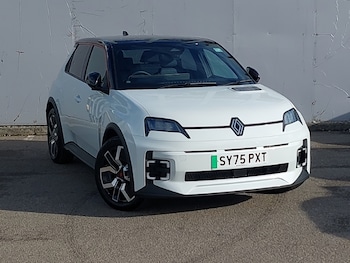
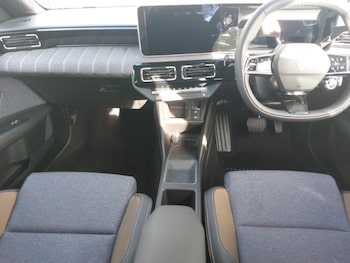
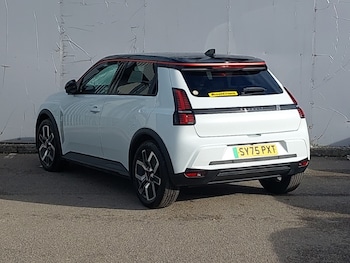
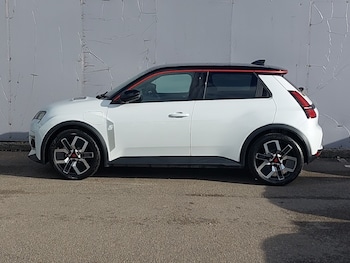
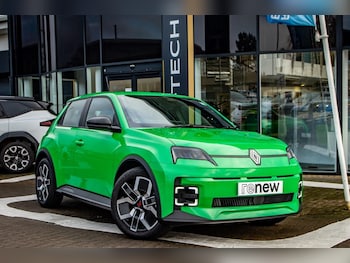
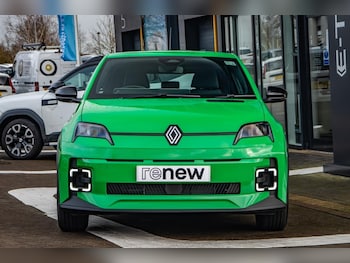
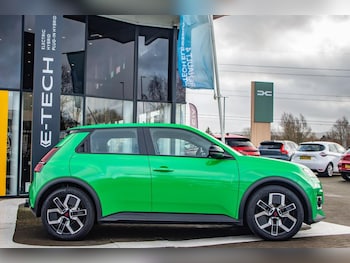
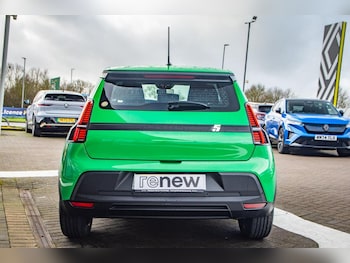
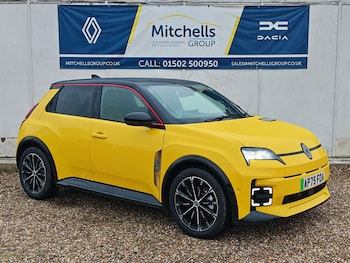
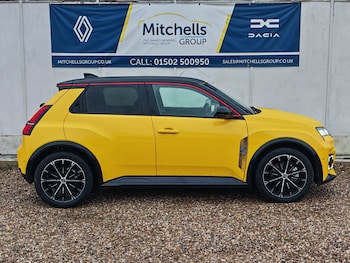
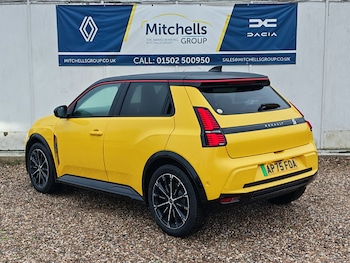
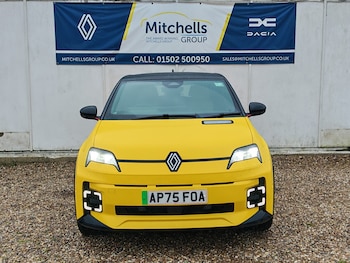
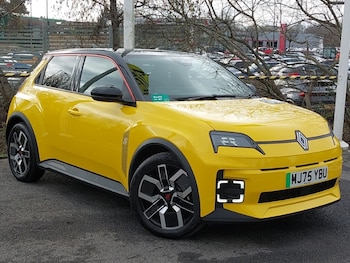
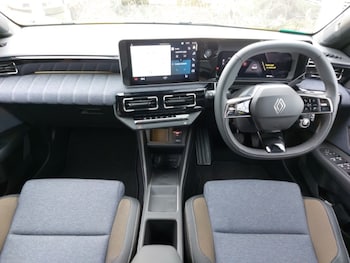
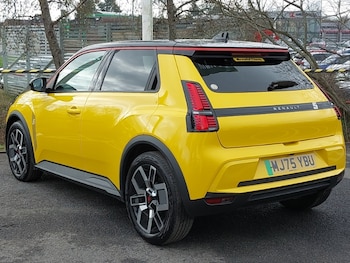
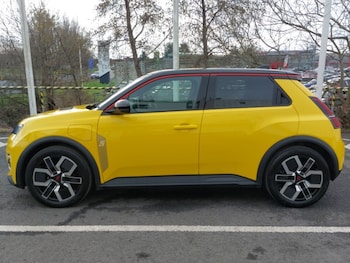
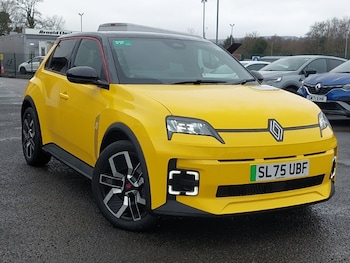
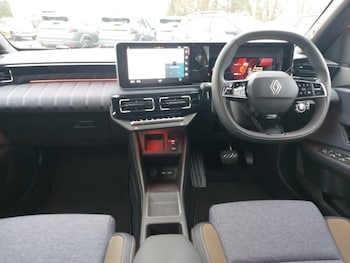
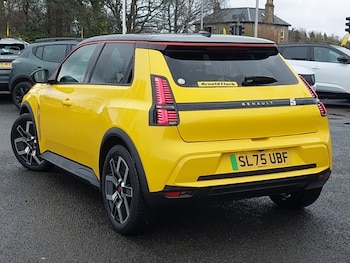
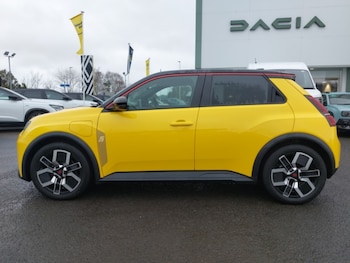
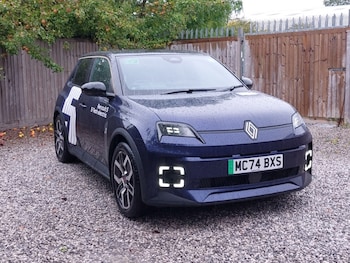
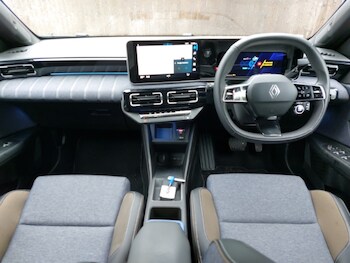
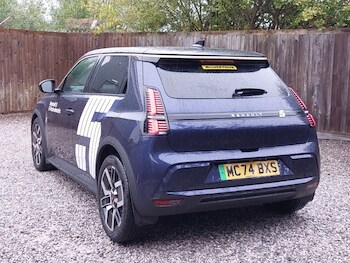
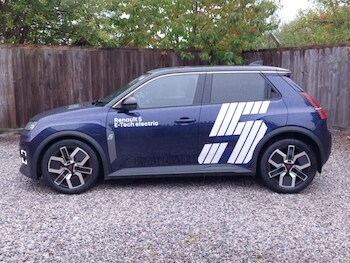
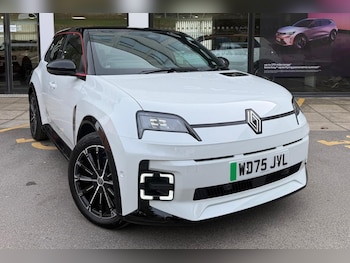
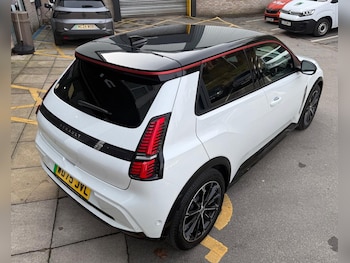
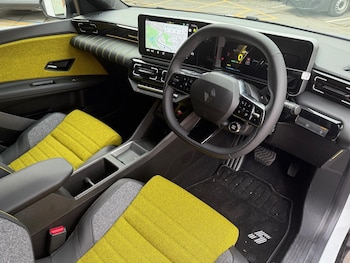
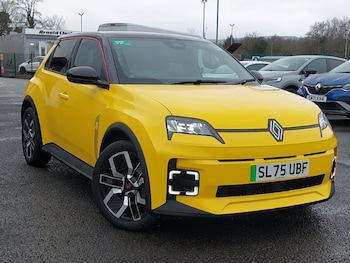
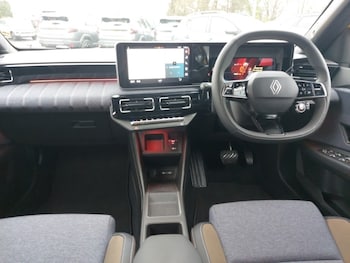
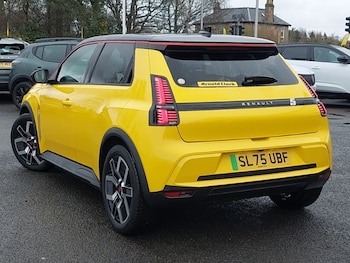
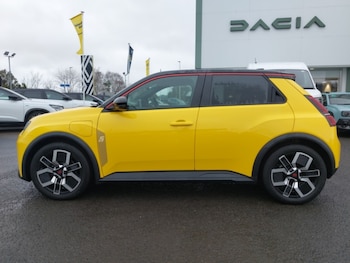
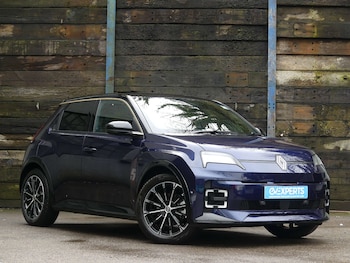
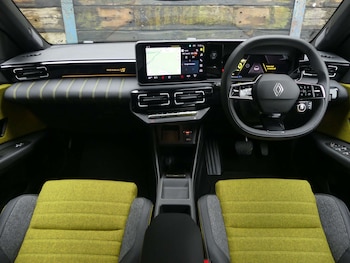
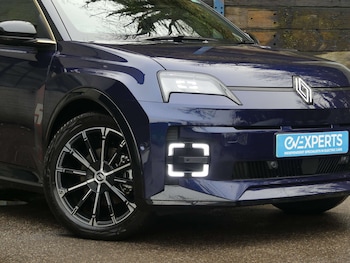
The headline news is the Renault 5 electric, officially known as the Renault 5 E-Tech. It’s not just a nod to the past; it’s a full-on embrace of it, wrapped up in modern technology. The design team has done a fantastic job of keeping the silhouette we love while smoothing it out for aerodynamics and efficiency.
Under the bonnet—well, under the floor—sits a battery designed for urban life. While official real-world range figures vary by spec, it is built to handle the daily commute with ease. It supports rapid charging, meaning you won’t be tethered to a plug for hours on end when you’re out and about.
Of course, cost is a huge factor for anyone making the switch to an EV. The Renault 5 electric price aims to be accessible, positioning it as one of the more affordable retro-styled EVs on the market. It’s designed to be a "people’s car" for the electric generation, offering style without an eye-watering premium.
Used Renault 5 Cars
If you prefer the smell of petrol and the feel of a manual gearbox, a classic used Renault 5 might be more your speed. These cars are becoming increasingly collectible, especially the first-generation models with their distinctive dashboard gear levers and soft suspension.
When shopping for a classic used model, history is everything. These cars are from an era where rust protection wasn’t quite what it is today. Check the wheel arches, the sills, and the floor pans thoroughly. A well-maintained example is a joy to drive, offering a lightweight agility that modern safety standards have largely ironed out of today's vehicles.
Buying a classic often means buying a project, but there are plenty of tidy examples out there if you are patient. They are simple to work on, making them a great entry point for budding mechanics. Just remember to check the service records to ensure the engine has been looked after.
Renault 5 Turbo: A Classic Icon
We can’t talk about this car without bowing down to the Renault 5 turbo. This wasn’t just a hatchback; it was a monster. In the 1980s, Renault decided to stick a turbocharged engine in the back seats and widen the wheel arches to comical proportions. The result? A homologation special that terrified and thrilled in equal measure.
The Turbo was built for rallying, specifically to compete in the legendary Group B era. It swapped the front-engine, front-wheel-drive layout of the standard car for a mid-engine, rear-wheel-drive setup. It was wide, loud, and incredibly fast.
Today, the Renault 5 Turbo is a bona fide collector's item with a price tag to match. It represents a time when engineers were allowed to go a bit mad, and we love it for that. Seeing one on the road is an event, a reminder of a golden era of hot hatches.
Current Trends and Future of Renault 5
The automotive world is currently obsessed with "retro-futurism"—taking beloved designs and updating them for the modern world. The Renault 5 is leading this charge. It proves that electric cars don’t have to look like spaceships; they can have soul, history, and character.
We are seeing a trend where drivers want technology but crave the emotional connection of the past. The new 5 caters to this perfectly. It suggests a future where our cars can be clean and efficient without losing their unique identities.
For enthusiasts, this revival is sparking renewed interest in the original models, driving up values and ensuring that more classics are being restored and saved. It’s a win-win for the car community, keeping the heritage alive while pushing the technology forward.