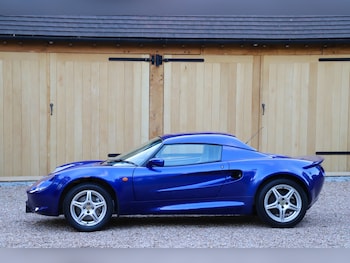
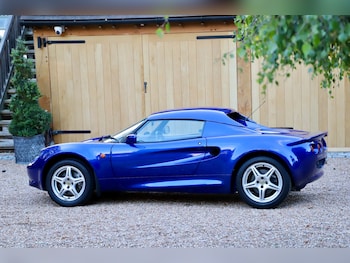
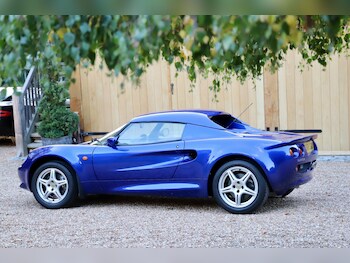
|
Beta
20
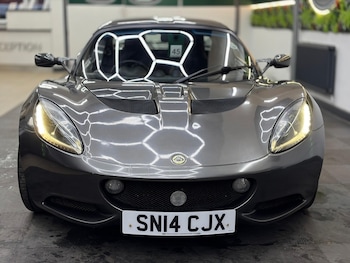
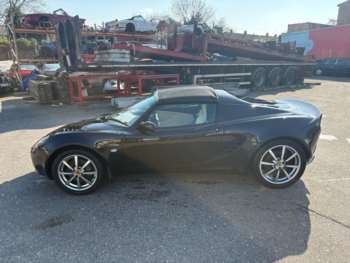
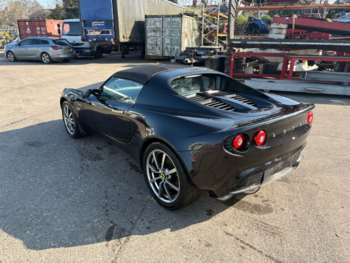
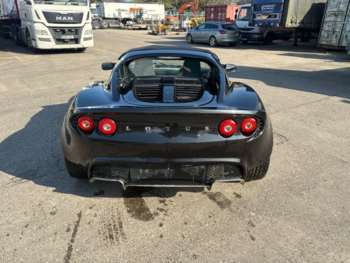
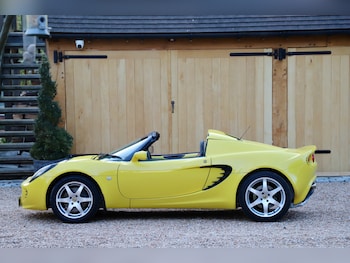
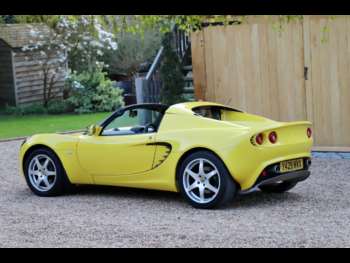
Lotus Elise
2014 - 1.6 T [3X SERVICES] 2-Door
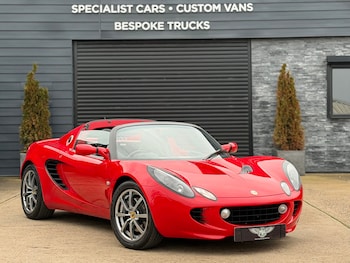
Lotus Elise
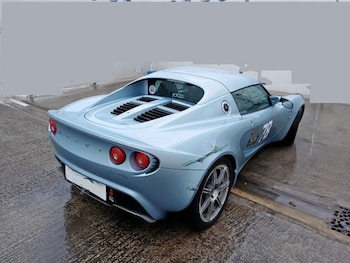
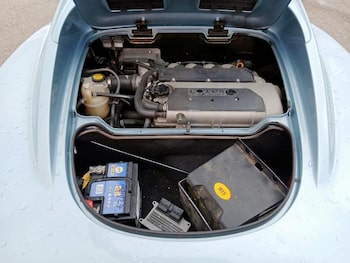
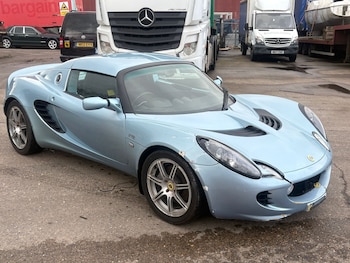
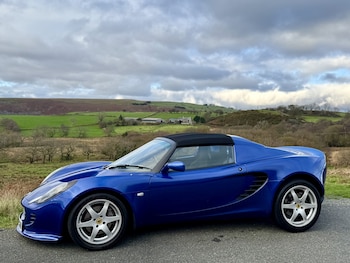
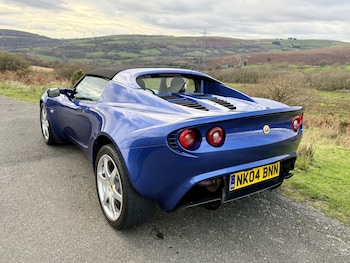
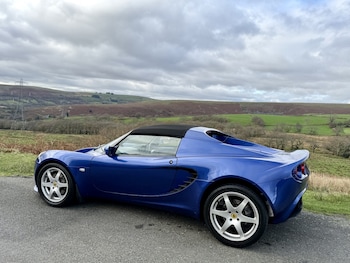
2004 (04) - 111S 1.8 2dr
K6 Emerald ECU Rare 111S
Lotus Elise
2018 (18) - 1.8 Sport 220 Convertible 2dr Petrol Manual Euro 6 (220 ps)
Lotus Elise
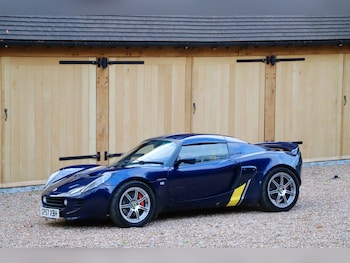
2008 (08) - Elise R Sport Touring 2dr
Lotus Elise
2006 (06) - 1.8 S Convertible 2dr Petrol Manual (196 g/km, 134 bhp)
Lotus Elise
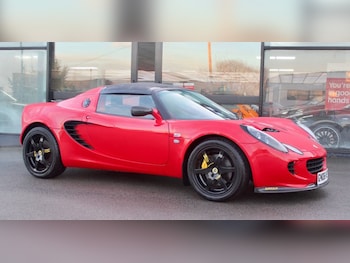
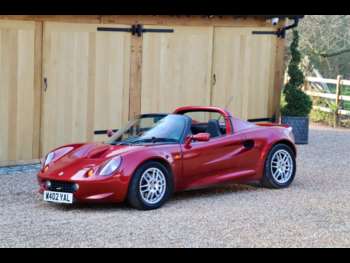
2016 (Y) - 1.8 Sport 220 Euro 6 2 dr **2 OWNERS - LOTUS TECHNICIAN**
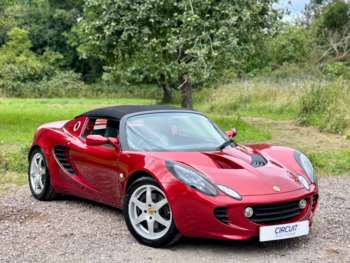
*Formula Red + Hard Top*
Lotus Elise
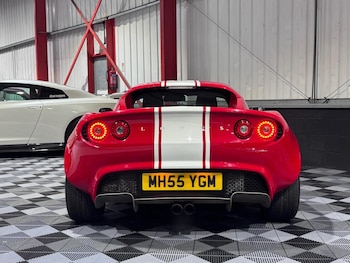
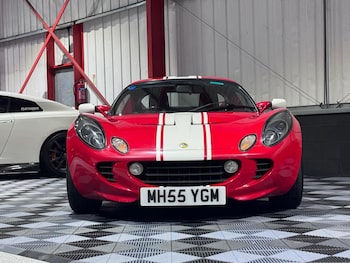
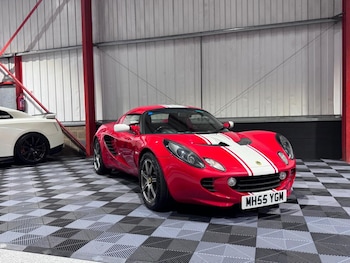
2005 (55) - Elise 111R Touring 2dr
Lotus Elise
2008 (08) - 1.8 S Convertible 2dr Petrol Manual (196 g/km, 134 bhp)
Lotus Elise
2002 - 1.8 2dr
NEW CAMBELT - FRESH RESPRAY
Lotus Elise
2004 - S 2.0*DURATEC*HPICLEAR-BT-HEATER-ESSEXCONVERSION**AWESOME MACHINE** 2-Door
Lotus Elise
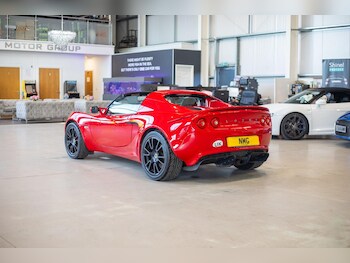
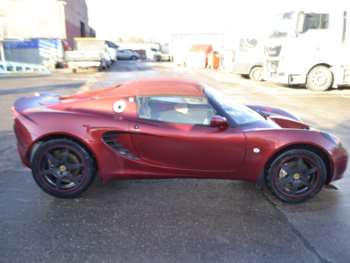
2006 - 1.8 111R Sports Racer 2dr
No. 19 of 100 - Ardent Red
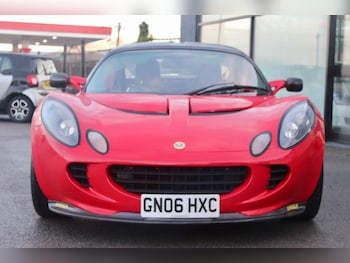
If you are dreaming of weekend drives with the roof down and a brilliant engine humming right behind you, we totally get it. Finding the right sports car is an exciting journey, and the Lotus Elise often sits right at the top of that dream list.
It is a car that genuinely connects you to the road. You feel every bump, every corner, and every bit of joy that driving was always meant to bring. But buying a specialist sports car can also feel a bit daunting. We are here to help make things clear and straightforward.
Whether you are looking for a classic Lotus Elise s1 or a later model, we want you to feel confident. In this guide, we will walk you through the history, the different models, and what you absolutely need to check before buying your perfect car.
There is a simple magic to this car: it makes driving fun again. It isn't bogged down by heavy luxury features or complicated gadgets. Instead, it offers a raw, honest experience.
Choosing a Used Lotus Elise is also surprisingly sensible. Because it is so light, it doesn't chew through brakes and tyres the way heavier performance cars do. It is affordable to run for a sports car, and they hold their value incredibly well.
If you love the thrill of a convertible but want something with genuine track-day capability, this is the perfect match. You get supercar smiles without the supercar running costs.
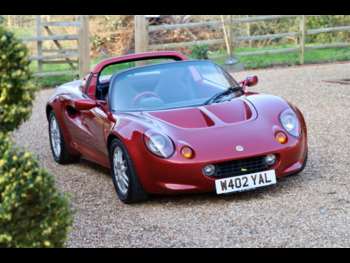
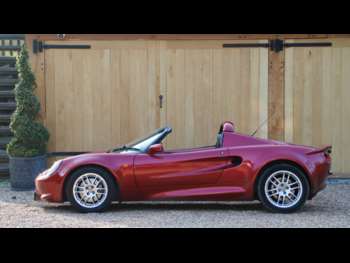
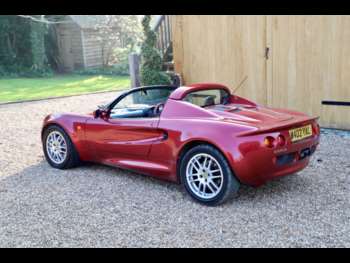
Back in 1996, Lotus completely changed the game. They introduced a sports car built around a revolutionary extruded aluminium chassis. It was incredibly rigid but weighed almost nothing.
The focus was entirely on "adding lightness," a core philosophy of the brand's founder. It was a bold move that paid off brilliantly, saving the company and winning the hearts of drivers everywhere.
The journey started with the Series 1 (S1), which is now a highly sought-after modern classic. In 2001, the Series 2 (S2) arrived, bringing sharper styling and a slightly more forgiving ride.
The final big update was the Series 3 (S3) in 2011, which refined the formula further before production eventually ended in 2021. Each era brought unique changes, but that lightweight magic always remained.
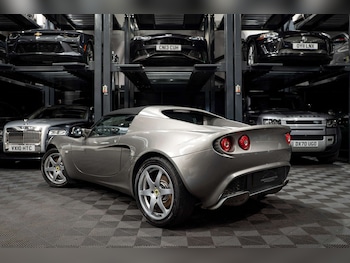
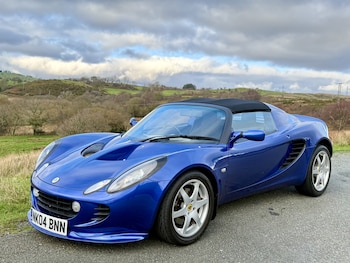
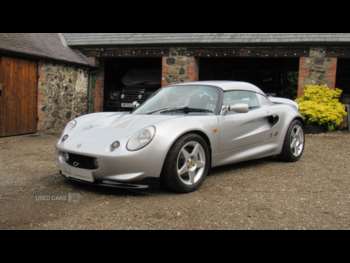
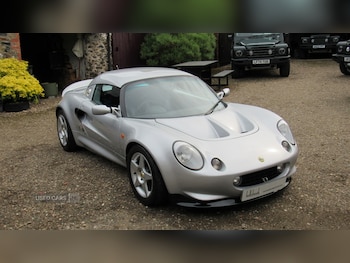
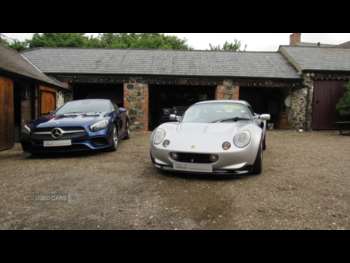
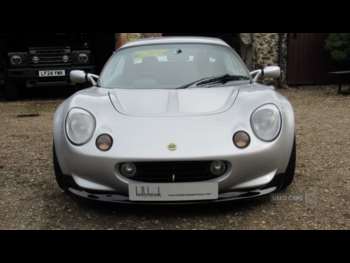
When looking for a Lotus Elise for sale, you will mainly see three generations. The S1 is the purest, rawest version. It is brilliant but lacks modern comforts.
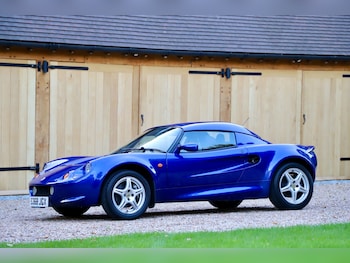
The S2 introduced a sharper, more angular look and eventually brought in new engine options. The S3 is the most modern, featuring updated headlights and a slightly more refined cabin, though it is still wonderfully basic inside.
Early models used a 1.8-litre Rover K-Series engine. It was light and revved beautifully, perfectly matching the car's character. Later on, Lotus switched to Toyota engines, bringing legendary reliability and sometimes a supercharger for extra punch.
If you want the rawest connection to the road, the Lotus Elise s1 is your best bet. If you prefer the peace of mind that comes with a reliable Toyota engine and ABS brakes, the later S2 and S3 models are fantastic choices.
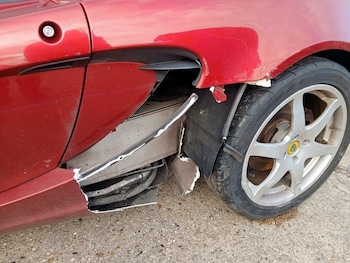
When buying, the chassis is everything. Inspect the aluminium tub carefully; if it is damaged, it is incredibly difficult and expensive to fix. Look out for any signs of track abuse, like heavy wear on the suspension or brakes.
Check the fibreglass bodywork for star cracks. Also, ensure the service history is comprehensive. These cars need regular, specialist care to stay at their best.
Prices vary wildly. A well-loved early S1 can cost as much as a later S2. Special editions and supercharged models command a premium. Always buy the best condition car your budget allows, rather than the cheapest one available.
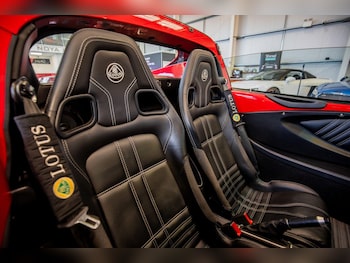
At roughly 900kg depending on the model, this car is incredibly light. This means it doesn't need a massive engine to go fast. It accelerates brilliantly, stops on a dime, and changes direction like a go-kart.
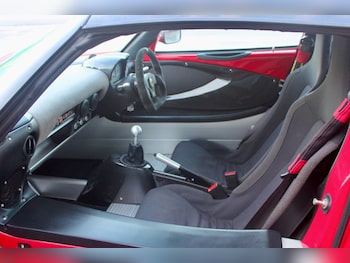
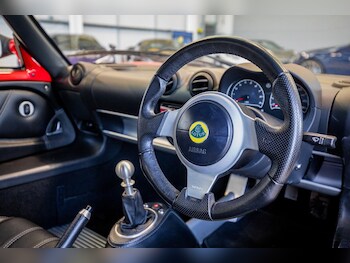
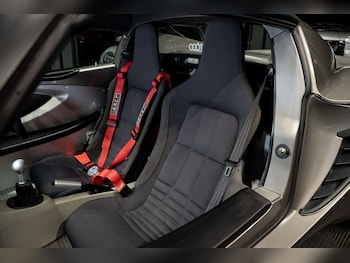
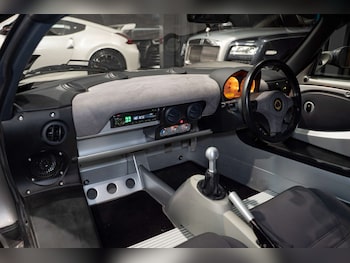
You sit incredibly low to the ground. The steering is unassisted, meaning it feeds every detail of the road straight to your hands. Most models are manual, giving you total control over the gear changes. It is an immersive, thrilling ride.
You must check the aluminium chassis for any accident damage. Ensure the fibreglass body is free of serious cracks. Always look for a solid, stamped service history from a specialist. Take it for a test drive to check the suspension feels tight and the steering is precise.
Its incredibly low weight is the key feature. The unassisted steering provides unmatched feedback, making you feel totally connected to the road. The mid-engine layout offers perfect balance through corners. Plus, the removable roof lets you enjoy open-air motoring on sunny days.
Yes, but not all of them. Early models from 1996 to around 2004 used a Rover K-Series engine. From 2004 onwards, Lotus switched to ultra-reliable Toyota engines, usually 1.6-litre or 1.8-litre units. Some of these later Toyota engines were also supercharged for extra power.
Over its brilliant 25-year production run, Lotus built exactly 35,124 examples. This makes it the most popular model the British company has ever produced. The final car rolled off the production line in 2021, marking the end of a truly historic era.
It is famously light, staying true to the brand's core values. The original Series 1 weighed just 725kg. Later models became slightly heavier due to safety regulations and new engines, but even the heaviest versions rarely crept much above 900kg.