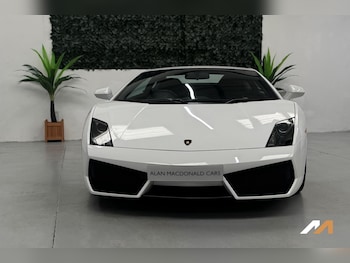
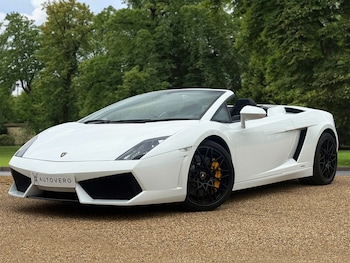
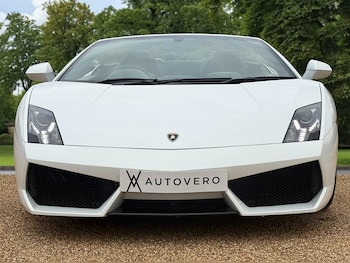
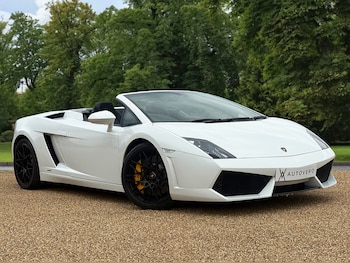
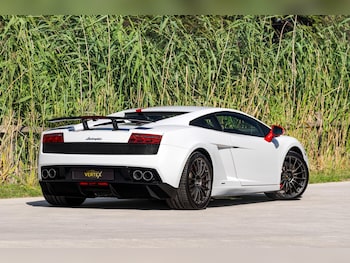
Lamborghini Gallardo buying guide
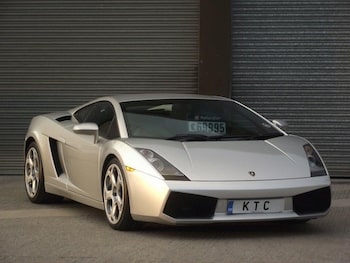
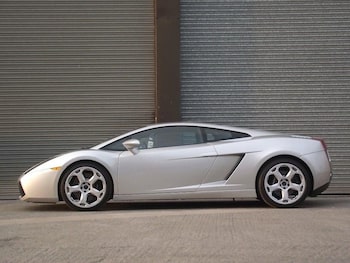
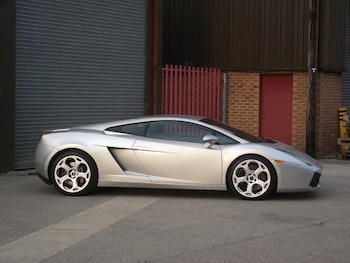
The Lamborghini Gallardo isn't just another supercar—it's the model that transformed Lamborghini from an exclusive boutique manufacturer into a household name. Between 2003 and 2013, this Italian masterpiece became the brand's best-selling model, proving that world-class performance could be paired with surprising everyday usability.
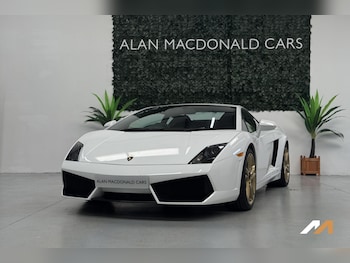
If you're considering a used Lamborghini Gallardo for sale, you're looking at one of the most accessible entries into supercar ownership. With its screaming V10 engine, razor-sharp handling, and unmistakable Italian styling, the Gallardo delivers an exhilarating driving experience that's hard to match. Whether you're drawn to the standard model, the track-focused Superleggera, or the open-air Spyder, there's a Gallardo variant to suit your taste.
This guide will walk you through everything you need to know about buying a used Gallardo, from understanding the different generations and trims to spotting potential issues and finding the right one for you.
Is the Lamborghini Gallardo a good car?
The short answer? Absolutely. The Gallardo represents a pivotal moment in Lamborghini's history—it was the first model developed under Audi ownership, bringing German engineering rigour to Italian passion. This partnership resulted in a supercar that's not only thrilling to drive but also more reliable and practical than previous Lamborghinis.
What makes the Gallardo special is its balance. It offers genuine supercar performance—0-60 mph in around 3.7 seconds and a top speed exceeding 190 mph—whilst remaining surprisingly manageable for daily use. The cabin is more spacious than you'd expect, visibility is decent by supercar standards, and the Lamborghini Gallardo automatic transmission option (E-Gear) makes stop-and-go traffic far less intimidating.
Running costs are substantial, of course—expect £2,000+ for annual servicing, significant fuel bills, and eye-watering insurance premiums. But for those who can manage the expenses, the Gallardo delivers an ownership experience that few cars can match. It's loud, dramatic, and turns heads wherever it goes, yet it won't leave you stranded by the roadside as older supercars might.
Lamborghini Gallardo Models and Variants
The Gallardo evolved significantly over its ten-year production run, with Lamborghini releasing numerous special editions and variants. Here's what you need to know about the main generations:
First Generation (2003-2008)
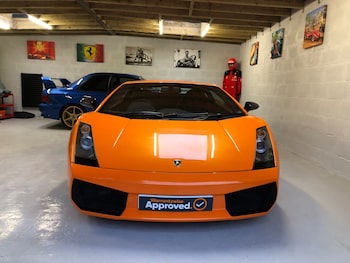
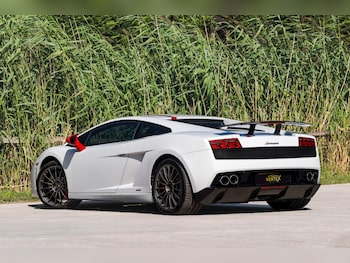
The original Gallardo launched with a 5.0-litre V10 producing 500 bhp, paired with either a six-speed manual or the E-Gear automated manual transmission. Early models featured pop-up rear spoilers and a more rounded design language.
Key variants from this period include:
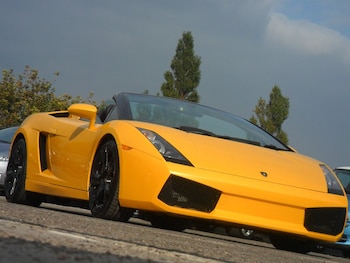
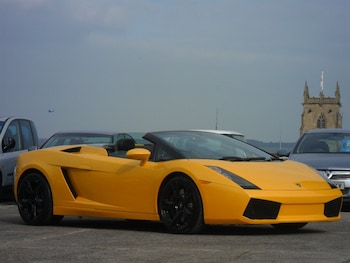
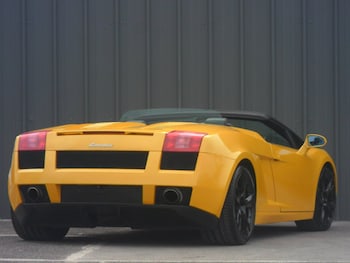
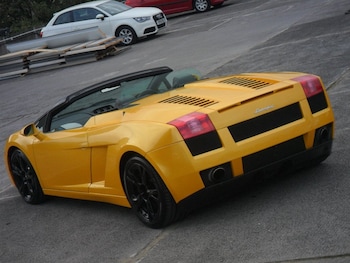
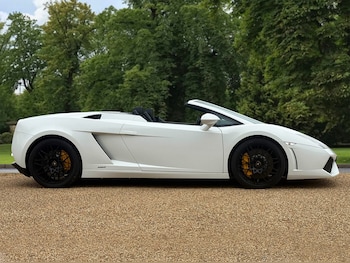
- Gallardo Spyder (2006): Open-top version with a fabric roof
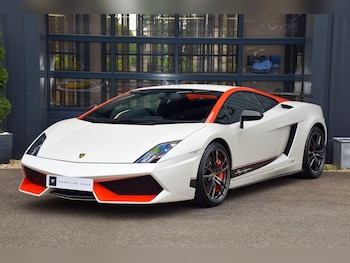
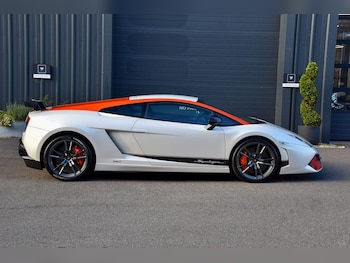
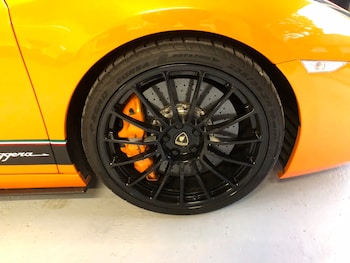
- Gallardo Superleggera (2007): Lightweight special edition shedding 100 kg and boosting power to 530 bhp
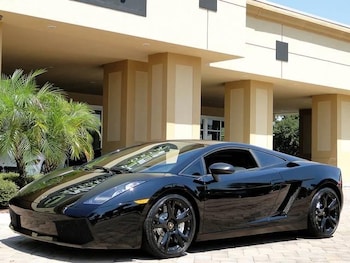
- Gallardo Nera (2007): Limited edition with black exterior accents
Second Generation (2008-2013)
The facelifted Gallardo, known as the LP 560-4, brought sharper styling, increased power (560 bhp from a 5.2-litre V10), and improved handling. The revised model featured permanent four-wheel drive, though rear-wheel-drive variants arrived later.
Notable variants include:
- LP 560-4 Spyder (2008): Convertible version of the facelifted model
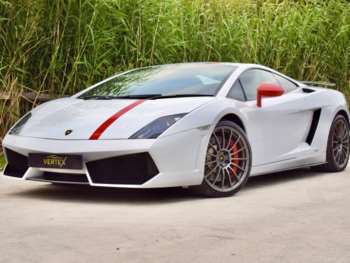
- LP 550-2 Valentino Balboni (2009): Rear-wheel-drive special edition named after Lamborghini's legendary test driver
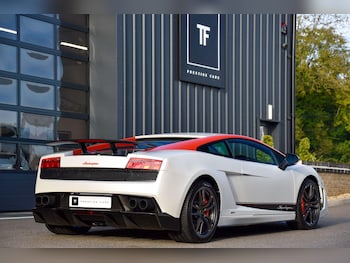
- LP 570-4 Superleggera (2010): Second-generation Superleggera with 570 bhp and even more weight savings
- LP 570-4 Spyder Performante (2010): Open-top performance flagship
- LP 550-2 Spyder (2012): Rear-wheel-drive convertible offering a more engaging driving experience
The later LP models generally command higher prices but offer improved performance and refinement. Four-wheel-drive variants (denoted by "4" in the model code) provide better traction and stability, whilst rear-wheel-drive versions ("2") deliver a more involving, tail-happy driving experience.
Features and Equipment
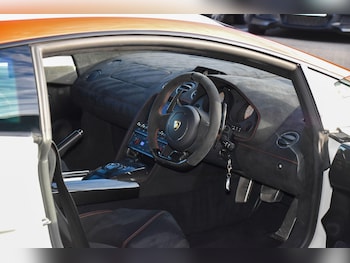
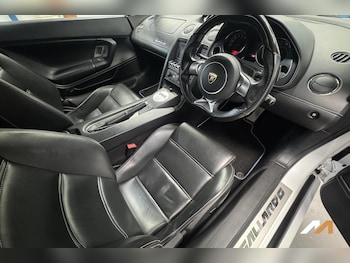
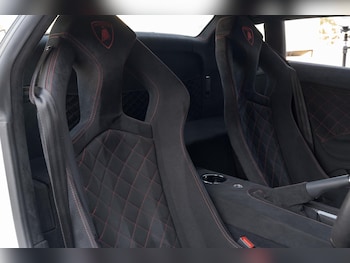
Step inside a Gallardo, and you'll find a cabin that balances Italian flair with German practicality. The driver-focused cockpit puts everything within easy reach, with a chunky three-spoke steering wheel, metallic switchgear, and supportive bucket seats wrapped in fine leather.
Standard equipment varies by model year, but most Gallardos include:
- Climate control with dual-zone temperature settings
- Leather and Alcantara upholstery
- Navigation system (on later models)
- Parking sensors
- Cruise control
- Premium audio system
Higher-spec models and special editions often feature carbon-fibre interior trim, contrast stitching, upgraded audio systems, and transparent engine covers that showcase the magnificent V10. The E-Gear automated manual transmission became increasingly popular on later models, offering faster gear changes than the manual whilst maintaining driver engagement.
Boot space is limited—there's a small compartment up front that's suitable for soft bags or weekend luggage, but don't expect to fit golf clubs or large suitcases. That's the trade-off for mid-engined supercar packaging.
Driving Experience and Performance
Behind the wheel, the Gallardo feels every bit the supercar it is. The naturally aspirated V10 engine is the star of the show—it screams to 8,000 rpm with a soundtrack that's pure Italian opera. Power delivery is linear and intoxicating, pulling hard from low revs and building to a crescendo that'll leave you grinning for hours.
Performance figures are genuinely impressive:
- 0-60 mph: 3.7-4.2 seconds (depending on variant)
- Top speed: 192-202 mph
- Power output: 500-570 bhp
- Weight: 1,430-1,520 kg
The four-wheel-drive system provides exceptional grip, allowing you to exploit the available performance with confidence. Steering is precise and communicative, whilst the suspension strikes a reasonable balance between ride comfort and handling sharpness. Yes, it's firm—this is a supercar, after all—but it's not punishing on British roads.
Compared to rivals like the Ferrari F430 or Audi R8, the Gallardo holds its own. It's more dramatic and theatrical than the R8 (which shares its platform and engine), whilst offering comparable performance to the Ferrari with potentially lower maintenance costs. The manual gearbox is a joy to use if you can find one, though the E-Gear transmission is more practical for urban driving.
Buying Guide and Market Insights
Finding a used Lamborghini Gallardo for sale requires patience and thorough research. These cars deserve respect, and cutting corners during the buying process can lead to expensive headaches.
Where to Buy
Specialist supercar dealers like Cazoo offer a safer route than private sales, as they typically provide warranties, detailed inspections, and transparent histories. You'll also find Gallardos at approved Lamborghini dealerships, which offer the highest level of assurance but command premium prices.
When viewing a potential purchase, always:
- Check service history: Full Lamborghini dealer service history is ideal, though reputable specialists are acceptable
- Inspect for accident damage: Look for paint mismatches, panel gaps, and evidence of repairs
- Test the E-Gear clutch: If buying an automatic, ensure smooth gear changes without jerking or hesitation
- Examine the interior: Check for worn leather, damaged carbon fibre, and working electronics
- Drive the car: Listen for unusual engine noises, feel for smooth gear changes, and ensure all systems function properly
Price Range
Expect to pay between £70,000 and £150,000+ for a used Lamborghini Gallardo, depending on age, mileage, and specification. Early models with higher mileage start around £70,000-£90,000, whilst low-mileage LP 570-4 Superleggeras can exceed £150,000.
Special editions and rare variants command premiums, as do cars with comprehensive service histories and single-owner provenance. Budget an additional £200-£300 monthly for running costs, including insurance, fuel, and maintenance.
Maintenance Considerations
Lamborghini ownership isn't cheap, but the Gallardo is relatively affordable by supercar standards. Annual services cost £1,500-£2,500 at specialists (more at main dealers), whilst major services every few years can reach £5,000+.
The E-Gear clutch requires replacement every 15,000-25,000 miles at a cost of £2,500-£4,000. Tyres wear quickly—expect to replace them every 5,000-8,000 miles at £250-£400 per corner. Budget for brake pads and discs every 15,000-20,000 miles, costing £2,000-£3,000 depending on specification.
Common issues to watch for include:
- E-Gear clutch wear and pump failures
- Suspension wear (bushes and dampers)
- Air conditioning condensers failing
- Electrical gremlins (window regulators, sensors)
- Exhaust manifold cracking on high-mileage examples
A pre-purchase inspection by a Lamborghini specialist is essential. It'll cost £300-£500 but could save you thousands in unexpected repairs.
Frequently Asked Questions
What distinguishes the Lamborghini Gallardo from other supercars?
The Gallardo stands out for its combination of dramatic styling, naturally aspirated V10 soundtrack, and surprising everyday usability. Unlike some rivals, it offers genuine practicality—decent visibility, relatively comfortable ride quality, and straightforward controls. The four-wheel-drive system provides exceptional grip and confidence, whilst the later LP models deliver sharper performance than many competitors. It's also more reliable than earlier Lamborghinis, thanks to Audi's engineering influence, making it a more viable ownership proposition for enthusiasts seeking regular use rather than garage storage.
How much is a Lamborghini Gallardo?
Prices for a used Lamborghini Gallardo typically range from £70,000 to £150,000+ depending on model year, mileage, and specification. Early 2003-2007 models with higher mileage start around £70,000-£90,000, whilst facelifted LP 560-4 variants from 2008 onwards command £90,000-£130,000. Special editions like the Superleggera and limited-production models can exceed £150,000, particularly for low-mileage examples with comprehensive service histories. Running costs add significantly to the overall expense—budget at least £10,000 annually for servicing, insurance, tyres, and fuel when considering ownership.
What engine does a Lamborghini Gallardo have?
The Gallardo features a naturally aspirated V10 engine mounted mid-ship behind the driver. Early models (2003-2008) used a 5.0-litre version producing 500-530 bhp, whilst the facelifted LP models (2008-2013) received a larger 5.2-litre variant generating 550-570 bhp depending on specification. This all-aluminium engine, developed jointly with Audi, delivers linear power delivery and an unforgettable soundtrack that revs freely to 8,000 rpm. The V10 configuration offers a perfect balance between the smoothness of larger engines and the character of smaller units, creating one of the most celebrated powerplants in modern supercar history.
How fast can a Lamborghini Gallardo go?
The Gallardo achieves top speeds between 192-202 mph depending on the variant. Standard models reach approximately 192-196 mph, whilst performance-focused versions like the Superleggera push beyond 200 mph. The LP 570-4 Superleggera claims a top speed of 202 mph, making it the fastest Gallardo variant produced. Acceleration is equally impressive, with 0-60 mph achieved in 3.7-4.2 seconds across the range. These figures place the Gallardo firmly in genuine supercar territory, offering performance that remains thrilling even by contemporary standards. Real-world top speed runs require considerable space and bravery—these speeds are best enjoyed on track days.
How much horsepower does a Lamborghini Gallardo have?
Power output varies across the Gallardo range from 500 to 570 bhp. The original 2003 model produced 500 bhp, increasing to 520 bhp in 2006 and 530 bhp for the first-generation Superleggera. The facelifted LP 560-4 (2008 onwards) delivered 560 bhp, whilst rear-wheel-drive LP 550-2 variants offered 550 bhp. The ultimate expression came with the LP 570-4 Superleggera, producing 570 bhp from its 5.2-litre V10. All variants deliver power through the naturally aspirated engine's linear character, providing immediate throttle response and an intoxicating climb through the rev range that turbocharged alternatives simply can't match.