|
Beta
17
Are these results helpful?
Help us improve
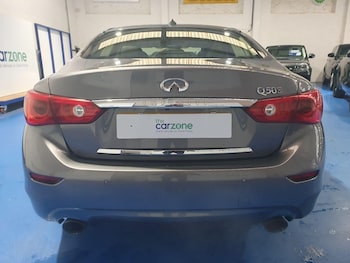
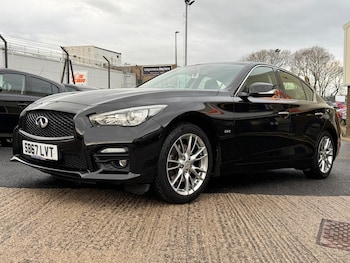
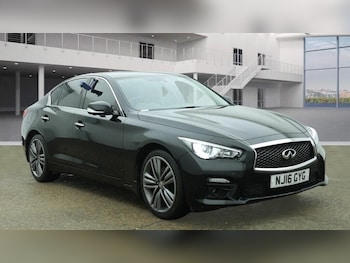
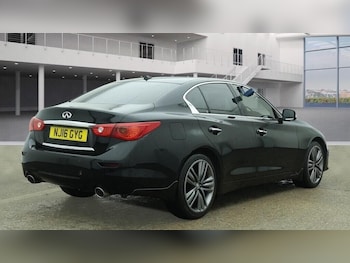
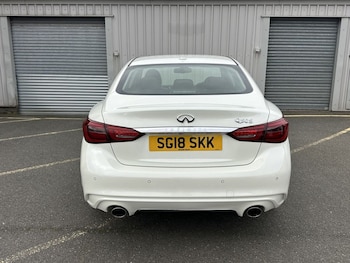
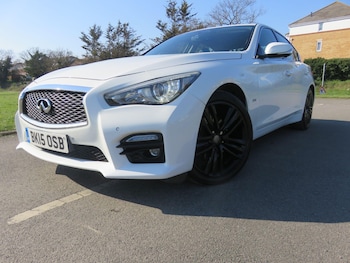
Infiniti Q50
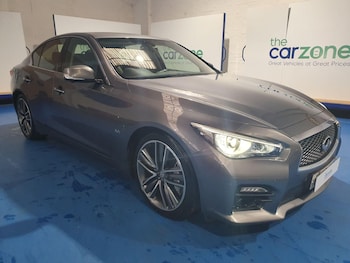
2016 (16) - 2.2d Sport 4dr Auto
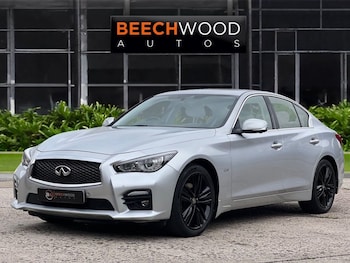
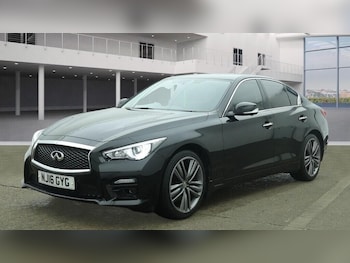
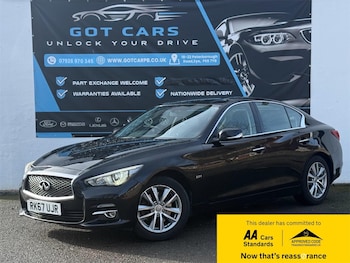
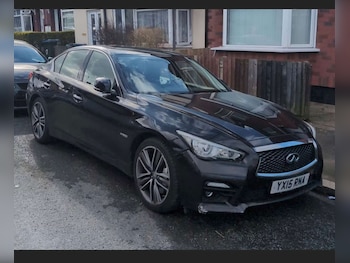
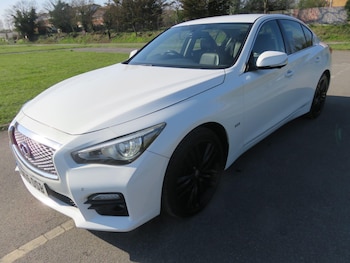
Infiniti Q50
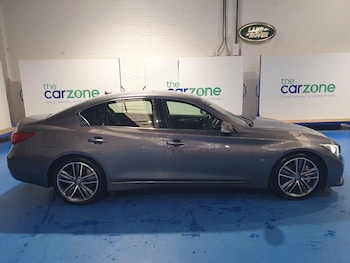
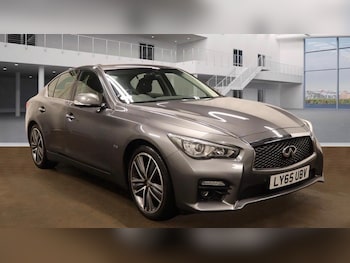
2015 - 3.5 Q50s Hybrid AWD Auto 4WD 4dr
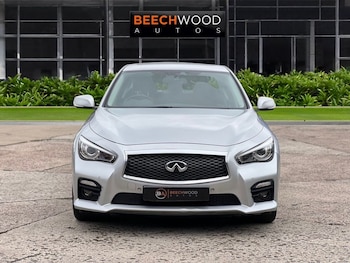
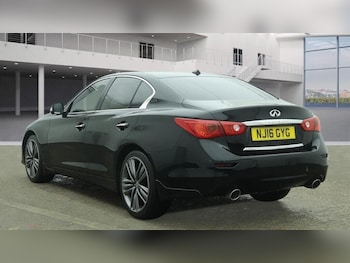
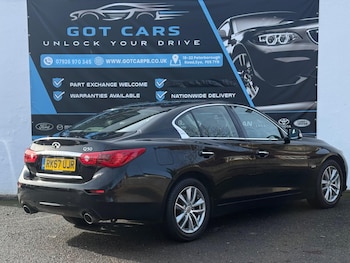
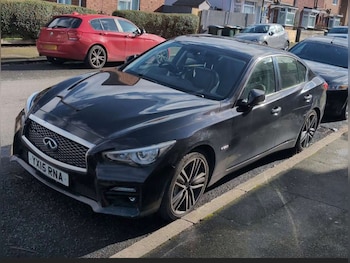
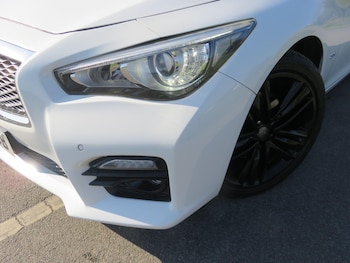
Infiniti Q50
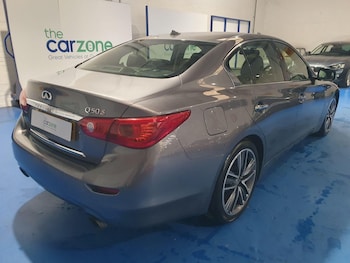
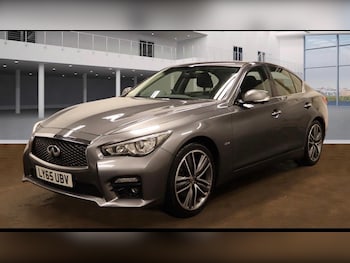
2015 (15) - 2.2d Sport Tech 4dr Auto
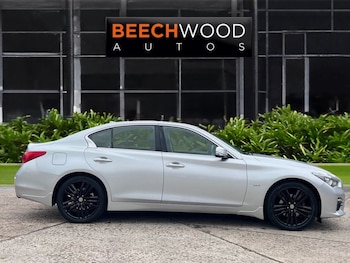
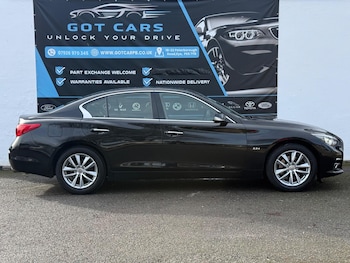
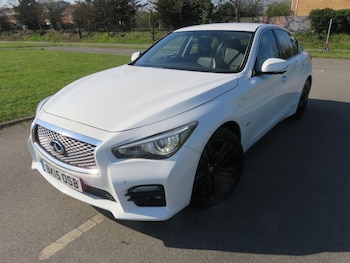
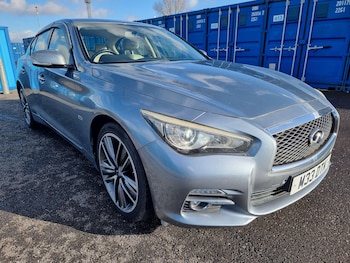
Infiniti Q50
2014 (14) - 2.2d Premium 4dr
Ulez - Cheap tax - Premium
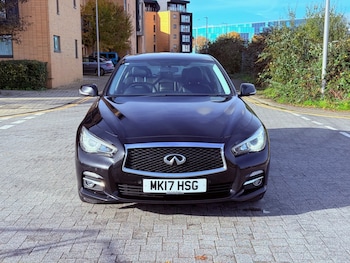
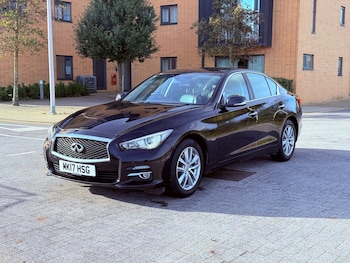
Infiniti Q50
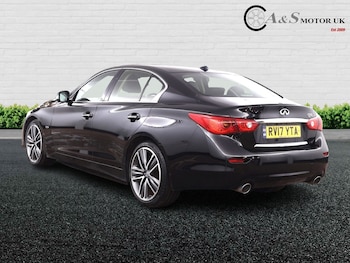
2017 (17) - 2.2d Executive 4dr
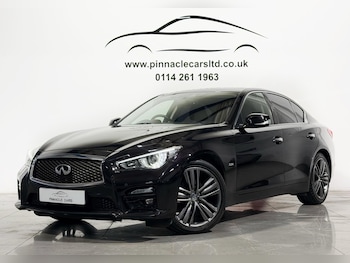
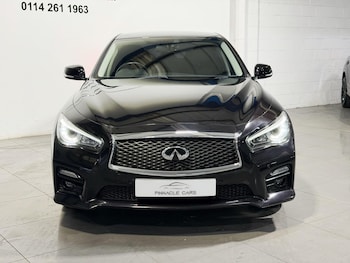
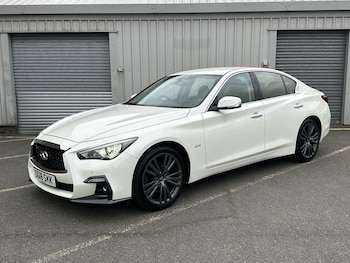
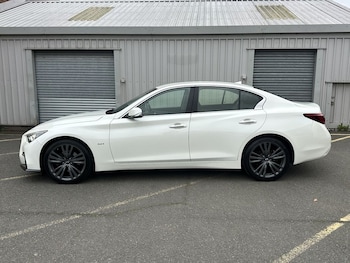
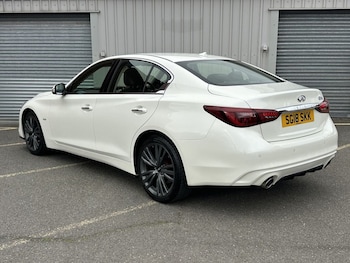
The Infiniti Q50 is one of those cars that tends to fly under the radar—and that's exactly what makes it such a smart buy. While most buyers head straight for the usual suspects in the compact executive class, savvy shoppers are discovering that a used Infiniti Q50 offers a genuinely compelling alternative. Striking looks, a premium interior, and a range of capable engines make it well worth your attention.
This guide covers everything you need to know before buying—from engine options and interior tech to how it stacks up against the competition. Whether you're a first-time Infiniti buyer or just curious about what the Q50 has to offer, you're in the right place.
The short answer? Yes—especially as a used buy.
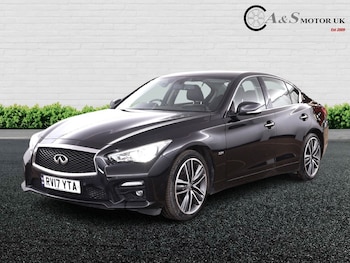
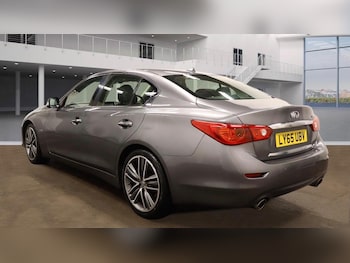
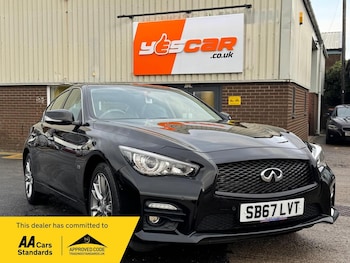
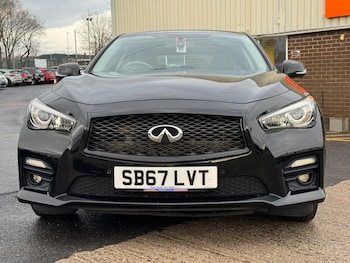
The Infiniti Q50 is a saloon that first arrived in 2013, slotting into the competitive compact executive segment alongside heavyweights like the BMW 3 Series, Mercedes-Benz C-Class, and Audi A4. Infiniti—Nissan's luxury arm—designed the Q50 to challenge those established names with distinctive styling and a technology-forward approach.
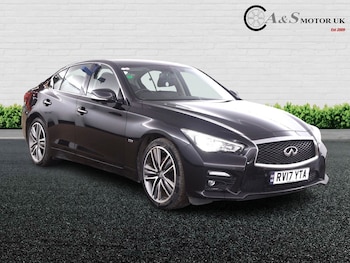
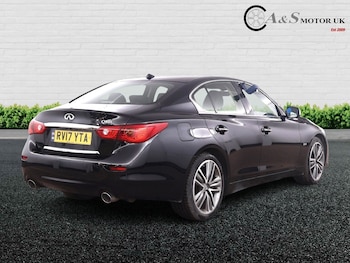
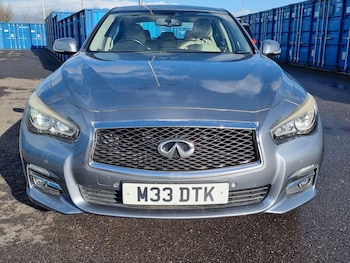
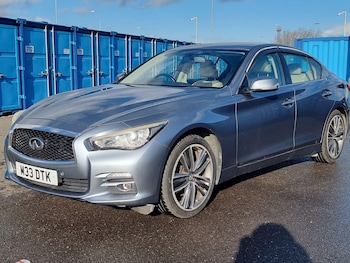
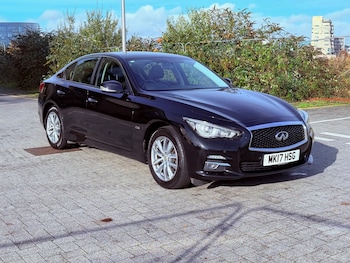
What makes the Q50 stand out is its combination of bold, flowing bodywork and a genuinely upmarket cabin. It doesn't look like everything else on the road, which is refreshing in a segment where playing it safe is the norm.
The compact executive segment itself is a popular one—these cars balance everyday practicality with premium refinement, making them a favourite among professionals and families alike. The Q50 fits that brief well, offering four proper seats, a usable boot, and enough tech to keep things interesting.
That said, it's worth being honest: driving dynamics aren't quite at the level of its German rivals. The steering, in particular, attracted criticism for feeling somewhat disconnected. For some buyers, that's a dealbreaker. For others—especially those prioritising comfort and value—it barely registers.
The Q50 was offered with several engine choices during its production run, giving buyers some useful flexibility.
The 2.2-litre diesel is the pick of the range for high-mileage drivers and company car buyers. It produces around 170hp, returns solid fuel economy, and keeps CO2 emissions relatively low. It's smooth, refined, and capable enough for motorway cruising.
The 2.0-litre turbocharged petrol is the most common engine you'll encounter on the used market. It produces 211hp—sufficient for everyday driving, though not especially exciting. More appealing is the twin-turbocharged 3.0-litre V6, available in 300hp and 400hp states of tune. The latter, badged as the Infiniti Q50 Red Sport 400, is genuinely rapid and produces a wonderful soundtrack.
The 3.5-litre petrol-electric hybrid combines a naturally aspirated V6 with an electric motor for a combined output of around 364hp. It's smooth and quiet, particularly at lower speeds, though fuel economy in real-world driving doesn't always live up to the official figures.
In terms of driving dynamics, the Q50 is comfortable and refined—well-suited to long journeys and daily commuting. It's not the sharpest tool in the compact executive box, but it's far from dull.
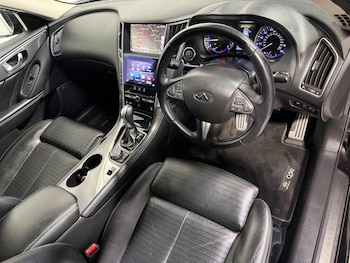
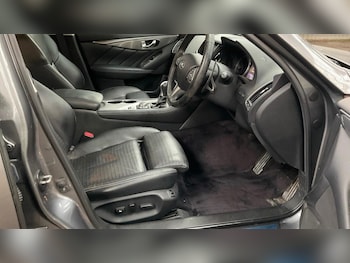
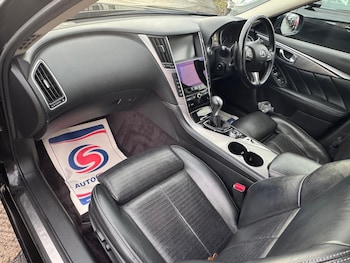
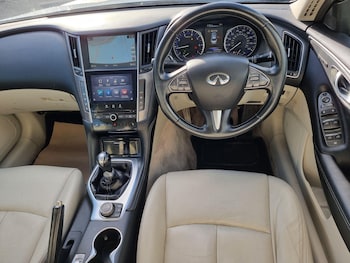
Step inside, and the Q50 makes a strong impression. The cabin feels genuinely premium, with quality materials throughout and a level of fit and finish that holds up well over time.
Passenger space is good for the class—four adults can sit comfortably, and the boot offers a practical 500 litres of storage. It's a car you can genuinely live with day-to-day.
Technology was a key focus for Infiniti. The Q50 features a distinctive dual-screen infotainment setup, with the upper screen handling navigation and the lower managing climate and audio controls. It looks impressive, but in practice, the interface can feel a little dated by current standards—especially on earlier models.
Higher-spec trims added features like a Bose premium audio system, around-view monitor, and adaptive cruise control. The Q50 also offered Infiniti InTouch, a connected services platform, though availability varies by trim and year. Apple CarPlay was added on later models (post-2018 facelift), so it's worth checking the spec carefully if that's important to you.
Safety technology includes autonomous emergency braking, lane departure warning, and blind-spot monitoring on better-equipped versions.
The Q50 occupies a tricky spot: priced similarly to its German competitors, but with a smaller dealer network and lower resale values. So how does it actually compare?
Against the BMW 3 Series, the Q50 loses on driving engagement and brand prestige, but holds its own on interior quality and offers stronger value on the used market. A used Q50 typically costs noticeably less than an equivalent 3 Series, which is a significant consideration.
The Mercedes-Benz C-Class is more refined and offers a plusher cabin experience, particularly in later generations. However, running costs and used prices tend to be higher, and the Q50's hybrid variant offers a genuine advantage for those wanting a smooth, powerful petrol alternative.
Against the Audi A4, it's a similar story. The A4 wins on overall polish and driving feel, but the Q50's styling is arguably more distinctive—and the price gap on the used market can be substantial.
Where the Q50 genuinely excels:
Where it falls short:
The Q50 uses a timing chain across its engine range, rather than a timing belt. This is good news for buyers—chains are generally more durable and don't require scheduled replacement in the way that belts do. That said, it's still worth checking service history to confirm the engine has been properly maintained, as neglected oil changes can affect chain longevity over time.
Overall, the Q50 has a reasonable reliability record. It benefits from shared underpinnings with Nissan, which has a strong reputation for mechanical durability. Common issues to be aware of include occasional electrical gremlins with the dual-screen infotainment system and some reports of issues with the steer-by-wire system on early models. A full service history and a pre-purchase inspection go a long way in ensuring you get a solid example.
Yes, the standard Q50 is rear-wheel drive—a layout that tends to appeal to driving enthusiasts and is typical of the compact executive class. All-wheel drive (AWD) was also available on certain variants, particularly in markets where weather conditions make it more relevant. If AWD is a priority, it's worth specifying this in your search, as not all used examples will have it.
Maintenance costs are broadly in line with other premium compact executive cars, though they can be slightly higher than equivalent mainstream models. The main consideration is the availability of specialist garages—Infiniti's dealer network is smaller than BMW or Mercedes-Benz, so finding a knowledgeable independent specialist is a sensible move. Parts availability has improved over the years, and the shared Nissan/Renault components help keep some costs down.
Apple CarPlay was introduced to the Q50 range following the 2018 facelift, so it's only available on models from that point onwards. Earlier Q50s do not support CarPlay natively, and retrofitting it is not straightforward. If connectivity is high on your list of priorities, focus your search on post-2018 examples and double-check the spec sheet before committing to a purchase.