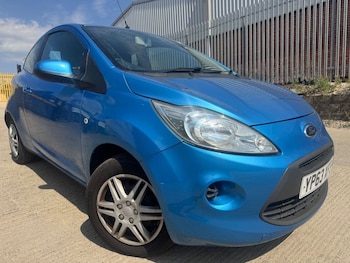
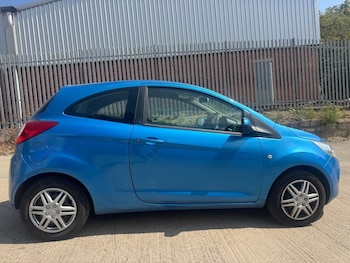
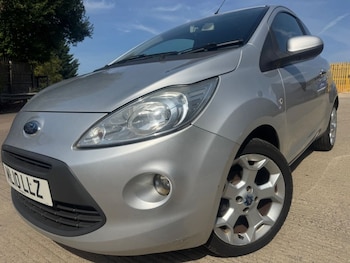
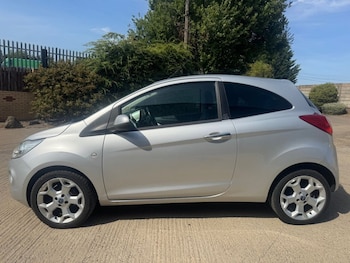
Used Ford Ka buying guide
The Ford Ka has quietly earned its place as one of Britain's most sensible city cars. Small enough to slip into the tightest parking spaces yet practical enough for daily life, it's the kind of car that makes urban driving feel less like a battle and more like a breeze.
Whether you're navigating narrow city streets or looking for your first car that won't break the bank, a used Ford Ka offers an appealing blend of affordability, efficiency, and surprisingly clever design. Ford stopped making new Ka models in 2016, but the second hand Ford Ka market remains vibrant with plenty of well-maintained examples available.
This guide will help you understand what makes the Ka special, which generation suits your needs, and what to watch for when you're ready to buy Ford Ka. By the end, you'll know exactly why this little car has such a loyal following.
Why Buy a Used Ford Ka?
The Ford Ka isn't trying to be everything to everyone – and that's exactly why it works so well. Built specifically for city driving, it excels at the things that matter most to urban motorists: easy parking, excellent fuel economy, and running costs that won't keep you awake at night.
Picture this: you're running late for work, circling the block for the third time, when you spot a gap that looks barely big enough for a motorcycle. With a Ka, that's your parking space. At just 3.4 metres long, it's one of the most compact cars Ford ever made, yet clever packaging means you won't feel cramped inside.
The financial benefits are equally compelling. Used Ford Ka models typically cost significantly less than their rivals, both to purchase and to run. Insurance groups start from as low as 1E, making it particularly attractive for young drivers or anyone looking to keep costs down. Fuel consumption regularly exceeds 60mpg in real-world driving, meaning fewer trips to the petrol station.
Ford Ka Overview
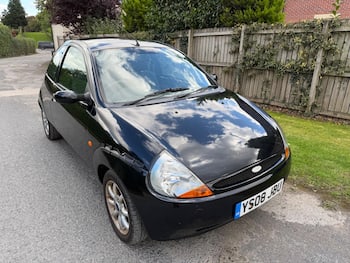
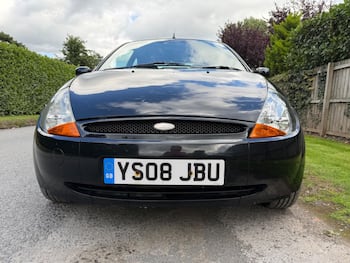
Ford introduced the original Ka in 1996 as a radical departure from conventional small car design. With its distinctive 'New Edge' styling – all sharp creases and bold curves – it looked like nothing else on the road. More importantly, it drove unlike anything else too, offering genuinely entertaining handling that made even mundane journeys feel engaging.
The Ka was built on Ford's proven Fiesta platform but with a shorter wheelbase and unique bodywork. This combination delivered remarkable agility around town whilst maintaining the reliability and parts availability that come with Ford's extensive dealer network. The original model used Ford's dependable 1.3-litre Endura-E engine, later joined by the tiny but characterful 1.0-litre three-cylinder unit.
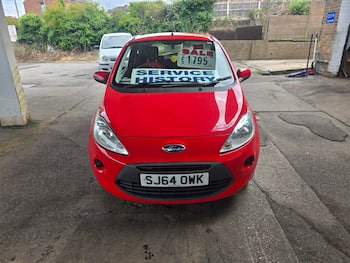
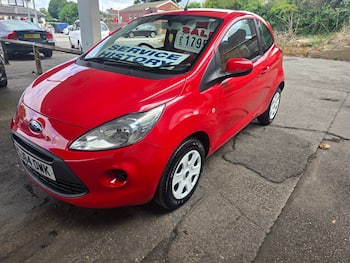
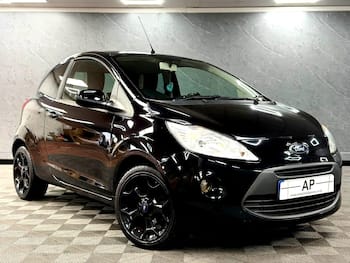
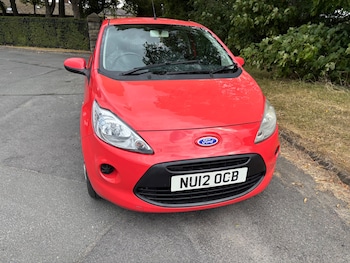
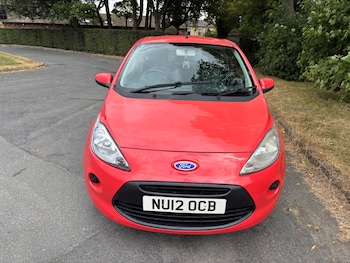
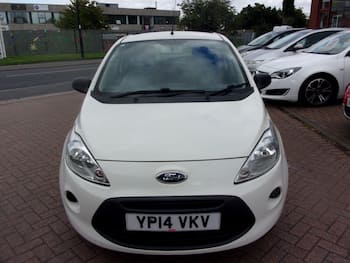
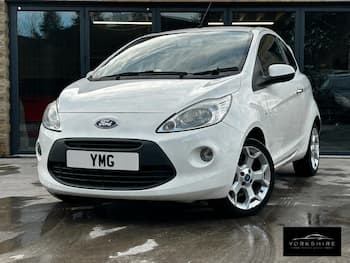
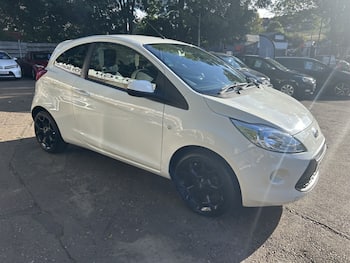
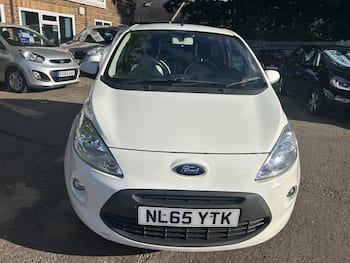
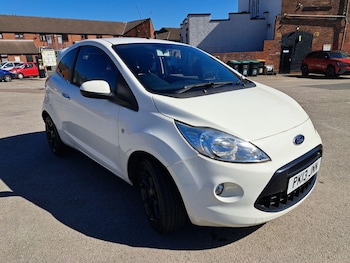
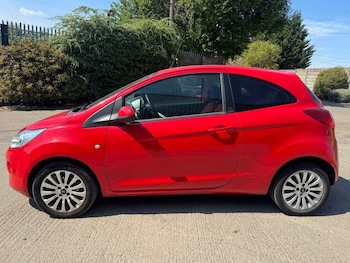
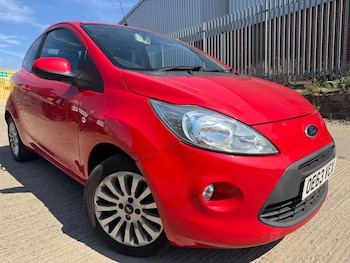
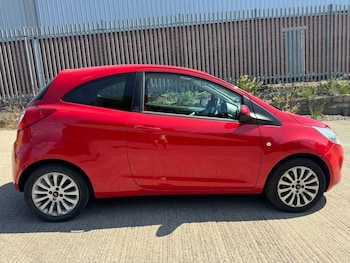
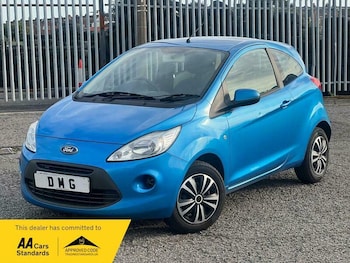
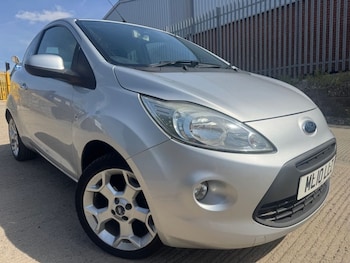
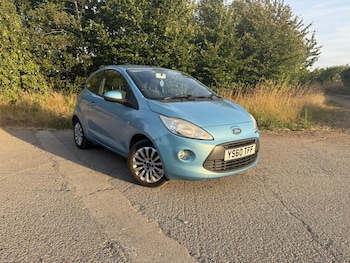
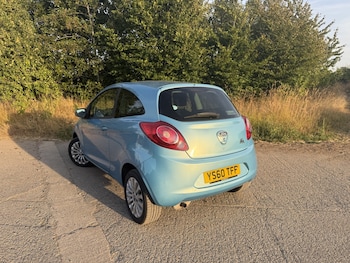
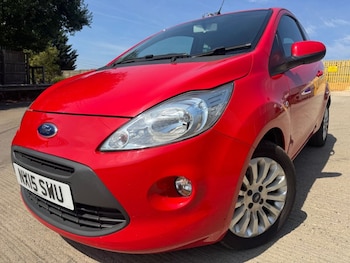
In 2008, Ford completely reimagined the Ka, creating a more conventional but still distinctively styled city car. This second generation was actually based on the Fiat 500 platform through Ford's partnership with Fiat, bringing Italian flair to Ford's practicality. The ka car remained true to its urban mission whilst adding more space and modern features.
Generations Breakdown
Original Ka (1996-2008)
The first-generation Ka remains the most characterful of the family. Its radical styling divided opinion when new, but time has been kind to its bold design. The sharp creases and flowing lines that looked so futuristic in the 1990s now appear refreshingly different from today's homogeneous city cars.
Mechanically, these cars are beautifully simple. The 1.3-litre engine provides adequate performance for city driving whilst proving remarkably durable. Later models gained the 1.0-litre three-cylinder engine, which sounds wonderfully characterful but can feel underpowered on faster roads.
Pros: Distinctive styling, excellent handling, very reliable engines, cheap to run and maintain
Cons: Limited rear space, basic interior, no power steering on early models, rust can be an issue
Second Generation Ka (2008-2016)
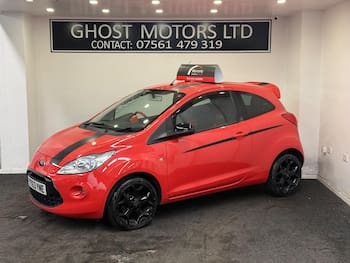
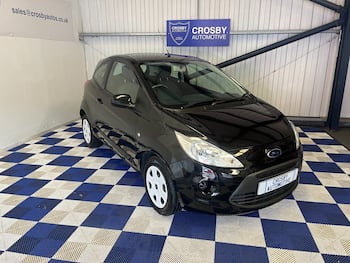
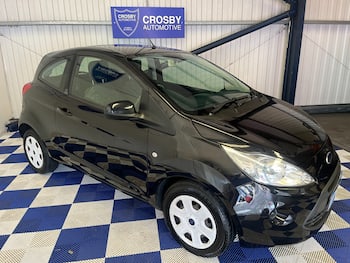
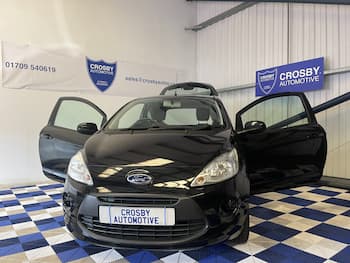
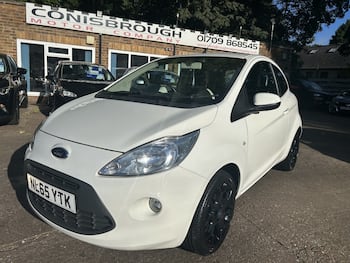
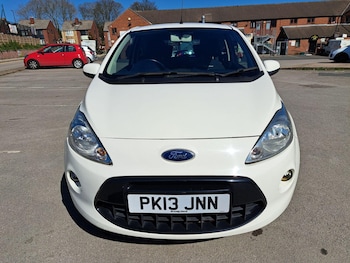
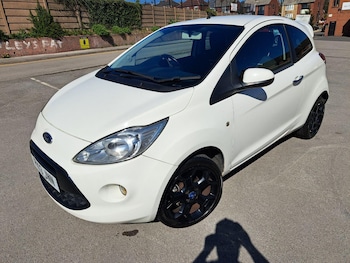
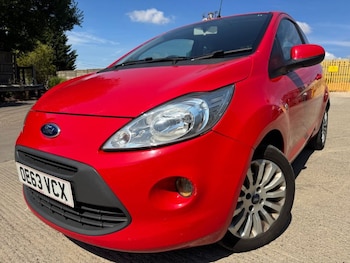
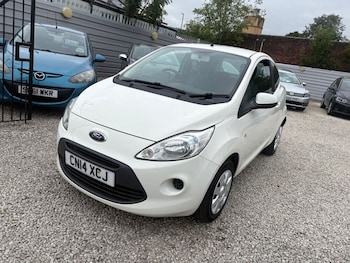
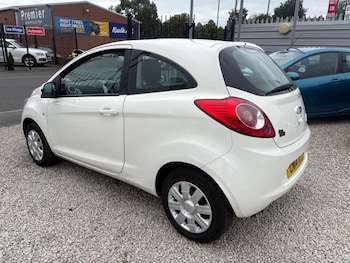
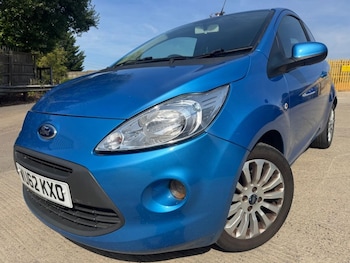
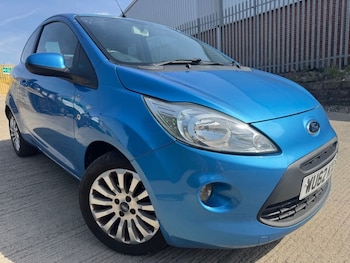
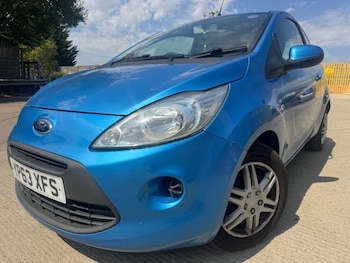
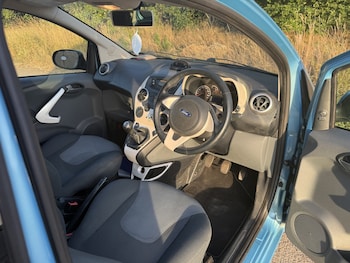
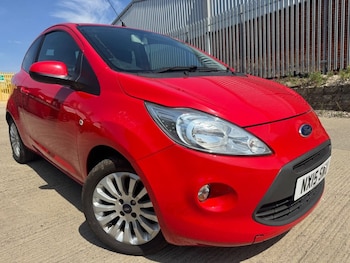
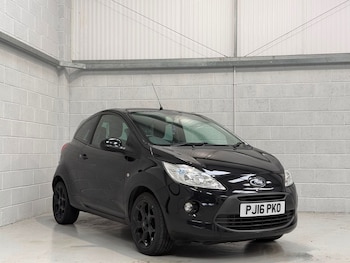
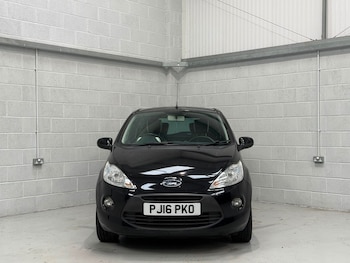
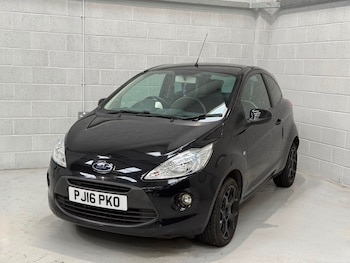
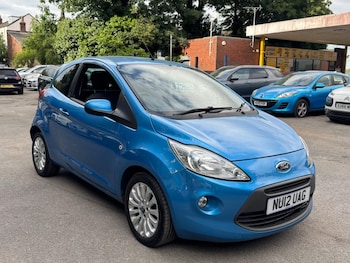
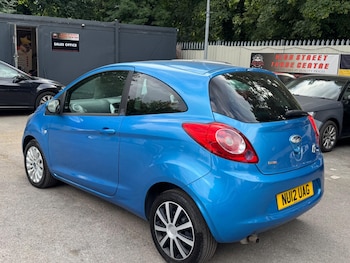
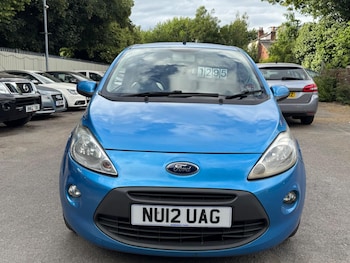
Ford's second attempt at the Ka took a more mature approach. Built in partnership with Fiat and sharing its platform with the 500, it offered more space, better build quality, and modern safety features whilst retaining the original's urban focus.
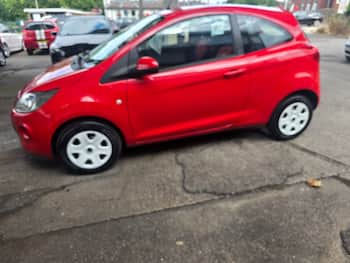
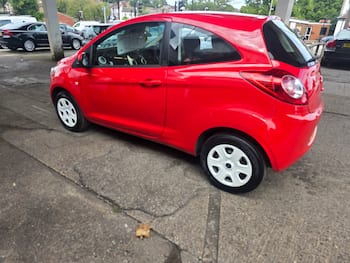
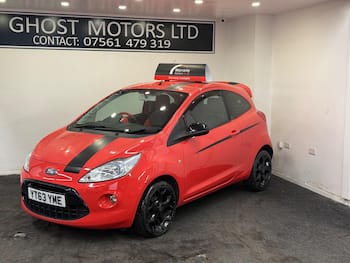
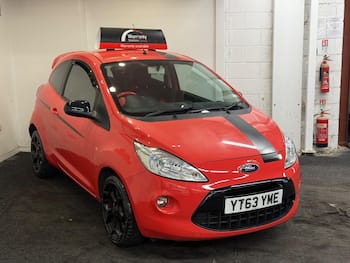
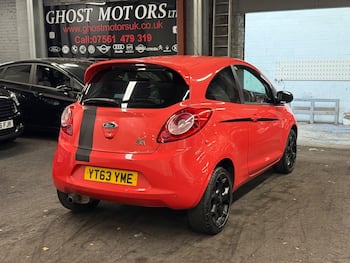
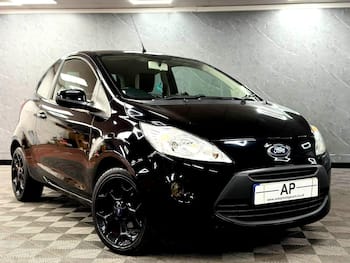
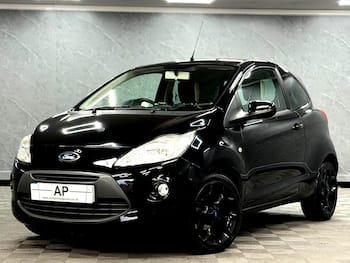
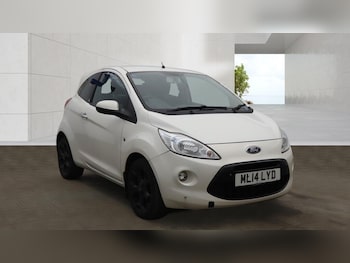
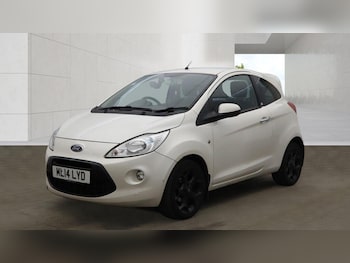
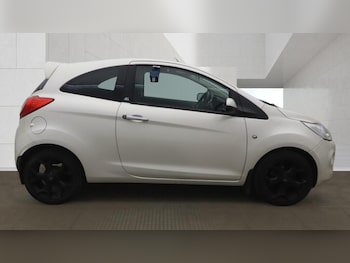
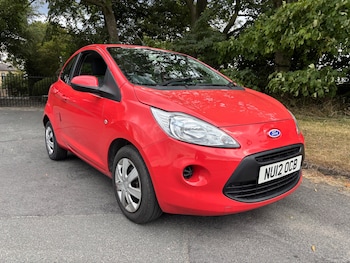
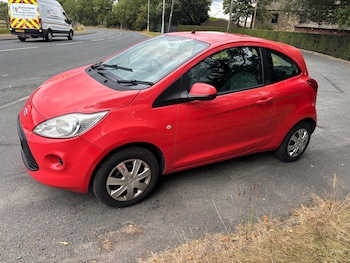
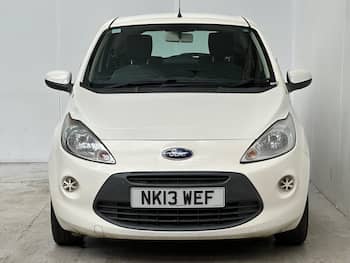
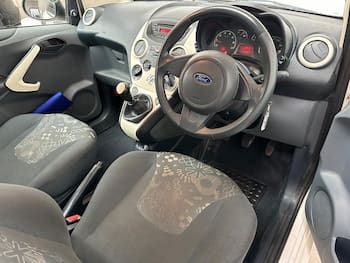
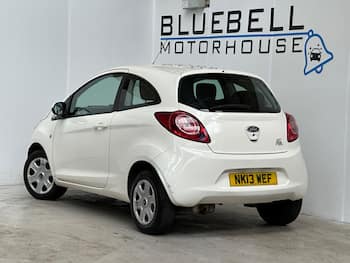
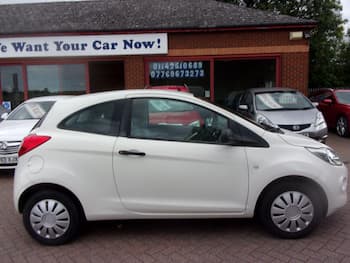
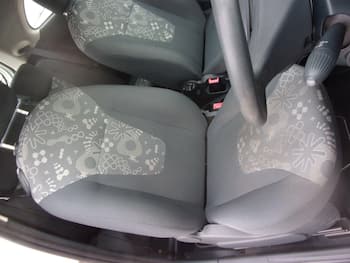
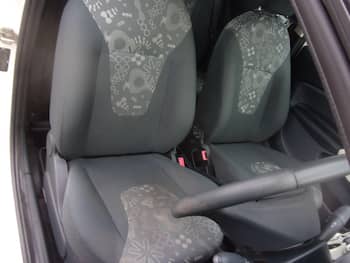
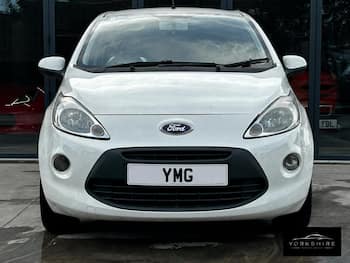
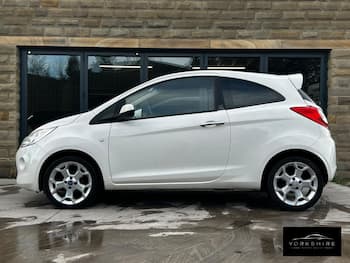
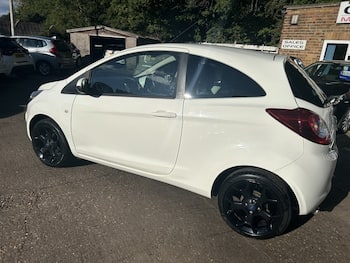
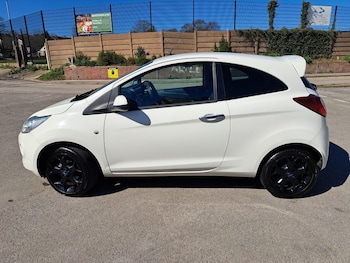
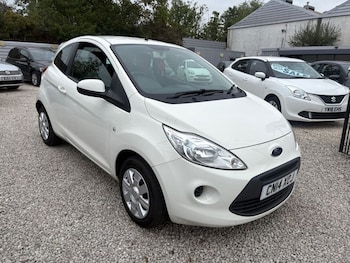
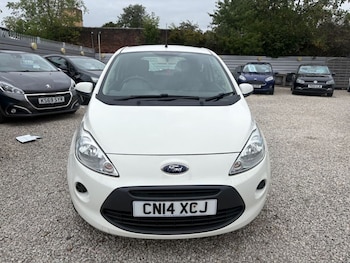
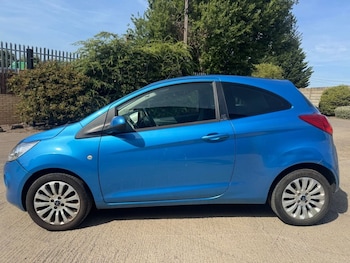
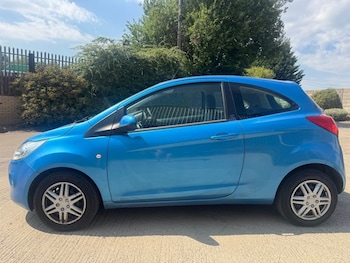
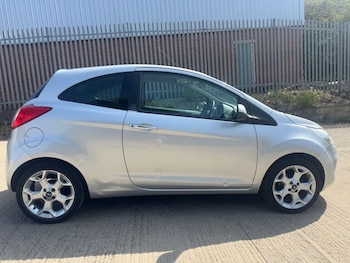
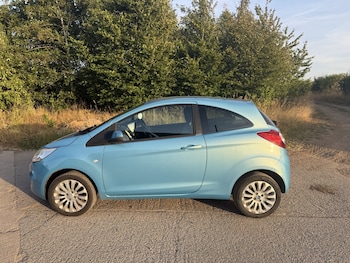
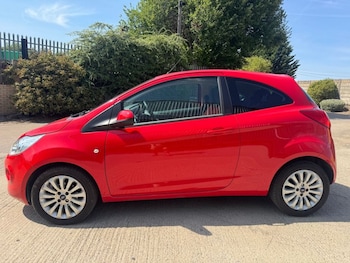
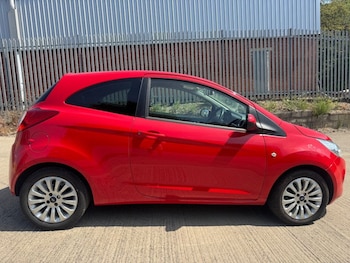
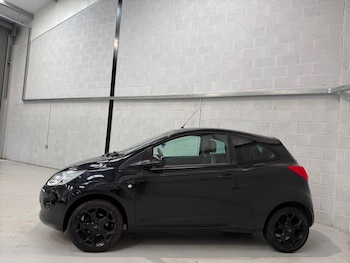
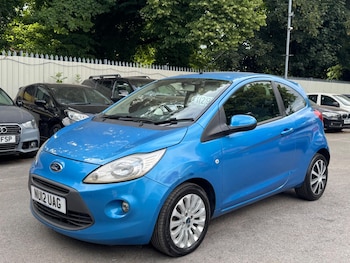
The styling remained distinctive but less polarising, with gentler curves and a more conventional three-door layout. Inside, there was significantly more space for passengers and luggage, plus modern features like air conditioning and electric windows became available across the range.
Pros: More spacious interior, better build quality, modern features, still excellent in traffic
Cons: Less characterful than original, some Italian electrical quirks, limited engine options
Body Style Comparison
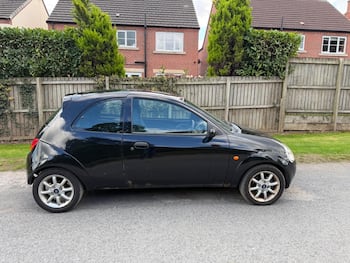
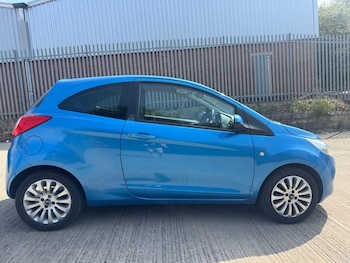
The original Ka was exclusively available as a quirky three-door hatchback with distinctive asymmetrical rear door handles – a design feature that became one of its calling cards. This layout prioritised style over practicality, making it perfect for young professionals or couples but less suitable for families.
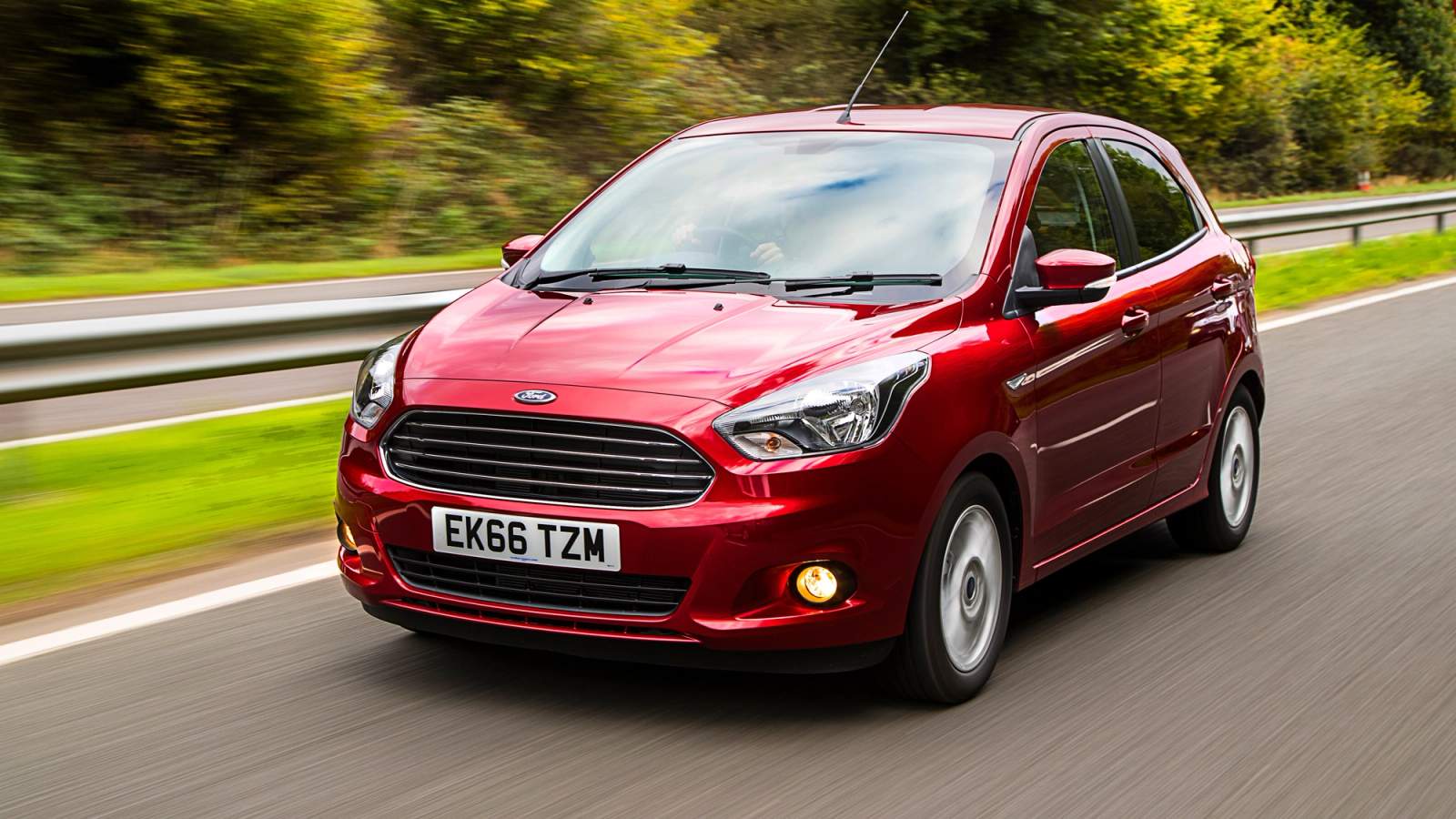
The second-generation model initially continued with the three-door format but later added a more practical five-door variant. The ford ka 4 door models (actually five-door) provided much easier rear access and made the Ka a more versatile family car. The trade-off was slightly compromised styling, as the additional doors disrupted the clean lines of the three-door model.
For most buyers, the choice comes down to lifestyle. If you rarely carry rear passengers and value the purity of the original design, the three-door models offer the authentic Ka experience. However, if practicality matters more than style, the five-door versions make much more sense for daily family use.
What to Look for When Buying
Service History and Maintenance
Check for regular servicing, particularly oil changes. The 1.0-litre engines can suffer if service intervals are extended. Look for evidence of timing belt changes on older models.
Common Issues to Inspect
- Rust: Original Ka models are prone to corrosion around wheel arches, door frames, and the rear tailgate area
- Electrical problems: Second-generation models may have Italian-influenced electrical quirks
- Clutch wear: City driving is hard on clutches, so check for smooth operation and proper bite point
- Suspension: Front suspension top mounts can wear, causing knocking noises over bumps
Test Drive Checklist
- Ensure steering is light and responsive (power steering should feel consistent)
- Check all gears engage smoothly, particularly reverse
- Listen for unusual engine noises, especially on the three-cylinder models
- Test air conditioning and electrical systems thoroughly
- Verify that the handbrake holds securely on an incline
Documentation
Confirm V5C details match the seller, check for outstanding finance, and ensure MOT and tax are current. A full service book adds significant value to any used ford ka for sale.
Frequently Asked Questions
Is the Ford Ka a good used car?
Absolutely. The Ka excels as a city car, offering excellent fuel economy, low running costs, and parking ease that's hard to match. While rear space is limited, it's perfectly suited to urban driving and makes an excellent first car or city runabout.
What should I check before buying a used Ford Ka?
Focus on rust (particularly on earlier models), service history, clutch operation, and electrical systems. Check for any signs of accident damage and ensure all paperwork is in order. A thorough test drive in both city and motorway conditions will reveal most issues.
How much does a used Ford Ka cost?
Prices vary significantly by age, condition, and mileage. Early models start from around £1,500 for high-mileage examples, whilst low-mileage later cars can reach £6,000-8,000. The sweet spot for most buyers is typically £3,000-5,000 for a well-maintained example.
Is the Ford Ka expensive to maintain?
No, the Ka is one of the cheapest cars to maintain. Parts are widely available and relatively inexpensive, labour costs are reasonable due to simple engineering, and fuel consumption is excellent. Insurance costs are also very low, particularly for younger drivers.
Which is better: Ford Ka automatic or manual?
The vast majority of Ka models are manual, and this is generally preferable. Automatic ford ka models are rare and can feel sluggish with the small engines. The manual gearbox suits the car's character better and offers more control in city driving.
What is the fuel economy of a Ford Ka?
Real-world fuel economy typically ranges from 45-65mpg depending on driving conditions and engine type. The 1.0-litre engines generally achieve better economy than the 1.3-litre units, with careful drivers easily exceeding 60mpg in urban conditions.
Is the Ford Ka suitable for daily driving?
For city-based daily driving, the Ka is excellent. It's less comfortable on long motorway journeys due to wind noise and limited refinement, but for urban commuting and local trips, it's hard to beat. The compact size makes parking effortless.
Can I get finance for a used Ford Ka?
Yes, most dealers offer finance options for used ford ka purchases. Given the low purchase prices, many buyers opt for personal loans or simply buy outright. Always compare finance rates and consider the total cost, not just monthly payments.
How does the Ford Ka compare to other city cars?
The Ka stands out for its distinctive styling and engaging handling. Rivals like the Hyundai i10 offer more space, whilst the Toyota Aygo provides better reliability records. However, few match the Ka's character and urban ability.
What are the main differences between the Ford Ka 3-door and 5-door?
The five-door models offer much better rear access and slightly more interior space, making them more practical for families. Three-door versions have cleaner styling and feel more sporty but are less convenient if you regularly carry rear passengers.
 NEW CAR
 NEW CAR