|
Beta
37
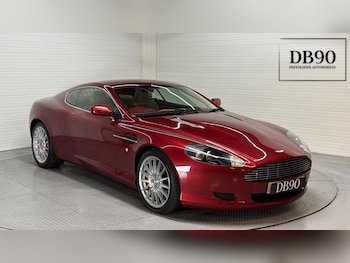
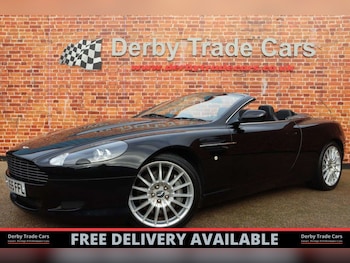
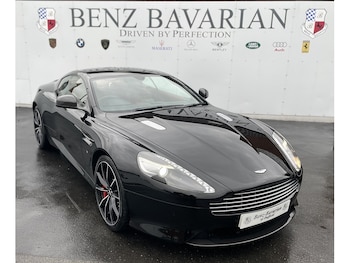
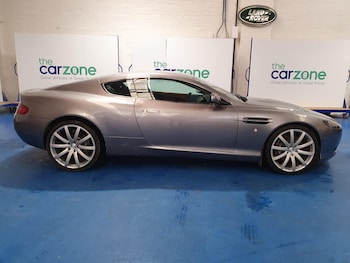
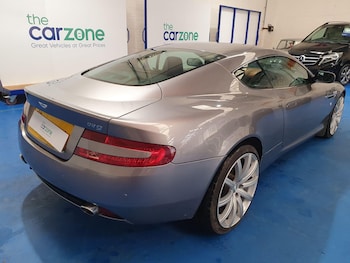
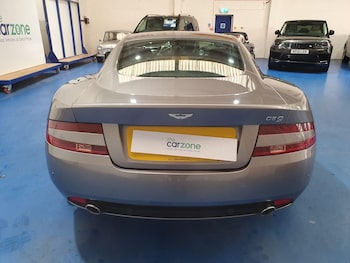
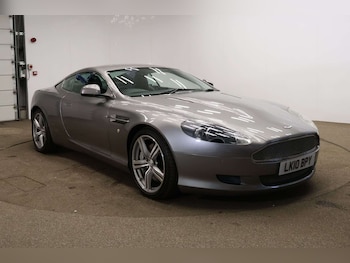
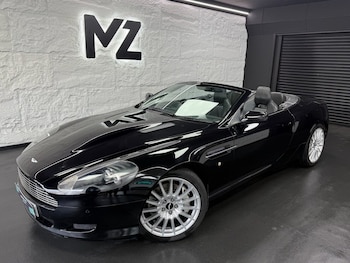
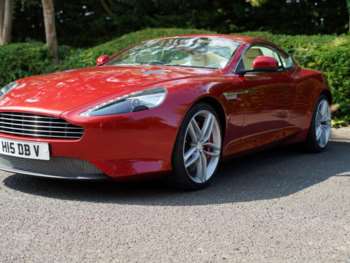
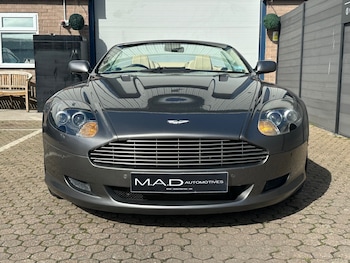
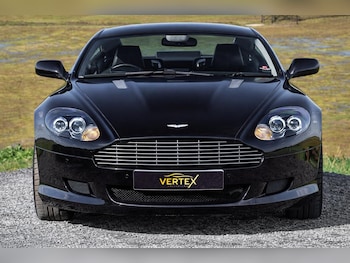
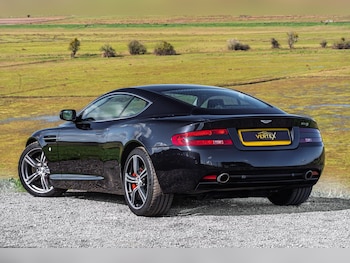
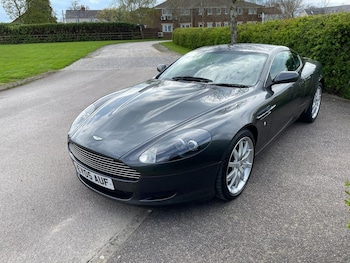
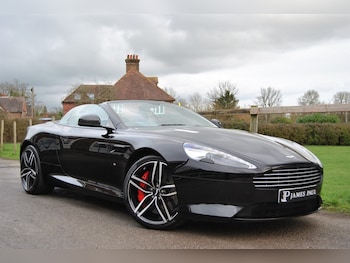
Aston Martin DB9
2007 (07) - V12 2dr Touchtronic Auto
Are these results helpful?
Help us improve
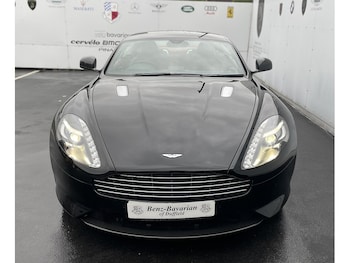
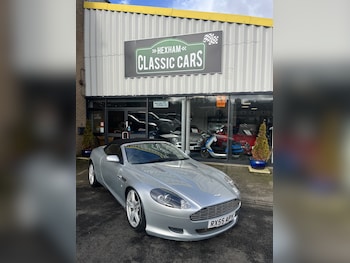
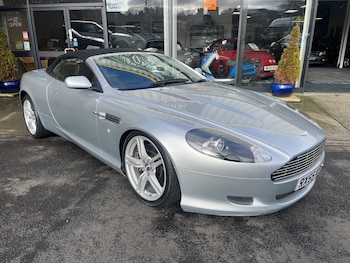
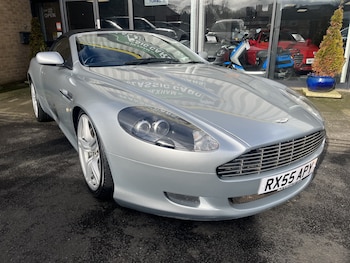
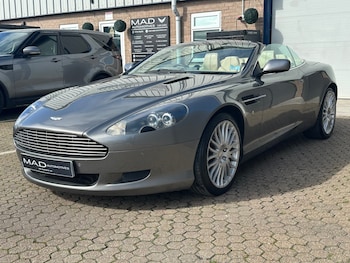
Aston Martin DB9
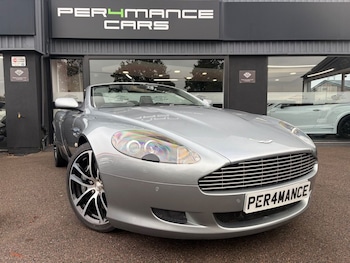
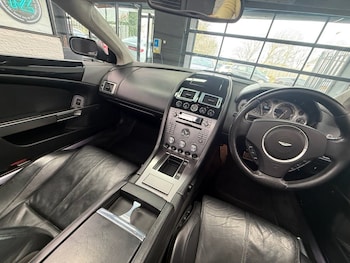
2005 (55) - V12 2dr Volante Touchtronic Auto
Aston Martin DB9 V12
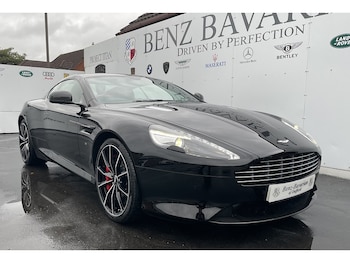
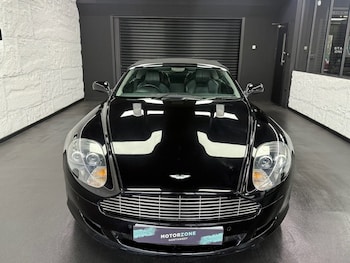
Aston Martin DB9
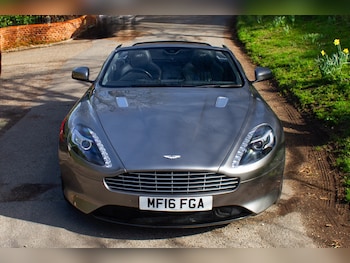
2015 - V12 2dr Touchtronic Auto
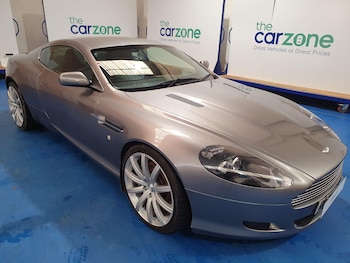
Aston Martin DB9
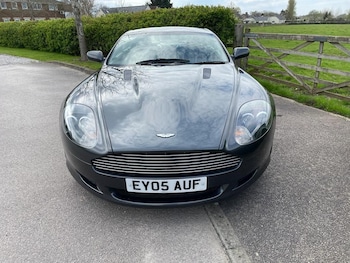
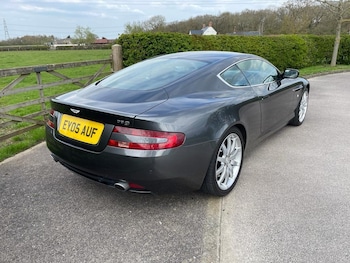
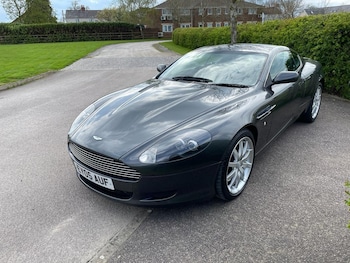
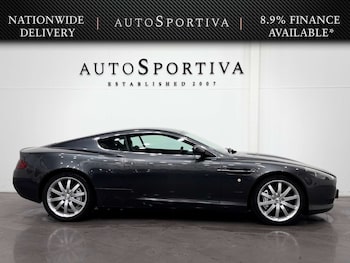
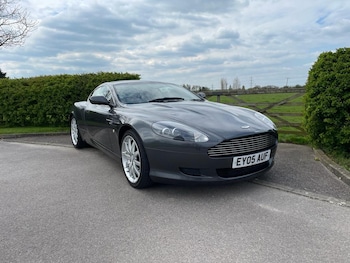
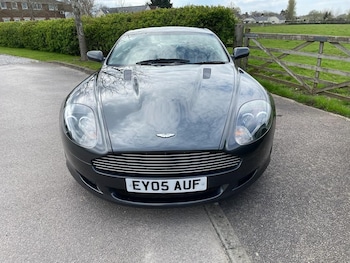
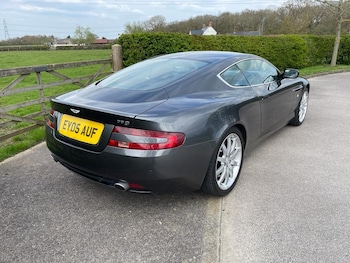
2005 (05) - V12 2dr Touchtronic Auto
SUPERB SERVICE HISTORY
Aston Martin DB9
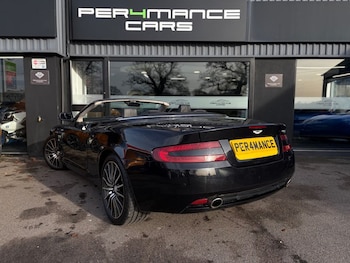
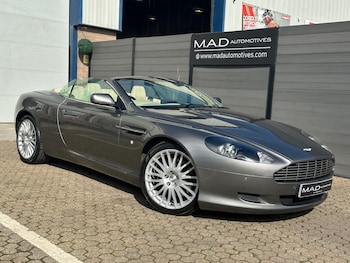
2007 - V12 2dr Volante Touchtronic Auto
1 OWNER FROM NEW, DETAILED HISTORY, BEAUTIFUL CAR
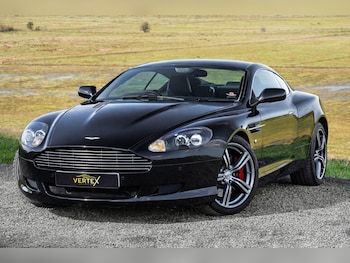
Aston Martin DB9
2008 - 5.9 Coupe 2dr Petrol Seq (394 g/km, 450 bhp)
THIS IS HOW A DB9 SHOULD BE
Aston Martin DB9
2005 (05) - V12 2dr Touchtronic Auto
Aston Martin DB9
2015 - V12 GT 2dr Touchtronic Auto
Rare Bond Edition with Watch
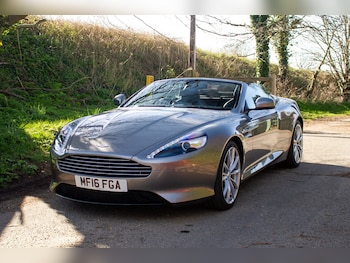
Aston Martin DB9
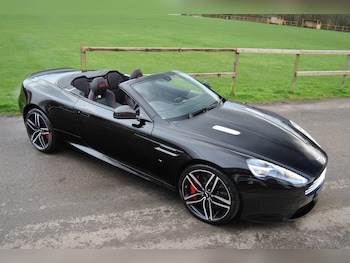
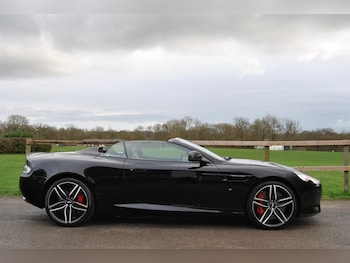
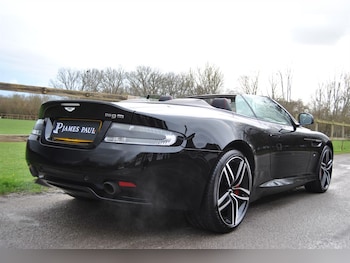
2016 - V12 GT 2dr Volante Touchtronic Auto
RARE GT-CARBON PACK-16.000 MLS
Aston Martin DB9
2013 - V12 2dr Touchtronic Auto
Carbon Pack, GT Power Upgrade
Few cars capture the essence of British luxury quite like the Aston Martin DB9. With its sweeping curves, thunderous V12 engine, and cabin that feels more like a Savile Row suit than a car interior, the DB9 has spent nearly two decades turning heads and quickening pulses.
But here's the brilliant part: buying a used DB9 puts this automotive icon within reach. Whether you're drawn to the original 2004 model or the refined later editions, the used market offers exceptional value for those seeking grand touring excellence without the new-car price tag.
This guide walks you through everything you need to know about buying a used Aston Martin DB9—from understanding different generations to spotting potential issues and making a confident purchase decision.
Let's cut straight to it: yes, the DB9 is a genuinely brilliant grand tourer. Aston Martin built this car to compete with the very best from Ferrari and Bentley, and it more than holds its own.
The DB9 marked a significant moment for Aston Martin when it launched in 2004. Built on the company's VH (Vertical Horizontal) aluminium platform, it combined stunning design with genuine performance credentials. The 5.9-litre V12 engine delivered 450 bhp in early models, climbing to 510 bhp in later versions—enough to propel this elegant machine from 0-60 mph in around 4.5 seconds.
What makes the DB9 special isn't just raw performance, though. It's the way everything comes together: the hand-stitched leather, the tactile switchgear, the glorious soundtrack from that naturally aspirated V12. This is a car that makes every journey feel like an occasion, whether you're crossing continents or popping to the shops.
That said, ownership isn't without considerations. Running costs are substantial—fuel economy hovers around 15-20 mpg, and maintenance requires specialist knowledge. But for those who appreciate automotive artistry, the DB9 delivers something increasingly rare: character, soul, and timeless style.
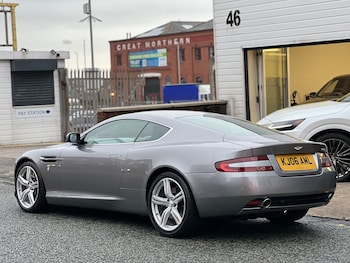
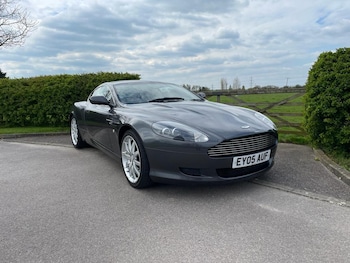
The original DB9 introduced Aston Martin's modern design language—one that influenced every model that followed. Early cars featured the 5.9-litre V12 producing 450 bhp, paired with either a six-speed manual gearbox (rare) or the more common six-speed Touchtronic automatic.
These early DB9s are now the most affordable entry point into DB9 ownership, with prices starting around £30,000-£40,000 for higher-mileage examples. The handsome exterior has aged remarkably well, though some interior materials show their age compared to modern luxury cars.
Key improvements arrived in 2008 with a mid-cycle refresh that brought revised styling, upgraded interior trim, and a power boost to 470 bhp. If you're considering an early DB9, prioritise cars with full service history and evidence of major maintenance being completed.
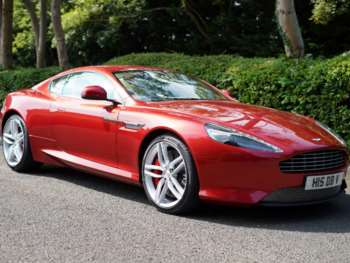
The second-generation DB9 brought significant updates whilst retaining the model's core appeal. Power increased to 510 bhp, delivered through an improved six-speed Touchtronic III automatic gearbox that transformed the driving experience.
Exterior changes included new LED lighting, revised bonnet vents, and updated front and rear styling. Inside, Aston Martin addressed some criticisms with improved build quality and updated technology, including a better infotainment system (though still not class-leading by modern standards).
These later cars command higher prices—typically £60,000-£90,000 depending on mileage and specification—but offer a more refined ownership experience with improved reliability and performance.
The DB9 came in two body styles, each with distinct appeal.
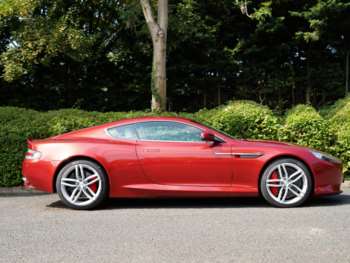
DB9 Coupé
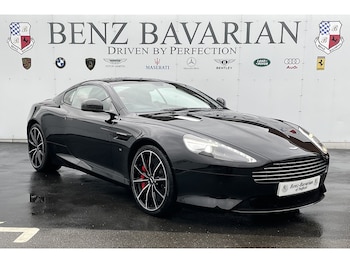
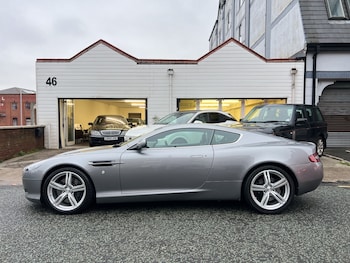
The coupe represents the purist's choice. It's marginally lighter, slightly stiffer, and arguably better-looking with its flowing roofline. If you prioritise driving dynamics and that perfect profile, the coupé delivers. It's also typically £5,000-£10,000 less expensive than equivalent Volante models.
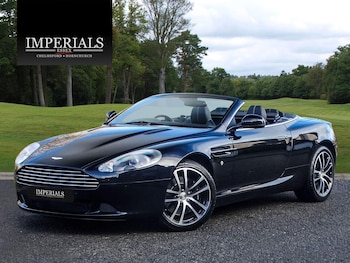
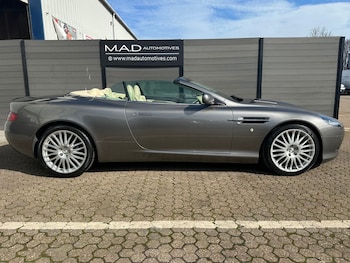
DB9 Volante
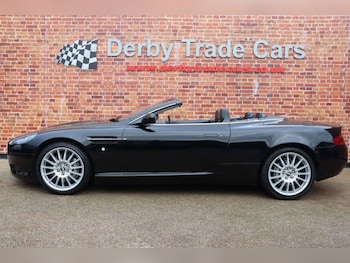
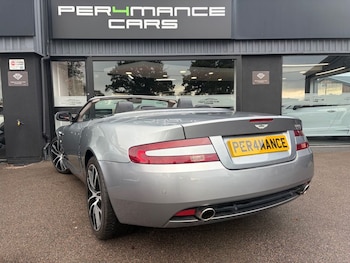
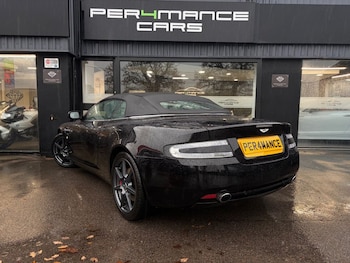
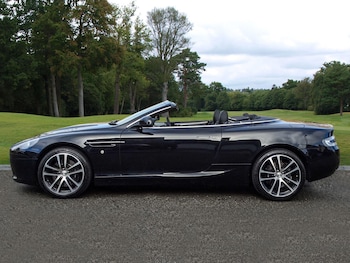
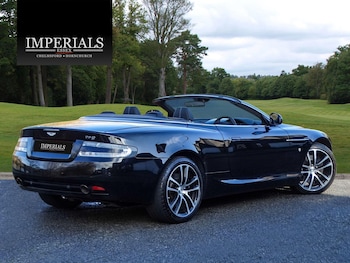
The convertible Volante adds open-air drama to the DB9 experience. The powered fabric roof operates in around 17 seconds and looks elegant whether up or down. Yes, you sacrifice some structural rigidity and add weight, but the ability to lower the roof and enjoy that V12 soundtrack unfiltered is magnificent.
Volantes typically attract a premium but hold their value well. They're particularly desirable in lighter colours—the DB9 looks stunning in Stratus White or Morning Frost White with the roof down.
Purchasing any used supercar requires careful attention, and the DB9 is no exception. Here's your inspection checklist:
Service History
This is non-negotiable. The DB9 requires annual servicing or every 12,500 miles, whichever comes first. Major services occur every two years or 25,000 miles and cost £2,000-£3,000 at specialists. Insist on complete documentation showing regular maintenance at Aston Martin dealers or recognised specialists.
Suspension and Underbody
Check for corrosion on suspension components, particularly on earlier cars. The aluminium chassis is generally durable, but stone chips and road salt can cause issues. Listen for any knocking sounds over bumps, which might indicate worn suspension bushes.
Gearbox Operation
The Touchtronic automatic should shift smoothly without delays or harsh engagements. On test drives, try manual mode and ensure gear changes respond promptly. Earlier Touchtronic I and II boxes can be problematic—later Touchtronic III is more reliable.
Interior Condition
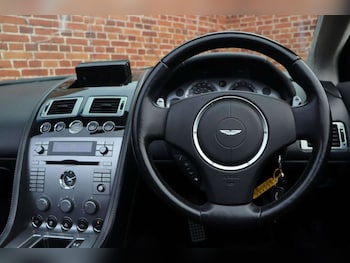
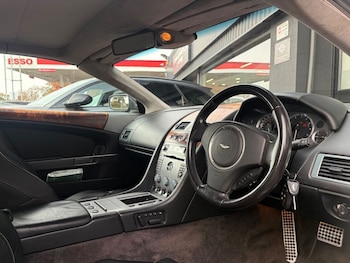
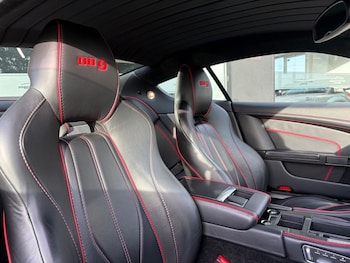
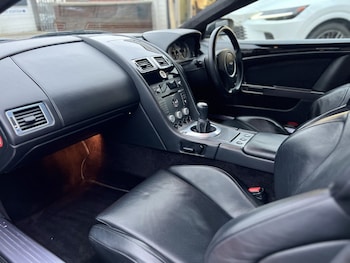
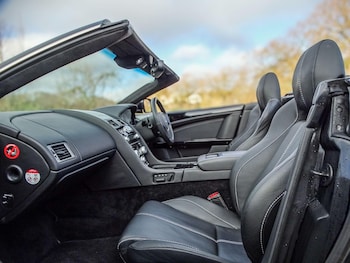
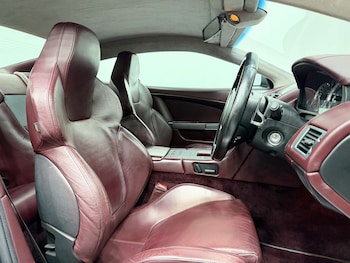
Inspect leather for wear, particularly on the driver's seat bolster. Check all electrical functions work correctly, including seat adjustments, climate control, and the infotainment system. Repairs to bespoke interior components are expensive.
Bodywork and Paint
Examine panel gaps carefully—the DB9's aluminium body is hand-finished, so some variation is normal, but excessive gaps suggest accident damage. Check for stone chips on the front bumper and bonnet, and look for signs of resprayed panels that might indicate unreported damage.
The DB9's reliability depends heavily on maintenance history. Well-maintained examples from reputable owners can be reasonably dependable, but this is a hand-built supercar with complex systems—expect occasional issues. Common problems include gearbox faults (particularly in early Touchtronic boxes), electrical gremlins, and suspension wear. Budget £2,000-£4,000 annually for maintenance beyond routine servicing. The good news? The V12 engine itself is generally robust when properly maintained. Always prioritise cars with comprehensive service records over those that appear to be bargains.
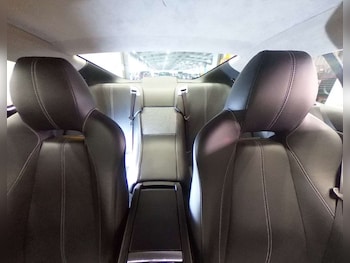
The DB9 is strictly a two-seater. Unlike some grand tourers that attempt vestigial rear seats, Aston Martin designed the DB9 as a proper two-seater from the outset. This means generous space for driver and passenger, with ample legroom and headroom even for taller occupants. The boot offers 186 litres of luggage space in the coupé (slightly less in the Volante)—enough for a weekend away but not extensive touring. If you need rear seats, consider the Aston Martin Rapide or DB11 instead.
Used DB9 prices vary considerably based on age, mileage, and condition. Early 2004-2008 models start around £35,000-£50,000 for higher-mileage examples, whilst pristine low-mileage cars command £55,000-£70,000. The facelifted 2008-2012 models typically range from £50,000-£80,000. Second-generation 2013-2016 cars are the most expensive, usually priced between £70,000-£110,000. Volante models attract a £5,000-£15,000 premium over equivalent coupés. Special editions like the Carbon Black or GT can command additional premiums. Browse Aston Martin models on Cazoo to see current market pricing.
Henrik Fisker designed the DB9 during his tenure as Aston Martin's Design Director. Fisker, who later founded his own automotive company, created what many consider one of the most beautiful cars of the 21st century. The DB9's design drew inspiration from the limited-production DB7 Zagato whilst introducing modern elements that would define Aston Martin's design language for the next decade. Ian Callum, who preceded Fisker, also influenced the VH platform's basic proportions. The result was a timeless design that looks remarkably fresh today—testament to Fisker's skill in creating elegant, purposeful forms that transcend automotive trends.