Jeep Wrangler review
It’s big, bold, and can drive up the side of a mountain. But is the Jeep Wrangler right for your daily commute?

Author: Charlie Harvey
22nd Jan 2026 – 9 mins read
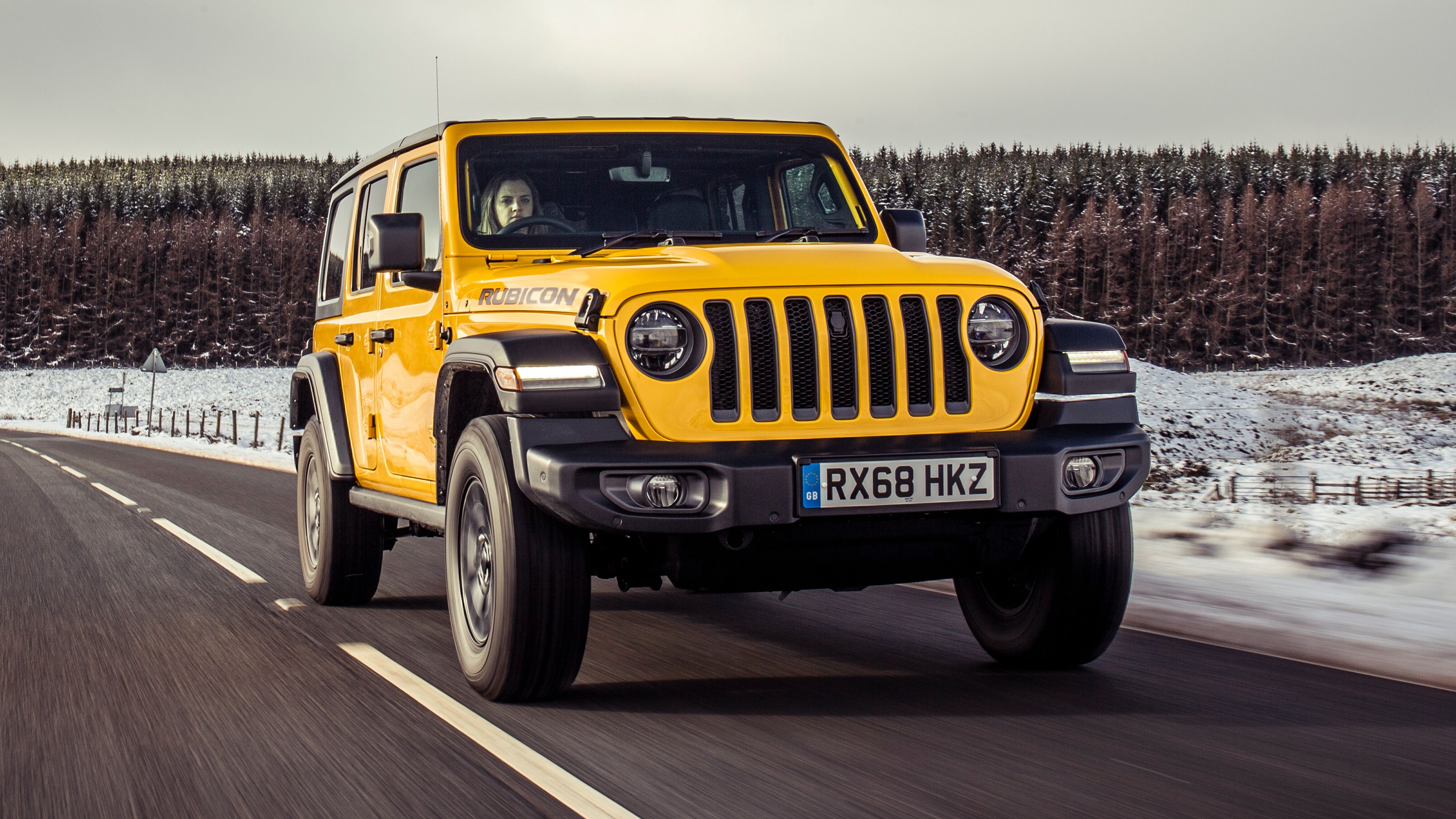
Close your eyes and picture a "Jeep." You’re almost certainly picturing the Wrangler. It’s the spiritual successor to the original Willys Jeep from the 1940s, and it wears that history with pride. While most modern SUVs are designed for the school run and supermarket car parks, the Wrangler is built to go where roads simply don’t exist. The latest version (introduced around 2019) might look like the old ones, but it’s had a major tech overhaul inside. It’s still tough, rugged, and unstoppable off-road, but now it connects to your smartphone, too. It’s a car you buy with your heart because you love the lifestyle it promises—even if you spend more time on the tarmac than in the mud.
Pros
- Unbeatable off-road ability
- Iconic, head-turning looks
- Decent amount of standard tech
Cons
- Expensive to run
- Ride can feel a bit bumpy on normal roads
- Safety rating is lower than most rivals
Interior
Dashboard & tech
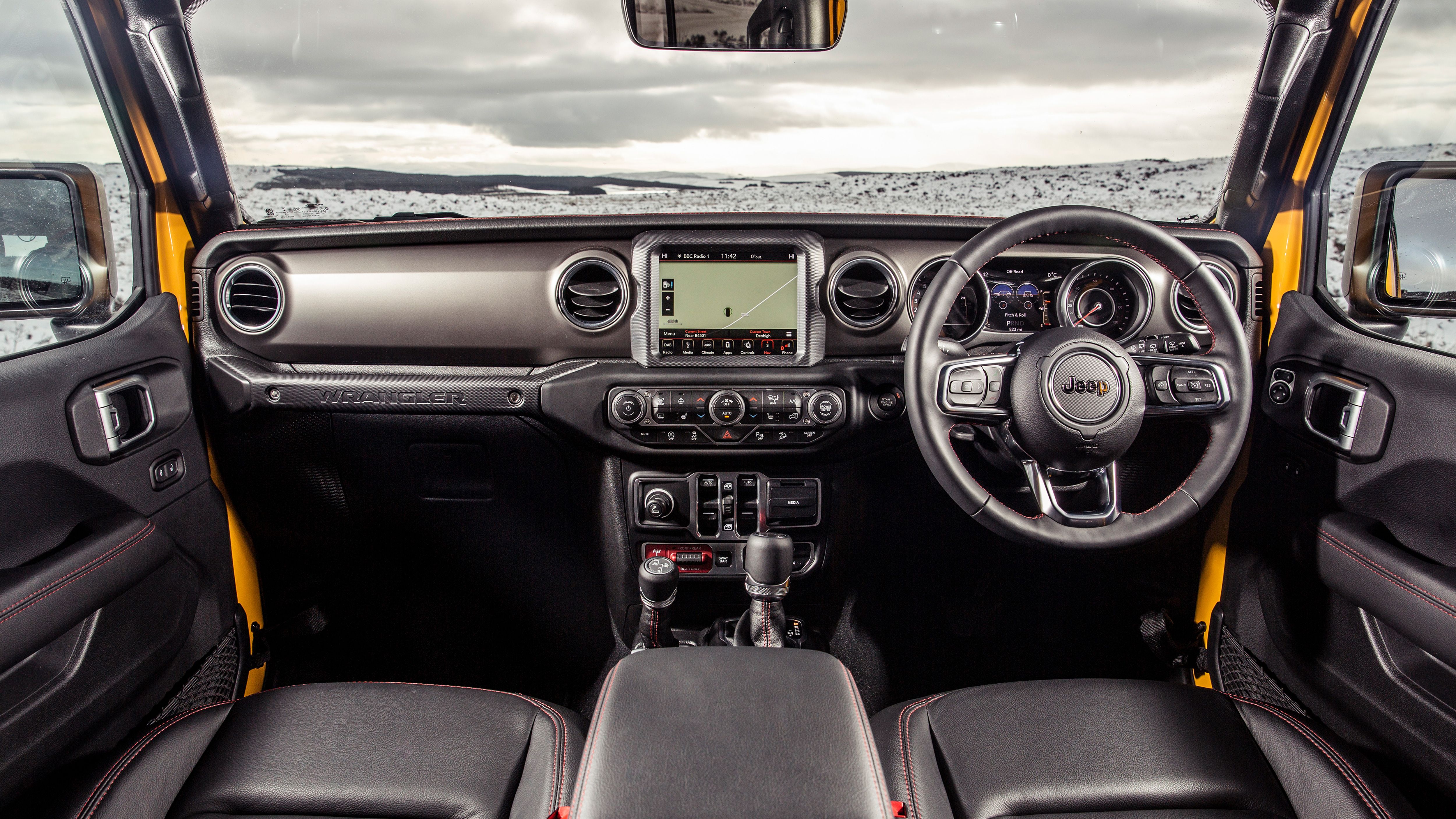
Hop inside (and it is a bit of a climb), and you’ll find a cabin that balances modern tech with a chunky, durable feel. It’s designed to be used, not just looked at. The 2019 update brought the Wrangler into the modern age with a crisp 8.4-inch touchscreen that includes Apple CarPlay and Android Auto. This means you can use your phone’s sat nav and playlists easily. Everything feels solid and water-resistant, keeping true to the car's rugged nature.
Comfort
If you’re used to a plush, car-like SUV, the Wrangler might be a bit of a surprise. It’s built for durability rather than outright luxury. The ride can be a little bouncy on uneven tarmac because the suspension is designed to handle boulders, not just speed bumps. However, the front seats are supportive, and features like climate control and heated seats (on higher trims) help keep things cosy.
Quality
Jeep has definitely improved the quality of materials in the cabin. It feels built to last a lifetime. While you won't find the soft-touch luxury of a premium German SUV, that’s not really the point of a Wrangler. It feels tough, substantial, and ready for adventure.
Practicality & boot space
Interior space
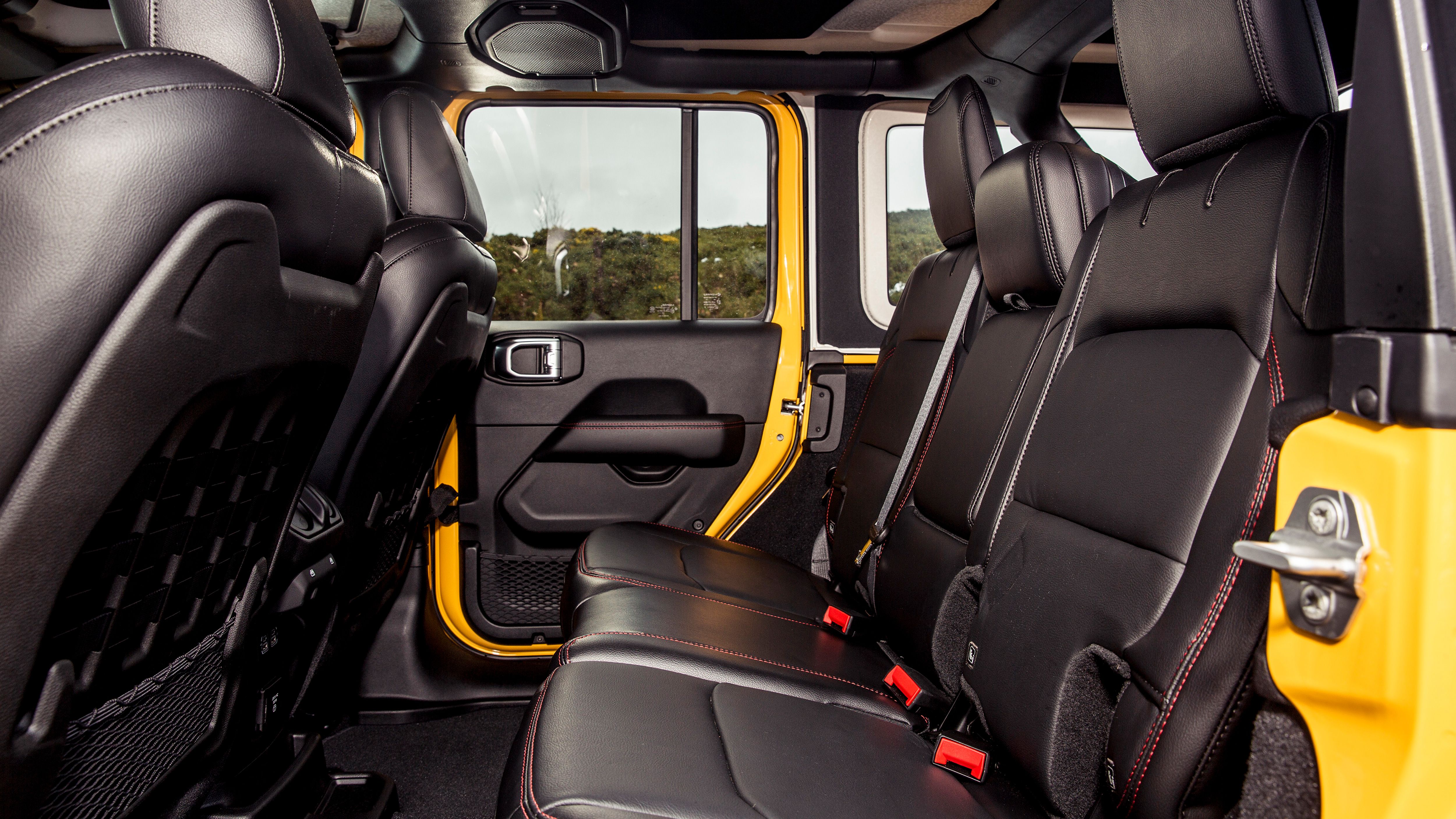
You have a choice between the two-door model and the four-door version. If you plan on carrying passengers regularly, the four-door is the one to go for. It’s significantly longer (by about 55cm), giving rear passengers actual legroom. The two-door is cool, but the back seats are tight and best left for very occasional use or extra storage.
Boot space
The four-door Wrangler offers a very respectable 533 litres of boot space. That’s plenty of room for camping gear, holiday luggage, or a big weekly shop. If you fold the rear seats down, that space opens up to 1,044 litres. The boot on the two-door version is much smaller, so you’ll need to pack light.
Versatility
One of the coolest things about the Wrangler is that it’s essentially a convertible toy box. On many models, you can remove roof panels to let the sunshine in. It’s designed for versatility in the great outdoors, with plenty of ground clearance and rugged prowess. Just remember that it’s less practical as a standard family car than conventional rivals, lacking some of the clever storage cubbies you might be used to.
Driving
Driving experience
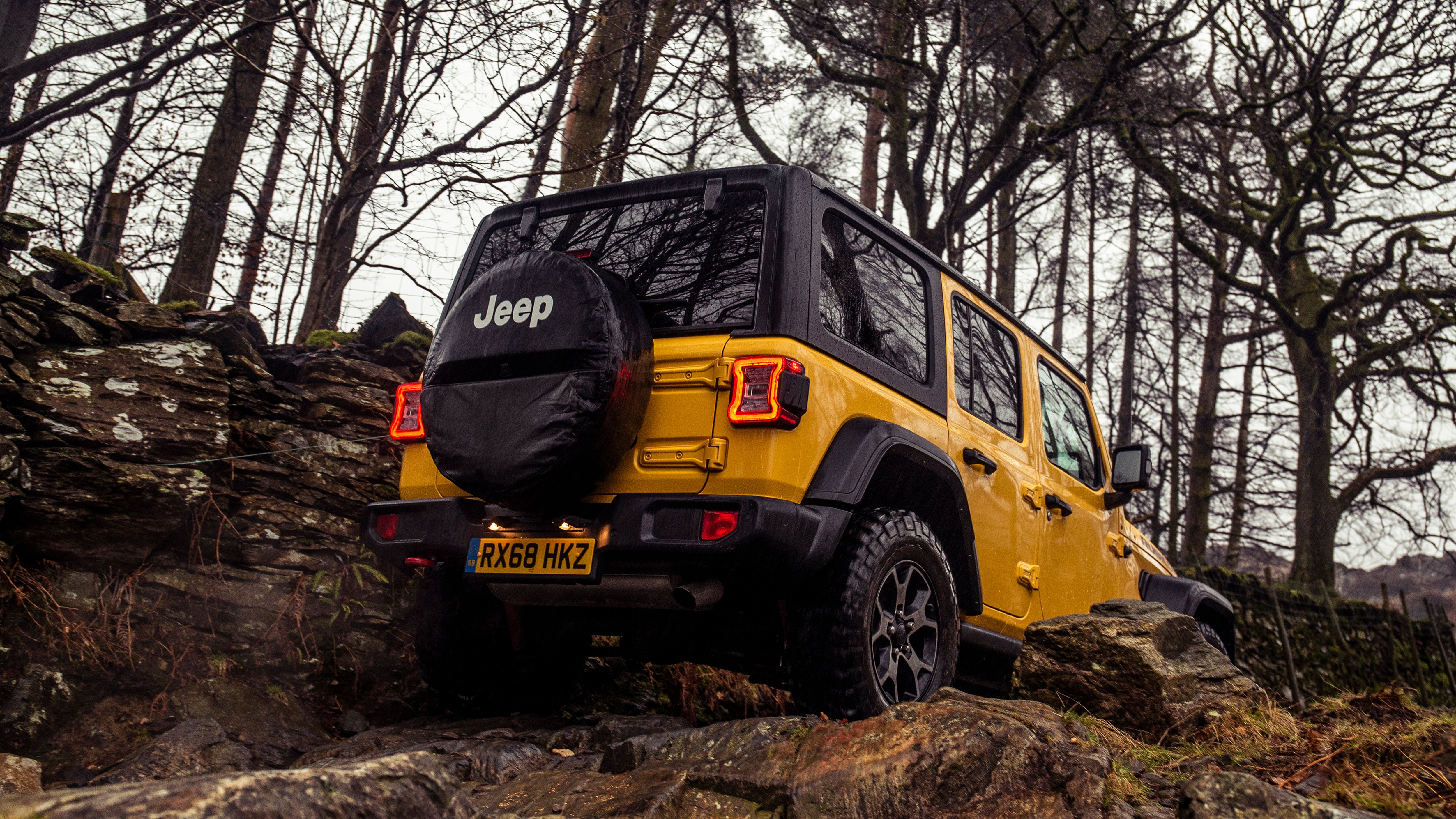
Let’s be honest: on the road, the Wrangler feels... well, like a Wrangler. The steering can feel a bit light and vague compared to a standard car, and because it’s shaped like a brick, there’s some wind noise at motorway speeds.
But take it off-road, and it all makes sense. This machine is unstoppable. Mud, rocks, sand, and snow are no problem for it. It has special low-range gears and clever differentials that help it grip in impossible situations. If your weekends involve green laning or heavy-duty towing across fields, there is almost nothing better.
Performance
Gone are the thirsty V6 engines of old. The newer models use punchy four-cylinder engines. You can choose between a 2.0-litre petrol or a 2.2-litre diesel. Both are paired with an eight-speed automatic gearbox which shifts smoothly. The petrol engine is surprisingly quick (272bhp), giving you plenty of power for overtaking, while the diesel offers great pulling power (torque), which is ideal for towing or off-roading.
Running costs
Fuel economy & CO2 emissions
We’ll be straight with you—running a Wrangler isn't cheap. Its boxy shape and heavy-duty mechanicals mean it uses fuel quite eagerly. The diesel manages around 37mpg if you’re gentle, while the petrol will struggle to get much more than 31mpg. CO2 emissions are also high (around 198g/km for the diesel), which puts it in a high tax bracket. It’s the price you pay for that go-anywhere capability.
Value for money
The Wrangler holds its value incredibly well. Because they are desirable and iconic, they don't lose money as fast as typical family SUVs. So, while the initial purchase price might seem steep and the fuel bills high, you might get a pleasant surprise when it comes time to sell or trade it in.
Reliability & Warranty
Jeeps are built to take a beating, so mechanical reliability is generally good. Newer models come with a five-year warranty, which gives you great peace of mind.
Safety
Safety features
This is an area where the Wrangler lags behind modern family SUVs. When tested by Euro NCAP in 2018, it received a one-star safety rating. It comes with four airbags and stability control, and newer models include blind-spot monitoring and rear cross-traffic alert. However, it lacks some of the advanced automated safety aids found on cars designed purely for the road. It’s a tough vehicle, but it’s worth being aware of the rating if you’re looking for a family hauler.
Trims & Engines
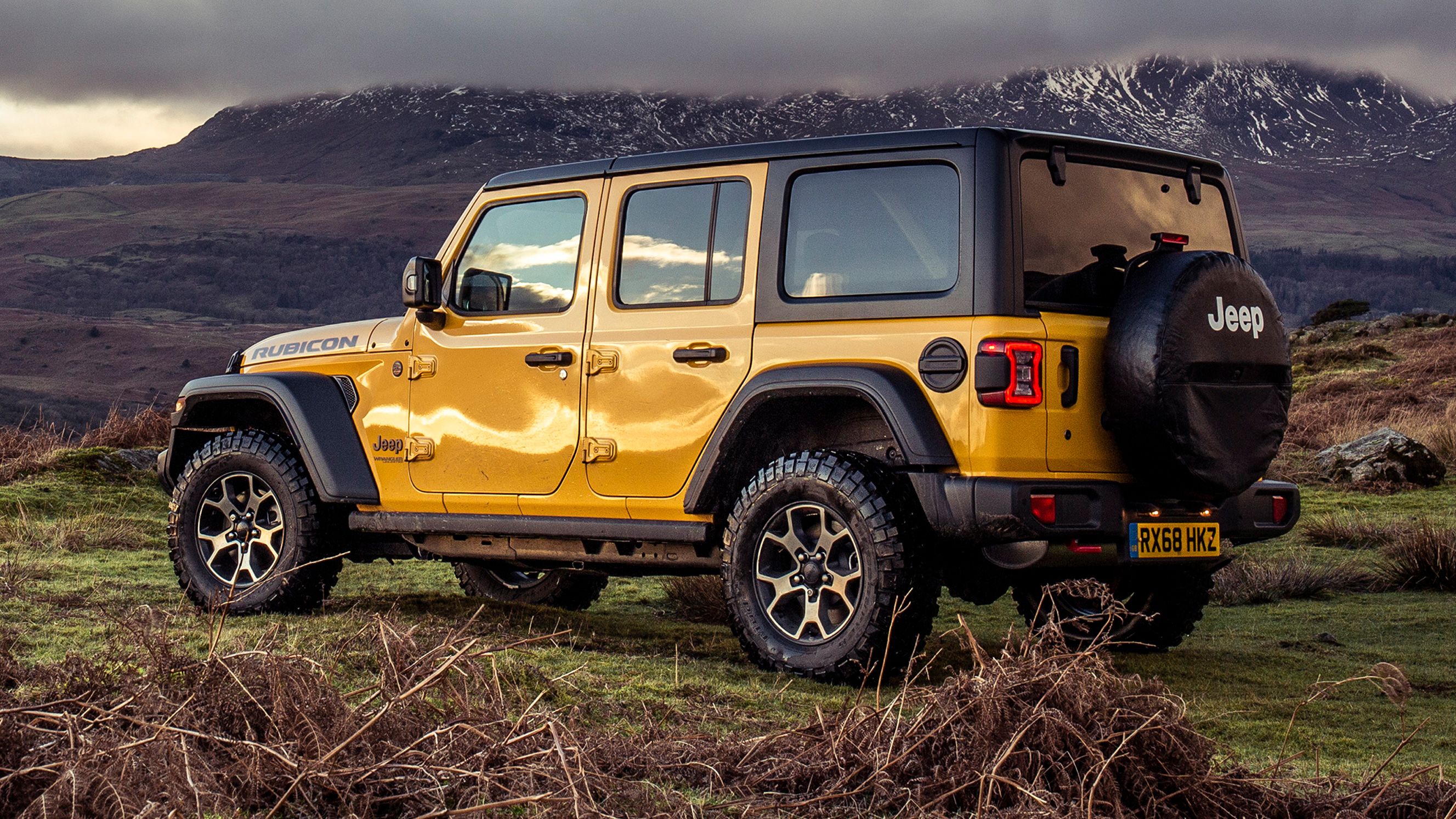
Trim levels
There are generally four trims to look out for.
- Sahara: The entry point (though still well-equipped). It comes with 18-inch alloys, the big 8.4-inch screen, LED headlights, cruise control, and a reversing camera.
- Night Eagle: Based on the Sahara but adds moody black styling details and darker wheels for a stealthier look.
- Overland: Adds a touch of luxury with leather upholstery, heated front seats, and body-coloured styling details.
- Rubicon: The hardcore hero. It gets specialised off-road equipment like heavy-duty axles, a disconnecting front sway bar for better wheel articulation, and chunkier tyres. It’s built for the serious enthusiast.
Engines
The lineup is simple.
- 2.0-litre Petrol: 272bhp. Fast and fun, but thirsty.
- 2.2-litre Diesel: 197bhp. The sensible choice for most, offering better fuel economy and pulling power.
Both come with an automatic gearbox and four-wheel drive as standard.