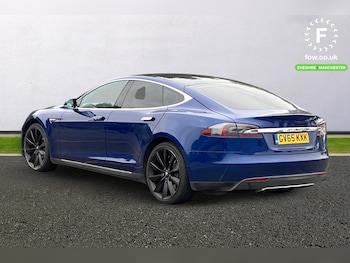
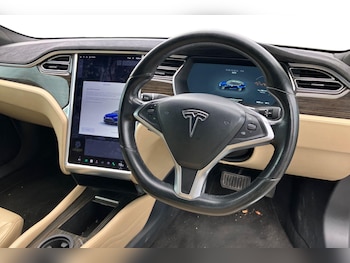
|
Beta
74
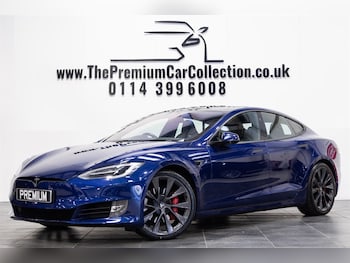
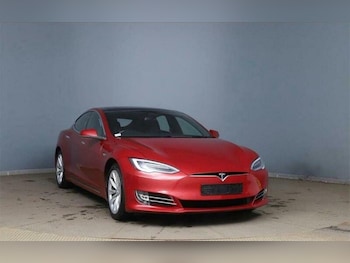
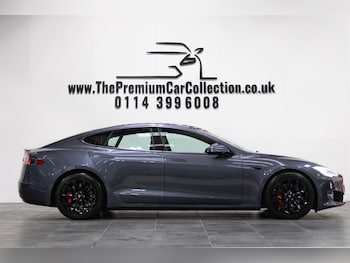
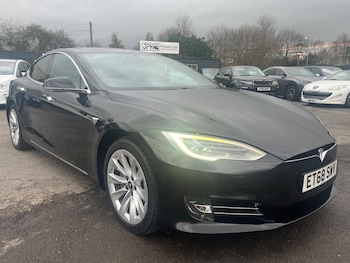
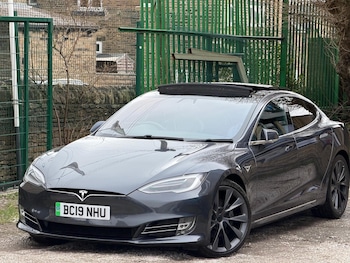
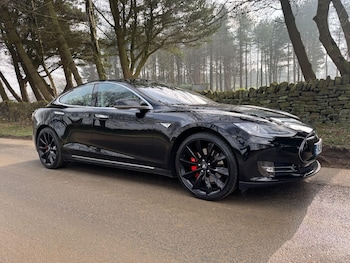
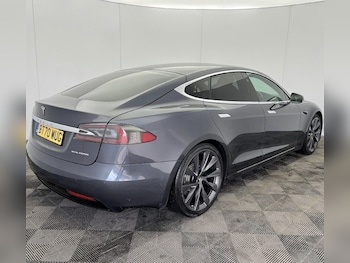
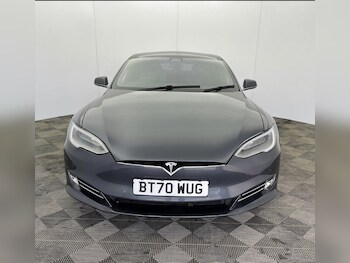
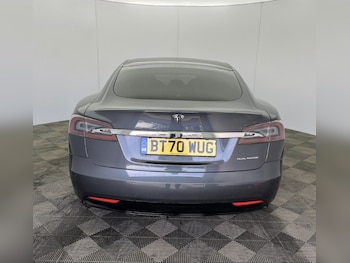
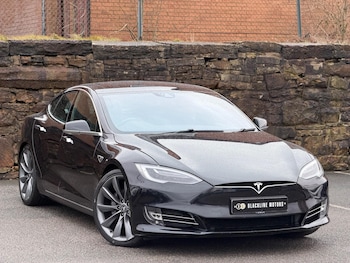
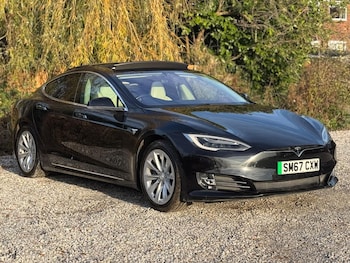
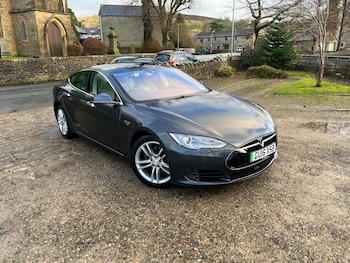
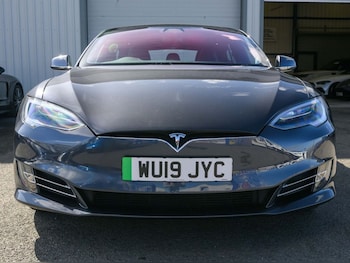
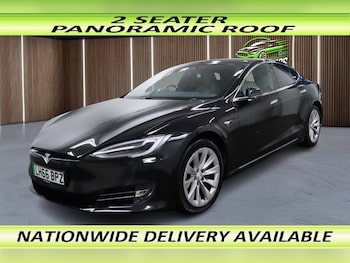
Tesla Model S
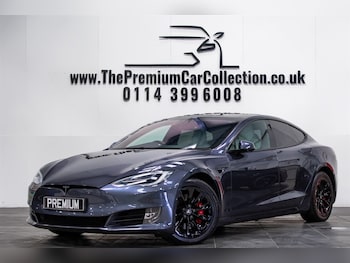
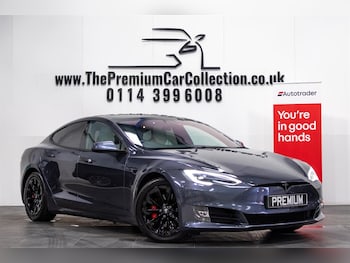
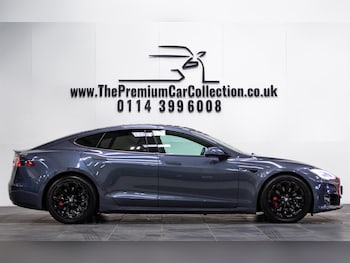
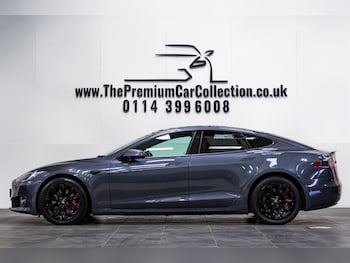
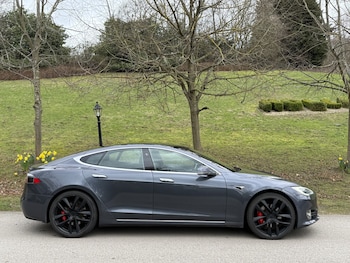
2019 Performance Ludicrous AWD 5dr Auto
£7k FSD 21s RAVEN PAN ROOF
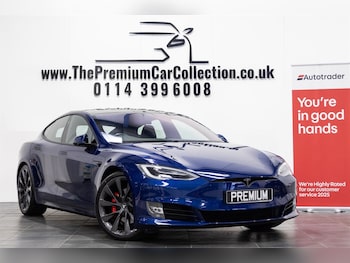
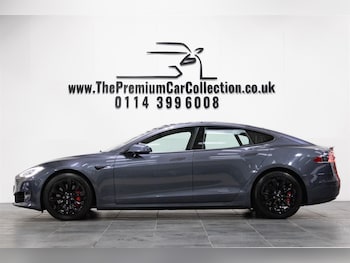
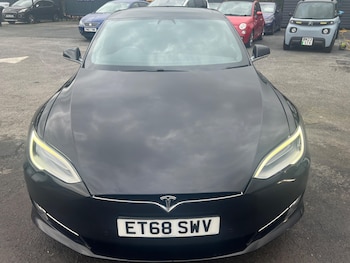
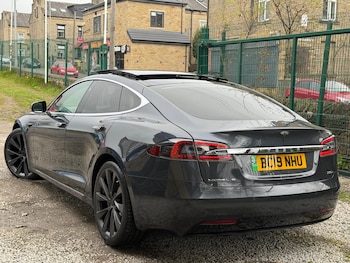
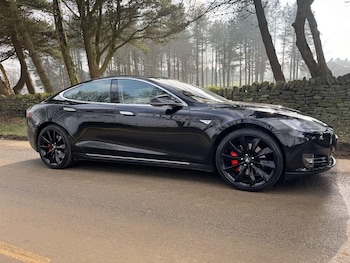
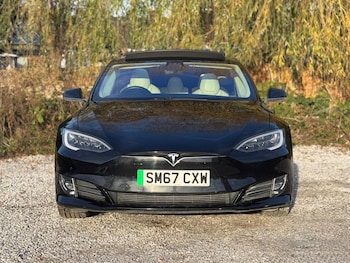
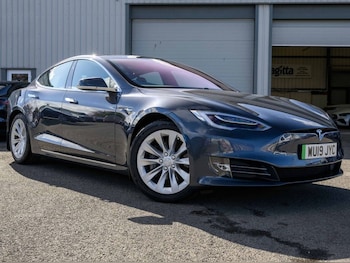
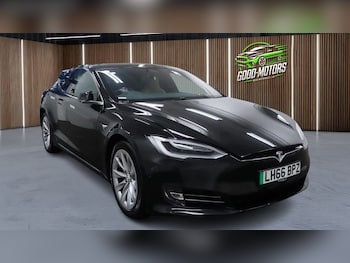
Tesla Model S
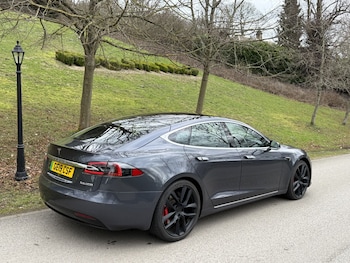
2019 Performance Ludicrous AWD 5dr Auto
RAVEN AIR SUSPENSION PANORAMIC ROOF PREMIUM UPGRAD
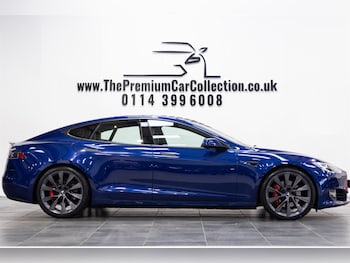
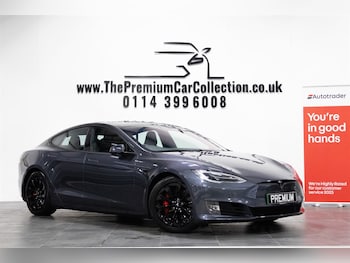
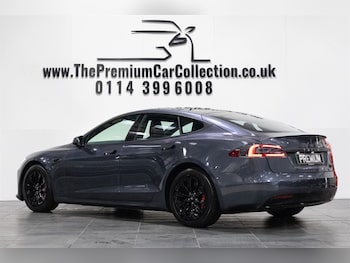
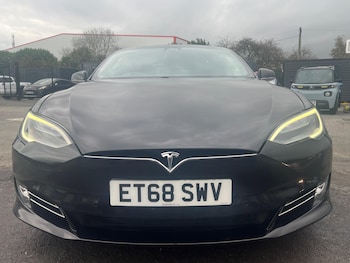
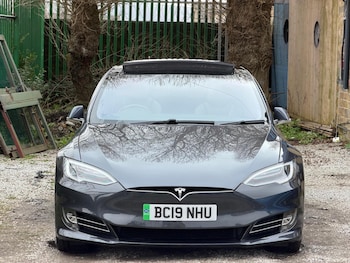
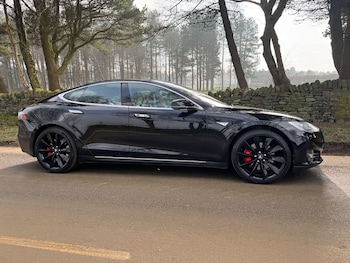
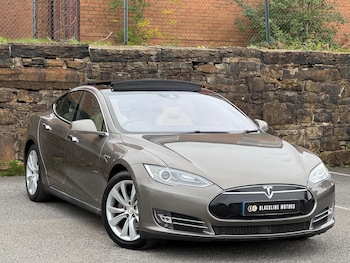
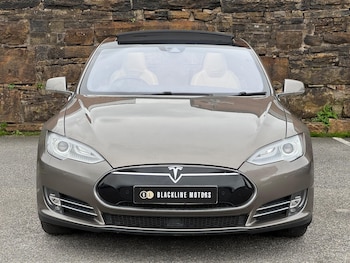
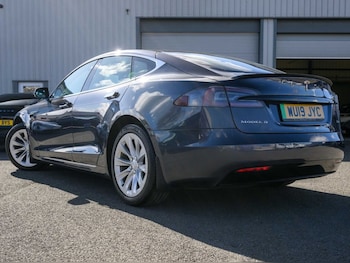
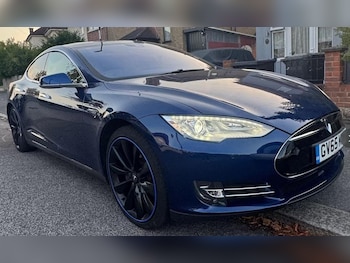
Tesla Model S
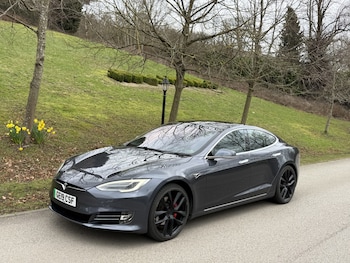
2019 PERFORMANCE LUDICROUS AWD ENHANCED AUTO PILOT 5Door
PAN ROOF CARBON RAVEN AIR SUS
Are these results helpful?
Help us improve
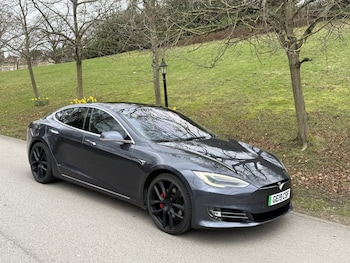
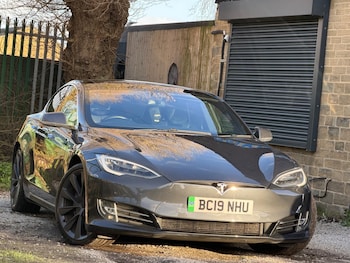
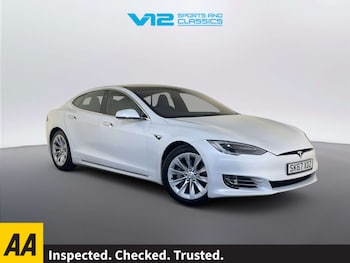
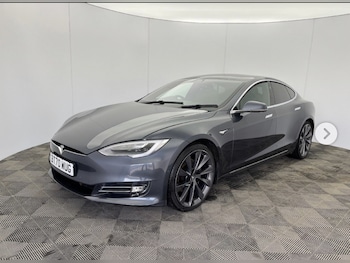
Tesla Model S
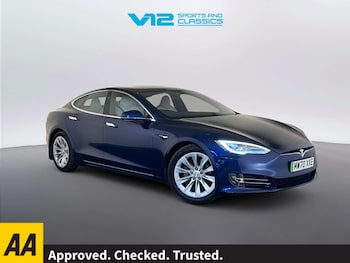
2020 Long Range AWD 5dr Auto
REVERSING CAMERA PAN ROOF
Tesla Model S
2019 (19) 100D (Dual Motor) Auto 4WD 5dr
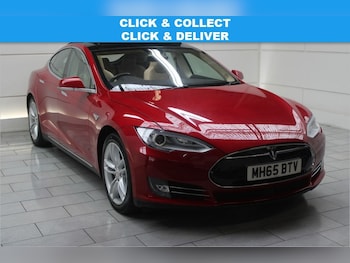
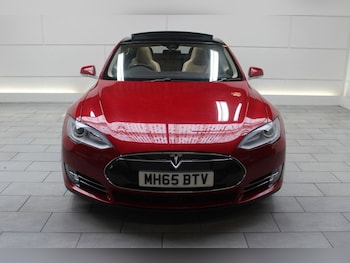
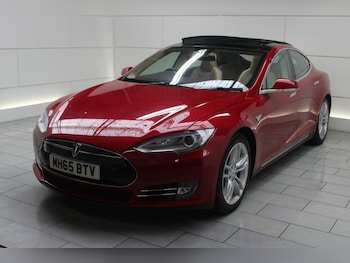
Tesla Model S
2015 (15) 279kW 85kWh 5dr
Tesla Model S
2017 307kW 90kWh Dual Motor 5dr Auto
REVERSE CAMERA HEATED SEATS
Tesla Model S
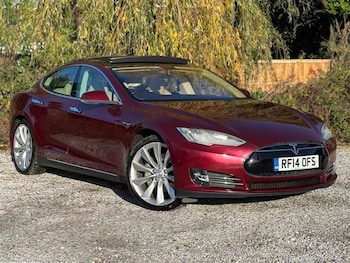
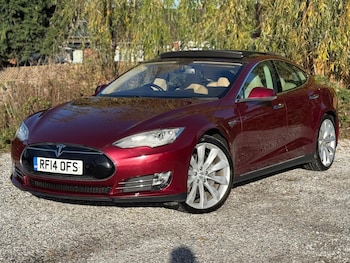
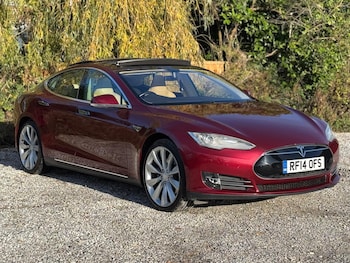
2014 (14) 85 Auto 5dr
PAN ROOF,FSH,2 KEYS,21'' ALLOYS
Tesla Model S
2019 (19) 241kW 75kWh Dual Motor 5dr Auto
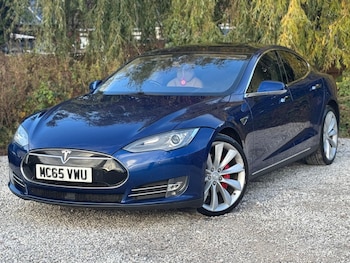
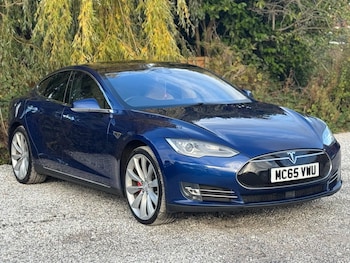
The Tesla Model S revolutionised the electric car market when it first launched, proving that electric vehicles could be luxurious, powerful, and desirable. Now, with more used Tesla Model S cars available than ever before, you might be wondering if it's the right time to make the switch to electric luxury.
Buying a used Tesla Model S offers an exciting opportunity to experience cutting-edge technology and impressive performance at a more accessible price point. From jaw-dropping acceleration to over-the-air software updates that keep your car fresh, the Model S delivers an ownership experience unlike any other vehicle on the road.
However, purchasing any used electric vehicle requires careful consideration. Battery health, software versions, and charging infrastructure all play crucial roles in your ownership experience. Understanding these factors before you buy can help ensure you find the perfect Tesla Model S that meets your needs and budget.
The Tesla Model S offers a compelling blend of luxury, performance, and environmental consciousness that's hard to match. When you choose a used Tesla Model S, you're getting access to premium features like autopilot capabilities, a minimalist interior dominated by a massive touchscreen, and acceleration that rivals supercars—all while producing zero emissions.
Financially, buying used makes excellent sense. New Tesla vehicles depreciate significantly in their first few years, meaning you can often find a well-maintained used Model S with low mileage for substantially less than its original price. This depreciation works in your favour, allowing you to experience cutting-edge technology without the premium new car pricing.
The Model S also benefits from Tesla's unique over-the-air update system. Unlike traditional vehicles that remain static after purchase, your used Tesla will continue receiving software improvements, new features, and performance enhancements throughout its lifetime. This means a three-year-old Model S can still feel remarkably current.
Tesla launched the Model S in 2012 as their flagship saloon, establishing the blueprint for luxury electric vehicles. The Model S combines impressive range, rapid acceleration, and advanced technology in a sleek, aerodynamic package that achieved a drag coefficient of just 0.24.
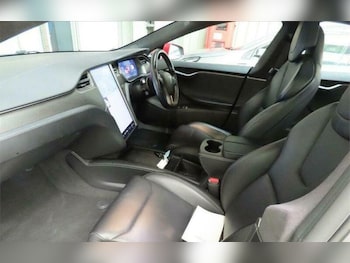
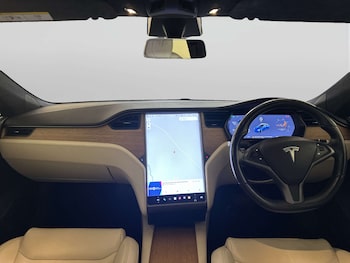
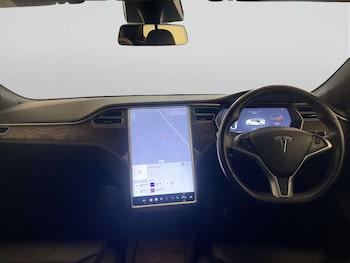
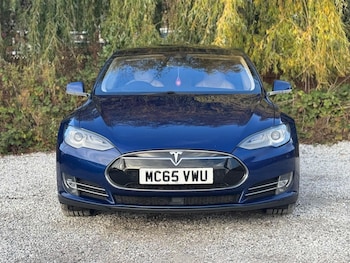
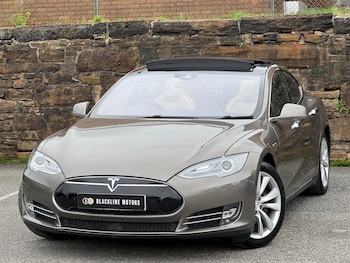
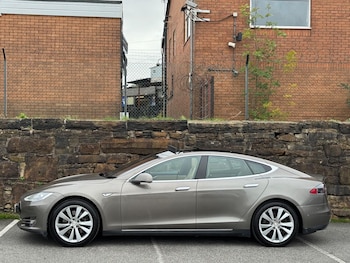
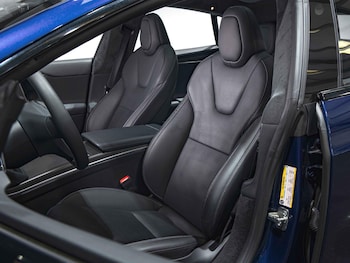
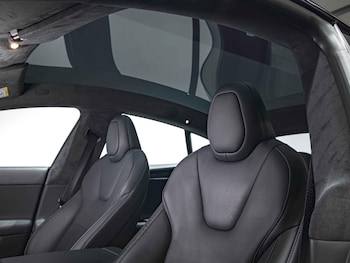
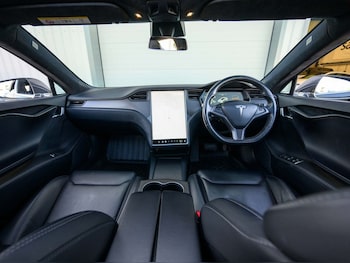
The Model S features a distinctive exterior design with flush door handles, a panoramic glass roof, and Tesla's signature front fascia without a traditional grille. Inside, the minimalist cabin centres around a 17-inch touchscreen that controls virtually every vehicle function, from climate control to the glove compartment.
Performance figures remain impressive even by today's standards. Depending on the variant, the Model S can accelerate from 0-60 mph in as little as 2.1 seconds, with a top speed reaching 200 mph in Performance variants. Range varies by model year and configuration, with newer versions achieving over 400 miles on a single charge.
The Model S established many features that became Tesla hallmarks: Supercharger compatibility, autopilot functionality, and the ability to summon your car from parking spaces using your smartphone.
The original Model S launched with various battery pack options, including 60kWh, 75kWh, 85kWh, and 90kWh configurations. These early models featured physical door handles and a nose cone design. Performance variants included the P85 and later P90D with dual-motor all-wheel drive.
Key characteristics include simpler autopilot hardware, MCU1 infotainment system, and distinctive exterior styling. While these models offer excellent value, they lack some modern conveniences and may require more frequent maintenance as they age.
The 2016 refresh introduced a more aerodynamic front end, removing the nose cone for a smoother appearance. Interior updates included a horizontal orientation screen and improved materials. This generation saw the introduction of the 100kWh battery pack and the Model S P100D.
These models feature autopilot hardware 2.0 or higher, enabling more advanced autonomous driving features. The MCU2 infotainment system (introduced in 2018) provides faster response times and better functionality than earlier versions.
The latest generation Model S received a complete interior overhaul with a new 17-inch landscape-oriented touchscreen, a yoke steering wheel (optional round wheel available), and three-motor Plaid powertrain producing over 1,000 horsepower.
This generation offers the longest range and quickest acceleration, with the Plaid variant achieving 0-60 mph in under 2 seconds. However, used examples remain limited and command premium pricing.
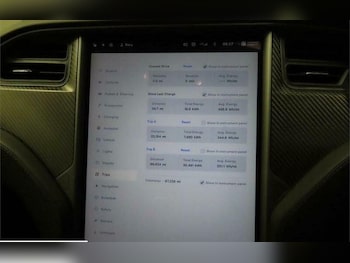
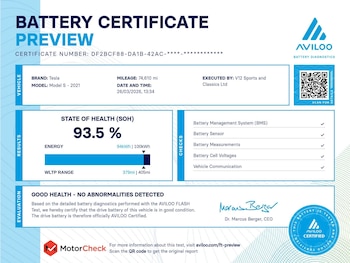
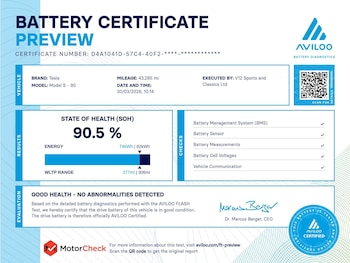
Battery condition represents the most crucial factor when buying any used Tesla. Request battery degradation data through the vehicle's touchscreen or have a Tesla-qualified technician perform a comprehensive battery health check. Healthy batteries should retain at least 80% of their original capacity.
Look for consistent charging patterns and avoid vehicles that have been frequently supercharged to 100%. Batteries that have been well-maintained with regular charging between 20-80% typically show less degradation.
Verify the autopilot hardware version, as this determines which autonomous driving features are available. Hardware 2.5 or higher is preferable for full self-driving capability. Check that the vehicle's software is up-to-date and functioning properly.
The MCU (Media Control Unit) version significantly affects user experience. MCU1 units are slower and may require replacement, while MCU2 and MCU3 offer better performance and longevity.
Tesla vehicles require minimal maintenance compared to petrol cars, but regular service checks remain important. Review service records for any outstanding recalls or known issues. Door handle problems, drive unit replacements, and touchscreen issues are common concerns in older Model S vehicles.
Inspect the exterior for signs of accident damage, paying particular attention to panel gaps and paint consistency. Tesla's aluminium body construction can be expensive to repair properly. Check that all electronic functions operate correctly, including charging port, falcon doors (if applicable), and autopilot sensors.
Ensure you have appropriate charging solutions at home and workplace. Consider the UK's public charging network coverage in your area, as this significantly impacts ownership convenience. Verify that Supercharger access is included and functioning properly.
Used Tesla Model S prices in the UK typically range from £30,000 to £80,000, depending on age, mileage, and specification. Older 2012-2015 models can be found from around £25,000, while recent Plaid variants may exceed £100,000. Prices vary significantly based on battery capacity, autopilot features, and overall condition.
Range varies considerably by model year and battery pack. Early 60kWh models achieved around 200 miles, while 85kWh versions reached approximately 265 miles. Modern 100kWh models can exceed 400 miles on a single charge. Actual range depends on driving conditions, weather, and battery health.
Access the touchscreen's service menu to view battery degradation data, or use third-party apps like TeslaFi or Stats for Tesla. A Tesla service centre can provide comprehensive battery diagnostics. Healthy batteries should retain 80-90% capacity after several years of use.
Full Self-Driving (FSD) capability depends on the specific vehicle and its purchase history. FSD is tied to the vehicle, not the owner, so it transfers with the car when sold. However, Tesla has occasionally removed FSD from used vehicles, so verify its presence before purchase.
Tesla's used vehicle programme offers certified pre-owned vehicles with limited warranties and known history. Private sales may offer better pricing but require more thorough inspection and carry additional risk. Third-party dealers like Cazoo provide middle-ground options with some warranty protection and easier finance arrangements.
Model S trims vary by battery capacity, motor configuration, and performance. Standard versions offer rear-wheel drive, while Performance models feature dual or tri-motor all-wheel drive. Key differences include acceleration, top speed, range, and premium features like air suspension and upgraded interiors.
Home charging typically costs £8-15 for a full charge, depending on your electricity tariff and battery size. Public rapid charging costs more, ranging from £20-40 for a complete charge. Supercharger pricing varies by location but averages around 28p per kWh.
Tesla's new vehicle warranty includes 4 years/50,000 miles for the vehicle and 8 years/unlimited miles for the battery and drive unit. Used vehicles may have remaining manufacturer warranty, and Tesla offers extended warranty options. Third-party dealers may provide additional warranty coverage.
Common issues in older Model S vehicles include door handle failures, drive unit replacements, MCU screen problems, and charging port door malfunctions. Most of these issues are covered under warranty or have been addressed through service campaigns. Regular software updates help prevent many potential problems.
The Model S typically offers longer range and lower running costs, while the Taycan provides more traditional luxury car refinement and superior build quality. The Model S excels in technology integration and charging infrastructure, whereas the Taycan offers better handling dynamics and interior materials. Both represent excellent electric luxury saloon options with different strengths.