|
Beta
629
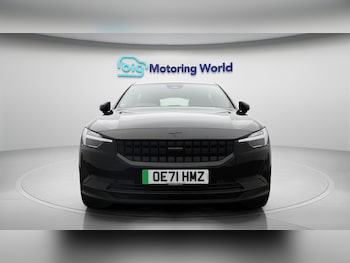
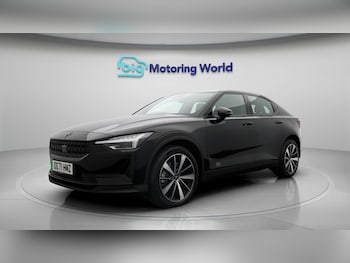
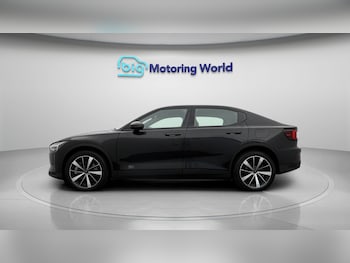
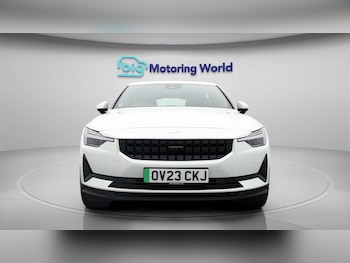
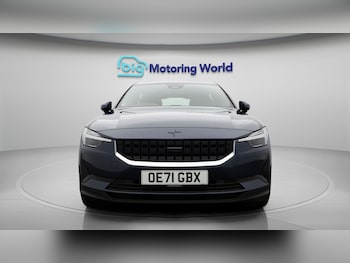
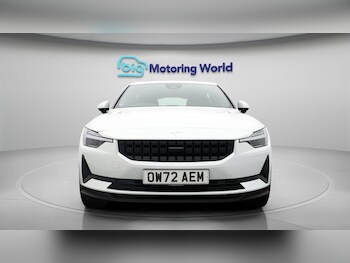
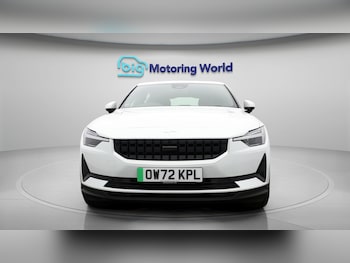
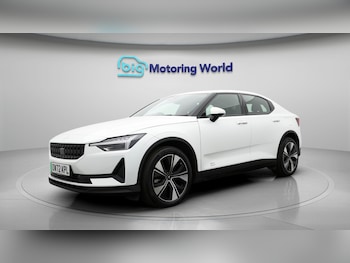
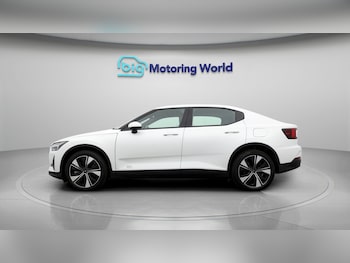
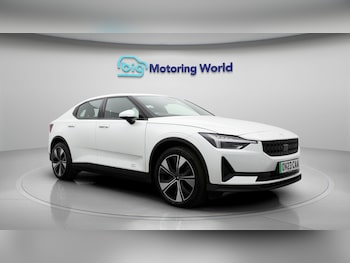
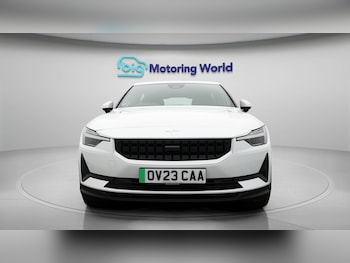
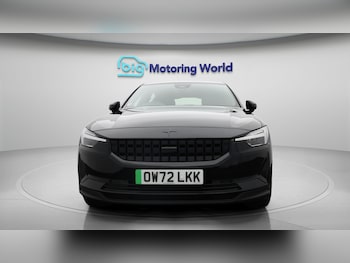
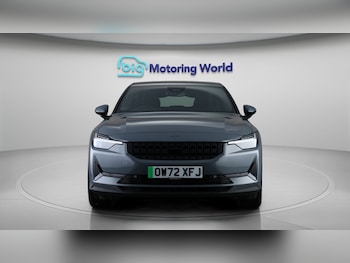
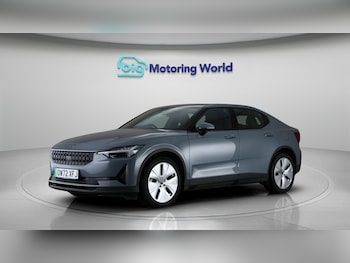
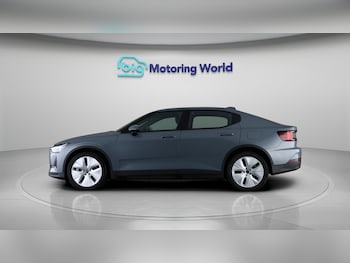
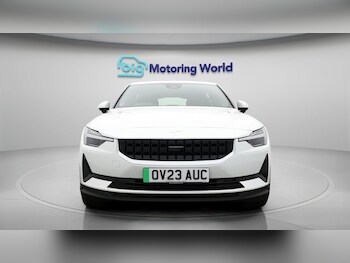
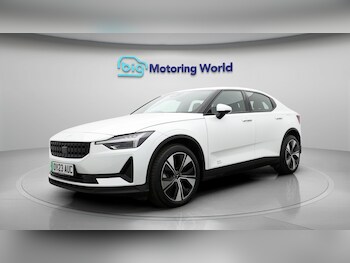
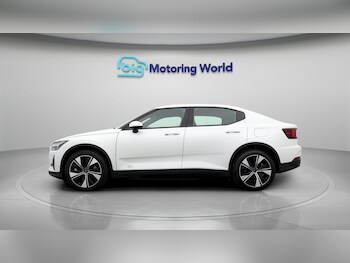
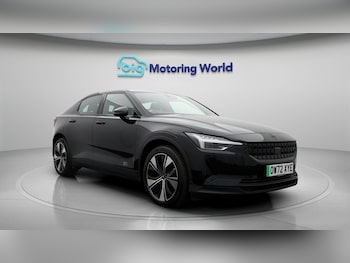
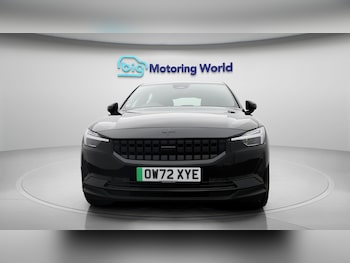
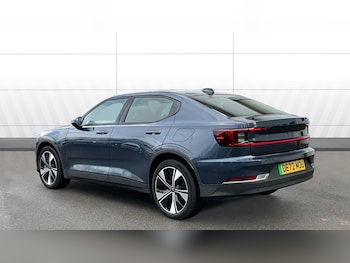
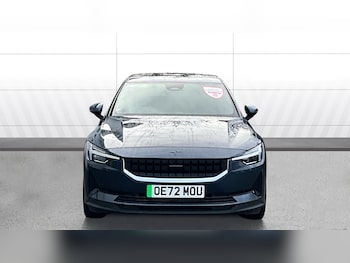
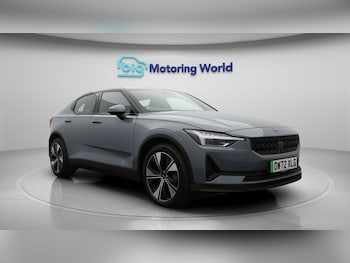
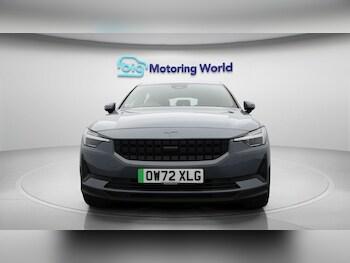
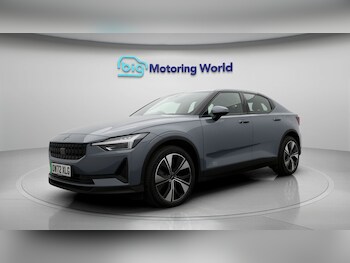
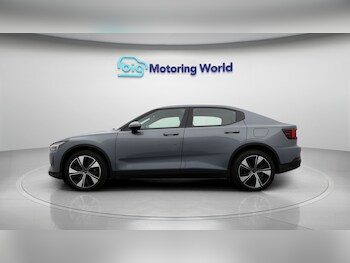
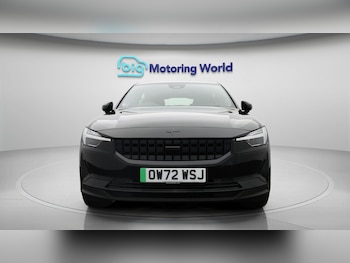
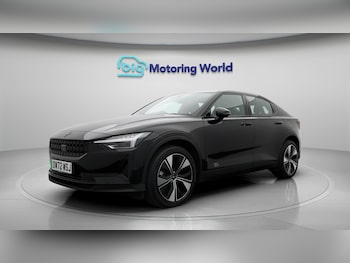
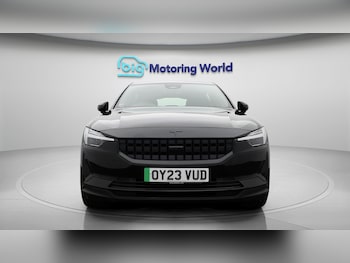
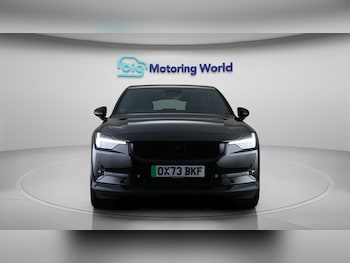
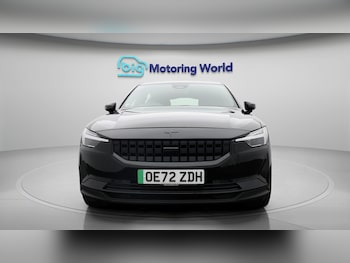
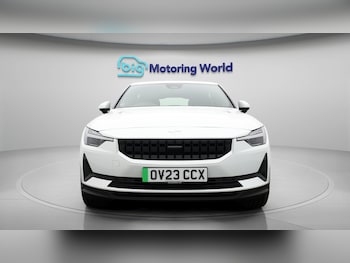
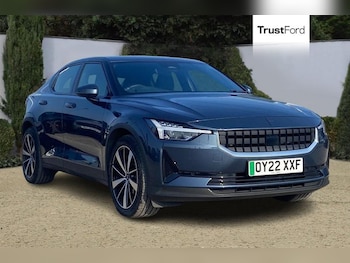
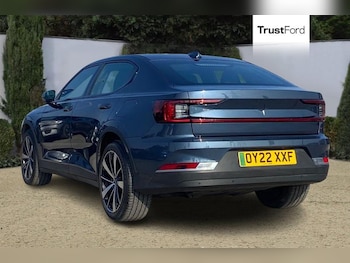
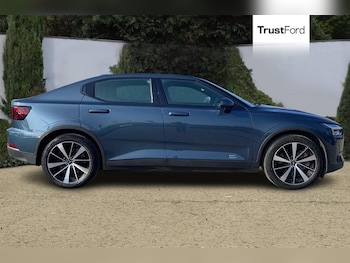
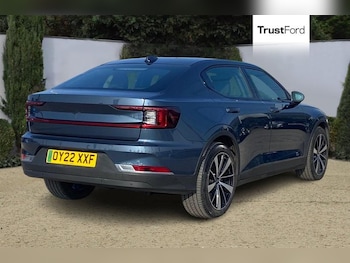
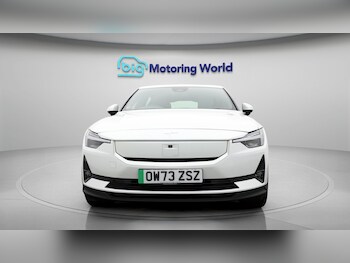
Polestar Polestar 2
2022 - BASE 4-Door
£500 towards your finance depo
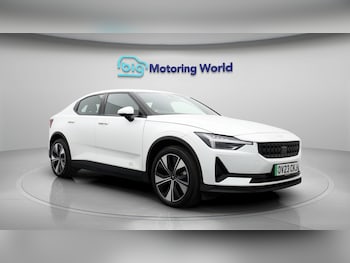
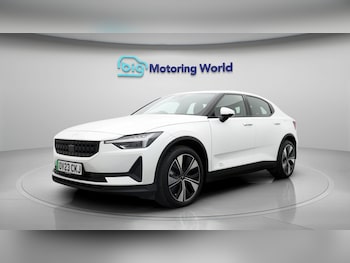
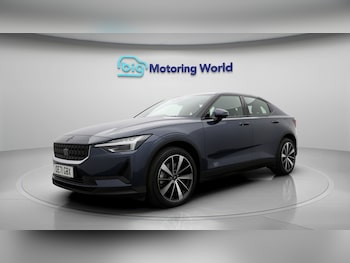
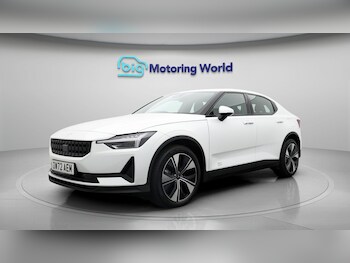
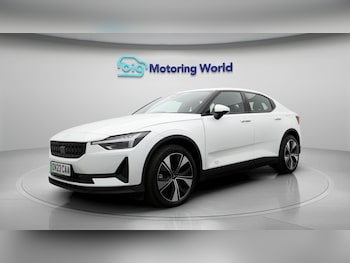
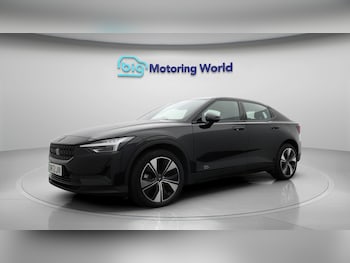
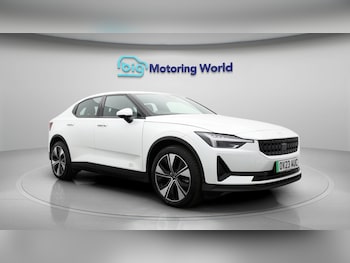
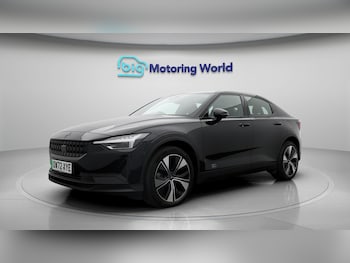
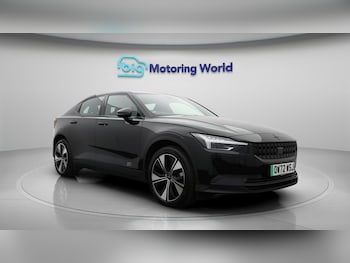
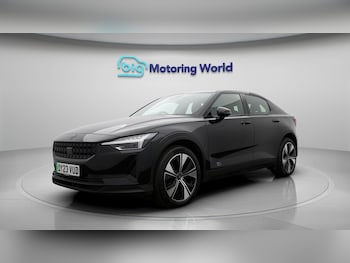
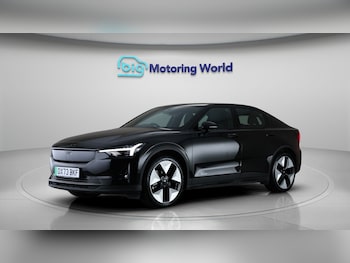
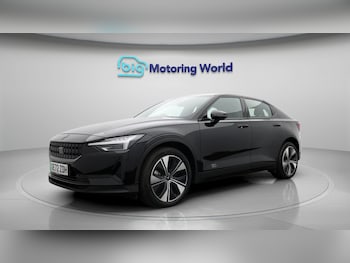
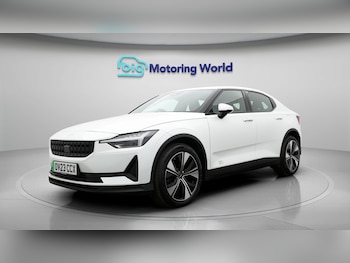
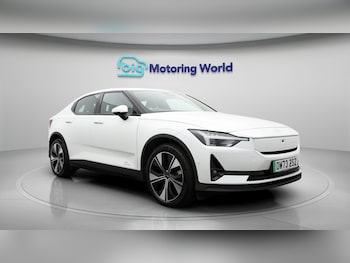
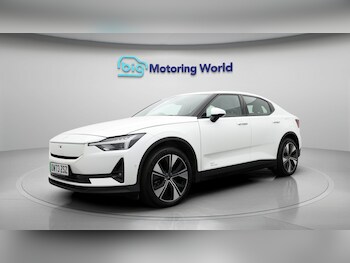
Polestar Polestar 2
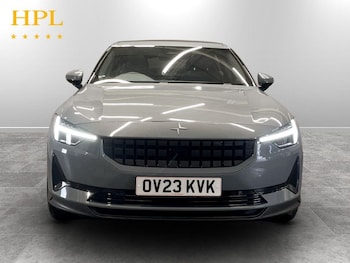
2023 - BASE 4-Door
£500 towards your finance depo
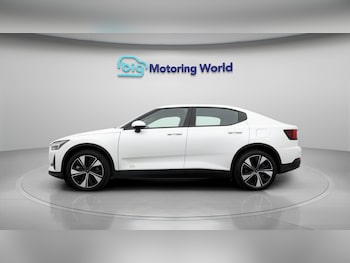
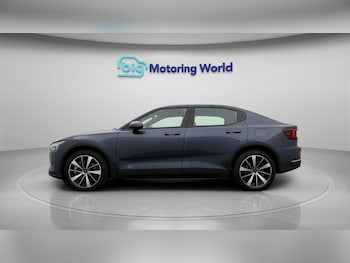
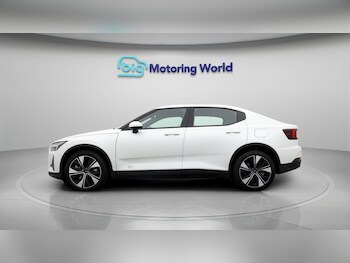
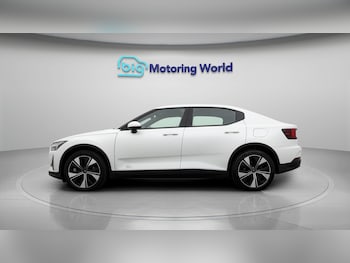
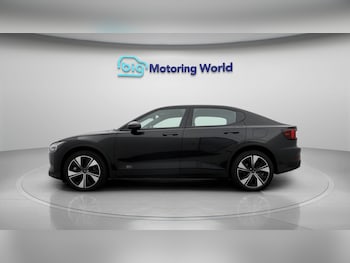
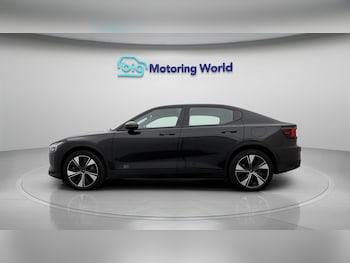
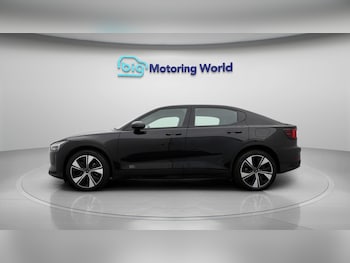
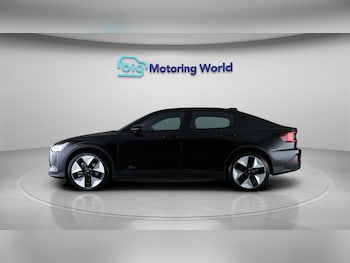
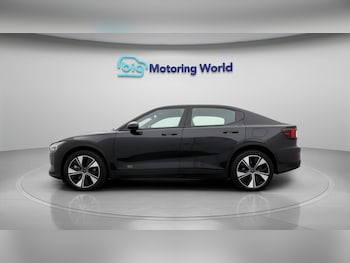
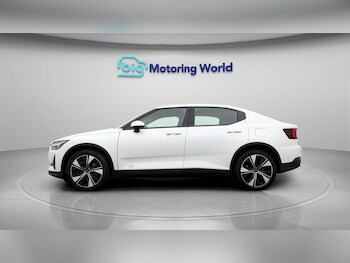
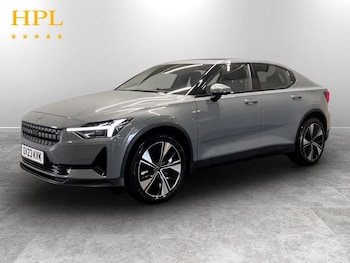
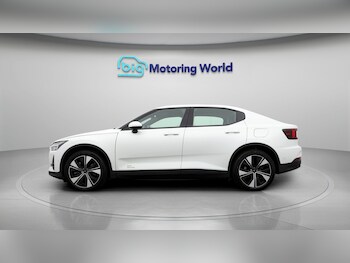
Polestar Polestar 2
2023 - BASE 4-Door
£500 towards your finance depo
Are these results helpful?
Help us improve
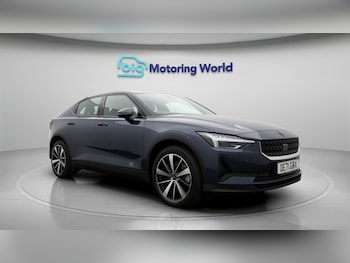
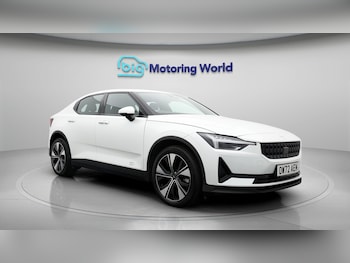
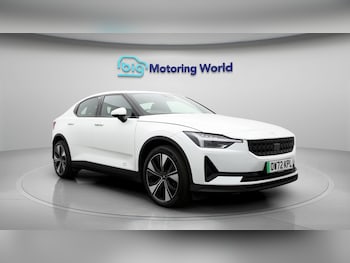
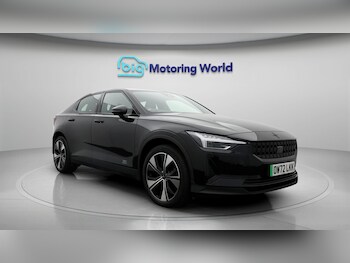
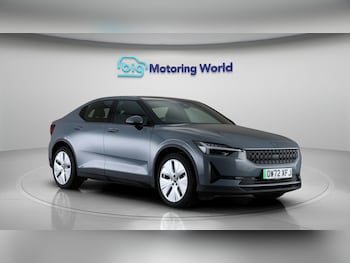
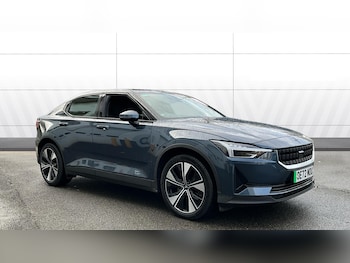
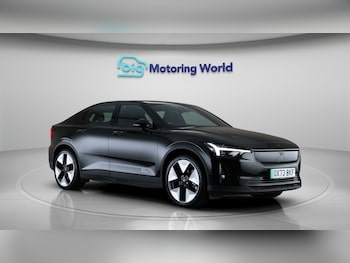
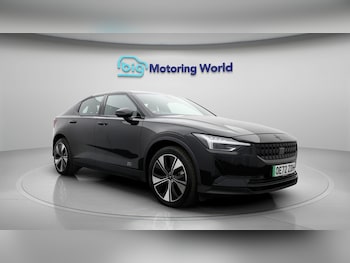
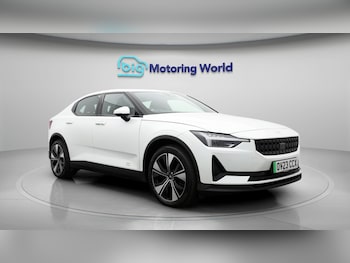
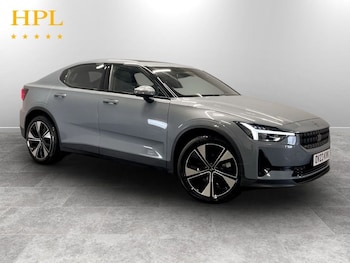
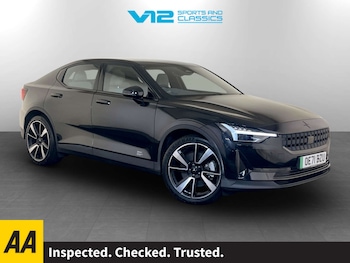
Polestar Polestar 2
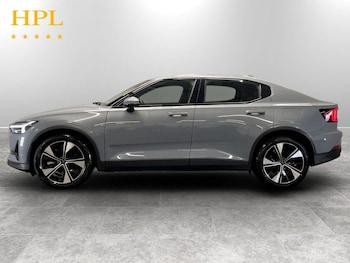
2023 - BASE 4-Door
£500 towards your finance depo
Polestar Polestar 2
2023 - BASE 4-Door
£500 towards your finance depo
Polestar Polestar 2
2023 - BASE 4-Door
£500 towards your finance depo
Polestar Polestar 2
2023 - BASE 4-Door
Polestar Polestar 2
2023 - BASE 4-Door
£500 towards your finance depo
Polestar Polestar 2
2023 - BASE 4-Door
£500 towards your finance depo
Polestar Polestar 2
2023 - BASE 4-Door
£500 towards your finance depo
Polestar Polestar 2
2023 - BASE 4-Door
£500 towards your finance depo
Polestar Polestar 2
2023 - BASE 4-Door
£500 towards your finance depo
Polestar Polestar 2
2024 - 200kW 69kWh Standard Range Single motor 5dr Auto
£500 towards your finance depo
Polestar Polestar 2
2023 - BASE 4-Door
£500 towards your finance depo
Polestar Polestar 2
2023 - BASE 4-Door
£500 towards your finance depo
Looking for a used Polestar 2? You're in good company. This all-electric fastback has quickly become one of the most talked-about EVs on the market, blending Scandinavian style with proper performance credentials. Whether you're considering a Standard Range for city driving or a Long Range for weekend escapes, buying a second-hand Polestar 2 can be a smart way to get behind the wheel without the new-car price tag.
In this guide, we'll walk you through everything you need to know before you buy: from trim levels and battery options to what to look for during a test drive. Let's get started.
The Polestar 2 offers something refreshingly different in the electric car space. It's stylish without being shouty, practical without being dull, and tech-forward without overwhelming you with gimmicks.
Buying used means you can enjoy all those perks while avoiding the steep depreciation that hits new EVs hardest in their first couple of years. You'll also find a decent selection on the market now, as early adopters begin upgrading or switching brands. That means more choice, better deals, and potentially lower running costs if you're savvy about what you're buying.
Plus, with the battery warranty typically covering eight years or 100,000 miles, even a two- or three-year-old model should still have plenty of protection left.
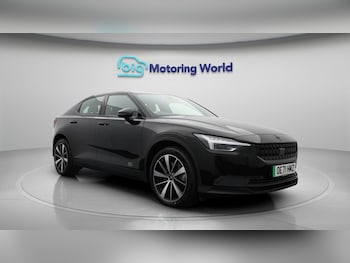
The Polestar 2 launched in 2020 as Volvo's spin-off brand's first fully electric model. It's a five-door fastback that sits somewhere between a saloon and an SUV in terms of ride height and practicality. Think of it as a sportier alternative to something like a Tesla Model 3, with a distinctly European flavour.
Under the bonnet (or rather, under the floor), you'll find either a single motor driving the front wheels or a dual-motor setup offering all-wheel drive. Battery options include Standard Range (around 64 kWh) and Long Range (78 kWh), giving you flexibility depending on how far you need to travel between charges.
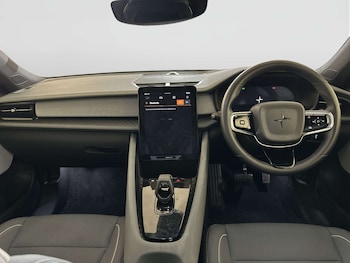
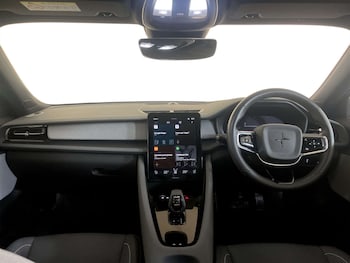
Inside, the cabin is minimalist but premium. There's vegan upholstery, a portrait-style infotainment screen powered by Android Automotive, and plenty of thoughtful storage. It's not the roomiest EV out there, but it feels grown-up and well put together.
This is your entry point into Polestar 2 ownership. With a single front-mounted motor producing around 231 PS, it's nippy enough for daily driving and offers a real-world range of roughly 260 miles. It's lighter than the dual-motor versions, which makes it feel a bit more agile around town.
If you're mostly driving locally or have access to home charging, this trim offers excellent value. Just be aware that some earlier Standard Range models had slightly smaller batteries, so double-check the specs when browsing used Polestar 2 listings.
Step up to the Long Range, and you'll get a bigger battery (78 kWh) and around 300 miles of range. The motor output stays similar, but the extra capacity makes a noticeable difference on longer journeys. This is the sweet spot for many buyers who want the reassurance of extra miles without the added cost and weight of a second motor.
Here's where things get a bit more exciting. The dual-motor setup adds a rear motor for all-wheel drive, bumping total output to around 408 PS in Performance Pack spec. Acceleration is genuinely quick—0 to 60 mph in under five seconds—and the grip is confidence-inspiring in all weather.
Range does take a slight hit compared to the single-motor Long Range (closer to 290 miles), but if you enjoy spirited driving or live somewhere with challenging weather, it's worth considering.
Available on dual-motor models, the Performance Pack adds upgraded brakes, Öhlins dampers, 20-inch forged alloy wheels, and gold seatbelts (because why not?). It's a proper driver's car setup and transforms the Polestar 2 into something genuinely engaging to drive.
If you spot a used Polestar 2 model with this pack, expect to pay a premium—but it's often worth it for the added handling precision.
Buying any used car requires due diligence, and EVs are no exception. Here's what to check:
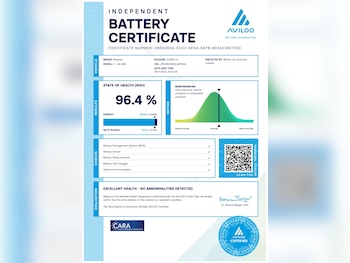
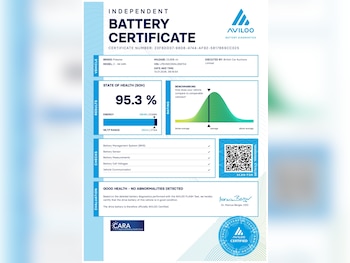
Battery Health: Ask for a battery health report if possible. Most Polestar 2 models should still show over 90% capacity if they've been well looked after.
Service History: Polestar recommends servicing every two years or 18,000 miles. Make sure the car has been maintained according to schedule, especially if it's been used as a company car.
Software Updates: Polestar issues over-the-air updates regularly. Check that the car's software is up to date—it can affect everything from range to infotainment responsiveness.
Tyres and Brakes: EVs are heavy, so check tyre tread and brake condition carefully. If the brakes look worn, it might suggest the previous owner didn't use regenerative braking properly.
Infotainment System: Test everything during your test drive—Bluetooth, navigation, voice commands. Early models occasionally had software glitches, though most have been patched by now.
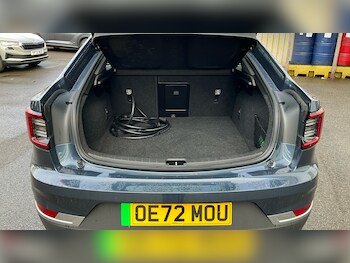
Charging Equipment: Some sellers include the home charging cable; others don't. It's worth asking what's included so you're not caught out.
Prices vary depending on age, mileage, and trim level. As of 2024, you can expect to pay anywhere from £25,000 for an early Standard Range model to over £40,000 for a low-mileage Long Range Dual Motor with the Performance Pack. Keep an eye out for ex-company cars—they often offer great value.
The main difference is battery size. Standard Range models have a smaller battery (around 64 kWh) and offer roughly 260 miles of range. Long Range models pack a 78 kWh battery and can manage closer to 300 miles. Long Range versions also tend to hold their value slightly better.
Real-world range depends on driving style, weather, and battery condition. Expect around 240–260 miles for Standard Range models and 280–300 miles for Long Range versions. Dual-motor models tend to be slightly thirstier, so factor that in if you're comparing options.
Check the battery health report, full service history, software version, tyre condition, and infotainment functionality. Also confirm what charging cables are included and whether the warranty is still valid.
Both are excellent EVs, but the Polestar 2 often feels more premium inside and has a more distinctive design. The Model 3 has a larger charging network advantage and slightly better resale value, but the Polestar 2 is arguably more enjoyable to drive. It really comes down to personal preference.
Yes. Polestar's battery warranty covers eight years or 100,000 miles, whichever comes first. Even if you're buying a three-year-old car, you should still have at least five years of coverage remaining.
Running costs are low compared to petrol or diesel cars. Electricity is cheaper than fuel, and there's less maintenance since there's no engine oil, spark plugs, or exhaust system to worry about. Road tax is currently zero for EVs (though this may change), and insurance tends to be reasonable given the car's safety features.
You can browse used Polestar 2 for sale listings through trusted platforms like Cazoo, which connects you with quality used cars from verified dealers. Approved used programmes from Polestar itself are also worth exploring, as they often include additional warranty coverage.
Generally, yes. The Android Automotive system is intuitive and receives regular updates. Some early cars experienced minor bugs, but most have been resolved through software patches. If you're test-driving a used Polestar 2 model, spend a few minutes testing the system to make sure everything works smoothly.
Polestar recommends servicing every two years or 18,000 miles. Servicing is straightforward and typically involves checking the battery, brakes, tyres, and software. Costs are lower than traditional cars since there's no oil change or complex engine work required.