|
Beta
19
Nissan Skyline
2019 (R) 2.6 Twin Turbo 2dr
Nissan Skyline
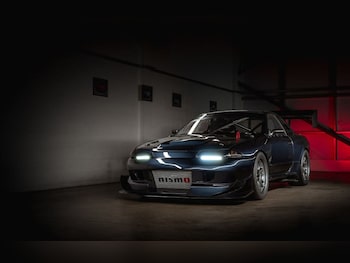
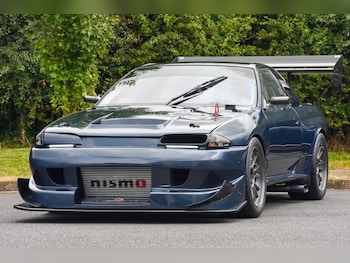
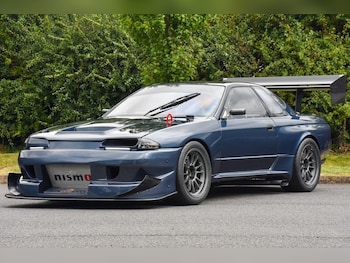
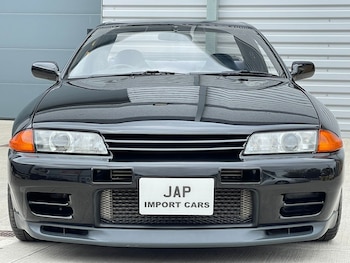
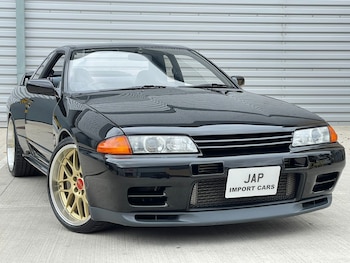
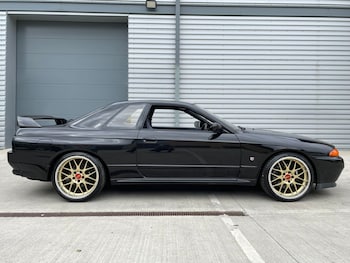
1989 (04) 3.0 TWIN TURBO R32 GTR RACE CAR TRACK CAR 2Door
Nissan Skyline
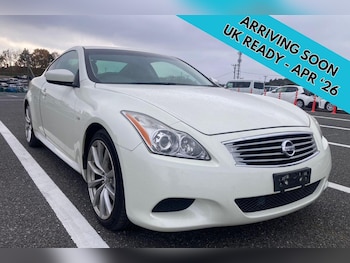
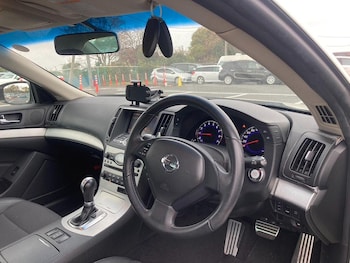
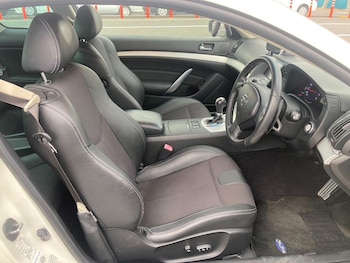
2008 JDM Coupe Type S 2Door
Fresh Import, Awaiting Prep
Are these results helpful?
Help us improve
Nissan Skyline
1997 (3S) 2.6 Twin Turbo 2dr
1/100 UK Supplied Series 3
Nissan Skyline
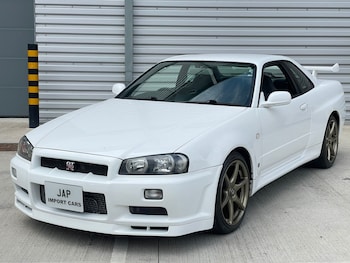
2006 (N) 2.6 Twin Turbo 2dr
Few cars stir the soul quite like the Nissan Skyline. For decades, this Japanese icon has captured imaginations, dominated racetracks, and earned legendary status among car enthusiasts worldwide. Whether you're drawn to its motorsport pedigree, its starring role in gaming and film culture, or simply the thrill of owning a piece of automotive history, the Skyline delivers something truly special.
But buying a used Skyline isn't quite like picking up any other car. With multiple generations to choose from, varying levels of modification, and a market that can be tricky to navigate, it pays to know what you're getting into. This guide walks you through everything you need to know—from the evolution of the Skyline to what to look for when you're ready to buy.
Absolutely. The Nissan Skyline has earned its reputation through decades of engineering excellence and racing success. Originally launched in 1957 as a refined, comfortable sedan, the Skyline evolved dramatically over the years. By the late 1980s and early 1990s, it had transformed into a high-performance machine that could rival supercars costing twice as much.
What makes the Skyline so special is its blend of everyday usability and outright performance. Unlike many sports cars that sacrifice comfort for speed, the Skyline manages both. You can drive it to work on Monday and take it to a track day on Sunday. That versatility, combined with robust engineering and a massive aftermarket support network, makes it an excellent choice for enthusiasts.
The most celebrated models—particularly the R32, R33, and R34—have become increasingly collectible. Values have risen steadily, but these cars remain more accessible than many European sports cars of similar capability. For anyone seeking thrilling performance, rich heritage, and a strong community of fellow owners, the Skyline ticks every box.
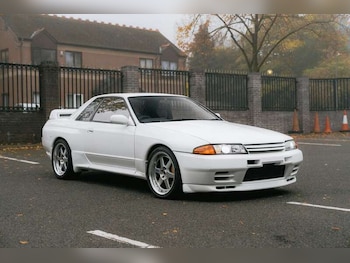
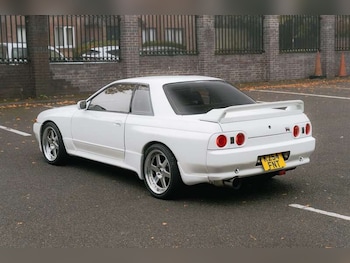
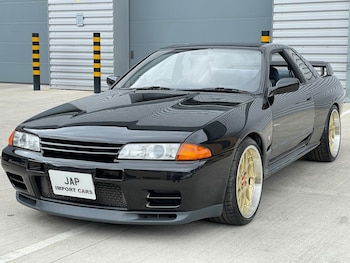
The R32 generation marked the Skyline's transformation into a performance legend. Nissan introduced the GT-R variant with a twin-turbocharged 2.6-litre RB26DETT engine producing around 280bhp (though many believe the actual figure was higher). This model dominated Group A touring car racing, earning the nickname "Godzilla" for its seemingly unstoppable nature.
The R32 GT-R featured Nissan's advanced ATTESA E-TS all-wheel-drive system and four-wheel steering, technology that was groundbreaking for its time. Standard GTS and GTS-t models offered rear-wheel drive and more affordable entry points into Skyline ownership, though they lack the GT-R's motorsport pedigree and cutting-edge tech.
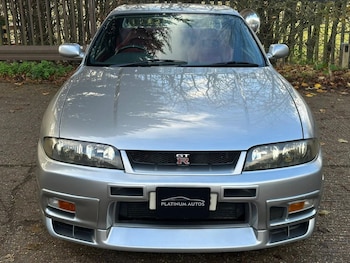
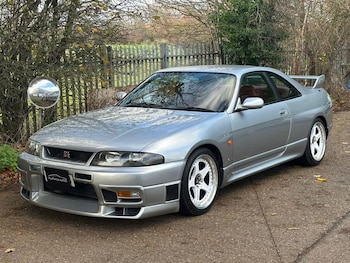
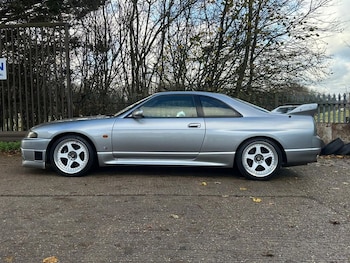
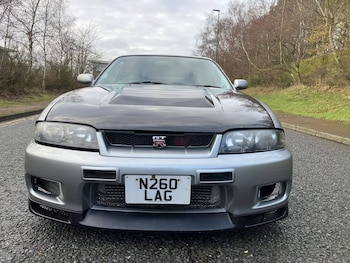
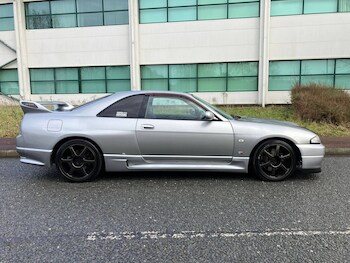
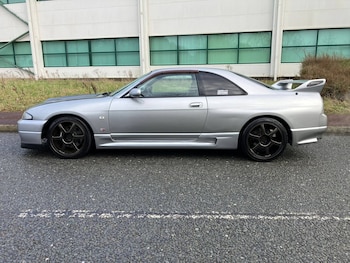
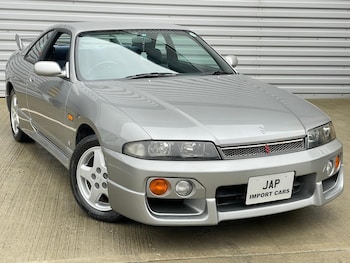
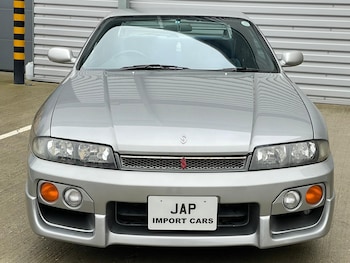
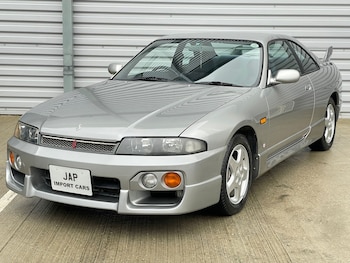
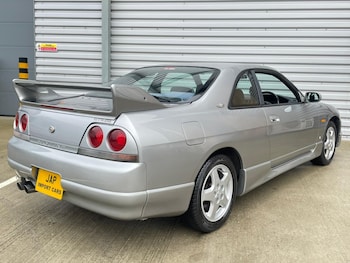
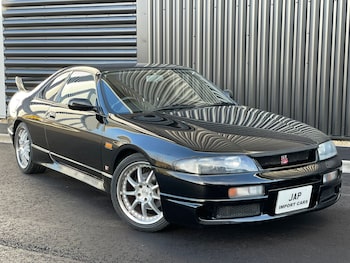
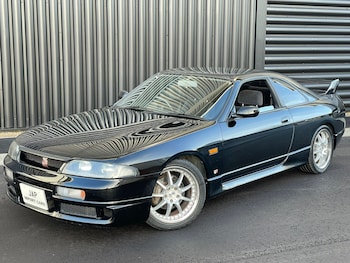
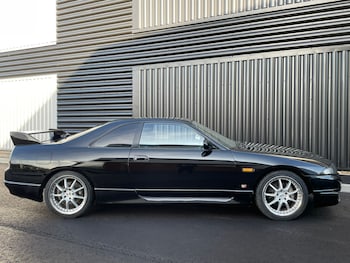
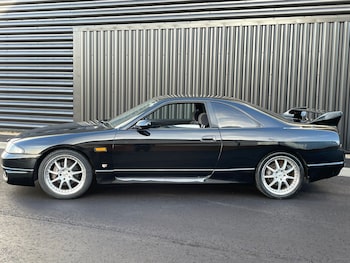
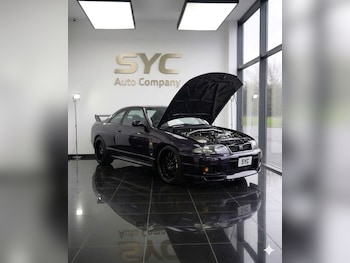
Slightly larger and more refined than its predecessor, the R33 often gets overlooked—but it shouldn't. This generation improved on the R32's already impressive handling with better weight distribution and more sophisticated suspension. The GT-R variant retained the RB26DETT engine but gained more torque and improved aerodynamics.
The R33 also introduced the legendary 400R, a limited-edition model developed by Nismo with 400bhp. Only 44 were ever made, making it one of the rarest and most desirable Skylines. For buyers seeking a slightly more comfortable daily driver with serious performance potential, the R33 represents excellent value.
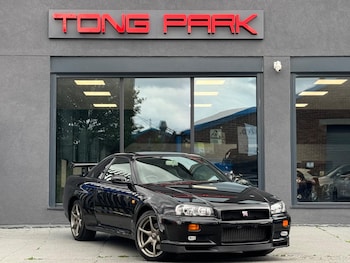
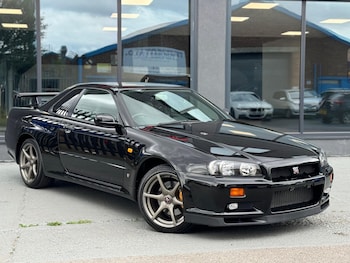
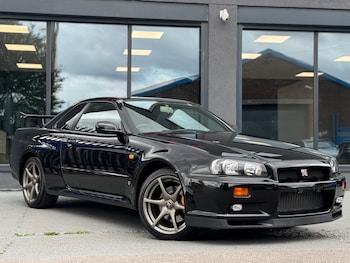
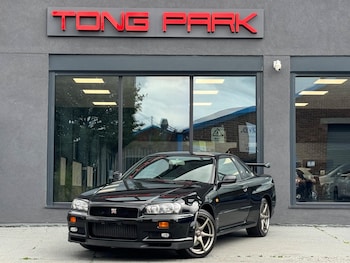
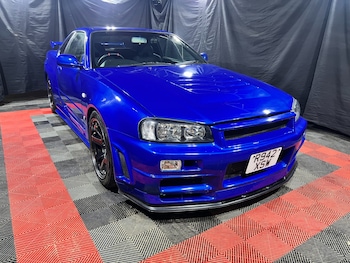
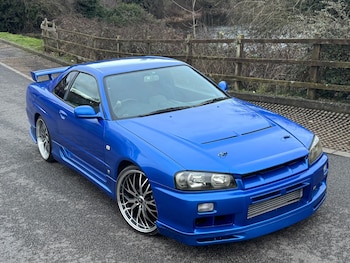
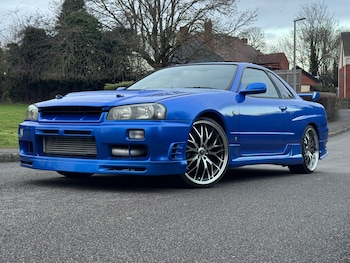
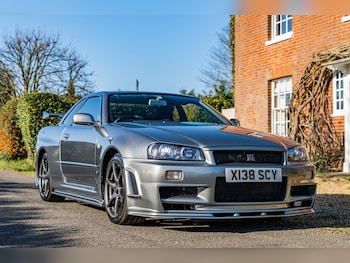
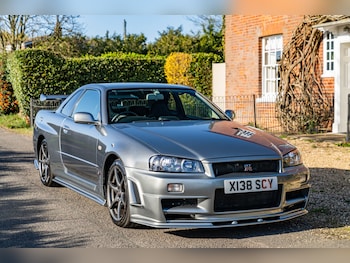
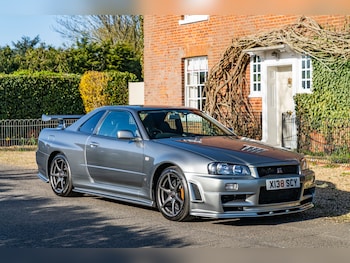
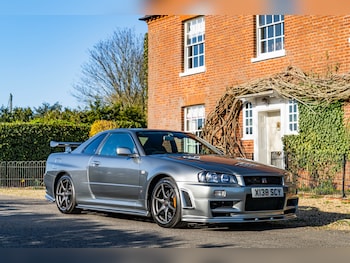
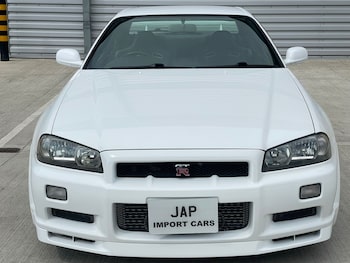
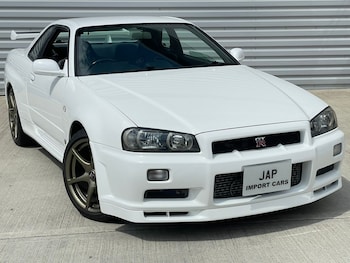
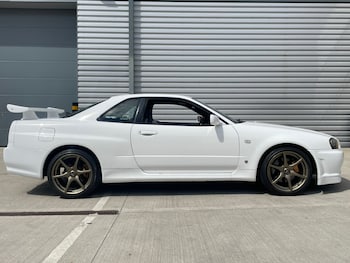
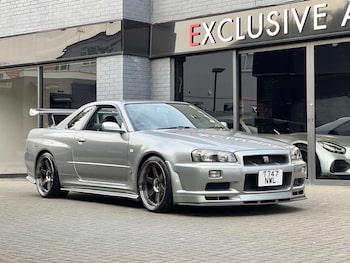
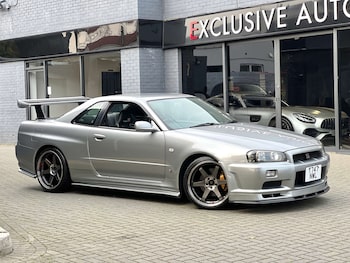
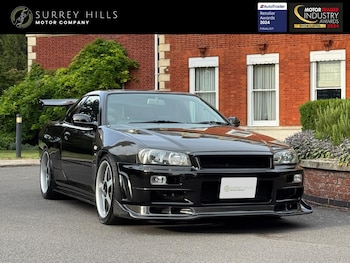
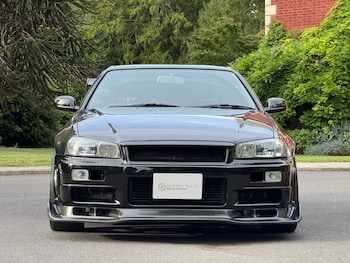
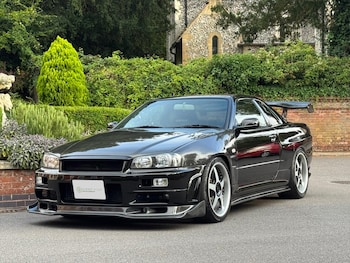
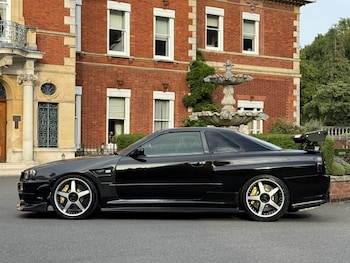
The Nissan Skyline R34 is perhaps the most recognisable of all, thanks to its prominent role in video games and films. This final generation of the true Skyline GT-R refined everything that came before. The RB26DETT engine received improved turbochargers and a more advanced ECU, while the chassis benefited from increased rigidity.
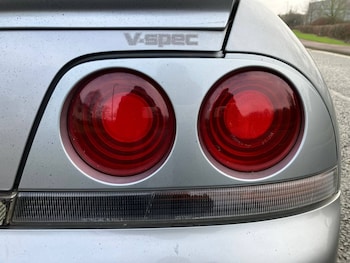
The R34 GT-R featured a multi-function display that could show real-time performance data—revolutionary for its era. Special editions like the V-Spec and V-Spec II Nür offered even more performance enhancements, including active rear differential, carbon bonnet, and lightweight components. These limited variants command premium prices but represent the pinnacle of Skyline engineering.
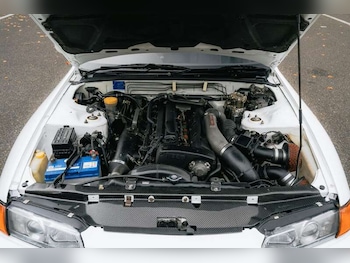
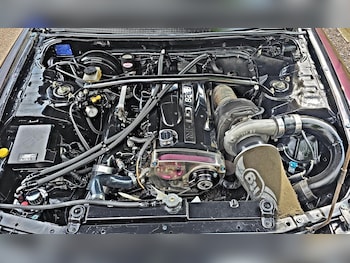
At the heart of every GT-R sits the legendary RB26DETT engine. This 2.6-litre straight-six twin-turbo unit became famous for its incredible tuning potential. While officially rated at 280bhp to comply with Japanese regulations, most produced closer to 320bhp from the factory. With relatively simple modifications, owners regularly extract 400bhp or more without sacrificing reliability.
Non-GT-R variants came with different powerplants. The GTS-t models featured the RB20DET or RB25DET engines—single-turbo units offering decent performance and better fuel economy. These models used rear-wheel drive instead of the GT-R's sophisticated all-wheel-drive system, making them more playful but less capable in poor conditions.
The GT-R's ATTESA E-TS system could split torque between front and rear wheels based on grip levels, giving phenomenal traction out of corners. Combined with Super-HICAS four-wheel steering (on earlier models), this technology made the Skyline surprisingly agile despite its weight. Zero to 60mph typically took around 4.8 seconds—impressive even by modern standards—with top speeds limited to 155mph.
The market for used Skylines has changed dramatically over the past decade. R32 GT-Rs that sold for £15,000–£20,000 in the early 2010s now command £40,000–£60,000 for good examples. Pristine, low-mileage cars with documented history can exceed £80,000. The R34 GT-R has seen even more dramatic appreciation, with prices starting around £80,000 and exceptional examples reaching £150,000 or more.
R33 GT-Rs remain the most affordable of the trio, typically ranging from £35,000 to £55,000. This represents genuine value for buyers who prioritise driving experience over collectibility. Non-GT-R variants like GTS-t models offer an even more accessible entry point, with prices starting around £15,000 for tidy examples.
Several factors influence pricing. Mileage matters, though many buyers accept higher miles on well-maintained cars rather than low-mileage examples with patchy service history. Original, unmodified cars command premiums, though tasteful performance upgrades don't necessarily hurt values. Import documentation, service records, and provenance all play crucial roles in determining what a particular Skyline is worth.
A comprehensive service history is absolutely essential. Look for evidence of regular oil changes, timing belt replacements (if applicable), and routine maintenance. Cars imported from Japan should come with a de-registration certificate and import paperwork. Be wary of any gaps in documentation or vague explanations about the car's past.
The RB26DETT engine is generally robust but requires proper care. Check for smooth idle, no excessive smoke, and proper turbo boost pressure. Oil consumption is normal on these engines but shouldn't be excessive. Inspect for oil leaks around the cam covers and front main seal.
Rust can affect older Skylines, particularly around rear arches, sills, and suspension mounting points. Thoroughly inspect underneath the car and inside wheel arches. Japanese cars sometimes suffered from poor rust protection, especially if they spent time in coastal areas.
Many Skylines have been modified—it's part of their appeal. However, quality matters enormously. Professional installations using reputable parts are fine, but poorly executed modifications can cause serious problems. Check that any engine upgrades have been supported with appropriate fuelling, cooling, and management upgrades. Suspension modifications should be properly aligned and suited to your intended use.
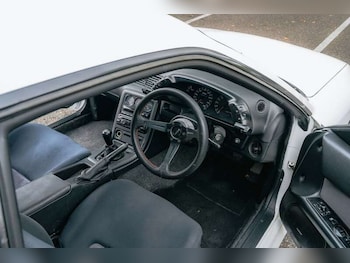
During your test drive, the gearbox should shift smoothly with no crunching or difficulty selecting gears. The all-wheel-drive system on GT-Rs should engage seamlessly with no unusual noises or vibrations. Test the brakes thoroughly—they should feel firm and progressive. Listen for any unusual noises from the engine, transmission, or differential.
The R32 (1989–1994) is the lightest and most raw-feeling, with a focus on pure performance. It's the model that earned the "Godzilla" nickname through dominating motorsport. The R33 (1993–1998) is larger and more refined, offering better comfort and slightly improved handling balance whilst maintaining serious performance. The R34 (1999–2002) represents the ultimate evolution, combining the best elements of earlier models with advanced technology like the multi-function display and improved aerodynamics. Each generation builds on the last, so your choice depends on whether you prioritise raw driving experience (R32), balanced everyday usability with performance (R33), or cutting-edge technology and collectibility (R34).
Pricing varies significantly based on model, condition, and specification. R32 GT-Rs typically start around £40,000 for reasonable examples, rising to £80,000 or more for exceptional cars. R33 GT-Rs represent better value at £35,000–£55,000 for most examples. The R34 GT-R commands the highest prices, starting around £80,000 and reaching £150,000 for rare variants like the V-Spec II Nür. Non-GT-R models like GTS-t variants offer more affordable entry points from around £15,000. Prices have risen steadily over the past decade as these cars have transitioned from used sports cars to collectible modern classics. Factors like mileage, service history, modifications, and originality all influence value considerably.
The Nissan Skyline R34 GT-R typically costs between £80,000 and £150,000, depending on specification, condition, and history. Standard GT-R models start around £80,000–£100,000 for good examples with reasonable mileage. V-Spec and V-Spec II variants command premiums due to their additional performance features, typically ranging from £100,000–£120,000. The rarest and most desirable variants, such as the V-Spec II Nür and M-Spec Nür, can exceed £150,000, with exceptional examples reaching even higher. Non-GT-R R34 models like the GT-T and 25GT Turbo are more accessible, typically priced between £20,000 and £35,000. Values have appreciated significantly in recent years, and the R34's cultural significance suggests prices will remain strong.
GT-R models typically reach 60mph in around 4.8 seconds and have electronically limited top speeds of 155mph, though many can exceed 180mph with the limiter removed. The actual performance depends heavily on condition, specification, and modifications. Standard non-GT-R models with turbocharged engines (like GTS-t variants) typically reach 60mph in 6–7 seconds with top speeds around 140mph. Naturally aspirated models are slower but still respectable. Modified GT-Rs with upgraded turbos, exhaust systems, and engine management can achieve truly remarkable performance—sub-4-second 0–60mph times and top speeds exceeding 200mph aren't uncommon with serious builds. However, reliability becomes a concern with extreme modifications, so it's essential to ensure any performance upgrades have been properly engineered.