|
Beta
34
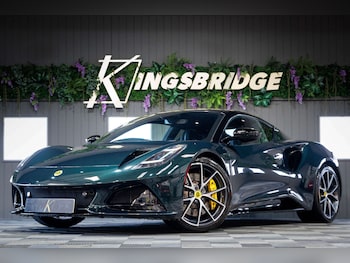
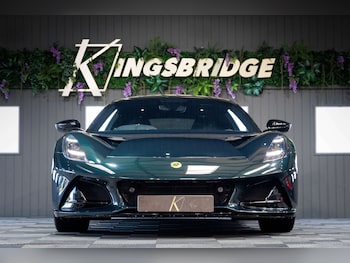
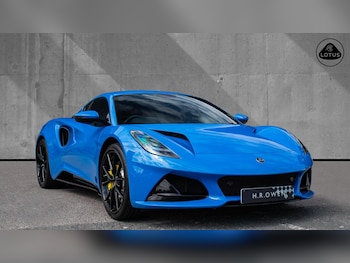
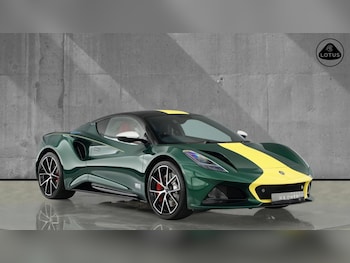
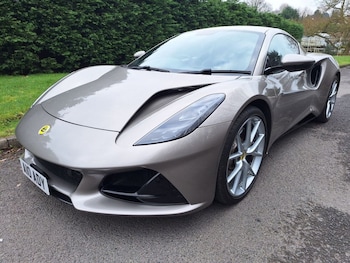
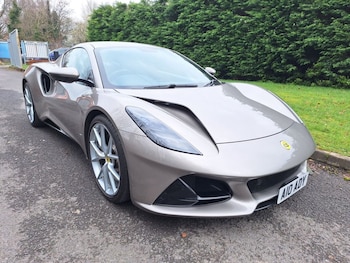
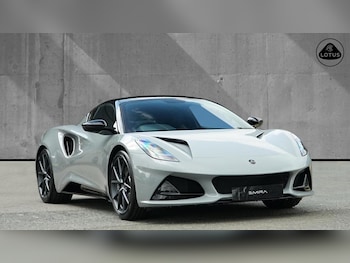
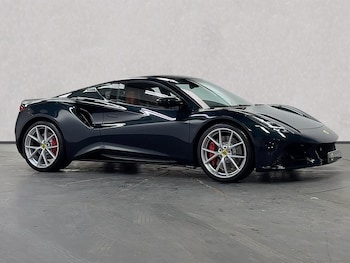
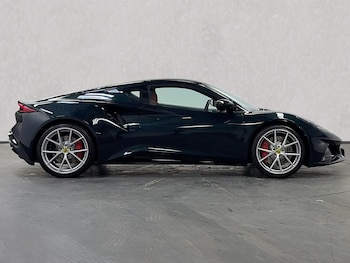
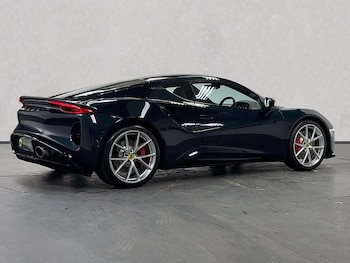
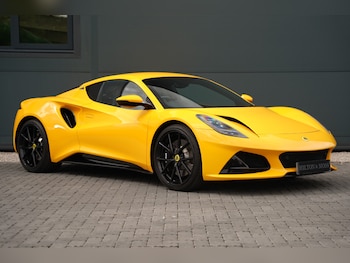
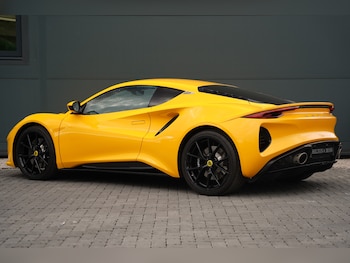
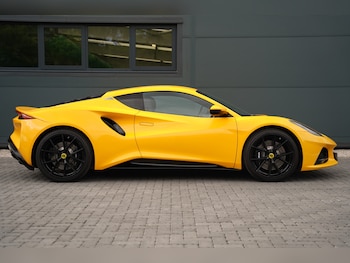
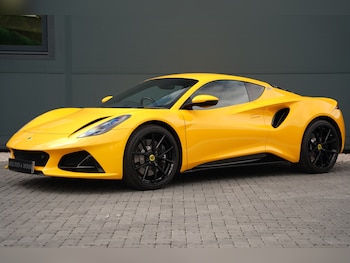
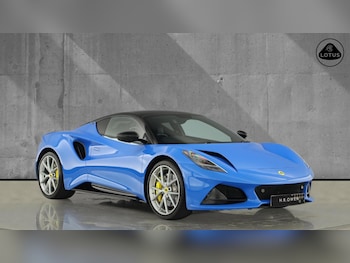
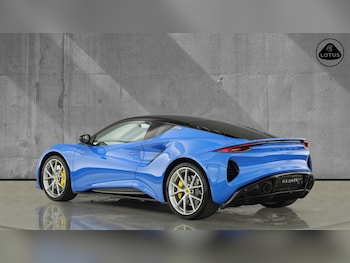
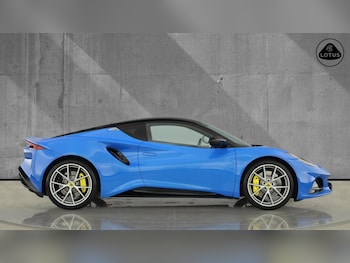
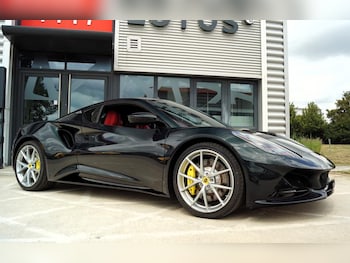
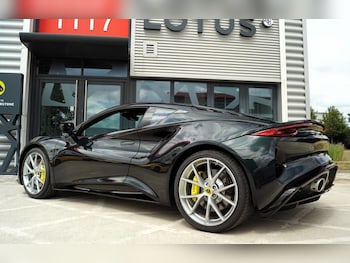
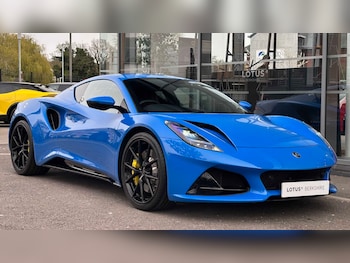
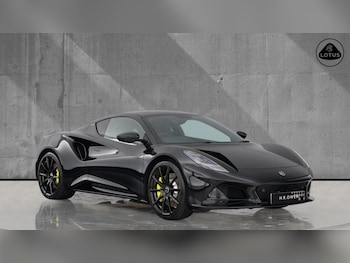
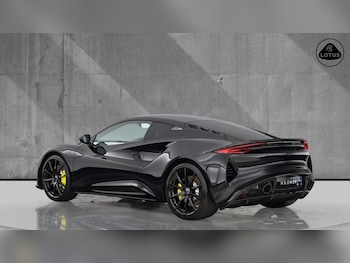
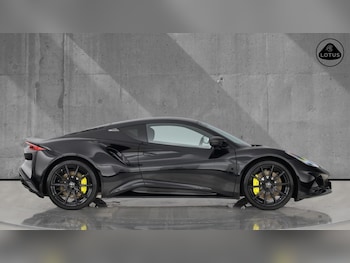
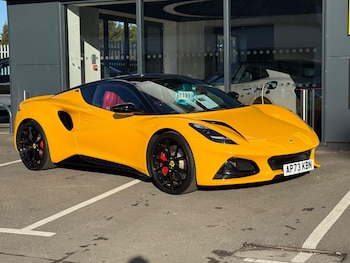
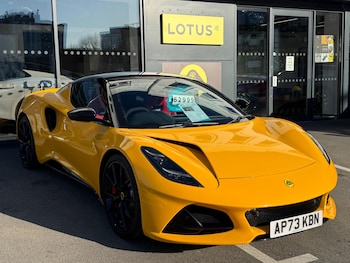
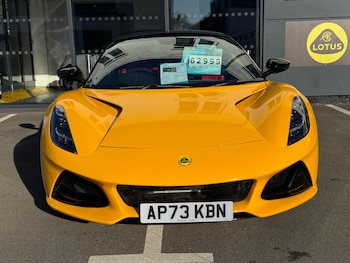
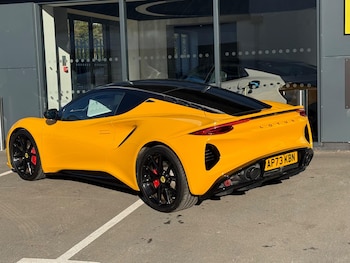
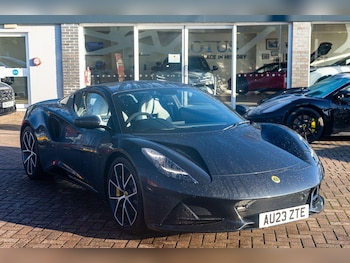
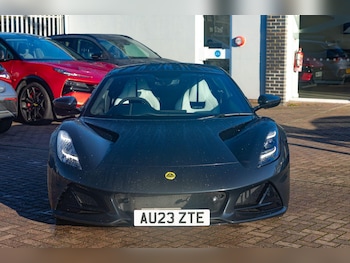
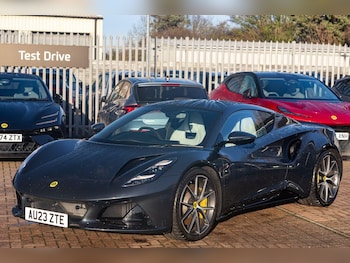
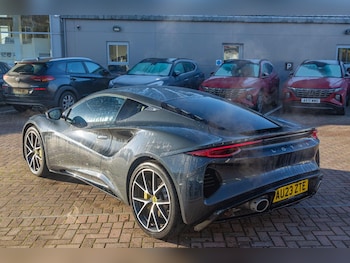
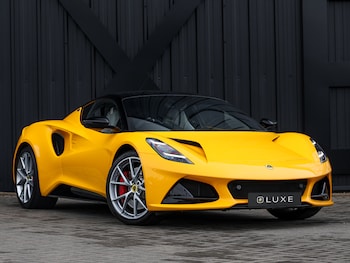
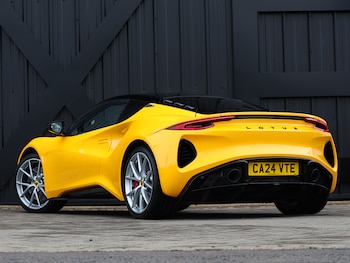
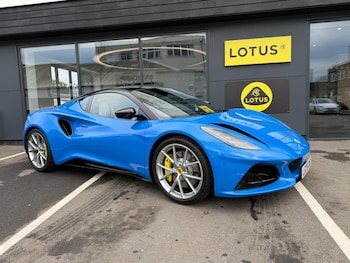
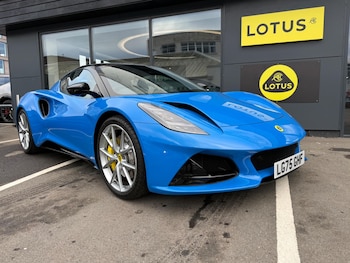
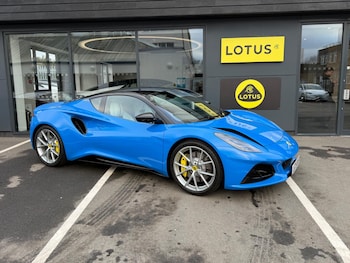
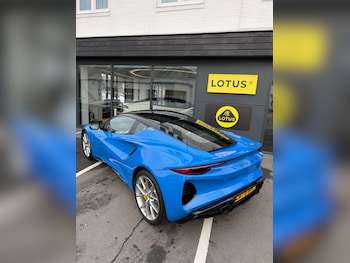
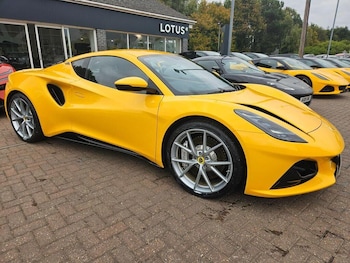
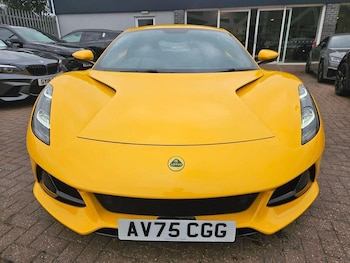
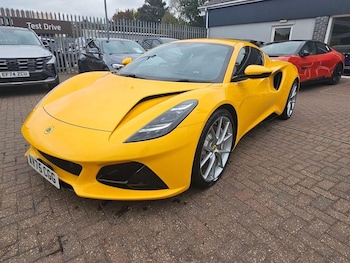
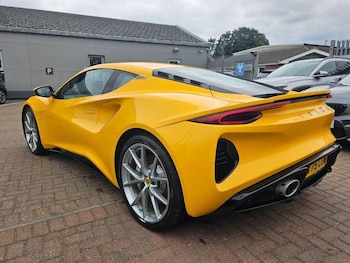
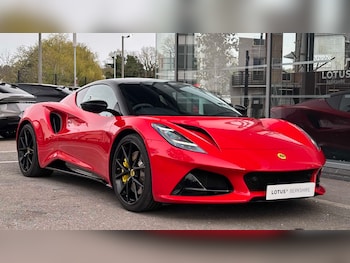
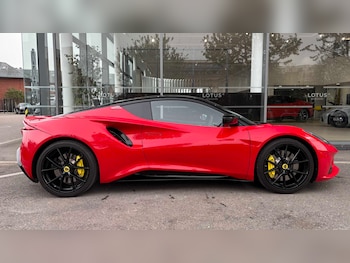
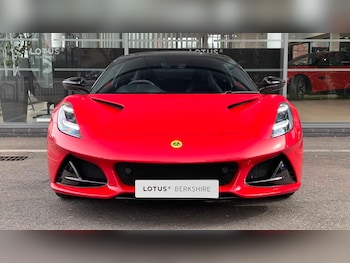
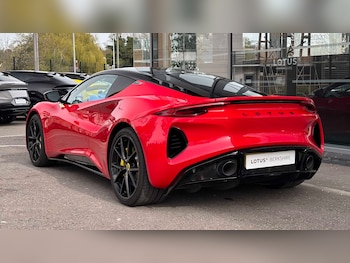
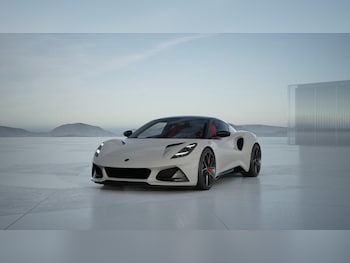
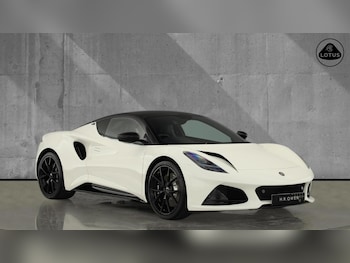
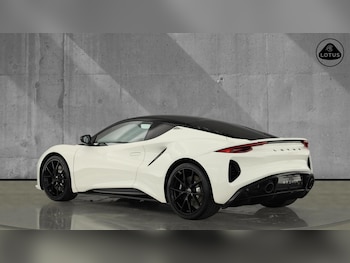
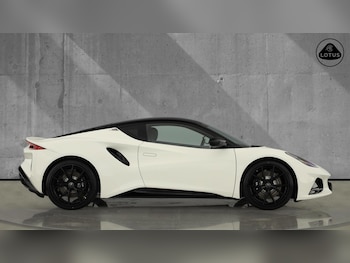
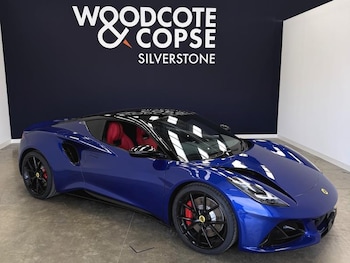
The Lotus Emira represents a significant moment for the British sports car manufacturer. It's the last petrol-powered sports car Lotus will produce before transitioning to electric vehicles, making it a compelling proposition for enthusiasts who want to own a piece of automotive history. But is it the right choice for you?
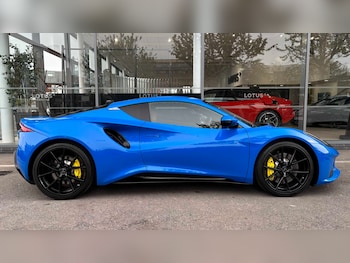
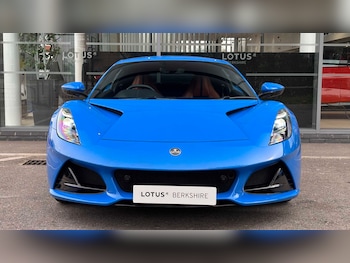
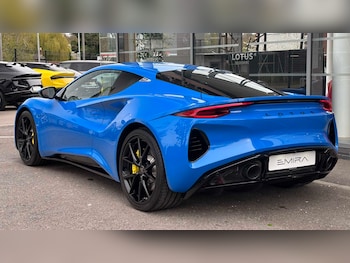
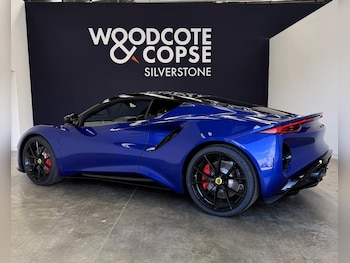
With its striking design, engaging performance, and surprisingly practical interior, the Lotus Emira aims to compete with established rivals like the Porsche Cayman and Alpine A110. Whether you're drawn to the Toyota-sourced V6 or the turbocharged four-cylinder, there's plenty to consider when evaluating this modern British sports car.
In this guide, we'll explore what makes the Lotus Emira special, examine its performance credentials, and help you decide if this stylish coupe deserves a place in your garage.
The Lotus Emira is more than just a pretty face—it's a genuine driver's car that stays true to the brand's "simplify, then add lightness" philosophy. Built on an evolution of the platform used in the Evora, the Emira benefits from decades of Lotus engineering expertise whilst incorporating modern technology and improved build quality.
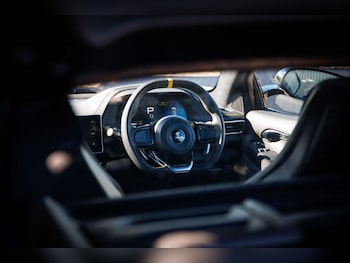
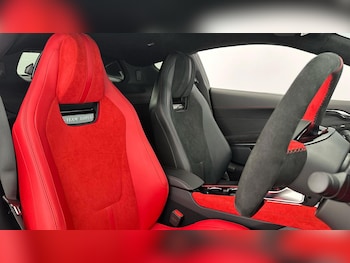
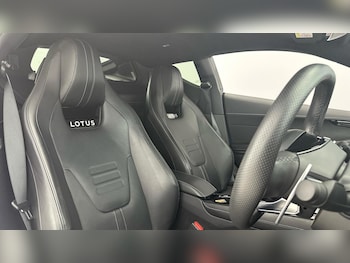
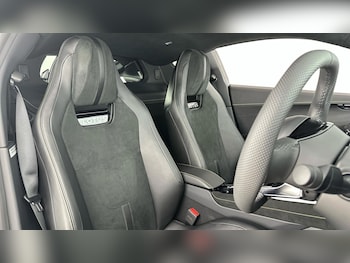
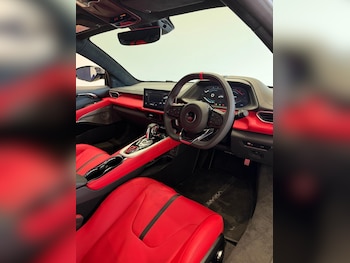
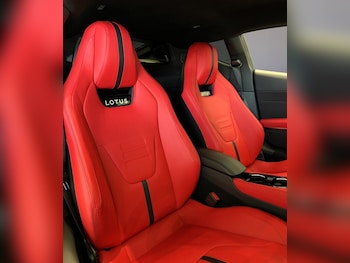
What sets the Emira apart is its ability to balance everyday usability with thrilling performance. Unlike some hardcore sports cars that feel like a chore in traffic, the Emira offers comfortable seats, decent visibility, and a refined ride that won't leave you exhausted after a long journey. The cabin features high-quality materials and a modern infotainment system, addressing criticisms often levelled at previous Lotus models.
At its core, the Emira delivers the engaging driving experience Lotus is famous for. The steering is communicative, the chassis is beautifully balanced, and the whole car feels alive beneath you. It's a sports car that rewards driver involvement without being intimidating or unforgiving.
For those considering a used Lotus Emira, you're looking at a car that represents excellent value compared to its rivals. The Lotus Emira price typically undercuts comparable Porsche models whilst offering similar—or in some cases, superior—driving dynamics.
The Lotus Emira is available with two engine options, each offering distinct character and performance. The Lotus Emira V6 uses a supercharged 3.5-litre Toyota unit producing 400 bhp, delivering a 0-60 mph time of around 4.2 seconds and a top speed of 180 mph. This engine provides a wonderful soundtrack and linear power delivery that suits the car's character perfectly.
Alternatively, the 2.0-litre turbocharged four-cylinder, sourced from Mercedes-AMG, generates 360 bhp and offers slightly sharper responses thanks to reduced weight over the front axle. Both engines can be paired with either a six-speed manual or automatic gearbox, though purists will likely gravitate towards the manual for maximum engagement.
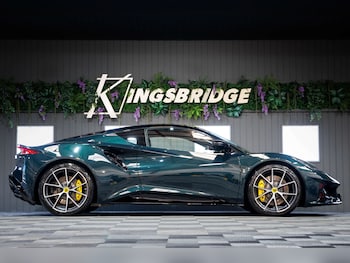
Where the Emira truly excels is in its handling. The mid-engine layout provides near-perfect weight distribution, whilst the sophisticated suspension setup—featuring double wishbones all round—delivers remarkable body control without sacrificing ride comfort. The car feels planted and confidence-inspiring through corners, yet remains supple enough for daily driving.
The steering deserves special mention. It's hydraulically assisted, which is increasingly rare in modern sports cars, and provides genuine feedback about what the front wheels are doing. Combined with excellent brake feel and precise gearshift action, the Emira offers a level of driver involvement that's becoming harder to find.
When considering a Lotus Emira for sale, it's worth understanding how it stacks up against its closest rivals.
Lotus Emira vs. Porsche Cayman
The Porsche Cayman remains the benchmark in this segment, offering refined performance, impeccable build quality, and strong residual values. However, the Emira undercuts the Cayman on price whilst delivering comparable performance and arguably more engaging handling. The Lotus also turns more heads thanks to its distinctive styling—something that's increasingly difficult to achieve with a Porsche.
Where the Cayman edges ahead is in everyday practicality and dealer network support. Porsche's infotainment system is more sophisticated, and the brand's extensive service network means you're never far from help. The Lotus requires more commitment from its owner, but rewards that dedication with a more characterful driving experience.
Lotus Emira vs. Alpine A110
The Alpine A110 is perhaps the Emira's closest philosophical rival—both are lightweight, mid-engined sports cars that prioritise driving enjoyment over outright power. The Alpine is lighter and more agile, with a wonderfully playful chassis that encourages exploration of its limits.
However, the Emira feels more substantial and better built. The interior quality is noticeably superior, and the V6 engine option provides a level of performance and aural excitement the Alpine can't match. The Lotus also offers more boot space and a slightly roomier cabin, making it more practical for weekend trips.
Ultimately, the Alpine suits drivers who want the lightest, most nimble experience, whilst the Emira appeals to those seeking a more rounded sports car that doesn't compromise on performance.
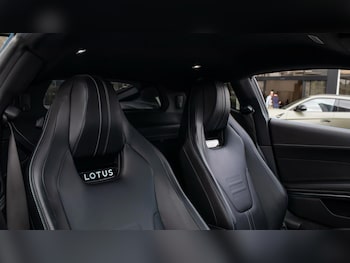
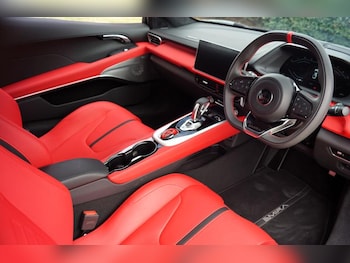
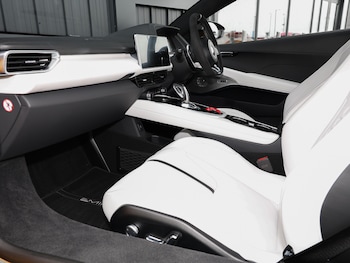
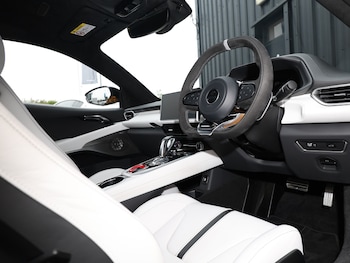
Previous Lotus models were sometimes criticised for their basic interiors and questionable build quality, but the Emira addresses these concerns comprehensively. The cabin feels modern and well-constructed, with high-quality materials throughout and thoughtful design details that enhance the ownership experience.
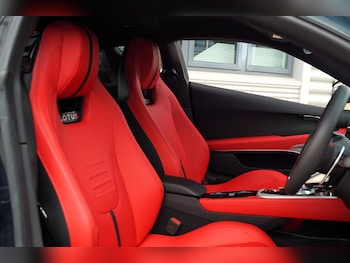
The seats are supportive without being overly firm, making long journeys surprisingly comfortable. Visibility is good by sports car standards, with large door mirrors and a reasonable view out the back. The driving position is excellent, placing all major controls within easy reach and ensuring you feel properly connected to the car.
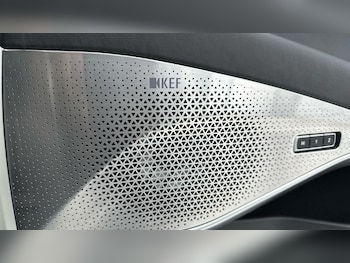
Technology features include a 10.25-inch touchscreen infotainment system with Apple CarPlay and Android Auto, digital instrument cluster, and a premium sound system. Climate control, keyless entry, and parking sensors come as standard, demonstrating Lotus's commitment to making the Emira a genuine everyday proposition.
Boot space is split between a front trunk and rear storage area, offering a combined capacity that's adequate for weekend luggage or trackday equipment. It's not vast, but it's competitive with other mid-engined sports cars and significantly more practical than many people expect from a Lotus.
The cabin does have some quirks—the touchscreen can be slightly laggy, and some switchgear is shared with other brands—but these minor compromises seem reasonable given the car's focus on driving dynamics and competitive pricing.
The Lotus Emira price positions it as an accessible entry point into genuine sports car ownership. New examples start from around £76,000, though well-specified models can exceed £85,000. This represents significant value compared to similarly equipped Porsche Cayman models, which typically start around £10,000 higher.
On the used market, early Lotus Emira examples are beginning to appear with light mileage and significant savings over new prices. Given the car's limited production run and status as Lotus's final petrol sports car, residual values are expected to remain strong, making it a sensible investment for enthusiasts.
Finance options are available through various providers, making the Emira accessible to buyers who prefer to spread the cost. Many dealers offer competitive rates, and it's worth exploring different packages to find the arrangement that suits your circumstances best.
When evaluating a used Lotus Emira, consider the specification carefully. Options like the Touring Pack (which adds comfort-oriented features) and Drivers Pack (which includes performance upgrades) significantly enhance the ownership experience. The choice between V6 and four-cylinder engines will also affect pricing, with V6 models commanding a premium.
Remember to factor in running costs. Insurance can be expensive given the car's performance, and whilst Lotus reliability has improved dramatically, servicing should be entrusted to specialists familiar with the brand. That said, the Toyota-sourced V6 benefits from proven mechanical components, which should provide peace of mind for long-term ownership.
The Lotus Emira's top speed depends on which engine you choose. The Lotus Emira V6 reaches a maximum of 180 mph, whilst the four-cylinder variant achieves 170 mph. Both versions accelerate from 0-60 mph in around 4.2 to 4.5 seconds, depending on transmission choice and specification. These figures make the Emira competitive with its rivals whilst maintaining the driver engagement Lotus is famous for. On track, the car feels considerably faster than the numbers suggest, thanks to its responsive handling and involving driving dynamics.
The Lotus Emira represents a significant step forward in reliability compared to previous Lotus models. The V6 engine is sourced from Toyota and has proven itself across numerous applications, whilst the four-cylinder unit comes from Mercedes-AMG, both offering strong reliability records. Lotus has also improved build quality and manufacturing processes, addressing historical concerns about component quality and assembly. Early ownership reports suggest the Emira is holding up well, though it's still relatively new to market. As with any sports car, regular maintenance by qualified specialists is essential for long-term reliability.
The Lotus Emira is available with two engine options offering different power outputs. The supercharged 3.5-litre V6 produces 400 bhp, delivering strong performance throughout the rev range with a characterful soundtrack. The alternative 2.0-litre turbocharged four-cylinder generates 360 bhp, providing slightly less outright power but maintaining the car's impressive performance credentials. Both engines deliver their power smoothly and predictably, making the Emira accessible to drivers of varying experience levels whilst still offering genuine thrills when pushed.
Lotus hasn't disclosed specific production numbers for the Emira, though the company has confirmed it represents their highest-volume model to date. As the final petrol-powered Lotus before the brand transitions to electric vehicles, production is ongoing but will eventually cease as the company shifts focus to its electric lineup. This limited production run, combined with the car's significance as Lotus's last traditional sports car, suggests the Emira will become increasingly collectible over time. Early adoption offers the best choice of specifications and colours.
The Lotus Emira sits in the sports car category rather than being classified as a supercar. Whilst it delivers impressive performance and stunning looks, it lacks the extreme power figures, exotic materials, and eye-watering price tag typically associated with supercars. However, this positioning is part of the Emira's appeal—it offers supercar-like driving engagement and head-turning design at a more accessible price point. The mid-engine layout, sophisticated chassis, and driver-focused philosophy create an experience that rivals many cars costing twice as much, making it a supercar alternative that prioritises driving pleasure over straight-line speed.
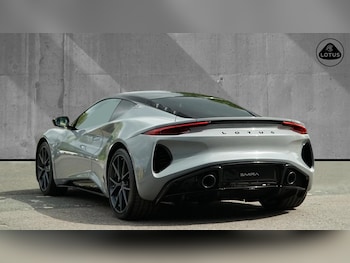
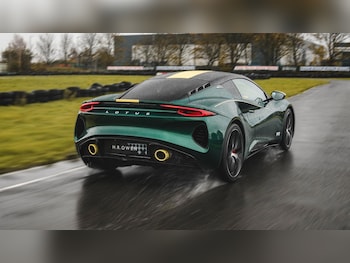
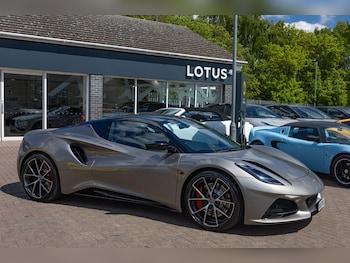
Lotus Emira
2023 3.5 V6 First Edition Coupe 2dr Petrol IPS Euro 6 (404 ps)
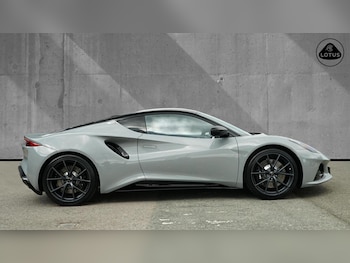
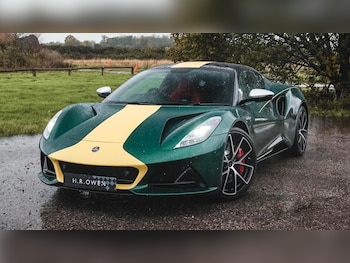
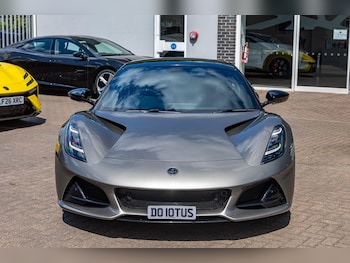
Lotus Emira
2025 (74) 2.0 First Edition 2dr DCT
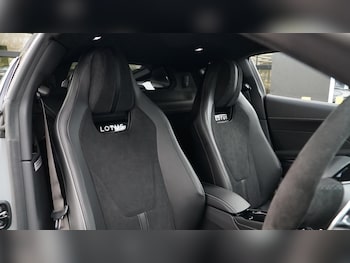
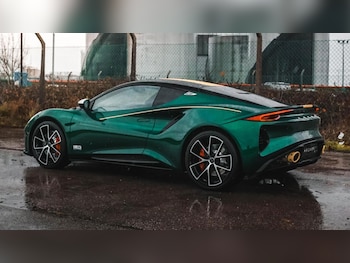
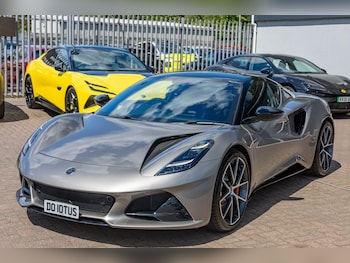
Lotus Emira
2025 (25) 3.5 V6 Clark Edition 2dr
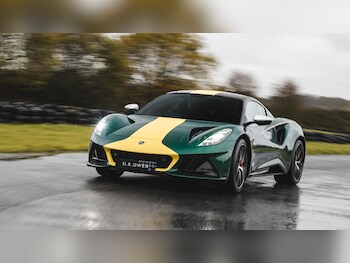
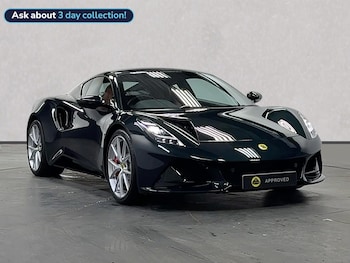
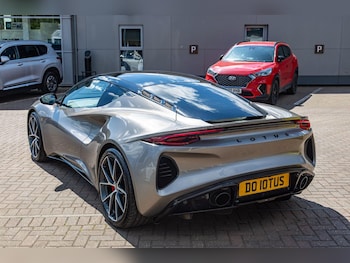
Lotus Emira
2023 (0A) 3.5 V6 First Edition Coupe 2dr Petrol Manual Euro 6 (404 ps)
Immaculate, FLSH, Great Spec, Lotus Warranty
Are these results helpful?
Help us improve
Lotus Emira
2023 (23) 3.5 V6 First Edition 2dr
Lotus Emira
2024 (24) 2.0 First Edition 2dr DCT
Lotus Emira
2024 3.5 V6 First Edition Coupe 2dr Petrol IPS Euro 6 (404 ps)
Lotus Emira
2025 (75) 2.0 Turbo SE 2dr DCT
Lotus Emira
2024 3.5 V6 First Edition Euro 6 2dr
Lotus Emira
2023 3.5 V6 First Edition Euro 6 2dr
Lotus Emira
2025 3.5 V6 First Edition Euro 6 2dr
Lotus Emira
2025 3.5 V6 First Edition Coupe 2dr Petrol Manual Euro 6 (404 ps)
Lotus Emira
Turbo SE Automatic 0Door
Touring / Atlantis Blue