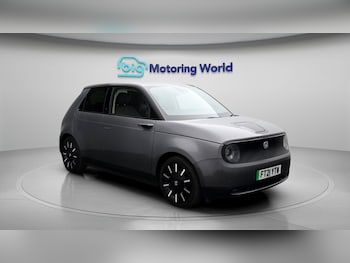
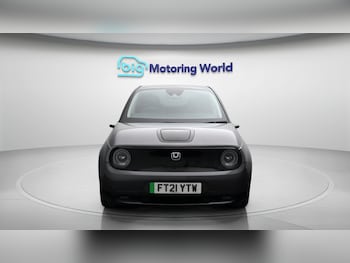
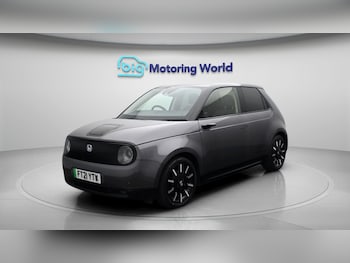
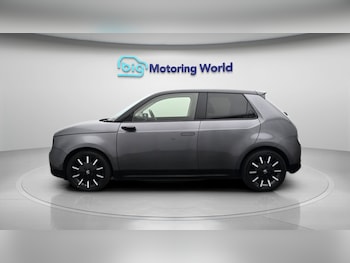
Used Honda e cars for sale
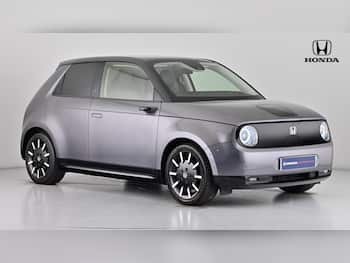
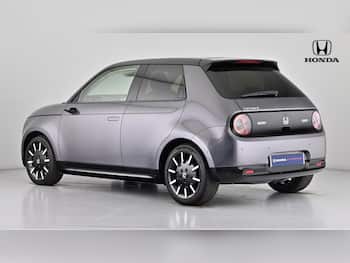
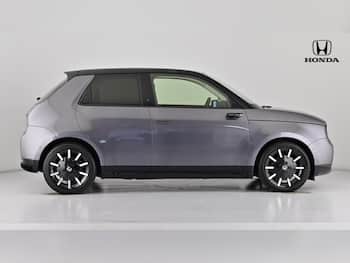
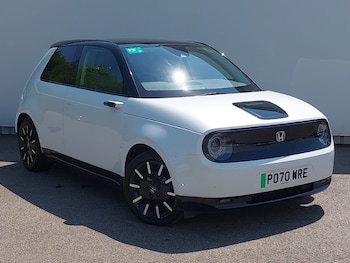
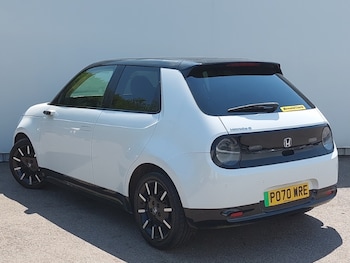
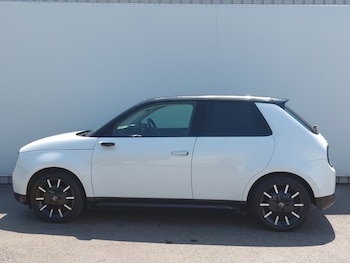
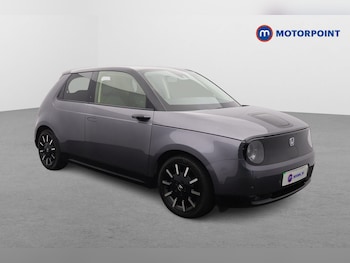
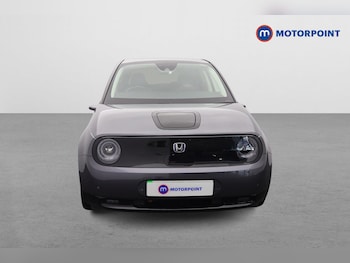
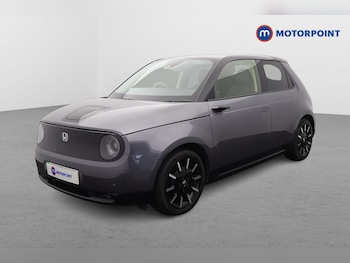
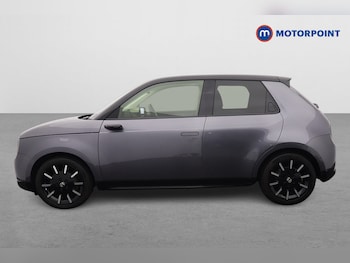
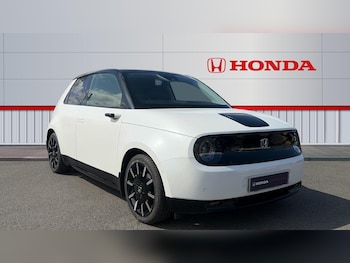
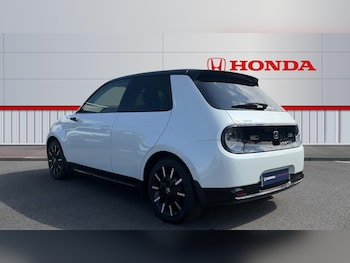
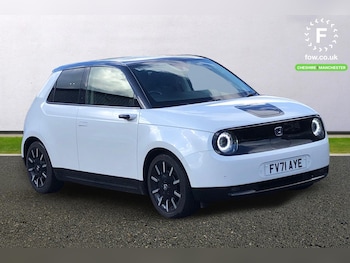
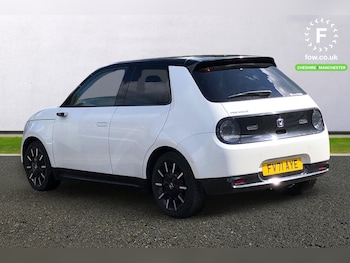
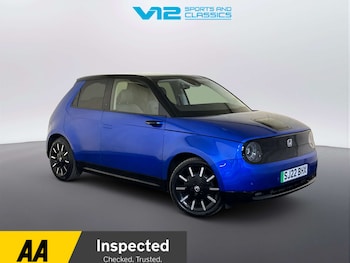
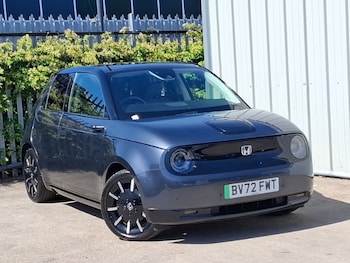
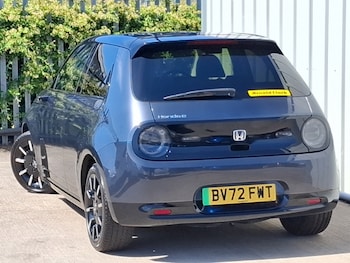
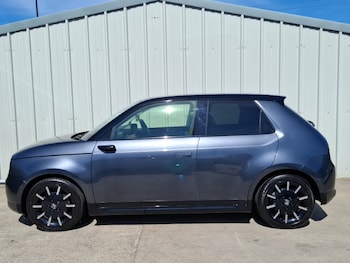
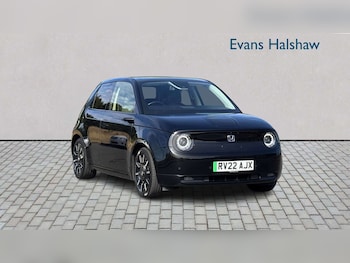
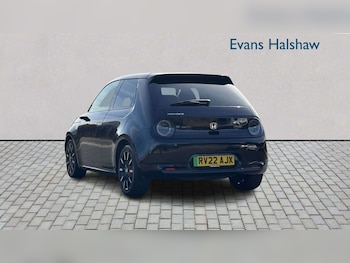
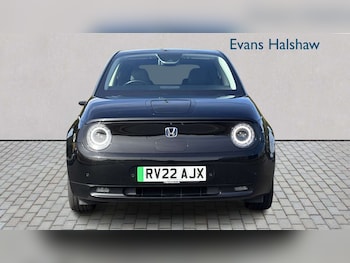
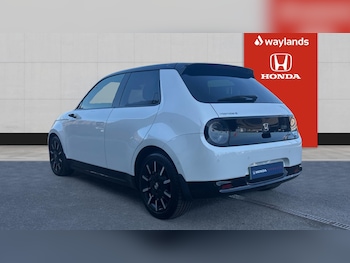
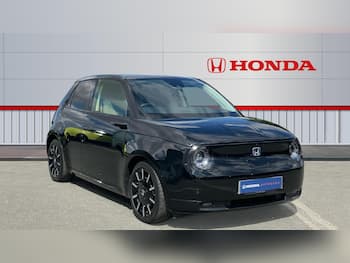
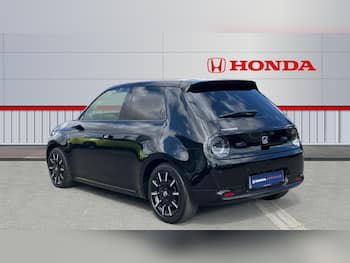
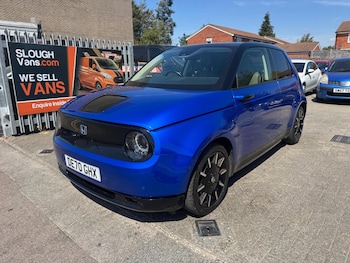
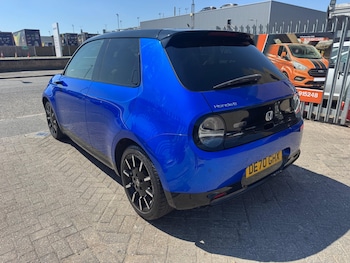
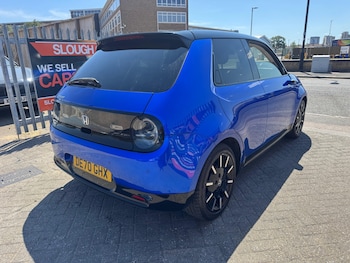
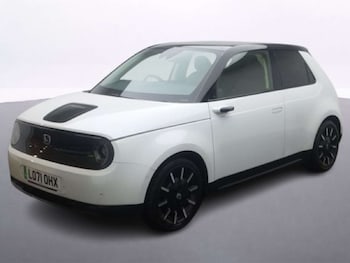
The Honda e has turned heads since its launch—a retro-styled electric city car that looks like it rolled straight out of a design studio and onto British roads. With its quirky charm, futuristic cabin, and zero-emission credentials, it's captured the hearts of urban drivers looking for something genuinely different.
But is it the right choice for you? Whether you're considering a used Honda e or eyeing up the newer Honda e:Ny1, this guide will walk you through everything you need to know. From real-world range and charging to what to look for when buying used, we've got you covered.
Is the Honda e a good car?
The Honda e is a brilliant little electric vehicle if you understand what it's designed for. It's not trying to compete with long-range EVs or family SUVs. Instead, it's built for city life—think tight parking spaces, short commutes, and zipping through urban traffic with style.
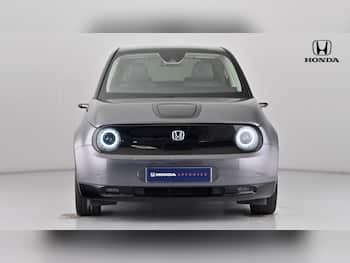
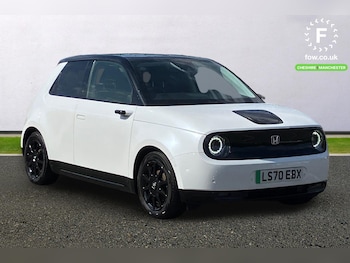
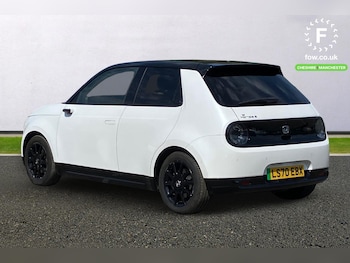
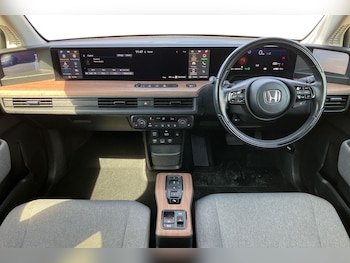
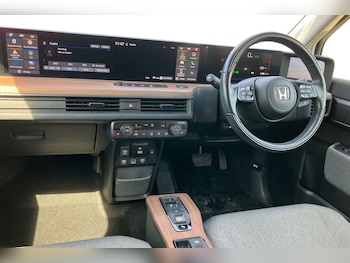
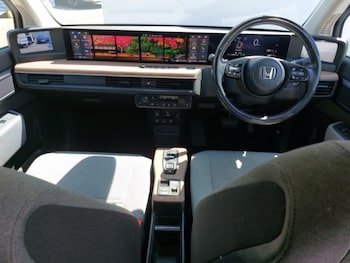
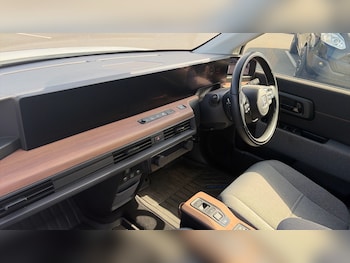
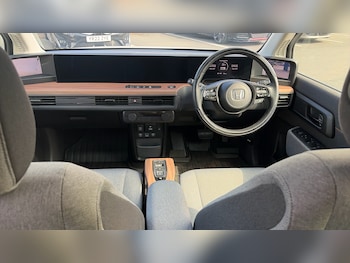
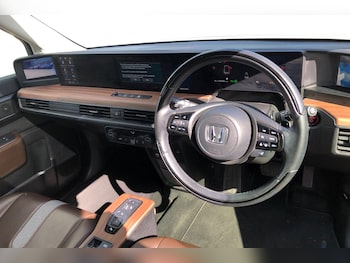
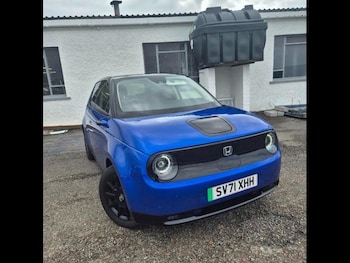
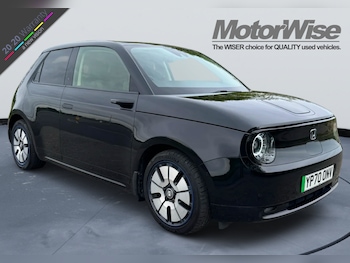
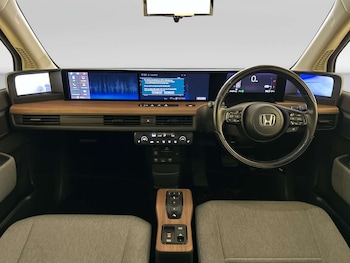
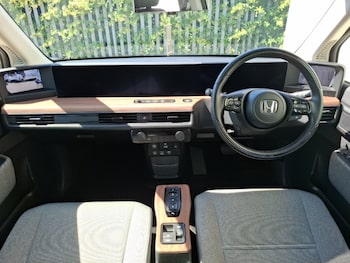
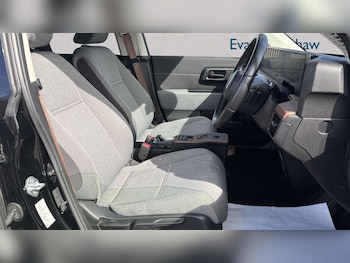
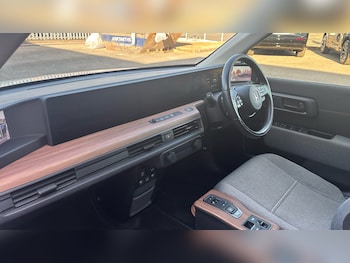
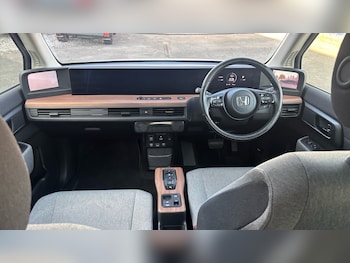
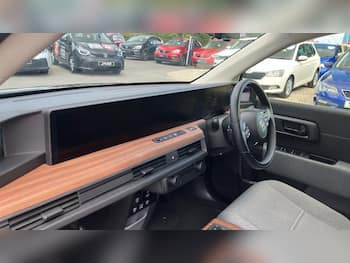
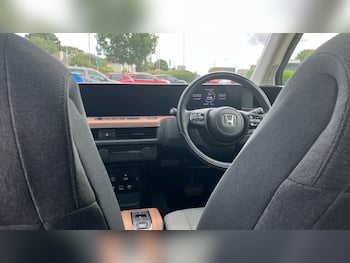
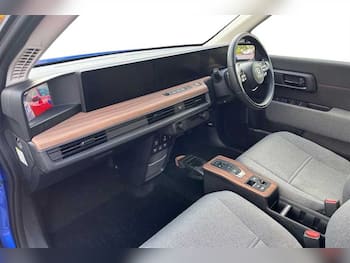
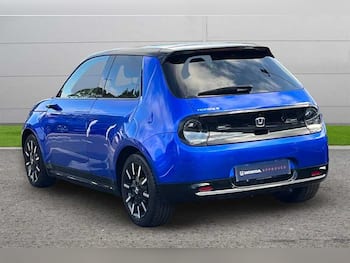
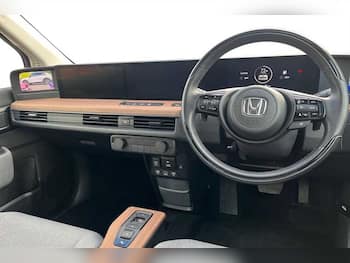
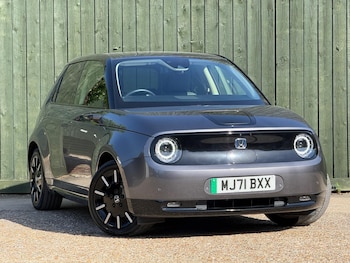
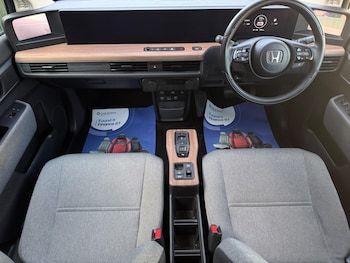
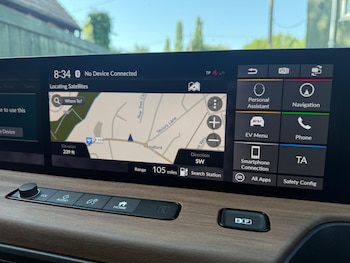
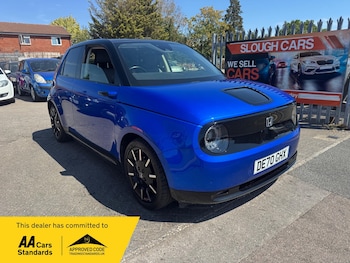
What makes it stand out? The design, for starters. Those circular headlights and clean lines give it a retro-futuristic look that's hard to ignore. Inside, you'll find a minimalist cabin dominated by dual digital screens that stretch across the dashboard. It feels more like sitting in a tech lounge than a car.
Performance-wise, the Honda e is nippy and fun to drive. Rear-wheel drive gives it a playful character, and the instant torque from the electric motor makes it responsive in town. But here's the trade-off: the range is modest. With around 137 miles on a full charge (officially), real-world driving will see that drop closer to 100 miles, especially in colder weather or on faster roads.
So, is it a good car? Absolutely—if your driving is mostly urban and you've got access to home or workplace charging. For longer journeys or frequent motorway trips, you might want to look elsewhere.
Honda e:Ny1 — the SUV sibling
If the Honda e feels a bit too compact, the Honda e:Ny1 might be more your speed. This all-electric SUV takes Honda's EV ambitions in a more practical direction, offering more space, a longer range, and a higher driving position.
The e:Ny1 comes with a 68.8kWh battery, delivering an official range of up to 256 miles. That's a significant jump from the standard Honda e, making it far more versatile for longer trips and family life. It also features modern tech, including a 15.1-inch touchscreen, wireless phone charging, and Honda's suite of driver assistance features.
While it doesn't have quite the same character as the original Honda e, it's a more sensible choice for buyers who need practicality alongside their EV credentials. If you're a first-time electric vehicle buyer or a Honda fan looking for something more family-friendly, the e:Ny1 is worth a closer look.
Performance and Driving Experience
Driving Range and Real-World Performance
Let's be honest about range. The Honda e's official figure of 137 miles sounds reasonable on paper, but real-world driving will bring that down. Expect closer to 100 miles in everyday use, particularly if you're doing a mix of city and A-road driving, or if the weather's cold.
That said, if your daily commute is under 50 miles and you can charge at home, the Honda e is perfectly practical. It's not designed for road trips—it's designed to get you to work, the shops, and back home again without breaking a sweat.
The Honda e:Ny1, on the other hand, offers a more realistic 200+ miles in real-world conditions. That makes it a more flexible option if you occasionally need to venture beyond the city limits or don't have daily charging access.
Urban Driving Experience with Honda e
Where the Honda e truly shines is in urban environments. The tight turning circle makes parking a breeze, and the rear-wheel-drive setup gives it a surprisingly playful feel around corners. Acceleration is brisk off the line, which is handy when pulling out into traffic or overtaking slower vehicles.
Visibility is excellent thanks to the large windows and compact dimensions, and the ride is smooth over bumpy city streets. Plus, with cameras replacing traditional door mirrors, you get a sleek exterior and a clever digital display on the inside. It takes a bit of getting used to, but it's a neat touch once you adjust.
One minor niggle: the regenerative braking can feel quite strong, even in the standard setting. Some drivers love the one-pedal driving experience; others find it takes time to master. Either way, it's something to test on a proper drive before you buy.
Charging and Battery Insights
Charging Options for Honda e and e:Ny1
The Honda e comes with a 35.5kWh battery, which is small by modern EV standards but suits its city-car brief. Charging from empty to full takes around 4-5 hours using a 7kW home wallbox—perfect for overnight charging.
If you're out and about, the Honda e supports DC rapid charging up to 50kW. That means you can top up from 20% to 80% in around 30 minutes at a public charger. Not the fastest in the EV world, but perfectly adequate for a quick boost when needed.
The Honda e:Ny1 supports faster charging speeds, with 78kW rapid charging capability. That brings charging times down and makes longer journeys more practical. With a 7kW home charger, you're looking at around 10 hours for a full charge—again, ideal for overnight use.
Battery Performance and Efficiency
Battery performance on the Honda e is solid, though you'll notice a drop in range during winter months. Cold weather affects all EVs, and the Honda e is no exception. Factor in around a 20-30% reduction in range when temperatures drop.
Efficiency-wise, the Honda e achieves around 4 miles per kWh in mixed driving, which is decent for a car of its size and weight. The e:Ny1 sits slightly lower at around 3.5 miles per kWh, reflecting its larger size and weight.
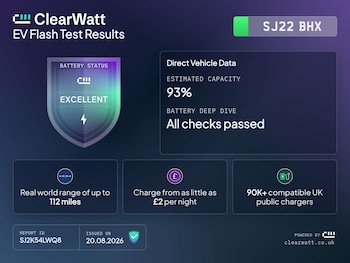
Both models come with an 8-year/100,000-mile battery warranty, which offers peace of mind if you're buying used. Always check the battery health report when viewing a used electric vehicle—it's a key indicator of the car's remaining value and usability.
Market Options and Buying Advice
Finding Used Honda e Cars for Sale
The used market for the Honda e is growing, and it's a great way to grab a stylish EV at a more accessible price point. Early models from 2020 onwards are now available with significant savings compared to new. Expect to pay between £15,000 and £22,000 depending on age, mileage, and specification.
When browsing used Honda e cars for sale, pay attention to trim levels. The Honda e comes in two main variants: the standard model with a 134bhp motor, and the Advance trim, which bumps power up to 152bhp and adds extra features like heated seats and a better sound system.
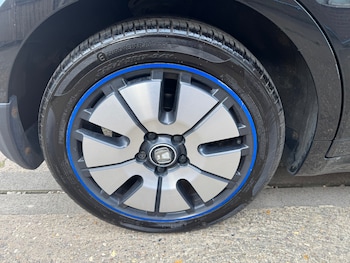
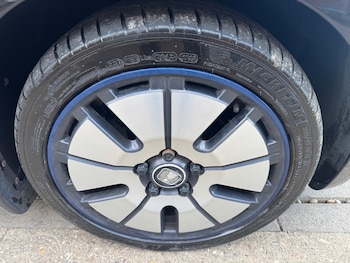
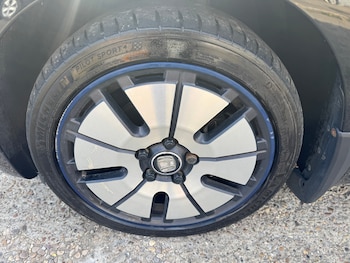
Check service history carefully. Regular software updates are important for EVs, and you'll want to ensure the car has been maintained at a Honda dealer or specialist. Also, inspect the tyres—the Honda e can be hard on rear tyres due to the instant torque and rear-wheel-drive layout.
What to Look for When Buying
Buying a used Honda e? Here's a handy checklist to make sure you're getting a solid example:
Service History: Confirm the car has been serviced regularly, ideally at a Honda dealer. Software updates are crucial for EVs, so check these have been completed.
Battery Health: Request a battery health report. Anything above 90% is good; below 80% might be a concern depending on age and mileage.
Tyre Condition: Check the rear tyres in particular. The Honda e can wear them down faster due to instant torque and rear-wheel drive.
Charging Cable: Make sure both the Type 2 cable (for home/public charging) and the three-pin emergency cable are included.
Camera Mirrors: Test the side camera mirrors thoroughly. They're a unique feature, and replacement can be costly if faulty.
Interior Wear: The Honda e's minimalist cabin is easy to inspect. Check the screens for dead pixels and ensure all buttons and touch controls respond properly.
Test Drive: Pay attention to how the car handles, the smoothness of the ride, and the strength of the regenerative braking. Make sure you're comfortable with the one-pedal driving style.
Frequently Asked Questions
What is a Honda e clutch?
The Honda e doesn't have a clutch. As a fully electric vehicle, it uses a single-speed automatic transmission, which means there's no need for a traditional gearbox or clutch system. You simply select drive, and the electric motor does the rest. It's one of the joys of driving an EV—smooth, seamless acceleration with no gear changes to worry about.
How much is a Honda e?
A new Honda e starts at around £29,000, though prices vary depending on trim and options. Used models are more affordable, with early examples from 2020 available from around £15,000 to £22,000. The Honda e:Ny1 starts higher, at around £45,000 new, but used prices will drop as more models enter the market. If you're looking for a compact electric city car, the used Honda e offers great value.
What should buyers consider when looking for used Honda e cars?
When shopping for a used Honda e, prioritise battery health, service history, and overall condition. Request a battery health report to ensure capacity is still strong—anything above 90% is ideal. Check that the car has been regularly serviced and that software updates have been completed. Inspect the rear tyres, as they can wear quickly, and ensure both charging cables are included. Finally, take a proper test drive to get a feel for the regenerative braking and camera mirrors.