|
Beta
5
Used Audi A2 cars for sale
Choose from Audi A2 trims
Audi A2 SE (<10)Audi A2 Unlisted (<10)
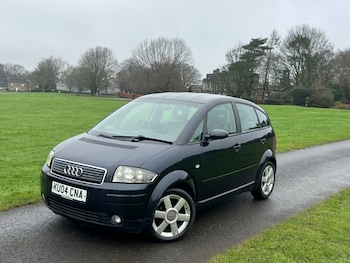
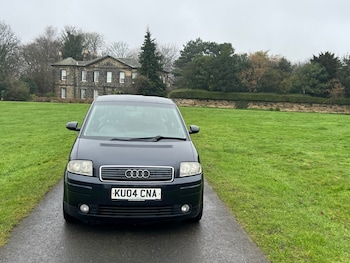
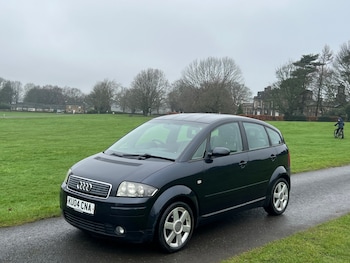
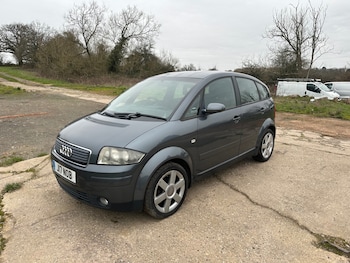
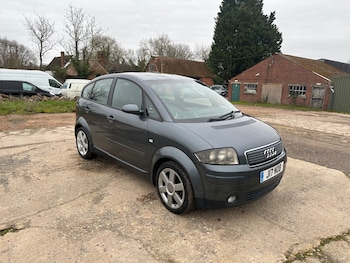
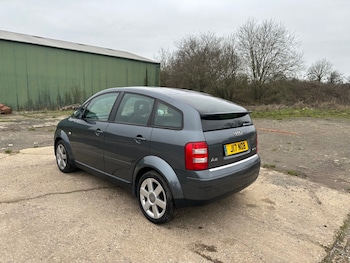
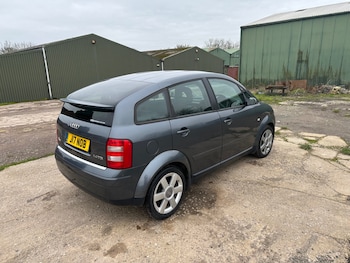
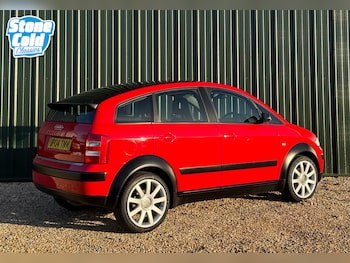
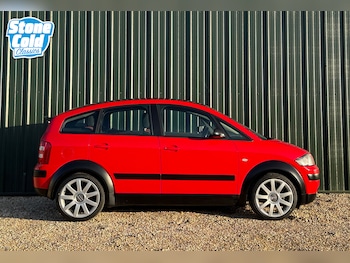
The Audi A2 was ahead of its time. Launched in 1999, this quirky hatchback combined space-age aluminium construction with exceptional fuel economy and a surprisingly roomy interior. It looked like nothing else on the road—and that was both its charm and its challenge.
Today, the A2 has earned a cult following. Enthusiasts appreciate its forward-thinking engineering, while bargain hunters love that used Audi A2 models can be surprisingly affordable. Whether you're after an efficient runabout or a future classic, the A2 deserves a closer look.
This guide will walk you through everything you need to know before buying a used Audi A2 for sale, from its innovative design to common issues and buying tips.
Yes—if you value efficiency, practicality, and character over performance and prestige. The Audi A2 was designed to be a cleverly packaged city car with premium ambitions. Its lightweight aluminium body helped it achieve impressive fuel economy, while the tall roofline meant plenty of headroom and a surprisingly spacious cabin for four adults.
However, the A2 wasn't without its quirks. It was expensive when new, which hurt sales. Audi only produced the A2 until 2005, making it a rare sight on UK roads today. That rarity has contributed to its growing reputation as a cult classic.
If you're looking for a car that stands out from the crowd and offers a unique driving experience, the A2 ticks those boxes. Just be prepared for the occasional puzzled look from passers-by.
The A2 was built using Audi's Aluminium Space Frame (ASF) technology, the same lightweight construction method used in the luxury A8. This made the A2 significantly lighter than its rivals, which translated into better fuel economy and more agile handling. The trade-off? Repair costs could be higher if the bodywork was damaged, as not all garages were equipped to work with aluminium.
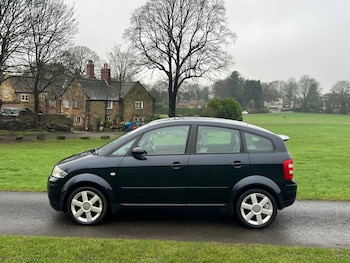
Despite its compact footprint, the A2 felt surprisingly roomy inside. The tall roof and flat floor created a sense of space that belied its supermini dimensions. Storage was clever too, with door bins large enough for bottles and plenty of cubby holes throughout the cabin. The rear seats could slide and fold, offering flexibility for passengers or cargo.
Visibility was excellent thanks to large windows and slim pillars. This made the A2 a breeze to park and manoeuvre in tight urban spaces—ideal if you're navigating crowded city streets.
The Audi A2 struggled commercially. Priced higher than mainstream rivals like the Ford Fiesta and Vauxhall Corsa, it didn't appeal to budget-conscious buyers. At the same time, its unconventional styling and small size didn't resonate with those seeking a traditional premium car.
Audi sold around 176,000 A2s globally during its six-year production run—a modest figure compared to competitors. In the UK, the A2 never quite found its audience, and production ended in 2005 without a direct successor.
But here's the twist: the A2's reputation has grown over time. Its advanced engineering, fuel efficiency, and distinctive design have earned it a loyal fanbase. Some predict it could become a future classic, especially well-maintained automatic examples.
The A2 was offered with a range of small, efficient engines. The most common was the 1.4-litre petrol, which delivered modest performance but decent economy. For those prioritising fuel savings, the 1.4 TDI diesel was the star of the range, capable of returning over 60mpg in real-world driving.
There was also a rare 1.6 FSI petrol model, which offered a bit more punch, and an ultra-efficient 1.2 TDI that could achieve over 90mpg. The latter, known as the "3L" model (as in three litres per 100km), is particularly sought after by eco-conscious drivers.
Most A2s came with a five-speed manual gearbox, though a five-speed automatic was available on certain models. The automatic isn't as common, so if you're keen on one, be prepared to search a bit harder.
Before committing to a used Audi A2, here are some key areas to inspect:
Service history: A full service history is essential. The A2's advanced engineering means it benefits from regular maintenance. Look for evidence of oil changes, timing belt replacements (due every 60,000 miles or four years), and any repairs to the aluminium bodywork.
Common issues: Check the condition of the suspension, as worn bushes and dampers are common on higher-mileage cars. The electric windows can be temperamental, so test them thoroughly. Also, inspect the tailgate struts—they can weaken over time, causing the tailgate to drop unexpectedly.
Bodywork and corrosion: While aluminium doesn't rust, the A2's steel subframe and suspension components can. Check underneath for any signs of corrosion, especially if the car has spent time in areas with salted roads.
Engine health: Diesel models can develop injector problems, so listen for rough idling or excessive smoke. Petrol engines are generally robust, but check for oil leaks and ensure the coolant system is in good order.
Interior condition: The A2's interior is functional but not luxurious. Check for wear on the seats and dashboard, and make sure all electrics (including air conditioning, if fitted) work as they should.
Opening the bonnet: This is a surprisingly common question among new A2 owners. The bonnet release is located inside the car, near the driver's footwell. Pull the lever, then lift the bonnet from the front. It's not immediately obvious, so don't feel silly if it takes a moment to figure out.
Electrical gremlins: Some A2s suffer from minor electrical issues, such as faulty window motors or temperamental central locking. These are usually fixable but worth checking before purchase.
Parts availability: Because the A2 was relatively niche, some parts can be harder to source than for mainstream models. However, specialist forums and breakers yards can be helpful resources.
Prioritise a full service history and evidence of regular maintenance, especially timing belt changes. Check for common issues like worn suspension bushes, temperamental electric windows, and corrosion on the steel subframe. If you're after an automatic, be prepared to search—they're less common than manuals. Also, look for cars with desirable extras like air conditioning, alloy wheels, and the panoramic sunroof, which can add to resale value.
The bonnet release lever is located inside the car, near the driver's footwell on the left-hand side. Pull the lever, then move to the front of the car and lift the bonnet upwards. There's no secondary safety catch, so once you've pulled the lever, the bonnet should lift easily. If it feels stuck, give it a gentle nudge upwards while pulling the lever again.
It's certainly heading that way. The A2's innovative aluminium construction, fuel efficiency, and distinctive design have earned it a cult following. Well-maintained examples, especially rare variants like the 1.2 TDI "3L" model, are already attracting interest from collectors. As with any potential classic, condition and provenance will be key to future value, so look for cars with comprehensive service histories and minimal modifications. Browse used Audi A2 models on Cazoo to find your perfect match.