What is traction control, TCS and ESC?
Traction control, TCS and ESC are three of the most important safety features fitted to modern cars. So, what are they and how do they work?
The Cazoo editorial team
Published on 12 February 2026 | 1 min read
Modern cars are safer than ever, and that’s thanks to several onboard technologies designed to prevent accidents from occurring or reduce their impact if they do.
One of the most effective and longest-serving safety systems is traction control, TCS and ESC, which has been mandatory on all new cars since 2011 and 2012.
If you’re thinking of buying a second-hand car, it’s important to know how these systems work.
With that in mind, what is traction control, TCS and ESC? How do they work? And, should you buy a second-hand car without these safety devices?
What is traction control and how does it work?
Traction control has been a standard safety feature fitted to all new cars since 2011.
It’s a safety system designed to prevent a car’s wheels from losing grip and spinning under acceleration.
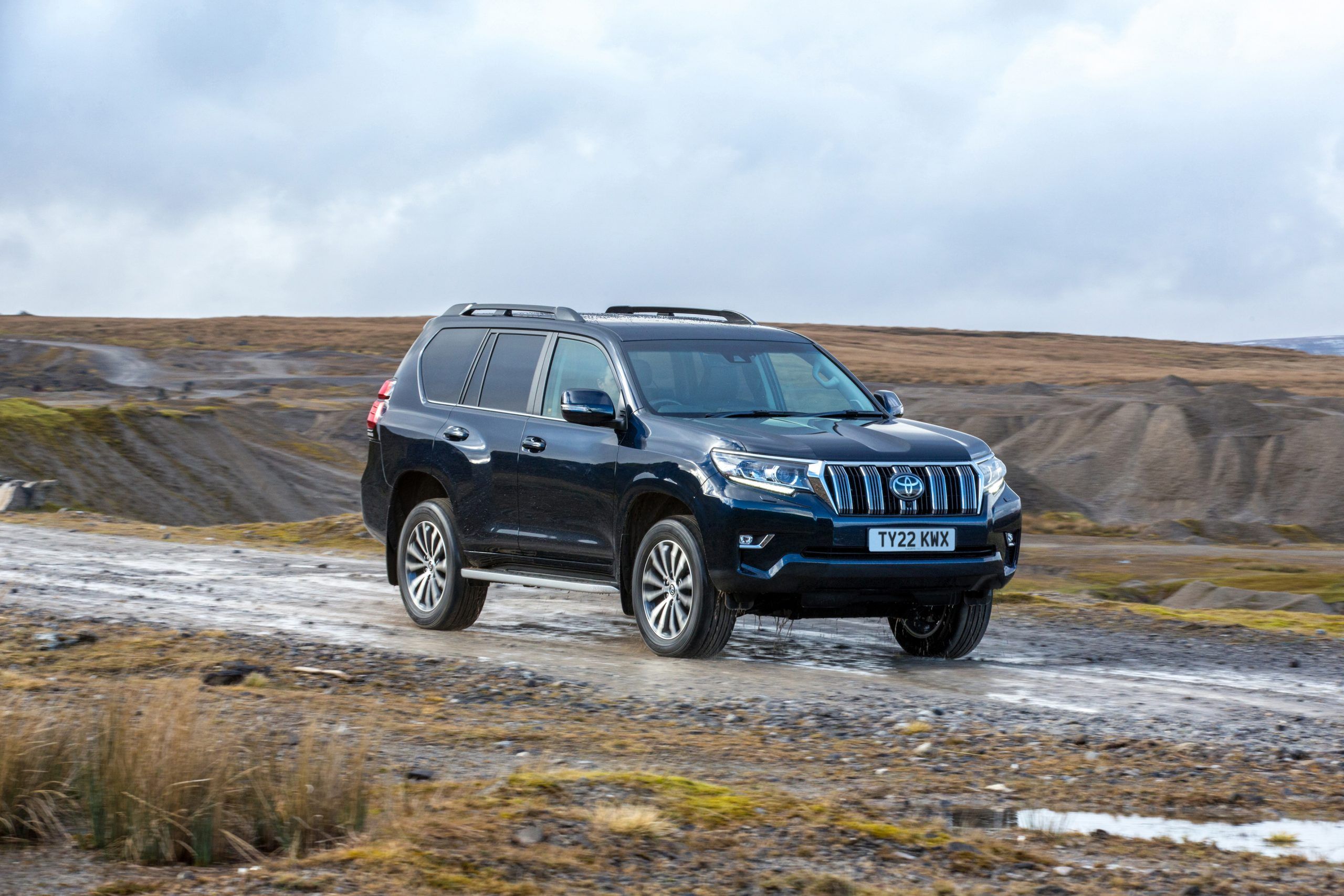
It’s particularly effective when driving on slippery road conditions such as rain, snow, ice, uneven surfaces and gravel.
Traction control works by reducing the car’s engine power or applying the brakes to a wheel if it starts to lose traction.
Sensors monitor each wheel and if slip or loss of traction is detected, the system will automatically reduce power to that particular wheel to help.
As well as reducing the engine power to reduce wheel spin, traction control can apply pressure to the vehicle’s brakes to transfer power from the spinning wheel to the wheels that have the most traction.
Traction control works in combination with anti-lock brakes and electronic stability control - if fitted to the vehicle - all to help maintain a steady speed and control if the vehicle begins to lose grip.
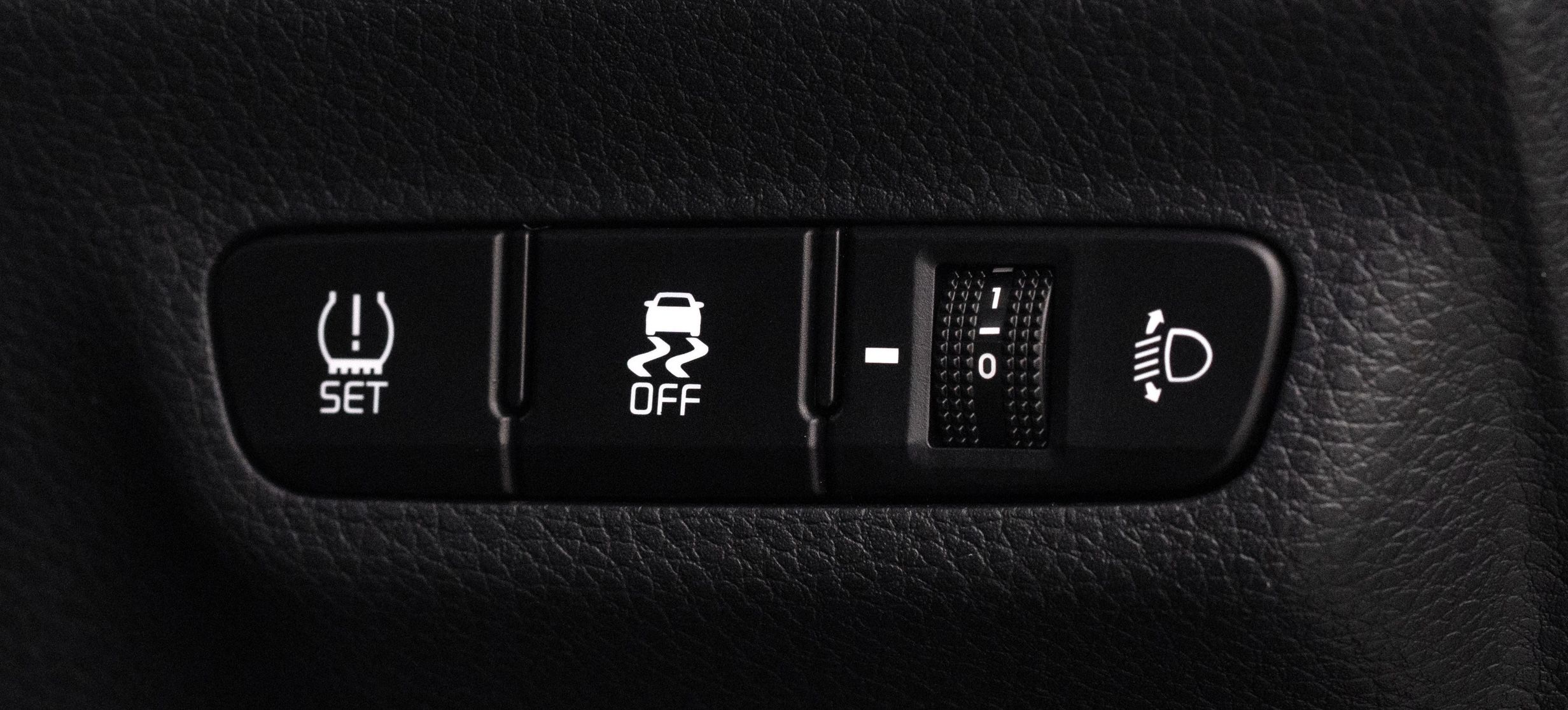
Many cars come with a traction control button located inside their cabins, which can allow the driver to switch the system on or off; however, we’d recommend keeping the system switched on at all times.
What is TCS?
TCS stands for ‘Traction Control System’.
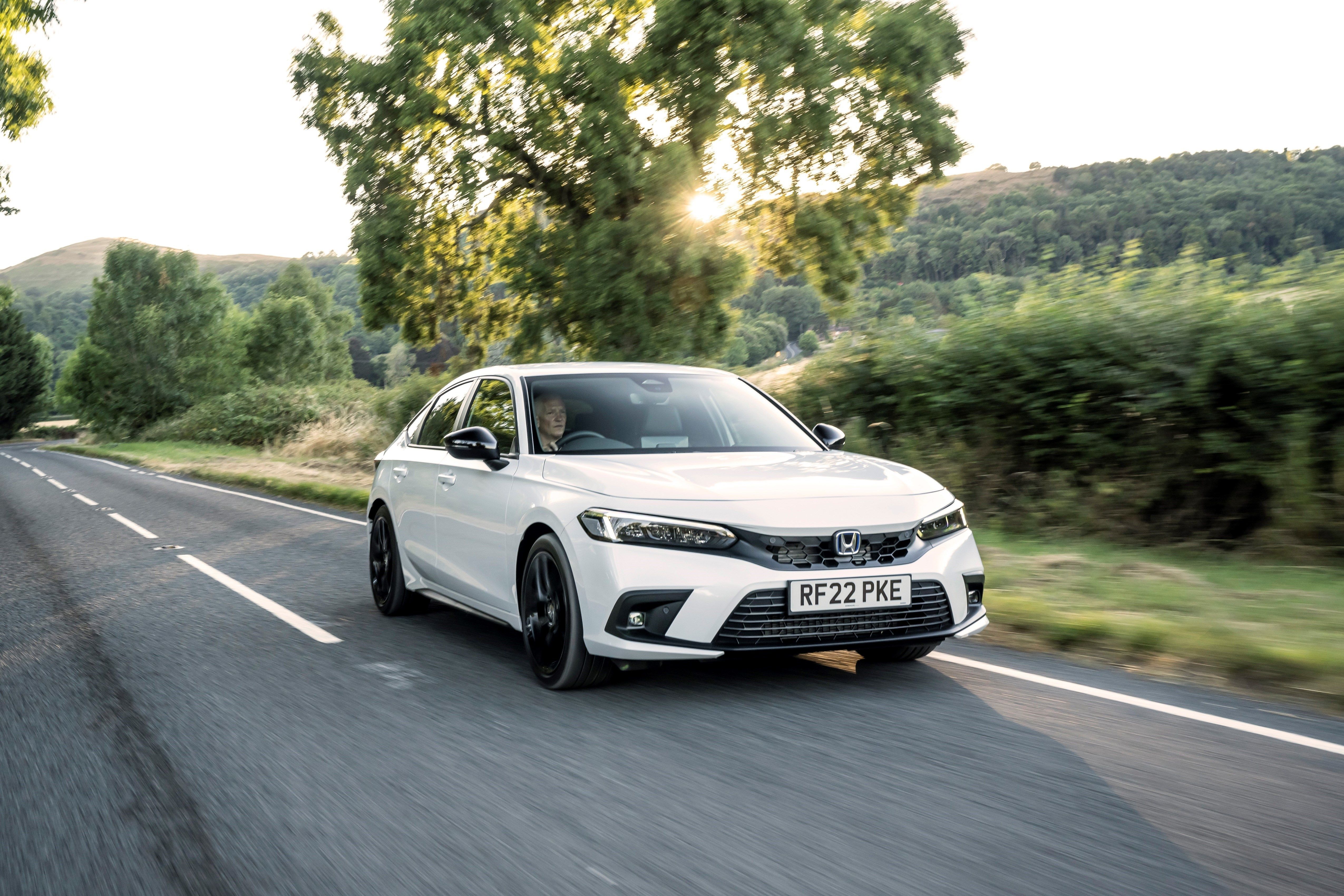
Traction control is one of the most important safety features fitted to your car, and by helping increase traction at each wheel during slippery road conditions, it’s a great piece of technology that comes to the fore in the wet UK.
Cars without traction control won’t be as stable or have as much traction when driving on surfaces such as rain, snow and ice, and need to be driven even more carefully as a result.
Search for used cars on Cazoo
What is ESC and how does it work?
ESC is another important safety feature that has been a mandatory fit for all new cars since 2012.
It stands for ‘Electronic Stability Control’ and it’s designed to help a driver keep control of a car during a sudden loss of traction or when evasive driving is required. This could be when you need to suddenly drive around an obstacle, or when braking hard on a slippery road.
The system is controlled by speed sensors, steering angle sensors and yaw rate sensors to monitor everything about how the car is being driven: speed, steering input and direction.
An ESC system uses its sensor data and steering input from the driver to compare and detect whether the vehicle is at risk of losing control. If the ESC system detects a loss of traction, it will apply the car’s brakes and reduce engine power to stabilise the wheels. This prevents the car from oversteering and understeering in an emergency situation by adjusting the car’s brake force and engine power.
What are their benefits?
Traction control and ESC are designed to make driving safer and to prevent accidents.
Traction control prevents a vehicle from losing control on slippery road surfaces, as it’ll direct engine power to the wheel with the most traction, while reducing it to those which are slipping. It makes driving in rain, snow, fog and ice a lot safer, as it provides the driver with more control in poor road conditions.
Electronic Stability Control reduces the risk of a vehicle skidding, while correcting oversteer and understeer to make the vehicle a lot more stable at greater speeds. Plus, if you encounter an emergency situation, ESC maintains traction and will help keep the vehicle controlled, wherever the driver steers.
Search for used cars on Cazoo
Should you buy a second-hand car without these driving aids?
There are thousands of second-hand cars out there on the used market that won’t be fitted with traction control and ESC.
If the vehicle you’re looking at isn’t equipped with these safety aids, you’ll need to take extra care when you’re driving in challenging or slippery conditions.
We’d recommend that if you are thinking of buying a second-hand car, always look for a model that has one of these safety systems fitted, as the vehicle will be much easier to control in bad weather. These features could also make all the difference in an emergency.