What is a Modern Classic Car? A Guide to the New Era of Collectables
The classic car scene is shifting. For decades, the hobby was defined by chrome bumpers, wooden dashboards, and the smell of unburnt fuel. Now, a new generation of enthusiasts is coveting the vehicles they grew up with in the 1980s, 1990s, and early 2000s. These are the modern classics.

Charlie Harvey
Published on 29 May 2026 | 8 mins read

If you’re looking to enter the world of collectable cars, you might be wondering where exactly the line is drawn. You need to know what separates a modern classic from a traditional classic or just another old used car, and why these newer models are commanding such intense loyalty from drivers.
This article explains the definition of a modern classic car. We’ll compare them to traditional classics across design, usability, and maintenance, and explore the unique benefits of owning one yourself.
Defining the Modern Classic Car
Unlike traditional classic cars, which often have strict age thresholds determined by tax authorities or insurance companies, the definition of a "modern classic" is much more fluid.
Generally, a modern classic is a vehicle that is not yet old enough to be considered a vintage or traditional classic – typically falling between 15 and 30 years old – but has already achieved cult status. These cars are no longer depreciating used vehicles; they have crossed the threshold where their value, desirability, and cultural significance are actively rising.
To become a modern classic, a car needs a certain undeniable "X-factor." This usually comes down to one of three things:
- Motorsport pedigree: Cars built to homologate rally or track cars, like the Subaru Impreza WRX or BMW E30 M3.
- A defining cultural moment: Vehicles that defined an era of motoring, such as the original Volkswagen Golf GTI or the Peugeot 205 GTI, which kicked off the hot hatch craze.
- Striking or innovative design: Cars that broke the mould technologically or aesthetically, like the first-generation Audi TT or the original Mazda MX-5.
Ultimately, a modern classic is a car that people look back on with immense fondness. It is a vehicle that enthusiasts actively seek out not for basic transport, but for the sheer joy of ownership.
Modern Classics vs. Traditional Classics: What is the Difference?
While both modern and traditional classics offer a deeply rewarding ownership experience, they are fundamentally different machines. Here is how they compare across the most important categories.
Age and Historical Status
Traditional classics generally hail from the 1970s or earlier. In many countries, including the UK, vehicles over a certain age (often 40 years) qualify for historical vehicle status. This can mean exemption from annual MOT tests and road tax.
Modern classics usually fall short of these rolling age exemptions. They are products of the 1980s, 1990s, and 2000s. While they might not yet offer tax-exempt status, they hold immense historical weight for younger generations who view them as the defining cars of their youth.
Design and Technology
The jump from traditional to modern classics represents a massive leap in automotive engineering. Traditional classics rely on analogue mechanics: carburettors, points ignition, and non-assisted steering. They offer a raw, mechanical connection between driver and road.
Modern classics sit right on the edge of the analogue and digital worlds. They introduced reliable electronic fuel injection, anti-lock braking systems (ABS), and early engine management computers (ECUs). This transition means modern classics start on the first turn of the key, regardless of the weather.
- The impact: You get the engaging, lightweight feel of an older car, but with the dependable starting and running of a modern engine.
Usability and Driving Experience
Driving a 1960s sports car in heavy, modern stop-start traffic can be a stressful, sweaty experience. Drum brakes, heavy clutches, and a lack of modern cooling systems make them better suited for quiet Sunday mornings.
Modern classics, by contrast, were built for modern road networks. A 1990s coupe can comfortably cruise at motorway speeds, keep up with fast-moving traffic, and brake effectively when someone cuts you up. They offer a driving experience that feels familiar, just much more tactile and engaging than the heavily-insulated cars of today.
Maintenance and Ownership Appeal
Maintaining a traditional classic requires a specific set of mechanical skills. You need to know how to tune dual carburettors and adjust valve clearances. It’s a brilliant hobby for those who love getting their hands dirty with pure mechanics.
Modern classics shift the maintenance focus. The mechanical parts are often more robust, and the bodies are usually made of better galvanised steel, meaning catastrophic rust is slightly less common (though it's always an issue in the UK, where the wet weather is unforgiving). However, maintaining them means dealing with ageing electronics. Finding a specialist who understands 1990s diagnostic systems can sometimes be a challenge.
- Tip for buyers: When looking at a modern classic, pay closer attention to the condition of the interior plastics, digital displays, and wiring harnesses. These parts are often much harder to replace than standard mechanical components. As with any older car, rust is an issue – modern classics may fair better in this regard, but it’s always essential to check the state of any used car’s bodywork for rust before committing to a purchase.
The Benefits of Owning a Modern Classic
If you’re debating whether to buy a traditional 1960s roadster or a 1990s hot hatch, the newer option presents several compelling advantages. Here is why the modern classic market is booming.
1. Affordability and Accessible Entry Points
While the prices of top-tier modern classics are rising, they still offer a much lower barrier to entry than traditional classic cars. You can often purchase an excellent, usable 1990s sports car or executive saloon for a fraction of the cost of a 1960s equivalent. This makes the hobby far more accessible to younger enthusiasts or those on a stricter budget.
Better yet, if you do your homework and identify a modern classic that is soon to rise in popularity, buying now while prices are low can make for a great investment if you hold onto it for a while – we’re big believers in using and enjoying a modern classic, though, so don’t be one of those people that locks it away just to appreciate in value! Getting yourself a good classic car insurance policy with agreed value is a great way to take away some of the anxiety of driving around an investment and maintains peace of mind while you enjoy the open road.
2. Vastly Improved Reliability
You want to spend your weekends driving your car, not fixing it on the hard shoulder. The adoption of electronic fuel injection, better cooling systems, and superior manufacturing tolerances means modern classics are inherently more reliable than their predecessors. They are vehicles you can trust to take on a weekend road trip without packing a boot full of spare parts.
3. Everyday Drivability
Modern classics feature the creature comforts we now take for granted. Most models from the late 80s onwards feature power steering, effective heaters, decent stereos, and in many cases, air conditioning. This makes them entirely viable as daily drivers or weekend cars that you'll actually want to drive in.
4. Parts Availability and Shared Platforms
Many modern classics were built during an era when car manufacturers began sharing parts across different models to save money. This is great news for owners today. While specific trim pieces might be rare, the underlying mechanical components – like brake pads, filters, and suspension bushes – are often incredibly easy and cheap to source from local motor factors. While shared platforms are incredibly common in modern cars, many argue that the current generation of modern classics came at a time where the balance of shared components and model individuality was still just right – many of the parts underneath were reassuringly familiar, but most cars from the 80s and 90s looked and drove uniquely.
5. Nostalgia and Community
Ultimately, classic car ownership is driven by emotion. Modern classics are the cars that Gen Z, millennials and Generation X had as posters on their bedroom walls. They're the cars driven in early racing video games and featured in definitive 1990s films. Owning one taps directly into that powerful nostalgia. Furthermore, the community surrounding these cars is incredibly vibrant, welcoming, and active both online and at local weekend meets.
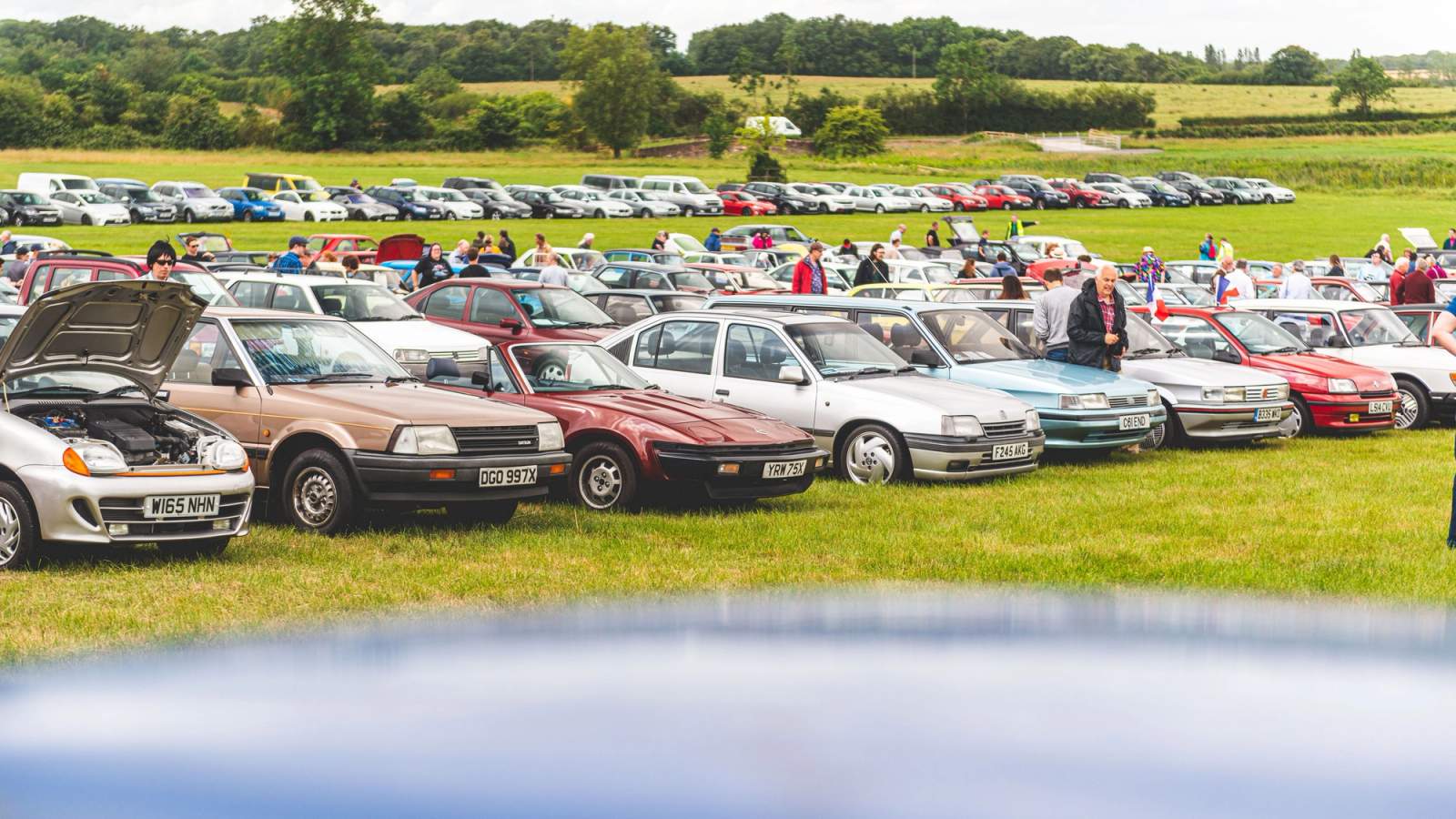
It’s not just the GTIs and the sports cars that get the love, though. One of the best annual shows for modern classic enthusiasts is Festival of the Unexceptional, which puts the focus on the everyday heroes from the recent past that you used to see everywhere, serving as the backdrop to daily life. Again, the cars that feature here tend to be much more affordable and easy to live with, so they’re worth your consideration – especially if you’re starting out with a modern classic.
Conclusion
A modern classic car offers the perfect sweet spot for motoring enthusiasts. They deliver the raw, engaging driving dynamics that modern, heavily-digitised vehicles lack, without the demanding maintenance and usability compromises of a traditional classic. From affordable 1990s hot hatches to sleek 2000s sports coupes, these vehicles represent a golden era of automotive engineering that is incredibly rewarding to own.
Your next step: Ready to experience the appeal for yourself? Search online for local "cars and coffee" meets or classic car shows in your area this weekend. Walking around and speaking to current owners is the absolute best way to figure out which modern classic belongs on your driveway.
While not all cars from the 90s and early 2000s may be considered classics, it's all a matter of opinion – check out our selection of cars from the 9000s and mid 2000s to get the ball rolling.