What is a classic car?
There’s something about a classic car that turns heads wherever it goes. But what actually makes a car a ‘classic’? And are there real-world benefits to owning one? Here’s everything you need to know.
The Cazoo editorial team
Published on 27 May 2026 | 6 mins read
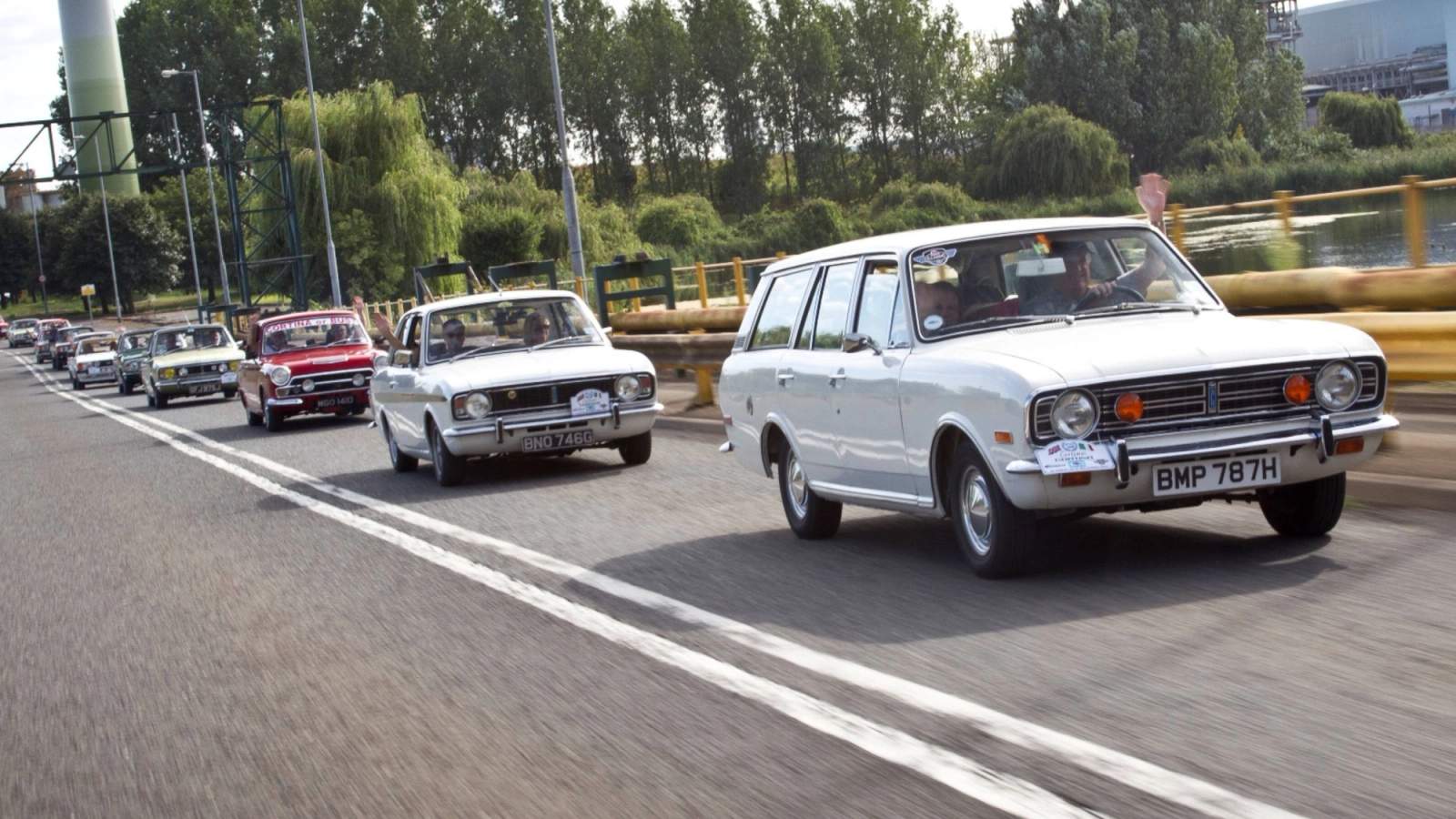
Whether it’s a gleaming Jaguar E-Type purring through country lanes or a boxy Ford Cortina that takes you straight back to the 1970s, classic cars hold a unique place in British culture. They’re not just vehicles – they’re rolling pieces of history. But the term ‘classic’ gets thrown around a lot, so it’s worth understanding exactly what it means, both in everyday use and in the eyes of the law.
What is a classic car?
There is no single, legally binding definition of a classic car in the UK. Different organisations and insurers use different criteria, but the most widely recognised threshold is age: a vehicle that is 30 years old or more is generally considered a classic.
However, age alone doesn’t tell the whole story. For a car to be considered a true classic, it also tends to need historical significance, rarity, cultural appeal, or a combination of all three. A well-preserved original example of a beloved model will always carry more classic credentials than a neglected car that happens to be old.
Some enthusiasts make a further distinction between ‘classic’ and ‘vintage’. Vintage cars are generally those built before 1930, while veteran cars predate 1905. Anything from the 1930s onwards tends to fall under the classic umbrella – though, again, these definitions vary depending on who you ask.
What are the tax and MOT benefits of owning a classic car?
One of the biggest practical advantages of owning a classic car is the exemption from two of motoring’s most common costs: Vehicle Excise Duty (VED) and the MOT.
In the UK, once a vehicle reaches its 40th birthday, it qualifies for historic vehicle tax exemption. That means the owner pays nothing in road tax – a welcome saving at a time when VED rates have been climbing significantly for newer vehicles.
The same 40-year rule applies to MOT exemptions. Vehicles built more than 40 years ago are not legally required to undergo an annual MOT test. The government’s reasoning is sound: classic cars of this age are rarely used as daily drivers, and their owners – typically passionate enthusiasts – tend to keep them in excellent condition through regular, attentive maintenance.
It’s worth noting that while an MOT is not required, keeping your classic car roadworthy remains a legal obligation. Driving a vehicle in a dangerous condition is an offence regardless of age, so responsible ownership means keeping on top of servicing and mechanical checks even without the annual test as a mandated prompt.
You can check the MOT and tax status of any vehicle on the DVLA website using its registration number.
Classic car insurance: what you need to know
Standard car insurance policies aren’t always well-suited to classic vehicles, which is why a dedicated classic car insurance policy is usually the smarter choice.
Classic car insurers understand that these vehicles aren’t typically clocking up 15,000 miles a year on motorways. They are driven sparingly and stored carefully, and policies are often priced to reflect that. Agreed value policies – where the car’s value is fixed at the outset, rather than subject to market depreciation – are also common in the classic car world, offering peace of mind that you’ll be properly compensated if the worst happens.
Some insurers place mileage limits on classic car policies, so it’s important to read the small print and make sure any restrictions suit how you plan to use the car.
Why do people love classic cars?
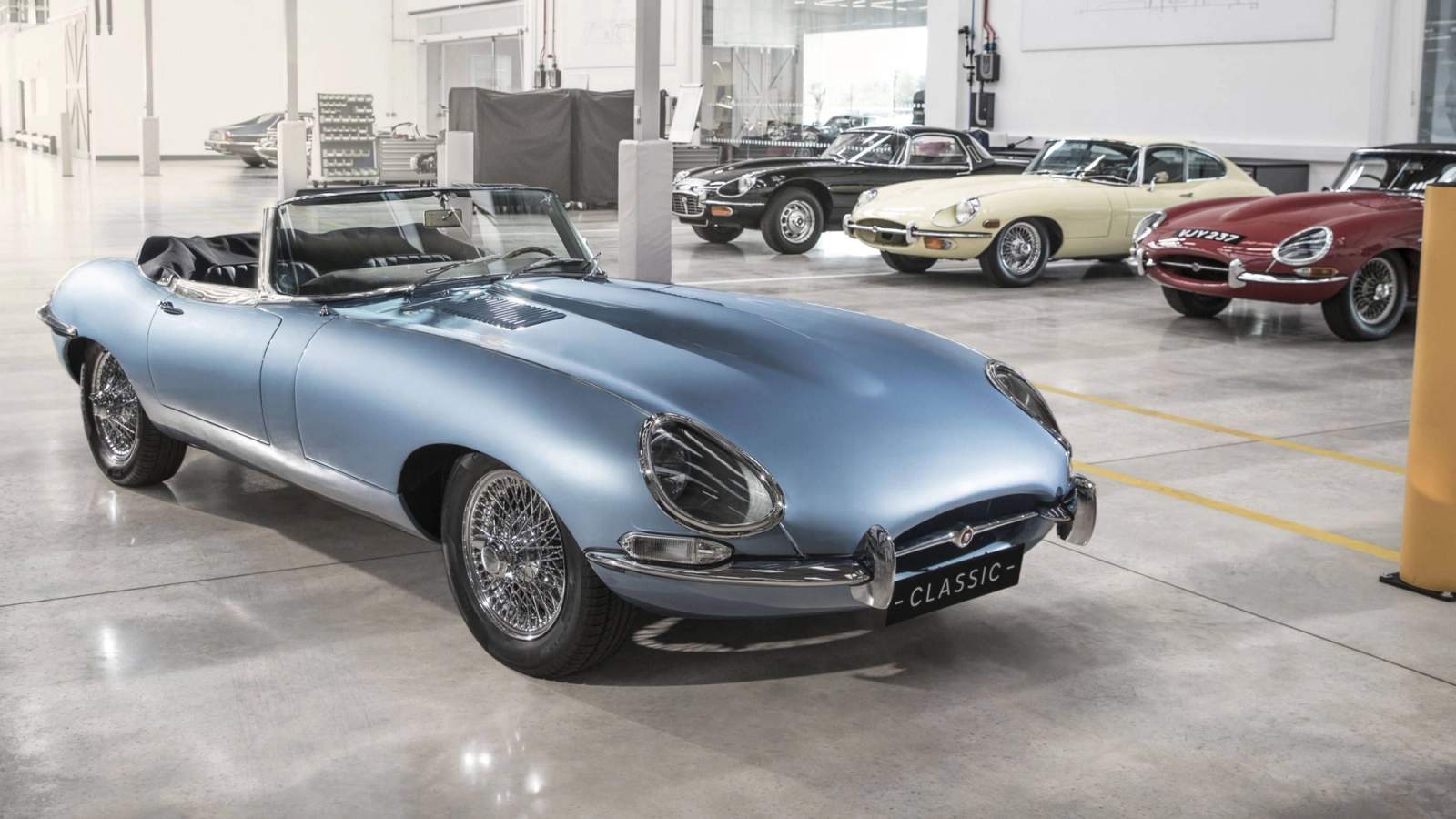
Beyond the financial perks, classic car ownership is really about something harder to quantify: the feeling of standing out from the crowd.
Modern cars are extraordinary feats of engineering. They are safer, more efficient, and more capable than anything their predecessors could manage. But walk into any car park today and you’d struggle to tell half the vehicles apart. The streamlined, regulation-driven shapes of contemporary cars have created a certain sameness that many drivers find uninspiring.
Classic cars reject all of that. They have character, individuality, and stories attached to them. Every scratch, every quirk, every imperfection has a history. Driving a classic is a sensory experience – the sound of the engine, the feel of the steering, the smell of the interior – that simply cannot be replicated by anything built in the last decade.
There’s also the social dimension. Classic car owners form a tight-knit, enthusiastic community. Shows, rallies, and club meets happen across the UK throughout the year, bringing together people who share a genuine passion for preserving motoring history.
What should you look for when buying a classic car?
Buying a classic car requires more homework than purchasing a modern used vehicle. The older a car is, the more important it becomes to understand its full history before handing over any money.
A thorough vehicle history check – often called an HPI check – is a sensible starting point. This will confirm whether the car has ever been written off or stolen, and highlight any discrepancies in the mileage record.
Beyond the paperwork, a classic car purchase often calls for a specialist inspection. A mechanic familiar with the specific model can assess the condition of the bodywork (rust is the enemy of most British classics), engine, drivetrain, and interior in a way that a general inspection cannot.
Key things to look out for include:
- Rust or hidden bodywork repairs, particularly around sills, wheel arches, and floor panels
- Evidence of accident damage or poor restoration work
- Whether the car retains its original parts, or has been modified
- A full service history or documented maintenance records
- Matching VIN and chassis numbers
The golden rule with classics is to buy the best example you can afford. Restoration projects can be rewarding, but they are rarely as cheap as they first appear – parts for older vehicles can be scarce and expensive, and specialist labour doesn’t come cheaply either.
Are classic cars a good investment?
Classic cars have historically held or increased in value over time, and some models have delivered extraordinary returns for patient owners. However, the market is unpredictable, and not every old car will appreciate. Condition, rarity, and desirability are the key drivers of value.
If investment is your primary goal, research carefully and seek specialist advice before buying. But most classic car owners will tell you the same thing: the real reward isn’t financial. It’s the pleasure of ownership, the thrill of the drive, and the knowledge that you’re keeping a piece of motoring history alive on the road.