What is a CVT?
If you’re in the market for a used automatic car, you may have come across the acronym, CVT? So, what does it mean?
The Cazoo editorial team
Published on 03 December 2025 | 1 min read
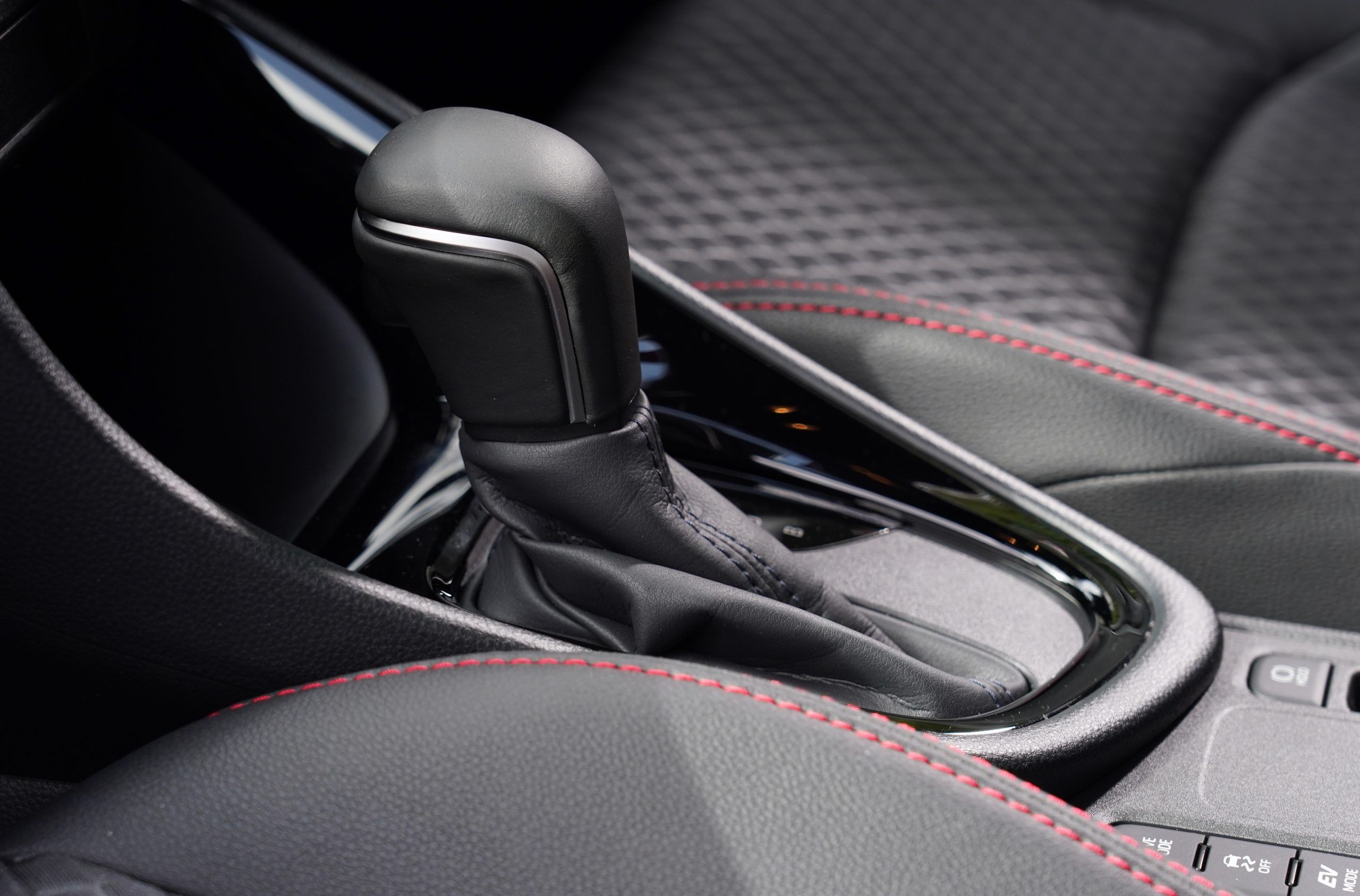
Automatic gearboxes are now the most common type of transmission fitted to modern cars.
They provide a much smoother and relaxing driving experience, with the driver not needing to worry about changing gears.
Not only are they easier to drive than a manual vehicle, but they are just as efficient too, which makes a vehicle fitted with an automatic gearbox and much more tempting propositions and there are loads of examples available through Cazoo.
However, you may have noticed that many automatic vehicles now use something called a CVT transmission. So, what is a CVT? What are the benefits? And, should you buy a second-hand car with a CVT gearbox?
Here is our guide to everything you need to know about CVT transmissions.
How does a CVT work?
Firstly, what does CVT stand for? CVT stands for ‘Continuously Variable Transmission’, and, unlike a standard automatic gearbox, it doesn’t use a number of different-sized cogs to enable the car to change gear.
Instead, a CVT gearbox uses a belt and cone-shaped gears, which create a much smoother and seamless experience. The belt continuously varies the ratio between the engine and the speed of the wheels, so the power band is always in the correct position.
A CVT gearbox is made up of two cone-shaped pulleys and a V-shaped drive belt, which is directly attached to the two pulleys.
One of the pulleys is connected to the vehicle’s engine and the other is linked to the wheels. When you press the accelerator, the vehicle will speed up, and the pulleys will move accordingly, depending on how much throttle input there is. The V-shaped belt is there to adjust and control how the engine pulley responds to the engine, which links to how the vehicle accelerates.
CVT gearboxes do not have any gear ratios, which means they tend to rev higher compared to standard automatic transmissions, as the engine revs are not directly related to the vehicle's wheel speed.
Many car manufacturers who use CVT transmissions have designed new ways of making these transmissions more advanced with ‘E-CVTs’.
An E-CVT stands for ‘Electronically Controlled Continuously Variable Transmission’ and it uses a planetary gear to rotate the wheels and an electrical system converted by the power from the petrol or diesel engine. This helps improve efficiency and noise under acceleration, with some E-CVT transmissions programmed to run up and down the rev band, to make the car sound like it’s changing gear, for a more refined experience.
What are the advantages to CVTs?
A CVT gearbox is designed to make your car a lot more fuel-efficient, which means cars with CVT transmissions tend to be more frugal and cheaper to run compared to a traditional automatic or manual car.
Just like an automatic, you don’t have to worry about changing gear, making the whole experience a lot easier in stop-start city driving. Also, the lack of gears from a CVT provides a more responsive drive and you don’t get any hesitations, jerks or jolts from the gearbox, which makes it much more comfortable and relaxing behind the wheel.
What are the disadvantages to CVTs?
With CVT gearboxes lacking gears, they tend to be a lot noisier under hard acceleration, as their purpose is to maximise the best efficiency through the car’s rev band, so they can be irritating on a long journey.
If a CVT gearbox fails, it can cost a lot of money to replace, and it won’t be as long-lasting, as the transmission is run from an elastic belt, which will deteriorate over time and will need replacing.
CVTs are not the best option for performance cars, as higher engine outputs tend to put more pressure on the elastic belt; CVTs are usually found in the lower-powered cars on the used market.
Search for used automatics on Cazoo
What car makers use CVT gearboxes?
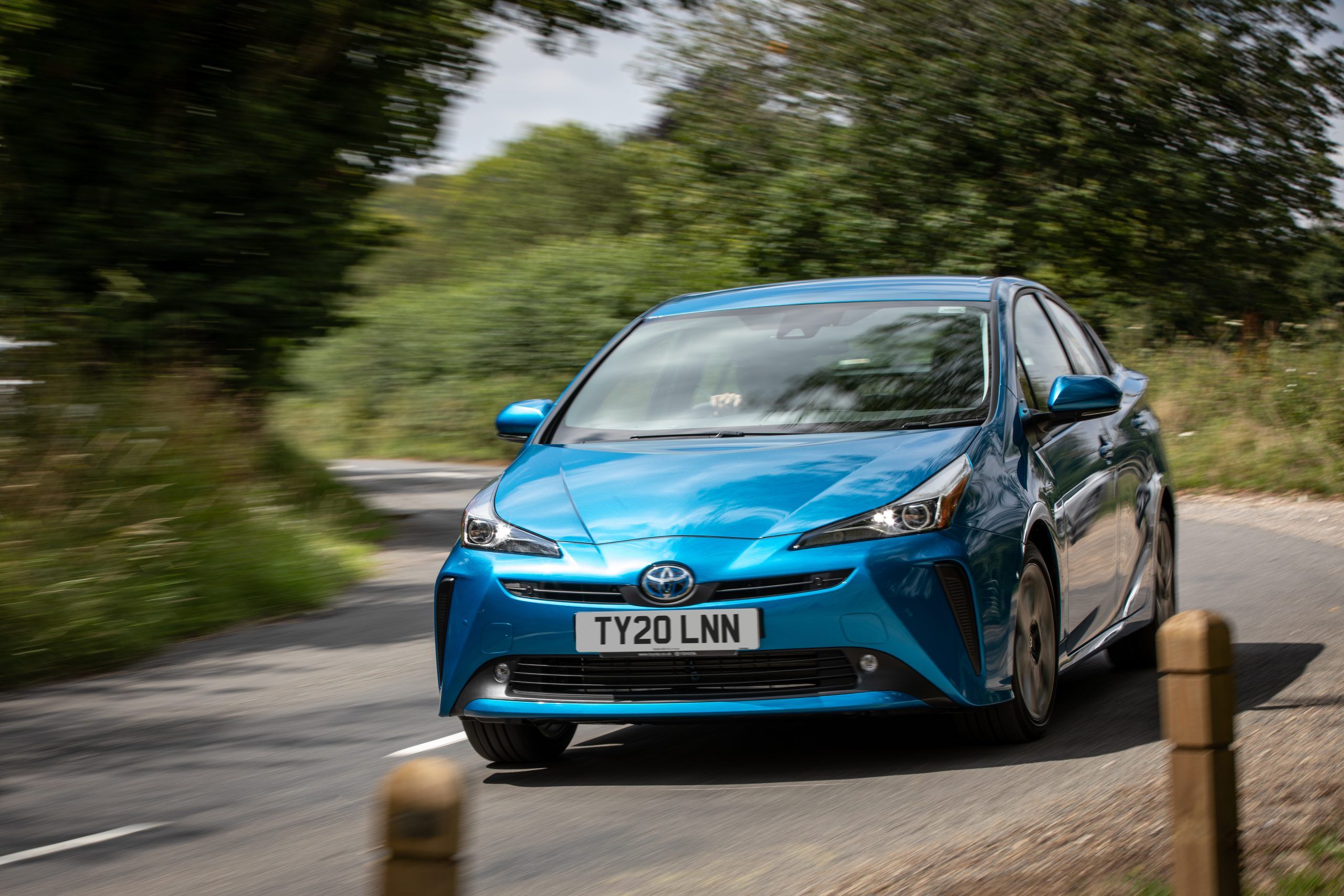
Japanese car manufacturers tend to be in favour of CVT transmissions the most. Toyota, for example, was one of the first firms to use a CVT gearbox in its passenger vehicles with the first-generation Prius Hybrid in 1997.
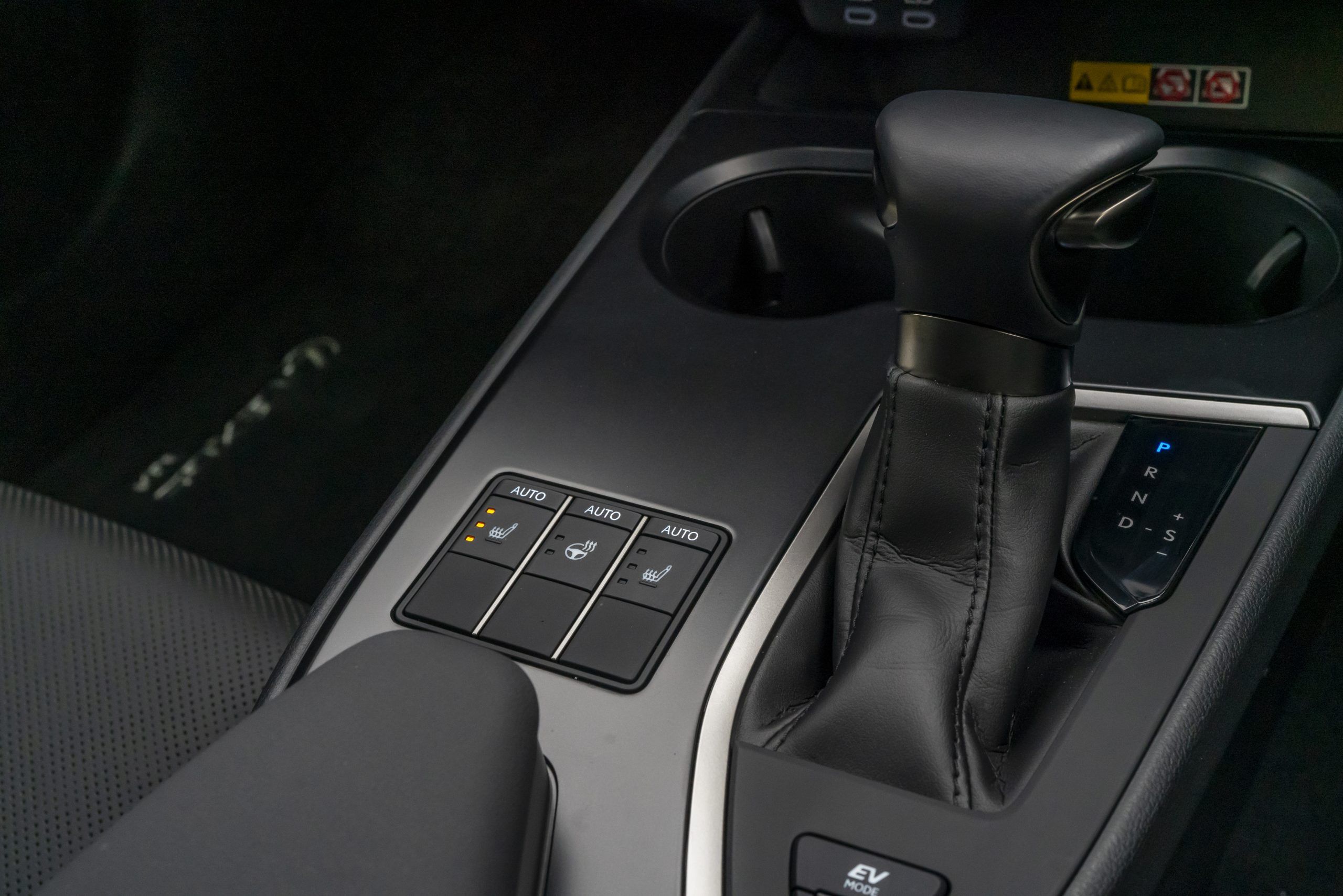
Toyota’s luxury sub-brand, Lexus, has also been using CVT transmissions in its hybrid cars since the mid-2000s.
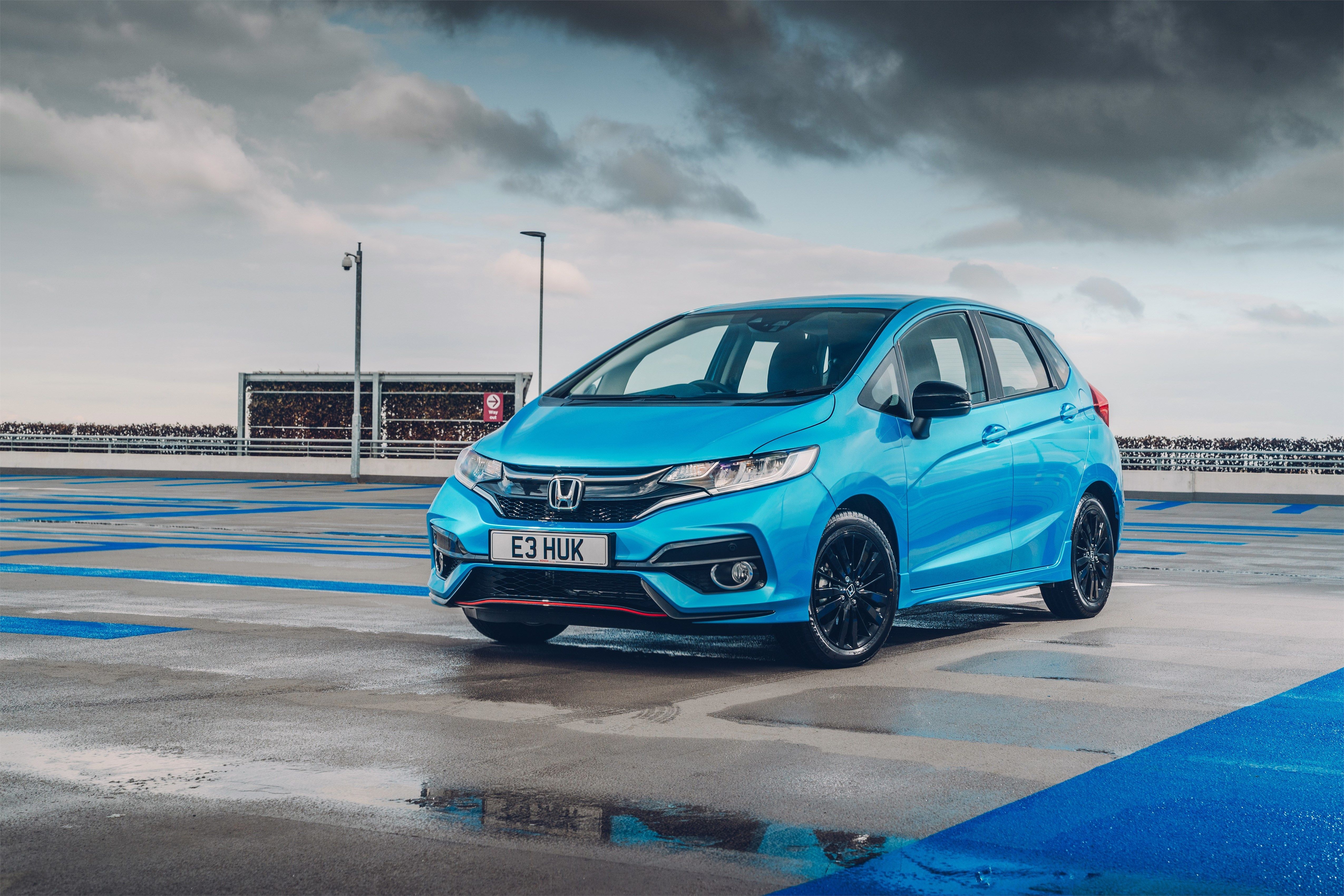
Honda is another car maker that began selling cars in the UK with CVT transmissions in 2001 with the Jazz.
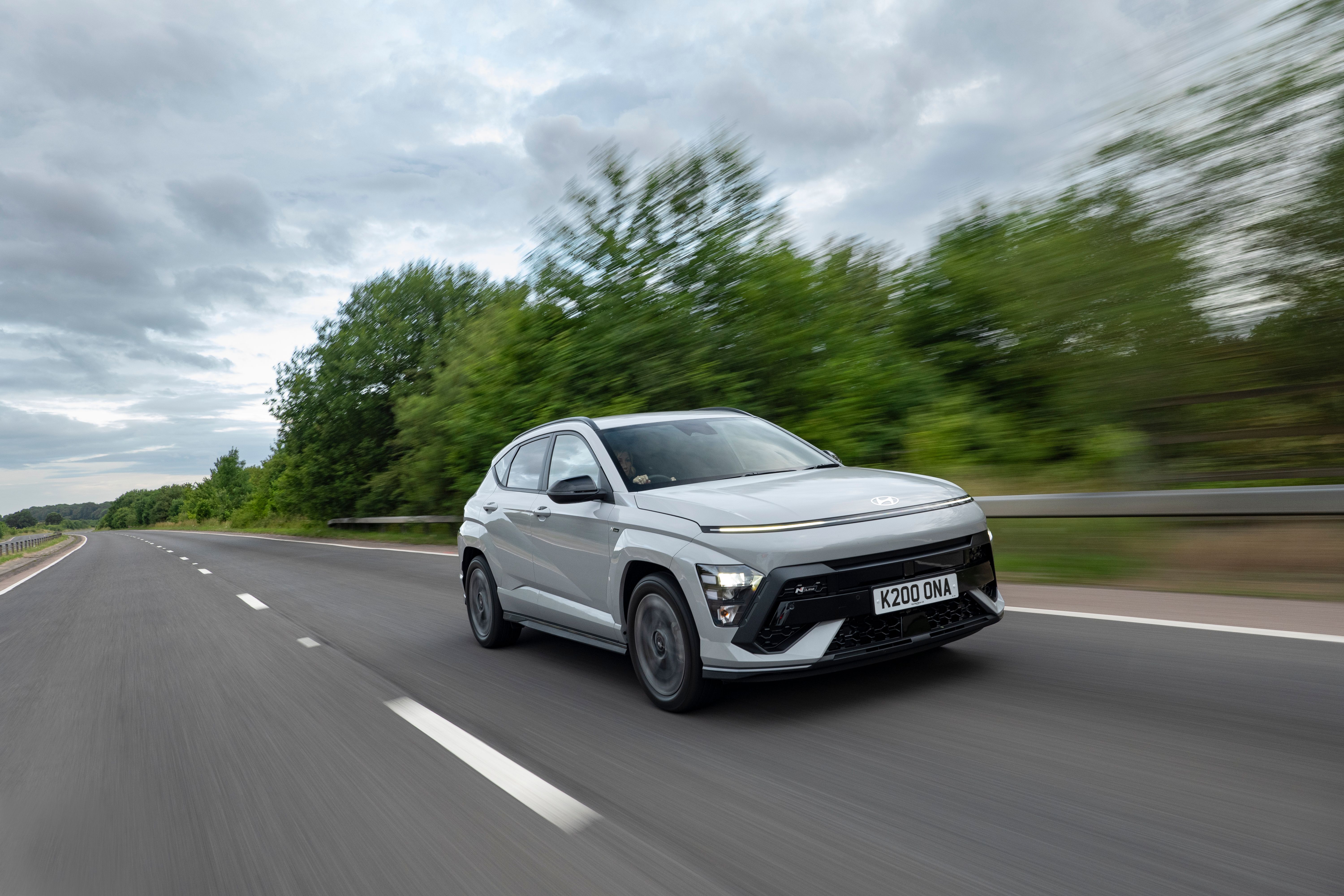
CVTs are most commonly found in hybrid powertrains because they are designed to improve fuel efficiency by allowing the engine to operate at its most efficient rev band.
Should you buy a second-hand car with a CVT transmission?
There is no reason why you shouldn’t buy a second-hand car with a CVT transmission.
There are a few checks you need to do before you buy, as faulty CVT gearboxes can be extremely expensive to replace.
Just like any gearbox, a CVT transmission will need to have regular fluid changes every 30,000 to 60,000 miles to keep everything lubricated and running smoothly.
Check that the car has got a full service history and that it’s had regular fluid changes. If it hasn’t, it’s a sign that the car has been neglected and could lead to premature gearbox failure.
Take the car out for a test drive and look for any hesitation or jerking when accelerating, as this could be a sign of worn CVT belts, contaminated transmission fluid or an issue with the transmission control function. If you notice any of these signs, walk away and look for another example of the car you're interested in.
If you do find a clean second-hand car with a CVT gearbox and it’s been well-looked after, mechanically and cosmetically, then it is a sensible, efficient and smart choice.