The top 10 most common driving test faults
The excitement and nerves of taking your driving test can lead to silly mistakes. So, what are the most common driving test faults in the UK?
The Cazoo editorial team
Published on 28 November 2025 | 1 min read
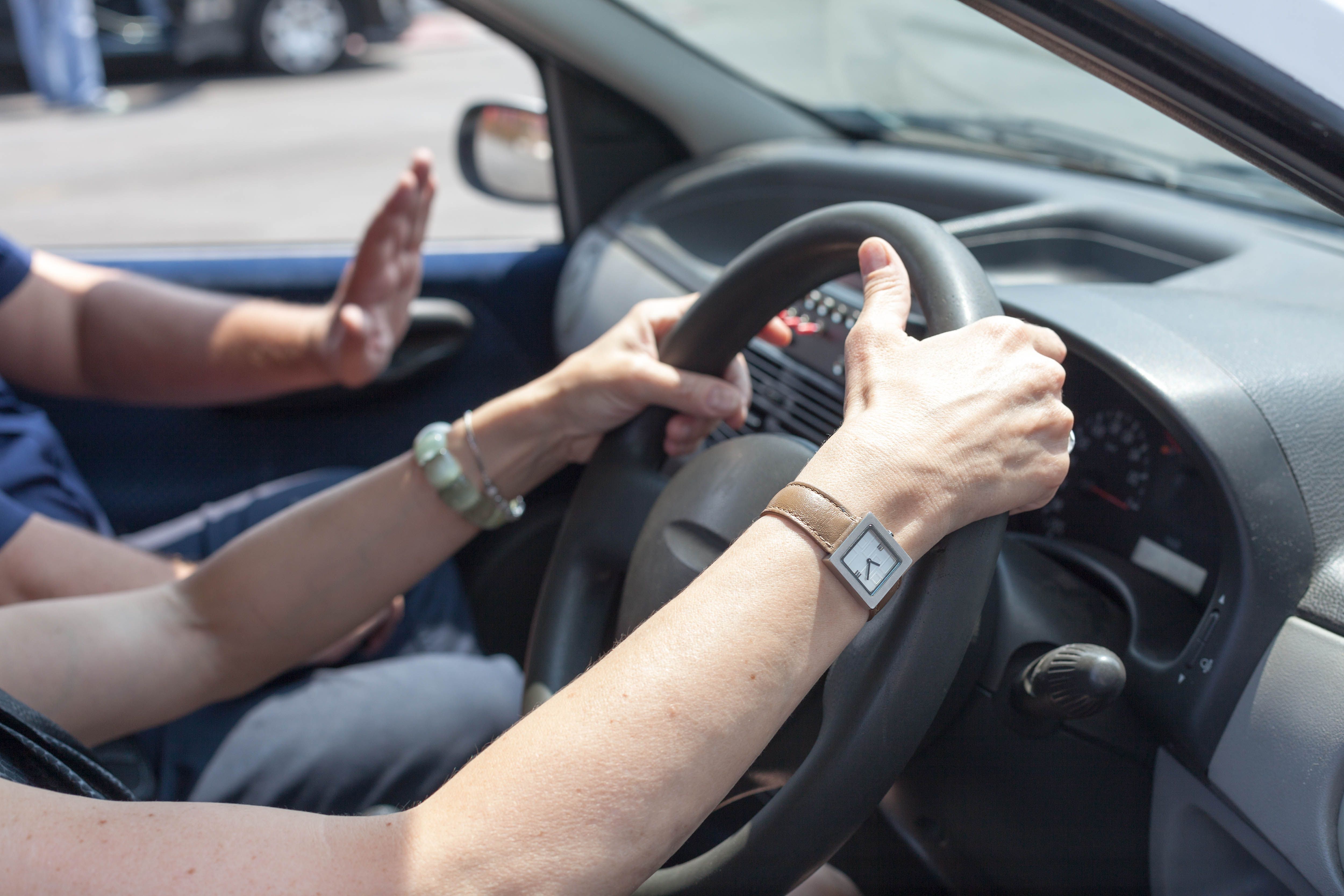
Learning to drive is one of life’s most exciting moments.
The gateway to freedom and you driving around in your own set of wheels, can be a very satisfying feeling.
However, before you’re able to venture out onto the open roads as a solo driver, you will need to complete a theory and practical driving test.
The driving test has been mandatory for all new drivers in the UK since 1935, and consists of a series of town, city and suburban driving with a few parking manoeuvres thrown in to test your ability to control a motor vehicle.
The driving test can be a nerve-wracking experience, which means that many of us can slip up and make some mistakes along the way.
So, what are the most common mistakes made in driving tests? We’ve compiled a list of the top 10 most common faults in British driving tests.
Not making enough observations at junctions
As a new driver, you’re going to be nervous when you’re behind the wheel, with the most common driving test fault being made from not making enough observations at junctions.
This consists of not looking left to right at a junction frequently, looking too late, failing to judge the speed of an oncoming vehicle and making no observations when joining a dual carriageway from a slip road.
Failing to give an observation at a junction can cause an accident as you won’t have had enough time to judge the oncoming vehicle’s speed or even see it at all.
Search for used cars on Cazoo


Not using your mirrors correctly when changing lane and direction
Mirrors are your best friend in the British driving test as ‘mirror, signal, manoeuvre’ is a driving routine which makes you a safer driver and should be used every time you change your speed or position on the road.
Many new drivers fail to use their mirrors in the most important driving situations such as exiting a roundabout, changing lane on a dual carriageway or changing lane on a roundabout when a vehicle is directly alongside.
The lack of mirror checking is dangerous as your spatial awareness will be reduced, causing a higher risk for you to pull out into oncoming traffic or cutting other drivers up on a dual carriageway.
Search for used cars on Cazo
Poor road positioning
Driving on the road is dangerous, and it’s made even worse if you’re not positioned correctly when using it.
Poor road positioning is another common driving test fault where a driver will drive too close to the kerb, centre of the road, or when driving on the right-hand side of a dual carriageway, also known as ‘lane hogging’.
Make sure that you drive in the left-hand lane and position your car in the centre of your half of the road.

Not moving off safely and smoothly
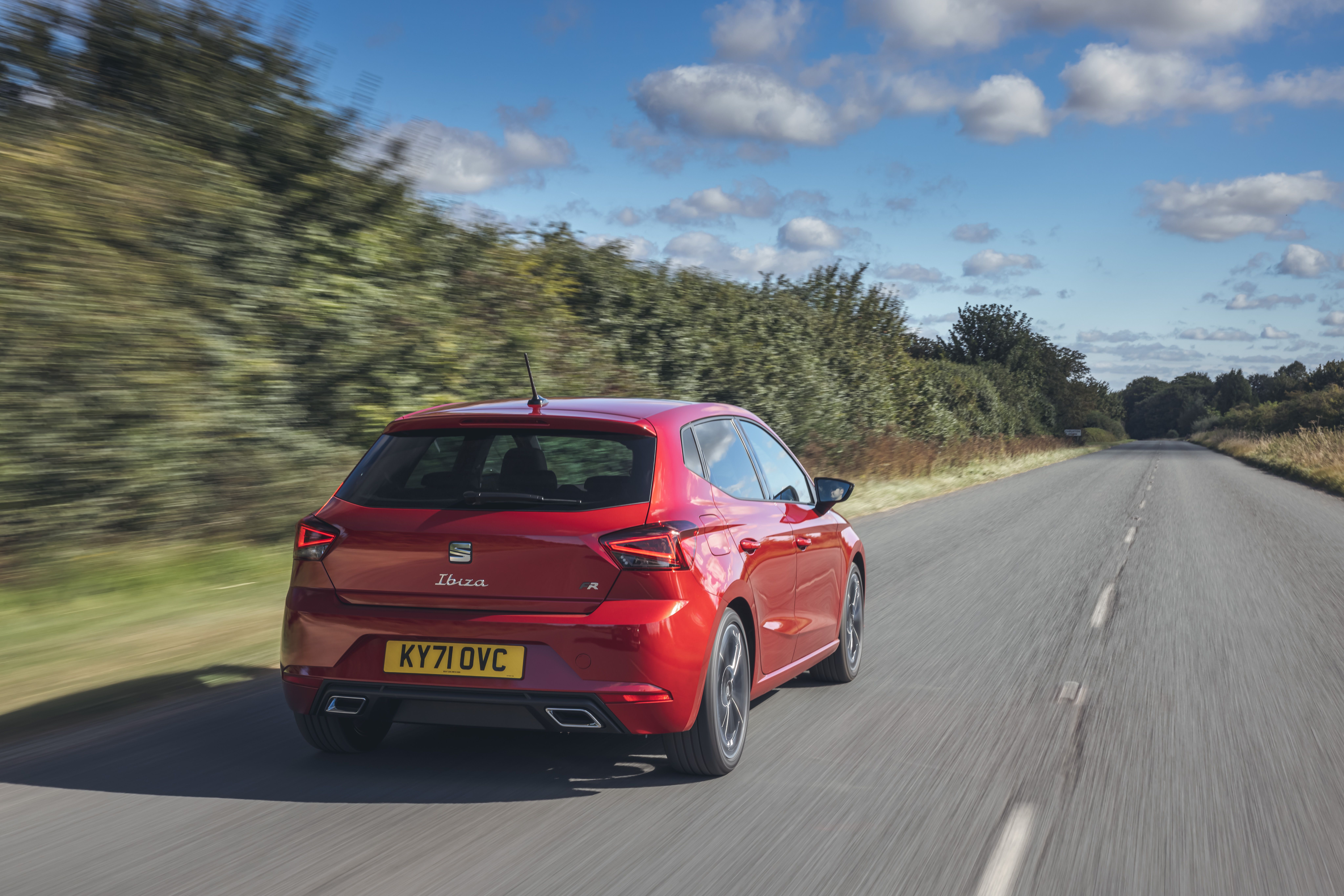
Not moving off from being stationary is a dangerous fault that affects many new drivers.
Examples of this are pulling out of a side road without looking at your blind spots, pulling out of a space behind a parked car into the path of an oncoming motorist, and not making any observation after the encounter of an emergency stop.
Check your blind spots multiple times before pulling out of a junction, changing lanes on a dual carriageway or when you’re coming out of a parking space.
Also, always check your surroundings once you’ve conducted an emergency stop, as you never know what hazards might be ahead.
Not reading sign signposts correctly
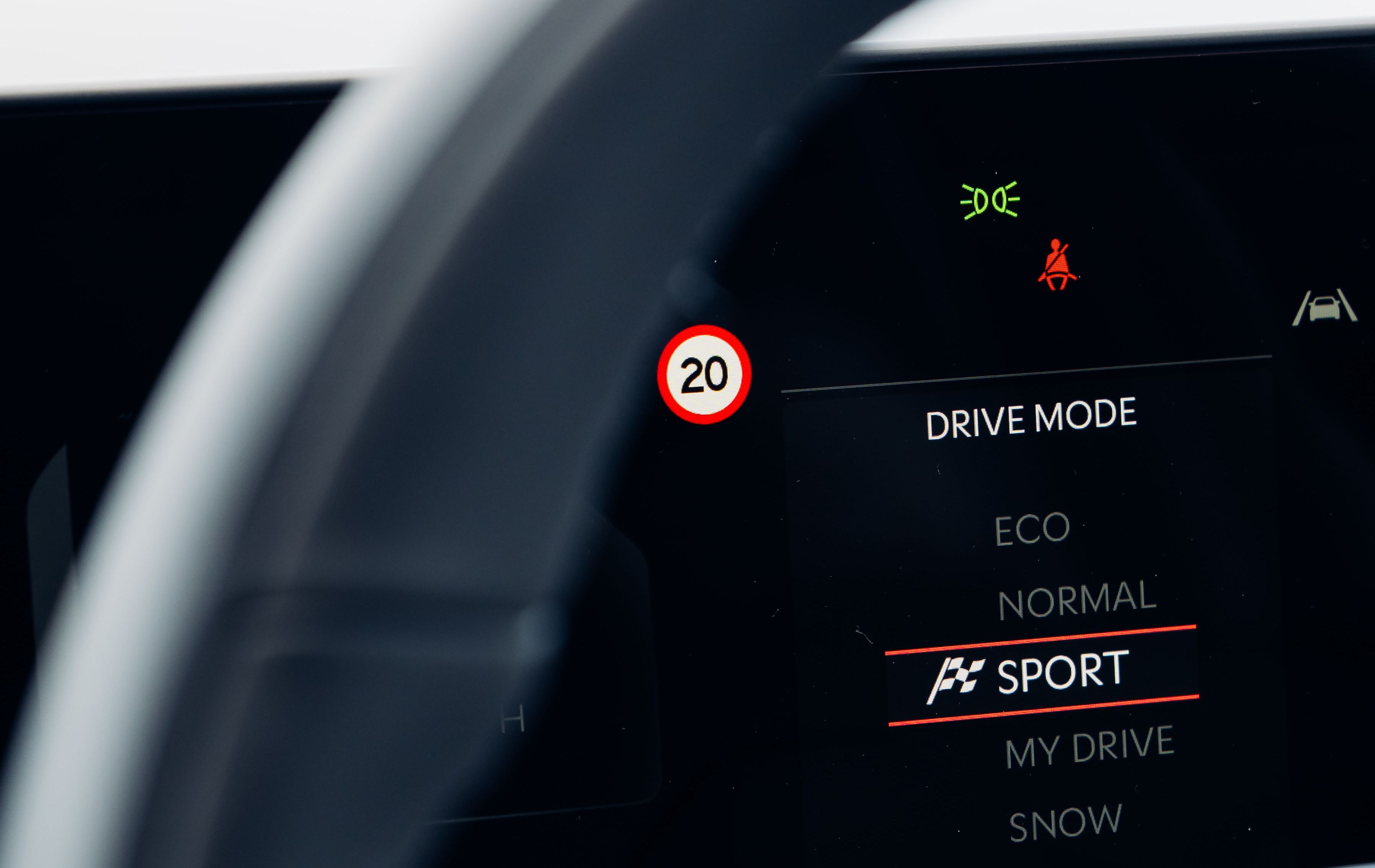
As part of the driving theory test, you need to know what signposts mean and stand for.
There are plenty of new drivers during their driving test who misread road signs, which can lead to them driving in the wrong direction, hesitation at a junction, or worse, an accident.
Some examples of incorrect signpost readings include driving in bus lanes, ignoring ‘stop’ and ‘no entry’ signs, not obeying speed limits and choosing the wrong lane at a roundabout.
Not obeying road markings
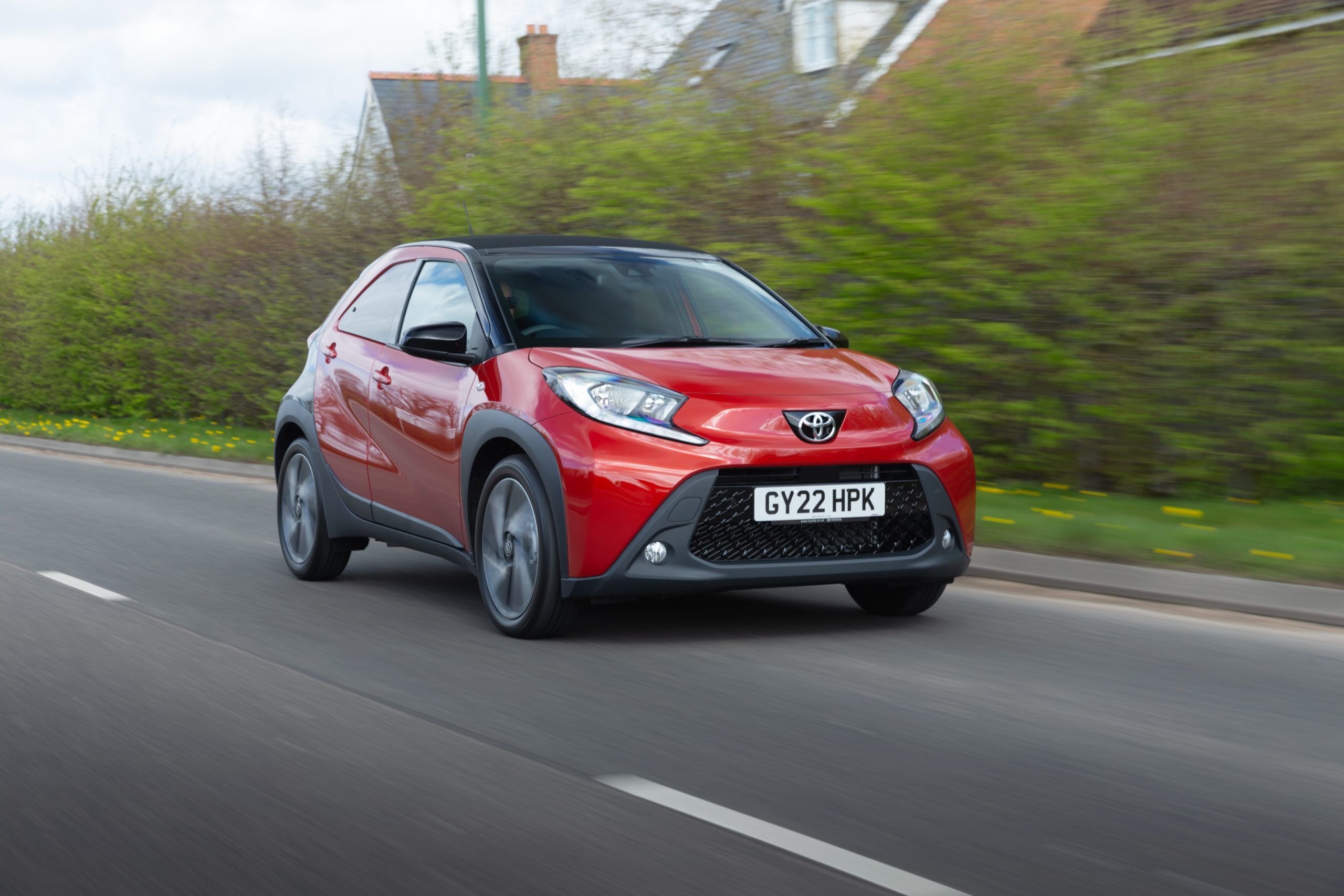
Reading road markings can also be ignored during a driving test with drivers not following direction arrows on a road, stopping in a yellow box junction, not following road markings at a mini roundabout or straddling lanes on a main roundabout.
Road markings are designed to separate traffic into different lanes and to warn of hazards and indicate rules for stopping and overtaking. Ignoring road markings is dangerous as it can lead to an accident.
Not controlling your vehicle correctly when reverse parking
Learning to drive a car is not always about mastering the control of driving forward. You need to be able to control the car when reversing, too.
When it comes to reverse parking, it takes time to learn where to position the vehicle, while feathering the accelerator, brake and clutch pedal.
Parallel parking is a common manoeuvre in the British driving test that many new drivers get wrong. Examples of this are mounting the kerb with the car’s tyres, too many attempts to reposition the vehicle once it’s parked and turning too sharply when reversing into the space, which plays dividends with the car’s road positioning.
Also, reversing into a bay parking spot always catches drivers out by losing control of the car with too much throttle input and parking outside of the bay, as a driver hasn’t checked their mirrors and adjusted them incorrectly.


Not responding to traffic lights correctly
Traffic lights are designed to manage the flow of traffic at junctions and road crossings, to help reduce accidents and to allow other road users to know when it’s safe to cross the path of other vehicles.
Sadly, many learner drivers don’t obey the use of traffic lights correctly, with many common faults being failing to stop at a red light, slow reaction times once the green light has shown, going ahead on green when the junction is not clear and creeping into designated cycle lane boxes.
Poor positioning when making a right turn
Here in the UK, when approaching a junction or roundabout, you should always give way to the right.
In the British driving test, you can fail the exam by not stopping at a roundabout to give way to the right, if a car is approaching.
When it comes to turning right at a junction, common faults in learner drivers are obstructing traffic as you wait to turn right, which can affect the flow of traffic.
Poor road positioning and placing the vehicle too close to the left-hand side of the road to turn right, or sitting in the left-hand lane if you want to turn right on a roundabout, can lead to hesitation, slow traffic flow or worse, can cause an accident.


Lazy steering input
No matter if you’ve passed your driving test or not, you should always keep both hands on the steering wheel at all times and make sure you put enough steering input into a corner.
A common driving test fault here in the UK is when a learner driver steers too late when turning right into a narrow road, not steering enough when going round a bend and steering late when moving out to pass parked vehicles.
Another common and dangerous fault is when drivers pull up on the left-hand side of the road and mount the pavement with the vehicle’s tyre.