Passing your motorcycle test: What you need to know
Passing your motorcycle test is something exciting, but there are some things to bear in mind before you start the process - let’s find out what they are.
The Cazoo editorial team
Published on 26 February 2026 | 4 mins read
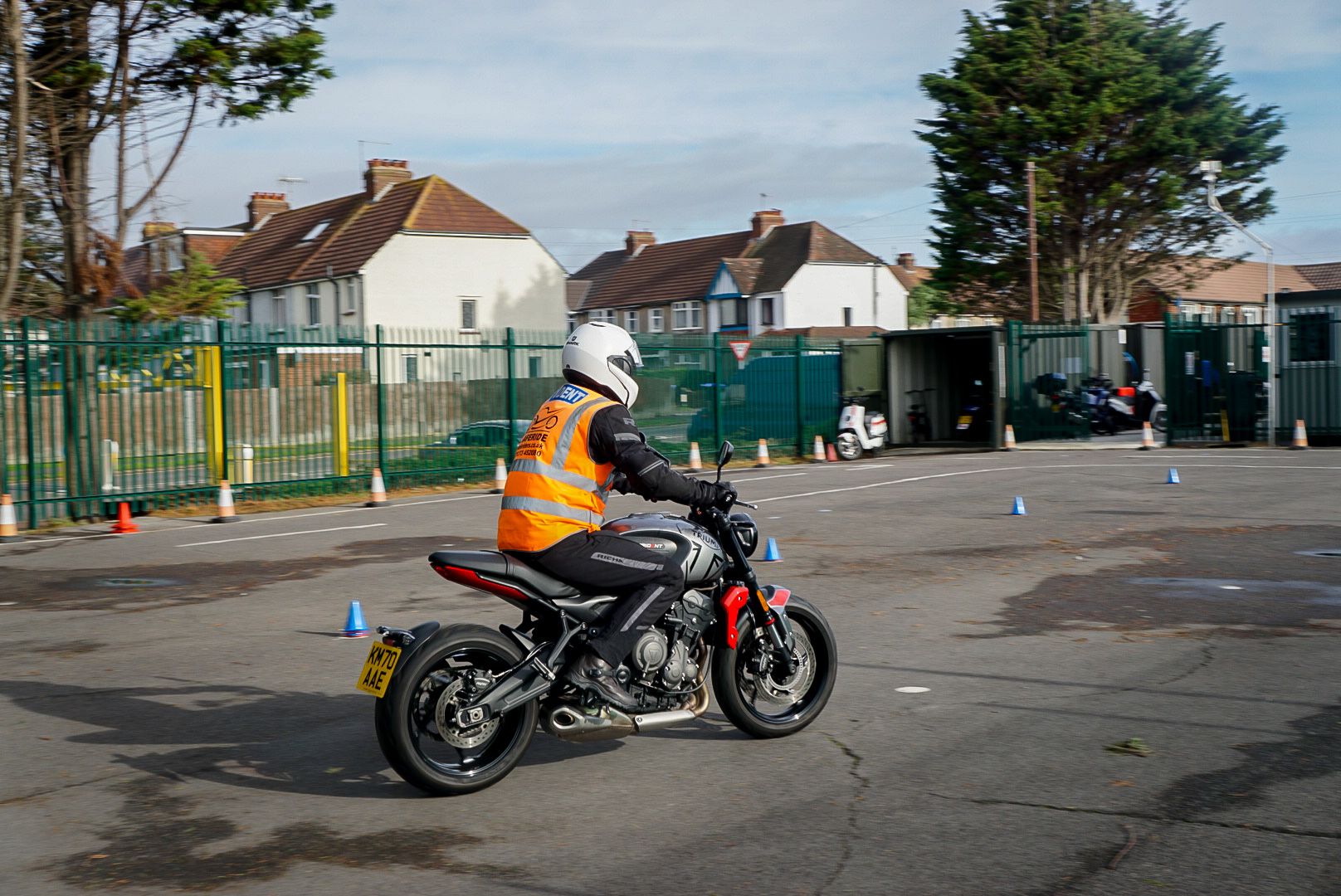
Getting your full motorcycle licence is an exciting journey. Whether you’re graduating from a car or looking to start your adventures on two wheels, passing your motorcycle test can be both exhilarating and a little daunting.
Compared to a standard car test, a motorcycle test does introduce a few more steps to consider. Worried about what lies ahead? There’s no need - we’ve got all of the tips you need to bear in mind.
Get a provisional licence
If you’ve never passed any formal driving qualification before, then you’ll need a provisional licence - so apply for one before starting anything. If you already have a full UK licence, then you can continue the process and, at the end, your licence will be updated if you pass your test.
If you passed your driving test before February 1, 2001, you can legally ride a model of up to 50cc without L-plates and without the need for a CBT course. However, for everyone else - or if you want to ride something with a larger engine - head to the next step.
Start with CBT
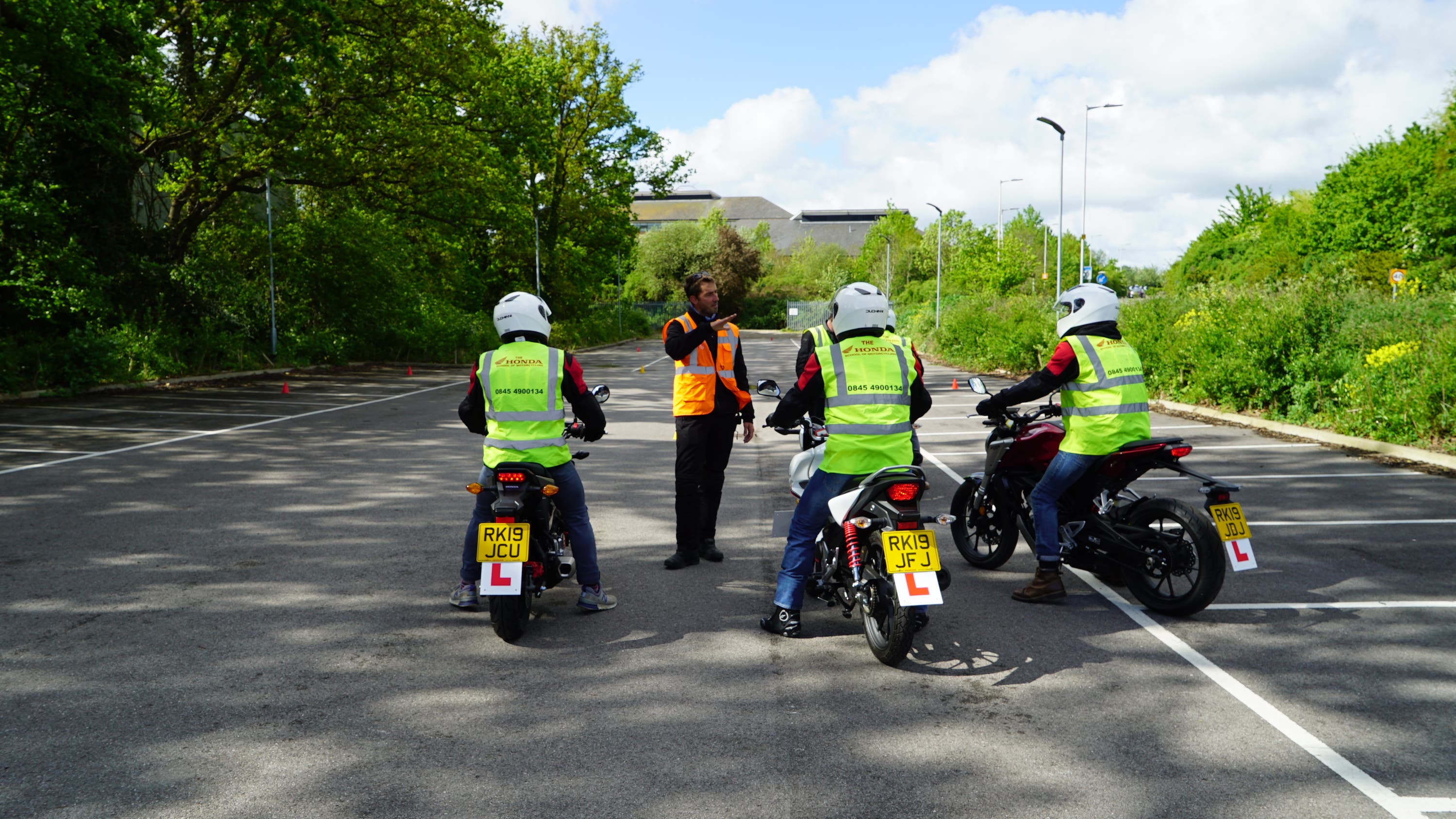
All riders looking to gain a licence in the UK will need to complete a CBT. Standing for Compulsory Basic Training, this training procedure isn’t a test as such, but is instead a way of getting new riders used to life on two wheels. Trained instructors will be in attendance, and they’ll show you the basic operation of a motorcycle.
Things will start with some slow-speed riding on private land and, if you’re able to, will move to the public road where the instructor will check that you’re safe to ride.
Once completed, new bikers will be able to ride a motorcycle up to a maximum capacity of 125cc. Those aged 16 will be ride up to a 50cc motorcycle. L-plates will need to be used, too. It’s also valid for two years, after which point you’ll need to finish another CBT. Riders with a CBT cannot carry a pillion or ride on the motorway.
Choose which route you’re going to take
Which licence route you take will depend on your age. Let’s take a look.
Direct route
- AM
An AM licence permits you to ride a 50cc motorcycle if you are aged 16 or over.
- A1
An A1 licence allows you to ride a bike of up to 125cc if you’re aged 17 or over.
- A2
The A2 licence restricts those who are aged 19 and over to ride a bike of a power capacity up to 35kW
- A
This licence allows you to ride any motorcycle of any size engine if you are 24 or over
Progressive route
If you’d like to do things more progressively, then you can take each test as you age and gain riding experience as you go. It means that those who are 16 and pass their AM licence can work their way through each category and, if all levels are passed, will be able to get their full A licence at 21, as opposed to 24. This route refreshes the licence stages to the following:
- AM
This permits you to ride a 50cc motorcycle if you are aged 16 or over
- A1
This licence allows you to ride a 125cc if you are 17 or over
- A2
This will allow you to ride a motorcycle with a power output of up to 35kW if you are 19 or over
- A
This will allow you to ride any bike with any size of engine if you’re aged over 21 and have held your A2 licence for two years or more
Pass the theory test
For all tests, you’ll need to complete a theory test. If you’re planning on riding a 50cc bike, then you can take it once you’ve turned 16 or, if you’re looking to ride anything larger, then it’s from your 17th birthday onwards.
You’ll be able to book your theory test online and get a time slot at a centre near you. Once you’re at the test centre, you’ll need to bring your photocard licence - either your provisional or full UK driving licence - otherwise you won’t be able to complete the exam.
The test consists of a 50-question multiple-choice section that you’ll need to answer in 57 minutes.
Then, there’s a hazard perception test. It’s a video-based examination and you’ll have to spot hazards on the road ahead, clicking a computer mouse each time you see one.
To pass, you’ll need to score at least 43 points out of 50 for the multiple choice and 44 out of 75 for the hazard perception. If you pass, you’ll be issued with a pass certificate by the test centre and you’ll need to have this when you book and undertake your full motorcycle test.
Consider lessons
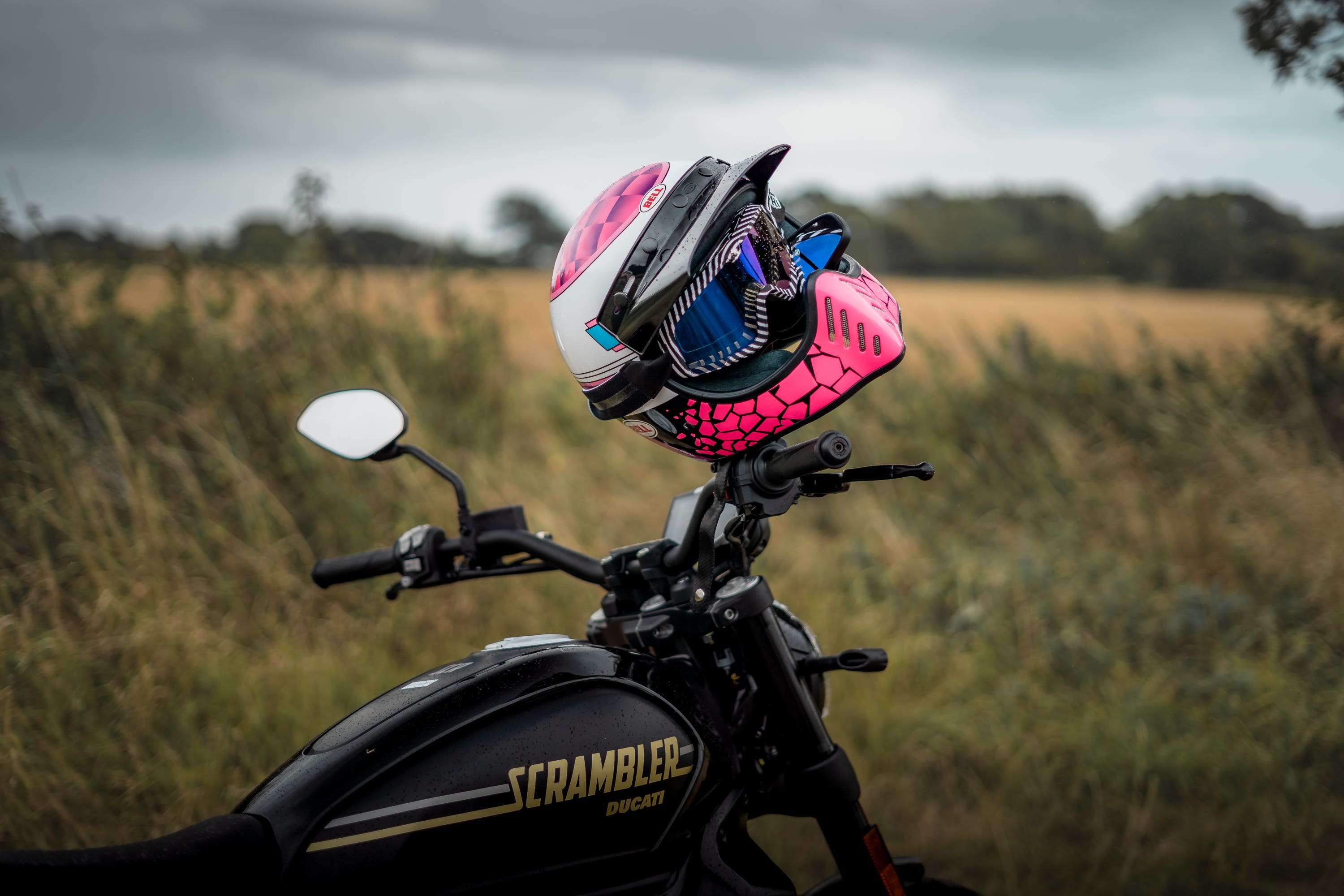
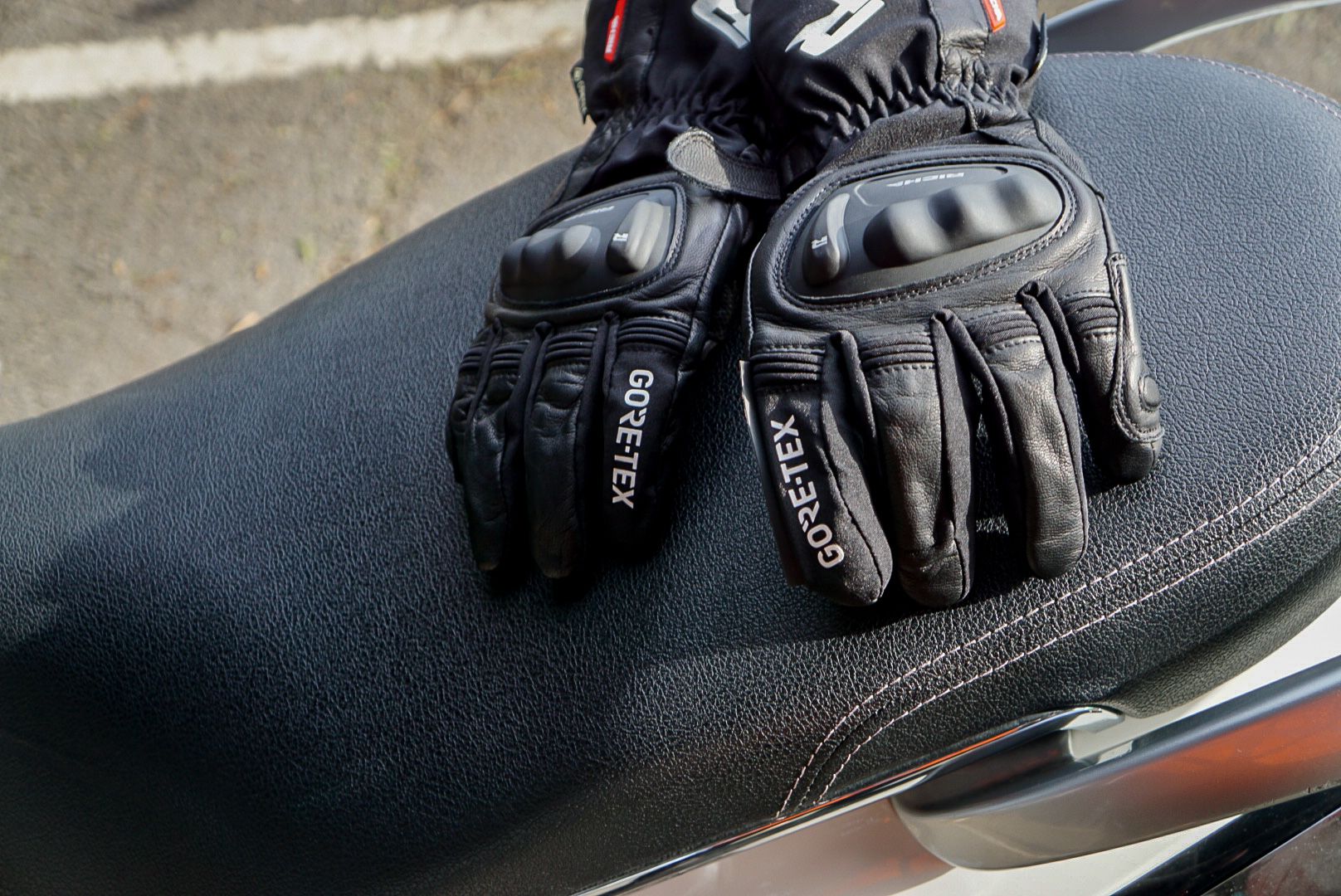
Lessons are an important way of gaining valuable experience with trained instructors on hand. There are many motorcycle training schools based up and down the country, so find one nearby and get in touch. Most will be able to supply you with equipment, though, if you’re planning on riding more frequently once you’ve passed your test, it could be a good idea to start buying your own kit. A helmet and gloves are a good place to start.
Mod 1 examination
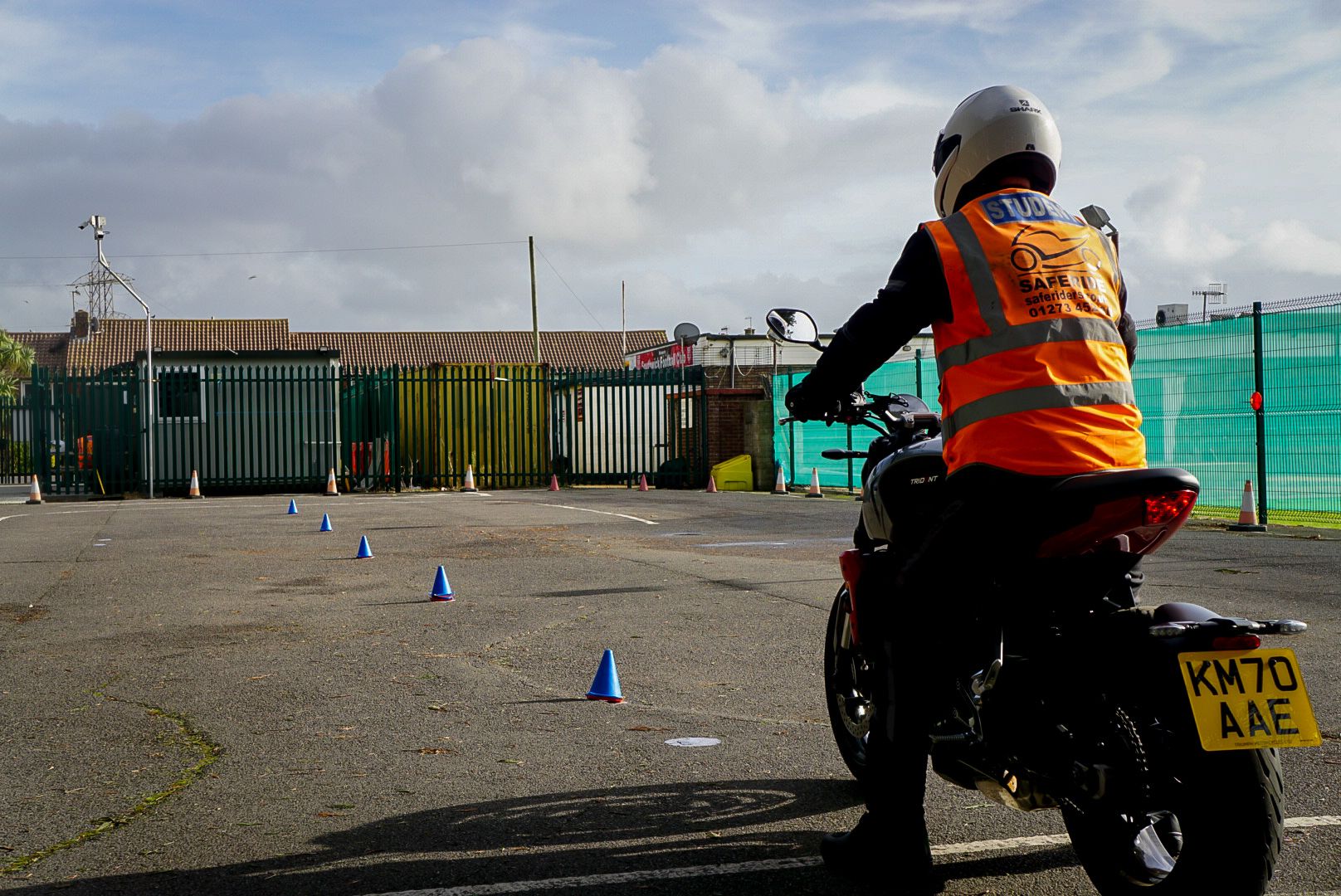
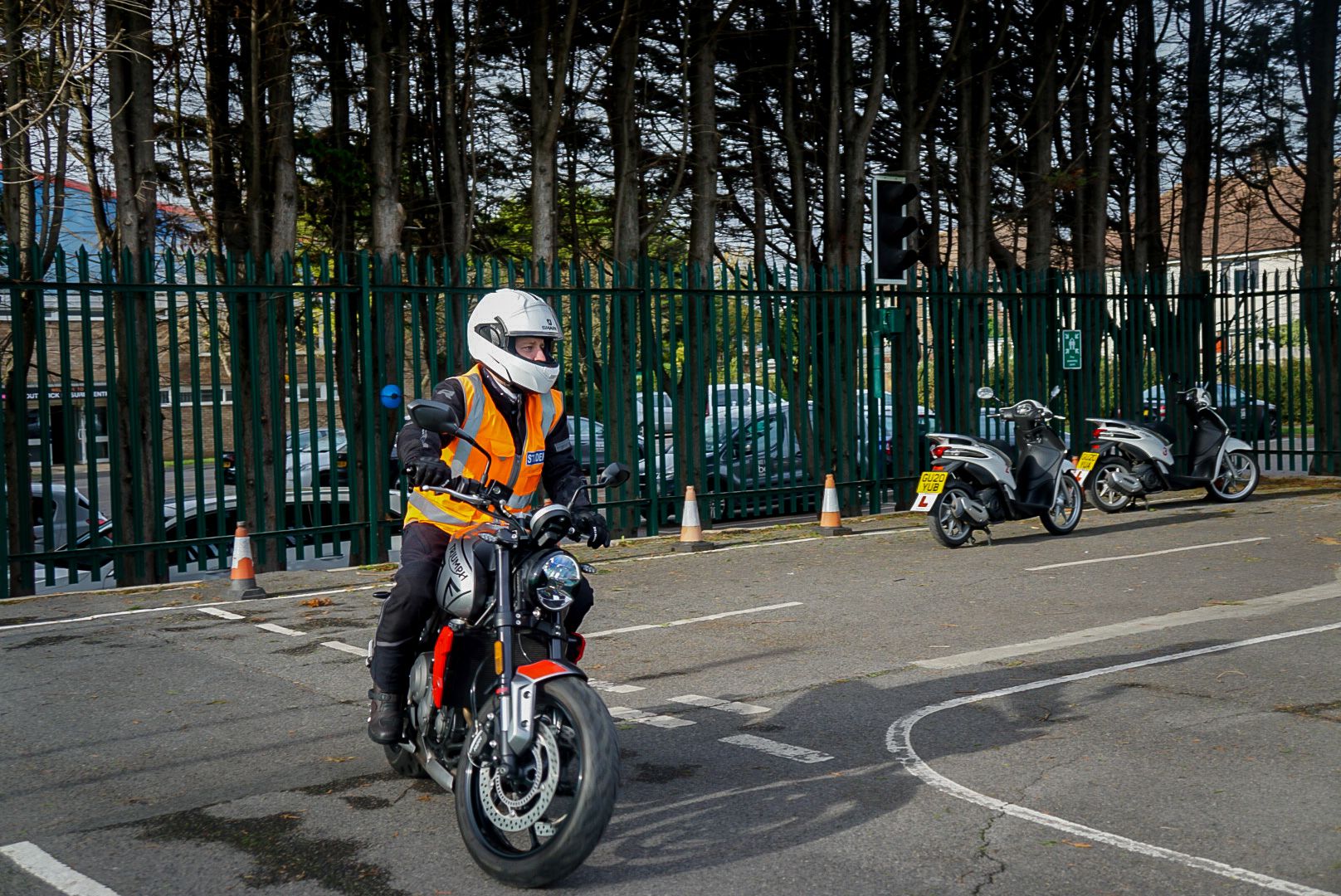
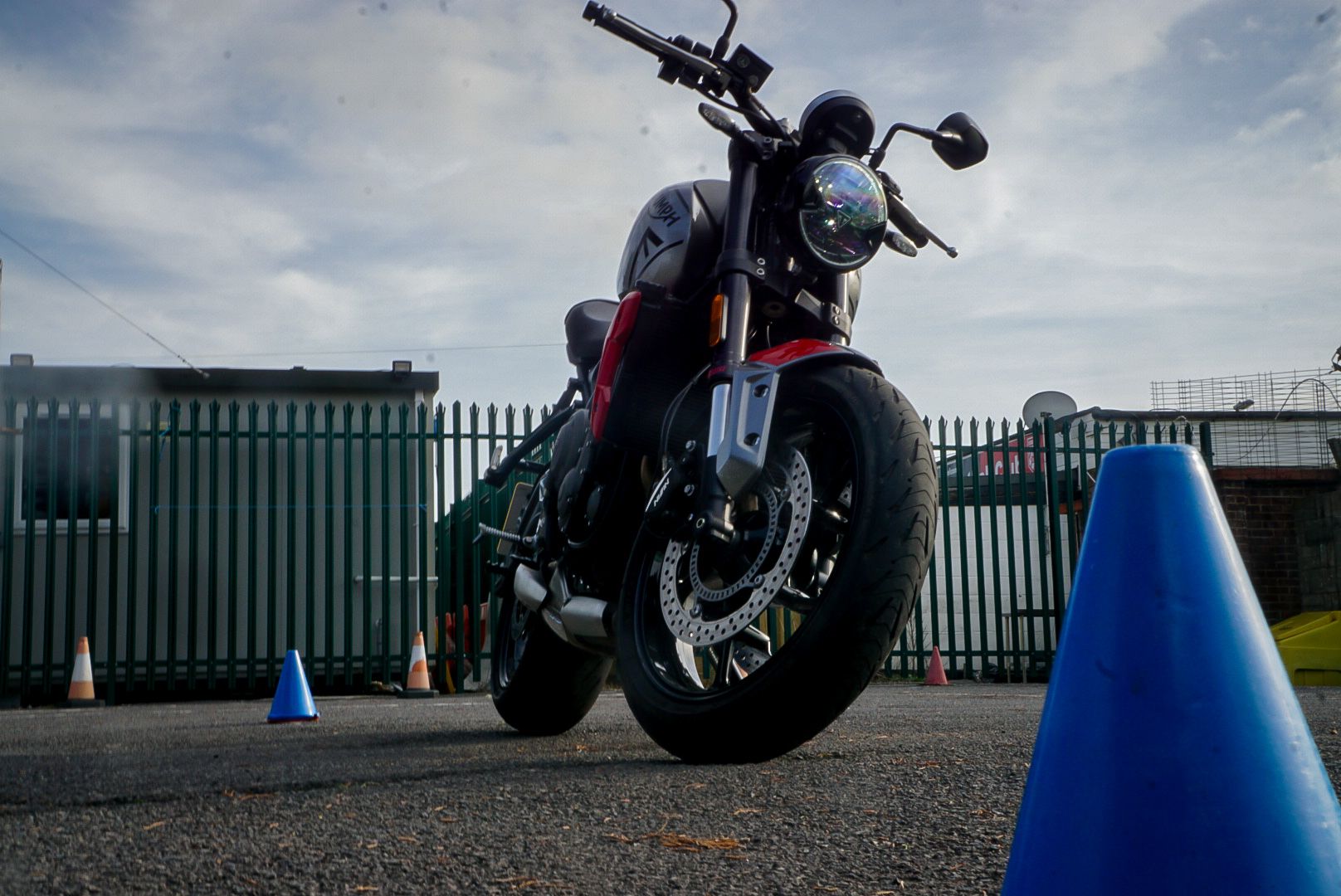
The first part of a motorcycle test is the Mod 1 examination. It’s a 20-minute riding session undertaken off the main road and has been designed to test a variety of skills required for riding on the road. You’ll be asked to wheel and position a moped or motorcycle and use the stand.
You’ll then be asked to ride in a slalom and a figure of 8, showing low-speed control and good operation of the clutch and brakes. You’ll also be asked to conduct a slow-speed ride in a straight line while maintaining control.
A U-turn will also be required in the examination, as well as cornering and a controlled stop.Usually, towards the end of the test, you’ll be asked to safely perform some high-speed cornering and an emergency stop, where you’ll have to travel through a speed gate - which detects how quickly you’re travelling - when going at least 19mph for mopeds and 31mph for motorcycles. You’ll need to demonstrate hazard avoidance, which is usually demonstrated
Mod 2 examination
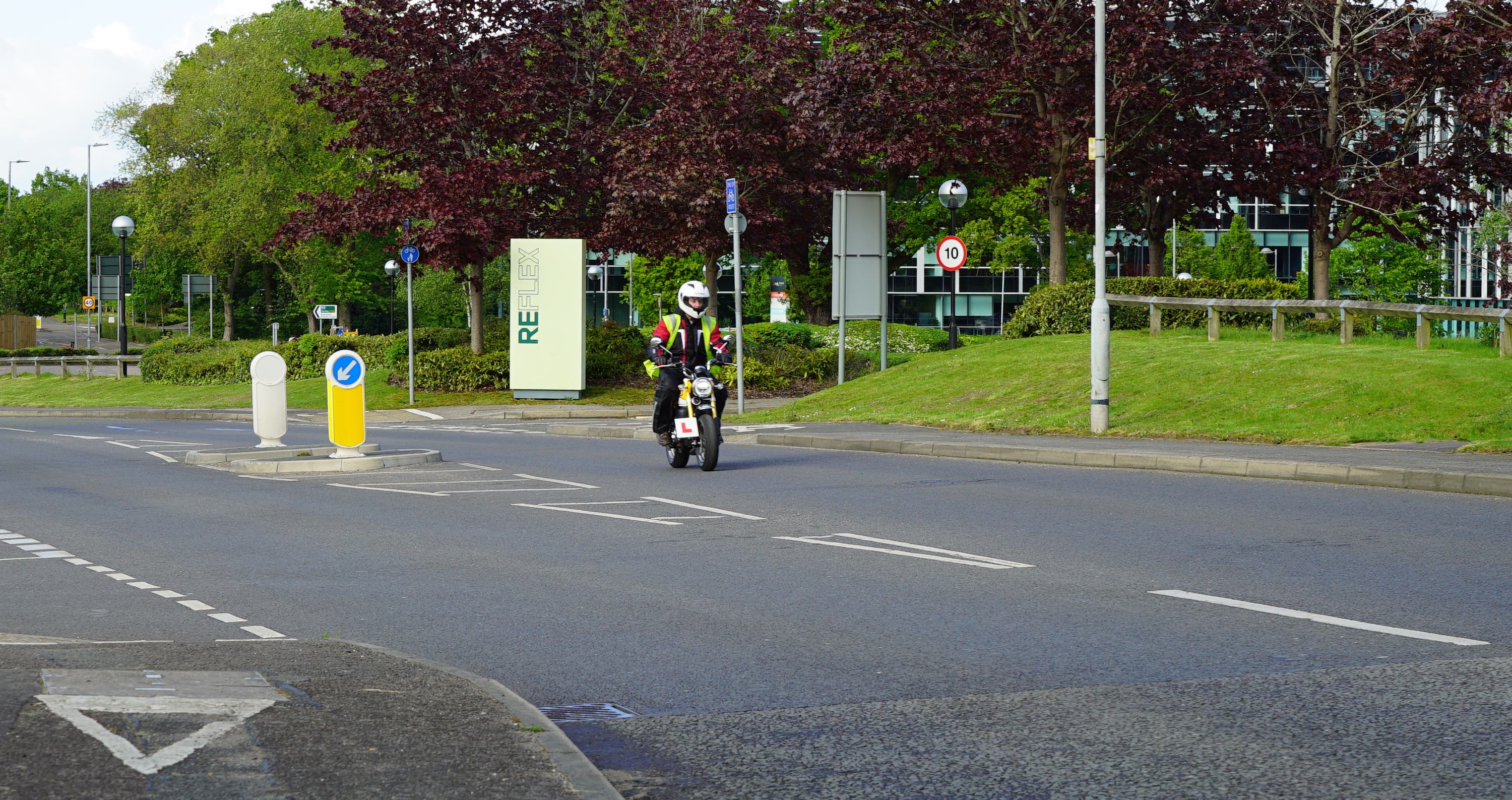
The second part of the practical examination is called Module 2, or Mod 2. It’s usually conducted on a separate date from your Mod 1, and you’ll only be able to do it once you’ve passed that first part of the test. It’s a 40-minute on-road examination, during which you’ll be observed by an examiner who is following behind you on a motorcycle or in a car. They’ll be able to give you instructions via a headset, but you won’t be able to speak to them.
Before the practical part of the test, you’ll need to complete a series of examinations. First, there’s an eyesight check to make sure you can read a plate 20 metres away. If you can’t, you’ll fail immediately.
Then, there are two ‘show me, tell me’ questions about the mechanical aspects of the motorcycle. They might be how to operate the horn, or how you’d check the condition of the bike’s chain.
After that, you’ll start the practical section of the test. For this part, you’ll travel through a variety of roads - avoiding motorways - while the examiner gives you instructions. You’ll also be asked to perform specific manoeuvres, depending on the riding situation.
Then, there’s a 10-minute period of independent riding. The examiner will give you directions, but will otherwise leave you to ride as you would normally. They’ll be assessing how safely you travel. If you miss an examiner’s directions, don’t panic - you won’t fail the test if you take the wrong turn. Instead, remain calm and carry on riding safely until you hear their next instruction.
At the end of the exam, you’ll be told whether you have passed or failed. If you’ve passed, then you’ll have to submit your licence to have it updated with its new rating. If you’ve failed, then the examiner will be able to talk you through the areas where you could improve and you’ll have to wait 10 working days before you can take the test again.