Hybrid, mild hybrid or plug-in hybrid: which should you choose?
Three types of hybrid. One right answer for you. Here's how to tell them apart – and which to go for.
The Cazoo editorial team
Published on 31 May 2026 | 6 mins read

With so many electrified cars on the market, it can be hard to know where to start. Hybrid, mild hybrid, plug-in hybrid – they all sound similar, but the differences between them are bigger than you might think. Whether you’re trying to cut your fuel bills, reduce your carbon footprint, or simply get to grips with what’s actually available, this guide breaks it all down in plain English.
The good news is that whichever type you go for, all three offer improved efficiency over a traditional petrol or diesel car. The key is finding the right fit for your driving habits, budget and lifestyle. Let’s take a look.
What is a full hybrid (HEV)?
A full hybrid – sometimes called a self-charging hybrid or HEV (Hybrid Electric Vehicle) – combines a conventional petrol engine with an electric motor and a small battery pack. The clever bit is that you never need to plug it in. The battery charges itself through a process called regenerative braking, which captures energy normally lost when you slow down and converts it back into electricity.
At low speeds, a full hybrid can run on electric power alone for short distances, cutting emissions and saving fuel in stop-start traffic. On faster roads, the petrol engine takes over, with the electric motor chipping in when needed. It’s a seamless system that works away in the background, and most drivers barely notice it’s happening.
Full hybrids are a brilliant option if you spend a lot of time in town or doing short, everyday journeys. They’re also completely fuss-free – no cables, no charging schedules, no range anxiety.
A great example to consider is the Toyota Yaris Hybrid, which is available nearly new or used on Cazoo. It’s one of the most efficient cars in its class, with official fuel economy figures that are genuinely hard to beat in real-world driving. Refined, reliable and impressively frugal, it’s a smart pick for urban drivers.
What is a mild hybrid (MHEV)?
A mild hybrid – or MHEV (Mild Hybrid Electric Vehicle) – is the most subtle electrification technology of the three. It uses a small electric motor and a compact battery to assist the main petrol or diesel engine, particularly during acceleration. However, unlike a full hybrid, a mild hybrid cannot drive on electric power alone. Think of it as a support act rather than a headline performer.
The electric motor in a mild hybrid takes some of the strain off the engine, which means it burns less fuel and produces fewer emissions. It’s a relatively simple system, which is part of why you’ll find mild hybrid technology fitted to such a wide range of cars – from small city hatchbacks right up to large family SUVs.
Mild hybrids tend to be the most affordable route into electrified driving. There’s nothing to plug in, no change to your routine, and you still benefit from improved fuel efficiency.
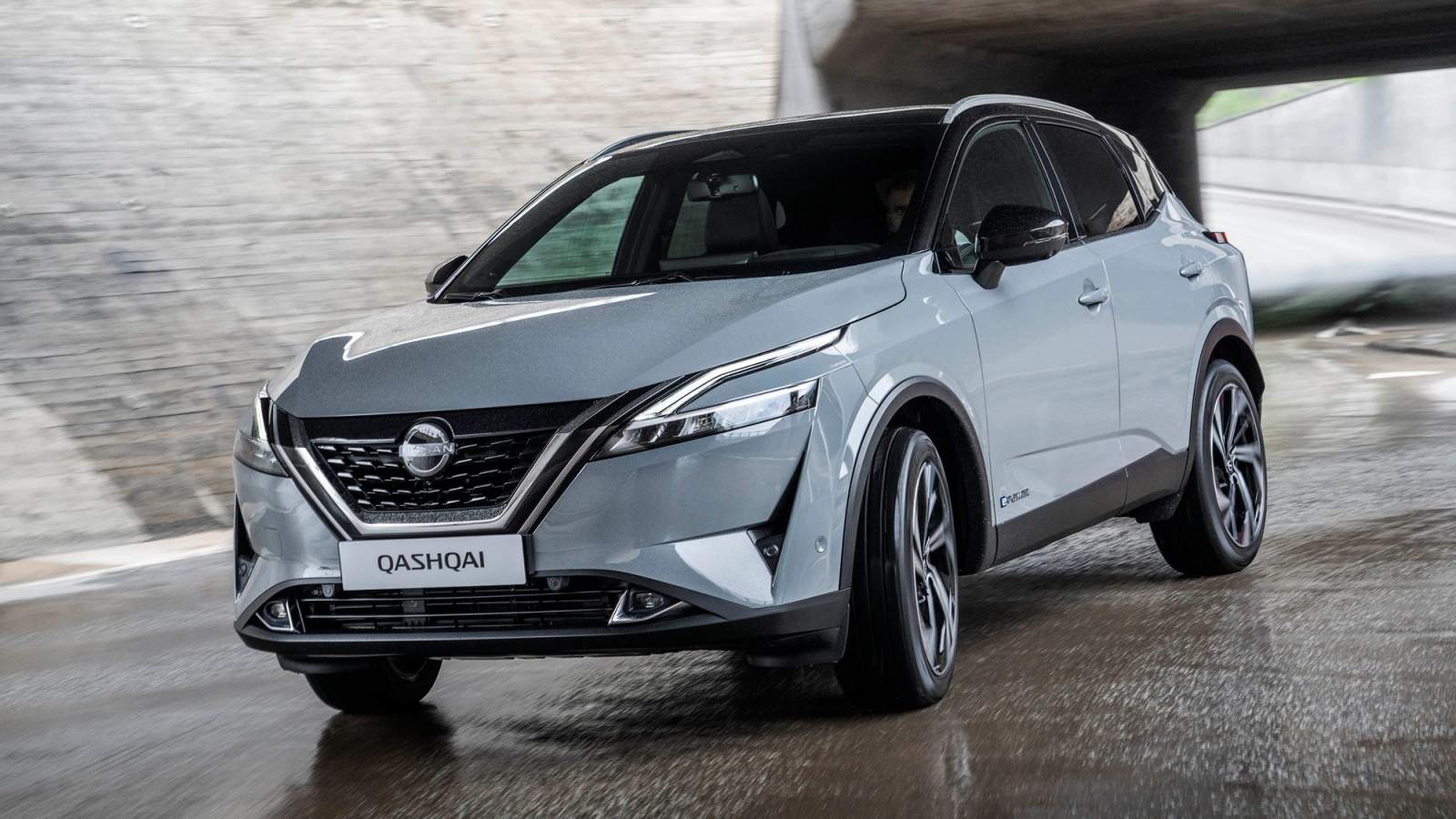
One worth looking at is the Nissan Qashqai mild hybrid. Its 1.3-litre DiG-T mild hybrid engine strikes a good balance between performance and economy, and the Qashqai’s practical, well-equipped interior makes it one of Britain’s most popular family SUVs for good reason.
What is a plug-in hybrid (PHEV)?
A plug-in hybrid – or PHEV (Plug-in Hybrid Electric Vehicle) – is the most capable of the three. Like a full hybrid, it has both a petrol engine and an electric motor. But the big difference is the battery: a PHEV has a much larger one, which means it can travel significant distances on electric power alone – typically anywhere between 20 and 100 miles depending on the model.
You charge a plug-in hybrid by – you guessed it – plugging it in, either at home using a dedicated wallbox charger or at a public charging point. If your daily commute is within the car’s electric range and you charge overnight, you could go weeks at a time without visiting a petrol station. That can make a real dent in your fuel bills.
Of course, if you’re going further afield, the petrol engine kicks in seamlessly, so you’re never left stranded. PHEVs offer genuine flexibility – the best of both worlds, if you like. To get the most out of one, though, it helps to have access to a charger at home or work. If you’re mostly charging on the go at public points, the running costs won’t stack up in quite the same way. For more on living with an electrified car, take a look at Cazoo’s guides to electric cars.
A strong choice is the Ford Kuga PHEV. The 2.5-litre plug-in hybrid version offers an electric range of around 35 miles and a spacious, family-friendly interior. It’s one of the UK’s most popular PHEVs and represents excellent value in the nearly new market.
So, which should you choose?
The right type of hybrid really depends on how and where you drive. Here’s a quick way to think about it:
- If you drive mostly short journeys and urban routes, a full hybrid is likely your best bet. The self-charging system suits stop-start traffic well, and you’ll never have to worry about finding a charger.
- If you want improved efficiency without any lifestyle changes, a mild hybrid offers the easiest entry point into electrified driving. It’s the least disruptive option and often the most affordable.
- If you have a regular commute within electric range and can charge at home or work, a plug-in hybrid can deliver the biggest savings on fuel – and the flexibility of a petrol engine for longer trips.
Whatever you decide, all three technologies are well represented amongst nearly new and used cars. You can browse the full range of hybrid cars on Cazoo to find something that suits your needs and budget. And if you’re still weighing up whether to go fully electric instead, Cazoo’s electric vehicle advice hub is a great place to carry on your research.