What to look out for when buying a used motorcycle
Buying a second-hand motorcycle is one of the most cost-effective ways of getting out on two wheels, but here’s what you need to check before you grab the keys.
The Cazoo editorial team
Published on 12 February 2026 | 1 min read
Buying a second-hand motorcycle is something that lots of people do when they’re looking to get out on two wheels. Whether it’s searching for a value-focused city bike or a cheaper adventurer, shopping within the used market makes a lot of sense for a lot of people.
However, when you’re in the market for a second-hand motorcycle, there are some things to check to be sure that everything is just as it should be. Let’s take a look at what you need to bear in mind.
Research the motorcycle you’re looking at
Research is the best place to start your buying journey. If you’ve found a motorcycle that you’d like to go and see, do as much research about it as you can before you go and see it in-person. Check out owner reviews, look at any recalls which might have been issued and check for common faults online.
Being as clued-up as possible before you go and see a bike puts you on the front foot and makes sure that you don’t miss anything when you’re there.
Check for history
A car’s MOT history can tell you a lot about its life. The good news is that you can check a bike’s MOT history for free via the government’s website, so you don’t need to pay anything to get a better understanding of how a motorcycle has been treated.
Look out for previous failed MOTs or any advisories that might’ve been issued when the bike was tested. For even more information, you may want to consider paying for an HPI check which can show if the bike has been previously written off, or if it still has any outstanding finance payments on it.
Aim for daytime
It might be a little tricky in winter, but trying to see a motorcycle when it’s daytime - and preferably dry - can really help to give a clearer picture of the bike you’re checking out. When it’s dark or raining, it’s harder to see scuffs, scratches and marks, as well as bent levers that might have occurred after a bike has been dropped.
Try to get and see the bike on a bright day or, at the very least, try and look at it under cover somewhere and bring a torch to more closely inspect key areas.

Check for matching numbers
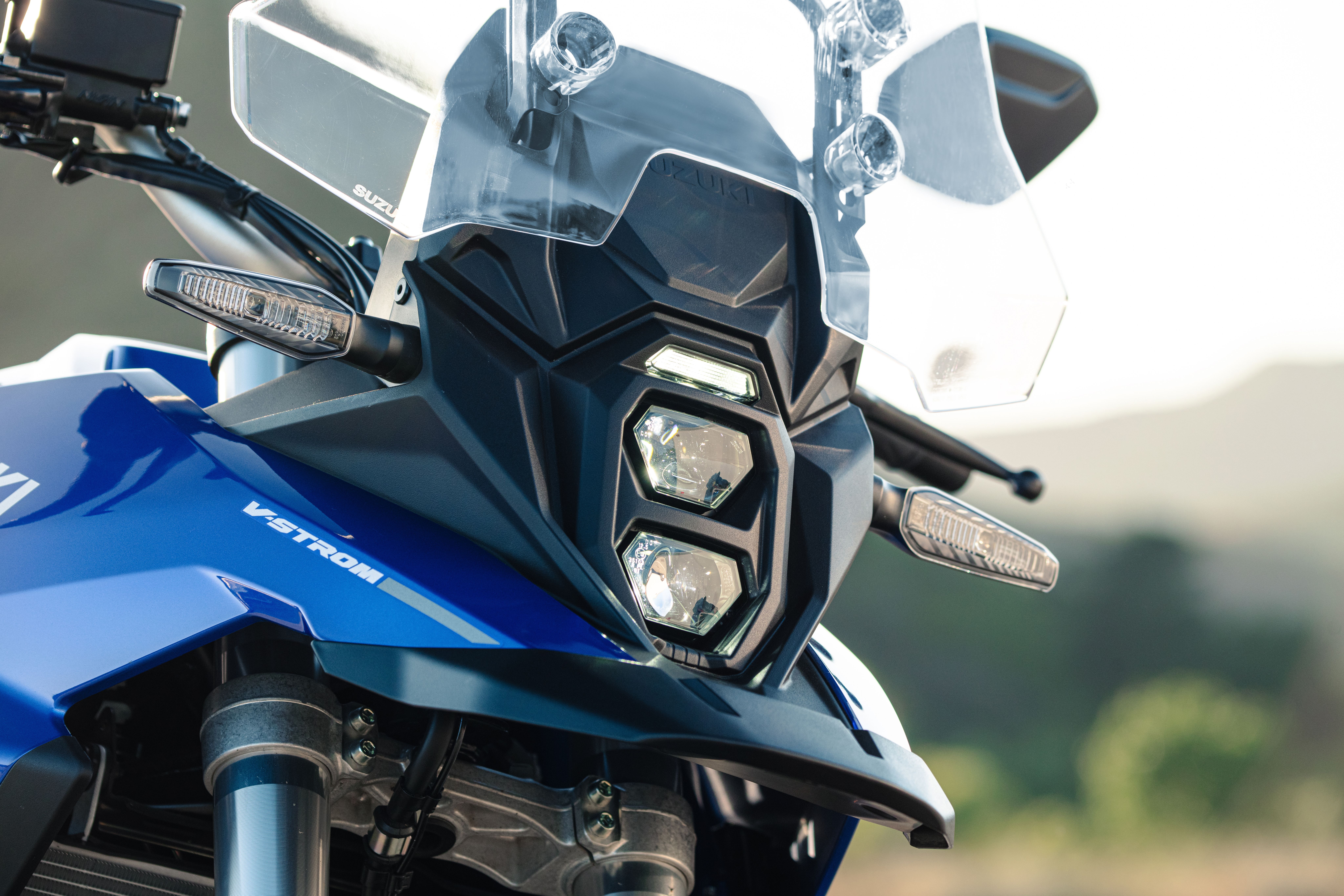
Matching numbers are crucial in determining a bike’s history. Check that the numbers on the frame match the ones on the bike’s V5 document, and check that the engine number matches too. If they don’t match, or if you suspect that something isn’t right, then the best thing you can do is to walk away entirely.
Check the vehicle’s service history book to see when it was last serviced, and whether or not it has met the manufacturer’s servicing intervals as well.
Don’t rush
The worst thing you can do when buying a used motorcycle is put yourself under pressure. Remember, there’s no trouble in walking away if you feel that something isn’t right, or if you’re not confident in a bike’s history.
Give yourself plenty of time and, if you need to, explain to the seller that you need some extra time to think about it. There will always be another motorcycle to buy - so don’t pressure yourself into getting one on the spot.
Check for insurance before test riding
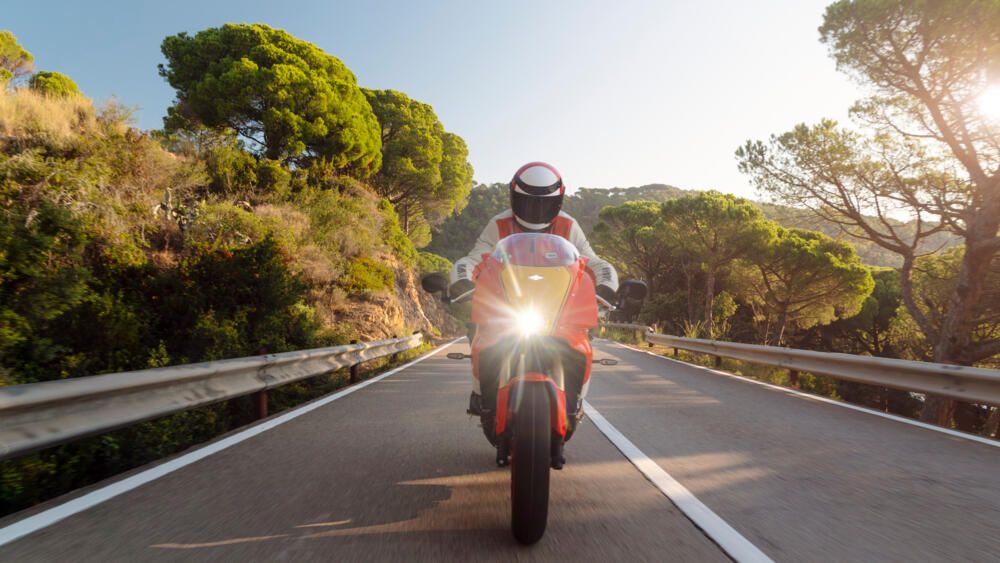
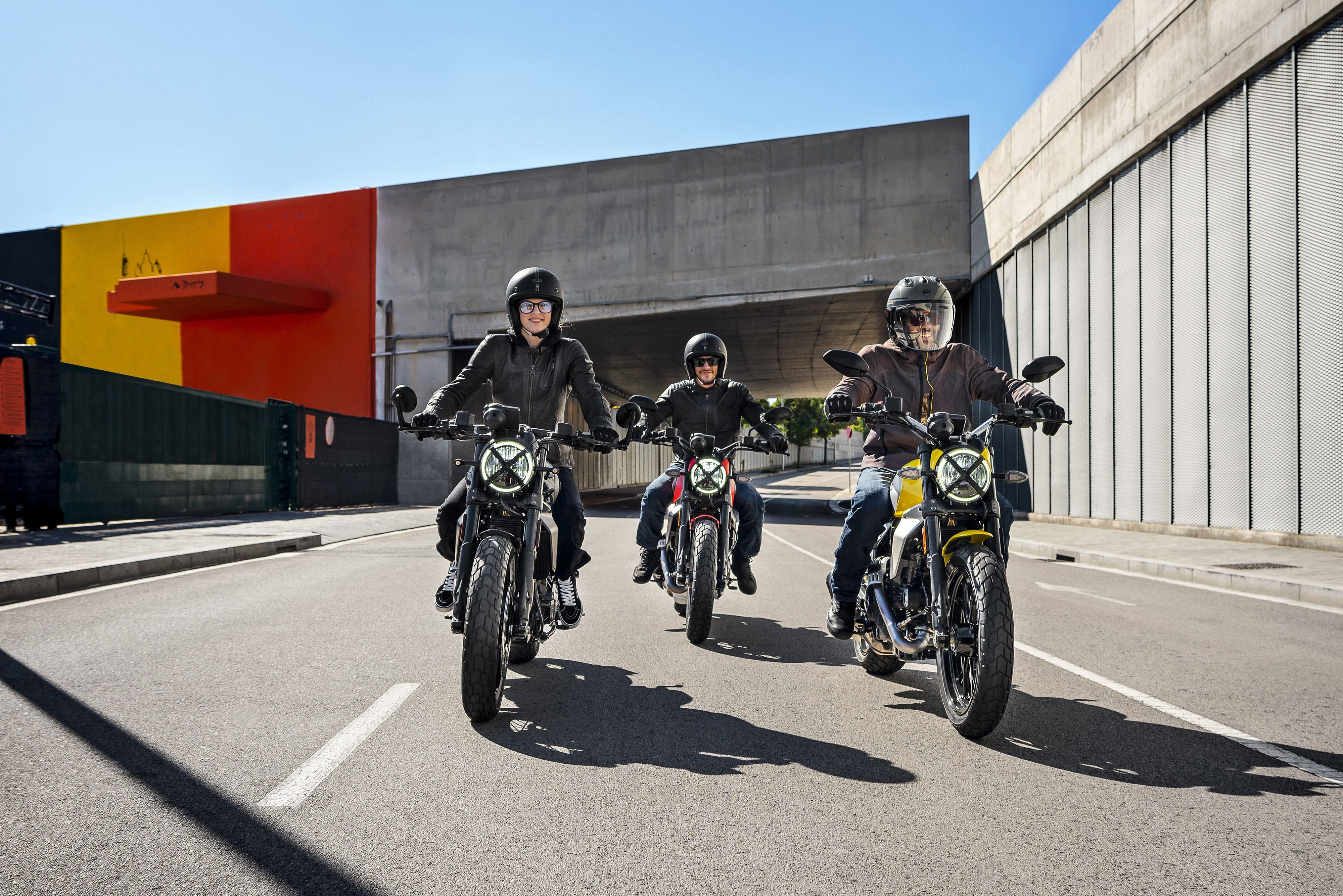
A test ride is absolutely crucial if you’re to find out just how a motorcycle runs and feels when it’s out on the road. However, you need to make sure that you’re covered on the owner’s insurance or have your own cover in place before you go anywhere.
In addition, make sure that you wear all of your usual safety kit before test-riding a motorcycle on the open road.
Be personable
There’s no need to go in with a stern face when buying a motorcycle. After all, the process is meant to be fun, and it’s worthwhile being personable to the seller in order to find out a little more about the motorcycle you’re looking at. Have a chat with them about why they’re looking to sell, how long they’ve had the bike and any issues that they’ve encountered with it along the way.
You’ll get a better understanding of the motorbike, and it should give you more of a steer on how well it has been looked after, too.